Tag: fmcg sector

  • Dabur sticks with Starcom, retains Rs 500 crore media mandate in bold move

    Dabur sticks with Starcom, retains Rs 500 crore media mandate in bold move

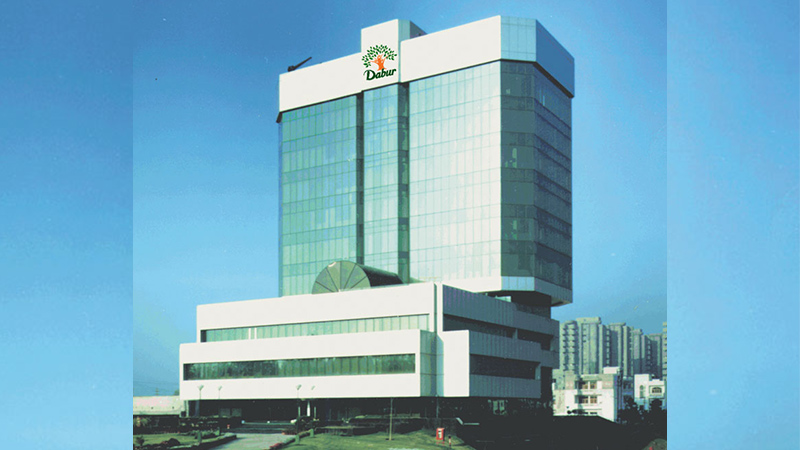
    MUMBAI: In the high-stakes world of media accounts, loyalty is a rare commodity—but not for Dabur India. According to sources, the FMCG powerhouse has doubled down on its long-standing partnership with Starcom India, keeping the agency on board for its Rs 500 crore media mandate while merging its digital responsibilities under one roof. If this isn’t a power move, what is?

    Dabur first appointed Starcom as its media agency back in 2015, taking control away from multiple agencies. Since then, the two have built a formidable partnership, and this latest decision signals unwavering trust in Starcom’s capabilities. Industry sources peg the retained account’s value between Rs 450 crore and Rs 500 crore, making it one of the biggest wins in recent advertising history.

    Starcom isn’t the only player to have handled Dabur’s digital business. Dentsu X was entrusted with its digital mandate in April 2022, while Digidarts was recently roped in to fine-tune aspects of the company’s online strategy. But with this consolidation, Dabur appears to be streamlining its media operations under a single agency, ensuring tighter control and a sharper strategic focus.

    Dabur, a titan in hair care, oral care, healthcare, skincare, home care, and food & beverages, has kept a close eye on its advertising expenses. Its Q3 FY2025 ad spend stood at Rs 226 crore, down 7.9 per cent from the Rs 244 crore spent in the same quarter last year. This marks the second consecutive quarter of muted ad expenditure, following Rs 225 crore spent during the previous festive season in Q2 2025.

    Despite a more conservative ad budget, Dabur’s financials remained strong. The company’s net income for Q3 FY2025 saw a 2 per cent rise, reaching Rs 516 crore from Rs 506 crore in the previous year. Meanwhile, operating revenue climbed 3 per cent, hitting Rs 3,355 crore, up from Rs 3,255 crore in the same quarter last year.

    With Starcom at the helm, Dabur’s advertising playbook is getting a strategic revamp. 

  • GUEST COLUMN: Brand Positioning in FMCG sector is more than just good packaging, logos

    GUEST COLUMN: Brand Positioning in FMCG sector is more than just good packaging, logos

    Mumbai: The FMCG sector happens to be one of the toughest and volatile categories to succeed, often regarded as modern branding’s birthplace. The FMCG market in India was valued at $110 billion in 2020. The overall market size of FMCG had nearly tripled as compared to 2012. Furthermore, by 2025, the market is expected to grow to 220 billion dollars.

    There are numerous brands in India catering their products to millions of people across the country and generating immense capital. However, to become recognised as a household brand, it takes a lot more than just good packaging and ‘nice’ logos. Brand positioning needs synchronised efforts of different moving parts to create a perception in the marketplace that drives the business forward. 

    What is Brand Positioning?

    Brand positioning in simple words can be defined as the place a brand wants to own in the target audience’s mind. It’s about identifying, exploring and refining the distinctiveness of a brand through an effective positioning strategy. The most important aspect of positioning the brand is that it allows a company to be distinct from its competitors which helps communicate value, increase brand awareness and justify the pricing. All these factors impact the bottom line in a significant way.

    Strategies that Act as Allies to Brand Positioning Efforts

    Successful brands incorporate different strategies to create authentic customer experiences around their products. These brands provide their target audiences with a compelling reason to buy through effective communication and reaching out to them. While deciding to position the brand in the marketplace, there are certain strategies that can be adopted to stay ahead in the race and drive towards increasing consumer engagement.

    Creating Brand Loyalty

    At the heart of every successful FMCG company lies returning customers. This is especially true for the FMCG segment where products are usually consumed frequently and quickly. For long-term success, brand loyalty is critical that helps ensure consumers become tunnel-visioned concerning a brand. To drive brand loyalty, many companies make the mistake of competing alone on price. It is important to understand that consumers aren’t just looking for the cheapest products. Typically, they look for the right blend of value and quality. Value is not only about price but involves a complex mix of the brand promise, brand culture, brand values, corporate social responsibility, customer experience, etc. that all add up to enhance the perceived brand value.

    Aligning with the Needs of the Target Audience

    While this may sound odd but to become a household brand, it is desirable to be appealing to the right target audience instead of a broader audience. Apart from knowing the market, competitors, the sector’s environment intimately and understanding what the ideal customer wants, it is also essential to know how the offering can enhance their lives. It’s only when there is a proper understanding of the consumer needs, loves, hates and aspirations that companies can craft a focused and concise brand message that cuts through the noise. In the present age, customers are bombarded with messages from multiple channels throughout the day. The challenge is to put forward the right message, on target to grab their attention, at the right time and then, most importantly, to hold that attention. Companies can develop a customer avatar that they can use to underpin their brand’s proposition and profile. The brand should indicate why and how it’ll meet the consumer needs and that it understands what really matters for the audience.

    Evolving with Time

    The FMCG market is undergoing constant evolvement and brands need to be flexible to be at par with the changing times. Successful brands quickly recognize trends and act on them with shifts in strategy that helps them to stay relevant and meet market requirements over the years. With increasing digital media consumption, the evolution of business models and proliferation in internet connectivity, FMCG companies have vast opportunities to create value by leveraging digital media across the value chain to drive the effectiveness of operations and efficiency. However, there is a thin line between incorporating new trends and staying relevant versus losing sight of what the brand stands for. Instead of ‘muddying the waters’ with an excessive range of confusing brand messages, brands must always remain true to the core of what they stand for.

    (Dawinder Pal is head of marketing at Bikano. The views expressed in this column are personal and Indiantelevision.com may not subscribe to them.)

  • Word of mouth plays a crucial role in our marketing: Anuj Rustagi, Fabelle

    Word of mouth plays a crucial role in our marketing: Anuj Rustagi, Fabelle

    NEW DELHI: The chocolate market in India is estimated to be around Rs 11,000 crores and is primarily dominated by the FMCG segment which offers chocolates in conventional formats at popular price points. Having said that, a sizeable number of consumers also seek premium and international chocolate experiences.

    Home-grown luxury chocolate brand Fabelle, from ITC Foods, launched its first chocolate boutique to retail chocolates in the country in 2016 from Bengaluru and has expanded to 14 boutiques across the top six metros. To further extend these experiences to masses, the brand entered the premium mass segment in 2018 in two unique formats – center-filled bars called Fabelle Soft Centers, and multi-layered bars known as Fabelle Choco Deck. Now, it has added another product to its portfolio – the ‘Fabelle La Terre’, a creative reimagination of 100 per cent earth positive chocolate that is sustainably manufactured.

    According to ITC Ltd COO- (chocolate, coffee, confectionery and new category development – foods division) Anuj Rustagi, the expertise in understanding the Indian palate and delivery of luxury chocolate offerings at par with global standards have helped them build a loyal and strong consumer base across age groups. “Our network of boutiques and online presence through e-commerce platforms and food delivery agents like Swiggy and Zomato have enabled us to take our one-of-its-kind chocolate experiences closer to the consumers.”

    In the near future, the brand is aiming to become a significant player in the market, similar to what ITC has achieved in categories like atta, noodles, biscuits, and others, related Rustagi.

    Fabelle chocolate are priced in the range of Rs 350 to Rs 1,00,000 in the luxury segment, and Rs 25 to Rs 350 in the mass premium range. So far, it has been catering successfully to consumers across relevant age groups and SECs.

    The brand’s media choices have been to sharp target consumers in key geographies using digital as a key medium, Rustagi said. This enables the consumer to get more information and engage with brands directly, especially in the luxury segments. “The digital medium has also worked effectively for us in recent times and continues to do so. Besides digital, positive word of mouth has been a key part of our marketing communication mix in building the brand’s familiarity amongst the larger audience, alongside our new, trendsetting launches like Ruby Gianduja, Trinity Truffles, Fabelle La Terre and work with chocolatiers like Billie Mckay, Sarah Todd, etc have given Fabelle the desired visibility.”

    The brand is also using direct marketing to engage with UHNI and HNI consumers and creating customised experiences in gifting and for self-consumption.

    Rustagi went on to add, “We also leverage our strong network of boutiques across six metros in the country to drive the consumers’ attention towards the elaborate range of our chocolate offerings.”

    He shared that in the initial months of lockdown, the chocolate business was impacted due to the change in consumers’ purchase behaviour. People were more bothered about stocking essentials due to concerns about continued supply, driving demand for the category. Thus, indulgent and non-essential products, including chocolates, were severely hit.

    “However, as focus on the purchase of essentials has eased and the availability of goods has improved, consumers have resumed spending on indulgent categories. We are witnessing recovery and are expecting the festive months ahead to augment that momentum.”

    Rustagi explained that ITC Ltd’s Q2 report also indicated that the chocolatier is almost at par to the pre-pandemic level. “The economic data pointed towards resurgence and we are also experiencing a week-on-week recovery, and if the same continues, we hope to perform better than last year. If we are able to achieve the same, it will be quite an accomplishment, considering how the majority of the year has been.”

  • Rural, tier 2 & 3 cities to drive the next leg of growth: Ashish Bhasin, DAN

    Rural, tier 2 & 3 cities to drive the next leg of growth: Ashish Bhasin, DAN

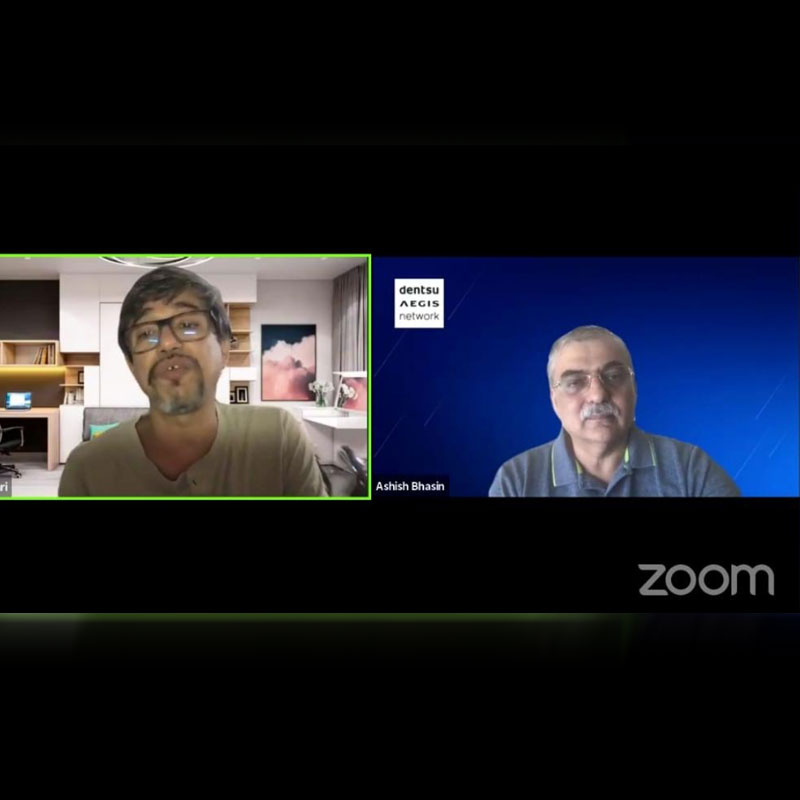
    NEW DELHI: After the sluggish growth in the previous few quarters, which is now further worsened by the Covid2019 pandemic, DAN CEO APAC and chairman India Ashish Bhasin is now bullish about the economic possibilities of the country. He feels that the worst has already happened and from here on it is going to be a month-on-month recovery path for the industry, he shared with Indiantelevision.com during a virtual fireside chat with founder CEO and editor-in-chief Anil Wanvari. 

    Bhasin noted that he doesn’t see a V-shape recovery happening but there are certain markets, which have already started signs of growth and will continue to do so, including automobile and FMCG.

    “FMCG was doing well during the lockdown too as it came under the essential services category and then also a function of sales-and-demand, managed pretty well. Another sector that has started showing signs of recovery is the automobile industry. I feel that post-pandemic more people will be preferring own transport and I see a rise in sales of motorbikes happening. Tractor sales did pretty well too, over the past few months and that will continue to do so,” he insisted. 

    He is also pinning his hopes for growth in rural and tier 2, tier 3 areas. “The harvest has been good this time and also the sowing season was pretty positive. Though the agriculture sector just contributes to the 15-16 per cent of the GDP, it will play a significant role in pulling the numbers up in the coming quarters. Also, more dispensible income in the hands of people will create a good supply-demand cycle. I see rural areas and tier 2, tier 3 cities driving the next leg of our growth.”

    Bhasin pointed out that in the rest of the industries, demand might not be a big problem but the struggles will be on the part of restoring the supply side logistics that have been badly hurt because of the pandemic. He sees sectors like cinema, real estate, and non-digital education entities taking quite some time to revive from here. 

    “It’s not like a switch that goes off during the lockdown and is suddenly up as the restrictions are lifted. One, it will take its own time for the labourers to come back, the production to start, and then supplies picking up. Even then, it is not going to be a straight way, there will be hiccups with cases spiking up or maybe demand going down,” he elaborated. 

    He stated that the pandemic has pushed the country behind by 2-2.5 years and it will take time till 2022 for the economy, as a function of various markets cumulatively, to reach 2019 level.