Tag: flexibility

  • Unit Linked Insurance Plans Explained: How Do They Actually Work for Investors?

    Unit Linked Insurance Plans Explained: How Do They Actually Work for Investors?

    Balancing security and growth is one of the hardest choices investors face. A savings account may feel safe but earns little. Equity investments may offer growth but can be volatile. Insurance protects families but doesn’t grow wealth. A Unit Linked Insurance Plan, commonly called a ULIP, was created to bring these threads together. It offers life cover alongside investments in financial markets, giving you both protection and the chance to build wealth in a disciplined way. But how does this combination actually work? Let’s explore the features and long-term value of ULIPs in detail.

    The Structure of a ULIP

    When you commit to a ULIP, you are essentially entering into a dual contract:

    1. Insurance protection: A part of your premium secures life cover, which means your family receives a payout in case of an unfortunate event.

    2. Market-linked investment: The rest of your premium is channelled into funds chosen by you, these may be equity, debt or hybrid funds.

    This structure ensures you don’t have to choose between insurance and investments. Instead, your money works simultaneously on both fronts.

    How the Premium Really Flows

    The flow of money inside a ULIP is transparent but layered:

    . Deductions upfront: Charges such as administration, mortality (for insurance cover) and fund management are deducted. These ensure the plan remains sustainable.

    . Investment allocation: The remaining portion is used to purchase units in your chosen funds. These units are priced according to the Net Asset Value (NAV), which changes daily.

    . Value accumulation: Over time, as the NAV rises or falls, the value of your portfolio grows.

    . Benefit payouts: On maturity, you receive the fund value. If the policyholder passes away, beneficiaries receive either the sum assured or the fund value, whichever is higher.

    This clear mechanism makes it easier to track exactly how your money is working within the plan.

    The Role of Flexibility

    Unlike traditional policies, ULIPs are built with flexibility in mind:

    •    Choice of funds: You decide how much exposure to equity or debt you want and this can change over time.

    •    Switching options: Most ULIPs allow you to switch between funds during the policy term, often without tax consequences. For example, if markets turn volatile, you could move from equity to debt.

    •    Top-ups: Extra contributions beyond the regular premium are allowed in many ULIPs, giving you a chance to invest more when income grows.

    •    Partial withdrawals: After the lock-in period (usually five years), you can withdraw funds without having to close the policy.

    This flexibility makes ULIPs adaptable to life’s changing needs.

    How ULIPs Fit into Different Stages of Life

    •    Early career: With lower mortality charges at a younger age, a larger portion of premiums goes into investments. This creates long-term growth potential.

    •    Family-building years: At this stage, the protection element matters more. ULIPs balance this by continuing to invest while also securing dependents.

    •    Approaching retirement: The switching option allows you to gradually shift from equity to debt, reducing volatility as you near important financial milestones.

    This life-stage relevance is what makes ULIPs more than just a generic investment product.

    Key Benefits for Investors

    1. Dual advantage: Protection for your family alongside wealth creation.

    2. Goal orientation: Perfect for long-term objectives like retirement planning, education funding or building assets.

    3. Liquidity when required: Access partial funds after the lock-in, useful for emergencies.

    4. Tax efficiency: In many regions, premiums and maturity benefits qualify for tax advantages, subject to local laws.

    5. Transparency: Regular statements and NAV tracking help you stay informed about your investment.

    What Investors Should Keep in Mind

    ULIPs do involve charges such as premium allocation, administration, mortality and fund management. While these reduce the investible amount in the early years, the impact lessens as the policy matures. Staying invested for the full term is key to unlocking maximum value.

    Patience and consistency are the cornerstones of a successful ULIP strategy. Short-term exits don’t allow the dual benefits of compounding and protection to play out effectively.

    Making a Thoughtful Choice

    Before buying a ULIP, reflect on:

    . What financial goals you are targeting.

    . The tenure you can commit to.

    . Your risk appetite—whether you prefer higher growth potential or stable returns.

    . The flexibility and charges of different ULIP offerings.

    To make this easier, most insurers provide tools such as an ULIP calculator. Enter your premium, tenure and fund choice to estimate how your investment might grow and whether it aligns with your objectives.

    Final Thoughts

    A Unit Linked Insurance Plan is not just another financial product. It is a structured framework that allows you to secure your loved ones while building wealth through disciplined, market-linked investing. Its adaptability, transparency and dual purpose make it a valuable part of modern financial planning.

    By understanding how ULIPs work and by staying invested for the long term, you can turn them into a cornerstone of your financial journey: one that combines peace of mind with the promise of growth.

  • Mutual funds and asset allocation: Finding the perfect balance for maximum returns

    Mutual funds and asset allocation: Finding the perfect balance for maximum returns

    When investing, finding the perfect balance between risk and reward is important for long-term wealth creation. Mutual funds are a powerful financial product for investors seeking to optimise their portfolios through strategic asset allocation.

    To optimise investments, you need to learn how mutual fund asset allocation works and position yourself to achieve maximum returns while mitigating risk effectively.

    Mutual funds and asset allocation 
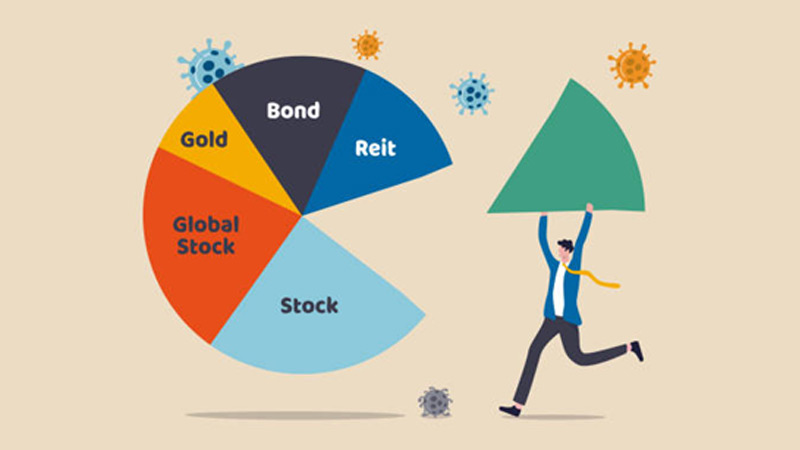
    Mutual funds and asset allocation share a symbiotic relationship, as mutual funds provide an easy way to implement an asset allocation strategy by diversifying investments across various asset classes. This makes them valuable if you do not have the expertise, time, or resources to build and manage a diversified portfolio.

    Advantages of mutual funds for asset allocation 
    To attain balance and maximise returns through asset allocation, you need to understand the benefits of mutual funds for asset allocation.

    •    Diversification 
    Mutual funds have the advantage of built-in diversification. A mutual fund contains multiple individual securities, providing inherent diversification. For instance, an equity mutual fund can help diversify across different industries, sectors, and capitalisations. This diversification reduces the effect of a poor-performing investment within the fund.

    •    Professional management 
    Mutual funds are handled by experienced professionals who make choices regarding the purchase, retention, and selling of securities. These managers possess deep knowledge of market analysis, economic projections, and mitigating risks, enabling you to reap the benefits from their expertise without requiring these abilities.

    •    Accessibility and affordability 
    Mutual funds have minimum investment requirements, making them available to a wide variety of investors. The affordability makes it possible for you to create a diversified portfolio even with small amounts of capital.

    •    Flexibility 
    Mutual funds offer investment options across different categories, such as equity funds, debt funds, balanced funds, and index funds, each with a distinct risk-return profile. They allow you to customise asset allocation according to your financial goals and risk tolerance.

    How to choose the perfect mutual funds for an asset allocation plan? 
    Finding the ideal mutual funds is key to the success of your asset allocation plan. The best mutual funds for your portfolio depend on many factors. A few include:

    •    Investment objectives: Align funds with your investment goals, such as growth, income, or preservation of capital.

    •    Risk tolerance: Select funds whose risk profiles match your tolerance for market volatility.

    •    Time horizon: Consider your investment horizon, as time tends to influence the correct asset mix.

    •    Expense ratios: Lower costs can have a significant impact on your net returns over time.

    •    Historical performance: Though past performance does not assure future outcomes, it provides insight into a fund’s consistency and management skills.

    Asset allocation calculator 
    An asset allocation calculator could help you determine the ideal combination of assets for your investment portfolio. The calculators consider your age, risk tolerance, and time horizon before suggesting an appropriate mix across different asset classes. It provides recommendations while  
    helping you balance risks and returns.

    Conclusion 
    Asset allocation in mutual funds allows you to take advantage of diversification, management, liquidity, and flexibility. After selecting funds that match your investment goals and utilising tools like asset allocation calculators, you can build a balanced portfolio that maximises rewards while minimising risks.

    Mutual funds provide you with the structure and discipline needed to navigate market volatility and achieve long-term success, making them an ideal choice for every type of investor. 
     

  • Maximising your retirement corpus with SWP in mutual funds

    Maximising your retirement corpus with SWP in mutual funds

    A comfortable retirement depends on not just a well-built corpus but also a strategic approach to manage it. A Systematic Withdrawal Plan (SWP) in mutual funds offers retirees the ideal blend of regular income and sustained growth. With SWP, retirees can withdraw a fixed sum at regular intervals while keeping their investments active in the market, ensuring financial independence and longevity of their savings.

    What is SWP and why is it beneficial?

    SWP allows you to withdraw a pre-determined amount from your mutual fund investment at intervals you choose – monthly, quarterly, or annually. Unlike lump-sum withdrawals, an SWP ensures a steady cash flow while your remaining investment continues to generate returns.

    Here’s why SWP is ideal for retirees:

      1.  Regular income: It replaces a salary, providing a steady stream of money to cover monthly expenses.

     2.  Tax efficiency: Withdrawals are taxed on the gains component only, unlike fixed deposits, which are fully taxable.

     3.  Market participation: Even after withdrawals, the remaining corpus stays invested, benefiting from market-linked growth.

     4.  Flexibility: You can modify or stop SWP as your needs change.

    Steps to maximise your retirement corpus with SWP

    1. Choose the right funds

    Selecting the right mutual funds is key. Retirees may opt for:

       . Hybrid funds: A mix of equity and debt for balanced risk and returns.

      . Debt funds: For stability and consistent returns.

      . Equity funds: Higher returns but suitable only for those comfortable with moderate risk.

    2. Set realistic withdrawal rates

    To ensure your funds last, stick to a withdrawal rate of 4-5% annually. Overdrawing may deplete your corpus quickly, while under-withdrawing may leave funds underutilised.

    3. Account for inflation

    Expenses will rise over time due to inflation. Plan SWP increments periodically to ensure your purchasing power remains intact.

    4. Monitor and rebalance

    Markets fluctuate, and your risk tolerance may change as you age. Regularly review your portfolio and rebalance to align with your evolving financial goals. For instance, gradually shifting more funds into safer debt instruments as you grow older can protect your corpus.

    Example of SWP in action

    Let’s assume you invest Rs. 50 lakh in a hybrid mutual fund earning 10% annual returns. With a withdrawal rate of Rs. 40,000 per month (Rs. 4.8 lakh per year), you’ll still grow your corpus over time because the returns outpace withdrawals. This sustainable strategy ensures that your wealth lasts longer while meeting your financial needs.

    Advantages of SWP over other options

        . Better liquidity: Unlike fixed deposits, SWPs provide regular income without locking in your funds.

       . Wealth preservation: Your corpus remains invested, offering the potential for inflation-beating growth.

       . Low emotional bias: Automation prevents emotional decision-making during market volatility.

    Conclusion

    An SWP is an excellent strategy for retirees seeking steady income without compromising the growth of their savings. By choosing the right funds, setting sustainable withdrawal rates, and accounting for inflation, retirees can enjoy financial stability and peace of mind. SWP ensures your retirement corpus not only sustains your golden years but also leaves behind a legacy for the next generation. With an SWP, you’re not just withdrawing money – you’re maximising the potential of your hard-earned wealth.

  • Out-of-Home is In

    Out-of-Home is In

    Though times are tough, the OOH sector will continue to clock steady growth, says Out-Of-Home Media chief executive officer Ishan Raina.

    Recently, I have been swamped with queries about trends and happenings on the Out-of-Home industry. And it feels good. This shows that the industry is thinking out-of-home and is looking upbeat. Out-of-Home is in.

    The last year has seen a flurry of movements in OOH due to legislation issues. Although a tough year for the industry on that aspect, this has been a move for the better. We can now expect more innovation and widening horizons as agencies and the media owners are thinking beyond traditional.

    Suddenly, we see a spurt of street furniture being used across cities. Newer formats of outdoor media are seeing the light of the day. Not just media formats, but creativity in using the media effectively also points to the fact that creative agencies, who are the brand custodians, are taking OOH seriously. The use of ambient media, for instance, is another development. So, if you take a walk down any street in a city like Mumbai, you can be absolutely sure that you won‘t feel bored for a moment!

    With the audiences now moving out of their residences more often to newer public avenues along with the boom in the real-estate scenario (barring the current situation) such as malls, multiplexes, public entertainment zones, corporate parks, socialising hubs etc, out-of-home has exploited this trend really well.

    SEC A audiences frequent to these locations, which gives the advertiser a plum of OOH advertising opportunities to put his monies on. With the Western influence seeping in, a need was felt to experiment with sleeker, technologically advanced media. The onset of digital media and its growth shows that advertisers have adapted to digital media like LEDs, OOH TV etc. quite well. From just two to now about six players already in the digital OOH TV market, this medium is making a huge impression upon the end-users‘ and hence, the marketers‘ mind. Today we have grown to about a Rs 15 billion industry (static and digital inclusive).

    The specialty of OOH is the ability of an advertiser to customise his communication and buy as per his budgets. For example, OOH Media offers the tool of Flexicast – which can be explained as the ability / flexibility to telecast brand communication on Out-of-Home Media screens as per the advertisers‘ choice of city, location, target audience etc. Advertisers can, thus, use our medium or any OOH medium for various reasons like for instance to launch a brand, add frequency to their overall campaign, act as a reminder medium, etc depending on their needs. For instance, OOH Media, being the only AV media in an out-of-home environment, has the advantage of adding frequency to TV, and visual to radio, print and outdoor media campaigns.

    So whether it is finance, telecom, auto, FMCG, real estate, consumer durables, apparels, media…..any and every advertiser from a small retailer to a multi-crore MNC can use the OOH medium effectively. We have seen advertisers from finance, auto, FMCG, apparels, consumer durables, telecom, real estate, media, tourism, etc use our medium quite a lot.

    Legislations have been an issue especially for traditional media, but since we are in an indoor environment, these issues have not affected us much. The fact remains that OOH still remains a fragmented and unorganised industry. Our first step towards making it organised was to launch OOH Metrics – the first ever large scale research on Digital Out-of-Home TV media in India, by OOH Media and Nielsen. The research profiles the likely audience as well as substantiates footfall figures. With a scientific approach to OOH TV, advertisers and agencies are considering the medium seriously.

    Though times are tough currently, my take is that advertisers will not stop spending as such on OOH, but will be more prudent and cautious. Value for money and effectiveness will be under scrutiny. That‘s where metrics will come into play. Innovations will be a crucial factor and flexibility to adjust around the advertisers‘ needs will be required.

    OOH is a growing medium and will continue to grow. With so many technological advances already making news, we can look forward to a steady year ahead.