
Connect with us

MUMBAI: Social media influencers are no longer just selling protein shakes and yoga mats. They are increasingly setting the tone for how Indians think about diet,...
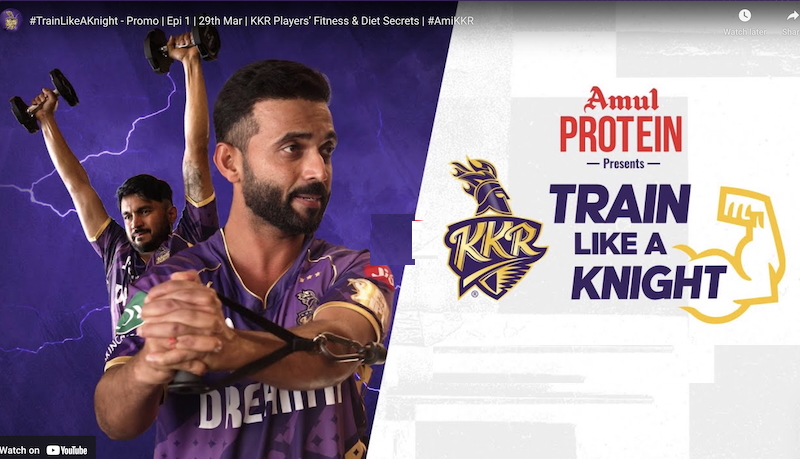
MUMBAI: Kolkata Knight Riders (KKR) is serving up a fitness masterclass with Amul presents Train like a Knight, a new digital series that’s set to give...
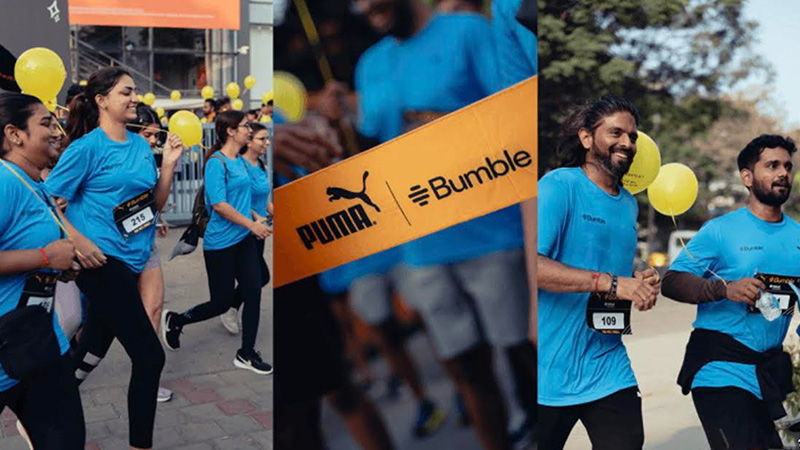
MUMBAI : This Valentine’s weekend, Bumble and Puma are redefining dating with the singles run in Mumbai on 15 February. Swapping candlelit dinners for running shoes,...
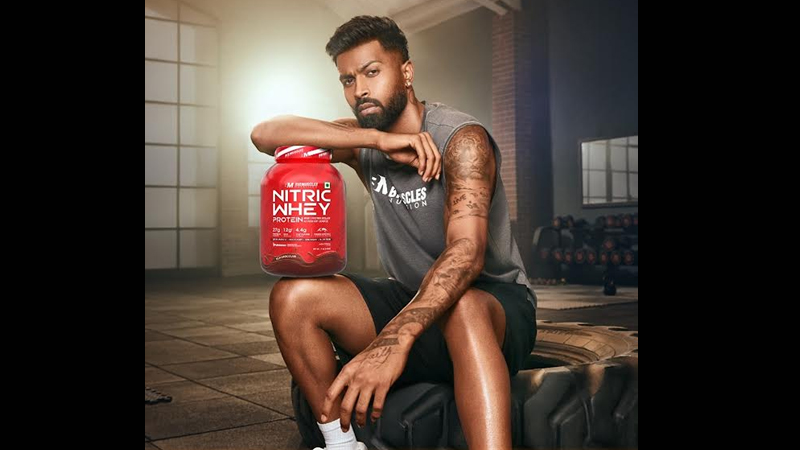
Mumbai: “The more ups I have the better, but even the downs I will cherish because failure teaches you a lot of things,” said Hardik Pandya...
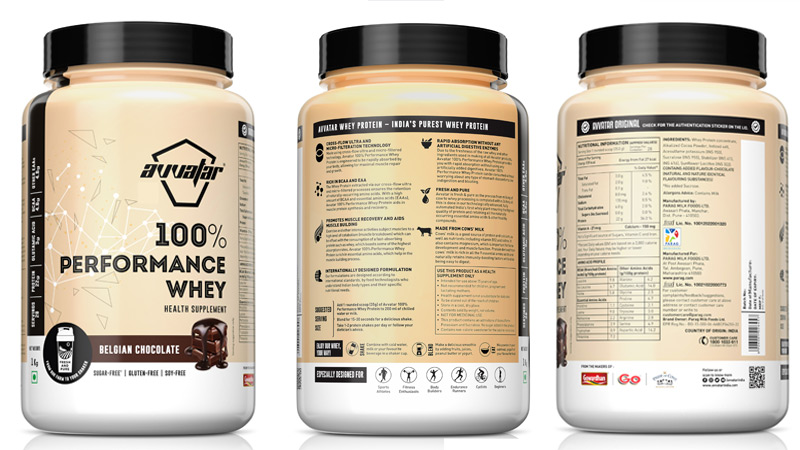
Mumbai: Avvatar proudly launches its latest product, Avvatar 100 per cent performance whey protein, designed to meet the protein needs of not just fitness enthusiasts, but...
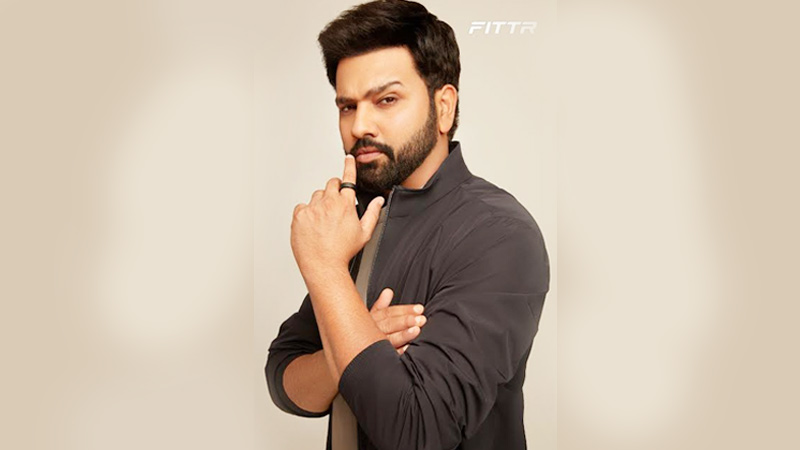
Mumbai: Rohit Sharma has announced a partnership with Fittr, a fitness platform. This collaboration introduces the Fittr Hart ring, a smart ring designed to seamlessly integrate...
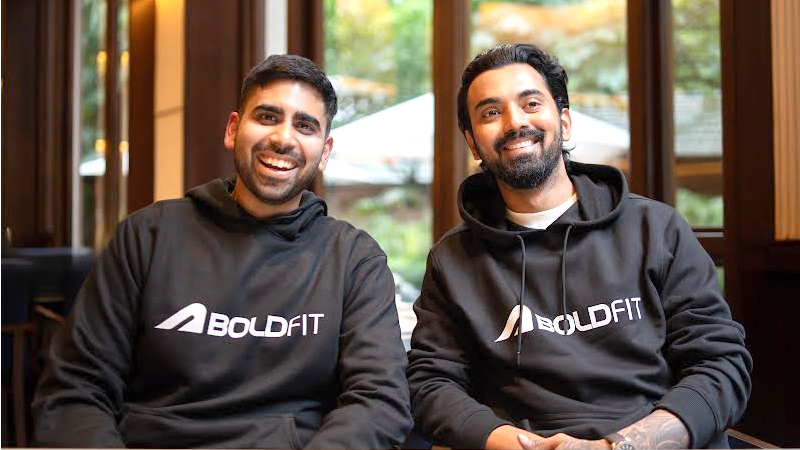
Mumbai: Indian cricket sensation KL Rahul has partnered with Boldfit, a D2C fitness brand. This collaboration goes beyond standard celebrity endorsements, making Rahul both an investor...
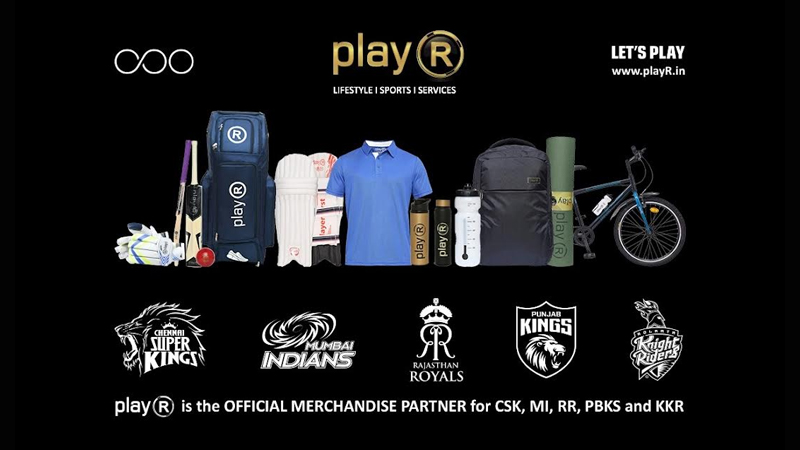
Mumbai: Amidst our chaotic and sedentary lifestyle, we often tend to forget how significant it is to take care of our physical fitness. Moreover, at times...
Mumbai: Boldfit, a leading name in the fitness and sports industry unveiled its new logo, marking a significant milestone in the company’s journey of innovation and...

Mumbai: In a recently launched television commercial, “#SehatKiSunoNourishHiChuno” from Nourish, fitness icon and Bollywood actor Shilpa Shetty (aka Munki) is seen advising her on-screen and off-screen...

Mumbai: Iodex, the leading body pain expert from GSK Consumer Healthcare and a renowned household name in India for over 100 years, partners with Cult.fit for...
Mumbai: Homegrown premier fitness bike brand Tread.fit has rebranded itself as Cultbike.fit. The firm’s rebranding is a result of its acquisition by the fitness company, Cult.Fit. ...
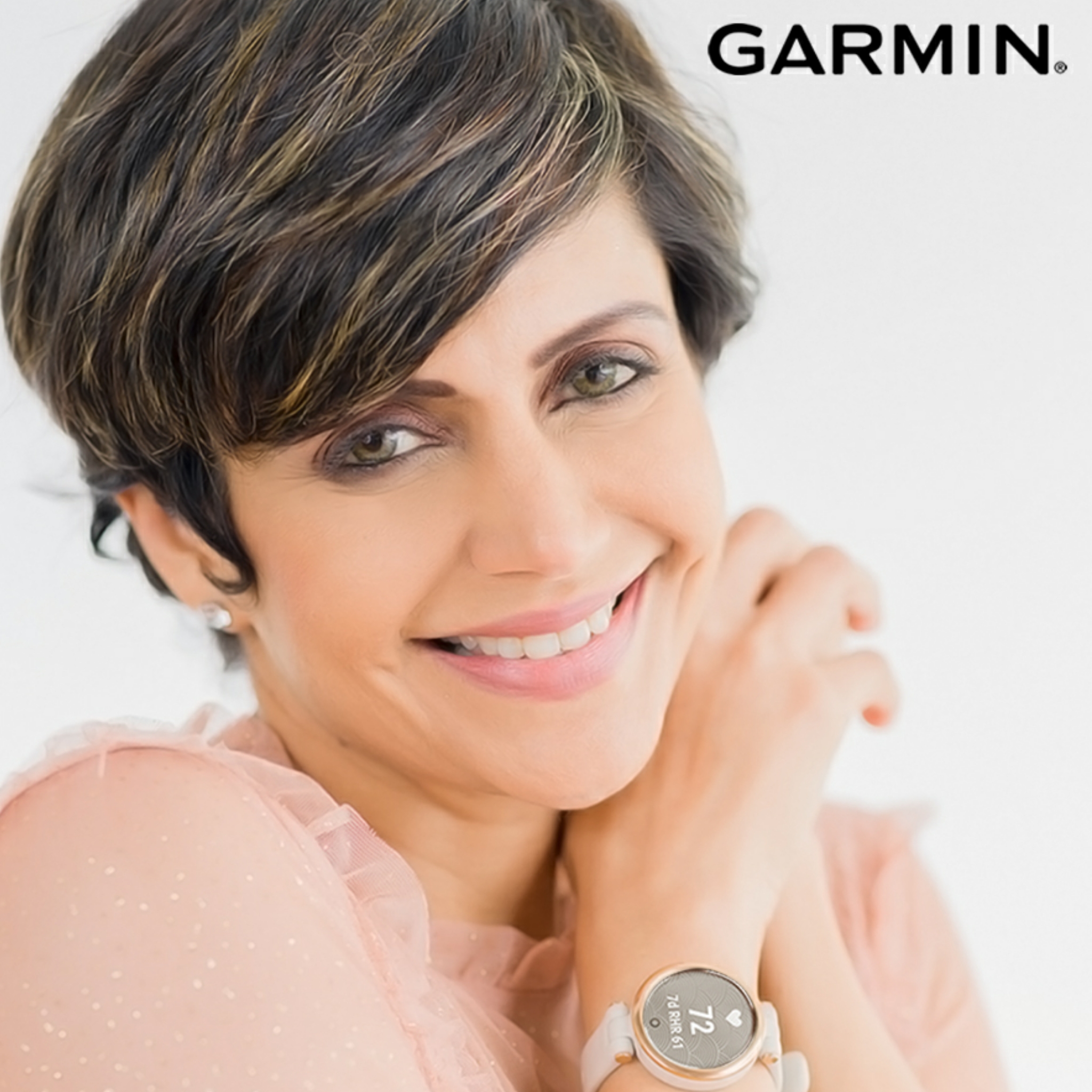
MUMBAI: Pivoting towards strengthening the brand reach, Garmin India, a has signed television presenter and fitness coach Mandira Bedi as its brand ambassador. The popular face...
KOLKATA: Health and wellness platform cure.fit has undergone a rebranding and will henceforth be known as cult.fit. The rebranding will be effective from 11 May and will...
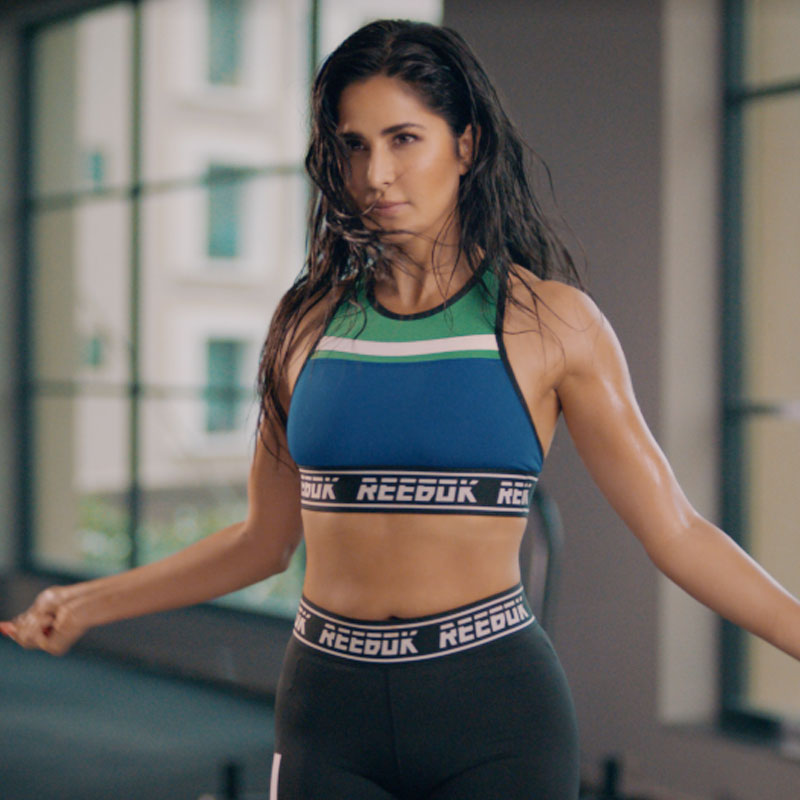
MUMBAI: Leading fitness and lifestyle brand Reebok has unveiled its latest campaign featuring brand ambassador Katrina Kaif. The campaign, ‘She Got Ree’, is a celebration of...

MUMBAI: We are constantly haunted by the media, be it television, print, out of home or digital. Our thoughts and actions get subliminally influenced, not to...

MUMBAI: Like every year, Radio Mirchi, 98.3 FM is all set to make the 2013 edition of Airtel Delhi Half Marathon (ADHM) a memorable experience with...

MUMBAI: Shagun – India’s first wedding entertainment channel is all set to launch its first ever fiction show Sajna Hai Mujhe. As the channel’s theme is...

MUMBAI: News Broadcaster CNN-IBN is expanding its feature programme line-up with a new weekly show exploring the art of healthy living. The half-hour weekly show Living...
MUMBAI: Interactive Television Networks (ITVN) which is an Internet Protocol Television (IPTV) service provider in the US has announced that it will carry MavTV. The new...

Can the Atkin‘s diet help you shed weight faster or is the Calorie Count diet the best way to cut the flab? How do you balance...


