Tag: filmmaking

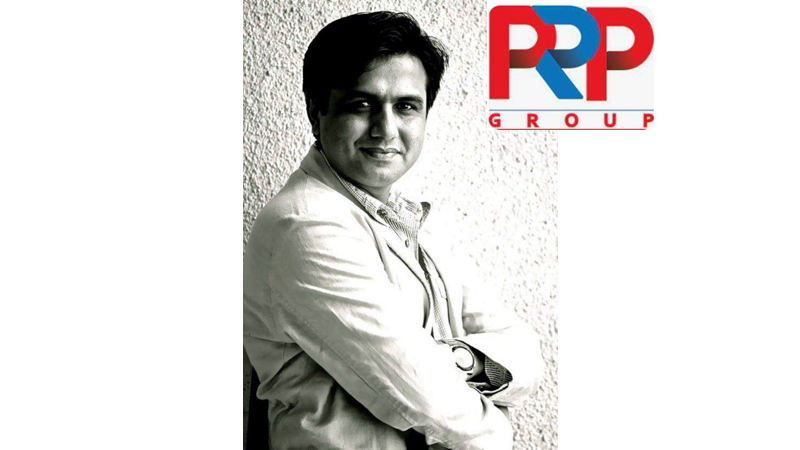
  • PR Professionals appoints Rajveer Ahuja as director – film & entertainment

    PR Professionals appoints Rajveer Ahuja as director – film & entertainment

    Mumbai: PR Professionals, the flagship of PRP Group has appointed Rajveer Ahuja as director of its film and entertainment division to enhance its presence in the industry.

    Ahuja brings over two decades of experience in filmmaking, writing, and direction, with notable roles as an actor and writer in Gollu Aur Pappu and as a dialogue writer for Fugly, which introduced Kiara Advani. His portfolio includes contributions to award-winning films like Modi ji ki Beti, Cheel Gadi (Flying Wagon), Girl in Red, Mukti, Peanut Butter, Lonely Girl: A Psychological Thriller, The Gift, Tera Mera Pyar Amar, and The Last Show.

    Ahuja also produced all seasons of the musical series Bhoomi by Salim-Sulaiman, known for featuring Indian musicians. As part of Bhoomi 2024, Shreya Ghoshal and Sunidhi Chauhan have collaborated on a new song, Chhaila. In advertising, Ahuja has produced the JBL ad featuring AR Rahman and directed the Matrix Forex commercial with Shahrukh Khan.

    With Ahuja leading the film & entertainment division, PR Professionals aims to expand its influence in the entertainment sector, focusing on creative innovation and strategic partnerships.

    PR Professionals founder & MD Dr Sarvesh Tiwari shared “We are excited to welcome Rajveer to lead our Film & Entertainment division. His extensive experience, visionary approach, and passion for storytelling align with our goals of creating impactful content and fostering growth in the entertainment industry. We are confident that this strategic expansion will enhance our capabilities and elevate our work to new heights.”

    Ahuja shared, “I am happy to be a part of PR Professionals which has grown phenomenally in the past. I am thrilled to lead their films and entertainment division and take it forward to newer heights.”

    The Films and Entertainment division of PR Professionals has managed publicity and promotions for Bollywood hits like Tu Jhoothi Main Makkar with Ranbir Kapoor and Shraddha Kapoor, and Dream Girl 2 with Ayushmann Khurana and Ananya Pandey.

    Founded in 2011, PR Professionals is an integrated communications agency focused on branding and public relations. The agency supports businesses in achieving market presence and engages in philanthropic activities. Confianza Consulting, part of PRP Group, provides human resource solutions, including talent acquisition, performance management, and compliance. PRP Group has expanded to 12 offices in India and six international locations.

  • MovieMe study reveals regional films’ impact on Indian cinema

    MovieMe study reveals regional films’ impact on Indian cinema

    Mumbai: India’s regional cinema landscape is vast and diverse, with each industry offering unique narratives, cultural contexts, and filmmaking styles. To better understand regional cinema success and growth, MovieMe- a cutting-edge entertainment tech and content discovery platform did a detailed study where they compared five key regional film industries—Malayalam, Kannada, Tamil, Telugu, and Hindi—and their 10 most popular releases post-COVID (2020-2024). MovieMe looked at film budgets, box office (BO) earnings, and genres to get a sense of what makes each regional cinema industry in India unique.

    The study by MovieMe reflects that, despite the significant average budget and average BO earning differences, each industry is contributing significantly to the Indian cinematic experience, delivering a variety of content that caters to both local and national audiences. For instance, while Malayalam and Kannada cinema appear to deliver compelling narratives at relatively lower budgets, Telugu and Tamil films appear to be bigger-budget blockbusters that garner massive box office success across India.

    Hindi cinema, often regarded as mainstream, continues to dominate national box offices, but regional industries like Kannada and Telugu are catching up with high-grossing films like KGF 2, RRR, and Kalki 2898 AD. Certain genre preferences also stood out from these movies, with action flicks and family dramas dominant across most industries.

    MovieMe’s data shows that Indian regional cinema is thriving, transcending linguistic barriers and appealing to diverse audiences across the country. Especially in Tamil and Kannada industries with increasing competition amongst titles to capture attention at the box office, regional movies are set to get a growing share of the market in the coming years.

    Moreover, as audience preferences shift towards authenticity, complex characters, and culturally significant narratives, regional cinema is well-positioned to establish fresh trends and explore artistic limits. 

  • Joseph Gordon-Levitt to headline IFP season 14 as opening session speaker

    Joseph Gordon-Levitt to headline IFP season 14 as opening session speaker

    Mumbai: IFP (formerly India Film Project) has announced celebrated international actor Joseph Gordon-Levitt as a special speaker for its opening session at the fourteenth edition of the festival on 12 and 13 October in Mumbai. Building on its legacy of thirteen successful seasons, this premier festival for ‘Creativity X Culture’ marks Gordon-Levitt’s first visit to India.

    Gordon-Levitt is an actor, filmmaker, and entrepreneur known for films such as 500 Days of Summer, Inception, Looper, Snowden, Don Jon, and Beverly Hills Cop: Axel F and his online media platform HIT RECORD. He’s a two-time Primetime Emmy Award winner renowned for his versatility and stellar performances, will join the esteemed lineup of Indian film industry luminaries, including Naseeruddin Shah, Ratna Pathak Shah, Vidhu Vinod Chopra, Kabir Khan, Tapsee Pannu, Aditi Rao Hydari, Saurabh Shukla, Shoojit Sircar, Guneet Monga, Ram Madhvani, Kunal Kemmu, Sharvari, and many more.

    Sharing his excitement about coming to IFP, Gordon-Levitt expressed, “It feels surreal to be visiting India for the first time. I’ve long been a fan of Indian music and culture and have been engaging with Indian creators through our community, HIT RECORD. Being invited to speak at the 14th Season of IFP is truly an honor. The rise of independent cinema, storytelling, and art in India fascinates me. There’s something captivating about how its rich history blends with the world of film and music. I’m excited to experience this vibrant creativity firsthand at IFP.”

    Staying true to its innovative roots, IFP brings back its signature series of 50-hour challenges in filmmaking, music, design, performing arts, writing, and photography to this season, with over 54,000 creative minds participating globally. IFP Season 14 has something unique to offer to everyone – from thought-provoking discussions to immersive experiences.

  • From script to society: How a holistic education breeds better filmmakers in advertising

    From script to society: How a holistic education breeds better filmmakers in advertising

    Mumbai: The integration of storytelling into our digital reality is seen as a defining feature by data scientists, highlighting the increasing significance of stories as valuable virtual commodities that encapsulate the essence of a society’s culture and identity. It delves into various societal domains, including politics, environment, religion, economy and language, offering a comprehensive understanding of human existence from the microcosm of family units to the macrocosm of complex societal structures.

    In media and film, we uncover how storytelling has become a defining characteristic in our increasingly digitised landscape. From politics to language and personal anecdotes to global issues, storytelling transcends boundaries to offer a holistic understanding of human existence. Crafting a compelling story is described as a blend of artistic expression and technical skills, requiring a deep understanding of narratology and an interdisciplinary perspective. Cultural agencies foresee storytelling emerging as a highly coveted skill in the 21st century, emphasising its pivotal role in conveying intangible aspects of culture and societal narratives.

    Taking some cases from brands like Soul Flower, Domestic, Jnanapravaha and Bamboo U, their one-to-one network-based advertising is relevant, cost-effective and innovative in connecting and appropriating the idea of advertising in the social domain. It validates the nature of advertising and the true intent for finding business while not mellowing down their ideological standpoint.

    The enduring relevance of media in contemporary society and the imperative of holistic education in nurturing filmmakers equipped to craft narratives that resonate with audiences and shape cultural discourse have never been so crucial. The world’s impacting research investigates the transformative journey of moving image, exploring how holistic education cultivates proficient filmmakers to become adept at storytelling in general and specifically advertising.

    This is why formal education in filmmaking has a huge role to play. Through such courses, they delve into the fusion of artistic expression and technical prowess essential for crafting compelling narratives, drawing from insights in narratology and interdisciplinary studies.

    Formal courses in filmmaking traverse diverse societal domains, ranging from politics to language, providing a holistic comprehension of human existence. The evolving advertising landscape underscores a shift from traditional heavy production to personalised influence-based approaches, creating opportunities for independent and knowledgeable storytellers.

    In light of the enduring significance of media and the evolving advertising landscape, this research underscores the critical role of holistic education in nurturing filmmakers equipped to shape cultural discourse and engage audiences effectively. In today’s fast-paced digital age, effectively conveying cultural nuances and societal narratives is more critical than ever.

    Education in advertising has traditionally followed a structured path, focusing on technical skills rather than holistic development. However, this approach often limits the creativity and innovation necessary for compelling storytelling in today’s dynamic landscape. The shift towards holistic education recognises the importance of nurturing well-rounded individuals who can craft compelling narratives that resonate with diverse audiences.

    The article has been authored by Anant National University assistant professor and head of the centre for moving image – Prof Akash Gaur.


  • The irony of “out of the box” thinking in filmmaking

    The irony of “out of the box” thinking in filmmaking

    Mumbai: The film industry itself is a place that seamlessly operates on being ‘out of the box’—the irony, in fact, is its special quality. In the film industry, the fundamental concept of crafting narratives or conceiving ideas has consistently revolved around being pioneers, as the saying goes, ‘setting trends. For those with a creative inclination, the film industry serves as an unparalleled playground for imagination. For a creator and director, the best place to execute the impossible; for all other heads of departments, an incredible environment to showcase their skills thrives within the dynamic realm of film, television series, or short films, allowing artists to refine their craft while illuminating the essence of storytelling and the director’s vision. They are within the box of the story but can operate ‘out of the box’ in their skills.

    The audience’s encounter and endorsement of the film industry are also completely “out of the box,” defying conventional expectations and norms. Their contemplation and admiration, whether experienced in the grandeur of cinemas, the intimacy of personal laptops, the convenience of cell phones, or the familiarity of a household TV, are uniquely intertwined with the film industry. This experience is markedly different from their everyday lives.  

    As a producer and business leader, the rationale behind navigating the film industry lies in our adherence to its ROI-centric principles. This approach not only guides our operational strategies but also informs our decision-making processes, ensuring sustainable growth and success within the dynamic landscape of the film business. In essence, the film industry thrives on the belief that the impossible is achievable. This conviction underscores the necessity of ‘out of the box’ thinking as a fundamental skill set for success in this dynamic field. Therefore, embracing creativity and innovation becomes not just a choice but a prerequisite for belonging to this vibrant world of storytelling.

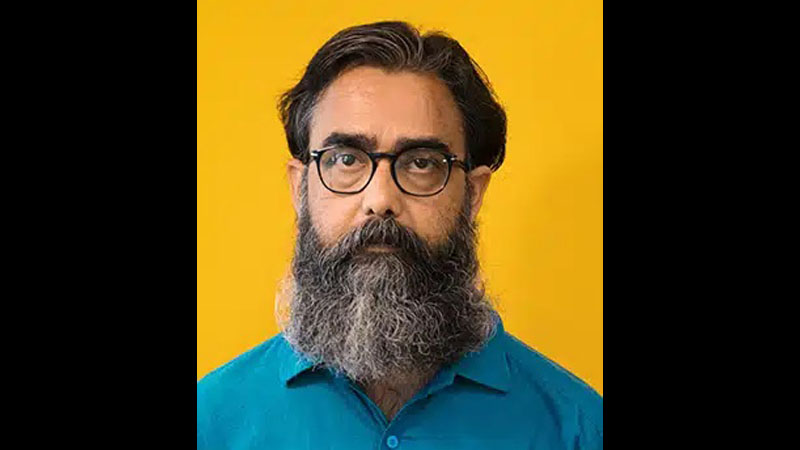
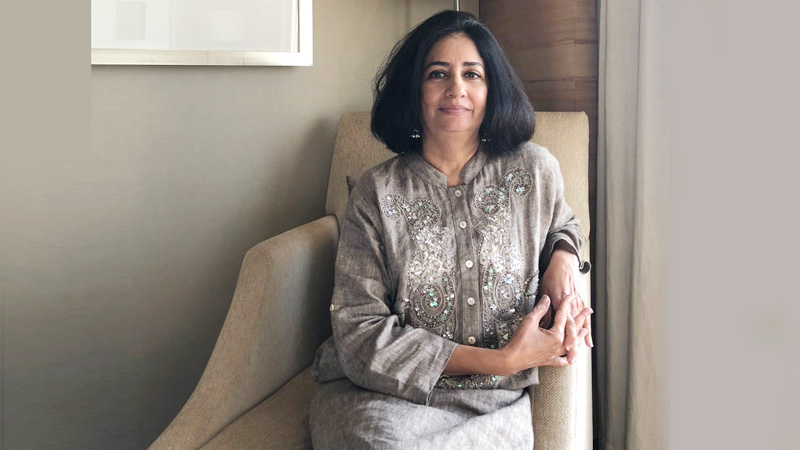
    The article has been authored by Amita Madhvani – co-heading business (EFPL/ RMF/ EV) and engaging for new business.

  • MTV’s Ryan Mendonca signs with BANG BANG as Director

    MTV’s Ryan Mendonca signs with BANG BANG as Director

    MUMBAI: Armed with over a decade of experience in the world of advertising, Mendonca started his filmmaking career at MTV, where he was National Creative Head until last month, leading the team at MTV and MTV Beats, pushing creative boundaries with branded communications across digital and branded content. Prior to this, he was Group Creative Director at Ogilvy & Mather, where he developed iconic campaigns for Unilever, Cadbury, BCCI and more and rose rapidly to Group Creative Director.

    His experience has earned him many accolades like Copywriter of the Year and Social Thinker of the Year by The Advertising Club of India. His other laurels include winning at Cannes, The One Show, London International, Spikes Asia, Promax Asia, WARC, Effies (India and Asia), AMEs, Kyoorius, and Young Guns to name a few.

    Speaking on the signing, Ryan Mendonca says, “Goes without saying I’m excited to be partnering Roopak and the team at BANG BANG. The plan is no different from what it’s been so far– to try and tell big stories, beautifully. Except this time around I’ll be directing them as well. Can’t wait to start.”

    Roopak Saluja, Founder & Chief Executive Officer – The 120 Media Collective, comments, “Sometimes you just know someone's going to make a kickass Director; they tend to exude a special storytelling ability and a keen eye for detail. I've known Ryan over the years and have always been a fan of his abilities. He's definitely that guy. Watch out world, here comes Ryan Mendonca! "

  • Kashish International Queer Film Festival scores its highest, here’s how!

    Kashish International Queer Film Festival scores its highest, here’s how!

    MUMBAI: Society’s acceptance is expanding to acceptance of new ideas, cultures and beliefs. The twenty first century is about moving forward with acceptance to new change, and as media is a mirror for and of society, everything is reflected on movie screen. With article 377 and awareness and acceptance for LGBTQ community at large today, films have also expanded their base to cover this topic.

    National Award Winner Sridhar Rangayan has rolled out the seventh annual edition of Kashish International Queer Film festival in Mumbai. The festival will launch between 25 May 25 and 29 May at three different venues: Liberty Theatre, Alliance Francaise de Bombay and Max Muller Bhavan. The theme of the festival remains ‘Seven Shades of Love’.

    This is one of the most significant festivals screening films themed around the LGBT (Lesbian, Gay, Bisexual and Transgender) community. Kashish International Queer Film Festival has been promoting such films even at international platforms and has been celebrating LGBT cinema in Mumbai via the festival.

    This year the festival will screen the highest number of films – 182 from 53 countries. In the 2015 edition of the festival, the number was 180 films from 44 countries.  There are 27 Indian films in Tamil, Kannada, Telegu and Hindi, to be screened in the festival. The festival has films ranging between a time duration of 12 minutes to 112 minutes. Feature films, documentaries and short films are on the list. About 50 films concern women and transgender.

    Festival director Sridhar Rangayan said, “We are delighted that the quality of filmmaking around LGBTQ issues in India has gathered quite a lot of momentum in recent years. This year we received more than 60 Indian film submissions, out of which we are screening 27 films, which have been shortlisted both for their narrative strength as well as their technical finesse. Four of them are co-productions and two of them are national award winners. So it is a good time for Indian LGBTQ cinema”

    The festival will open with the UK/USA feature film Carol, directed by Todd Haynes. Carol is a love story of the 1950s in New York between two young women. The cast includes Cate Blanchett and Roony Mara. The movie will be screened at Liberty Cinema on May 25.

    This year, the highlight films are Aligarh directed by Hansal Mehta, I am Not HE SHE directed by B.S. Lingadevaru, who also has another film in the festival  – The Threshold. Hansal Mehta’s Aligarh is also been looked forward to. Other awaited screenings are- Reaching for the Moon directed by Bruno Barreto, Oriented directed by Jake Witzenfeld and Tab Hunter Confidential directed by Jeffrey Schwarz.

    The festival finale will be the screening of the US award winning film Those people directed by Joey Kuhn. The film is story of young gay artist and his struggles.  

    Kashish International Queer Film Festival is associated with Wishberry as title sponsor. Other supporters are IBM as associate sponsor. Godrej, Whistling Woods and Canada are supporting sponsors. There are other festival sponsors like Anupam Kher’s Actor Prepares, Wadia Movietime, Wendell Rodricks, Lotus Unusual and Accord Equips as award partners amongst others.

    The festival also has a film competition for young film makers, wherein 41 films will be competing this year. The films will be judged on the quality of filmmaking, narration and uplifting of LGBTQ community. Explaining, director of programming Kashish International Queer Film Festival Saagar Gupta said “Films in the competition are shortlisted on the basis of novelty of ideas or engaging storytelling or technical brilliance or all of these. Special attention is given to those dealing with issues faced by LGBTQ youth in a positive, uplifting manner; or act as a catalyst for a discussion; and also reiterate this year’s theme – 7 Shades Of Love”.

    The categories of awards include Best Narrative Feature, for which four films will be competing. The winner will be awarded with a trophy and a cash prize of Rs 30,000, sponsored by Anupam Kher’s Actor Prepares. Actor Prepares is also sponsoring another category i.e. Best Performance in the Lead Role with a cash prize of Rs 20,000.

    Other categories include Best Documentary Feature; three films will be competing for this award. The International Narrative Short category has 23 competitors. Both carry a trophy and a gift hamper as awards. Six films will compete for Best Documentary Short. This category will award winners with a trophy and a HD Shooting Kit comprising of camera, mike and light; sponsored by Accord Equips. Best Indian Narrative Short is also sponsored by Actor Prepares, where two films will be competing. The winner will receive a trophy and a cash price of Rs 20,000.

    The Final Award is the Riyad Wadia Award for best emerging Indian Film Makers. The award carries a cash price of Rs 15000 and is sponsored by Wadia Movietime and a HD shooting kit sponsored by Accord Equips.  There are five films competing for the award.

    These films will be judged by National Award winner Rajeshwari Sachdev, TV actor Manav Gill, director Paravathi Balagopalan, theatre director Kaizaad Kotwal, international festival director Andrea Kuhn and Kashish International Queer Film Festival Sridhar Rangayan.  

    “The quality of the films in the competition this year is a testimony to the diversity of narrative styles as well as technical and aesthetic brilliance of filmmaking. They are not just LGBTQ films, but films that have a new storytelling edge to them. Every year Kashish tries to raise the bar, and this year the films in competition in seven categories are definitely world-class.” added Rangayan.

    Kashish, each year, focuses on one country with the title country in focus. Brazil is the chosen country for this year’s edition. The management explained the reason for choosing Brazil as a country of focus was because of its legalization of same sex marriages. Brazil will also be hosting Olympics this year. 11 films from Brazil will be screened in the festival.

    The opening night of the festival will be launched by chief guest and British actor Sir Ian Mckellen and Sonam Kapoor as Guest of Honor at the Liberty Cinema, Mumbai. Other dignitaries likely to attend the event include Kiran Rao, Kunal Kapoor, Sona Mohapatra, Nisa Godrej, Rajeshwari Sachdev, Manav Gohil along with Sridhar Rangayan.


  • Kashish International Queer Film Festival scores its highest, here’s how!

    Kashish International Queer Film Festival scores its highest, here’s how!

    MUMBAI: Society’s acceptance is expanding to acceptance of new ideas, cultures and beliefs. The twenty first century is about moving forward with acceptance to new change, and as media is a mirror for and of society, everything is reflected on movie screen. With article 377 and awareness and acceptance for LGBTQ community at large today, films have also expanded their base to cover this topic.

    National Award Winner Sridhar Rangayan has rolled out the seventh annual edition of Kashish International Queer Film festival in Mumbai. The festival will launch between 25 May 25 and 29 May at three different venues: Liberty Theatre, Alliance Francaise de Bombay and Max Muller Bhavan. The theme of the festival remains ‘Seven Shades of Love’.

    This is one of the most significant festivals screening films themed around the LGBT (Lesbian, Gay, Bisexual and Transgender) community. Kashish International Queer Film Festival has been promoting such films even at international platforms and has been celebrating LGBT cinema in Mumbai via the festival.

    This year the festival will screen the highest number of films – 182 from 53 countries. In the 2015 edition of the festival, the number was 180 films from 44 countries.  There are 27 Indian films in Tamil, Kannada, Telegu and Hindi, to be screened in the festival. The festival has films ranging between a time duration of 12 minutes to 112 minutes. Feature films, documentaries and short films are on the list. About 50 films concern women and transgender.

    Festival director Sridhar Rangayan said, “We are delighted that the quality of filmmaking around LGBTQ issues in India has gathered quite a lot of momentum in recent years. This year we received more than 60 Indian film submissions, out of which we are screening 27 films, which have been shortlisted both for their narrative strength as well as their technical finesse. Four of them are co-productions and two of them are national award winners. So it is a good time for Indian LGBTQ cinema”

    The festival will open with the UK/USA feature film Carol, directed by Todd Haynes. Carol is a love story of the 1950s in New York between two young women. The cast includes Cate Blanchett and Roony Mara. The movie will be screened at Liberty Cinema on May 25.

    This year, the highlight films are Aligarh directed by Hansal Mehta, I am Not HE SHE directed by B.S. Lingadevaru, who also has another film in the festival  – The Threshold. Hansal Mehta’s Aligarh is also been looked forward to. Other awaited screenings are- Reaching for the Moon directed by Bruno Barreto, Oriented directed by Jake Witzenfeld and Tab Hunter Confidential directed by Jeffrey Schwarz.

    The festival finale will be the screening of the US award winning film Those people directed by Joey Kuhn. The film is story of young gay artist and his struggles.  

    Kashish International Queer Film Festival is associated with Wishberry as title sponsor. Other supporters are IBM as associate sponsor. Godrej, Whistling Woods and Canada are supporting sponsors. There are other festival sponsors like Anupam Kher’s Actor Prepares, Wadia Movietime, Wendell Rodricks, Lotus Unusual and Accord Equips as award partners amongst others.

    The festival also has a film competition for young film makers, wherein 41 films will be competing this year. The films will be judged on the quality of filmmaking, narration and uplifting of LGBTQ community. Explaining, director of programming Kashish International Queer Film Festival Saagar Gupta said “Films in the competition are shortlisted on the basis of novelty of ideas or engaging storytelling or technical brilliance or all of these. Special attention is given to those dealing with issues faced by LGBTQ youth in a positive, uplifting manner; or act as a catalyst for a discussion; and also reiterate this year’s theme – 7 Shades Of Love”.

    The categories of awards include Best Narrative Feature, for which four films will be competing. The winner will be awarded with a trophy and a cash prize of Rs 30,000, sponsored by Anupam Kher’s Actor Prepares. Actor Prepares is also sponsoring another category i.e. Best Performance in the Lead Role with a cash prize of Rs 20,000.

    Other categories include Best Documentary Feature; three films will be competing for this award. The International Narrative Short category has 23 competitors. Both carry a trophy and a gift hamper as awards. Six films will compete for Best Documentary Short. This category will award winners with a trophy and a HD Shooting Kit comprising of camera, mike and light; sponsored by Accord Equips. Best Indian Narrative Short is also sponsored by Actor Prepares, where two films will be competing. The winner will receive a trophy and a cash price of Rs 20,000.

    The Final Award is the Riyad Wadia Award for best emerging Indian Film Makers. The award carries a cash price of Rs 15000 and is sponsored by Wadia Movietime and a HD shooting kit sponsored by Accord Equips.  There are five films competing for the award.

    These films will be judged by National Award winner Rajeshwari Sachdev, TV actor Manav Gill, director Paravathi Balagopalan, theatre director Kaizaad Kotwal, international festival director Andrea Kuhn and Kashish International Queer Film Festival Sridhar Rangayan.  

    “The quality of the films in the competition this year is a testimony to the diversity of narrative styles as well as technical and aesthetic brilliance of filmmaking. They are not just LGBTQ films, but films that have a new storytelling edge to them. Every year Kashish tries to raise the bar, and this year the films in competition in seven categories are definitely world-class.” added Rangayan.

    Kashish, each year, focuses on one country with the title country in focus. Brazil is the chosen country for this year’s edition. The management explained the reason for choosing Brazil as a country of focus was because of its legalization of same sex marriages. Brazil will also be hosting Olympics this year. 11 films from Brazil will be screened in the festival.

    The opening night of the festival will be launched by chief guest and British actor Sir Ian Mckellen and Sonam Kapoor as Guest of Honor at the Liberty Cinema, Mumbai. Other dignitaries likely to attend the event include Kiran Rao, Kunal Kapoor, Sona Mohapatra, Nisa Godrej, Rajeshwari Sachdev, Manav Gohil along with Sridhar Rangayan.


  • TISS & Whistling Woods International team up to offer graduate degrees

    TISS & Whistling Woods International team up to offer graduate degrees

    MUMBAI: In their endeavour to ensure proliferation of film and media education, Whistling Woods International (WWI) has partnered with the Tata Institute of Social Sciences (TISS).


    The coming together of the academic pedagogy of TISS and the practical rigour of WWI’s education promises to form a partnership to ensure that the best film and media education is offered to students.


    Talking about the association, WWI founder and chairman Subhash Ghai said, “A lot of thought and meticulous planning has gone into finalizing the curriculum, faculty and the practical nature of the education at WWI. It is regularly updated keeping international standards in mind. Associating with TISS, an institution of high academic pedagogy, is a step in the same direction; to enhance the quality of programs offered at WWI.”


    TISS director Parasuraman added, “Filmmaking, communication and media studies are as much a part of society as any other field. Over the years, TISS has always delivered progressive education in all the social sciences. We have closely observed WWI, interacted with the management team of WWI and observed that they demonstrate the same degree of quality consciousness as TISS.We at TISS felt it appropriate to partner with WWI to offer degree programs in filmmaking, communication and media studies.”


    The various degree programs offered under the WWI – TISS association are as follows:


    B.A. in Filmmaking with specialisation – Acting

    B.A. in Filmmaking with specialisation – Screenwriting

    B.Sc. / B.A. Filmmaking with specialisation – Cinematography

    B.Sc. / B.A. Filmmaking with specialisation – Direction

    B.Sc. / B.A. Filmmaking with specialisation – Editing

    B.Sc. / B.A. Filmmaking with specialisation – Producing

    B.Sc. / B.A. Filmmaking with specialisation – Sound Recording and Design

    B.Sc. / B.A. Filmmaking with specialisation – Visual Effects for Motion Pictures

    B.Sc. in The Art & Technique of Animation

    B.B.A / B.A. in Media and Communication Studies

    B.A. in Fashion Design


    Admissions for these courses commenced in January 2015 and classes will commence in July 2015.

  • Digital technology facilitates filmmaking

    Digital technology facilitates filmmaking

    NEW DELHI: Students of different film schools feel digital technology has made their work easier but agree that the main challenge still remains: finding good content that will move the viewers.

    Some of the students who interacted at the Open Forum organised by IDPA and FFSI were also nostalgic about the celluloid and said they would always want to keep at least one print of their film since digital technology.

    The students belonged to the Film and Television Institute of India, the Satyajit Ray Film and Television Institute, The AJK Mass Communication Research Centre of Jamia Millia Islimia, and the MGR Government Film School whose films are being screened in a separate section of Student Films and a section of Fifty Years of FTII.

    Ashim Paul whose film ‘Birds of Passage’ is in the non-features of the Indian Panorama said that digital technology did not pose a problem as young people were familiar with it, but celluloid held its own charm. He said one like to feel the product. In any case, it was important to preserve it in celluloid for archival purpose as digital technology could only save a film as a file. A film is tangible material, he said. He said while answering a question that content would not be affected by going digital,

    He said cinema was an art form and not a technology driven form and celluloid is a pious form.

    Kaushal Oza whose ‘Afterglow’ is also in the Indian Panorama said technology is an enabler and not the be-all and the end-all. The final product will still be in the hands of the creator. He did not agree with the view that digital will drive film out of the theatres, and said it could be viewed in all mediums.

    Prince George who was involved as music director of ‘Allah is Great’ which is also in the Panorama said technology was king for him as it had made his job very easy. He said digital technology had given him another advantage – he had been able to compose music for a film made by a filmmaker in Oman without that person coming to India or him having to go there.

    Govind Raju whose film ‘Golden Mango’ figures in the FTII package said the shift to digital was not too easy initially and took some time, but it has a lot of advantages. However, it would erroneous to say digital films are easier to make as they take the same effort. He also did not agree that films would disappear from theatres with digitisation.

    Kabil Dev M whose film ‘Rajini’ is in the Students Package said he felt very comfortable using digital technology for his films. But he felt that theatrical exhibition may be affected with so many other mediums.

    Arun said the movement from celluloid to digital was still in a transitional phase and it may take time for all to accept this new technology. Digital technology he said was pocket friendly but may affect theatrical exhibitions. He was also of the view that a film made on a small camera is fit for the small screen.

    Vandana said new media has brought forward a new way for promoting films, and said it was not true that the new media like YouTube did not pay for the content. But she agreed there was a romance in celluloid as one could keep and feel the product one produced.

    Suparna said digital technology also required discipline and so the filmmaker was important. She also wondered about problems faced by filmmakers for finance.