Tag: Film Certification

  • Censorship and extremism worry content creator even as tech helps: Uday Shankar

    MUMBAI: Star India chief Uday Shankar today said while the distance that India has travelled in just one year in adopting internet based behavior is nothing short of remarkable, he was sad that ‘our censor authorities seem to be getting more and more conservative’ as the world gets bolder.

    Speaking at the inauguration of the three-day FICCI FRAMES, Shankar said that “the openness of the internet was supposed to lead to greater plurality of opinions, instead it has created a violent polarity” and a “forced extremism on every matter that has made gray the least acceptable colour in all discourse. As a society we have raised the stakes of every argument to narrowly legal and brutally physical consequences. There seems to be no room left to have civil debates and no place for those who disagree.”

    Clearly expressing a viewpoint that pained the creator of content, he asked: “But can we lay all the blame on the Censor Board itself? In my view the Board generally reflects the dominant consensus of our society and there are increasingly more bodies, mostly self-appointed, who have taken upon themselves the task of censoring media content. The refrain seems to be – I don’t like the legend or the myth on which your story is based, so I will burn down your sets. I don’t like a character, so I will not let you release your film. If you say you are going to do a show of busting fake godmen and gangsters, there is pre-emptive action. And what is becoming alarming now is that sometimes even the forums that you would seek redressal at are more inclined to bless the streetside censorship than speak for the freedom of expression.”

    Extending his argument, he said: “Punishment for disagreement seems to have become the norm. The institutions tasked with protecting expression and plurality, seem to be at loggerheads with the objective itself. By creating elaborate formal ceremonies around it, are we taking the joy out of one of the most loved and celebrated lyrics in our country i.e. our National Anthem? What’s frightening is that the court order has just become yet another weapon in the hands of any goon who is keen to stamp his authority. We are rapidly descending into a mindset where the most critical objective of a work of art is to make sure that it offends nobody no matter how many thematic or creative compromises it has to make.”

    He regretted that the “most worrying part” was that creative minds have begun to self-censor their thoughts and have started killing ideas before they germinate so as to avoid any conflict. “And that is really frightening. The advocates of this vandalism claim that unique measures must be taken to protect our unique culture.”

    However, Shankar said India appeared to be moving fast towards a digital dividend rather than a digital divide. “Personally I find predicting the future to be a tricky business -especially when it involves adoption of new technology. Just a year ago, at this very venue, there was a lively discussion on digital adoption. In less than a year, we are past that tipping point in this country. The distance that India has travelled in adopting internet based behaviour is nothing short of remarkable.”

    From buying goods and services to ordering in, India is now one of the largest markets for mobile applications – be it by volumes of downloads, consumption of video or e-commerce, for which it has already emerged as the next frontier.

    On the other hand, he said the conversation last year was about how many more unicorn start-ups will we see; this year it is about how many lame horses will have to be put down. “Fortunately, the digital story for the M&E sector continues to look exciting and it is already the next big destination for the global digital giants like Netflix and Amazon Prime. The stories of bottomless war-chests may or may not be hyperbole, but, it does give us a sense of the competition that they see from home-grown digital enterprises like Hotstar, Voot and the others.”

    He was confident that there will be a lot more lively activity on this front. The technology that has been introduced in this country is as good if not better than the best in the world. Combined with the reset in costs and quality benchmarks led by Reliance Jio, this has driven the adoption by the Indian consumer at a breathtaking pace.

    But while we celebrate this rapid growth, he said that in 2015-16 the Central Board of Film Certification refused certification to 77 movies. This number was 47 in 2014-15 and only 23 in the year before.

    As an example, he said the movie ‘Jolly LLB – 2’ had to be screened for a group of lawyers and medical professionals who were to decide whether the scenes were appropriate or whether they insulted any profession or institution. “This was despite the fact that the movie had been certified for universal release by the censor board.”

    He said there was a long list of instances “where the creative community has been bullied into changing its output to suit the needs of someone or the other in India. It seems that there are always people lurking in the shadows. Their sole job is to stretch and explore every piece of content that could be potentially offensive to someone.”

    He said the openness of the internet was supposed to lead to greater plurality of opinions, instead it has created a violent polarity.

    Referring to extremist reactions to creative works, he said: “We seem to be following the script that Hollywood had written almost 100 years ago. In the early part of the 20th century, Hollywood had decided to self-regulate itself. It adopted a production code and insisted on its enforcement for almost 25 years. The code covered the use of profanity like hell and damn, any suggestive nudity, wilful offense of any nation, race or creed and any ridicule of the clergy among other things. Doesn’t it sound familiar? The similarity with our own moral code is striking to say the least. Interestingly, television that was just arriving in American homes then, emerged as the challenger to this regime. Along with European cinema that came into the US, television buried this regressive moral code. The question today is – will digital play the same role for our generation and our country? The role of a progressive challenger, the role of providing a bigger canvas to creativity and creating a space for dissenting points of view. This new medium has the ability to truly democratize broadcasting. It offers the creative community the rare opportunity to rethink from scratch their art and how it is communicated. Only when modern technology and contemporary creativity truly come together, will we create a compelling and powerful media and entertainment offering.

    Those present included High Commissioner Nadir Patel and Mayor John Tory, Information and Broadcasting Secretary Ajay Mittal, and Department of Commerce Joint Secretary Sudhanshu Pandey,

  • I&B amends rules on depiction of cruelty to animals

    I&B amends rules on depiction of cruelty to animals

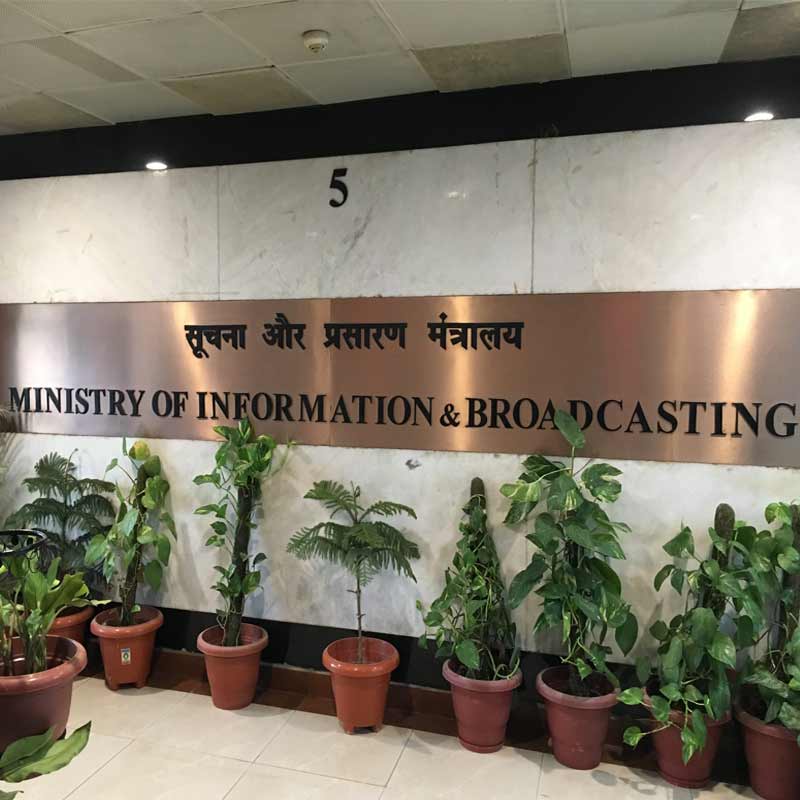
    NEW DELHI: The Government has amended the Cable Television Networks Rules 1994 to prevent scenes of cruelty or violence towards animals. 

    In a gazette notification, the Information and Broadcasting Ministry inserted a clause saying “depicts cruelty or violence towards animals in any form or promotes unscientific belief that causes harm to animals:”  

    Although the Gazette Notification signed by Joint Secretary (Broadcasting) Mihir Kumar Singh is dated 19 August 2016, it was placed on the Ministry website today.

    The notification also makes the relevant change in the Programme and Advertisement Codes. In August, the Shyam Benegal Committee on Film Certification had in a second report given recommendations on depiction of smoking and animal scenes which are still under consideration. 

    Also read:  Actors shown in smoking scenes in films or TV should promote anti-smoking

  • I&B amends rules on depiction of cruelty to animals

    I&B amends rules on depiction of cruelty to animals

    NEW DELHI: The Government has amended the Cable Television Networks Rules 1994 to prevent scenes of cruelty or violence towards animals. 

    In a gazette notification, the Information and Broadcasting Ministry inserted a clause saying “depicts cruelty or violence towards animals in any form or promotes unscientific belief that causes harm to animals:”  

    Although the Gazette Notification signed by Joint Secretary (Broadcasting) Mihir Kumar Singh is dated 19 August 2016, it was placed on the Ministry website today.

    The notification also makes the relevant change in the Programme and Advertisement Codes. In August, the Shyam Benegal Committee on Film Certification had in a second report given recommendations on depiction of smoking and animal scenes which are still under consideration. 

    Also read:  Actors shown in smoking scenes in films or TV should promote anti-smoking

  • Actors shown in smoking scenes in films or TV should promote anti-smoking

    Actors shown in smoking scenes in films or TV should promote anti-smoking

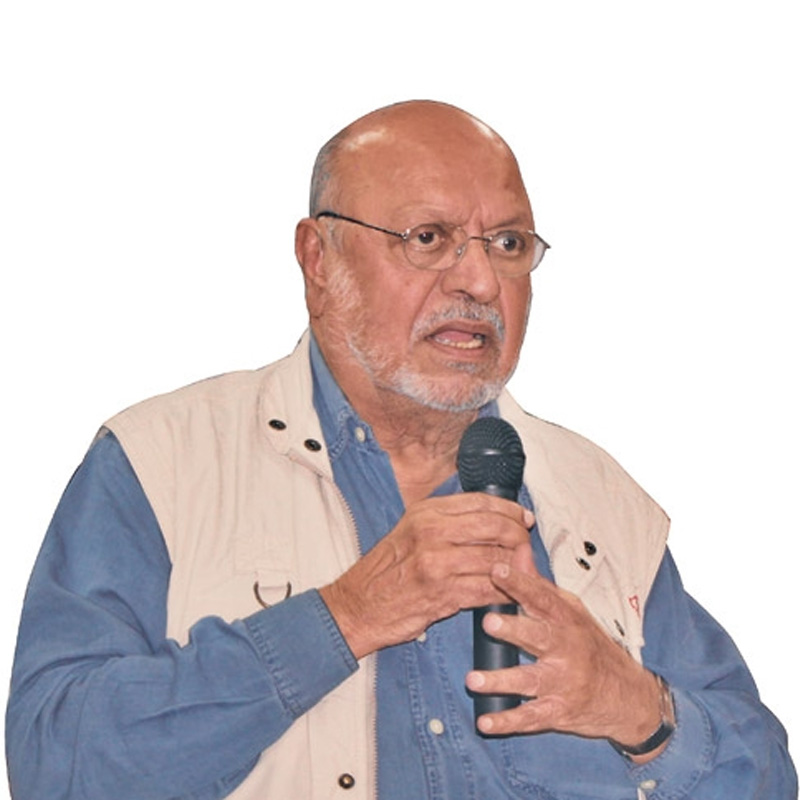
    NEW DELHI: The Shyam Benegal Committee on Film Certification, which earlier recommended that alterations or changes in any film can be made by the Central Board of Film Certification only with the consent of the rights holder, has now said that a “meaningful static disclaimer in the beginning of the film with standard visual background approved by the Ministry of Health may be shown for a minimum time period along with an audio backing it.”

    SMOKING SCENES

    In a supplementary report dealing only with smoking scenes and depiction of animals in films, it has said the disclaimer should be made in all Indian languages and made applicable to all Media Platforms.
    However, the periodicity of scenes depicting smoking should be avoided keeping in view the legislations in this regard.  
    The Committee also suggested that as an option, producers of that film can make a short film conveying an anti-smoking message ‘by the same actor who is depicted as smoking in the film’.  
    It also said the Film Industry should produce small films on anti-tobacco/smoking with popular actors on their own for screening in cinemas halls and on TV Channels. These may replace the present films in the Theatres and TV Channels shown after obtaining clearance from the Health & Family Welfare Ministry.

    SCENES SHOWING ANIMALS

    Referring to animal welfare and in response to the views of the Animal Welfare Board of India (AWBI), the Committee was of the view that there is a need to bring about further clarity and  simplification of the process to allow film producers the operational flexibility that is critically required in any film project. Besides, a better and comprehensive definition of “performing animals” is needed.

    The Committee said there should be “licensed suppliers” of Performing Animals (PA) who are qualified in handling various animals and taking care of them as per requirement of the law, whose services can be hired by the Producers.

    Such a mechanism would be of great benefit to all stakeholders who need to engage such services. This type of facilitation is available internationally and could be supported by AWBI for adoption, it added.
    As an interim measure to cut down the time consumed, the Committee said that a directory of “certified (approved) personnel” of AWBI including veterinary personnel on the list of AWBI in different parts of the country may be published, enabling producers to intimate them the time of their shooting and, who would then be present at the time of shooting the performing animal scenes.

    Based on the report of such certified (approved) personnel, AWBI could issue the NOC. An appropriate fee for the services rendered by such AWBI empanelled experts could also be finalised by AWBI enabling the applicant / producers to remit the same directly to AWBI while availing the services of such empanelled persons.
    The Committee said often notices were issued by AWBI with regard to numerous instances where animals in normal settings during the course of shooting are interpreted as “performing animals”.

    In order to have some clarity on this, Committee said a “performing animal” in case of films may be defined as an animal which is written into the script of the movie, and is required to perform an act which it would not normally do. Such a clarification will allow automatic clearance for scenes of cows, goats, etc. apart from birds which often appear when picturising scenes in villages, small towns etc.

    However, it cautioned that it had to be kept in mind whether it is a genuine natural shot or staged for filming which would involve the hiring, transportation, etc. of the animal/s.

    The Committee suggests that in such situations, a self-declaration by the producers to this effect be submitted at the time of application to CBFC in lieu of an NOC from the AWBI.

    The Committee made its recommendations in the light of the current practice in both smoking scenes and those with animal depiction.  

    At present, the shorts on smoking are prepared by the Health Ministry under the Cigarettes and other Tobacco, Products (Prohibition of Advertisement and Regulation of Trade and Commerce, Production, Supply and Distribution) Amendment Rules 2012.

    These rules say that all new Indian or foreign films and television programmes displaying tobacco products or their use shall have a strong editorial justification explaining the necessity of the display of the tobacco products or their use in the film, to the CBFC; and anti-tobacco spots of minimum 30 seconds duration each at the beginning and middle of the films and television programmes; apart from anti-tobacco health warning as a prominent static message at the bottom of the screen during the period of display of the tobacco products or their use in the film and television programme. It is also stated that an audio-visual disclaimer on the ill-effects of tobacco use of minimum twenty seconds duration each in the beginning and middle of the film and television programme.

    The present rules with regard to use of animals flow from the Prevention of Cruelty to Animals Act, 1960 and Performing Animals (Registration) Rules 2001 and also the Bombay High Court Judgment on 22 August 2005 in the PETA case.  
    These require a Pre-shooting Permission and a No Objection Certificate (NOC) and then it is left to AWBI to accept or deny permission.

    In its first report submitted to the Information and Broadcasting Ministry on 26 April 2016 but placed on the Ministry’s website in late June, the Committee said that there should be no system of imposing excisions (as is practiced at present) and the CBFC must transition into solely becoming a film certification body, as indeed the name of the institution suggests.

    In recommendations that are bound to stir a major debate among moralists and others, the Government-appointed Committee was of the “unanimous view that the rights owner has complete rights over his/her film.”


  • Actors shown in smoking scenes in films or TV should promote anti-smoking

    Actors shown in smoking scenes in films or TV should promote anti-smoking

    NEW DELHI: The Shyam Benegal Committee on Film Certification, which earlier recommended that alterations or changes in any film can be made by the Central Board of Film Certification only with the consent of the rights holder, has now said that a “meaningful static disclaimer in the beginning of the film with standard visual background approved by the Ministry of Health may be shown for a minimum time period along with an audio backing it.”

    SMOKING SCENES

    In a supplementary report dealing only with smoking scenes and depiction of animals in films, it has said the disclaimer should be made in all Indian languages and made applicable to all Media Platforms.
    However, the periodicity of scenes depicting smoking should be avoided keeping in view the legislations in this regard.  
    The Committee also suggested that as an option, producers of that film can make a short film conveying an anti-smoking message ‘by the same actor who is depicted as smoking in the film’.  
    It also said the Film Industry should produce small films on anti-tobacco/smoking with popular actors on their own for screening in cinemas halls and on TV Channels. These may replace the present films in the Theatres and TV Channels shown after obtaining clearance from the Health & Family Welfare Ministry.

    SCENES SHOWING ANIMALS

    Referring to animal welfare and in response to the views of the Animal Welfare Board of India (AWBI), the Committee was of the view that there is a need to bring about further clarity and  simplification of the process to allow film producers the operational flexibility that is critically required in any film project. Besides, a better and comprehensive definition of “performing animals” is needed.

    The Committee said there should be “licensed suppliers” of Performing Animals (PA) who are qualified in handling various animals and taking care of them as per requirement of the law, whose services can be hired by the Producers.

    Such a mechanism would be of great benefit to all stakeholders who need to engage such services. This type of facilitation is available internationally and could be supported by AWBI for adoption, it added.
    As an interim measure to cut down the time consumed, the Committee said that a directory of “certified (approved) personnel” of AWBI including veterinary personnel on the list of AWBI in different parts of the country may be published, enabling producers to intimate them the time of their shooting and, who would then be present at the time of shooting the performing animal scenes.

    Based on the report of such certified (approved) personnel, AWBI could issue the NOC. An appropriate fee for the services rendered by such AWBI empanelled experts could also be finalised by AWBI enabling the applicant / producers to remit the same directly to AWBI while availing the services of such empanelled persons.
    The Committee said often notices were issued by AWBI with regard to numerous instances where animals in normal settings during the course of shooting are interpreted as “performing animals”.

    In order to have some clarity on this, Committee said a “performing animal” in case of films may be defined as an animal which is written into the script of the movie, and is required to perform an act which it would not normally do. Such a clarification will allow automatic clearance for scenes of cows, goats, etc. apart from birds which often appear when picturising scenes in villages, small towns etc.

    However, it cautioned that it had to be kept in mind whether it is a genuine natural shot or staged for filming which would involve the hiring, transportation, etc. of the animal/s.

    The Committee suggests that in such situations, a self-declaration by the producers to this effect be submitted at the time of application to CBFC in lieu of an NOC from the AWBI.

    The Committee made its recommendations in the light of the current practice in both smoking scenes and those with animal depiction.  

    At present, the shorts on smoking are prepared by the Health Ministry under the Cigarettes and other Tobacco, Products (Prohibition of Advertisement and Regulation of Trade and Commerce, Production, Supply and Distribution) Amendment Rules 2012.

    These rules say that all new Indian or foreign films and television programmes displaying tobacco products or their use shall have a strong editorial justification explaining the necessity of the display of the tobacco products or their use in the film, to the CBFC; and anti-tobacco spots of minimum 30 seconds duration each at the beginning and middle of the films and television programmes; apart from anti-tobacco health warning as a prominent static message at the bottom of the screen during the period of display of the tobacco products or their use in the film and television programme. It is also stated that an audio-visual disclaimer on the ill-effects of tobacco use of minimum twenty seconds duration each in the beginning and middle of the film and television programme.

    The present rules with regard to use of animals flow from the Prevention of Cruelty to Animals Act, 1960 and Performing Animals (Registration) Rules 2001 and also the Bombay High Court Judgment on 22 August 2005 in the PETA case.  
    These require a Pre-shooting Permission and a No Objection Certificate (NOC) and then it is left to AWBI to accept or deny permission.

    In its first report submitted to the Information and Broadcasting Ministry on 26 April 2016 but placed on the Ministry’s website in late June, the Committee said that there should be no system of imposing excisions (as is practiced at present) and the CBFC must transition into solely becoming a film certification body, as indeed the name of the institution suggests.

    In recommendations that are bound to stir a major debate among moralists and others, the Government-appointed Committee was of the “unanimous view that the rights owner has complete rights over his/her film.”


  • CBFC set to become more liberal

    CBFC set to become more liberal

    NEW DELHI: Even as it wants the government to approve a late-night slot for adult-rated films on satellite television, the Central Board of Film Certification has asked the Information and Broadcasting Ministry (I&B Ministry) to amend the existing Cinematograph Act 1952 and introducing more certification categories such as UA-15 (nobody under 15 can watch the film) as opposed to the broader and the often-violated UA (universal viewing in the presence of an adult).


    In a statement issued by eminent danseuse and CBFC Chairperson Leela Samson, members should be debarred from serving more than two consecutive terms.


    The statement issued after a meeting with senior officials in the Ministry including Joint Secretary (Films) Raghvendra Singh, Samson said cine-literate members who have been recommended by the CBFC chairperson should be taken on the examining committee’s advisory panel, the first set of people that certifies films.


    A Ministry official told indiantelevision.com that it would examine the recommendations and take an early decision as it was keen to move the amendments to the 1952 Act and has already placed a version of the amendments on the website of the Ministry.


    However, the chances of any changes are unlikely in the immediate future since the election code may come into force and in any case the Government is keen to pass some anti-corruption bills in the coming session.


    She said the CBFC delegation told the Ministry officials that the recommendations should be taken “seriously so that we can have more cinema savvy and informed people who view and certify films.”


    Another recommendation is for organising workshops to guide new advisory panel members in the process of certification.


    Samson said the aim of the meeting was to urge a more progressive attitude towards certifying films in India, moving away from the concept of censorship to that of certification.


    She said the meeting had gone over “some radical recommendations” that were “likely to see far-reaching changes in the way films are certified” if accepted and implemented.


    The immediate reason for the meeting – which was held even as the Ministry is giving a final shape to the amendments to the 2952 Act – appears to be the recent suggestions by new CBFC chief executive officer Rakesh Kumar for stricter censorship. This had led to several statements from different quarters and led to some tension between the Board and some conservative members of an examining committee.


    “This Board has always interpreted certification guidelines in the most sensitive, liberal and progressive way, reflecting the rapidly maturing sensibilities of our audiences,” she said in the statement. “However, several roadblocks have prevented it from implementing this changed outlook. To resolve this situation, we have today given a list of recommendations to the Ministry.”


    She said censorship must be replaced with certification, and the Board’s job is to give the film its appropriate certificate rather than suggest cuts.


    Her opponents and some private litigants have filed public interest litigations in various courts against the Board and believe that CBFC must act as the custodian of public morality and must, if necessary, trim scenes of sex, violence, profanity and vulgarity.


    Earlier, the Board had initiated a few measures to make the transition towards certification, such as organising state-level film orientation workshops and a festival titled Cut Uncut to discuss the history and ramifications of censorship.


    Within the Board, the move towards certification, which is distinct from censorship, has resulted in the contentious decision to certify films with a UA or an Adults only certificate with either zero or minimal cuts. But this has led to some controversy.


    Observers also said that a lot would depend on the government that will come into power after the elections as some members were political appointees. 


    A spokesperson for the Film Federation of India said on phone from Mumbai that the industry was in favour of a more liberal form of certification, particularly in view of the new media.