Tag: Film

  • India’s tourism ministry strikes deal with Netflix to showcase destinations through film

    India’s tourism ministry strikes deal with Netflix to showcase destinations through film

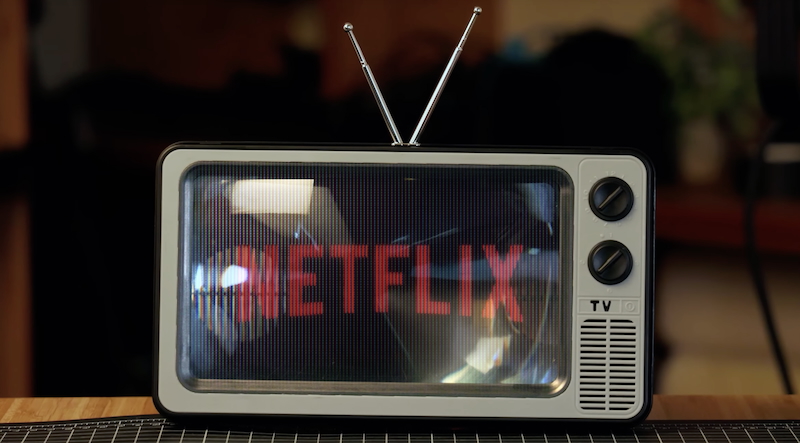
    NEW DELHI: India’s ministry of tourism has signed a memorandum of understanding with Netflix to promote the country’s destinations through cinematic storytelling, marking a bold digital pivot in the government’s tourism strategy.

    The partnership, announced at a World Tourism Day celebration in New Delhi, will use curated trailers and global outreach to showcase Indian locations to Netflix’s worldwide audience. The streaming giant’s involvement signals India’s recognition that modern tourism marketing requires Hollywood-scale production values and global distribution networks.

    The ministry also signed agreements with the Atithi Foundation and online travel agencies to boost strategic research, innovation and capacity building. These deals aim to collect post-travel visitor feedback, enabling data-driven policy decisions across states and union territories.

    Niti Aayog vice-chairperson Suman Bery told the gathering that tourism was “not just about leisure” but “a powerful instrument for economic transformation, environmental stewardship, and social inclusion.” Speaking as chief guest at the event, presided over by minister of state for tourism Suresh Gopi, Bery emphasised that India must “embed sustainability at the core of our strategy, not at the margins.”

    The celebration launched a Project Management Information System providing real-time monitoring of tourism infrastructure projects. The ministry also released its 66th India Tourism Data Compendium, highlighting record international and domestic arrivals. India now ranks 20th globally for international tourist arrivals.

    A new guidebook for Mudra loans for homestays was unveiled, offering step-by-step instructions for online applications through the Jan Samarth portal—part of efforts to democratise tourism entrepreneurship.

    High-level panels featuring officials from road, aviation, railways and shipping ministries stressed seamless multimodal connectivity as essential for sustainable growth. Thematic sessions examined case studies including Mahakumbh 2025 and the Statue of Unity, alongside discussions on using artificial intelligence, augmented reality and virtual reality to enhance visitor experiences.

    The Netflix deal represents a savvy acknowledgment that in an attention economy, even ancient temples and pristine beaches need cinematic treatment to cut through the noise. Whether Hindi movie and series creativity meets Silicon Valley can deliver the tourists remains to be seen.

  • Netflix sets guardrails for AI in film and TV productions

    Netflix sets guardrails for AI in film and TV productions

    MUMBAI: Netflix has moved to head off potential controversy over the creeping use of artificial intelligence in film and television, issuing sweeping new guidance for filmmakers, vendors and production partners. The rules, circulated globally this week, make clear that while generative AI (GenAI) can be deployed as a creative aide, it must not slip quietly into final cuts without disclosure, scrutiny and, in some cases, written approval.

    The streamer has stressed that AI is welcome for ideation — moodboards, concept sketches, mock posters — but warns of red lines when it comes to intellectual property, talent likeness and story-critical material. In other words, it’s one thing to ask an algorithm to imagine a dystopian cityscape for a pitch deck; quite another to use it to conjure a new character, rewrite an actor’s performance, or mimic a celebrity’s voice.

    The dos and don’ts

    The 20-page guidance has outlined a hierarchy of acceptable uses. Low-risk experiments that are non-final, non-identifiable and non-copyrighted can usually proceed with a simple “socialise and share” approach. But any GenAI-generated material that:
    * incorporates Netflix’s proprietary assets (scripts, footage, unreleased stills),
    * alters talent performances beyond cosmetic fixes,
    * relies on copyrighted datasets (such as celebrity faces or artistic styles), or
    * appears as final on-screen deliverables,
    must be escalated to the company for legal review and explicit sign-off.

    Perhaps the sharpest line the guidelines draw is around talent. Synthetic replicas of performers — whether de-aged faces, digital bodies or AI-generated voices — require documented consent, in line with union rules. Even subtle digital alterations, such as tweaking lip-sync or emotional delivery, are flagged as reputationally sensitive. Netflix says it permits the use of AI for minor industry-standard post-production tweaks (noise reduction, continuity fixes, cosmetic adjustments), but not for material changes that could distort intent or replace union-covered work.

    The streamer, says it is acutely aware of the reputational stakes. It warns against AI-generated content that could mislead viewers into believing fabricated events are real — such as fake news clips or invented statements attributed to journalists. It has also cautioned against undermining union jobs, an especially hot-button issue after last year’s strikes in Hollywood over the threat posed by AI.

    Vendors and AI studios delivering to Netflix are being told to adhere to the same standards, even if they build custom workflows by stitching multiple tools together. Confidentiality remains non-negotiable: all inputs — from scripts to actor headshots — must be protected inside secure, enterprise-level tools that prevent reuse or resale of data. Production partners have been reminded that they are personally responsible for checking licences, terms and conditions of any third-party AI software.

    The guidance draws a hard distinction between temporary AI-assisted mock-ups and content that makes it into the final cut. A background prop generated by AI may appear harmless, but if a character reads it aloud, it becomes story-relevant and must undergo rights clearance. Netflix insists partners flag such cases early to avoid last-minute legal headaches.

    Why now?
    The move reflects the industry’s jittery embrace of GenAI. While many creatives are already experimenting with it in design, concept art and even scriptwriting, studios are scrambling to balance innovation with ethics, copyright law and union agreements. Netflix is positioning itself as neither a Luddite nor a cheerleader — encouraging experimentation, but within guardrails designed to protect talent, data and audience trust.
    The message from Los Gatos is blunt: AI may be the new toy in the toolbox, but when it comes to finished stories and performers’ rights, the humans are still in charge.

    You can find the detailed guidelines here.
     

  • WBD’s streaming and studios segments soar as linear TV slows

    WBD’s streaming and studios segments soar as linear TV slows

    MUMBAI: Warner Bros. Discovery (WBD) has delivered a mixed bag of results in its second quarter, with its film and streaming divisions providing a much-needed shot in the arm as its traditional linear TV business struggles.

    The company, which is planning to split its streaming & studios and global linear networks businesses, reported a net income of $1.6 billion, a stark contrast to the massive $9.9 billion loss it posted in the same quarter last year. Adjusted EBITDA also saw a respectable 9 per cent year-on-year increase, hitting $2.0 billion. However, free cash flow took a hit, falling by 28 per cent to $702 million, partly due to one-off separation costs.

    The studios segment was the star of the show, with revenues rocketing by 54 per cent to $3.8 billion. Content revenues, in particular, surged by 59 per cent, largely driven by a strong box office performance from theatrical releases like A Minecraft Movie, Sinners, and Final Destination: Bloodlines. The company’s film slate grossed over $3 billion globally this year and saw five consecutive films open to over $45 million domestically. On the television side, WBTV received 60 Emmy nominations, a record for a studio, with its shows like The Pitt, Abbott Elementary and The Penguin receiving critical acclaim.

    The streaming business also showed strong momentum, adding 3.4 million global subscribers in the quarter to reach a total of 125.7 million. Revenues for the segment rose by eight per cent to $2.8 billion, and it turned a profit of $293 million in adjusted EBITDA, a significant improvement from a $107 million loss a year ago. The company’s international expansion, including a successful launch in Australia, helped drive subscriber growth. However, global average revenue per user (ARPU) decreased by 11 per cent to $7.14, mainly due to the influx of lower ARPU international subscribers and the wider distribution of the ad-supported HBO Max tier.

    In contrast, the global linear networks business took a tumble. Its revenues fell by nine per cent to $4.8 billion, and adjusted EBITDA plummeted by 25 per cent to $1.5 billion. The decline was attributed to a nine per cent drop in domestic pay TV subscribers and a hefty 13 per cent decrease in advertising revenue, driven by a 23 per cent decline in domestic linear audiences.

    Looking ahead, WBD is targeting 12-14 theatrical releases annually and is set to launch HBO Max in Germany, Italy, the UK, and Ireland in 2026. The company also reduced its gross debt by $2.7 billion in the quarter, bringing the total to $35.6 billion.

  • A powerhouse move: Deepali Handa joins Endemol Shine India

    A powerhouse move: Deepali Handa joins Endemol Shine India

    MUMBAI: What does it take to lead commercials and production at one of India’s most prominent content powerhouses?

    Endemol Shine India, part of Banijay Entertainment’s global empire, seems to have found the answer in Deepali Handa.

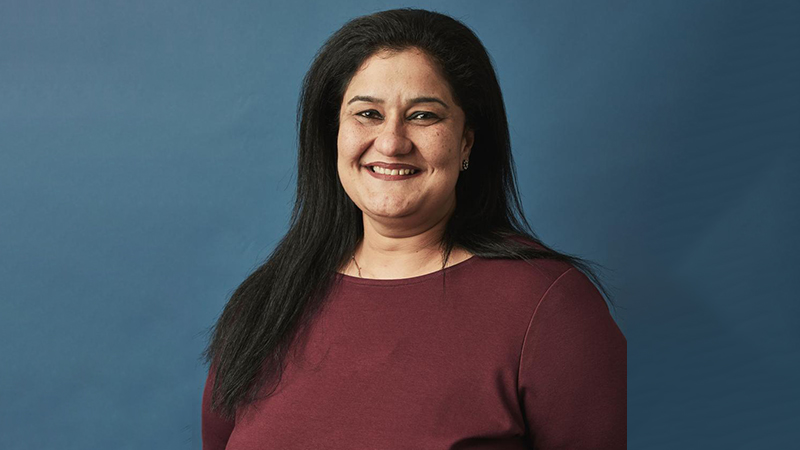
    After an illustrious 15-year journey at BBC Studios as its commercial head, Handa steps into her new role as executive vice president with unmatched expertise in both scripted and unscripted genres.

    This move not only signals a new era for Endemol Shine India but also cements Deepak Dhar’s leadership vision of bringing in seasoned industry stalwarts to drive innovative storytelling and production excellence. With over two decades of experience in shaping content strategies, Handa’s appointment promises to redefine the creative and commercial blueprint for the company.

    Who better to steer the helm at one of the industry’s most dynamic production houses than someone who’s been a cornerstone in scripted and unscripted success stories?

    Handa’s journey and her next chapter at Endemol Shine India are stories waiting to unfold.

    Before joining Endemol Shine India, Handa played pivotal roles at BBC Studios India, where she served as head of commercials, production, and executive producer. Her extensive portfolio includes leading large-scale production operations, enhancing operational efficiency, and driving profitability through innovative strategies.

    Banijay Asia & Endemol Shine India group COO, Rishi Negi expressed confidence in Deepali’s capabilities, “Deepali’s expertise and insights in both production and commercials make her a valuable addition to our leadership team. We look forward to her playing a pivotal role in ensuring we stay at the forefront of delivering quality and cutting-edge content to our partners and consumers.”

    Handa’s addition reflects Endemol Shine India’s commitment to staying ahead in the dynamic world of television and entertainment. Known for producing iconic formats such as Bigg Boss and MasterChef India, Endemol Shine continues to innovate and adapt to meet evolving audience preferences.

    Excited about her new role, Handa commented, “Endemol Shine India has made its mark and held its own, be it in big-scale unscripted format production or scripted content. I’m excited to join the bandwagon and contribute to its legacy of producing world-class content.”

    Her career showcases versatility across diverse formats, including television, films, and documentaries, underscoring her deep understanding of storytelling across mediums.

    Handa’s strategic leadership is expected to enhance operational efficiency while maintaining the high-quality benchmarks Endemol Shine India is known for. She will oversee both scripted and unscripted projects, ensuring the company continues to set industry standards.

  • The ChangeMakers of the year that was 2024: Uday Shankar

    The ChangeMakers of the year that was 2024: Uday Shankar

    Indiantelevision.com brings you the folks who made a difference in 2024 to the media and entertainment industry. It will cover an eclectic bunch of executives and talent from television, film, OTT, advertising, marketing and media industries. Our hope is we end up doing a good job in selecting the right candidates as we write about their achievements in the year just gone by and challenges that lie ahead of them in 2025.

    Any errors of selection or perspective or narrative are inadvertent and unintended. 

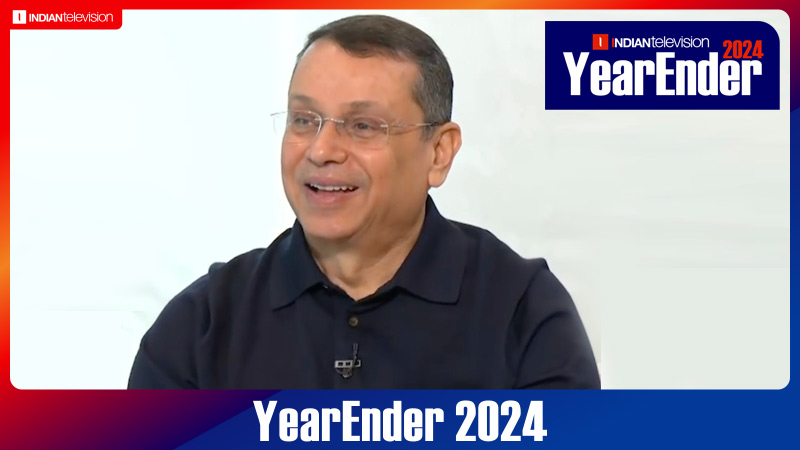
    In the meanwhile, enjoy reading about the first of our selection: Uday Shankar who is ushering in change in the media and entertainment space in the streaming era just like Zee TV did in the nineties in satellite broadcasting. Read on to know our perspective on The Man who sees the future, not just tomorrow.

    Uday Shankar: The executive who sees the future, and bets on it

    He looms like a giant over all other executives in the media sector though  from shoes to the tip of his head , he does not exceed 6 ft in height. 2024 was Uday Shankar’s year by far. As will 2025 be.

    A master planner. 

    A master deal maker; he convinced James Murdoch to partner with him to invest in the Indian market  through Bodhi Tree.  More than that, he managed to get the third most powerful man in India (after prime minister Narendra Modi and home minister Amit Shah) Mukesh Ambani to agree to get into bed with Disney Star India (a company he once headed as CEO).

    On top of that, he got the by-then willing Disney CEO Bob Iger to nod in the affirmative for the alliance where the mouse house would cede management control to the Reliance group. The icing on the cake was that he convinced the two of them to give James and himself a piece of the pie in the joint venture that emerged – JioStar.

    Uday now leads a much bigger company – almost twice the size of Disney Star which he once headed. Yes, he has Mukesh’s wife Nita Ambani as chairperson and son Akash Ambani having oversight over his moves. But the reality is what Uday wants, he gets.  He can be persuasive with his cogent arguments and long-vision thinking and projections. Unlike other leaders in the media, Uday sees the future like others don’t. Probably only one other businessman has his way of thinking –  Mukesh Ambani. That’s why he got Asia’s richest businessman’s buy-in for his strategic and tactical moves. Both love to disrupt the status quo  – that’s the common thread between Mukesh and Uday. 
     

    Uday Shankar

    And Uday bets on that future. In most cases, his “third eye” gets it right.

    Now that the joint venture has got past regulatory clearances, Uday has been working on putting his core team in place. And his core team is working on putting their core teams in place. 2025 might see some blood-letting with the excessive manpower (which has emerged on account of  duplicated roles in the two companies)  being jettisoned. Already senior executives who did not fit into his plans for the corporate structure have been eased out.  The merger and joint venture will take some time to digest. Channels have to be shuttered.  Synergies need to be established. But eventually everything will fall into place. It normally does for Uday.

    And then it will be back to business for him. He is an executive on steroids. He, along with Mukesh and team, have probably already decided which streamer is going to lead – Hotstar  or JioCinema. But no announcements have been made. Executives have been told to port Hotstar’s shows on to JioCinema. However, the former’s technology stack is believed to be much more robust than the latter’s.

    The best part about Uday is that he knows how much he knows and how much he needs to know. He supplements what he does not know through his team mates who know a lot more about what  he does not know. (In simple English, he brings in  the best talent to help him). He then trusts them implicitly and delegates fully, something which the Murdochs did with him when he ran their Indian empire. That’s a trust which Mukesh Ambani has also put in him. Of course, there will be the checks and balances that the Ambanis put in the way they manage. But there’s entrepreneurial spirit a-plenty in the world of Reliance. 

    He will need a lot of that if one considers the IPL rights’ investments which both companies made three years back. The figures seem monstrous; but in Uday’s mind, these were bets which had to be made. So far, both advertising and subscription revenues have not matched the money pumped in. He and his troops have to ensure that the gap is reduced. That could prove challenging as the ad market for certain products was soft during the main spending festival period which went by a couple of months ago. There is no doubt he will drive his  foot soldiers hard like a general on the war front to get to their targets even if it seems difficult with bullets and bombs flying around.  And, like he is vaunt to, he will in all likelihood don his uniform and enter the battlefield himself. 

    To his advantage, if the external environment is rough, then there is enough spending ammunition available in-house in the rapid expansion and diversification drive that the Reliance Industries group is making into retail and fast-moving consumer goods. It is already the leading retailer in the country. As well as the leader in telecom and broadband delivery. On the FMCG side, Campa Cola has been relaunched. Snacks have been launched. Many more forays are in the planning stages.


    Uday shankar questions

    These initiatives will need platforms to reach out their advertising communications to consumers. What better ones can there be than Hotstar, JioCinema, Star Plus and Colors and of course the regional channels which are leading in their respective languages in different states. And then of course there’s the IPL which generates zillions of eyeballs in the country. Loyal ones. Still breakeven might be hard, is what observers are foretelling. However, should the wars  – one in the east and the other in the north – that are harming economies end – just like Donald Trumps wants them to – then we might be narrating a different story by this time next year. 

    At heart, Uday is a man who likes to create and tell stories. Under his tutelage, Star India flowered and bloomed like it had not in the past.  Uday understands what consumers want, and, what he did not, he picked up  from his colleague at Star India, the former Hindustan Unilever professional Sanjay Gupta who is now Google’s APAC head.  He  knows how to tell good stories but more than that he knows how to motivate other creative folks around him select good stories and tell them well. Just like he did earlier on in his career when he was a journalist at The Times of India, and  he led teams at the India Today group and at Star News.  

    Uday has been talking television, saying it has long legs within India with 90 million homes and almost 500 million individuals still watching it through pay TV platforms and free DTH from the public broadcaster. He’s determined to take JioStar’s TV channels deeper into India with stories that resonate with the audiences there. But there’s many a problem that plagues those in heartland India like power cuts and load shedding, that makes watching television continuously difficult on most occasions.  Hence, even if he succeeds with the drama series  and stories how will he ensure  continuous power supply? Or will he rely on innovation from within the Reliance group and its partners to help out on this front?

    Mukesh Ambani is quite in tune with prime minister Modi’s ambition to take Indian stories global just like south Korea and Turkey have been doing. Honest well-written Indian-made stories made with high production values, reflecting the modern India. And yes the content  will have to be made relatable to those in foreign lands. Netflix and Prime Video have done that in a small way by pushing India-made TV shows on their streaming platforms. But they have barely scratched the surface.

    It will be up to the likes of Mukesh Ambani and Uday Shankar – actually mostly up to Uday and his band of merry executives  – to take Indian content where it has not gone before.  Aggressive investments in developing original series and films need to be made either alone or as co-producers with international studios that have the know how and the distribution muscle. There’s Rs 11,500 crore that’s been pumped into the joint venture which needs to be deployed well. Some of that could be used to build the JioStar brand at markets like MipCom where the world’s biggest content creating studios congregate every year. 


    Uday Shankar gesticulating

    Within the country, Reliance Jio has distribution deltoids like no one else does.  With 400 million  plus subscribers consuming video – and hence data, either on mobile handsets or on connected TVs – it can only be win-win for the wireless and wired broadband telco. The more JioStar gets people to binge watch, the more the revenue that will come Jio’s way. Either as video on demand shows or as linear channels being streamed. They will contribute towards Jio’s top line as well as bottom line with data costs dropping – and dropping- and incentivising users to consume more.

    We are not sure if this will benefit Uday and his troops as much as it will Jio. But, on the other side, getting preferential carriage and promotional rates will, and could reduce costs for JioStar and its large bouquet of channels and streaming services.  Synergies there are a-plenty definitely, despite what we have been told. And what the regulators have been told too.

    2025 will keep Uday busy.  He is likely to emerge even stronger as the year goes by.  Most regard him as one of the top media – no, top business  –  leaders in India;  some say even globally (We, at indiantelevison.com tend to agree). And that’s no mean achievement for a media maverick who used to once travel on a two-wheeler to work every day as a journalist.  

  • PR Professionals appoints Rajveer Ahuja as director – film & entertainment

    PR Professionals appoints Rajveer Ahuja as director – film & entertainment

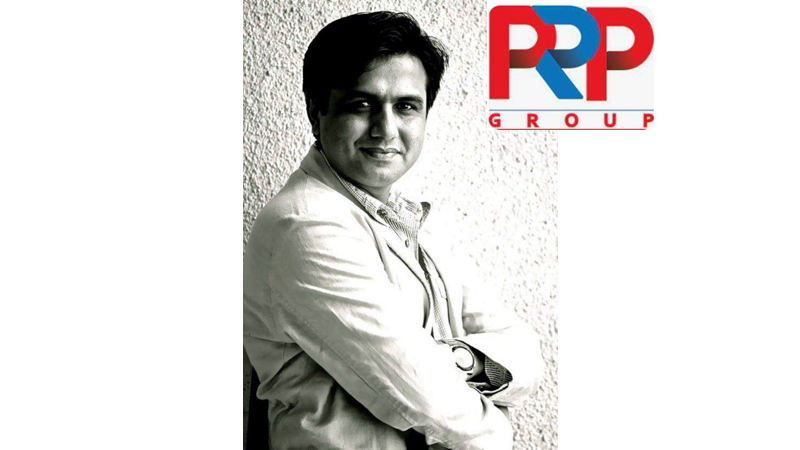
    Mumbai: PR Professionals, the flagship of PRP Group has appointed Rajveer Ahuja as director of its film and entertainment division to enhance its presence in the industry.

    Ahuja brings over two decades of experience in filmmaking, writing, and direction, with notable roles as an actor and writer in Gollu Aur Pappu and as a dialogue writer for Fugly, which introduced Kiara Advani. His portfolio includes contributions to award-winning films like Modi ji ki Beti, Cheel Gadi (Flying Wagon), Girl in Red, Mukti, Peanut Butter, Lonely Girl: A Psychological Thriller, The Gift, Tera Mera Pyar Amar, and The Last Show.

    Ahuja also produced all seasons of the musical series Bhoomi by Salim-Sulaiman, known for featuring Indian musicians. As part of Bhoomi 2024, Shreya Ghoshal and Sunidhi Chauhan have collaborated on a new song, Chhaila. In advertising, Ahuja has produced the JBL ad featuring AR Rahman and directed the Matrix Forex commercial with Shahrukh Khan.

    With Ahuja leading the film & entertainment division, PR Professionals aims to expand its influence in the entertainment sector, focusing on creative innovation and strategic partnerships.

    PR Professionals founder & MD Dr Sarvesh Tiwari shared “We are excited to welcome Rajveer to lead our Film & Entertainment division. His extensive experience, visionary approach, and passion for storytelling align with our goals of creating impactful content and fostering growth in the entertainment industry. We are confident that this strategic expansion will enhance our capabilities and elevate our work to new heights.”

    Ahuja shared, “I am happy to be a part of PR Professionals which has grown phenomenally in the past. I am thrilled to lead their films and entertainment division and take it forward to newer heights.”

    The Films and Entertainment division of PR Professionals has managed publicity and promotions for Bollywood hits like Tu Jhoothi Main Makkar with Ranbir Kapoor and Shraddha Kapoor, and Dream Girl 2 with Ayushmann Khurana and Ananya Pandey.

    Founded in 2011, PR Professionals is an integrated communications agency focused on branding and public relations. The agency supports businesses in achieving market presence and engages in philanthropic activities. Confianza Consulting, part of PRP Group, provides human resource solutions, including talent acquisition, performance management, and compliance. PRP Group has expanded to 12 offices in India and six international locations.

  • What’s next for film and theatre: Trends and predictions for the next five years

    What’s next for film and theatre: Trends and predictions for the next five years

    As the world emerges from the pandemic, both film and theatre stand at a transformative crossroads, driven by rapid technological advancements and a renewed passion for storytelling. The Indian film industry is pushing boundaries with a surge in independent cinema and the dominance of streaming platforms, reaching broader audiences and redefining the cinematic experience. Meanwhile, theatre is experiencing a revival, fueled by a growing enthusiasm for live, communal performances and the rise of cultural festivals. Over the next five years, these art forms will evolve as they navigate the rise of AI in content creation, the survival of traditional cinema halls, and the challenge of maintaining the communal spirit of theatre in an increasingly digital world. Poised to redefine how stories are told and experienced, film and theatre are set to embrace a future where innovation and tradition converge in new and exciting ways.

    The renaissance of art festivals

    The explosion of art festivals across India signals a profound shift in cultural engagement. With over 50 significant festivals, from the India Art Fair to the Kochi-Muziris Biennale and the Kala Ghoda Art Festival, these gatherings are evolving beyond mere entertainment to become cultural powerhouses. Their surging popularity raises questions: Is this a fleeting trend or indicative of a deeper shift in India’s cultural landscape? Biennales, for instance, have transformed from niche events into cultural phenomena, drawing massive crowds and influencing contemporary exhibition-making. With over 300 biennials worldwide, they’ve become pivotal in shaping artistic perspectives.

    In the next five years, we can expect these festivals to diversify further, offering immersive experiences that blend traditional and contemporary art forms. The rise of outdoor exhibitions and open-space venues will cater to post-pandemic anxieties, while digital platforms will extend their reach, making art more accessible than ever before.

    Coexistence of long-form and short-form content

    While social media and OTT platforms push for bite-sized content, there is a growing appreciation for longer, more immersive storytelling. Theatre and cinema will adapt to this dichotomy, offering both quick, engaging pieces and extended, in-depth narratives. It’s true that most theatre artists do not prefer their work to be watched on small screens, as their plays are meant to be engaged physically. The immersive experience of live theatre, with its immediate audience interaction and spatial dynamics, is challenging to replicate in a digital format. However, the current landscape necessitates a more flexible approach.

    Given the realities of our time, it’s crucial to understand that many people do not have access to theatres or come from low-income backgrounds. In such cases, short-form content becomes a boon, reaching people in the remotest regions. This democratisation of art through digital platforms ensures that theatre and cinema can touch lives far beyond traditional venues. We will likely see a resurgence of epic theatre productions and longer cinema formats alongside innovative short-form content designed for digital platforms. This trend will cater to diverse audience preferences, ensuring something for everyone in the evolving performing arts landscape.

    Curious case of cinema as a vehicle for soft power

    The growing global success of Indian cinema, exemplified by movies like “RRR”, heralds a new era of cultural diplomacy. In fact, the world went crazy over a regional song like “Naatu Naatu” from the movie, which won the Oscar award for Best Original Song, beating out two songs featuring American pop megastars. The 2016 Bollywood film “Dangal” also earned $216.2 million in China, making it one of the country’s top 20 highest-grossing foreign films. The movie’s success in China was unexpected and more than double what it earned in India. This shows that in the coming years, we can expect a surge in films that blend mass appeal with artistic merit, crafted with a global audience in mind. This trend can potentially elevate India’s soft power on the world stage, just like it has been doing for the USA and South Korea, and foster cross-cultural dialogues and collaborations, enriching the global cinematic landscape.

    AI is the antihero of art

    Contrary to both utopian and dystopian predictions, Artificial Intelligence will emerge as a sophisticated tool in the artist’s kit, not a replacement for human creativity. Over the next five years, we’ll see AI enhance the technical aspects of film and theatre production—from streamlining administrative tasks to assisting with CGI and visual effects. However, its role will remain firmly in the realm of the auxiliary, not the essential.

    The true essence of art – the personal touch, the human experience, the authenticity that resonates with audiences – will remain squarely in the domain of human creators. AI might offer shortcuts, but just like physical fitness, these shortcuts bypass the crucial growth that comes from fully engaging in the creative process. The endless rewrites, the gruelling rehearsals, the personal perspectives that shape a director’s vision – these human elements will continue to be the soul of meaningful art. Instead, the most successful artists will be those who leverage AI to handle routine tasks, freeing up more time and energy for the deeply human aspects of creation.

    Global fusion and cross-cultural narratives

    As the world becomes increasingly interconnected, we’ll witness a rise in cross-cultural collaborations and globally influenced narratives. Filmmakers and theatre artists will draw inspiration from diverse cultural traditions, creating hybrid art forms that transcend national boundaries. This trend will manifest in multilingual productions, a fusion of artistic styles, and stories that resonate with global themes while retaining local flavours. The next five years will likely see Indian cinema and theatre positioning themselves as bridges between cultures, facilitating a rich exchange of ideas and aesthetics on the world stage.

    A prime example of this cross-cultural fusion is “Ramayana: The Legend of Prince Rama,” a 1992 anime film co-produced by Japan and India. Directed by Yugo Sako, Koichi Sasaki, and Ram Mohan, with music composed by Vanraj Bhatia, this unique adaptation of the Indian epic Ramayana showcases the potential for blending different artistic traditions. The film, first released at the 24th International Film Festival of India, has since become a cult classic with a huge fan following even now. This successful collaboration between Japanese anime artistry and Indian storytelling serves as a blueprint for future cross-cultural projects in the realm of film and theatre.

    As we look ahead, the future of film and theatre appears vibrant and dynamic. The industry is poised to embrace technological advancements, cross-cultural collaborations, and innovative storytelling formats while maintaining the essence of these timeless art forms. The coming years promise a fascinating journey of artistic evolution, blending tradition with innovation and local perspectives with global appeal.

    The article has been authored by NCPA’s head of theatre and film Bruce Guthrie.

  • Six audiobooks & films celebrating sibling bonds

    Six audiobooks & films celebrating sibling bonds

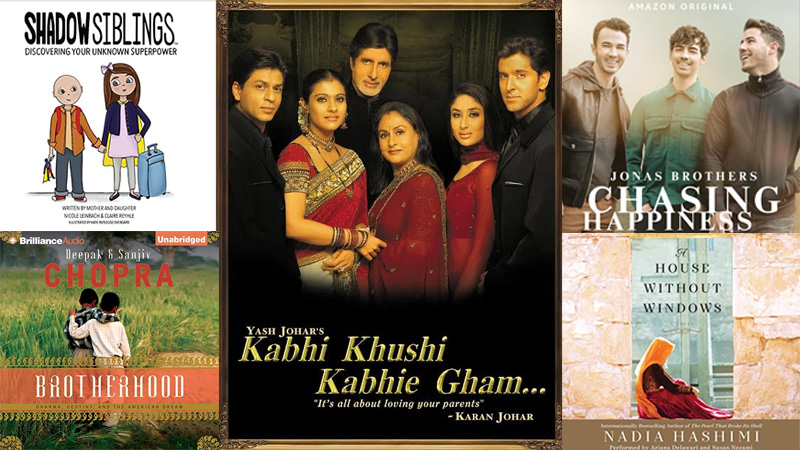
    Mumbai: On this Rakshabandhan, let’s celebrate the bonds we share with our first friends and lifelong confidants—our siblings. From playful fights and pranks to sharing secrets and protecting each other from parents, these connections are the foundation of our lives. Today, immerse yourself in the magic of sibling relationships with audiobooks and films that explore this special bond. Whether it’s the inspiring journey of the Chopra brothers in Brotherhood on Audible or the emotional ups and downs of Kabhi Khushi Kabhie Gham on Netflix, these stories remind us of the enduring power of sibling love. After all, who knows us better than those we’ve shared laughter, tears, and secrets with since childhood?

    Brotherhood

    Bonded for better or worse, your brother’s someone no one can replace! ‘Brotherhood’ captures this sentiment, exploring the deep connection between two brothers as they journey from post-independence India to the United States. It chronicles their experiences as they navigate the challenges of being doctors in a foreign land, grappling with cultural differences and professional scepticism. Despite these obstacles, the Chopra brothers find their place in America, with Deepak becoming a global spiritual leader and Sanjiv rising to prominence as a Harvard Medical School professor. Tune in to be a part of their story, one that is a testament to resilience, ambition, and the pursuit of the American dream.

    A House without Windows

    In this audiobook, the bonds between women, forged in the most unlikely of places, illuminate the complexities of sisterhood in a harsh, traditional society. When Zeba is accused of her husband’s brutal murder, she finds herself in prison, surrounded by other women whose lives have also been torn apart by the harsh judgments of their society. As they share their stories, these women, each broken in her own way, forge a bond that transcends the walls of their cell, becoming each other’s strength and solace. Zeba’s fate lies in the hands of Yusuf, her Afghan-American lawyer, but it’s the unbreakable bond with her fellow inmates that truly defines her fight for justice.

    Shadow Sibings

    In the audiobook, Emma, a young girl, navigates life in the shadow of her brother’s medical condition. Rather than feeling overlooked, she discovers that her true superpower lies in supporting him, turning her role into one of strength and purpose. As she meets other children with siblings facing their own challenges, Emma realises she’s part of a special, unspoken bond among “shadow siblings,” those who shine brightest by lifting up their brothers and sisters. This is a story of hope, love, and acceptance ideal for all ages while bringing a spotlight to kids who we affectionately refer to as Shadow Siblings.

    Dil Dhadakne Do

    The Mehra family is celebrating Kamal and Neelam’s 30th wedding anniversary with a luxurious Mediterranean cruise, but beneath the glamour lies a web of strained relationships and hidden desires. The couple’s children, Ayesha and Kabir, navigate their complicated lives—Ayesha, stuck in a loveless marriage, rekindles feelings for her childhood love, Sunny, while Kabir dreams of breaking free from the family business to pursue his passion. As the cruise unfolds, the bonds between them are tested, revealing long-buried truths that force the family to confront their past mistakes and ultimately bring them closer together in unexpected ways. 

    Kabhi Khushi Kabhie Gham

    In a tale of family bonds tested by tradition and class divides, Yashvardhan Raichand’s strict adherence to his final word leads to the heart-wrenching separation of his adopted son Rahul. As Rahul defies his father’s wishes by marrying the spirited Anjali, his younger brother Rohan is left to piece together the broken ties years later. Determined to reunite the family, Rohan sets on a journey to bring his estranged brother back home, rekindling the deep bond between siblings and challenging the very traditions that tore them apart. If you’re looking to enjoy a story of love, forgiveness, and the enduring strength of family ties, this is the perfect watch for you.

    Chasing Happiness

    ‘Chasing Happiness’ is a story of brotherhood that takes you behind the scenes of the Jonas Brothers’ journey from humble beginnings as pastor’s sons in New Jersey to global superstardom. Their bond seemed unbreakable until a painful breakup sent Joe, Kevin, and Nick down separate paths, testing their relationship like never before. Through intimate interviews and rare footage, this story reveals the unshakable connection that ultimately brought them back together, stronger than ever.

  • Onsurity releases heartwarming Mother’s Day film “Dear Maa”

    Onsurity releases heartwarming Mother’s Day film “Dear Maa”

    Mumbai: As Mother’s Day approaches, Onsurity, a monthly subscription-based employee healthcare benefits platform, has announced the launch of its film, “Dear Maa – A Letter from Onsurity.” This poignant piece explores the timeless art of letter writing, a practice often overlooked in today’s digital age, to express gratitude and love towards mothers across the world.

    In an age dominated by instant messages and emails, handwritten letters hold a unique power to convey emotions in a profound and lasting manner. “Dear Maa” aims to revive this lost art by inviting Onsurity employees to pen heartfelt letters addressed to their mothers. These letters, filled with love, nostalgia, and gratitude, serve as the centrepiece of the film, showcasing the deep bond between mothers and their children.

    Onsurity head – marketing and growth Samar Kagalwalla expressed the sentiment behind the film, stating, “Mothers play an irreplaceable role in shaping our lives, yet their sacrifices often go unnoticed. ‘Dear Maa’ is our tribute to the unwavering love and selflessness of mothers everywhere. Through this film, we hope to honour their boundless dedication and inspire others to express their appreciation.”

    The film not only serves as a heartfelt tribute to mothers but also doubles as an employee engagement initiative, encouraging Onsurity’s team to connect with their emotions and reflect on the importance of family. By showcasing the authentic experiences of its own employees, Onsurity aims to resonate with audiences on a personal level, fostering a sense of empathy, which is also one of our core values.

    “Our objective with ‘Dear Maa’ goes beyond brand awareness. We want to make parental care an integral part of Indian households,” explained Kagalwalla. “By sharing real stories and emotions of our team, we hope to spark similar reflections and discussions among our audience, in turn nudging them to prioritise parents’ health and well-being.”

    In a testament to Onsurity’s commitment to authenticity and creativity, the film was conceived, produced, and crafted entirely in-house. From the initial concept to the final cut, every aspect of this heartfelt tribute to mothers was driven by the brand’s passionate team. By keeping the entire process in-house, the brand has ensured that every frame and sentiment truly reflects its values and dedication to genuine storytelling.

    As Mother’s Day approaches, Onsurity invites audiences to join in celebrating the timeless bond between mothers and children, and to embrace the power of handwritten letters to express love and appreciation.

  • “The offer came as a delightful surprise, tinged with a hint of disbelief”: Laapata Ladies’ screenwriter Sneha Desai

    “The offer came as a delightful surprise, tinged with a hint of disbelief”: Laapata Ladies’ screenwriter Sneha Desai

    Mumbai: As the latest Kiran Rao-directed movie “Laapata Ladies” continues to make waves since its release on 1 March 2024, let us applaud the lady behind the screenplay, Sneha Desai.

    A prominent figure in film, television, and theatre, Desai has crafted compelling narratives not only for the silver screen but also for hit shows like ‘Pushpa Impossible’ and ‘Wagle Ki Duniya’. With over 1200 shows to her credit on stage, Desai is not just a prolific writer but also an actor, gracing both stage and screen with her talent, enriching the world of entertainment with her diverse skills and contributions.

    Indiantelevision.com in conversation with Sneha Desai discussed her journey in the entertainment industry, about portraying strong female characters, on being multifaceted and more…

    Edited Excerpts:

    On your journey into entertainment, and could you share some memorable moments along the way

    Transitioning from the world of stage performances to the dynamic realm of screen productions felt like a natural progression. The sheer love and admiration poured in by audiences have been the driving force behind my pursuit in this industry. Not to mention, the humbling experience of receiving critical acclaim and prestigious awards has only fuelled my passion further. Over time, I found myself delving into the art of writing almost instinctively, realising that audiences don’t just watch but truly absorb and resonate with the content. It’s these moments of connection and resonance that continually inspire me to push boundaries and delve deeper into the world of storytelling.

    On writing for “Laapataa Ladies,” and your reaction to Aamir Khan’s offer during lockdown

    My journey with “Laapataa Ladies” began unexpectedly during the unprecedented times of the COVID lockdown. It all started with a casual narration session for a different project, but fate had other plans. Months later, I received a call from none other than Aamir Khan himself, presenting me with the opportunity to bring life to a story they had in mind. The offer came as a delightful surprise, tinged with a hint of disbelief. Who wouldn’t be awe-struck when approached by a personality of Mr Khan’s calibre? However, amidst the surrealism, there was an underlying sense of responsibility and pressure to deliver nothing short of excellence.

    On your preference in writing for a specific genre

    With my journey still in its early stages, I’ve consciously avoided confining myself to a particular genre. Instead, I’m eager to explore through the diverse landscape of storytelling, embracing various styles and narratives along the way. After all, the beauty of storytelling lies not in the limitations of genres but in the boundless possibilities of expression and creativity.

    Your works feature strong female characters; what drives crafting such empowered perspectives

    Crafting strong and empowered female characters has always been an organic process for me, rooted in my firm belief in individual rights and freedom. Whether male or female, I strive to infuse my characters with depth, agency, and relatable flaws, allowing them to evolve and resonate with audiences on a profound level. It’s this commitment to authenticity and complexity that breathes life into my characters, making them not just figures on a screen but embodiments of resilience and empowerment.

    On the challenges that you have faced in the industry and how did you overcome them

    Navigating through the legalities, contracts, and rights can often be a daunting task, especially for someone relatively new to the industry. However, with the guidance of experienced mentors and the support of a professional network, I’ve learned to tackle these challenges head-on while keeping my focus firmly grounded in my passion for storytelling. Additionally, in an era where audience attention spans are fleeting and competition is fierce, capturing and retaining viewers’ interest presents its own set of hurdles. Nevertheless, by staying true to my creative vision and adapting to changing landscapes, I’ve managed to navigate through these challenges with resilience and determination.

    On the industry evolution in terms of women’s representation, and the changes you hope to see

    While the entertainment industry has made significant strides towards inclusivity and gender representation, there’s still ample room for growth and improvement, particularly concerning women’s roles and opportunities. Beyond just representation on screen, I believe in creating a conducive environment that prioritises the safety, security, and well-being of women behind the scenes as well. This entails measures such as flexible working hours, pay parity, and job security, ensuring that women have the support and resources they need to thrive in their respective roles. Ultimately, by fostering a culture of empowerment and equality, we can pave the way for a more diverse and inclusive industry for future generations.

    On challenging yourself creatively as a writer wearing multiple hats

    Juggling various roles within the creative sphere, from writing scripts to penning lyrics and stepping into the shoes of diverse characters on screen, presents a unique set of challenges and opportunities for growth. Each project serves as a canvas for exploration and self-discovery, allowing me to push beyond my comfort zone and tap into different facets of my creativity. Whether it’s experimenting with new storytelling techniques or delving into uncharted territories of expression, I constantly challenge myself to evolve and innovate, keeping the spark of creativity alive and thriving.

    On the upcoming projects or aspirations that you have for the future

    Exciting ventures lie on the horizon, with YRF’s ‘Maharaj’ set to grace screens on Netflix as my next release. Additionally, a long-awaited Gujarati play is in the pipeline, alongside discussions for intriguing film projects that hold promise. With optimism and enthusiasm, I eagerly await the next chapter of my creative journey, embracing the unknown with open arms and a heart full of aspirations.