Tag: Ficci

  • Copyright Force finally here to fight online piracy

    Copyright Force finally here to fight online piracy

    NEW DELHI: The Copyright Force is finally here to fight online content piracy, which has been bleeding the Indian content companies, from film, music and TV world, billions of rupees in revenues as pirates have been making hay.

    It seems in co-ordinated movements by the Indian government and the industry, plans have been initiated to seriously fight the online piracy menace. While the Department of Industrial Policy and Promotion (DIPP), under Commerce Ministry, earlier this week discussed the copyright and piracy issues with stakeholders, industry body FICCI sent out notes to stakeholders to be part of  Copyright Force, a unique cross-industry coalition.

    Globally online piracy of content costs trillions of dollars that have prompted several industry organisations to focus specifically on arresting online piracy. According to Dubai-based GO-Gulf, there are $12.5 billion in economic losses each year due to piracy in the music industry alone; 71,060 jobs are lost in the United States every year due to piracy and $2.7 billion in workers’ earnings are lost each year due to online piracy. Interestingly, according to the research, India is ranked 5th (60 per cent) in the Top 10 countries with online piracy, while China tops the list with 91 per cent piracy.

    The DIPP meeting of stakeholders, including producers from film and TV industry, was held to discuss issues related to copyright infringement and ways to tackle online piracy. The meeting, chaired DIPP joint secretary Rajiv Aggarwal, not only appreciated efforts being initiated by the Telangana Intellectual Property Crime Unit or TIPCU to curb piracy of copyright protected material, but expressed the need to adopt this model by other states also to check the menace within their respective jurisdiction.

    Incidentally, TIPCU is a motivated version of Police Intellectual Property Crime Unit (PIPCU), funded by the Intellectual Property Office of the UK and run by the City of London Police with a special focus on offences committed online.

    The industry initiative, helmed by FICCI, is on the lines of discussions at DIPP — to facilitate exchange of global best practices, support platforms that encourage B2G and G2B dialogue and encourage initiatives to promote and protect copyright and possibly take action against offenders, along with law enforcement agencies.
    While highlighting the need for a robust copyright eco-system and acknowledging the National IPR Policy was as a step in the right direction, FICCI outlined the objectives of the Copyright Force:

    # Highlight vital role that copyright plays in fostering creativity and culture, stimulating investmentsand economic growth, while serving to enhance the competitiveness of industry and business
    # Encourage innovation and improved consumer experience through legitimate content delivery platforms
    #Address the challenge of piracy that undermines the growth potential of this sector.

    The  Copyright Force, which  will bring together leaders in the fields of film, television, music, media, Internet, technology and OTT content delivery platforms, likely to have its first formal meeting sometime in January 2017. Some of the biggest broadcasting companies in India have been part of initial discussion on the formation of Copyright Force.

    ALSO READ:

    Online pirates beware, Copyright Force on way

    Internet included in broadcasting for purpose of Copyright

  • Copyright Force finally here to fight online piracy

    Copyright Force finally here to fight online piracy

    NEW DELHI: The Copyright Force is finally here to fight online content piracy, which has been bleeding the Indian content companies, from film, music and TV world, billions of rupees in revenues as pirates have been making hay.

    It seems in co-ordinated movements by the Indian government and the industry, plans have been initiated to seriously fight the online piracy menace. While the Department of Industrial Policy and Promotion (DIPP), under Commerce Ministry, earlier this week discussed the copyright and piracy issues with stakeholders, industry body FICCI sent out notes to stakeholders to be part of  Copyright Force, a unique cross-industry coalition.

    Globally online piracy of content costs trillions of dollars that have prompted several industry organisations to focus specifically on arresting online piracy. According to Dubai-based GO-Gulf, there are $12.5 billion in economic losses each year due to piracy in the music industry alone; 71,060 jobs are lost in the United States every year due to piracy and $2.7 billion in workers’ earnings are lost each year due to online piracy. Interestingly, according to the research, India is ranked 5th (60 per cent) in the Top 10 countries with online piracy, while China tops the list with 91 per cent piracy.

    The DIPP meeting of stakeholders, including producers from film and TV industry, was held to discuss issues related to copyright infringement and ways to tackle online piracy. The meeting, chaired DIPP joint secretary Rajiv Aggarwal, not only appreciated efforts being initiated by the Telangana Intellectual Property Crime Unit or TIPCU to curb piracy of copyright protected material, but expressed the need to adopt this model by other states also to check the menace within their respective jurisdiction.

    Incidentally, TIPCU is a motivated version of Police Intellectual Property Crime Unit (PIPCU), funded by the Intellectual Property Office of the UK and run by the City of London Police with a special focus on offences committed online.

    The industry initiative, helmed by FICCI, is on the lines of discussions at DIPP — to facilitate exchange of global best practices, support platforms that encourage B2G and G2B dialogue and encourage initiatives to promote and protect copyright and possibly take action against offenders, along with law enforcement agencies.
    While highlighting the need for a robust copyright eco-system and acknowledging the National IPR Policy was as a step in the right direction, FICCI outlined the objectives of the Copyright Force:

    # Highlight vital role that copyright plays in fostering creativity and culture, stimulating investmentsand economic growth, while serving to enhance the competitiveness of industry and business
    # Encourage innovation and improved consumer experience through legitimate content delivery platforms
    #Address the challenge of piracy that undermines the growth potential of this sector.

    The  Copyright Force, which  will bring together leaders in the fields of film, television, music, media, Internet, technology and OTT content delivery platforms, likely to have its first formal meeting sometime in January 2017. Some of the biggest broadcasting companies in India have been part of initial discussion on the formation of Copyright Force.

    ALSO READ:
    Online pirates beware, Copyright Force on way

    Internet included in broadcasting for purpose of Copyright

  • TRAI: DAS-Bharatnet Digital India’s ‘Aadhaar’

    TRAI: DAS-Bharatnet Digital India’s ‘Aadhaar’

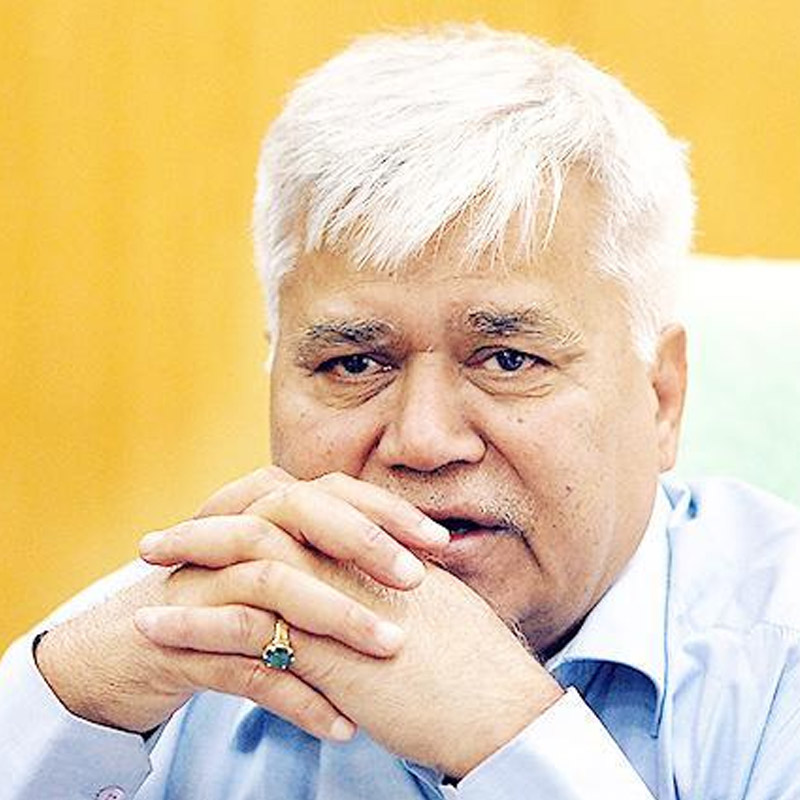
    NEW DELHI: Telecom Regulatory Authority of India chairman R S Sharma said that the country would gradually shift to a payment system using Aadhaar card instead of the various private pay systems or wallets.

    He also mentioned that the implementation of Bharatnet will be faster and effective with PPP model, and further combined with Digital Cable Television System, India will reach a new level of digital connectivity.

    At a seminar on “Demonetisation to Digital Remonetisation”, Sharma said that “Cost, Convenience, and Confidence are crucial factors for a successful Digital Payment System implementation in India.

    In the meet organzed by FICCI, he said 1.1 billion people already have Aadhaar cards and the number was going up everyday.

    Sharma said one of the nine pillars of TRAI in a report given early this year was to go cashless. This report which also refers to Unified Payment Interface (UPI) and Unstructured Supplementary Service Data (USSD) was already being implemented by banks.

    The regulator was now working on a system of Aadhaar KYC (Know Your Customer) whereby any consumer could directly be able to use his Aadhaar identification to make payments. Electronic KYC is also in place.

    He said that TRAI had given a paper about Aadhaar authentication system to UIDAI as early as October 2010 and said this is vital.

    This involved three elements: What I know (my finger print or Iris), what I have (Credit or Debit Cards) and What I am (Biometrics).

    Aadhaar interoperability was also suggested in 2010. Thus, the software for going cashless is in place but has to be implemented as both software and infrastructure are in place.

    It was important for the finance sector to get integrated into the telecom sector in this regard.

    Answering a question, he said that the systems have to be made simple so that everyone is able to understand and implement them.

    Sharma highlighted the pillars of Digital India and mentioned the need of an effective Digital Infrastructure, and how availability and affordability of digital solutions formulates the base of Digital Remonetisation. The TRAI chairman highlighted how JAM Trinity creates a robust system within India, which further creates a digital inclusion with Aadhaar users across India.

    Sharma recommended that in order to create a well operational and sustainable digital and cashless economy, it is vital to eliminate convenience charge by the banks. He firmly suggested that interoperable or interlinked digital wallets can additionally support the digital payment systems of India.

    The meet was part of an ICT policy dialogue with the agenda to discuss the challenges and opportunities that lie before the ICT sector, government and the regulators following the demonetisation move.

  • TRAI: DAS-Bharatnet Digital India’s ‘Aadhaar’

    TRAI: DAS-Bharatnet Digital India’s ‘Aadhaar’

    NEW DELHI: Telecom Regulatory Authority of India chairman R S Sharma said that the country would gradually shift to a payment system using Aadhaar card instead of the various private pay systems or wallets.

    He also mentioned that the implementation of Bharatnet will be faster and effective with PPP model, and further combined with Digital Cable Television System, India will reach a new level of digital connectivity.

    At a seminar on “Demonetisation to Digital Remonetisation”, Sharma said that “Cost, Convenience, and Confidence are crucial factors for a successful Digital Payment System implementation in India.

    In the meet organzed by FICCI, he said 1.1 billion people already have Aadhaar cards and the number was going up everyday.

    Sharma said one of the nine pillars of TRAI in a report given early this year was to go cashless. This report which also refers to Unified Payment Interface (UPI) and Unstructured Supplementary Service Data (USSD) was already being implemented by banks.

    The regulator was now working on a system of Aadhaar KYC (Know Your Customer) whereby any consumer could directly be able to use his Aadhaar identification to make payments. Electronic KYC is also in place.

    He said that TRAI had given a paper about Aadhaar authentication system to UIDAI as early as October 2010 and said this is vital.

    This involved three elements: What I know (my finger print or Iris), what I have (Credit or Debit Cards) and What I am (Biometrics).

    Aadhaar interoperability was also suggested in 2010. Thus, the software for going cashless is in place but has to be implemented as both software and infrastructure are in place.

    It was important for the finance sector to get integrated into the telecom sector in this regard.

    Answering a question, he said that the systems have to be made simple so that everyone is able to understand and implement them.

    Sharma highlighted the pillars of Digital India and mentioned the need of an effective Digital Infrastructure, and how availability and affordability of digital solutions formulates the base of Digital Remonetisation. The TRAI chairman highlighted how JAM Trinity creates a robust system within India, which further creates a digital inclusion with Aadhaar users across India.

    Sharma recommended that in order to create a well operational and sustainable digital and cashless economy, it is vital to eliminate convenience charge by the banks. He firmly suggested that interoperable or interlinked digital wallets can additionally support the digital payment systems of India.

    The meet was part of an ICT policy dialogue with the agenda to discuss the challenges and opportunities that lie before the ICT sector, government and the regulators following the demonetisation move.

  • TRAI: Give 100 MB a month free data to rural area subs

    TRAI: Give 100 MB a month free data to rural area subs

    NEW DELHI: India’s telecoms and broadcast carriage regulator Telecom Regulatory Authority of India (TRAI) has recommended to the government to provide limited free data to rural subscribers as part of efforts to boost e-payments and digital economy.

    “In order to bridge the affordability gap for the persons residing in rural areas and to support government’s efforts towards cashless economy by incentivising digital means, the Authority recommends that a scheme under which a reasonable amount of data, say 100 MB per month, may be made available to rural subscribers for free,” TRAI said in a set of recommendations on Monday on `Encouraging Data Usage in Rural Areas Through Provisioning of Free Data’.

    TRAI further stated that greater broadband access, particularly for large parts of the rural population can be the force to drive integration of the “unconnected and the underserved in economy”, thereby helping to enhance the overall value of the network.

    “Greater broadband access has the power to augment productivity of the agricultural sector as well as small enterprises, facilitate easier and more efficient participation of the rural population in governance, generate new employment opportunities and enable a host of services like e-commerce, e-learning, e-banking etc. As an increasing number of government services are also being electronically delivered, expanding rural Internet access has become a matter of urgency and is essential in fulfilling the vision of Digital India,” TRAI said.

    The regulator further suggested that the cost of implementation of the scheme may be met from the fund that telecom operators contribute to spread telecom connectivity in rural areas or known as USOF.

    TRAI also suggested that to increase participation of other entities for incentivizing free data, there is a need to introduce third party (aggregator) to facilitate schemes that are TSPs or telecom service provider agnostic and non-discriminatory in their implementation and that this scheme for free data must not involve any arrangement between the TSP and the aggregator/content provider and should not be designed to circumvent TRAI directives banning discriminatory tariffs for data.

    As part of the process, TRAI has suggested that the aggregators will need to register with Department of Telecoms (DoT); the registrant must be a company registered under Indian Companies Act, 1956; the validity of registration shall be for five years; the registrant shall not either directly or indirectly assign or transfer the registration in any manner whatsoever to a third party either in whole or in part.

  • TRAI: Give 100 MB a month free data to rural area subs

    TRAI: Give 100 MB a month free data to rural area subs

    NEW DELHI: India’s telecoms and broadcast carriage regulator Telecom Regulatory Authority of India (TRAI) has recommended to the government to provide limited free data to rural subscribers as part of efforts to boost e-payments and digital economy.

    “In order to bridge the affordability gap for the persons residing in rural areas and to support government’s efforts towards cashless economy by incentivising digital means, the Authority recommends that a scheme under which a reasonable amount of data, say 100 MB per month, may be made available to rural subscribers for free,” TRAI said in a set of recommendations on Monday on `Encouraging Data Usage in Rural Areas Through Provisioning of Free Data’.

    TRAI further stated that greater broadband access, particularly for large parts of the rural population can be the force to drive integration of the “unconnected and the underserved in economy”, thereby helping to enhance the overall value of the network.

    “Greater broadband access has the power to augment productivity of the agricultural sector as well as small enterprises, facilitate easier and more efficient participation of the rural population in governance, generate new employment opportunities and enable a host of services like e-commerce, e-learning, e-banking etc. As an increasing number of government services are also being electronically delivered, expanding rural Internet access has become a matter of urgency and is essential in fulfilling the vision of Digital India,” TRAI said.

    The regulator further suggested that the cost of implementation of the scheme may be met from the fund that telecom operators contribute to spread telecom connectivity in rural areas or known as USOF.

    TRAI also suggested that to increase participation of other entities for incentivizing free data, there is a need to introduce third party (aggregator) to facilitate schemes that are TSPs or telecom service provider agnostic and non-discriminatory in their implementation and that this scheme for free data must not involve any arrangement between the TSP and the aggregator/content provider and should not be designed to circumvent TRAI directives banning discriminatory tariffs for data.

    As part of the process, TRAI has suggested that the aggregators will need to register with Department of Telecoms (DoT); the registrant must be a company registered under Indian Companies Act, 1956; the validity of registration shall be for five years; the registrant shall not either directly or indirectly assign or transfer the registration in any manner whatsoever to a third party either in whole or in part.

  • Digitisation vital for transparent governance, says Prasad

    Digitisation vital for transparent governance, says Prasad

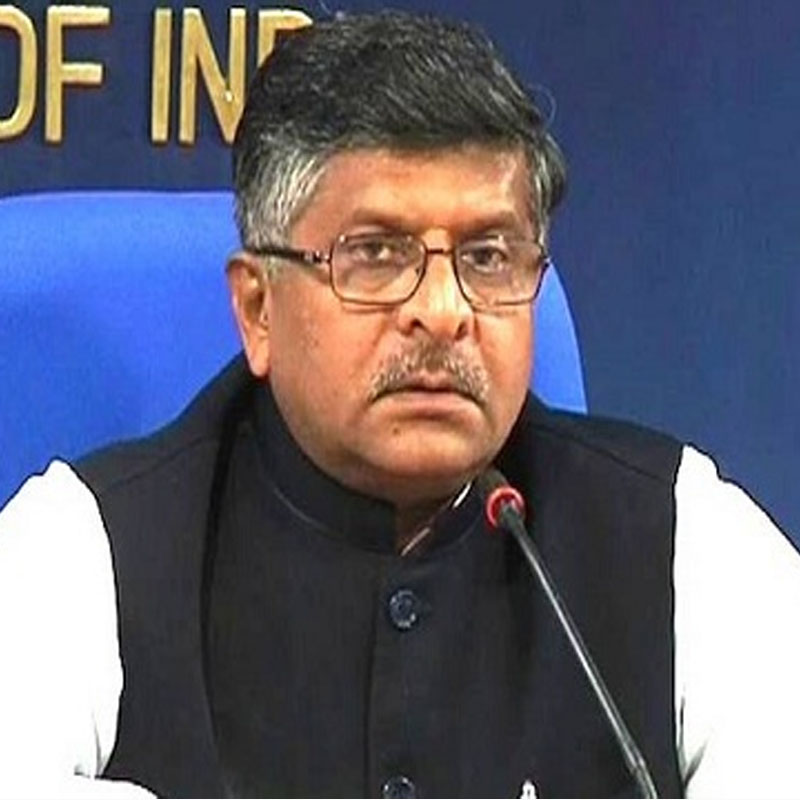
    NEW DELHI: Electronics & information technology minister Ravi Shankar Prasad feels “Digital governance is good governance, digital governance is transparent governance and digital governance is honest governance.”

    Speaking at a Special Session at FICCI’s 89th Annual General Meeting, he said with a population more than 1.25 billion, India has 1.04 billion mobile phone users, of which 350 million are smart phone users with 500 billion internet users.

    Backed up by initiatives like Make in India, Digital India and Startup India, the nation is at the cusp of a big transformation.

    With government emphasizing on electronics manufacturing sector, India has established 40 mobile phone manufacturing centres in the last one year and with conducive policy initiatives and framework India aims to become global manufacturing hub.

    Prasad also gave examples of how citizens from remote parts of India are utilising the digital tools as epicentre of socio-economic development.

  • Digitisation vital for transparent governance, says Prasad

    Digitisation vital for transparent governance, says Prasad

    NEW DELHI: Electronics & information technology minister Ravi Shankar Prasad feels “Digital governance is good governance, digital governance is transparent governance and digital governance is honest governance.”

    Speaking at a Special Session at FICCI’s 89th Annual General Meeting, he said with a population more than 1.25 billion, India has 1.04 billion mobile phone users, of which 350 million are smart phone users with 500 billion internet users.

    Backed up by initiatives like Make in India, Digital India and Startup India, the nation is at the cusp of a big transformation.

    With government emphasizing on electronics manufacturing sector, India has established 40 mobile phone manufacturing centres in the last one year and with conducive policy initiatives and framework India aims to become global manufacturing hub.

    Prasad also gave examples of how citizens from remote parts of India are utilising the digital tools as epicentre of socio-economic development.

  • Brands need to stay relevant, contemporary: Experts

    Brands need to stay relevant, contemporary: Experts

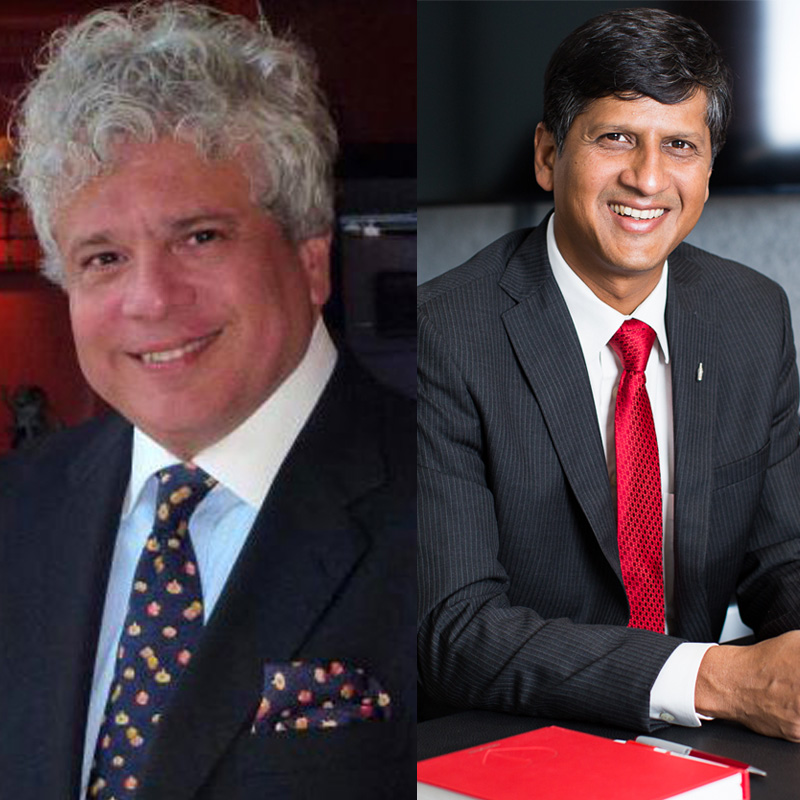
    NEW DELHI: “Nonsense”. That was the terse reaction of Jaya Bachchan – actor and now a member of the Parliament – to a question by the ebullient ad wizard Suhel Seth on whether she agreed that brand ambassadors should be held responsible for the brands they represent.

    Later, asked to elucidate, she told indiantelevision that she had already said that it was “nonsense.”

    Speaking at a session on the business of brand-building at FICCI’s 89th Annual General Meeting, Bachchan said that individuals were brands too, and they added value to the products and services which they endorsed to bring authentication.

    (The Parliamentary Standing Committee on Consumer Affairs had, in its review of the Consumer Protection Bill pending in the Parliament, stated earlier this year that stringent provisions may be made to fix liability on endorsers/celebrities as misrepresentation of a product, especially a food product, should be taken very seriously considering the influence of celebrities and high net-worth individuals or companies. It said the existing laws are not deterrent enough to discourage manufacturers or publishers from using such personalities for misleading advertisements.)

    Meanwhile, it was generally agreed that brands need to stay relevant and contemporary to the consumers to succeed. Experts agreed that brands need to create an experience by creating an emotional connect with the end-user (consumer); lest they cease to exist.

    “Brand is an idea that is in the head today,” said SKA Advisors chairman and former Britannia Industries CEO Sunil Alagh said. “The idea needs to be consistent, and remain contemporary.”

    According to Alagh, brands were not companies or products, a view that Bachchan disagreed with. But, Alagh, giving an example, said the ‘Angry young man’ as an idea was more relevant as an idea, and not Amitabh Bachchan or any other actor.

    Alagh said that brands had various stakeholders of late, and, most importantly, consumers were lately getting more information and react about the brand on social media.  He added that the stakeholders looked for an experience with the brand in the contemporary scenario.

    Coca-Cola India and south-west Asia president Venkatesh Kini said that a brand was not just an idea but it had to be embodied in a product. “A brand is a product, package and logo,” Kini who leads the 130-year old brand in the region said, and added that a brand might or might not require a celebrity to authenticate its product.

    “Consumers are taking ownership of brands, and companies are now looking at co-creating and co-owning the brand,” Kini added.

    Seth said that the idea was known if it keeps changing and remained contemporary. Reacting to the issue of brand ambassadors, he said that brand suffered if something happens to the celebrity endorsing it.

    Also read

    Brand ambassadors equally responsible for misleading ads,can be penalised: Parliamentary Committee

  • Brands need to stay relevant, contemporary: Experts

    Brands need to stay relevant, contemporary: Experts

    NEW DELHI: “Nonsense”. That was the terse reaction of Jaya Bachchan – actor and now a member of the Parliament – to a question by the ebullient ad wizard Suhel Seth on whether she agreed that brand ambassadors should be held responsible for the brands they represent.

    Later, asked to elucidate, she told indiantelevision that she had already said that it was “nonsense.”

    Speaking at a session on the business of brand-building at FICCI’s 89th Annual General Meeting, Bachchan said that individuals were brands too, and they added value to the products and services which they endorsed to bring authentication.

    (The Parliamentary Standing Committee on Consumer Affairs had, in its review of the Consumer Protection Bill pending in the Parliament, stated earlier this year that stringent provisions may be made to fix liability on endorsers/celebrities as misrepresentation of a product, especially a food product, should be taken very seriously considering the influence of celebrities and high net-worth individuals or companies. It said the existing laws are not deterrent enough to discourage manufacturers or publishers from using such personalities for misleading advertisements.)

    Meanwhile, it was generally agreed that brands need to stay relevant and contemporary to the consumers to succeed. Experts agreed that brands need to create an experience by creating an emotional connect with the end-user (consumer); lest they cease to exist.

    “Brand is an idea that is in the head today,” said SKA Advisors chairman and former Britannia Industries CEO Sunil Alagh said. “The idea needs to be consistent, and remain contemporary.”

    According to Alagh, brands were not companies or products, a view that Bachchan disagreed with. But, Alagh, giving an example, said the ‘Angry young man’ as an idea was more relevant as an idea, and not Amitabh Bachchan or any other actor.

    Alagh said that brands had various stakeholders of late, and, most importantly, consumers were lately getting more information and react about the brand on social media.  He added that the stakeholders looked for an experience with the brand in the contemporary scenario.

    Coca-Cola India and south-west Asia president Venkatesh Kini said that a brand was not just an idea but it had to be embodied in a product. “A brand is a product, package and logo,” Kini who leads the 130-year old brand in the region said, and added that a brand might or might not require a celebrity to authenticate its product.

    “Consumers are taking ownership of brands, and companies are now looking at co-creating and co-owning the brand,” Kini added.

    Seth said that the idea was known if it keeps changing and remained contemporary. Reacting to the issue of brand ambassadors, he said that brand suffered if something happens to the celebrity endorsing it.

    Also read

    Brand ambassadors equally responsible for misleading ads,can be penalised: Parliamentary Committee