Tag: festive season

  • ZEE5 unveils festive content line-up

    ZEE5 unveils festive content line-up

    Mumbai: ZEE5 has announced its new content line-up including over 30 AVOD premieres and 14 original SVOD new releases for the festive season 2021.

    Enabling advertisers to enhance engagement using personalised tech and data-enabled cohorts and interest clusters, the OTT platform will facilitate brands to increase their market share across categories, including CPG, digital, auto, lifestyle, wellness, ed-tech, BFSI, SMB, and more, throughout the season.

    The slate of multilingual AVOD premieres scheduled between October to December 2021 will engage multiple language affinity consumers such as Hindi, Telugu, Malayalam, Kannada, Tamil, and Bangla across demographics, from metros to Tier II and III cities. Shows with a prominent star cast, multi-starrer exclusive line-ups of awards, events, and festive tentpoles have been announced to entertain viewers and act as vehicles for brand integrations.

    Recently the OTT platform also came up with an Intelligence Monitor report to add incremental value to its range of advertisers by decoding the latest and imminent consumption trends, consumer preferences and discovering new insights across various product and service categories.

    ZEEL chief operations officer – revenue, Rajiv Bakshi said, “It is the biggest consumption period across all product and service categories and therefore we have strategised the finest content line-up that will enable brands to plan hyper-personalised marketing campaigns to grow their market shares and brand engagement. ZEE5 extends strategic advantage to clients as it offers a gender-balanced, young, and massive viewer base for brand integration and influencer marketing solutions on its impact properties, and the massive reach and video inventory across entertainment, news, and premium CTV.”

  • GUEST COLUMN: Digital marketing strategies to prepare for the festive season

    GUEST COLUMN: Digital marketing strategies to prepare for the festive season

    Mumbai: If a year is like a film, then the festive season is the climax scene of the year! Consumers are all set to fill their online shopping carts with amazing offers this festive season. According to the consumer synopsis, the year 2021 will record a large number of traction from the non-metro sectors. So, the good news is that consumers will have a plethora of brands to explore, and e-commerce businesses will have lucrative sale opportunities this festive season.

    Over 60 per cent of the global population is on the internet, and it is fundamental for online brands to plan and leverage the festive season campaigns for extra market gains. Regardless of the pandemic situation, influential digital marketing strategies have been proven efficacious in attracting the target audience. So, online brands can definitely leverage brand marketing and advertising tactics to stand out in the digitally revolutionised world and acquire more users.

    Festive seasons allow marketers to run well-tailored strategies and campaigns which focus on increasing the brand value and maintaining a high ROI.

    What Makes Festive Season Campaigns Exclusive?

    Festive Season is a peak business time for brands because at this time of the year customers indulge in dramatic shopping sprees and spend lavishly. Amid all the jovial festive atmosphere, brands reflect similar emotions to their customers through discounts and bonanza offers in order to acquire users and boost sales. Holding to these specifics, marketing professionals frame best-performing digital strategies that compel consumer purchase action.

    Guiding Analysis:

    Before strategising a new marketing plan, it is essential to analyse previous performance. The analysis sheds light on:

    ●      Sales traffic information.

    ●      Top and underperforming products and services.

    ●      Ad performance.

    ●      Customer interest.

    ●      Landing page performance.

    ●      Web pages that lead to maximum conversions.

    ●      Channel that drives high user traffic/ engagement.

    Best Performance Marketing Strategies for Festive Season 2021:

    Customised Festive Emails (Email Marketing)

    Email marketing is a promising and cost-effective marketing tool, especially during the festive season. Businesses can draft an occasion-themed email including personalised greetings, gift hampers, and vouchers to engage with the customers. Research shows festive emails are more likely to be opened and followed by a majority of customers.

    Discount Offerings

    While advertising products, businesses should add discount offers with creative ad copies and graphics to target users. Brands can promote festive vouchers and attractive CTAs, such as ‘limited period offer’ to attract buyers.

    Festive Ad Campaigns (Google and Facebook)

    It is crucial to promote ad campaigns via relevant and high-performing channels. The reason is that it increases the scope of brand visibility, lead generation, and user acquisition. So, boost ads to scale the reach and promote your communication digitally.

    Seasonal SEO Implementation

    Correct research of the festival-related keywords will guide the content to the top of the SERPs. Using high-ranking keywords eases SEO practices and drives more visitors to rise sales.

    Festive-themed Video Marketing

    Undoubtedly, video marketing has the best performance metrics over all other marketing categories. It is proven that well-planned video advertisement gathers three times more views compared to other forms of content. Plus, visual representation helps people connect better with the brand and its offerings.

    Engaging Push Notifications

    Push notification is a new and terrific performance marketing tactic. It is considered one of the best methods to keep users in the loop. As per the data, people interact five times better with push notifications than emails. Now, sharing updates, offers and announcements are easy with push notifications.

    Deep Linking

    Deep linking is by far the best redirecting method, in which app brands can direct their ads to the product landing page when clicked. This increases product page traffic and lets the customer engage with the targeted product efficiently within the app.

    Festive Content Marketing

    An image or video with relatable content stirs up the customers’ emotions to connect better. Relatable content urges viewers to share it among their social circle, increasing the brand’s visibility. And, content marketing holds that power where you can attract the audience with words.

    Remarketing Ads

    Remarketing ads are used in the middle and bottom-funnel to boost user conversion. These ads are product and service-centric and target users who are aware of the brand. 

    (Siddhartha Vanvani is the founder & CEO of Digidarts. The views expressed in the column are personal and Indiantelevision.com may not subscribe to them.)

  • Crypto platforms ramp up ad spends this festive season

    Crypto platforms ramp up ad spends this festive season

    Mumbai: As the market pins its hope on the festive season for a hike in sales, the crypto exchange platforms too aren’t lagging behind in wooing users to invest in the digital asset class. In an evident change from last year when the platforms were cautious and muted in their approach, they are all set to make the most of the opportunity this year, with an increase in ad-spend across all media.

    Apart from the digital, crypto brands are also opting for mass mediums such as TV and print as they plan an advertising salvo. The fledgling industry is trying to mark a dent in the market with promotions and marketing activities involving audio-visual podcasts and even full front-page displays in leading dailies.

    One such platform, which has been investing heavily in print is CoinSwitch Kuber, which claims to have onboarded as many as 10 million users already. The brand has come out with full front-page ads in leading newspapers in the last few days. “Print is always a viable medium. While digital media enables us to target a certain set of audiences, print has the accessibility to the most basic audience group which finds credibility in the print news,” said CoinSwitch Kuber chief business officer Sharan Nair.

    The brand is also constantly connecting and engaging with local newspapers, media, and prominent ‘finfluencers’ (finance-influencers) on social media platforms to reach its target set.

    “Traditional media can make audiences search and engage with them on the website, while digital media through apps can be used to continue re-targeting the interested segment,” said Havas Media India managing partner – South Saurabh Jain, highlighting that crypto platforms need to focus on “building the top of the funnel first” to attract new retail investors since the penetration of this category is currently low. Jain recommends a 65 per cent spend on traditional media and 35 per cent on digital display plus programmatic spends in this phase, as the threshold costs associated with traditional media remains high.

    A recent study by Havas Media Group India also highlighted how print remains one of the most trusted mediums to influence brand perceptions on critical factors like quality, price, and trust, despite the short-term interrupted circulations and de-growth of newspapers during the initial wave of the Covid-19 pandemic.

    “Especially for new-age categories like crypto exchanges who are in their next phase of growth in India, it becomes even more crucial to target beyond the early adopters of this digital world by associating with traditional mediums like television and print,” added Jain. “Building trust will be key as a lot of uncertainty and risk has been associated with cryptos in the past. So, print will definitely be a viable medium to build credibility and trust.”

    CoinSwitch Kuber is also planning to reach the audiences via emerging OTT platforms. It has already been working with Amazon Prime Video, and SonyLIV, and has partnered with Disney+ Hotstar for the current edition of the Indian Premier League (IPL) which resumed on Sunday. “Considering the huge traction we witnessed after the last IPL campaign, we are looking to promote crypto assets through upcoming sports events as it perfectly captures our target group, which is – upwardly, young and tech savvy-mobile Indians,” added the CoinSwitch Kuber chief business officer.

    On the other hand, crypto trading platform Mudrex is completely targeting digital. The focus of the brand’s marketing campaigns for the coming months is primarily through influencers and creators on different platforms across the social spectrum.

    “We believe the demographics of the investors and traders in the crypto market are such that the digital medium is best able to reach the target audience,” said CEO and co-founder Edul Patel. “At Mudrex, we usually associate with influencers who have a deep interest in cryptocurrencies and believe in the idea of smart investing and trading in the crypto market.”

    Cryptocurrencies have gained traction over the past few months, and the subsequent interest from the investor sentiment, leading to rising trading volumes despite the regulatory uncertainty. As the brands try to cash in on this crypto gold rush ahead of festivals, there is also a need, however, to create more awareness and to share knowledge on the finer aspects of the virtual currency. And that is what CoinDCX is aiming at, through ‘DCX learn’ during the festive season.

    “We have always tried to find fresh ways to entice and educate new investors through our marketing efforts. One of our main objectives is to raise awareness about the cryptocurrency business and urge Indians to consider it as a viable investment option,” said CoinDCX head of brand and communication Ramalingam Subramanian.

    The brand has recently come out with a campaign #BitcoinLiyaKya, which was in line with its direction of raising investor awareness and CoinDCX plans to build on that. “We are offering coupon codes of Rs 100 worth of bitcoins to everyone who signs on the exchange for the first time to raise curiosity among prospective new users. This encourages them to learn more about crypto, and interests them to enter the space,” explained Subramaniam adding that the brand is also looking to form new brand alliances to enable the users.

    According to the crypto platforms, the interest in dealing in the new asset class is definitely increasing among Indians.

    To put it in perspective, India today ranks second in terms of crypto adoption worldwide, ahead of countries such as the US, UK, and China, according to the 2021 Global Crypto Adoption Index by blockchain data platform Chainalysis. This is chiefly led by crypto adoption in the smaller towns of India. Currently, active crypto users in the country are around 15 million with the number of blockchain startups going up to over 300 in the current year.

  • 80% buying will be ‘digital’ influenced this festive season: Report

    80% buying will be ‘digital’ influenced this festive season: Report

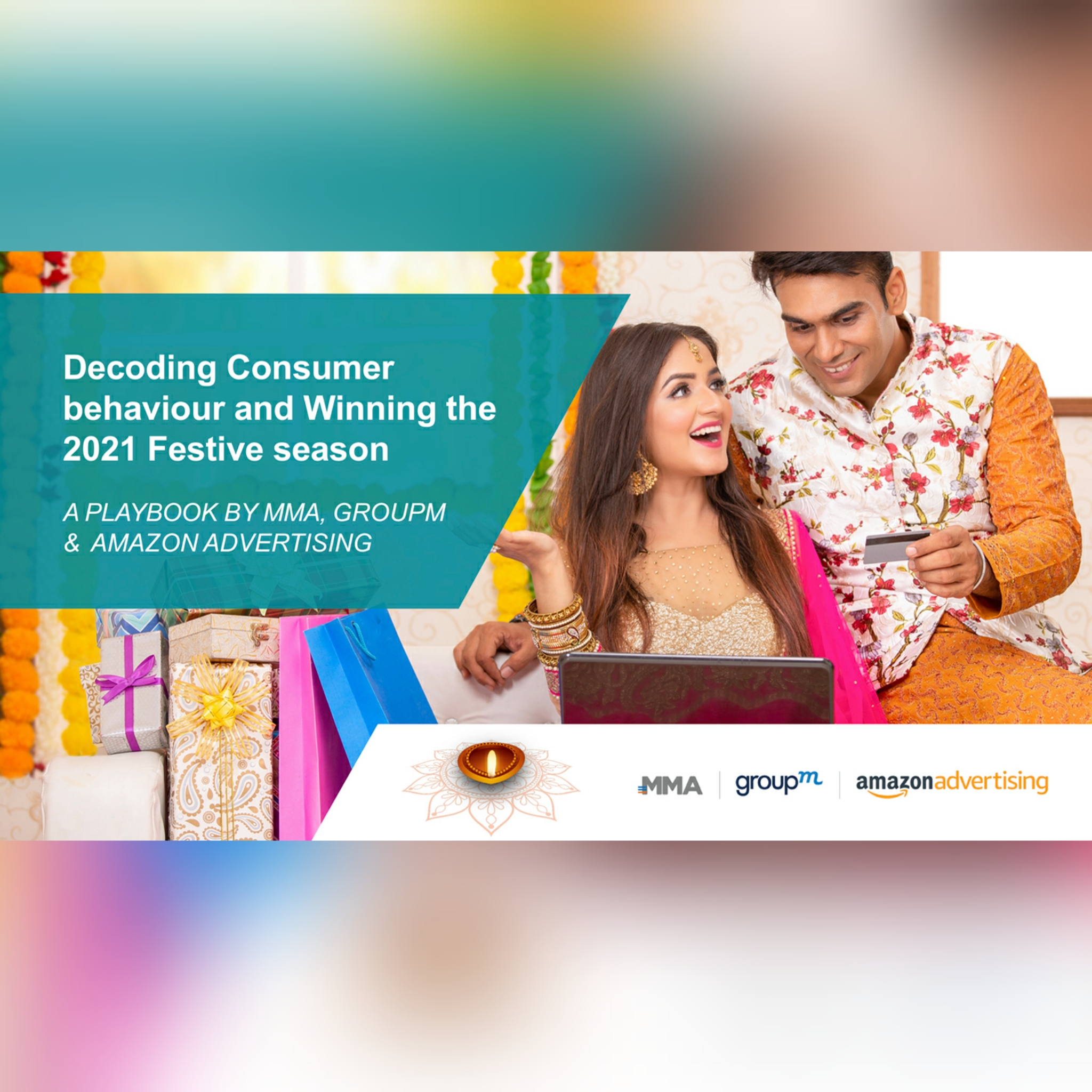
    Mumbai: Consumer sentiment ahead of the festive season remains positive with 50 per cent of consumers likely to increase their festive spends this year. Digital channels will continue to be crucial to the purchase decision with a whopping 80 per cent consumers’ journeys being ‘digital’ influenced, of which 77 per cent endemic journeys will involve amazon.in, according to a festive season industry playbook released by MMA, GroupM and Amazon Advertising.

    As per the handbook for marketers on expected consumer sentiment along with recommended strategies for Diwali this year, consumers are still not fully decided on their purchase, with 62 per cent of consumers currently undecided about the product/brand choice. The playbook titled ‘Decoding Consumer Behaviour and Winning the 2021 Festive Season’ further advises brands to leverage multiple touchpoints. Be visible across touchpoints leveraging connected TV, video, search advertising etc to drive active/passive discovery and leverage ‘efficiency’ related metrics to assess performance holistically, recommends the report.

    The 2021 Diwali festive season will be an unprecedented test for marketers, as per the study. As consumption is on a natural upswing post-pandemic restrictions, brands are looking to stand out and capture the mindshare among the new-age ‘digital’ consumers.

    Multiple brands have deferred their product launches and are counting on the festive season to drive incremental reach and sales, as per the report. As a result, shopping aisles will be choc-a-bloc with new launches supported by high-decibel marketing campaigns. At the same time, consumer journeys have become more complex and non-linear, and the role of digital has become more prominent across the journey. As a result, this festive season will require marketers to re-think their media strategies in order to be successful, says the study based on findings from consumer surveys, brand marketer surveys, and inputs from key opinion leaders.

    MMA India country head Moneka Khurana commented, “76 per cent of marketers mentioned they will be allocating more spends for digital as compared to last year. Hence it’s key to understand omnichannel users better in the changing times as we continue to drive the narrative of shaping the future of marketing.”

    GroupM South Asia president of growth and transformation Tushar Vyas stated, “Digital influence in consumer journeys has increased significantly while the e-commerce adoption has accelerated in the last 18 months. Hence, digital is no more a support media platform but is core to media plans.  E-commerce platforms offer brands the opportunity to hand-hold consumers across the purchase funnel by not only aiding in active/passive brand discovery but also in closing the loop by measuring performance objectively.”

    Amazon Advertising India director of ad sales Vijay Iyer shared, “E-commerce portals act as gateways to this world that we are so quickly embracing and are playing a crucial role in brand and product discovery. For marketers, this presents an unprecedented opportunity – to be able to identify and leverage customer intent at an unprecedented scale. This playbook will help brands in not only sharpening their online strategy but will redefine how they measure and drive business outcomes.”

    The playbook aims to help brands in making efficient decisions around their media strategy during the festive season. It captures insights around consumer sentiment and marketer expectations for the upcoming festive season, along with implications and recommendations for advertisers.

  • Snapdeal opens 130 new distribution hubs across India

    Snapdeal opens 130 new distribution hubs across India

    Mumbai: E-commerce marketplace Snapdeal announced that it has opened 130 new distribution hubs across all of India since January, covering 26 states and two union territories. The expanded network is designed to cater to the surge in demand ahead of the festive season starting in India from early October. 

    The e-tailer further shared that the maximum number of these hubs are located in Maharashtra, Karnataka, Telangana, and Uttar Pradesh. In addition, Snapdeal has augmented its logistics network in Jammu & Kashmir and in the North-East. 

    The network expansion serves the growing demand for online shopping from smaller cities, said the e-tailer, such as Baramulla (J&K), Saharanpur (Uttar Pradesh), Khammam (Telangana), Alwar (Rajasthan), Sambalpur (Odisha), Tumkur (Karnataka), Latur (Maharashtra), Dimapur (Nagaland) and is designed to speed up deliveries for customers in these cities and in surrounding areas.

    “The new hubs are located in areas where there is either growing buyer demand or higher seller concentration. The new facilities are designed towards rapid pick-ups from sellers and faster deliveries to buyers”, a Snapdeal spokesperson said. “The network expansion will also reduce the distance that some of our shipments travel by helping fulfill some of the demand from within the region,” the spokesperson added. 

    With the addition of these new hubs, Snapdeal now serves over 26,000 pin codes, reaching over 90 per cent of Indians across India, including metros, tier 1 & 2 cities, and most of tier 3 and 4 towns of India, stated the e-tailer.

    The growing importance of online consumers from India’s smaller cities in driving India’s e-commerce growth was highlighted in a recent report by global consulting firm Kearney. The report shared that aspiring & mass households earning less than Rs 10 lakh per annum account for nearly 70 per cent of India’s non-food, value-driven retail demand. However, this segment today accounts for only 16 per cent of value e-commerce demand. This is expected to grow to 38 percent by 2026 and to nearly 50 per cent of value e-commerce demand by 2030. 

    Growing internet adoption and whittling away of resistance towards online shopping during the pandemic is driving online adoption in this segment. The Gen-Z users in India’s smaller cities are digitally savvy and they are joining the millennials as independent shoppers, which is expected to accelerate the growth of value e-commerce in India. 

    The rise of value-conscious shoppers, especially beyond the bigger cities in India is expected to be one of the key drivers of value e-commerce growth in India, the Kearney report added.

  • Bhujia, extrudes and the festive season: Bikano’s go-to-market strategy for H2

    Bhujia, extrudes and the festive season: Bikano’s go-to-market strategy for H2

    Mumbai: The second half of 2021 began on a bustling note for packaged snacks brand Bikano. The Company has launched two new snack ranges – a tea-time maida-based snack range and an extrude range under sub-brand Fatax, a new campaign for its star product – Bhujia, and the festive blitz focusing on sweets. The launches are part of Bikano’s well-thought-out strategy for the rest of the year even as the Delhi-based FMCG firm sets out to achieve its larger goals of establishing itself as the Bhujia specialist and market leader, developing the extrudes category and driving volumes for sweets with festive offerings.  

    Bikanervala Foods, head of marketing, Dawinder Pal takes us through these developments and their strategic importance for the Company in the light of trends, that emerged out of the pandemic year. When Pal joined Bikano from Bonn Group of Industries in October 2019, little did he know that in addition to transitioning from leading a premium western snacks category to heading marketing function for a traditional snacks brand, he will also have to deal with another unexpected industry-wide transformation, just six months down the line. Fortunately, the change was largely positive for him as well as Bikano.

    Taste and flavours reign supreme

    There’s no denying the emergence of health and hygiene consciousness as the most important trends out of 2020. From sanitisers to ‘virus-resistant’ clothing lines, brands across categories grabbed the opportunity to come up with new offerings. Bikano also introduced a range of diet namkeen mixtures and multigrain chips. However, with the setting in of post-covid rationalisation, it became clear that while snacking had definitely embraced hygiene, thus providing an advantage to packaged foods brands, the wave of health-consciousness was short-lived.

    “Even though there’s more awareness and talk of healthy-snacking, the quantum of it is quite low. When it comes to snacks, people are more glued to the taste; there’s still an unwillingness to compromise on it,” says Pal.   

    With renewed confidence, Bikano decided to go full throttle on traditional tastes and flavours, delivered with the hygiene advantage of packaged foods. Bhujia emerged as the obvious choice to lead the Indian snacks category. The humble snack contributes a whopping 35 per cent to Bikano’s namkeen category sales. “We are targeting Rs 200 cr in revenues from Bhujia (Aloo and Bikaneri) in the next two quarters,” says Pal.

    The namkeen and snacks market in India is valued at about Rs 35,000 crore, with Bhujia and Sev enjoying a 25 per cent share. Currently, the second-biggest player, Bikano wants to become the market leader in Bhujias. To this effect, the brand recently launched a campaign – ‘Hum Se Behtar Bhujia Ko Jaane Kaun’ – positioning itself as the “Bhujia specialist”.

    Bikano’s new tea-time range of refined wheat flour (maida)-based snacks, launched in July is further expected to provide it an edge over the competition. Consisting of seven products – Bhakar Badi, Tikoni Mathi, Gol Mathi, Matar Para, Methi Mathi, Mini Samosa and Chai Puri – the range is primarily targeted at the northern markets.

    Unlike traditional Indian snacks where it is the second biggest player, Bikano’s foothold in the western category which includes extrudes, wafers and bridges are not as strong. Pal tells us that since the time he joined, efforts to capture the western snacks market have picked up significantly. With a minimal presence in wafers and bridges ensured, the brand decided to aggressively pursue the high-volume, high-growth extrudes category which targets kids.

    In July, Bikano introduced a revamped extrudes range consisting of Ringz, Puffees, Cheese Balls, Pasta Crunch and Jungle Safari for children aged three to ten years. The objective was to augment presence in the 16000cr western snacks market, within which, extrudes (6000cr) is the fastest-growing sub-category at 23-25 per cent YoY.

    During the launch, Bikano, director Manish Aggarwal had stated that the new range is expected to give the Company a sales surge of up to Rs 15 crore in this fiscal.

    Another top gainer of 2020 for Bikano was the sweets category. Explaining the phenomenon, Pal states, “While our snacks TG remained unaffected, as consumer behaviour shifted towards hygiene, we felt the change – a positive one – most prominently in the sweets category, with volumes doubling in the last two years. That’s also when festive became an important part of our portfolio and yearly plans.”

    Last festive season, the brand achieved 40 per cent growth over the previous year. It has the same target for this year.

    Overall, the Company is eyeing 125cr in revenues from global markets and 1250cr from domestic market in this financial year.

    Changing Media Needs

    Bikano’s media strategy has been a combination of ATL and BTL, with print (newspapers and magazines), tactical outdoor, BTL activations, PoS branding and digital dominating the mix along with some TV. The brand has collaborated with Chhota Bheem for the launch of its Fatax extrudes range. As its builds the kids-oriented extrudes category, more such associations can be expected to increase the quantum of advertising on TV.

    Within digital, Bikano prioritises social media. “We are using the modern social media platforms to build preference for our traditional products among millennials who are more inclined towards western snacks,” Pal remarks.  

    Pal has deployed the OTT medium significantly for the brand’s advertising needs in the US and Canada. Commenting on the rather muted presence on Indian OTT platforms, he notes, “OTT brands in the US offer clear audience segmentation, for instance, the Willow TV app is dedicated exclusively to Cricket. The phenomenon is yet to happen in the Indian OTT space, where there’s no evident differentiation, but we do plan to explore it in the coming year.”

  • Brands eye stronger recovery in ad spends this festive season

    Brands eye stronger recovery in ad spends this festive season

    MUMBAI:  The year 2020 was a game-changer on many counts for the world in general. Many brands that relied heavily on offline marketing and in-store shopping had no other option but to join the digital marketing bandwagon to engage with their consumers. Now with the festive season almost upon us, how are brands looking to attract eyeballs and consumer footfalls with persisting outdoor restrictions in many parts of the country?

    According to the latest survey – ‘The Festive Season Pulse 2021’ conducted by global technology company, The Trade Desk, nearly 82 per cent of respondents said they shop online at least once a month with nearly one in four making online purchases several times a week.

    “Digital consumption is at an all-time high,” highlights TVS Srichakra head, brand marketing Kavitha Ganesan citing the success of their recent integrated marketing campaign ‘Tyres for a Country full of Turns’. “However, for mass reach, the brand still relies on TV as the main medium. For a category like ours, it is critical to activate marketing campaigns with an integrated 360-degree approach. Hence BTL consumer and trade activations become important. We expect the category to place more and more impetus on the digital front and possibly lower the spends on print.”

    Post-pandemic, the total time spent by Indians on media channels has gone up significantly. According to Havas Media India, managing partner- South, Saurabh Jain, Digital is now mainstream in level with Print, given its multifarious applications and measurable ROI.

    “The growth in advertising would be led by Digital followed by TV, Print, OOH & Radio, yet TV will remain the biggest & most preferred medium for mass & incremental reach,” says Jain, highlighting how Big-ticket properties, especially cricket, have demonstrated the effectiveness of TV in brand building and scaling up reach in a cricket-frenzy nation.

    According to industry estimates, advertisers are expected to invest Rs 4000-5000 crore on sporting properties on TV and Digital in the current scenario where the ad demand is higher than supply. “Print also seems to be much stronger in Unlock 2.0 as compared to the previous unlock,” adds Jain.

    However, brand concur that there is a need to target the customer across multiple touchpoints to ensure they remain ‘top of the mind’ for consumers.

    Fashion and lifestyle e-tailer Myntra expects a similar play between digital and mainline, and is implementing a 360-degree campaign approach, leveraging TV, Digital and social media platforms to cut across diverse markets and build a deeper brand salience with its customers across the country.

    No doubt, industry experts expect high clutter across mediums, mainly TV and digital, this season. The emergent challenge for brands will be to drive more visibility amid this clutter, by looking for opportunities in print, OOH, and cinema.

    “Brands will invest in high-impact properties to break the clutter and achieve high reach during campaigns. The Star group has managed to retain their sponsors for IPL and also roped in many more for the T20 world cup. Other key properties like KBC have already attracted multiple new sponsors,” says Madison Media Ultra COO Jolene Fernandes Solanki.

    Apart from FMCG which leads the ad spends, advertising growth will also be seen across other categories like automobile, consumer durables, e-commerce, OTT, Ed-tech, mobile gaming, retail, tourism, and digital wallet payments. “We are observing a huge rise in new categories and advertisers through a whole bunch of start-ups emerging. They are likely to get active during this festive,” adds Solanki.

    The rise of regional media is another trend that is set to capture the brands’ interest this season, according to agencies. The popularity of regional content and increasing internet penetration in Tier 2 and Tier 3 markets will lead to content-driven marketing solutions at a regional level.

    “Print could also see some recovery during this festive season,” opines iProspect’s Kaushik Chakraborty. “The second half of 2021 is witnessing a resurgence in print advertising with brands returning to the medium in a big way. Large-format ads/Jackets have witnessed an increase in recent weeks.”

    However, OOH still has a tough road ahead, with most brands still cautious about investing in outdoor advertising amid apprehension of a third wave coming. However, both OOH and radio are likely to do better than 2020, say experts.

    TV and Digital have witnessed a steady increase. In terms of ad spends, Television will continue to have the highest share – over 40 per cent – of overall ad spends at the back of IPL and T20 WC, followed closely by Digital with 34 per cent share.  The overall ad market is forecast to grow by a further 12.4 per cent in 2022, recovering to pre-pandemic levels suggest reports.

    Furthermore, brands are expected to invest in impact shows such as Amitabh Bachchan hosted KBC, Salman Khan hosted Big Boss and the soon-to-be-launched Big Picture hosted by Ranveer Singh.

    “Brands have understood the importance of a split spending budget in order to obtain better results,” says Admitad Affiliate India, head – ecommerce vertical, Abhijit Banerjee. “To reconfigure their marketing strategy they are investing in partnerships and collaborations with an array of channels to keep the festive spirit intact. Not only that, with each year brands allocate a lot of budgets for inventories like cashback and coupons for lucrative deals and offers.”

    The three festive months of October, November, and December constitute an important decisive phase for brands and affiliate channels as they expect to reap the benefits of these increased ad spends. With regards to expenditures, high-impact properties, integrations, and video platforms are the focus areas for brands apart from their usual channels which are scaling up.

    “Everyone wants to tell a brand story that brings festive cheer and brands are trying to do this with the help of such platforms. The entire ecosystem is now very enthusiastic about this new growth and is passionately driving the adoption of various new products and service offerings which is clearly visible to us,” says Logicserve Digital founder and CEO Prasad Shejale.

    According to Grapes Digital founder and CEO Himanshu Arya, brands like Automobile, FMCG, and E-commerce players could spend around 25 to 30 per cent on digital, which can increase further during the festive period from Dussehra to Diwali. For specific categories like electronics, consumer durables, and jewellery, the festive period is the most crucial time as the maximum sale is derived during this season.

    There is also a lot of advancement in the Connected TV ecosystem and this space is expected to grow multifold, believe industry executives. The media options are limited at the moment and thus there is definitely a lot of din and chaos in the available media mix and brands would need to put extra effort to stand out from the crowd this season.

    “There is no surprise that the media planning is lopsided towards digital. Having said that, Activation is back in the game and we have delivered fantastic results to brands from activations conducted in a safe environment. So, apart from digital, anything that breaks clutter and delivers ROI for brands will definitely find a place in the media mix,” says CupShup co-founder Sidharth Singh.

    Marketing strategies are now pandemic-ready. Earlier marketing calendars would be lopsided towards offline and ATL with less than 10 per cent of budgets assigned to digital marketing and most companies didn’t have basics in place on digital distribution, logistics, and spending metric on digital.

    “Today marketers have evolved and have digitised their businesses. They are present where their consumer is. There is a healthy ratio of spends across platforms. Marketers are more agile and flexible. Communication calendars are being prepared with Plan A’s and Plan B’s. The mood out there is to win over with all the possible preparations and see an upside,” says Tonic Worldwide chief strategy officer and director, India and MENA Region, Unmisha Bhatt.

    Wunderman Thompson, South Asia chairman and Group CEO, Tarun Rai sums up, “India is not one India but ‘many Indias’ with different media consumption habits. As a result, there is a role for both traditional and non-traditional media in the country. We have seen how newspaper advertising has bounced back in the last few months. In fact, many digital-only brands are now using newspapers as a medium and spending huge sums on wrap-around front-page ads.” So, while digital will continue to grow at a fast clip and may even overtake TV in a couple of years, he believes both traditional and digital media are here to stay for, at least, the next decade.

  • Bonn launches La Americana Gourmet eggless walnut brownie for festive season

    Bonn launches La Americana Gourmet eggless walnut brownie for festive season

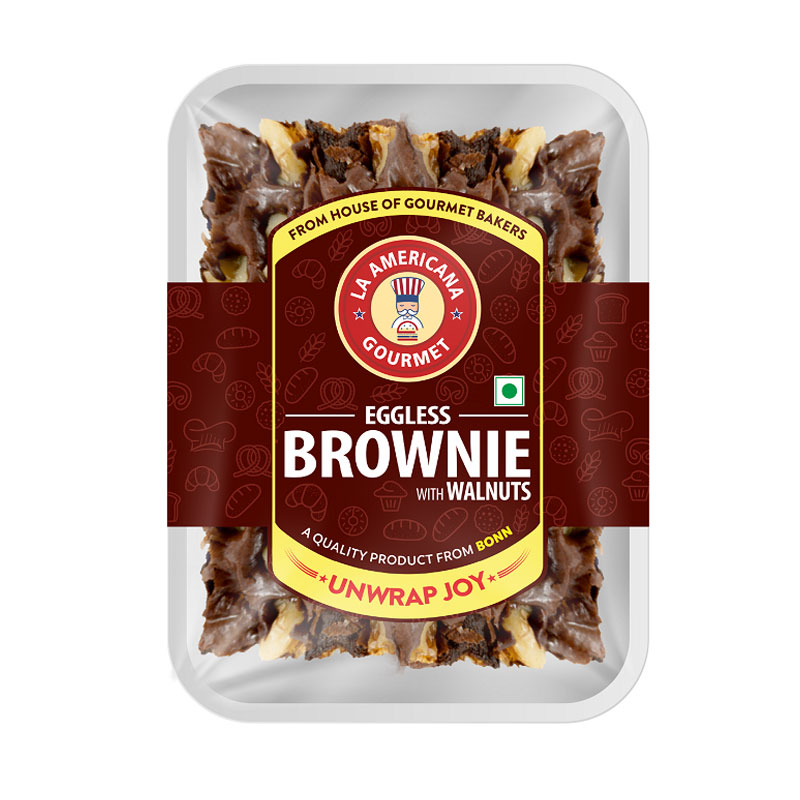
    LUDHIANA: Bonn has always surprised consumers with its exciting range of offerings during the festive season. As we gear up for Christmas and New Year, the FMCG major’s premium product line La Americana Gourmet has unveiled eggless walnut brownie for the progressive lifestyle-conscious consumers, who are demanding more options in the on-the-go food category. This new product will be available in stores across Haryana, Punjab, Delhi/NCR.

    Brownies, known for their fudgy and chocolaty texture, are quite popular among all age groups, especially youngsters. India is considered a potentially huge market because nearly 50 percent of its population is under this age bracket. Gifting and celebratory occasions are a popular trend among consumption favourites, online-savvy millennials. Premium eggless walnut brownie is the ideal gift because they are soft, fudgy and chewy just like a perfect brownie, despite being eggless. It has the same quality and taste that can be found in baked goodies made using eggs.

    “The inclusion of this premium product to our portfolio is one more step in the direction of increasing our penetration in states like Punjab, Haryana, Delhi and NCR. The rise in supermarket in-store bakery is projected to attract a significant number of consumers, further contributing toward accelerated market growth. The increasing volumes of brownie in the in-store bakery are significantly observed. This will facilitate Bonn’s strategic expansion while assuring the brand remains sustainable in the long run. The La Americana brownies are soft and baked hygienically to perfection,” said Amrinder Singh, director, Bonn Group of Industries.

    The ingredients used in these products permit the consumer to achieve epicurean nirvana by satisfying their taste buds. Gourmet is a cultural ideal associated with the culinary arts of fine food and drink, or haute cuisine, which is characterised by refined, even elaborate preparations and presentations of aesthetically balanced meals of several contrasting, often quite rich courses. There has been an accelerating increase in the demand, led by rising income, globalisation of taste, health and nutrition concerns

    Unlike bread and other bakery products, brownies in India are popular in urban demographics and gaining momentum in rural set up as well. Changing lifestyle, growth in organised retail and increasing consumption of processed and packaged food are the main drivers of the industry.

  • Titan’s jewellery business clocks 15% growth in festive season

    Titan’s jewellery business clocks 15% growth in festive season

    New Delhi: The recently concluded festive season fared well for Titan Co. The jewellery division of the company witnessed a mid-teens growth (around 15 per cent) for the 30 day festive stretch from Dussehra till Diwali over the corresponding period last year, with a decent recovery in studded jewellery sales.

    The company includes brands like Tanishq, Mia, Zoya and Caratlane in its jewellery division business.

    Tanishq has over 270 stores in the country and it clocked almost Rs 18,600 crore retails sales in the last year. On the other hand, Caratlane products are available both offline and online. It is available across 90 stores in multiple Indian cities.

    Interestingly, the Titan company advertised its jewellery division to invite consumers to make purchases during Diwali. It came up with multiple ads for brand Tanishq during the festive season. However, on both the occasions, the creatives were attacked by netizens and the brand had to pull back the films.

    The first ad focused on promoting communal harmony, where it showcased a Hindu girl married in a Muslim family getting ready for a baby shower ceremony. The idea was extremely simple as the film was a nod to the peaceful co-existence of the two communities.

    The second ad featured four actors – Neena Gupta, Nimrat Kaur, Sayani Gupta and Alaya Furniturewala – talking about their Diwali plans. One of the protagonists spoke about not bursting firecrackers, leading to certain sections of social media taking offence at her personal opinion.

    In both instances, trollers pointed out that the ads had hurt Hindu sentiments.

    The ads were part of a campaign to promote Tanishq’s Ekatvam range of jewellery.

    Over the years, Tanishq has emerged as the biggest advertiser in the jewellery division of Titan company followed by Caratlane. The brand works with multiple endorsers across geographies to reach out to its audiences and create an appeal for its products.

    Titan company in an official statement further stated that the watches and wearables business also did quite well during the festive season, with recovery close to last year levels. Eyewear business has also witnessed good traction.

  • Word of mouth plays a crucial role in our marketing: Anuj Rustagi, Fabelle

    Word of mouth plays a crucial role in our marketing: Anuj Rustagi, Fabelle

    NEW DELHI: The chocolate market in India is estimated to be around Rs 11,000 crores and is primarily dominated by the FMCG segment which offers chocolates in conventional formats at popular price points. Having said that, a sizeable number of consumers also seek premium and international chocolate experiences.

    Home-grown luxury chocolate brand Fabelle, from ITC Foods, launched its first chocolate boutique to retail chocolates in the country in 2016 from Bengaluru and has expanded to 14 boutiques across the top six metros. To further extend these experiences to masses, the brand entered the premium mass segment in 2018 in two unique formats – center-filled bars called Fabelle Soft Centers, and multi-layered bars known as Fabelle Choco Deck. Now, it has added another product to its portfolio – the ‘Fabelle La Terre’, a creative reimagination of 100 per cent earth positive chocolate that is sustainably manufactured.

    According to ITC Ltd COO- (chocolate, coffee, confectionery and new category development – foods division) Anuj Rustagi, the expertise in understanding the Indian palate and delivery of luxury chocolate offerings at par with global standards have helped them build a loyal and strong consumer base across age groups. “Our network of boutiques and online presence through e-commerce platforms and food delivery agents like Swiggy and Zomato have enabled us to take our one-of-its-kind chocolate experiences closer to the consumers.”

    In the near future, the brand is aiming to become a significant player in the market, similar to what ITC has achieved in categories like atta, noodles, biscuits, and others, related Rustagi.

    Fabelle chocolate are priced in the range of Rs 350 to Rs 1,00,000 in the luxury segment, and Rs 25 to Rs 350 in the mass premium range. So far, it has been catering successfully to consumers across relevant age groups and SECs.

    The brand’s media choices have been to sharp target consumers in key geographies using digital as a key medium, Rustagi said. This enables the consumer to get more information and engage with brands directly, especially in the luxury segments. “The digital medium has also worked effectively for us in recent times and continues to do so. Besides digital, positive word of mouth has been a key part of our marketing communication mix in building the brand’s familiarity amongst the larger audience, alongside our new, trendsetting launches like Ruby Gianduja, Trinity Truffles, Fabelle La Terre and work with chocolatiers like Billie Mckay, Sarah Todd, etc have given Fabelle the desired visibility.”

    The brand is also using direct marketing to engage with UHNI and HNI consumers and creating customised experiences in gifting and for self-consumption.

    Rustagi went on to add, “We also leverage our strong network of boutiques across six metros in the country to drive the consumers’ attention towards the elaborate range of our chocolate offerings.”

    He shared that in the initial months of lockdown, the chocolate business was impacted due to the change in consumers’ purchase behaviour. People were more bothered about stocking essentials due to concerns about continued supply, driving demand for the category. Thus, indulgent and non-essential products, including chocolates, were severely hit.

    “However, as focus on the purchase of essentials has eased and the availability of goods has improved, consumers have resumed spending on indulgent categories. We are witnessing recovery and are expecting the festive months ahead to augment that momentum.”

    Rustagi explained that ITC Ltd’s Q2 report also indicated that the chocolatier is almost at par to the pre-pandemic level. “The economic data pointed towards resurgence and we are also experiencing a week-on-week recovery, and if the same continues, we hope to perform better than last year. If we are able to achieve the same, it will be quite an accomplishment, considering how the majority of the year has been.”