Tag: F&B

  • PVR Inox screens a strong  Q3 FY 2025

    PVR Inox screens a strong Q3 FY 2025

    MUMBAI:  Q3 FY 2025 saw the audiences coming back to the theaters drawn in by entertaining films. At least that’s what one can infer  from the financials of PVR Inox Ltd’s for  Q3 FY 2025  and  for the nine months ended 31 December 2024.

    PVR  announced its results  on 6 February through regulatory filings with the Bombay stock exchange. 

     Q3 FY 2025 was especially strong  driven by blockbuster releases and record-breaking figures in ticket prices, food and beverage (F&B) spends, and advertising revenues.

    The company reported revenues of Rs 17,388 million, EBITDA of Rs 2,583 million, and a profit after tax (PAT) of Rs 681 million for Q3 FY 2025. Cinema admissions reached 37.3 million, with the highest-ever average ticket price (ATP) of Rs 281 and F&B spend per head (SPH) of Rs 140. Advertising income surged to Rs 1,486 million, the highest since the pandemic.

    During the quarter, PVR Inox opened 11 new screens across two properties, bringing its total portfolio to 1,728 screens across 350 cinemas in 111 cities.

    For the nine-month period, the company posted revenues of Rs 45,893 million, an EBITDA of Rs 4,453 million, and a net loss of Rs 460 million. Cinema admissions totalled 106.4 million, with an ATP of Rs 259 and SPH of Rs 137.

    Commenting on the performance, managing director Ajay Bijli said, “As we look ahead, our focus remains on adopting a capital-light model, enhancing cash generation, reducing net debt, controlling costs, and delivering a diverse slate of films to excite moviegoers. With a robust content pipeline and strategic growth initiatives, we are confident in sustaining our leadership and driving long-term value for stakeholders.”

    The quarter witnessed record-breaking box office collections, propelled by Pushpa 2, which grossed Rs 1,450 crore in India, including Rs 900 crore for its Hindi dubbed version, making it the highest-grossing Hindi film ever. Tamil and Telugu films continued to perform well, while the Hollywood release Mufasa: The Lion King resonated with urban audiences.

    Despite these successes, key film reschedules affected overall momentum. The company anticipates strong 2025 content pipelines across Hollywood, Bollywood, and regional cinema.

    PVR Inox also announced continued reduction in net debt, which stood at Rs 9,958 million as of December 2024, a decrease of Rs 4,346 million since March 2023. The company exited 67 underperforming screens and expects to open 100–110 new screens by the fiscal year-end, focusing on capital-light models for future expansion.

  • Out of home consumption contributes a big chunk of our business: Pepsico India’s Shailee Tyagi

    Out of home consumption contributes a big chunk of our business: Pepsico India’s Shailee Tyagi

    MUMBAI: Pepsico has long been associated with India’s food service industry, ever since the beverage brand entered India in the 1990s. Amidst inflationary pressures and a tough two years of pandemic notwithstanding, PepsiCo’s India biz in April 2022 reported a double-digit organic revenue growth in the first quarter. The company is well-positioned to adapt and execute in a “challenging operating environment”, having enhanced its focus on productivity and “sharpening its revenue management capabilities”, Pepsico stated while reporting its earnings recently.

    With the pandemic fuelling a paradigm shift in consumer behaviour aided by digital acceleration, and customers preferring doorstep food delivery over dine-in services, the food service industry has been witnessing an upheaval in the past two years. Several restaurants are looking to shift from a traditional dine-in facility to set up a delivery-only cloud kitchen model. On the sidelines of the National Restaurant Association of India’s (NRAI) cloud kitchen convention held recently in Mumbai, Pepsico India beverages director of Organised Trade Channels Shailee Tyagi spoke exclusively to Indiantelevision.com on how the beverage major has been making a difference in the evolving food service ecosystem in the country. She also weighs in on the restaurants vs food tech platforms ongoing dispute and offers her insights on the tussle.

    Tyagi has been a Pepsico veteran with twelve years of experience in channel sales and strategy. She was also the driving force behind the #Pepsisaveourrestaurants campaign with NRAI and Swiggy, to support the restaurant workers when the first covid pandemic wave hit in 2020.

    Edited excerpts:

    How did the food service industry, on the whole and Pepsico India beverages fare during the two successive pandemic waves?

    We launched a Covid assessment report for the foodservice industry along with the NRAI last year, and this was commissioned to Technopak. The insights that came out of the study was that the industry shrunk by 55 per cent in terms of revenue. So, it was a 4.5 lakh crore business with services that shrunk to less than two crore- that was the impact. About 2.5 million restaurants shut down completely- largely the ones unorganised, who do not have the muscle to survive a pandemic like this. And, of course, millions of people lost their jobs.

    Now coming to beverages and us as a company- In the beverages industry, out of home consumption(we refer to outdoors eating as an “out of home” occasion) contributes to a big chunk of our business. For the overall category, it would be nearly 50 per cent. The OOH food service is a part of our growth model for PepsiCo globally. And it is expansive- not just restaurants, even cinemas, airports, airlines all are part of the service. We have built a very strong portfolio which caters to food service requirements. Suddenly, when that shut down, and that too happening in summers, which’s the peak season- you can imagine the upheaval. Unluckily, both the times we lost two summers due to Covid. And those three to four months account for almost 60 per cent for the category. As for the food service industry overall, they lost almost more than 50 per cent of their revenue.

    What was the #PepsiSaveOurRestaurants campaign with NRAI all about?

    The #Pepsisaveourrestaurants is a campaign very close to my heart. It came about at a time when the unthinkable and the unprecedented lockdown happened during the first wave- which was the worst from the viewpoint of the food service industry. We have a huge ecosystem of restaurant partners, and all of a sudden the restaurant workers were out of their livelihoods. There was so much uncertainty looming. So, it was time to really reflect and ask ourselves, ‘Do we just remain silent or become salient at that point in time’? And that’s how I came up with this concept of ‘rallying for our restaurant workers’.

    Fundamentally, we’re a consumer company and we have a consumer connect. So, the idea was how do we connect with consumers and make them part of a movement, where they also come forward to support the restaurant workers. That gave germ to the thought of having an aggregator in play. So, this was really about coming together of three stakeholders who are interconnected, but who hadn’t worked together before, for a common purpose.

    What we essentially did through this is that every time a consumer ordered a meal online on Swiggy, and so long as he or she is adding any beverage- not just Pepsi- for every beverage added, we donated a meal to the restaurant worker. All our proceeds were directed to it and we generated 2.5 million meals during the 40-45 day-long campaign. We generated a lot of goodwill too. It also gave consumers the power of one touch where they could make a difference in the restaurant workers’ lives.

    Essentially, it was about leveraging Pepsico’s entire ecosystem of partnerships, so I think, for me the biggest learning was the power of partnerships, especially in difficult times. How collaboratively we can solve problems, rather than doing it alone. Now, of course, it’s heartening to see the service industries bouncing back.

    How did the industry and the brand cope with the decreasing footfalls in restaurants and the consequent hit in revenue? How is Pepsico making a difference in the post-pandemic F&B ecosystem?

    It’s a very symbiotic relationship that we have with our restaurant partners. It’s like them winning is us winning, and them losing is us losing. After the first wave, we recognised that the consumer habits were changing, and they were moving to aggregators. Because ‘ordering in’ was, in a way, needed and it became the new consumer habit. So what we did is that we worked with the food aggregators on a joint business plan to make sure that all PepsiCo partners, or PepsiCo restaurants, which are on the aggregator platform, how do we increase the discoverability of them. How do we make sure their average order value goes up? So, we came up with insights, partnership with aggregators, built combo led menus, PepsiCo collections, and also created incremental occasions for every festival, where you could celebrate at home with restaurant food. And that’s what we did for every single festival that happened in the last one and a half years through the aggregator platforms.

    After the initial relief that food aggregators offered during the first wave, several restaurants now are at loggerheads with the food tech platforms like Swiggy and Zomato, believing that they are eating into their revenues now that businesses are opening up. Your take on it?

    So, I think, the common insight is that everybody is recognising the benefits of being in a marketplace. It is akin to being in a food court in a physical world. Think of it- in a food court the consumers are there. So, you put up your brand shop, and then the consumer comes and tries it. That’s exactly what an aggregator marketplace is offering you. It does come at a cost. But so is the cost of every channel. I think fundamentally, every channel has certain pros and cons. It’s important to recognise the pros and make it work for you. For instance, the restaurant can ask the aggregator for a lot of insights. Say if you want to do targeted marketing, and want to talk to people who have not interacted with your brand in the last couple of months. So, the moment you recognise them as a partner, and say, what do you bring in as a partner, then I think one can have meaningful conversations.

    The second thing I would say is revenue management is very critical. Like, every channel requires certain dynamics and the consumer requires something. So, fundamentally, you can work with the serve-size of your food, you can work with larger bundles, you can increase your order value on aggregators for group meal occasions. And aggregators are currently working on a model where higher your order value, lower the commission rate. So, it is happening. And a lot of players who have recognised that this is important are having those conversations, and it’s a win-win outcome.

    And thirdly, I think, the stickiness that you build for your food and brand. Once you have built stickiness, the aggregator would also want you, so then they would also want to discuss different terms. Having said that, it’s not just all about aggregators. There is also a ‘direct order’. So, initially you get a trial done on an aggregator, you get immediate feedback, because ratings are visible. Once you have got your trial, and your feedback, and you rework your product and concept fitment, you can always leave a QR code on the packaging, and you can say, hey, next time you order, why don’t you order direct, you can leave a phone number. So, if consumers are comfortable, and if they love you, they will find you. Thus, it’s the mindset that one has to get out of.

    Also Read | Why Restaurants are stepping away from Swiggy, Zomato with #OrderDirect campaign

    What possible pitfalls do you foresee in the cloud kitchen ecosystem in India?

     The only, if I may say, enemy of a cloud kitchen brand is going to be themselves. If they don’t build to last, if they kind of think that this is quick money. If you’re entering with that mindset, you will go wrong. Primarily, if you’re entering a restaurant business you have to enter with a hospitality mindset, be open to feedback for improvisations and have to build trust on board. That is very critical. If this is what a cloud kitchen is building its business on, it’s going to thrive and become scalable.

    The second thing I would say is adoption of technology. One thing that cloud kitchens have access to, is data. They have to ask for that data, it would be available to them in some form. They know exactly how many orders they are taking, they know whether more group meals are getting ordered, or more single people are ordering, they know exactly how many orders are coming and from which location, etc. A physical restaurant didn’t have that choice. Cloud kitchen by the very nature of it is digital-friendly. So, any brand built on consistency, trust and then adopting technology, not just in data, even the processes having standard operating procedures of making food- has to succeed.

    Cloud kitchens and food aggregator platforms saw a spurt during the pandemic-induced lockdown and its aftermath. Now, with businesses and restaurants opening up post-pandemic do you see the growth scaling or sustaining in 2022 and the near future?

    In India, food consumption is on the rise. Because essentially consumer habits are shaping up. What started out as a need has now become convenience. And the fact you have access to so much variety. So, people are okay converting some of their occasions into ordering-in occasions. It takes about 90 days to build a habit, it is said. And in this case, it’s a two-year phenomenon! So, the habits have gotten entrenched.

    The second thing is a couple of things that are fueling it such as, just the fact that people have more spending power now. Also, digital access- wherever you are, the internet travels with you. So, the access and the digital acceleration is supporting it. And when that happens, it’s not just on cloud kitchen, fundamentally, it’s the e-commerce app-based economy that’s really thriving. Digital penetration has happened and the Internet, smartphones are available in even tier four rural areas. People have become comfortable transacting online. Cloud kitchens are just a subset of that.

    And honestly, consumers don’t know whether they’re ordering from a cloud kitchen or restaurant. When you open the app, you’re ordering biryani, and you are ordering from the best place which is nearest and will deliver you on time and has the best rating. That’s all. It is more our industry which uses these words, as far as consumers are concerned- they are ordering from a restaurant only.

    People love ordering in and even love creating social occasions at home. This is here to stay. And in fact, not just survive, but thrive.

  • ‘Wherever a shopper shops, one must make a product around it’: Swiggy’s Swapnil Bajpai

    ‘Wherever a shopper shops, one must make a product around it’: Swiggy’s Swapnil Bajpai

    With the pandemic fuelling a paradigm shift in consumer behaviour aided by digital acceleration and customers preferring doorstep food delivery over dine-in services, cloud kitchens have emerged as viable business model in the F&B industry. Many restaurateurs are now looking to shift from a traditional dine-in facility to set up a delivery-only business to tide over the havoc wreaked by the Covid-19 pandemic. To aid the process and showcase the importance of incorporating cloud kitchens into the Indian restaurant industry, the National Restaurant Association of India’s (NRAI) Mumbai chapter recently held the Cloud Kitchen Convention where prominent stakeholders from the cloud kitchen space got together and shared their knowledge and cutting edge insights.

    Last year, NRAI had launched the #OrderDirect campaign to offer a democratised digital channel with low commissions to reduce their reliance on the aggregator platforms.

    IndianTelevision.com exclusively spoke to Swiggy AVP of sales Swapnil Bajpai on the foodtech brand’s association with the NRAI event. This sheds the spotlight on one of the major concerns of the industry on how to reduce the dependency on restaurants and cloud kitchens on aggregators such as Swiggy and Zomato, and the ongoing debate of whether they are a boon or bane for the F&B businesses.

    The Cloud Kitchen industry is expected to become a two billion dollar industry in India by 2024 as per reports, paving the way for accelerating and revolutionising the concept of dine-in restaurants and cafes. It is this emerging ecosystem that the ‘voice of the Indian restaurant industry’ aims to tap into and grow through such conventions.

    The Swiggy executive was one of the speakers on the event’s panel on ‘Cloud Kitchen marketing – How to stand out amongst the crowd?’

    In this chat, Bajpai further talks about Swiggy’s roller-coaster ride through the pandemic and sustaining the growth going ahead.

    Edited excerpts:

    On Swiggy’s association with the NRAI cloud kitchen convention

    We call our restaurant partners as partners, and we have a partnership with the restaurant association. And this partnership is for something meaningful, not just namesake. We genuinely believe that as aggregators we can learn a lot from the restaurant partners in conventions like these. And we will be able to share our experiences also through which they will also get to learn from us, hopefully. So I look at it as a platform for the mutual sharing of ideas and experiences.
     
    On #OrderDirect campaign by NRAI

    I come from a background of FMCG (Bajpai was previously with Procter and Gamble for close to ten years). And one of the things we learned was wherever a shopper shops we have to make a product around it. And it’s the same for the restaurant partners. When it comes to ordering direct, it’s one of the channels that they would want to operate in. So as aggregators we don’t have a point of view. In fact, if we are able to bring a solution to that, we would also want to do that. So, we don’t see it as competition- it’s just one of those ways to serve the consumer better.

    On Swiggy’s plan to drive awareness about cloud-based kitchen

    Awareness, in general, is created for a brand. Whether the brand is coming from a cloud kitchen or it is coming from a physical restaurant, as a consumer one does not care about it, till the time we know that the brand is preparing the food in a safe way and the quality of the food is good. So we will definitely employ all levers to showcase all brands and their offerings to the consumer – be it cloud or non-cloud in our ecosystem. We already have a bouquet of marketing tools that a new upcoming brand can choose from and we can showcase it on the app. We also go beyond that through our e-mailers and push notifications which we send out to promote and create awareness about the brand.

    On challenges faced during Covid lockdowns

    There have been two cycles of the pandemic that we have seen in wave one and wave two. In the first wave, the biggest concern that people had was whether this delivery would be safe for them or not. Which’s why we saw a massive decline in orders across the board. This coupled with lockdowns and closure of places, movement control etc. In the second wave, this issue was not there, because over time it was established that food delivery is safe. And we also ran many campaigns from Swiggy’s side – I’m sure Zomato also did that, and so did restaurant partners. So mental barriers were taken away from people that food delivery is not safe. Hence after the second wave, we have gradually seen business pick up again, but that first wave to second wave period was very tough when the numbers were pretty low, as compared to 2019 figures. Unquestionably, after the second wave, the platform saw a huge spike in orders.

    On riding the recovery wave post-pandemic

    I foresee a massive potential for food delivery because of the pandemic-fuelled digital acceleration led by increasing internet penetration and also, the frequency of eating out in the country. What delivery does is increase the frequency of ordering out. There are dine-in occasions that you cannot replace with delivery and likewise, there will be delivery occasions that you cannot replace with a dine-in. So each has its own space and they complement one another. Delivery actually increases the frequency of ‘eating out.’ And, now with places opening up, dining-in will also start picking up in its own way. Even pre-Covid when delivery was increasing, dining out was parallelly growing- it’s not as if when delivery picked up, dining actually reduced. So I definitely see food delivery sustaining and scaling up in the coming future.

  • Meta launches first brand campaign after rebranding from Facebook

    Meta launches first brand campaign after rebranding from Facebook

    Mumbai: Social media giant, Meta, formerly known as Facebook has launched its first brand campaign post the rebranding. The first advertisement from the organisation shows a classic painting that celebrates the possibilities of the metaverse and gives out the message, “Step into a world of imagination with Meta and the endless possibilities as 2D becomes 3D.”

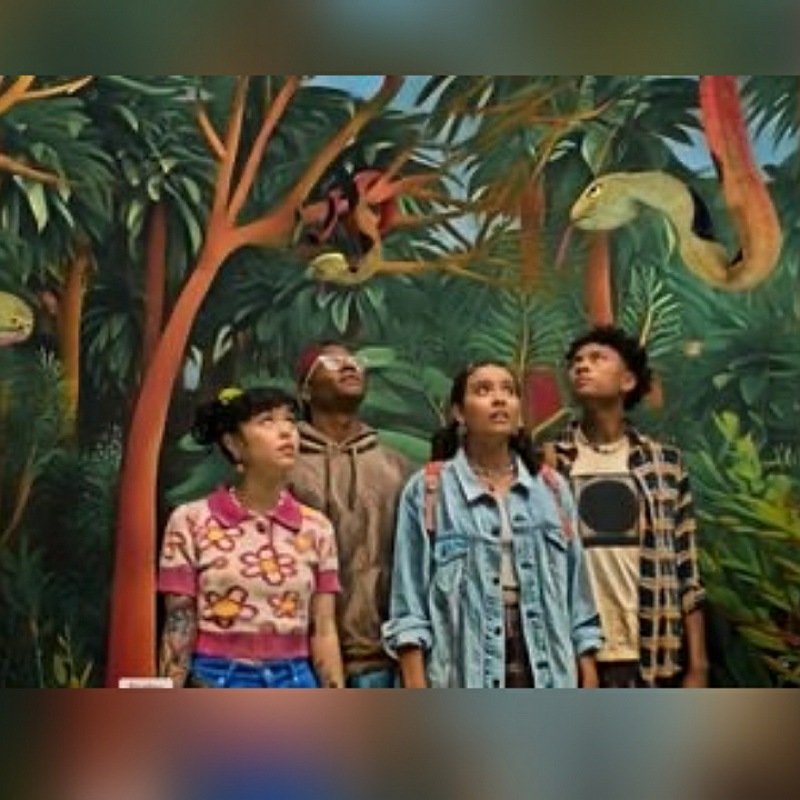
    The video shows a bunch of youngsters looking at some classic 2D paintings, even as one of the paintings depicting a tiger preying on a buffalo seems to come alive in 3D. The campaign showcases the possibilities of virtual experiences through Meta and the metaverse’s ambitious goals.

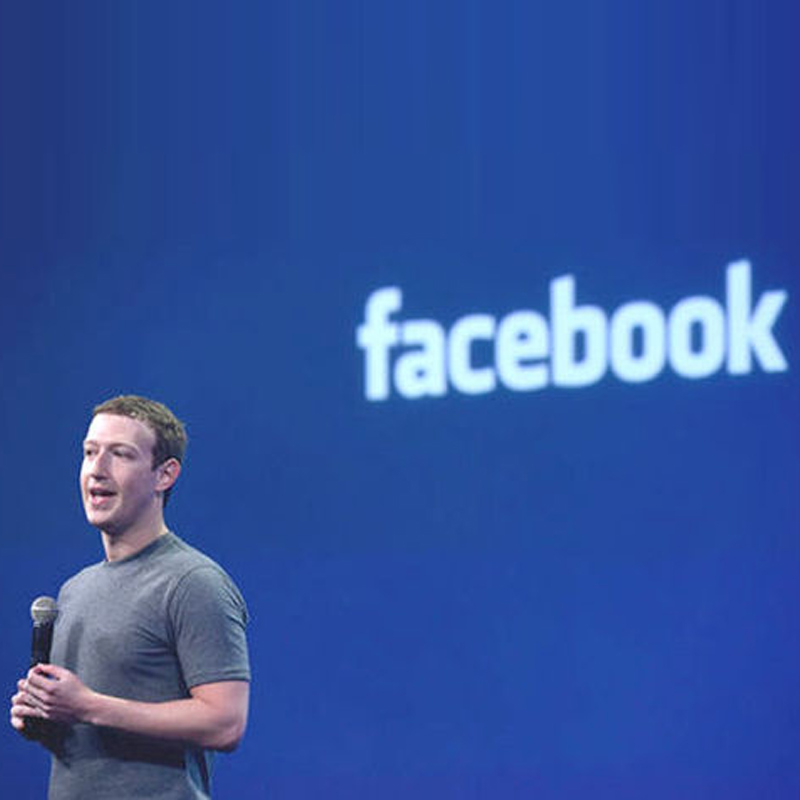
    Founder Mark Zuckerberg shared the campaign’s launch on his social media handles with the words, “This is going to be fun.”


    A post shared by Meta (@wearemeta)


    This comes almost a week after Zuckerberg announced the company was rebranding its name to Meta Platforms Inc or simply Meta amid declining popularity and mounting controversies.

    As the battle in this space heats up along with the rebranding, Zuckerberg is betting big on what he believes to be the future of the internet and what he thinks will be a part of the digital economy.

    Zuckerberg had shared another post some days earlier, highlighting the endless possibilities the metaverse would unlock: “It’s been fun to imagine the types of experiences the metaverse will unlock, like giving everyone the ability to fence with Olympic gold medalist Lee Kiefer.” The caption was accompanied with a showing him indulging in a virtual battle with the champion fencer along with a tongue-in-cheek disclaimer “Spoiler alert: she will win every time.”

    https://www.facebook.com/zuck/videos/327135132552066/?app=fbl

    Earlier this week, the social networking giant also announced it will discontinue its automatic facial recognition feature for photos and videos after a decade citing concerns. The Mark Zuckerberg-owned company said it will also delete the face scan data of over one billion users. This feature, notably, has raised a lot of privacy concerns in the past.

  • ASCI, FSSAI join hands to curb misleading claims in F&B ads

    ASCI, FSSAI join hands to curb misleading claims in F&B ads

    Mumbai: In order to curb the spike in the number of misleading claims made in food and beverage (F&B) ads seen during the COVID-19 pandemic, the Advertising Standards Council of India (ASCI) has signed an agreement with the Food Safety and Standards Authority of India (FSSAI) to safeguard consumers against such advertisements.

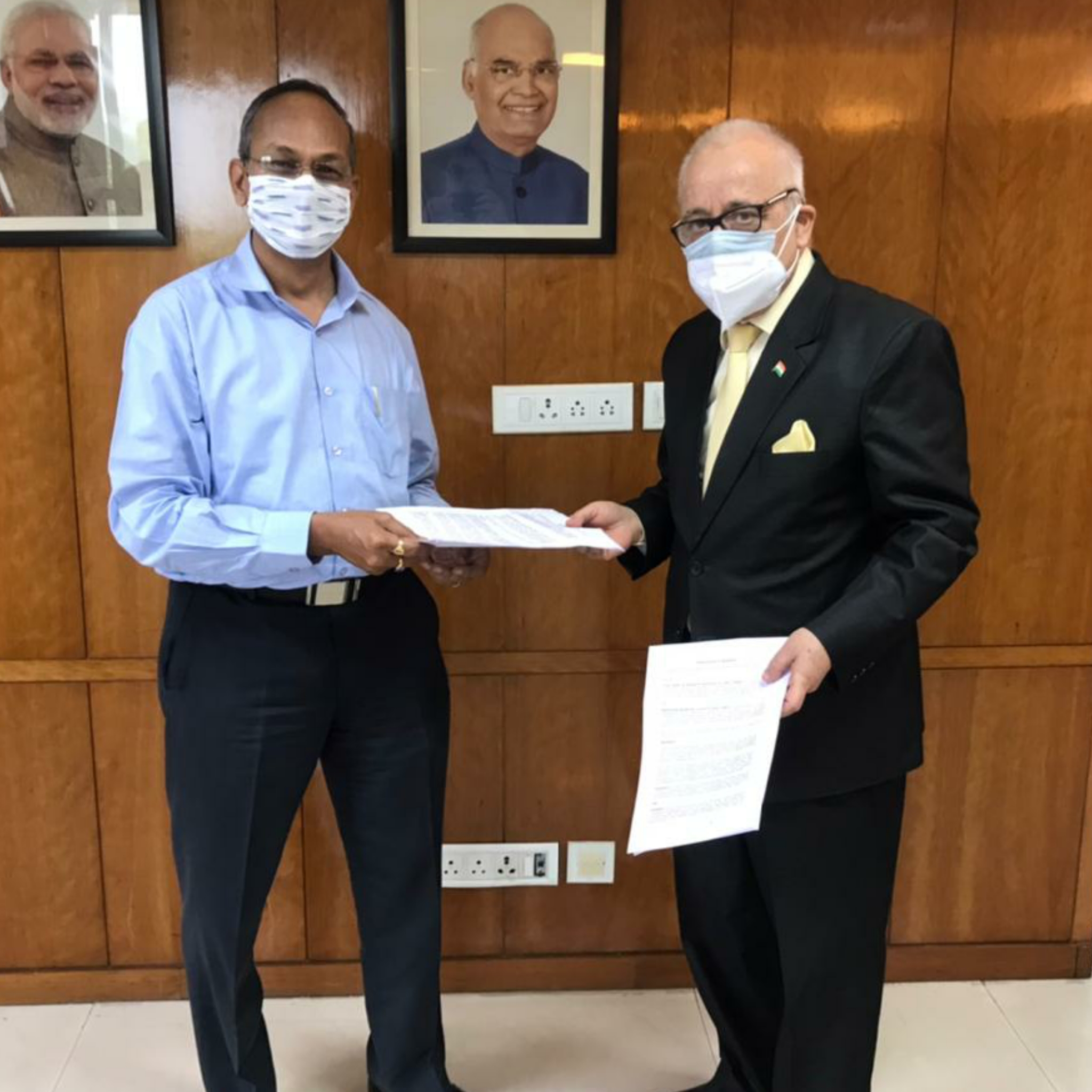
    The agreement was signed in the presence of FSSAI CEO Arun Singhal and ASCI adviser- public affairs professor Bejon Misra on 1 July. As per the agreement, ASCI will identify advertisements that prima facie violate provisions of Food Safety and Standards (advertising and claims) Regulations, 2018, and FSSAI would further investigate these. Under the agreement, ASCI will set up a three-member expert panel to evaluate F&B advertising identified by the ASCI monitoring team.

    In the last financial year (FY) ASCI has processed a total number of 284 complaints compared to 175 in FY 2019-20. So, claims by F&B brands, particularly those related to health and nutrition, are under greater scrutiny. With this association, ASCI further strengthens its 360-degree approach of protecting consumers as well as guiding brands, agencies, and influencers towards greater responsibility. As per a report published by media agency Zenith, India will be the fastest-growing market for FMCG brands’ F&B advertising over the next three years with spending rising 14 per cent a year. This further necessitates the monitoring of F&B advertisements.
    ASCI secretary-general Manisha Kapoor said, “With this agreement, ASCI will intensify its scrutiny of the F&B sector. We will tap our National Advertising Monitoring Service, which monitors over 900 TV channels and publications, and over 3,000 websites. Besides national brands, we will examine regional and local ones. Our experts, with decades of experience in the F&B sector, will shortlist those advertisements that require further scrutiny by FSSAI.”

    ASCI chairman Subhash Kamath said, “This is a significant collaboration. The common goal of consumer protection drives us all to share skills, expertise, and resources in the most effective way to curb the menace of misleading advertising.”

  • Enact law to make FB, Google pay for news: BJP’s Sushil Modi in Rajya Sabha

    Enact law to make FB, Google pay for news: BJP’s Sushil Modi in Rajya Sabha

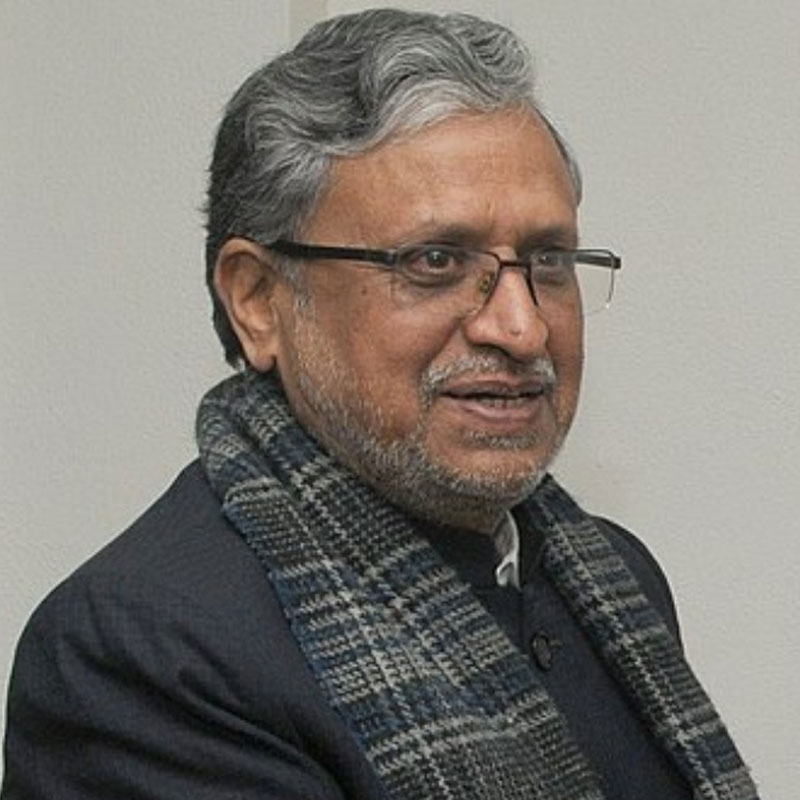
    MUMBAI: The ball set rolling in Australia to make the big tech pay news publishers for their content has finally reached the Indian Parliament. Senior BJP leader Sushil Kumar Modi on Wednesday demanded in the Rajya Sabha that India should take a cue from the land down under and enact a law that would make tech giants like Facebook and Google pay local publishers for news content. 

    Raising the issue through a Zero Hour mention, the former deputy chief minister of Bihar said, “The government must make Google, Facebook and YouTube pay print and news channels for the news content they are using freely,” as reported by PTI. He cited the Australian Parliament’s move to pass the world’s first law last month to ensure news media businesses are fairly remunerated for the content they generate.

    This comes at a time when traditional news media are facing a serious financial crunch, in part due to the Covid2019 pandemic and with a large chunk of their earnings from advertisements going to these tech giants. 

    “I would urge the government that the way they have notified Intermediary Guidelines and Digital Media Ethics Code to regulate social media and OTT platforms, they should enact a law on the pattern of Australian Code so that we can compel Google to share its revenue with traditional media,” stated Modi. He went on to add that India should take the lead in making them pay a fair share of their earnings from domestically produced news content on the internet to the publishers.

    Significantly, in response, Rajya Sabha chairman M Venkaiah Naidu said the suggestion is “worth considering”.

    Modi pointed out that the traditional print and news broadcast media, whose content is freely available on platforms run by the tech giants, are passing through their worst phase in recent history as advertisements have shifted to tech platforms. “They are in deep financial crisis. Earlier, it was because of the pandemic and now it is because of tech giants like YouTube, Facebook and Google,” he pointed out.

    The traditional news media, Modi observed, makes heavy investments employing anchors, journalists and reporters who gather information, verify it and deliver credible news. But advertisement, which is their main source of revenue, has in the past few years shifted away from them with the advent of the tech giants.

    “Advertising earnings are going to these tech giants [and] because of this print media, news channels are passing through a financial crisis,” he asserted, adding, “I would urge [that] we should follow a country like Australia which has taken the lead by enacting a law — News Media Bargaining Code — by which they have compelled Google to share advertisement revenue with the news media.”

    Google threatened to blackout news from its portal but ultimately surrendered, the BJP leader noted. “Australia has set a precedent and now France and other European countries are making laws for advertisement revenue sharing,” Modi said.

    On February 24, the Australian Parliament passed a landmark legislation mandating global digital giants like Facebook and Google to pay for local news content. This has now facilitated investment worth millions of dollars by the tech behemoths in local content deals.

    It must be recalled that just last month, the Indian Newspaper Society (INS) had asked Google to compensate print publications for carrying their content online and share 85 per cent of the ad revenues.

  • How Bikano successfully shed its traditional mien for a modern positioning

    How Bikano successfully shed its traditional mien for a modern positioning

    NEW DELHI: Uprooting themselves from the comfort and security of home sweet home in Bikaner to the narrow, bustling galis of Delhi 6, the forerunners of Bikanervala believed in taking measured risks and ensuring that they paid off. It’s probably the reason why they were able to make their street-side stall in Chandni Chowk into a Rs 1,000-crore enterprise with outlets dotting nearly every metro and town in the northern half of the country, and a diverse range of packaged snacks – Bikano – flying off the shelves in grocery stores and supermarkets.

    It didn’t take long for the brand to make the leap from national to international presence, and the Indian diaspora in Canada, US, Singapore, Australia, New Zealand, and the Gulf countries welcomed Bikano – the taste of home in a bag – into their lives. Over the course of 70 years, the brand has stood the test of time and taste, and to underscore this fact, it came up with the Barson se Bikano campaign, which invokes nostalgia and goodwill enjoyed by the sweet and savoury manufacturer.

    “Bikano is one of the major brands in the F&B category, specifically in the traditional snacks or namkeen category. Our main competitor is Haldiram’s and what we are doing in terms of volume, no one else comes close. With Barson se Bikano campaign we wanted to put across the message that there’s a legacy behind the brand, it comes from a strong position which delivers quality and authentic taste. It gives us that edge over the competition,” stated Dawinder Pal, head of marketing at Bikanervala Foods Pvt Ltd.

    It was Pal who conceptualised and deployed the Barson se Bikano campaign to great effect. He is confident that going forwards, the brand will remain a force to be contended with when it comes to marketing in the F&B space.

    “Given the current scenario and the way the consumer is changing, their behaviour is changing, innovation and differentiation will be a key factor for us. It’s going to be in terms of products and taste. First, we are working a lot on distribution and the second driver for us is availability and visibility. So we are focusing on evolving our network across the country,” he said.

    In the west, the namkeen maker is focusing on Gujarat and Maharashtra because these markets contribute 27 per cent to the total category, as per Singh. Apart from this, it is setting up a facility in Hyderabad from where it will cater to the south markets and Maharashtra.

    Acknowledging that there are big players who have a firm hold on the palates of the southern states, Singh said, “Bikano is presently not looking to move in aggressively in Tamil Nadu and Karnataka. But we are going to start with Andhra Pradesh and Telangana.”

    Not only is the brand expanding in the traditional ways, it’s also gaining traction on social media with upbeat and topical creatives. From Covid2019 precautions, to work from home readiness, the IPL opener or the new season of KBC, Bikano’s social media handles are shooting from the hip when it comes to timely and on-point marketing vignettes.

    “We have a digital agency – Bytebox – on board with us for our digital media marketing. We have initiated a lot of BTL activations, and in the near future, we’ll go into ATL channels also. For a brand like us, retail visibility is very handy because impulse buying takes place at the retail counter itself. We’re also targeting consumers in their homes, especially those who are family-driven. For them social presence is also important,” he elaborated.

    While the Covid2019 pandemic threw businesses across the board into turmoil, Bikano was one of the few brands which managed to weather the crisis and emerge relatively unscathed, related Singh. In fact, in his own words, the namkeen manufacturer has done “decently well.”

    “There have been certain challenges in terms of procurement – of raw material, packaging material, etc. The team managed to overcome the hiccups. Otherwise the market has been fair enough to cater to consumers. In the last two quarters, we have registered double digit growth. During and even after lockdown, there’s been no negative or lasting impact of Covid.”

    There has also been a marked shift in consumer behaviour from the pre-Covid to the post-Covid phase. “Earlier, buyers preferred fresh products and felt the packaged ones weren’t as fresh. But come the pandemic, and products like packaged sweets and gol-gappa sets started taking off. People are more hygiene-conscious now, they want the things they consume to be safe,” he said.

    In order to cater to a new generation of consumers, the brand has introduced a range of diet namkeen mixtures – for those who don’t wish to skimp on taste for the sake of health. And for those with a sweet tooth, there is the option of Bikano multigrain cookies, and other tinned confections.

    “We’re trying to deliver taste with health. With the millennial population in mind, we’re also targeting taste with convenience in the form of ready-to-eat products,” said Singh. These ready-to-eat meals – such as dal makhni, matar paneer, jeera rice – can already be purchased in markets, both offline and online. 

    Bikano’s extensive catalogue of products is available on leading e-commerce sites, something which contributed immensely to the brand’s sales during the lockdown period. In the sale of gift packs alone, the company in the last three-four months has registered 10X growth as compared to last year.

    Going from strength to strength, the brand has now set sights on the festive season. As is its custom, Bikano introduced a fresh range of products and gift packs in time for Diwali, the festival which is the biggest money-maker for the traditional snacks category. In a market that is chock-a-block with delectable festive offerings, Bikano stands apart with its bright packaging in jewel-toned hues; even from a distance, the consumer is able to identify Bikano goodies, and makes a beeline for them. Is the choice of colour and packaging a conscious decision by the brand, we wonder. 

    “We want to have that vibrancy in the entire product range. When the products get packed into the retail shelves, it sets you apart and gives you that edge over other brands. When it’s time to pick the packaging, we prefer strong, vibrant colours and yes, it’s a conscious decision,” explained Singh.

    Another reason why customers stick with Bikano is the brand’s adherence to quality. Be it namkeen or sweets, there is strict quality control by in-house as well as external agencies to ensure hygiene and consistency of taste. The company takes feedback on product and marketing, studies it, compares its offerings against competitors’, and keeps improving, asserted Singh.

    “With too many options available with the consumer in every category, the consumer is becoming more-fickle minded and shifting preferences more often. Marketing and innovation is key, yes, but what keeps the brand going is the patrons’ trust, and we are grateful that they have been with us consistently in that regard,” he signed off.

  • Burger Kings’ strategy to hit the sweet spot in India

    Burger Kings’ strategy to hit the sweet spot in India

    MUMBAI: It wasn’t long back that fast food penetration in India was seriously low. It was only metros and mini metros that had access to burgers, pizza and french fries. But with increasing globalisation and digitisation, multinational fast food players have forayed into the remotest areas of India as well.

    According to a report published by Technopak, India’s fast food industry is expected to grow to $4.61 billion by 2020, more than double its value of $2.11 billion in 2014,. As Indians start to spend more, competition is heating up, with foreign chains like Burger King, Wendy’s, Carl’s Jr. and Johnny Rockets setting up shop in the last year.

    American global chain of hamburgers and fast food, Burger King entered India in 2014 and has since rapidly grown its presence and reach in the country. Today, over 15 million customers sink their teeth into the burger chain’s menu everyday. Although Burger King has outlets in over 100 countries across the globe, it has not resorted to duplicating the same menu and strategy for India and rather believes in having a tailor-made menu to fit the Indian market and consumers.

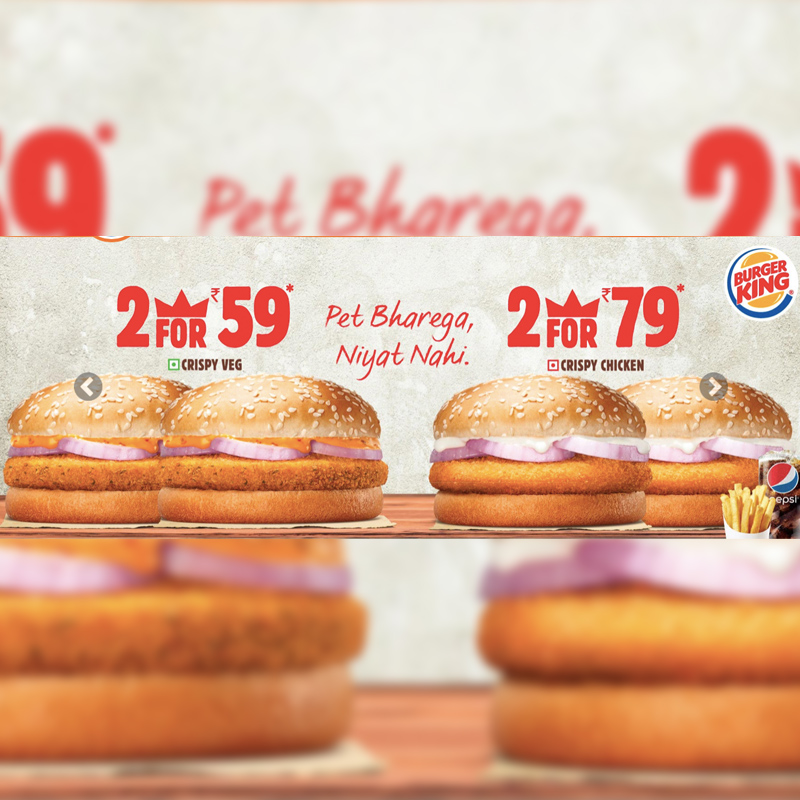
    Although India is predominantly considered a vegetarian market, multinational fast food chains have an interesting mix of veg and non-veg items on the menu for Indians. Interestingly, for Burger King, most of its products sold in India in terms of quantity are veg.

    While United States of America continues to be a primary market for Burger King, the company has a mission to become India’s leading fast food restaurant. For this, Burger King has upped its supply chain, distribution and invests a fair amount on R&D. Burger King global chief marketing officer Fernando Machado says, “We have been growing faster outside US for the last 5-6 years not only due to the number of outlets but because lately we have been paying more attention to advertising and marketing in all the markets.”

    India is an iconic and important market for Burger King due to strong franchise partners here. For the company, it was quite a test to create and curate a menu for the Indian audience. Now that they have achieved it, the company want to concentrate on scaling up operations.

    Machado says that he is happy with the scale of growth in India. However, he is not ready to rest on his laurels just yet. The Indian market is among the most important ones for the company and Machado sees scope for greater growth.

    Where major brands including Dominos, McDonald’s and KFC are aggressively marketing themselves in India, Burger King has always steered away from advertising heavily in India, The reason? The amount of adverting is a function of the size of the account for Burger King. However, as India business scales up, the fast food company will increase its ad spend in the country. “Since we have a master franchise in the west, our marketing budget is a per centre of the sales of the company. It is not like FMCG, where even if you are making loss, you have to advertise.”

    Today, every brand wants to connect with the consumer at as many touch points as possible. They tap the audience on social media, print, outdoor and traditionally. Digital however takes the largest pie as the millennials are constantly attached to their mobile devices. Yet, for Burger King, traditional medium still offers a great ROI (return on investment). The digital promotions are restricted to huge campaigns only. They believe that the primary role of traditional medium is to drive short term sales and traffic, whereas digital is more about connecting with people.

    Additionally, there’s never been a better time for fitness brands with the younger generation becoming more and more health conscious. With almost sedentary lifestyles, people are opting for healthier eating and exercise options to stay fit. Brands are ensuring their communication shows their commitment to health. However, brands that have stuck to high sugar and salt content for decades are now finding it difficult to change that perception.

    This problem can be solved by either promoting the product for its taste and goodness or altering its key ingredient to make it more appealing for the health conscious consumer.

    We have all grown up hearing from our elders how consuming fast food can be really unhealthy due to the high amount of sugar and salt in these products. To address the issue, major F&B (Food and Beverage) brands internationally have decided to cut down on the amount of sugar, salt and saturated fats in their products to improve the image of packaged foods.

    Certain fast food chains like McDonald’s, KFC and Burger King now have a government-enforced ‘calorie cap’ placed on their heads, in an attempt to make their meals healthier.

    F&B majors including Nestle, Mondelez, Jubilant Foods, McDonalds among others are under pressure from a shift in consumer preferences towards healthier food and away from processed products such as instant noodles and frozen pizza. Nestle chief executive Mark Schneider remarked, “The trend towards healthier foods is to be observed worldwide. Combining the convenience of packaged foods with healthy good nutrition, that is where our sweet spot is.”

    At such a time, the challenge for Burger King lies in improving the food quality and taste while cutting down on sugar and salt content. For this, the company has dedicated half its team towards cutting down the sugar and salt in all its products while maintaining the taste. “It’s not about what will be our next sandwich but how can we clean all the ingredients in the existing menu so we don’t use preservatives. That’s not because it is a trend but because it’s the right thing to do”, says Machado.

  • RoW, APAC revenue grows fastest for Facebook in 2017

    RoW, APAC revenue grows fastest for Facebook in 2017

    BENGALURU: Social media giant Facebook (FB) reported 47.1 per cent revenue growth for the year ended 31 December 2017 (FY 2017, the year under review) at USD 40,653 million as compared to USD 27,638 million for FY 2016. Growth during the year under review was led by 55.2 per cent and 54.1 per cent growth in revenue from Rest of the world (ROW) and the Asia-Pacific (APAC) regions respectively. The contributions to FB’s revenue from these regions also grew in FY 2017 as compared to the previous year. ROW’s contribution to FB revenue increased to 10 per cent from 9.5 per cent, while the A-Pac regions contribution increased to 16.6 per cent from 15.9 per cent. FB reports revenue from four regions–ROW, APAC, Europe and the US and Canada (US).

    Contribution to FB’s revenue from the European region grew 24.3 per cent in FY 2017 from 23.7 per cent in FY 2016, while the contribution from the US region declined in FY 2017 to 49.1 per cent from 50.9 per cent in the previous year.

    However, during the quarter ended 31 December 2017 (Q4 2017, quarter under review), it was the European region that led FB’s growth in revenue. FB’s revenue in Q4 2017 grew 47.3 per cent to USD 12,972 million from USD 8,809 million in the corresponding year ago quarter (y-o-y). FB’s revenue from the European region grew 57.4 per cent followed by the A-Pac region with 52.6 per cent. Revenue from ROW and the US grew 51.5 per cent and 40.3 per cent respectively.

    FB’s advertisement revenue increased 48.6 per cent in FY 2017 to USD 39,942 million from USD 26,885 million in FY 2016. Revenue from payments and other fees declined 5.1 per cent during the year under review to USD 711 million from USD 753 million in the previous year. Ad revenue in Q4 2017 increased 48.1 per cent y-o-y to USD 12,779 million from USD 8,629 million. Revenue from payments and other fees grew 7.2 per cent y-o-y to USD 193 million from USD 180 million.

    In Q4 2017, about 38.9 per cent (828 million) of FB’s 2,129 million monthly active users were from the RoW region, 32.5 per cent (692 million) were from the A-Pac region, 17.4 per cent (370 million) were from Europe and 11.2 per cent (239 million) were from the US region.

    Facebook’s average revenue per user (ARPU) in Q4 2017 grew 28 per cent y-o-y to USD 6.18 from USD 4.83 in Q4 2016; APRUs from ROW grew 31.9 per cent to USD 1.86 from USD 1.41, from -Pac grew 22.7 per cent to USD 2.54 from USD 2.07, from Europe grew 48,2 per cent to USD 8.86 from USD 5.98 and from US grew 35.1 per cent to USD 26.76 from USD 19.81.

    In its earnings release, FB says that mobile advertising revenue represented approximately 89 per cent of advertising revenue for the fourth quarter of 2017, up from approximately 84 per cent of advertising revenue in the fourth quarter of 2016.

    “2017 was a strong year for Facebook, but it was also a hard one,” said Facebook founder and CEO Mark Zuckerberg. “In 2018, we’re focused on making sure Facebook isn’t just fun to use, but also good for people’s well-being and for society. We’re doing this by encouraging meaningful connections between people rather than passive consumption of content. Already last quarter, we made changes to show fewer viral videos to make sure people’s time is well spent. In total, we made changes that reduced time spent on Facebook by roughly 50 million hours every day. By focusing on meaningful connections, our community and business will be stronger over the long term.”

    Also Read :

    Facebook to ban cryptocurrency ads

    YouTube, FB to corner major ad spend globally over 5 years

    Social media most significant for snackable content: NBA India MD

  • Nick and Colors Kannada among top FB, YouTube monthly views: Culture Machine analysis

    Nick and Colors Kannada among top FB, YouTube monthly views: Culture Machine analysis

    MUMBAI: Culture Machine, a subsidiary of The Aleph Group, Singapore, has established a leaderboard for publishers across multiple categories in India.

    Founded by Sameer Pitalwalla and Venkat Prasad in 2013, Culture Machine’s patent-pending tech IP ‘Intelligence Machine’ tracked the month on month performance of Indian channels on YouTube and Facebook to provide a comprehensive view of which publisher has a maximum engagement in terms of views, likes, comments, shares and subscribers.

    The partnerships with Google and Facebook, and with the use of proprietary algorithms, Intelligence Machine has the ability to track three billion videos, categorise the publishers and rank the publishers extensively.

    The current report provides insights on the entertainment and news category. Future analyses by the end of 2017 will include sports, fashion, beauty, automobile and food industry.

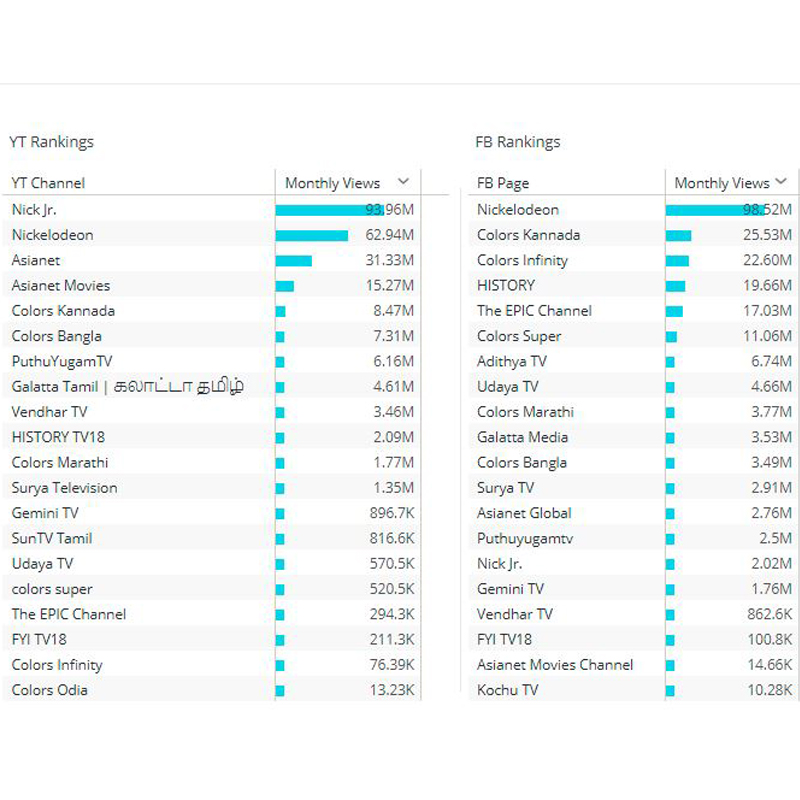
    According to Culture Machine’s report, the top five positions in Youtube ranking have been grabbed by Nick Jr. with 93.96 million monthly views, Nickelodeon with 62.94 million monthly views, Asianet with 31.33 million monthly views, Asianet Movies with 15.27 million monthly views and Colors Kannada with 8.47 million monthly views.

    In the Facebook ranking list, the top five positions were taken by Nickelodeon with 98.52 million monthly views, Colors Kannada with 25.53 million monthly views, Colors Infinity with 22.60 million monthly views, History TV18 with 19.66 million monthly views and The Epic Channel with 17.03 million monthly views.