Tag: Fazila Allana

  • Prime Video’s unscripted original series Follow Kar Lo Yaar to premiere on 23 August

    Prime Video’s unscripted original series Follow Kar Lo Yaar to premiere on 23 August

    Follow Kar Lo Yaar is an unabashed viewpoint into the curious and exciting life of social media sensation – Uorfi Javed

    Produced under the banner of Sol Productions Pvt Ltd by Fazila Allana and Kamna Menezes and directed by Sandeep Kukreja, the nine-episode Hindi reality-follow series will premiere on August 23 in India and across 240 countries and territories worldwide

    Mumbai: Prime Video has announced the premiere date for its unscripted original series, Follow Kar Lo Yaar. The nine-episode series, produced by Sol Productions’, Fazila Allana and Kamna Menezes and directed by Sandeep Kukreja, is an unfiltered and immersive viewpoint into the life of Uorfi Javed. Follow Kar Lo Yaar is set to premiere exclusively on Prime Video in India and over 240 countries and territories worldwide on 23 August in Hindi with subtitles in English. Follow Kar Lo Yaar is the latest addition to the Prime membership.

    Follow Karlo Yaar will immerse the audience in the world of Uorfi, constantly pursued by the limelight, while also providing an unfiltered glimpse into all the drama behind the scenes. Beyond the glitz and glamour, beyond the filters on the gram, beyond the bizarre social posts and stories, the unscripted series bares the raw, unvarnished truth about her life outside of social media, her arduous journey, overcoming countless hurdles, her rise to fame, her relentless pursuit of fame and fortune, and the intricate dynamics of her dysfunctional family life.

    “Stories of resilience and ambition will always find resonance with the audience, and Uorfi’s journey from an ordinary girl in Lucknow to one of the most recognizable faces of the country is nothing short of inspiring. Her story is defined by her unwavering determination and passion to carve her unique path in the world of fashion and entertainment as she ascends from her humble beginnings to becoming a social media sensation and a serious entrepreneur,” said Prime Video, India head of originals Nikhil Madhok. “Together with Sol and director Sandeep Kukreja, we are delighted to present Follow Kar Lo Yaar, a compelling and captivating reality-follow series that will certainly appeal to a global audience.”

    Sol Productions Pvt Ltd’s Fazila Allana and Kamna Menezes said, “We are thrilled to partner with Prime Video for Follow Kar Lo Yaar, presenting the intriguing and riveting journey of Uorfi Javed. From an outsider to becoming Asia’s most searched celebrity in 2022, her life and backstory have been a curious case for years, as she continues to make headlines and heads turn. We are confident that Prime Video’s audience in India and across 240 countries and territories worldwide will deeply appreciate and connect with Uorfi’s compelling story, which not only entertains but also inspires and embodies resilience.”

  • Siddharth Roy Kapur re-elected as president of Producers Guild of India

    Siddharth Roy Kapur re-elected as president of Producers Guild of India

    Mumbai: Roy Kapur Films founder and MD Siddharth Roy Kapur has been re-elected as president of Producers Guild of India at the 67th annual general meeting (AGM) of the association held virtually on 29 September. Reliance Entertainment’s Shibasish Sarkar was named as vice president of the industry body.

    Another key development was the expansion in ranks of women producers in leadership roles. Emmay Entertainment and Motion Pictures LLP’s Madhu Bhojwani and Netflix India’s Ambika Khurana joined incumbents Apoorva Mehta, Manish Goswami and Sunjoy Waddhwa as vice presidents of the guild while Sol Productions’ Fazila Allana joined incumbent Ashim Samanta as treasurer.

    Kapur, who has been serving for six consecutive years as the president of the guild, announced that he would not be making himself available for re-election next year. With Kapur at the helm, the guild has spearheaded multiple industry initiatives to increase the market size and reach of Indian content and include advocacy of producers interests on matters like legislation, taxation and ease of doing business.

    The ongoing pandemic has thrown unprecedented challenges at the production industry. At the AGM, members were apprised of the key activities and developments during the year, including formulating rigorous SOPs for safe shooting, advocating for shooting resumption, organising vaccination camps for members and facilitating financial assistance to daily wage workers through donations by guild members.

  • Production powerhouse Banijay unveils new brand identity

    Production powerhouse Banijay unveils new brand identity

    MUMBAI: A new giant has emerged on the global TV production front with the completion of Banijay’s takeover of the Endemol Shine Group last week.  And the group has gone in for a rebranding exercise, revealing what it calls a new and contemporary brand identity. The merged parent entity and its operations have been called Banijay and will cover 22 territories, 120 plus production and a catalogue of over 88,000 hours of content.

    New logos – with an iconic pinkish B attached to every company logo – a fresh colour palette and an overhauled website have been unveiled. Globally,  Banijay Rights continues to lead distribution activities, while all territory-level holding companies will soon switch to Banijay. In India for instance, Banijay has three firms under its belt: Banijay Asia, Endemol Shine India and SOL India. Each of them has had the “B” attached to their logos and each has the tag identifying them as a Banijay company. While Banijay Asia is led by Deepak Dhar, Endemol Shine India has Abhishek Rege at the helm and SOL Productions has Fazila Allana and Kamna Narula Menezes leading it.

    The rebrand was imagined and executed by leading global creative partner Moving Brands with website design and build handled by Alchemy Digital.

     “The acquisition of Endemol Shine Group marks a major gear shift for our business and that had to be represented in our branding. We now have unrivalled global reach, an abundance of high-quality, multi-genre titles, and some of the best creative entrepreneurs in the world,” said Banijay CEO Marco Bassetti. “Celebrating our values, the significant breadth of our new offering and our continued investment in innovative IP, the simple, yet effective branding, provides standout alongside versatility, and we hope in years to come, our B will act as a beacon for ground-breaking storymaking and a stamp of excellence.”

    Among its global  top shows figure:  Survivor, Big Brother, Peaky Blinders, Temptation Island, MasterChef, Wallander, The Kardashians, Mr Bean, The Wall, Hunted, Black Mirror, Extreme Makeover: Home Edition and Deal or No Deal.

    With Bassetti fully in charge as CEO, Endemol Shine Group CEO Sophie Turner Laing is slated to exit by end this week. French entrepreneur Stéphane Courbit, who helped stitch together the deal, serves as chairman of the group. Total pro-forma revenue of Banijay-Endemol Shine  for 2019 totted up to  Euros 2.7 billion.

  • Fazila Allana, Sandiip Sikcand on new shooting rules for Telugu show ‘Gorintaku’

    Fazila Allana, Sandiip Sikcand on new shooting rules for Telugu show ‘Gorintaku’

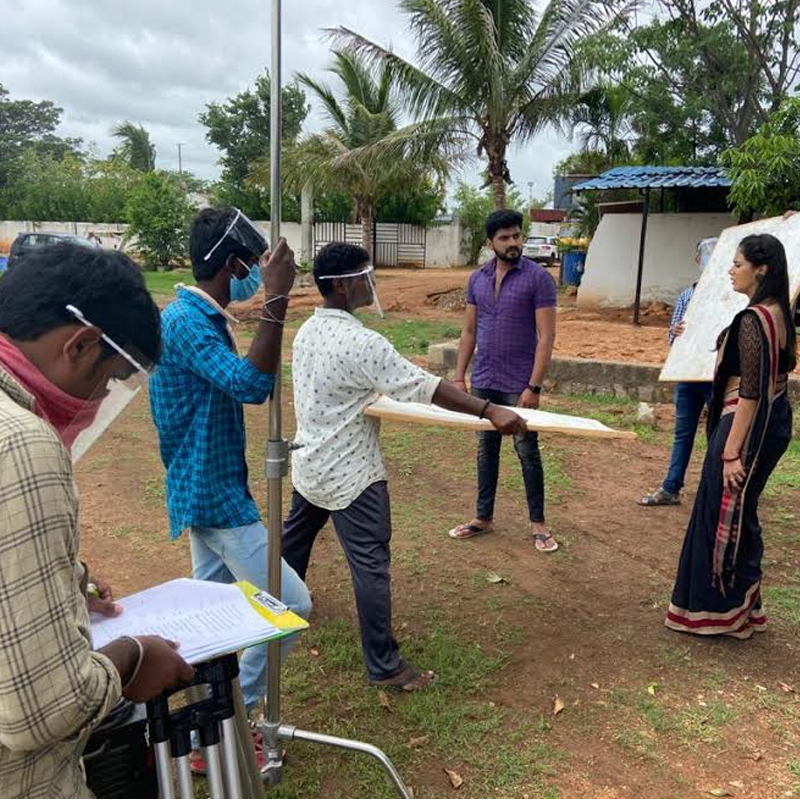
    MUMBAI: Earlier this month the Telangana government granted the permission to resume film and TV shooting as well as post-production work all over the state. While there are challenges there is also relief for being able to start work with safety measures. SOL India – Banijay Group founder and MD Fazila Allana and producer, creative director and actor Sandiip Sikcand have resumed shooting for their Telugu show Gorintaku. According to them, shooting during the pandemic is challenging but not impossible. 

    Gorintaku is a Telugu daily show that is telecast on Star Maa and streamed on Disney+ Hotstar too.

    Allana told indiantelevision.com that the show was already in process with 200 episodes done before the lockdown. The shooting resumed on 18 June with all necessary precautions like masks, gloves, temperature checks, sanitation and safety protocols being diligently followed. Insurance plan has also been introduced for entire cast and crew.

    In fact, she highlights that hair and make up artists are using PPE kits to ensure maximum safety. Make up products and brushes are different for different actors. Allana also mentions that as per the guidelines introduced by Star Maa, there are no group scenes and too many outdoor scenes are avoided to keep out crowding. Episodes of weddings or large gatherings are not happening.

    Apart from that, there are fewer people in a team. Scripting has been rewritten to facilitate a lot more social distancing. There are no intimate scenes as well so close up chemistry shots are being compromised.

    Sikcand also mentiones that children and elderly citizens are not allowed on the set. If required, elderly people are not asked to come more than four times a month.

    As per Telegana government’s rule  40 people can be there on the set. However, Sikcand shares that shooting is happening with bare minimum people while the rest stay outside the set.

    To make the daily soap more realistic and appealing in the eyes of audience, Covid2019 situation has been included in the script itself. In order to create a bank of fresh episodes, the entire script has been rewritten.

    During the scene, the actors are wearing masks, gloves and are also using sanitizers.

    He notes that it is taking more time than usual to film a scene. “For the safety and security of cast and crew, I don’t mind slowing down the production. As far as audiences are concerned, they want to see something which is real and natural,” he further says.

    Both Allana and Sikcand are hoping that shooting happens smoothly and soon things go back to normal and for now, things need to be done with precautions.

  • Ekta Kapoor leads TV frat to make inspiring COVID-19 film

    Ekta Kapoor leads TV frat to make inspiring COVID-19 film

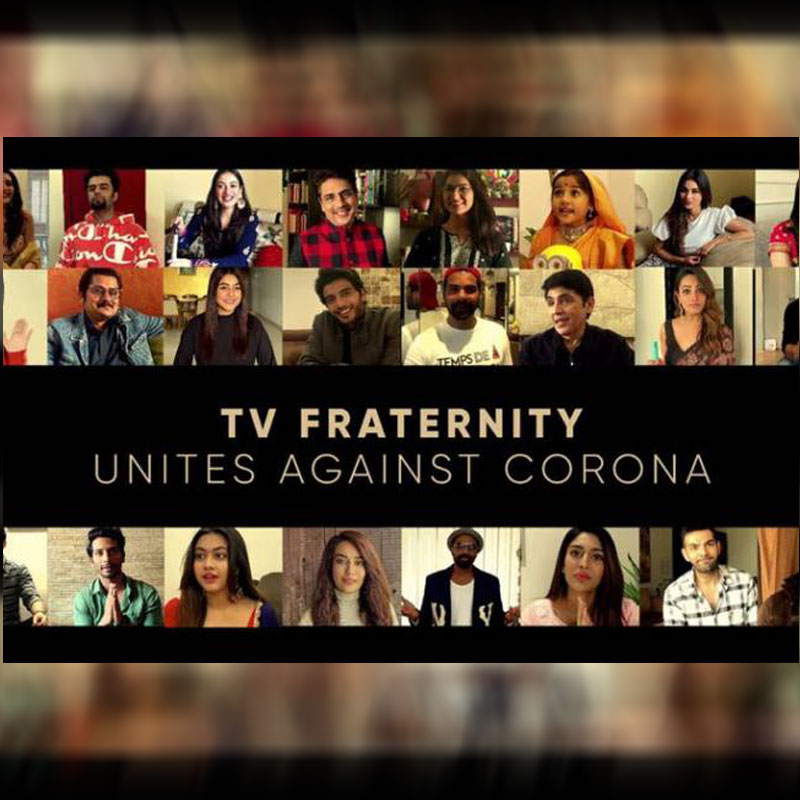
    MUMBAI: You have to hand it to creative czarina Ekta Kapor. If she does something, she does it in style. Like her latest effort at assuaging the ennui that some might be going through thanks to being boxed in their homes courtesy the long-drawn lockdown on account of COVID-19. She has got together more than a score of actors, a bunch of leading TV producers from the Indian Film & TV Producers Council, and put out a short film labelled Quarantine which not only educates, engages, but also entertains about how we can deal with the pandemic.

    It was sometime around the end of the first week of April that she mentioned on the IFTPC WhatsApp group that the TV industry should make a film that would be TV-centric  and that she had a concept which could be fleshed out.  The Amitabh Bachchan Covid2019 short  film  Family with several leading actors had just been released and the view was  that the TV frat should also be doing something to keep viewers entertained and positive.

    She sought volunteers from the group who would work with her to make it a reality. Almost immediately, Binaifer Kohkli, Fazila Allana (Sol India Banijay), Anil Wanvari (The Indian Telly Awards – and the indiantelevision.com group), Abhishek Rege (Endemol Shine India), JD Majethia (Hats Off Productions), Gul Khan agreed and came on  board as executive producers. (Tanushree Dasgupta came in a couple of days later as executive producer).  Dheeraj Sarna – a producer in his own right –was roped in to write the script for the short but entertaining film, with dialogues being penned by him and Anukalp Goswami.  Prolific TV music director Aashish Rego hopped on board to do the background music for the film.

    Full House Media MD Sonali Jaffar was assigned with the creative responsibility, while Guroudev Bhalla was given the task of directing the video, disclosed  actor and producer JD Majethia.

    Another Whatsapp group was formed with those who had volunteered.  “We connected on a Zoom call where the ideas were discussed,” he says. “After brainstorming and discussing with fellow producers a collective call was taken on how this video should be light hearted and yet conveying the important message of staying home. The basic premise was that the actors would simulate as if they were in the Big Boss house and not forcibly locked down in their homes and the story would take off from there.”

    He adds, “After getting the final script the next stage was the casting.  Few were mentioned in the script and few names of actors were discussed who could participate in the video. Some were available and some were not but most of them did their best to make it happen.  It was the collective effort made by the producers, actors, editor and director to shoot this video. Because technically speaking it was not easy to shoot this video on your phone. Guroudev Bhalla did a fantastic job of putting this together. He and along with other executive producers constantly coordinated with actors for every frame of the video. He coordinated with them regarding props or lighting, how their lines should be, who should say what. He coordinated with the editor Vikas Sharma.”

    Binaifer Kohli was one of the executive producers. She mentioned that Ekta Kapoor approached Sonali Jaffar to look at the creative aspect of the film. Kohli assisted Guroudev Bhalla in the direction. Kohli’s primary job was to ensure proper coordination between director, actor and the editor. According to Kohli, the actors did a phenomenal job of pulling this off. As it was not that easy to shoot just with their phone. Ensuring the proper angle and lighting. The entire shoot was done in five days as each actor was allocated different lines.

    She echoes, “Some of the actors shot the video by themselves on their phone, others took help of the family members. It had moving shots where eye level had to be maintained. Lighting was a very important aspect. Whenever the changes were required actors reshot the video there and then. They sought help from the editor on uploading it. We also changed the script according to the person.”

    Ekta Kapoor who spearheaded “Quarantine” says, “This video is an initiative of the television producers association of our country and we got all the top television actors to participate in this video, which was conceptualized over numerous conference calls! It is an effort from all of us in encouraging people to stay home. We hope this reaches far and wide.”

    The entire concept of making this video was to keep it casual, entertaining yet focusing on the importance of staying at home. Says SOL India-Banijay Group founder & MD Fazila AllanA: “In these unprecedented times it’s just nice if one can bring a smile to people’s faces and this was a small endeavour by the TV fraternity to do just that.”

    Full House Media MD Sonali Jaffar instructed the actors about their dialogues and in which manner they have to shoot. She adds, “Shooting at home was quite challenging also as a lot of prop exchanges were going on with the broom. Everyone was instructed to use a plain background as it would be difficult to match lightings. Because some were standing in the balcony some were having other backgrounds so we had to tell them to keep the same background. The other option was to use black and white background but it would have been difficult.”

    “The important thing was whenever we were shooting we shared the clips with the director there and then so that the changes could be made before editing the video. I thank all actors and producers for coming together and creating this beautiful video,” she further added.

    Adds Wanvari: “What is amazing how all of us worked as a team without shying away from whatever we  were asked to do. Even the actors immediately caught on to the idea that was shared with them by the creative director and Guroudev Bhalla. And they were also more than willing to do their bits to help Indians at home. They have all done a fantastic job, the results are for you to see.”

    According to Majethia two versions of the short film have been created, one featuring sign language for the hearing and speech impaired and one without it. He adds, “I think this is the beauty of this video. The idea I personally loved the most.”

    The video is being promoted across all social media platforms Majethia also mentions that the producers are in talks with television broadcasters to play it on national television.

    Follow Tellychakkar for the consumer facing news & entertainment

  • Top TV producers weigh in on OTT challenge, formats & IP rights

    Top TV producers weigh in on OTT challenge, formats & IP rights

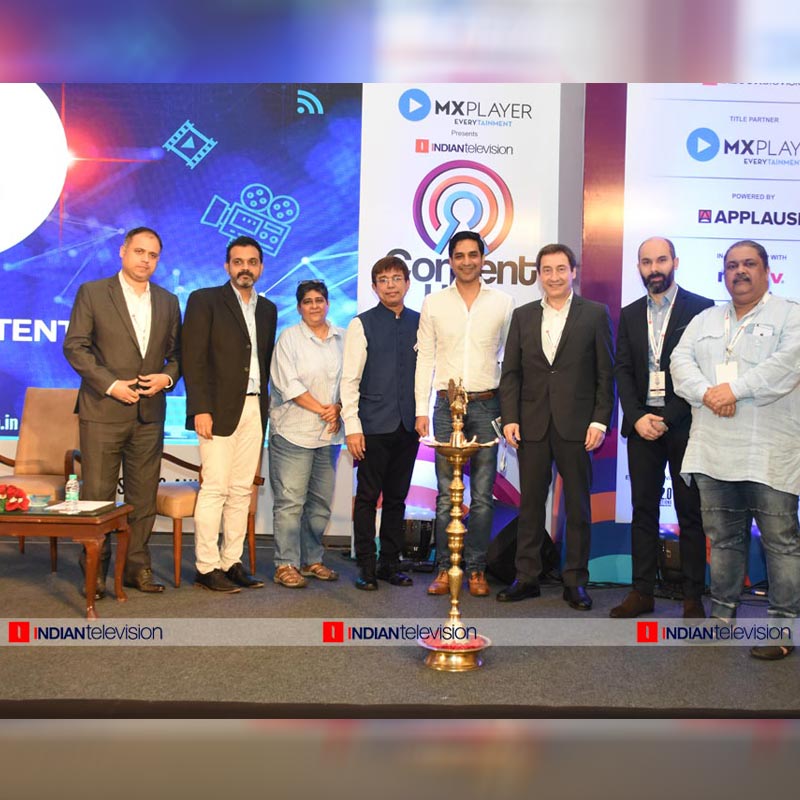
    MUMBAI: Content creators today cannot rely on daily soaps to attract viewers. With OTT looming large, production houses have to broaden their content nexus. Indiantelevision.com’s The Content Hub hosted a session – ‘The TV production Story: Reality, Non-fiction’, with the panellists Contiloe Pictures producer and founder Abhimanyu Singh, Endemol Shine CEO Abhishek Rege, SOL India – Banijay Group founder and MD Fazila Allana. The session was moderated by Bodhitree Multimedia co-founder and director Mautik Tolia

    The panel discussed the hot topic of IP rights, whether it should be given to the broadcaster or kept with the creator. To this, Singh said that it is valuable for every production house to hold its IP rights, where one can syndicate and get certain revenues on a recurring basis. "If the ecosystem thinks of it then I think the law needs to protect creators just as the musicians are protected," he said and Allana agreed with him.

    Rege said that retaining IPs means financial risks for the producer. He further explained, "If we have commissioned a show in Hindi, why would you have the IP of all the languages go with the network? But while we think all this to happen, are we ready to take all the risk?”

    Discussion on the potential of content, Rege said that scripted shows are platform-agnostic. He said that the challenge here is making attractive content for the viewers and targeting the right TG. "With OTT, I don’t think it’s easy to do as many talents shows that we do on linear," he added.

    The new tariff order will bring about a change in content creation, according to Rege. With customers choosing individual channels, broadcasters need unique content to attract people. “This fight is based on non-scripted or premium scripted property," he said.  

    Allana said that non-fiction producers have a bigger challenge as opposed to fiction producers because there has been a saturation of ideas. But she added that non-fiction content is going to evolve in the OTT platform but the future belongs to scripted shows. “On OTT there will be a lot of social experimentation as well as lifestyle programming.  Earlier we all used to chase formats now we chase stories,” she said.

    The deluge of daily content has thwarted premium content from growing. Rege said, "In creating premium content, you will have to spend time in writing. Apart from that, as far as production is concerned, you will have to have the discipline of pre-producing the series and this doesn’t exist on our television. The whole ecosystem needs to move in this direction." 

  • Rajeev Khandelwal begins new innings with chat show on Zee TV

    Rajeev Khandelwal begins new innings with chat show on Zee TV

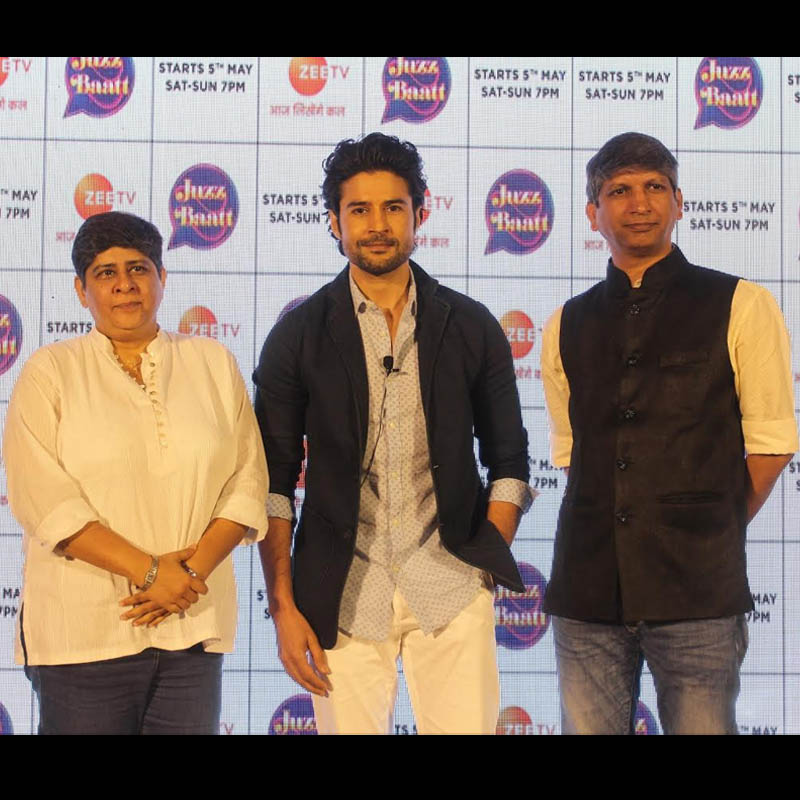
    MUMBAI: The makers of popular chat show Koffee with Karan are back with a new one. Bringing back Rajeev Khandelwal in a new chat show is Zee TV with Juzzbatt…Sangeen Se Namkeen Tak. Co-produced by Sandip Sikcand Telefilms and Sol, the show will premiere on 5 May and will air on weekends at 7 pm.

    Khandelwal, who was last seen in ALTBalaji’s original Haq Se, is returning to television after three years. After anchoring the controversial show, Saach Ka Saamna, the new show promises to take audiences on an exhilarating whirlwind ride. The show is likely to also be shown on its digital platform Zee5.

    “The show will reveal the journey of celebrities from what they were to what they are now in their respective fields. It will be a mixture of drama and reality. There is no exact format for this show because every person comes with a different story irrespective of who they are. Every show, whether it is fiction or non-fiction, has got a different texture. Likewise, in this show every person has got a different story to tell. So there can’t be any proper format.  And also there will be a surprise element in each episode,” said Zee TV deputy business head Deepak Rajadhyaksha.

    “Though Zee makes content for every category of audience, this time the primary target audience will be women between 30 and 40 years of age,” he added. In keeping with the channel’s brand philosophy, ‘Aaj Likhenge Kal’, this weekend primetime offering is going to be a 26-episode series.

    A while ago, Zee TV celebrated its 25th anniversary and this show is one special offering for audiences. “We had a celebrity chat show many years back called Jeena Isi Ka Naam Hai, but this time we thought of coming up with something that we haven’t done before. Though Juzzbazz will have some glimpses of Jeena Isi Ka Naam Hai, it’s not a carbon copy of it,” said Rajadhyaksha. Commenting on marketing strategies, he said that focus will be on social media, print, radio and outdoor.

    Sol co-producer Fazila Allana said that the show will mainly rope in TV actors as they haven’t been given their due. “Their fans are very curious to know as to who the people behind these celebs are. Juzzbaat is trying to make audiences see the real human beings the actors are behind the TV. The celebrities are no different than us. They pretty much face the same challenges in their daily lives that we face,” she said.

    The choice of anchor couldn’t have been better than Khandelwal who has an aura that people trust. “He is such a face whom people don’t often see on television. But at the same time he is experienced, mature and is in that stage of his career where he knows a lot of people – old and the new ones. It’s necessary that the host should know more people so that the guests can open themselves freely,” she added.

    Some of the faces that will be seen on the show include Rohit Roy, Ronit Roy, Divyanka Tripathi, Vivek Dahiya and Dheeraj Dhoopar.

    Also read:

    Zee Anmol leads GEC (U+R) in BARC week 16

    Zee, Turner to work independently for subscription revenue

  • TV production temporarily impacted by cursed Rs 500-1000 notes

    TV production temporarily impacted by cursed Rs 500-1000 notes

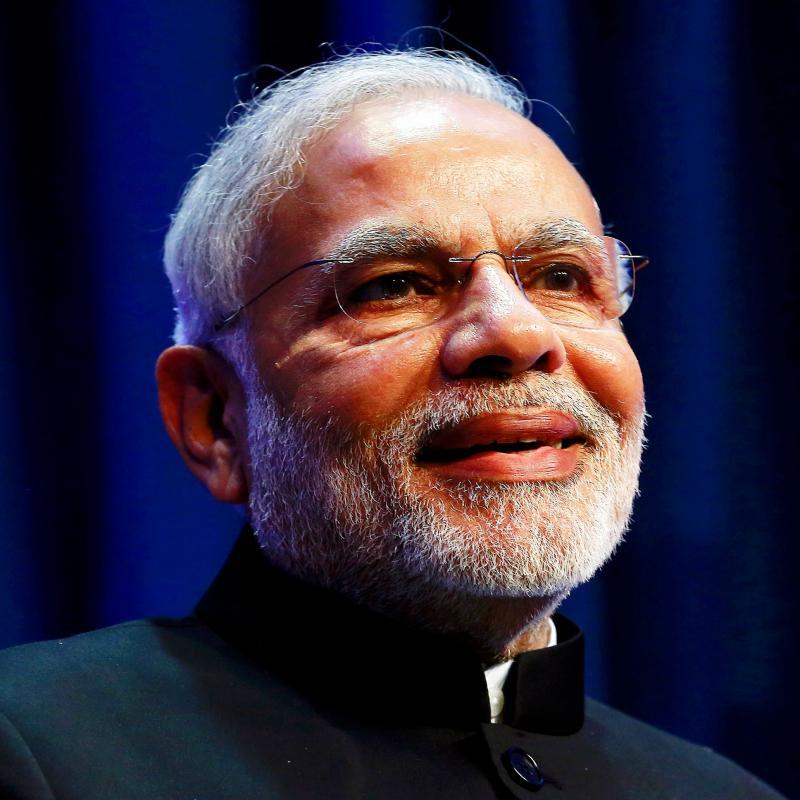
    MUMBAI: In what may be called a Herculean step, PM Narendra Modi banned Rs. 500 and Rs. 1000 notes as of midnight intervening 8 and 9 November. His live television broadcast came as a surprise to millions of unassuming Indians and the world at large, to say the least.

    Once understanding of the gravity of his announcement hit, throngs rushed to the ATMs, super markets, and chemist shops in a bid to rid themselves of the cursed notes which were to transform into waste paper overnight. In fact, retail shopping giant Big Bazaar, luxe watch chain Ethos, among many others seized this opportunity and allowed shoppers in till midnight, rightly expecting a rush. Petrol stations saw long queues even as late as the night of 9 November as desperate Indians tried to shed their 500 and 1000 notes. Foreign tourists despaired about the dud notes they had in their possession, as they neither hold bank account or post office accounts; the only currency they had was useless to them.

    By demonetizing Rs 500 and Rs 1000 notes, Modi has taken a bold stance to curb the raging black money menace and counterfeit currency that has been gnawing at the country’s economy for decades. The speed at which everything had transpired was astonishing, and many netizens lauded the move on social media.

    While this historic move is expected to contribute greatly towards nation-building, the transition phase will not be smooth. With banks shut for another day, ATMs dysfunctional temporarily until new legit denominations are restored in the banking system, life is proving tough for the public, to put it mildly. Different sectors have braced up for the varied impact this decision will bring, including the Indian television production industry.

    “For production houses like us, there are certain requirements for action props — flowers, food items, etc, which we usually buy in cash. Moreover, everyone’s travel and other conveyance compensation are also paid in cash. Not to mention the daily labour and daily-wage workers that a shoot employs… so yes, this ban has definitely created an a problem, especially with the banks shut,” explains Sol Production’s Fazila Allana.

    “Our ongoing shooting in Delhi for the show ‘Small Money Big Makeover’ which airs on FYI is currently stuck. It requires us to go out and buy stuff from the local market, and with today’s cash crunch situation, that is difficult,” she adds.

    Allana isn’t hindered by that, however, as she strongly believes that it is only temporary. “In the long term, I believe it is good for the industry. “A lot of these union workers often used to insist on cash payments, but now this sector can be regulated more effectively.”

    Asked if any of the long-running daily shows would be affected by this temporary turmoil, Allana reassured that it was highly unlikely. “Mega serials, as they are often called, will be the least affected as their shoots and contracts with artistes etc mostly operate on a monthly basis. They might be slightly inconvenienced by the sudden prop requirements, but that is all.”

    Allana, however, expressed concern over the lack of clarity on the upper limits of withdrawal for companies and the corporate, as it will be next to impossible to function if the cap for company usage is also Rs 2000 per day.

    BBC Worldwide India SVP & GM Myleeta Aga has welcomed the Prime Minister’s bold move calling it ” good to happen” to our industry.

    “There will be inconvenience, but we should all manage the inconvenience. It won’t stop our work. We mostly function with partners with whom we have long-term associations. They too understand the current situation, and are cooperating accordingly. We can use credit notes and the right available denominations for the next few days. As long as they are providing a legit service and are being paid in a legit way, there is nothing to worry about,” she adds.

    “The industry simply needs to be mindful while making cash payments in these two to three days,” says the optimistic CEO of The Contiloe Entertainment, Abhimanyu Singh.

    Asked if the TV industry will be majorly affected by this crackdown on black money hoarders, Singh says, “I don’t think the TV industry has something to worry about, most of our accounts are clean and every transaction is accounted for.”

    “In the short run, businesses will have to compromise with the change but I have faith the government has thought this out, and will effectively take action to normalise the situation. I don’t believe the prime minister would want businesses to shut down,” Singh added.

  • TV production temporarily impacted by cursed Rs 500-1000 notes

    TV production temporarily impacted by cursed Rs 500-1000 notes

    MUMBAI: In what may be called a Herculean step, PM Narendra Modi banned Rs. 500 and Rs. 1000 notes as of midnight intervening 8 and 9 November. His live television broadcast came as a surprise to millions of unassuming Indians and the world at large, to say the least.

    Once understanding of the gravity of his announcement hit, throngs rushed to the ATMs, super markets, and chemist shops in a bid to rid themselves of the cursed notes which were to transform into waste paper overnight. In fact, retail shopping giant Big Bazaar, luxe watch chain Ethos, among many others seized this opportunity and allowed shoppers in till midnight, rightly expecting a rush. Petrol stations saw long queues even as late as the night of 9 November as desperate Indians tried to shed their 500 and 1000 notes. Foreign tourists despaired about the dud notes they had in their possession, as they neither hold bank account or post office accounts; the only currency they had was useless to them.

    By demonetizing Rs 500 and Rs 1000 notes, Modi has taken a bold stance to curb the raging black money menace and counterfeit currency that has been gnawing at the country’s economy for decades. The speed at which everything had transpired was astonishing, and many netizens lauded the move on social media.

    While this historic move is expected to contribute greatly towards nation-building, the transition phase will not be smooth. With banks shut for another day, ATMs dysfunctional temporarily until new legit denominations are restored in the banking system, life is proving tough for the public, to put it mildly. Different sectors have braced up for the varied impact this decision will bring, including the Indian television production industry.

    “For production houses like us, there are certain requirements for action props — flowers, food items, etc, which we usually buy in cash. Moreover, everyone’s travel and other conveyance compensation are also paid in cash. Not to mention the daily labour and daily-wage workers that a shoot employs… so yes, this ban has definitely created an a problem, especially with the banks shut,” explains Sol Production’s Fazila Allana.

    “Our ongoing shooting in Delhi for the show ‘Small Money Big Makeover’ which airs on FYI is currently stuck. It requires us to go out and buy stuff from the local market, and with today’s cash crunch situation, that is difficult,” she adds.

    Allana isn’t hindered by that, however, as she strongly believes that it is only temporary. “In the long term, I believe it is good for the industry. “A lot of these union workers often used to insist on cash payments, but now this sector can be regulated more effectively.”

    Asked if any of the long-running daily shows would be affected by this temporary turmoil, Allana reassured that it was highly unlikely. “Mega serials, as they are often called, will be the least affected as their shoots and contracts with artistes etc mostly operate on a monthly basis. They might be slightly inconvenienced by the sudden prop requirements, but that is all.”

    Allana, however, expressed concern over the lack of clarity on the upper limits of withdrawal for companies and the corporate, as it will be next to impossible to function if the cap for company usage is also Rs 2000 per day.

    BBC Worldwide India SVP & GM Myleeta Aga has welcomed the Prime Minister’s bold move calling it ” good to happen” to our industry.

    “There will be inconvenience, but we should all manage the inconvenience. It won’t stop our work. We mostly function with partners with whom we have long-term associations. They too understand the current situation, and are cooperating accordingly. We can use credit notes and the right available denominations for the next few days. As long as they are providing a legit service and are being paid in a legit way, there is nothing to worry about,” she adds.

    “The industry simply needs to be mindful while making cash payments in these two to three days,” says the optimistic CEO of The Contiloe Entertainment, Abhimanyu Singh.

    Asked if the TV industry will be majorly affected by this crackdown on black money hoarders, Singh says, “I don’t think the TV industry has something to worry about, most of our accounts are clean and every transaction is accounted for.”

    “In the short run, businesses will have to compromise with the change but I have faith the government has thought this out, and will effectively take action to normalise the situation. I don’t believe the prime minister would want businesses to shut down,” Singh added.

  • TV editors go on strike; channels fear repeat telecast

    TV editors go on strike; channels fear repeat telecast

    MUMBAI: Daily soaps sagas on Indian television are currently at the mercy of their editors as The Association of Film and TV Editors called for an indefinite strike on 4 November.

    The strike was fuelled when the memorandum of understanding (MoU) addressing the workers’ demand for higher wages and better working conditions, failed to be signed before the promised date of 14 October.

    For now, signing of contract between the forerunners, Federation of Western India Cine Employees (FWICE) and producers’ association has been delayed and there seems to be no surety of their demands being fulfilled, as per the association.

    In a situation like this, one can’t help but wonder about the fate of the numerous shows on television, and how production houses are dealing with the strike, while keeping the show running.

    Sol Productions founder and producer Fazila Allana is of the opinion that the strike is uncalled for as producers were in talks with the federation to come to an understanding, and had no qualms with a properly reviewed memorandum. “It is a very random and ad hoc decision by one federation.” Allana tells Indiantelevision.com.

    “The discussion with the federation is still under progress and it is almost at a closure. A little patience is what was needed. There are 22 crafts involved. Why should one craft decide for the other 21, not listen to their federation and go on a strike putting the entire industry in jeopardy?” she voices.

    As a matter of fact, this strike is further slowing down the signing of the MoU, as per Allana, who also produces the reality show The Stage for Colors Infinity.

    Among the several television shows that have been hit by this crisis, it’s the daily soaps that are most affected.

    “All our shows are affected by this strike as all our main editors, who work on them aren’t in. As of now we are managing with whatever resources we can pull in but it’s concerning if the situation carries on,” she laments.

    From Sol Productions’ perspective, Thapki on Colors is the most affected show; while Beyond Dreams CEO Yash Patnayak informs that their Sadda Hak on Channel V is also taking a hit.

    While some long running shows haven’t yet come to a standstill thanks to their episode bank, the newly launched shows are fearing repeat telecast if the strike from Monday continues.

    It may be recalled that many channels launched new shows in the month of October as the festive season dawned on the Indian turf.

    Voicing his fears, the programming head of a general entertainment channel (GEC), on condition of anonymity says, “If we fail to meet the demands of the association and the strike doesn’t get called off, there is a risk of repeat telecasts. The possibility of that is in cases where shows don’t have a bank, and the newly launched shows will be the worst hit. Everyone is working so that the repeats don’t happen, and thankfully it’s the weekend now, so we might be able to avoid it.”

    As per Indiantelevision.com’s analysis, close to Rs 1 billion ad spends are at stake on GEC channels if the strike continues and channels have to resort to airing repeats for a week during this festive season.

    The looming question here is as to what the alternate routes will be, which producers may have to adopt if the situation prolongs. Allana points out that by going on strike and preventing other editors from going to work, The Association of Film and TV Editors have violated several court orders. Therefore, many producers may take a legal way out of the situation, if it prevails.

    “What they are doing is absolutely illegal. One has the right go on strike but they can’t coerce or threaten others from not coming to work. We have already sent out a letter to them, explaining the illegality of their flash strike without any notice. So if push comes to shove, we will have to take legal action, although that is not desirable for both parties involved,” says Allana.

    Indian Film and TV Producers Council producer and co-chairman JD Majethia adds, “We have written a letter to them stating that no talks can happen under threat. Talks will resume when the work is in progress. We were in talks with their mother body and if there were issues it should not have come to us.”

    The council has further requested the two parties to meet and discuss and come to a general consensus so that the strike may be called off, he further informs.

    While certain producers may take the legal way out, jaded by constant strikes and issues, many are thinking of a more drastic and permanent solution to the issue.

    A well known producer on condition of anonymity informs that it has been getting more and more difficult for producers day after day. “Every other day something or the other is happening. I am afraid that the industry will collapse in Mumbai. Eventually, producers and broadcasters will reach their patience limit. Currently everything is concentrated in Mumbai, and if some drastic steps need to be taken, the industry may move out of the city. And if that happens, the people who work in it will be the most affected,” he informs.

    Lost Boy Productions director Siddharth Manik Gupta feels that a few demands put forth by the TV editor’s association are valid, the rest are unfair. “While I agree that their issues with work hours and health care facilities should be addressed properly, some of their demands regarding fees are very arbitrary,” he says. 

    Gupta is of the opinion that if the situation continues, then the industry might move out of Mumbai. “Shows are already being shot outside Mumbai. For example, Star Plus’ show Swadhinta is being shot outside. The television industry will soon be hitting a roadblock in Mumbai with these kind of unions, which act against their own interest calling such strikes. That will lead to Mumbai having lesser shoots, and it will affect us in a very big way,” he says.

    Even in terms of production cost, Delhi or any other location but Mumbai seems to be a more feasible option. “Today, when you shoot a show in Delhi, one doesn’t face any union issues. They don’t ask for unheard obscene amounts of money. Locations are also cheaper and I feel even the quality of the product is good. More than anything else, it’s stress free and flawless work that takes place. If I have the option to spend the same amount of money in a place where my work is done peacefully, and maybe even better, why wouldn’t I go there?” Gupta poses a valid question.

    Some television producers and industry experts also feel that the issue is being exploited by various political parties as well. Under the promise of anonymity, a television producer and industry insider says, “There are a number of politically linked associations coming up to stir up the ecosystem. They have been increasingly interfering with the way the industry has been functioning. And the recent strike called by the TV editors just tops the situation and signifies a very negative impact upon the industry.”

    Whether GECs will be able to showcase their grand festive episodes and bring in Diwali with fireworks galore next week, now depends upon what happens over the weekend in terms of negotiations between the concerned bodies.