Mumbai: Who doesn’t love fast food? And when it comes to fried chicken, the crispy delight knows no borders. From the sizzling street corners of India to the global giants of fast-food chains, fried chicken has become a universal indulgence, winning hearts and taste buds worldwide.
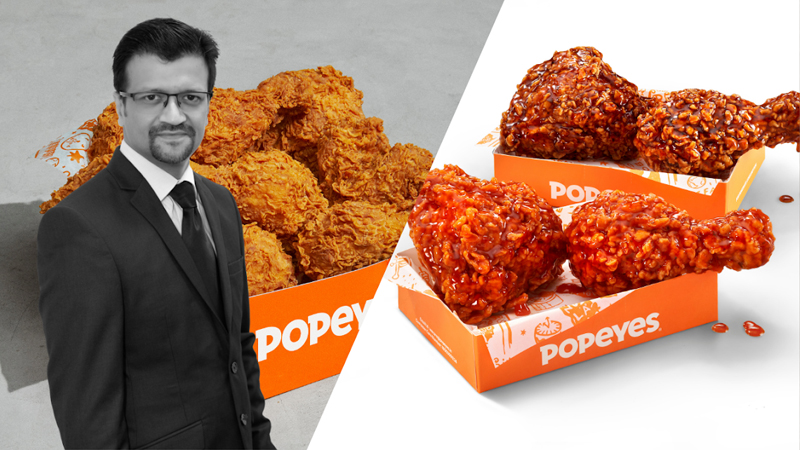
Adding to this global love affair, Popeyes, the iconic US fried chicken brand, brings more than 50 years of rich history and culinary tradition to the table. Distinguishing itself with a unique New Orleans-style menu, Popeyes offers a tantalizing range that includes the famous Chicken Sandwich, Popeyes Signature Chicken, and delectable Chicken Tenders. The brand made its debut in Bengaluru in January 2022, quickly spreading its flavorful wings to Chennai, Hyderabad, Coimbatore, and Manipal. With an eye on expanding its savory footprint, Popeyes is gearing up to make a flavorful entrance into Delhi NCR.
Delving deeper, Indian Television in conversation with Popeyes EVP and business head Gaurav Pande discussed the brand’s USP, the significance of opening its first store in Delhi NCR, and much more…
Edited Excerpts:
On Popeyes setting itself apart in the fried chicken market and who does Popeyes consider its nearest competitor in the Indian and the global market
For nearly 50 years, Popeyes has been rooted in Louisiana, known as a melting pot of cultures similar to many places in India. The fusion of Cajun and Creole cooking styles forms the basis of Popeyes recipes, celebrated for their bold flavors. In India, the focus is on fresh, never-frozen products sourced from local farms, marinated for over 12 hours in Cajun-inspired flavors, hand-battered, and cooked in-store. This approach emphasizes succulent texture and deep flavors, aligning with the culinary heritage. Popeyes aims to provide a best-in-class experience through its store and various channels.
Upon launching in India, Popeyes introduced its own app and delivery fleet, marked by orange-colored bikes. The brand’s growth strategy involves remaining true to consumers, delivering the best food, and tailoring innovations to the Indian palate.
In the Indian market, frankly speaking, I rarely think of competition, I think of consumers. So if we get our products right, if consumers love our product, we will win in this market and winning is not at the cost of any competition. Winning is by creating our own relevance. Popeyes aims to become the largest player in the fried chicken category in India, following its success in the U.S. where it recently attained the position of the largest fried chicken-serving chain. This achievement is attributed to staying true to the brand’s products and offering relevant innovations.
On Popeyes entering the Indian market in 2022 and adapting to the local tastes and preferences of various cities it opened a store in
The fast-growing non-vegetarian category in India, particularly chicken, is witnessing an increase in consumers and overall consumption. This category is characterised as underserviced and underpenetrated due to the limited number of players and untapped market potential. Popeyes, with its bold flavors rooted in the Cajun cooking philosophy, is well-positioned to enter the Indian market. Additionally, macroeconomic factors such as a growing economy and rising disposable incomes contribute to the growth of eating-out trends.
Acknowledging the diverse Indian palate, Popeyes has customized its menu through small tweaks based on consumer feedback. The bone-in chicken, known for its bold flavors, and the flagship chicken sandwich with a brioche bun have been well-received by Indian consumers. The introduction of a vegetarian range tailored to the Cajun food philosophy allows even non-meat eaters to experience distinctive flavors. The recent launch of the “hot and messy” chicken range, featuring flavors like sweet chili and smoky pepper, has garnered positive feedback. The brand intends to stay true to its global Cajun roots while catering to the rich and flavorful taste preferences of Indian consumers.
On Popeyes addressing the growing demand from health-conscious consumers globally, and are there specific initiatives or menu offerings aimed at catering to this segment
While our focus is not on health-conscious consumers, our products adhere to high safety and hygiene standards. Our chicken is 100per cent non-antibiotic, sustainable, and traceable, sourced from farms with sustainable practices. We maintain end-to-end connectivity through a dedicated and hygienic supply chain, ensuring product safety. Operating our own supply chain allows us to promptly identify and address any temperature breaches. In the event of such breaches, affected products are not made available to consumers, ensuring the highest standards of safety and quality. Our real flavors, derived from genuine spices, are free from artificial additives. Cajun fries, for example, showcase visible spice specs, emphasizing the use of genuine ingredients. With fresh, non-frozen chicken, we prioritize both great taste and a satisfying experience for our consumers, underscoring our commitment to hygiene and safety.
On the significance that Popeyes attaches to the opening of its first store in Delhi NCR, and what can customers expect from this location
Delhi, a true haven for foodies, has a special place for our quick-service restaurant that embodies a unique culinary spirit. Our brand, founded by Al Copeland in 1972, has a fascinating story. Copeland personally crafted the bold flavors that became iconic. Legend has it that the bolder products rotated faster, creating a high demand. The milder classics, cooked on demand, had patrons waiting in queues, making them our highest-selling items.
This story-rich brand perfectly aligns with Delhi’s love for both food and stories. We infuse heart into everything we do, from crafting flavors to cooking and serving. As we prepare to open our first store in a historically significant location, renowned for its food and authenticity, it reflects our commitment to entering the heart of Delhi. This perfect combination of bold flavors and compelling stories resonates with the ethos of both our brand and the city.
On the trends shaping the fried chicken market, in your opinion
The macro variable indicates significant growth in the category, particularly in chicken consumption and non-vegetarian meat, with chicken being the fastest-growing segment, even in Quick Service Restaurants (QSR). It is our responsibility to shape the market, given the current lack of variety in products. With 32 stores in just two years, we’ve introduced innovations, such as the hot and messy product, setting trends with uniquely seasoned items and offering a variety of flavors. Our diverse and never-frozen products aim to establish a new standard of expectation for succulence and juiciness in the market. We see it as our duty to bring innovation to a category that has lacked it for the past two years.
On the TG that you cater to and how do you attract senior citizens who have a notion that home-cooked meals are superior to dining out
From a communication and targeting standpoint, the brand primarily focuses on the millennial group, particularly early jobbers in the 18 to 35-40 age range. However, in terms of consumption trends, the brand attracts a diverse audience, including families and individuals beyond the age of 40. While the communication strategy remains consistent, product offerings are designed to appeal to various age groups and palates with a range of flavors featuring different heat and spice levels.
Addressing the preference for home-cooked meals/ordering at home, the brand has been channel-focused since its inception. Through the Popeyes app or m.Popeyes.in, customers in the delivery range, starting with the launch in Delhi, can order and receive warm food at their doorstep within 30 minutes. The brand ensures an omnichannel approach, including its own delivery fleet, to cater to those who prefer enjoying the food at home rather than dining out.
On future plans in terms of expansion and innovation
We launched in 2022 and are now 32 stores strong. We are present in 10 cities, nine of them in South, Chandigarh being the city in the North and now entering Delhi. I think this is just a milestone for us in the larger scheme of things. Our intention is to become a 1000-crore brand in four to five years time. That’s what our true north is, which means that we will expand at a very fast pace. We will expand nationally, we will expand in other regions. Obviously, it will happen in a phased manner because all that I was talking about the product requires a lot of capability building at a supply chain level.
To enable faster expansion, our initial focus is on building capabilities. This includes ensuring the availability of the freshest quality chicken, establishing marination capabilities for a 12-hour process, and optimizing the supply chain to efficiently connect all stores in a short timeframe. Once we successfully build these capabilities in a region, our expansion pace will significantly increase. So regional expansion will be more phased out but our pace will only be accelerating from where we are today.