Tag: fashion

  • NDTV to snap up GoodTimes channel in Rs 18 crore slump sale

    NDTV to snap up GoodTimes channel in Rs 18 crore slump sale

    NEW DELHI: New Delhi Television has approved the purchase of the GoodTimes channel from Lifestyle & Media Broadcasting in a slump sale valued at up to Rs 18 crore, a move that deepens its push into lifestyle broadcasting. The transaction will be funded through a mix of cash and television advertising inventory and is structured on a cash-free, debt-free basis. NDTV made this known through a regulatory filing on the Bombay stock exchange last weekend.

    GoodTimes, a fixture for fashion, food, travel and entertainment programming, will shift to NDTV as a going concern. Because Lifestyle & Media Broadcasting is a joint venture of NDTV, the deal qualifies as a related-party transaction, though the broadcaster emphasised that it is being executed on an arm’s-length basis and backed by an independent valuation from a registered valuer. NDTV added that its promoters and group companies hold no direct stake in the seller beyond any indirect shareholding.

    Completion is subject to routine corporate and regulatory clearances, including approval from the ministry of information and broadcasting for the transfer of the channel licence. NDTV expects the process to close within roughly three months.

    Executives say the acquisition aligns with NDTV’s long-term growth strategy, broadening its content portfolio and operational reach. The company believes folding GoodTimes into its network will strengthen its brand presence, diversify revenue streams and enhance value for shareholders as competition in India’s broadcasting market heats up.

  • Valentine’s Day spending rebounds in India

    Valentine’s Day spending rebounds in India

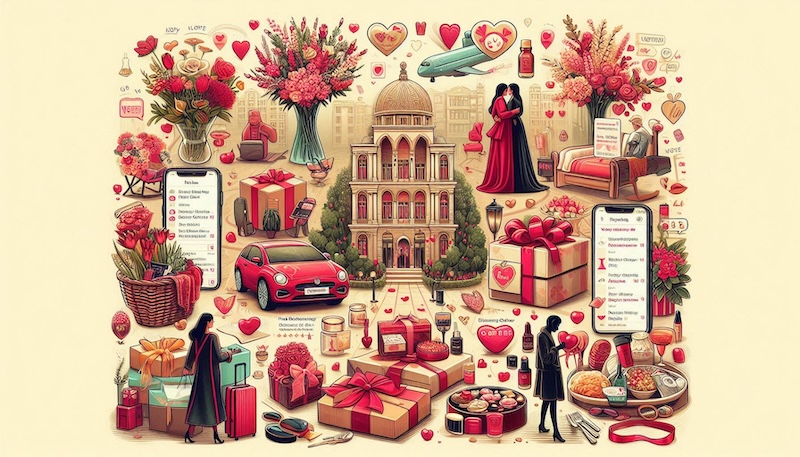
    MUMBAI: Well, well, just as we were getting cynical about love and that romance is on the way down here is some contrarian news from affiliate network Admitad. According to data provided by it, the worst is behind  us and love is blossoming; couples have returned to gifting with consumption rising  15 per cent during Valentine’s Day (VD) week. 

    Analysis of over 500,000 orders revealed an average spend of Rs 2,000, with mobile devices accounting for more than half of all purchases. Hotel bookings surged 20 per cent as couples opted for weekend getaways, whilst food delivery orders rose 15 per cent. Fashion items dominated gift choices at 25 per cent  of purchases, followed by cosmetics at 15 per  cent and electronics at 12 per cent. The most dramatic growth came in flowers and luxury goods, which saw sales spike 89 per cent and 67 per cent  respectively compared to non-holiday periods.

    Digital-savvy shoppers maximised value, with 20 per cent claiming cashback and 12 per cent  using promotional codes. Affiliate stores influenced over a quarter of purchases, whilst online media recommendations drove 15 per cent  of sales.

    The strong performance marks a sharp reversal from 2024’s 10 per cent  decline in Valentine’s spending, suggesting renewed consumer confidence in Asia’s third-largest economy.

  • Qoruz report highlights explosive growth of India’s influencer economy

    Qoruz report highlights explosive growth of India’s influencer economy

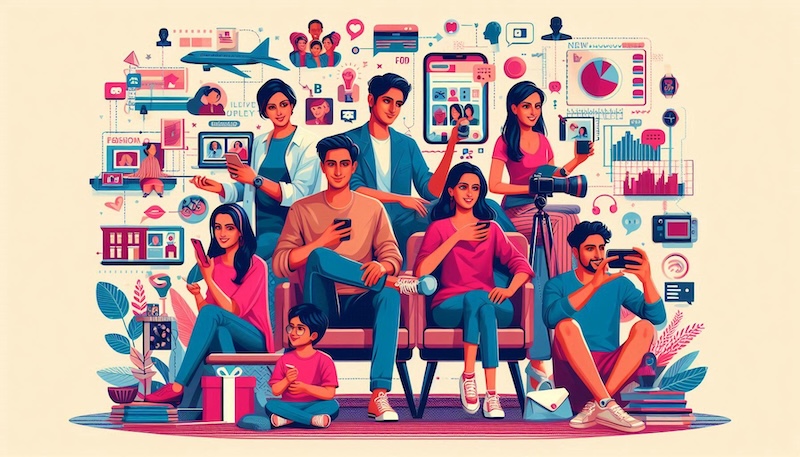
    MUMBAI: India’s influencer world never had it so good. Not only is their number growing, but their sphere of influence is also expanding by the day. The latest report from Qoruz, an influencer marketing intelligence platform, reveals a remarkable 322 per cent surge in India’s influencer ecosystem over the past four years. The number of influencers has grown from 962,000 in 2020 to 4.06 million by the end of 2024, underscoring the increasing reliance on creator-driven content for brand engagement.

    The report charts the evolution of India’s dynamic influencer landscape, with categories like gaming experiencing exceptional growth of 213 per cent between 2020 and 2022, reaching 467,000 influencers by 2024. Travel influencers rebounded strongly post-pandemic, witnessing a 212 per cent  surge in 2023, while parenting influencers steadily rose from 87,000 in 2020 to 362,000 in 2024, highlighting demand for relatable, family-focused content.
     

    Fashion maintained its leadership position with 470,000 influencers, while niche categories such as infotainment and finance also saw significant growth, reaching 203,000 and 232,000 influencers, respectively. Health and fitness influencers doubled their base to 295,000, while food influencers bounced back to 242,000 by the end of 2024.

    Looking ahead, the report projects fashion, arts and entertainment, and gaming to lead in influencer numbers in 2025, driven by evolving audience preferences.


    Top influencers

    Qoruz  co-founder &  head of brand alliances  Aditya Gurwara said, “Influencers have evolved from product endorsers to strategic partners for brands, creating authentic, context-driven content that resonates with audiences. Categories like gaming, travel, and lifestyle present incredible opportunities for brands to collaborate with creators who truly understand their audiences.”

    Qoruz co-founder & CEO Praanesh Bhuvaneswar noted, “The creator economy has grown from fewer than a million influencers in 2020 to over 4 million today. Influencers are no longer just content creators but cultural architects shaping trends and conversations. This is only the beginning of what the ecosystem can achieve.”
    Qoruz’s report underscores the transformative power of influencer-led marketing and highlights the immense potential for brands to engage meaningfully with audiences through long-term partnerships and data-driven insights.

  • Groyyo promotes MD Nitin Jain to co-founder

    Groyyo promotes MD Nitin Jain to co-founder

    MUMBAI: B2B fashion manufacturing technology company Groyyo has elevated its managing director (exports) Nitin Jain to the position of co-founder.  

    Nitin, who spent the early years of his career leading sales and  marketing at Wearwell Industries (his last employer)  – building its global order book from the ground up –  played a significant role in architecting Groyyo’s exports shift.

    “Our exports business could not have gotten to the scale and quality it has without his painstaking effort and  drive ,” said Subin Mitra, co-founder & CEO, Groyyo.  “He has been pivotal in scaling our order book in regions like the UK and EU, bringing on-board strategic customers like Next, John Lewis and Mango. We are confident his larger role will not only enable us to double down on these markets but also expand into newer and more exciting ones like Australia and South Korea.”

    Nitin joined Groyyo on its journey from day one. He said he was looking at accelerating the company’s exports business “enabling more and more SME’s to take their business global and work with some of the most marquee clients globally. Our focus will be to leverage Groyyo’s design, manufacturing and supply chain capabilities to not only go deeper within our existing clients but also form additional strategic partnerships in newer markets.”

    Groyyo, which was founded in 2021, has seen its exports business grow three times in the past two years and is rapidly expanding in markets such as the US, UK and  EU catering to some of the largest fashion and lifestyle brands in these regions.

    Backed by global investors such as Tiger Global and  Alpha Wave Global, it raised $5.5M in venture debt from Trifecta Capital and Lighthouse Canton earlier this year.

  • Bata India partners with Zepto for ten-minute footwear delivery

    Bata India partners with Zepto for ten-minute footwear delivery

    MUMBAI: Imagine rushing to a wedding and realising your shoes don’t match your outfit. With time running out, a quick solution is all you need.

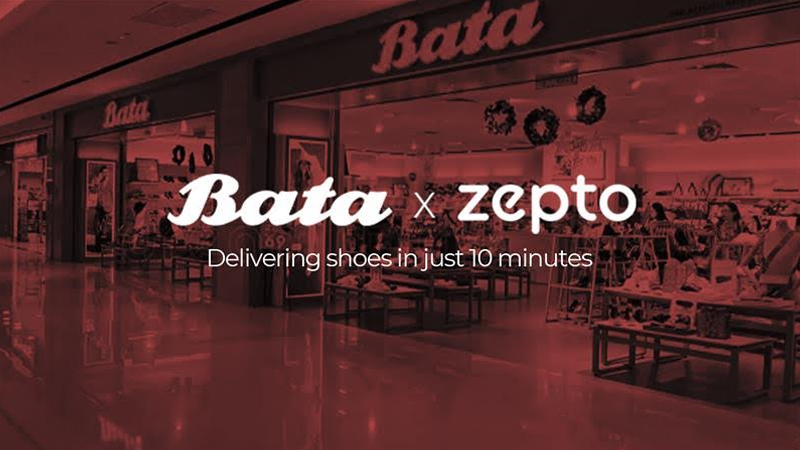
    With Bata India’s collaboration with Zepto, such worries could soon be a thing of the past. Bata India has teamed up with the quick commerce platform to deliver fashion and festive footwear to customers within minutes, marking a significant shift in how footwear is purchased in India.

    The partnership, launched in Delhi-NCR, leverages the growing quick commerce market, which has been expanding at a compound annual growth rate of over 4.5 per cent. It aims to cater to the rising demand for on-the-go shopping experiences, with plans to expand to major metropolitan cities across India. With an estimated 48 lakh weddings expected in the coming months, this initiative promises convenience for customers needing footwear at short notice.

    Bata India CEO Gunjan Shah expressed the importance of this collaboration saying, “At Bata, we’re constantly transforming & innovating to meet the needs of our customers, and our partnership with Zepto marks a significant step in that journey. We wanted to strengthen our omni-channel presence to ensure that customers can shop for our stylish and high-quality footwear in the way that best suits them—whether online, in-store, or now, with rapid doorstep delivery. Today’s consumers seek the convenience of having everything delivered to them, and this collaboration perfectly aligns with our mission to enhance accessibility.”

    Zepto CEO Aadit Palicha echoed similar sentiments saying,“We are excited to partner with India’s leading footwear brand, Bata, and bring their stylish & comfortable range of footwear to our customers at lightning speed. This collaboration is all about convenience, speed, and making a wide variety of styles available to our consumers. We are united in our goal to enhance the shopping experience, redefining how quickly people can access stylish and quality shoes, making it easier for them to express their personal style on the go.”

    The partnership underscores Bata’s commitment to adapting to the evolving retail landscape, ensuring its customers have seamless access to a wide range of stylish and comfortable footwear options at their convenience.

  • “I’ve always prioritised practicality and quality over aesthetics:” Fashion designer Ravi Bajaj

    “I’ve always prioritised practicality and quality over aesthetics:” Fashion designer Ravi Bajaj

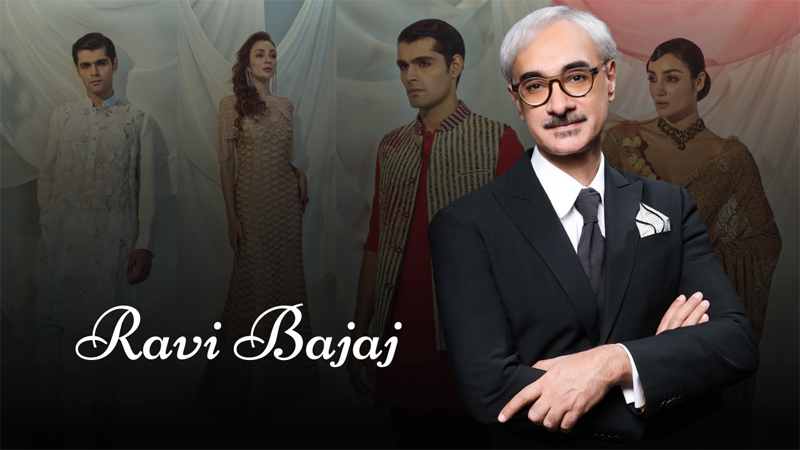
    Mumbai: Ravi Bajaj, often referred to as the “Armani of India,” has profoundly influenced the Indian fashion industry with his innovative designs and commitment to quality. Inspired by fashion since the age of 15, Bajaj embarked on a journey to transform haute couture in India. His path led him to the prestigious American College in London, where he honed his skills and developed a keen eye for style.

    From launching the groundbreaking ‘Cocktail Sari’ in 1991 to introducing the accessible ‘Raviver’ line in 1997, Bajaj has consistently bridged the gap between traditional and modern fashion. With a design philosophy that prioritizes minimalism and practicality, Bajaj continues to inspire through his meticulous craftsmanship and diverse creative influences.

    Indiantelevision.com caught up with founder & fashion designer Ravi Bajaj to learn more about his fashion design journey and gain deeper insights into his label.

    Edited Excerpts:

    On your inspiration to venture into fashion designing

    My inspiration to venture into fashion began when I was about 15 or 16 years old, an era influenced by iconic bands, the glitz of “Saturday Night Fever,” and vibrant cultural scenes. I was captivated by the unique styles and costumes these influences spotlighted.

    During this time, we often hosted private parties at home, which became my playground for fashion experimentation. Every weekend, I would design a new shirt or outfit from unusual fabrics. I scoured markets for inexpensive yet striking materials like lining taffeta with its beautiful shine. Collaborating with a tailor, I brought my visions to life, creating distinctive and interesting pieces each time.

    My creations didn’t go unnoticed. People appreciated my unique style, and friends encouraged me to take my passion seriously. Their support and recognition fueled my desire to pursue fashion, setting me on the path to becoming a fashion designer.

    On the key elements that define the Ravi Bajaj label’s aesthetic, and its differentiating aspect from competitors

    The Ravi Bajaj label is defined by its commitment to minimalism and wearable luxury. I firmly believe that “less is more,” and that achieving minimalism, while seemingly simple, is much more challenging than mastering maximalism. My design philosophy centers on creating pieces that embody practicality and sophistication.

    Unlike many Indian designers who often embrace a “more is less” approach, my focus is on balancing creativity with functionality. I value creative expression, but I am always willing to temper my designs to ensure they remain practical and wearable. This approach sets the Ravi Bajaj label apart in the Indian fashion industry, emphasising both elegance and everyday usability.

    On the creative process behind the iconic ‘Cocktail Sari’ introduced in 1991, and ‘Raviver’ launched in 1997, and the impact it had on the Indian fashion market

    The creative process behind the iconic ‘Cocktail Sari,’ introduced in 1991, and ‘Raviver,’ launched in 1997, reflects my journey from designing Western styles to redefining Indian fashion. Initially, my career focused on European-style clothing for both men and women. At that time, Western silhouettes were not widely embraced by Indian women, who preferred traditional Indian suits and silhouettes.

    However, I noticed that while women appreciated the tailored gowns and Western styles I offered, they sought to incorporate these elements into their traditional attire. This observation led to the creation of the ‘Cocktail Sari,’ which combined the elegance of a Western gown with the classic form of a sari. The fusion of these styles resonated deeply with my clients and became quite popular. The ‘Cocktail Sari’ marked a significant shift in the Indian fashion market, bridging the gap between Western and traditional Indian wear.

    In 1997, I launched ‘Raviver’ (meaning “revival” in French) in response to the limited fashion options available in India at the time. The fashion scene was dominated by small boutiques and a few multi-brand outlets, primarily in Delhi. ‘Raviver’ aimed to offer a more accessible and affordable line of fashion, designed for easy wear and broader distribution. By collaborating with Shoppers Stop, we ensured our designs reached a larger audience across major metropolitan areas. This marked a pivotal shift in the Indian fashion market, making contemporary fashion more accessible to the masses.

    On the designers and fashion houses who have influenced your work the most

    Throughout my career, several renowned designers have significantly influenced me. French designers, with their emphasis on taste and elegance, have shaped my aesthetic. Italian designers like Giorgio Armani have inspired me with their understated chic and universal appeal. From Japan, Yohji Yamamoto’s exceptional ability to structure garments with profound simplicity has left a lasting impression.

    Currently, I am particularly impressed by Gaurav Gupta, Rahul Mishra, and Amit Agarwal. Each of these designers brings a unique and individualistic approach to fashion that resonates with me. Their distinct perspectives and innovative designs continue to influence and inspire my work.

    On maintaining uncompromising quality while balancing traditional Indian elements with modern design in your collections

    Maintaining uncompromising quality while balancing traditional Indian elements with modern design comes naturally to me. From the early stages of my career, I have prioritised practicality and quality over aesthetics. For me, these principles are fundamental, and I ensure they are integral to my designs. By focusing on these core values, I seamlessly blend traditional elements with contemporary aesthetics, creating collections that are both visually appealing and highly functional.

    On your passions for art, culinary pursuits, and music influencing your fashion creations

    Food, art, fashion, and music all cater to the five senses—sight, sound, touch, smell, and taste—and together they nourish the soul. They influence my fashion creations by enriching the sensory experience and adding depth to my designs.

    On incorporating live singing into your fashion shows enhancing the overall experience for your audience

    Incorporating live singing into my fashion shows has created a unique and immersive experience for the audience. I take great pride in being one of the few designers to have done this. The idea emerged during the pandemic when live performances were limited. With the help of a musician friend who provided the music tracks, I was able to add a personal and memorable touch to the shows, making them truly special.

    On upcoming projects or collaborations in the pipeline, and your future plans for the brand

    We’re thrilled to be working on a new wedding wear label, set to debut in November 2024. This upcoming collection promises to bring a fresh and captivating twist to bridal fashion.

  • $359 million powerhouse Sportking goes digital: E-commerce & pan India expansion

    $359 million powerhouse Sportking goes digital: E-commerce & pan India expansion

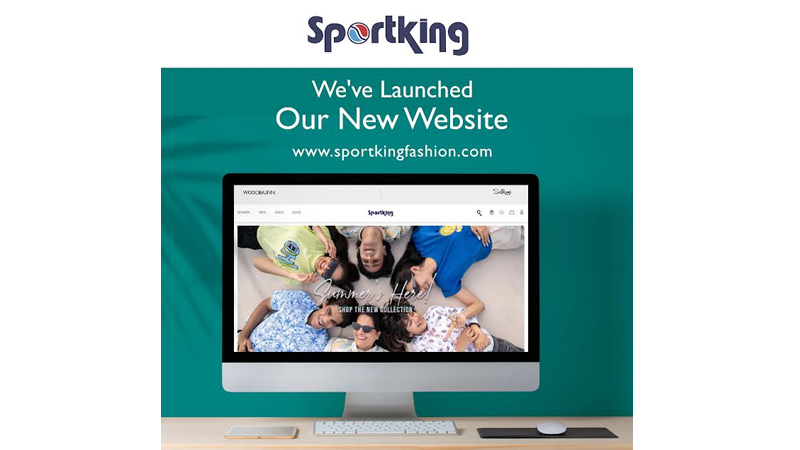
    Mumbai: Sportking, a leading vertically integrated textile brand in India, has recently launched their first ever e-commerce platform for a country wide expansion, following 27 years of excellence and strong presence in Punjab, Jammu & Kashmir, and Haryana. The brand which has more than 100 successful stores within these states has set its sights on reaching customers across all of India with this exciting e-commerce launch.

    Sportking prides itself in the highest standard for making cloth and its state-of-the-art manufacturing facilities equipped with the latest machinery. The company’s dedication to innovation has resulted in a wide range of yarns that are popular all over domestically. Sportking embraces digital technology to transform every aspect of their business and makes use of algorithms and technological advancements like Google My Business or other AI – powered tools that will not only personalise product recommendations but will also create a seamless and better customer experience. The company has resulted in an annual turnover of Rs 2500 crore – 3000 crore ($359 million), while still being a significant player in the Indian textile industry.

    Sportking has carved a niche as a family-owned brand offering high-quality, aspirational clothing at cost-effective prices. Sportking founded in 1977 the company has grown from a one-room set-up to a multi-crore enterprise under the leadership of three generations of the Avasthi family. Sportking prides itself on its vertically integrated approach, as it means weaving own designs into reality from start point until finishing line so that customers get what suits them best price wise and therefore quality wise as well.

    “For 27 years, Sportking has established a deep connection with communities in North India,” said Sportking’s MD Munish Avasthi. “Our commitment to quality and affordability has positioned us as a mass-premium brand, and we’re excited to bring that value proposition to a wider audience through e-commerce.”

    To know more, check out their latest e-commerce website here: https://www.sportkingfashion.com/

  • “Luxury market is to hit a $82 billion market by 2030”: Fashionv3rse’s Mithun Bhardwaj

    “Luxury market is to hit a $82 billion market by 2030”: Fashionv3rse’s Mithun Bhardwaj

    Mumbai: Fashion and luxury are undergoing a transformative journey, with sustainability, innovation, and consumer resonance at the forefront. In this dynamic landscape, The House of Fashionv3rse (THOF) emerges as a beacon of change, challenging traditional norms and redefining the premium retail environment in Bharat.

    Led by visionary Mithun Bhardwaj, THOF is not just a marketplace; it’s an ecosystem of powerful brands united by a commitment to quality, sustainability, and disruptive narratives. From democratising India’s manufacturing infrastructure to curating compelling in-house brands, THOF embodies a new era of luxury—one where innovation, technology, and aspirational values converge to shape the future of fashion.

    Indiantelevision.com caught up Fashionv3rse founder Mithun Bharadwaj to gain deeper insights on the brand’s genesis, future of fashion industry, its connection to LVMH and much more…

    Edited Excerpts:

    On envisioning the future of the fashion industry, particularly in terms of sustainability and innovation, and your brand’s alignment with these trends

    It is now obligatory to move towards sustainable practices, it’s not left to choices anymore. We are all responsible in every way to contribute, however we see this in-depth responsibility in the current format of many brands and especially marketplace models hence we decided to declutter the current clutter they have been building. We were more than ready to bring in an ecosystem such as ours to make a paramount change at large, first we don’t need so many products and brands just to fill in spaces and some underrated agenda of a marketplace but we need the right stories and brands which is there to fulfil a lifestyle need without being in abundance most of which is ideally useless, if you will pick up their data, you would realise how many of those products actually bring in the revenue, why build so much in the first place with no direct supply chain control and sell at deep discounts to entertain return and return by confusing a consumer and hence, a group of selected brands with complete control of supply chain was the first step followed by operating, going to operate with compliant factories which are fully equipped towards conscious practices and our narrative and categories themselves are an equivalent to conscious consumerism not only in the product but also in the buying and selling behaviour. We are going to call our cloud factories “craftsmen workshop” with ethical practices.

    On the evolving landscape of luxury and brands staying relevant in an ever-changing market

    Luxury market is to hit a $82 billion market by 2030, with Jio Plaza opening up to major global luxury brands, increasing credit penetration in India and many such factors, it is screaming for us to build homegrown premium brands, however when people launch brands, most of them launch it with an idea of inventory building rather it should be focused on deep rooted consumer connect and problem solving capabilities in some form, sales will become its by-product and inventories will be planned better. The spending capacity and demographic dividend and the traditional root of India being driven by a status quotient, it is all lining up well to give our consumers the right set of luxury which is also accessible for a larger audience and once you find your niche, you won’t struggle to stay relevant.

    On your inspiration behind embarking on the journey of creating THOF, and how does your vision for the brand differ from traditional fashion ventures

    It’s a mix of many factors, the most important of which was to upgrade both the brand eco-system and consumer offering. The industry has evolved, the platforms haven’t. Their innovation is limited to offering more discounted offers and adding more brands and killing the environment. They are all decades old. Again, there is a dire need for a vertically integrated platform and a group which dares to build an audacious vision. Circling back to fusing in the rich backend manufacturing infra of our country to the frontend consumer and bring them what they ship to global brands.

    Even the biggest of the export houses are doing millions of dollars of revenue are job workers for international brands feeding and funding the west everyday unknowingly and knowingly and here we are more than ready with our appetite for consumption which is being spoilt everyday by people not thinking big and entering just watching shark tank India with no agenda to bring in change but get valuation and funding as an ultimate goal. Such major loopholes helped us channelise THOF as a game changer.

    On THOF’s “Ghost factory” model and its democratisation of India’s manufacturing infrastructure while maintaining a focus on sustainability and quality

    Ghost factory aka cloud factory model is one of the most interesting part of our backend supply chain. When you partner or bring in a large compliant factory producing millions of pieces as your confounding team, you have chances of being lost as a new kid on the block in that unit. We were cautious of such an outcome, also technology works the best in an environment built to control the supply chain and since we are integrating blockchain for traceability and sustainability, the cloud factory set-up inside a compliant factory made a lot of sense from every perspective.

    On an in-depth understanding of LVMH and its connection to THOF

    LVMH is one of the largest and richest group in the whole world. We are all talking about Thrasio model or Mensa brands or house of brand etc, however these guys did it back in the day, they launched primary brands and acquired the rest, build a platform with over 75 brands today catering to lifestyle categories, it’s a beautiful business model if decoded, but one has to stick to the whole playbook and thesis of what they do and how they do it. They do not sell products, they sell status and aspirations, it isn’t just about the price point, it is the innovation and concept which plays the hero and that’s what intrigued us the most.

    India is ready in every form to have a structure as such, we cannot go back in time and spend 100 years as them to build legacy brands but we can build brands which can turn into legacy as today, in the digital era , we literally follow dog years. So, we are targeting all the categories that LVMH captures today, that is, fashion & lifestyle, alcobev, diamonds and beauty and hence we have concocted strong beautiful narratives in our brand portfolio with very strong and powerful brand names.

    On THOF’s purpose-led approach resonating with consumers, especially Gen-Z and Millennials, and contributes to the brand’s success

    Today consumers aren’t searching for products, they are searching for something in the product and that something is what we are creating. The youth is aware, today someone sitting in New York and Kanpur are literally watching the same content at the same time, the differential is the accessibility to acquire the same products today, that is what we are here to bring in and solve that aspirational quotient by building it into reality. The brands are an in-house portfolio, each one of them are concocted to cater to different senses of a human desire and want. We see a lot of need based products in the market today, unlike we are going to fulfil the “want”.

    On THOF comparison to cricket formats like test matches, one-day cricket, and the IPL

    IPL is the most intriguing format of cricket. It fuses entertainment with sport, hence we say Amazon & Flipkart are like the test matches, the first format of e-commerce industry who got the ball rolling, Myntra, Ajio & Nykaa, are like the one day cricket, which upgraded the lifestyle of the consumer and now THOF is the IPL which is going to disrupt by building a community of successful people consumed by those who would love to be successful and practice and manifest it from today. Every brand of THOF is like a team of IPL, with its own narrative, strength, strategy, determination, energy and people from multiple advents of industry and co-owning it with us to multiply the power of each brand and bring in their expertise.

    On THOF’s attempt to change the way people in India think about luxury by using technology and innovation behind the scenes, similar to big brands like Balenciaga, Amiri, Off White, Cartier, Hermes, and Tiffany’s

    It’s simple, luxury isn’t defined by price points, luxury is to have the right products, & THOF is going to offer the best products and statement pieces. With the integration of tech into product and understanding the playbook of these global brands, THOF is all set to disrupt and build India’s brands with global impact.

    On your plan to reshape the premium retail environment in Bharat and ensuring the products you provide resonate with the values and aspirations of today’s youth

    We are all set to democratise the rich backend manufacturing infrastructure as we have deeply penetrated in the area & guess what, the infusion of the same with is topped with some super interesting brand concepts, statements & aspiring product lines which is the key to disruption. Our firm grip on creates and storytelling, is further enhanced by our innovative “ghost | cloud factory” model which is termed as “Craftsmen Workshop “, which has transformed the way we execute this vision. Our in-house brand concepts are exceptionally compelling & by harnessing a fraction of your existing capacity, we are set to catalyse exemplary revenue growth within a few short years, culminating in a remarkable consumer community. We are here to exclusively feature in-house brands under one ecosystem, each with its own captivating narrative. This model, combined with our “variable Asset Light” approach, sets us apart as a venture with enormous potential which will lead to great profitability as well.

    As mentioned above THOF is going to be vertically integrated with control over the supply chain, pricing, designs, innovation, tech and the operations by democratising the rich backend infra of our country to front-end consumers. Reshaping the premium market in every way possible by capturing a large pie of the market cap.

    On Mithun Bhardwaj’s leadership transforming Fashionv3rse into a unique marketplace, distinct from traditional retail platforms

    Delhi has been famous to produce great minds and personalities such as SRK in his domain to Virat in his… Mithun Bhardwaj comes from the similar genre of personality but in the fashion & lifestyle industry, said by many veterans and advisors around. He is a commercially patriotic mind with a great mix of business brains and remarkable creativity. His vision is crisp and clear and so is the business model. THOF isn’t a marketplace selling many brands and products, THOF is an ecosystem of powerful brands backed by a robust supply chain control with a bold narrative and vision and only a true leader can dare to challenge the status quo and shatter the traditional definition by exhibiting brilliant theories under one roof.

  • Chandrika Raamz marks a decade of success

    Chandrika Raamz marks a decade of success

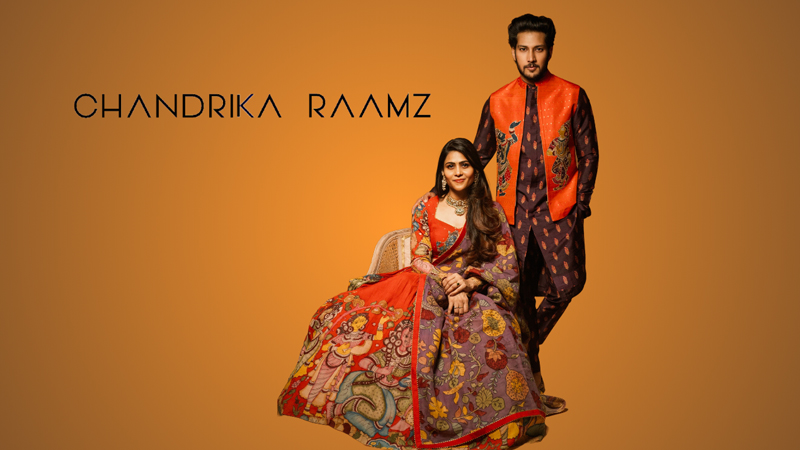
    Mumbai: Chandrika Raamz, the leading luxury menswear brand helmed by visionary designers Raamz and Chandrika, celebrates a decade of sartorial excellence. Over the past ten years, Raamz has cultivated an impressive portfolio, garnering a loyal clientele that includes A-list celebrities like Mahesh Babu, Allu Arjun, Ramcharan, Junior NTR, and Dulquer Salmaan, alongside renowned figures like the KCR family and also worked legendary actors like Rajnikanth, Chiranjeevi, Nagarjuna, and Balakrishna.

    Raamz’s and Chandrika’s dedication is further reflected in the brand’s recent summer collection, “Swinging City.” This playful collection, featuring bold colors like red, black, and white, showcases Raamz’s ability to seamlessly blend traditional with contemporary flair.

    Their designs have not only graced the esteemed Lakme Fashion Week runway twice but have also redefined luxury menswear in India. Chandrika Raamz caters to the discerning gentleman, offering a meticulously crafted selection of menswear that transcends fleeting trends. The brand boasts a comprehensive collection, including Dhoti Sets, Kurta Sets, Jodhpuri Sets, Shirt Sets, Sherwanis, Indo-Western pieces, and Jacket Sets. Each garment is a testament to Raamz and Chandrika’s unwavering commitment to quality and intricate design, resulting in timeless sophistication. For the younger generation, Raamz Jr., a dedicated line for boys, offers exquisite Kurta Sets, ensuring that fathers and sons can experience the Chandrika Raamz legacy together.

    Raamz and Chandrika’s dedication extends beyond flawless tailoring. Chandrika Raamz is a brand built on a foundation of unwavering dedication. Through sheer hard work, unwavering consistency, and countless sacrifices, both of them have established a label that commands respect and admiration within the industry.

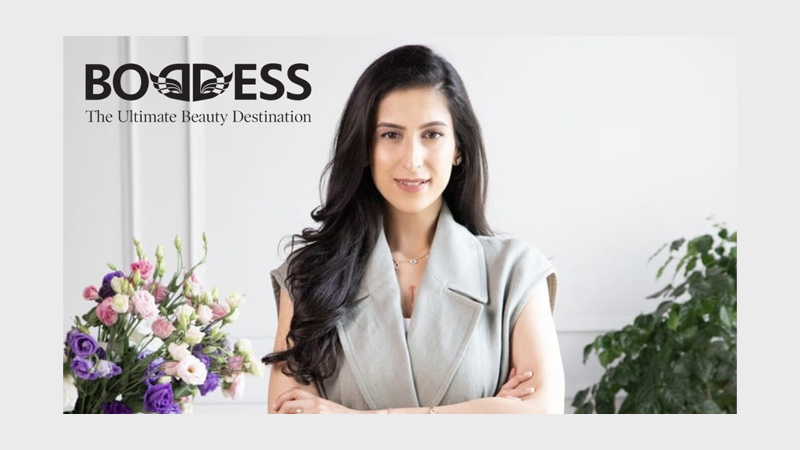
  • “We wanted to create a brand for Indian body skin concerns”: Boddess Beauty’s Mansi Sharma

    “We wanted to create a brand for Indian body skin concerns”: Boddess Beauty’s Mansi Sharma

    Mumbai: Born during the pandemic, Boddess Beauty has emerged as a dynamic force in the beauty and wellness industry. Founded by entrepreneurs Mansi and Ritika Sharma, this beauty and wellness platform boasts a diverse portfolio of 100 plus renowned brands. Committed to empowering every woman, they recently introduced their own label ‘The Honest Tree,’ a clean and vegan bath & body brand.

    With a blend of curated products, offline & online platforms, and strategic collaborations, Boddess emerges as a beacon of resilience, with Mansi Sharma leading creative endeavors, setting new benchmarks in the ever-evolving beauty landscape.

    Indian Television caught up Boddess Beauty co-founder and creative director Mansi Sharma to gain insights into her entrepreneurial journey, on the launch of ‘The Honest Tree’, AR/VR playing a role in enhancing the beauty shopping experience, and much more…

    Edited Excerpts:

    On the inspiration behind embarking on the entrepreneurial journey of creating Boddess Beauty

    Boddess was the product of a deep love for beauty technology and a passion for making beauty brands available to a pan-India audience; not just in major tier one cities. Back when we started we realised that the Indian consumer has both the appetite and the curiosity for experiencing world-class beauty products and brands, but insufficient access. Through our years of experience in the industry, we curated a collection of top skincare, makeup, body care, fragrance & accessories brands to bring to the Indian consumer.

    On the key challenges Boddess faced during its launch in the pandemic, especially in the beauty and wellness industry, and how did the brand successfully overcome them

    As an omnichannel platform we were lucky to be able to tap into our online community when malls and public spaces were shut down. We also noticed a shift from makeup to a deeper penetration in skincare, hair care and eye makeup as growing categories as they catered to demands of the time. Every crisis brings with it an opportunity; these were just a few of the many opportunities we were presented with during the pandemic.

    On the creation of your private label, ‘The Honest Tree,’ and its differentiating aspect in the market

    With a deeply entrenched philosophy of growing premiumisation and more importantly personalisation, we wanted to create a brand for Indian body skin concerns, based on the reality of India’s extreme climates, pollution levels and harsh sun exposure. After studying the market, we realised a lot of local Indian brands focused solely on face care, and most highly efficacious body care products came from abroad and at a high price. After almost a year of experimentation, studies, and trials we came out with a line that provides a luxurious body care experience, catering to Indian/South Asian skin concerns at an attractive price point. Our first-of-its-kind back-acne lotion targets a niche but widely experienced concern of body/back acne that prevents consumers from exposing their body skin confidently. The response we’ve gotten is extremely gratifying for it, and this is just one of twenty-one state-of-the-art SKUs in our collection.

    On the collaboration with Netflix’s “Kho Gaye Hum Kahan” and partnerships with entertainment industry projects aligning with Boddess’ brand strategy

    The collaboration has a very interesting story – I had a brief stint working with Tiger Baby Films during which I came across the script of KGHK and heard that the film was looking for a beauty brand partner. I felt that the film’s characters were a perfect match to our target consumer and introductions were made. The rest as they say is history.

    On seeing technology, such as augmented reality or virtual try-ons, playing a role in enhancing the beauty shopping experience

    It has gone from a ‘good to have’ to a ‘must have’ status among retailers at this point. With the advent of e-commerce and online shopping having means of experiencing products and brands without having to physically be present is becoming increasingly important whether that is in fashion or beauty. However, one must note that by no means do these technological advances replace the in-person shopping experience completely. Our loyal e-commerce customers still love swatching, trying and playing with our products before they purchase. Virtual try-ons and augmented reality exist to complement the overall 360-degree retail experience instead of replacing any format.

    On Boddess Beauty maintaining a balance between offering a diverse range of beauty products from renowned brands while ensuring affordability for a wider consumer base

    Our selection of brands and products extend themselves right from premium to masstige and mass, but we are very selective based on product efficacy, brand ethos and consumer demand. We understand that India, being an extremely price-sensitive market is also an extremely aspirational market, with every consumer having the desire for premiumisation as well as personalisation. Therefore, it’s essential to provide a brand curation that leaves the customer inspired.

    On your role as creative director at Boddess Beauty, shaped by international experience, contributing to reshaping beauty standards, combating ageism and colorism, and promoting inclusivity in the Indian beauty industry

    I don’t think a world of beauty exists for us in which we are not redefining what it means to be beautiful, feel beautiful and look beautiful. From a very young age beauty has meant happiness for me. I want women and men alike to feel happy in their own skin, with makeup and skincare available as tools for them to enhance that happiness. Our campaigns with female doctors, technicians and several other inspiring figures have shed light on the beauty that comes with empathy, service and empowerment.

    On Boddess Beauty’s future expansion plans, both in terms of product offerings and market reach

    We have just launched two exciting new brands – Max Factor and The Honest Tree (our own body care label) with a few other major international brand launches in the pipeline. Stay tuned for brand announcements in the near future. In terms of our physical expansion, given the roaring response to our Itanagar store, we endeavour to be present in tier 2 and 3 cities wherein a large beauty footprint is still missing.