
Tag: Farex

  • “Sustainability is anticipated to become a non-negotiable factor in consumer choices”: Danone India’s Sriram Padmanabhan

    “Sustainability is anticipated to become a non-negotiable factor in consumer choices”: Danone India’s Sriram Padmanabhan

    Mumbai: In a world where health-conscious choices are gaining prominence, the need for better nutrition in our day-to-day lives plays a pivotal role in shaping our well-being. At the forefront of this global paradigm is Danone, a renowned food and nutrition company committed to pioneering solutions for a healthier lifestyle.

    Danone India, a prominent player in the food and nutrition domain, reflects the global ethos of its parent company, boasting a sales turnover exceeding 23 billion Euros and a workforce spanning across 57 countries. With a robust portfolio catering to adult nutrition, healthy aging, and child-toddler nutrition, Danone India embodies a fusion of global expertise and local nutritional aspirations.

    Indiantelevision.com caught up with Danone India marketing director Sriram Padmanabhan to discuss the brand’s entry and sustainability efoorts in India, the impact of nutritional drinks on children’s diets, and much more…

    Edited Excerpts:

    On Danone’s launch in India, and the brand setting itself apart in the competitive market

    Danone entered India in 2012. Driven by its mission to bring health to as many people as possible, Danone serves across life stages addressing significant health challenges with its power brands in Dexolac, Protinex, Farex and introduced its global brands Aptamil in 2017. We are committed to innovation, tailoring products to meet the unique nutritional needs and cultural preferences of each region worldwide.

    On Danone’s plan to demonstrate measurable impacts and transparency in its sustainability efforts in India, aligning with the ‘One Planet. One Health’ agenda?

    In line with the Danone Renew strategy, the company has redefined its sustainability journey, focusing on three pillars: health, nature, and people & communities. With a commitment to maximising impact, Danone’s priorities include delivering tastier and healthier food, promoting better choices, and investing in nutrition science. The overarching goal is to bring health through food, preserve nature, and enhance societal well-being. To achieve this, we implement robust monitoring and evaluation systems that track key sustainability metrics across our operations. We prioritise initiatives that not only mitigate environmental impact but also promote societal well-being, such as reducing carbon emissions, conserving water resources, and fostering community engagement.

    On research and development influencing Danone’s approach to product development and innovation in India

    The increased focus on research and development has allowed us to address the unique needs and preferences of Indian consumers. Through R&D, we have introduced products tailored to local tastes while upholding Danone’s global standards of quality and nutrition. We conduct India-specific research and development to ensure our product is tailored to local nutritional requirements. This enables us to continuously enhance and localize our product offerings and contribute meaningfully to the well-being of Indian consumers and the planet.

    On the unique features or benefits that AptaGrow offers to children aged three to six years

    AptaGrow is a scientifically designed health drink that addresses the nutrition requirement of children in the age group of three to six years. With 37 nutrients that contains a unique blend of prebiotics which help in better absorption of vital nutrients essential to support growth, brain development and immunity. It has 100 per cent milk protein and calcium to support height gain, Vitamin A, C, D to support immune health and DHA, iron, folic acid & iodine to support brain development, while the unique blend of prebiotics supports absorption of the essential nutrients. This low-fat, chocolate/vanilla-flavored drink serves as an ideal choice for promoting healthy growth and overall development in children. We have also introduced a first-of-its-kind tool – Aptagrow Growth Chakra, to help mothers measure and understand her child’s holistic growth needs. This tool not only measures the child’s height, weight but also immunity, brain development and overall well-being.

    On Danone’s response to skepticism regarding the need for specialised products like AptaGrow versus promoting whole foods for children’s nutrition, considering the ongoing debate on the influence of nutritional drinks on children’s diets

    While nutritional drinks aren’t substitutes, they serve as valuable additions to children’s diets, fostering overall health and wellness. While we recognise the importance of a well-balanced meal, we also understand that consistently meeting the nutritional needs of your child sometimes might be a challenge.

    Therefore, we launched AptaGrow a scientifically designed milk drink that addresses the nutrition requirement of children in the age group of three to six years. With 37 nutrients it contains a unique blend of prebiotics which help in better absorption of vital nutrients crucial to support growth, brain development and immunity. It has 100 per cent milk protein and calcium to support height gain, Vitamin A, C, D to support immune health and DHA, iron, folic acid & iodine to support brain development, while the unique blend of prebiotics supports absorption of the essential nutrients.

    On the recent revamp of Protinex positioning Danone to maintain its market leadership in India’s adult nutrition sector and on digital strategies complementing this rebranding initiative to enhance customer satisfaction

    Since its inception in 1957, Protinex has been a prominent player in the field of adult nutrition in India. Over the past 65 years, Protinex has earned a strong reputation as a trusted and reliable brand, consistently delivering optimal nutrition to its consumers. Notably, Protinex has emerged as the leading brand in the adult nutrition segment. The recent brand revamp has been envisaged to further strengthen the brand relevance and build affinity across age segments while maintaining brand premium-ness with differentiated health benefits, greater quality, and taste across variants.

    Recognising the immense reach and influence of digital platforms, we aim to harness its potential to connect with our target audience effectively. By incorporating social media into our media mix, we engage consumers, share informative content, and foster meaningful conversations around health and nutrition, thereby amplifying the impact and strengthening our brand relevance.

    On the trends in consumer behavior that you foresee in 2024, particularly in relation to health consciousness and nutrition preferences

    In 2024, consumer behaviour is poised to reflect a heightened emphasis on holistic well-being, encompassing not only nutritional considerations but also mental and emotional health. The trend of viewing food as a holistic solution for overall wellness is expected to persist, with consumers seeking products that not only address nutritional needs but overall development. Moreover, the integration of technology into personalised nutrition plans is expected to become more mainstream, empowering consumers to tailor their dietary choices based on individual health conditions, preferences, and lifestyle.

    Sustainability is anticipated to become a non-negotiable factor in consumer choices, with a growing preference for products from brands that emphasize sustainable practices, eco-friendly packaging, and transparent supply chains. By staying attuned to these evolving consumer trends, brands and manufacturers can strategically position themselves to meet the changing demands of health-conscious consumers.

    On your vision and mission for the next three years

    At Danone, our global mission is “bringing health through food to as many people as possible.” We are committed to continually innovating and providing products and services that align with the nutritional requirements and expectations of consumers throughout their life stages. Our focus is on addressing local nutritional needs and promoting healthier eating habits among Indian consumers. Sustainability is at the core of our operations; we strive to reduce environmental impact while fostering inclusive growth across our supply chain. We are dedicated to making a positive impact on the health and well-being of Indian communities while upholding the highest standards of sustainability and social responsibility.
  • Mumbai dabbawallahs help Protinex carve new brand identity

    Mumbai dabbawallahs help Protinex carve new brand identity

    MUMBAI: It is a challenge for any brand to bust myths around itself that it once thrived upon.

    If one were to wake up one fine day and discover that their favourite face-wash brand can also be used as a kitchen cleaner, consumers would hardly buy it; (pun intended). Categories exist for reason, after all. Breaking away from this typecast in the marketing world is one of the biggest challenges a brand can take on. And yet, if it’s done right, the returns are promising. Nutrition and wellness label Danone Nutricia’s Indian marketing director Himanshu Bakshi can testify to that.

    Protinex was by and large a heritage brand; been around in the country for some 60 years now and is well known among its niche consumer in the medical circle. Historically the brand has always been prescription driven, which is to say its sales was driven through doctor recommendations and prescriptions. Around three years ago when Danone Nutricia acquired Wockhardt Group, brands such as Dexolac, Farex, Nusobee and Protinex brands, came under its purview and kindled a scope for Protinex to enter the over the counter market.

    “That is when we decided to take our brand OTC, or over the counter,” recollects Bakshi. When you think about it, Protein in itself doesn’t require doctor’s prescription per say to be consumed, and it is a requirement for everyone.

    To ensure that their thought process was backed by facts,  Protinex did a huge round of consumer research. What came out of it was that people knew what protein is, people knew what Protinex is, but they weren’t aware why they should consume it without being asked by a doctor. “Clearly, we realised that the relevance of protein in everyday life was missing among the consumers,” Bakshi remembers.

    There were lots of myths associated with the product, the primary one being its use for body builders. Several assumed that if they were not into body building, protein and Protinex didn’t concern them.  There were also those that believed that Protinex was limited to specific occasions, such as when one is recovering from any sickness.

    “To test the waters, we did a pilot campaign in south India starting with Andhra Pradesh back in 2014. It did exceedingly well for us in that market, both in terms of brand awareness and shelf life of the product in retail stores. Following which in 2015, we went all out with our national campaign including, television ad spots, newspaper visibility, out-of-home campaigns and of course digital,” shares Bakshi.

    While Taproot Dentsu has  the brand’s creative mandate, GroupM has managed the planning and buying of all media for Protinex as its media agency ever since.

    The first campaign was straightforward awareness building on the brand’s part that laid down facts and figures on protein deficiency in the country, upholding it as an issue that affects the everyday consumer. The campaign touched upon the fact that common illnesses like fatigue and weakness can be tied down to deficiency of adequate protein in one’s everyday diet.

    The brand custodians claim that it was not only a first time for Protinex reach out to consumers directly through TV, radio, print and digital, but the campaign was a novelty in the category itself.

    But grabbing the retail consumer’s attention was just the start of the multifold challenge that the brand and its marketing team was taking on. “Gaining penetration in a market like this isn’t an easy task. It takes time and consistent effort through brand communication. We did make inroads when it comes to adoption figures going up as gathered from our sales study in the areas where the campaign did well,” states Bakshi.

    He, however, has no qualms in facing the reality that when the overall health food and food supplements market is looked at — which is dominated by the Horlicks’ and Complans of the world– Protinex has a long way to go.

    Where in comes the need for a differentiated communication that will cut above the noise. The brand’s second campaign is a sea removed from what it attempted at first to generate awareness. It was more about building unique brand identity than educating consumers.

    “Generally health and wellness is considered a boring category and not much innovation is seen when it comes to marketing it. People don’t really tweet and share about it as enthusiastically as they would for an automobile brand for example. Therefore the key to it is to create a point of engagement.  If you look at the campaigns done in the category so far, every brand is talking about ‘kids growing taller and smarter.’  Claims are really overdone. A plain vanila ad on health will just not cut it, especially for us, because we are still very small when it comes to market share. That is why we have willed ourselves to think out of the box and come up with truly engaging ideas, including the involvement with Mumbai dabbawallahs,” Bakshi says, referring to its  latest campaign.

    Having said that, the current ongoing campaign is a bud up on the first one. “While the first campaign was very functional in nature, the second is way more engaging for the consumer. We have blended in fun elements along with indian values, so that the consumers can relate and own the message. Above all the message shouldn’t sound like a sermon, if we wanted consumers to listen,” he says.

    “We took the insights from our study that ä huge chunk of the Indian demography has a deficiency in protein, and instead of outright saying it in their face, we took a queue from the fact that most people think it’s good enough. We built the campaign ‘something missing’ around it using the dabba or the Indian lunchbox as the key visual for it,” Bakshi explains.

    public://b2ac5787-02d6-4fd1-bf19-5be51ca2d1c8.jpg

    It started with a teaser for the first few days on the major news channels on TV, followed by visibility at bus shelters. The most innovative was the involvement of the Mumbai dabba wallas in the campaign. The scale at which the campaign is being attempted is a first for the brand, and therefore overwhelming but it feedback makes it worth it,  Bakshi says.

    Currently the campaign has been launched nationally and an entire 360 degree conversation has been chalked out which includes TV spots, radio spots, print coverage and digital penetration through various social media and VOD platforms.

    When it comes to buying media on television news channels are the preferred genre for the brand given its target audience and its limited penetration in that market.

    “We have been sponsoring news shows on Times Now, for example, for News Hour. Apart from that we have been buying slots in India TV and some regional news channels as well, “ reveals Bakshi.  “Given the male-female skew to the brand, we also buy slots in GECs to cater to the housewives in the target profile. We are also somewhat present in sports channels, although we don’t go overboard with it as the intention remains to make Protinex a mainstream consumption product rather than niche consumption by sports enthusiasts.”

    Based on the same analogy, the brand has looked away from roping in a sports celebrity to endorse its product as well, as it doesn’t want to just build a niche consumer base for itself.

    A key touch point of the campaign is out-of-home engagement with consumers which includes billboards and on-ground activations at malls and other retail points.

    public://6a941750-e9b7-4fd6-acc1-cac8a8268e2f(1).jpg

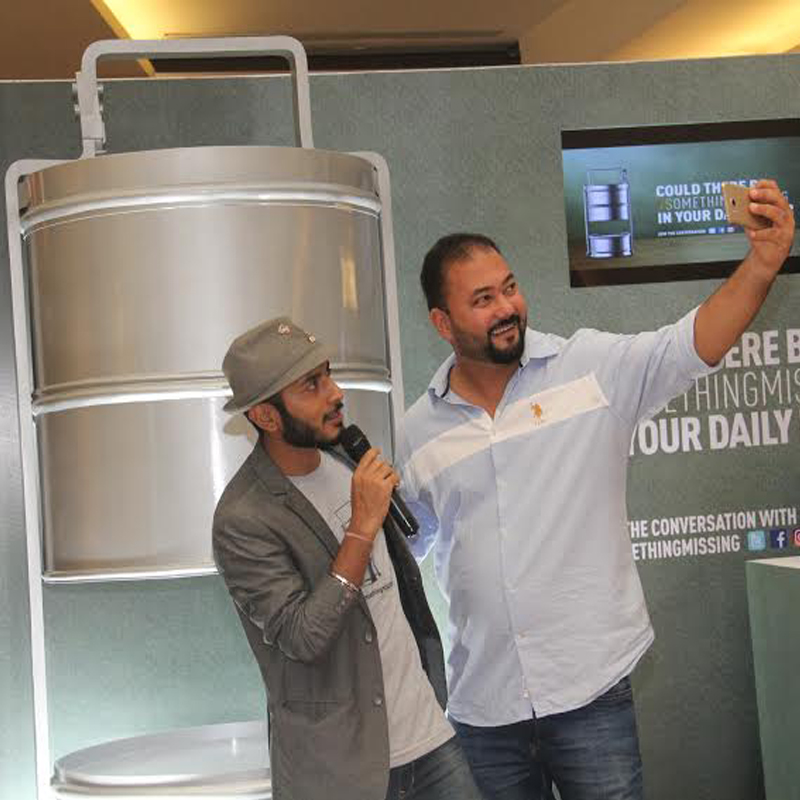
    The mall activation was tied to the brand’s digital initiatives, where the brand encouraged mall goers to click selfies with their  dabbas against the giant lunchbox installations. The campaign garnered a fair amount of traction for the brand on social media.  “Apart from this we are also tying up with few airlines to reach out to the captive audience onboard flights,”  Bakshi adds.

    public://IMG_5446.jpg

    As per Bakshi, digital has proven to be a useful media for the brand.  “We have realised since last year that digital has become one of the primary mediums for us especially in terms of getting feedback and therefore, even our digital ad spends have doubled since last year. Apart from social media, we are also exploring multiple avenues of engagement with our consumers digitally. For example we have an advertising tie up with Hotstar as well,” he informs.

    Currently for Protinex, the digital ad spends constitute 10 to 15 percent of its total advertising budget for this financial year.

    It is not just the company’s internal benchmarks that hint at the definite ROI from the campaigns, but also how the campaign has impacted the brand on a  macroeconomic level. “Our consumption numbers,  household penetration numbers and share numbers show that our marketing efforts have been very fruitful in gaining new loyal consumers. While there was brand awareness initially, there were very few new trails that took place earlier. Post the campaign, we have gained many new trialists, and that helps in gaining new markets for the brand,” shares a confident Bakshi, while withholding from revealing any specific numbers.

    The brand has also expanded its footprint through sales by adding new outlets.  “When we were predominantly prescription driven, we were only available in pharmacies, but now we are largely available in groceries and with general merchants.”

    The scale at which the brand has attempted its latest campaign is albeit overwhelming for it, but  last year’s feedback and the high double digit growth rate as a result of the campaign has made it worth it for the brand. The brand custodians are hopeful that this campaign, which is to continue throughout the current financial year, would also help its market penetration as well as sales grow exponentially.

  • Mumbai dabbawallahs help Protinex carve new brand identity

    Mumbai dabbawallahs help Protinex carve new brand identity

    MUMBAI: It is a challenge for any brand to bust myths around itself that it once thrived upon.

    If one were to wake up one fine day and discover that their favourite face-wash brand can also be used as a kitchen cleaner, consumers would hardly buy it; (pun intended). Categories exist for reason, after all. Breaking away from this typecast in the marketing world is one of the biggest challenges a brand can take on. And yet, if it’s done right, the returns are promising. Nutrition and wellness label Danone Nutricia’s Indian marketing director Himanshu Bakshi can testify to that.

    Protinex was by and large a heritage brand; been around in the country for some 60 years now and is well known among its niche consumer in the medical circle. Historically the brand has always been prescription driven, which is to say its sales was driven through doctor recommendations and prescriptions. Around three years ago when Danone Nutricia acquired Wockhardt Group, brands such as Dexolac, Farex, Nusobee and Protinex brands, came under its purview and kindled a scope for Protinex to enter the over the counter market.

    “That is when we decided to take our brand OTC, or over the counter,” recollects Bakshi. When you think about it, Protein in itself doesn’t require doctor’s prescription per say to be consumed, and it is a requirement for everyone.

    To ensure that their thought process was backed by facts,  Protinex did a huge round of consumer research. What came out of it was that people knew what protein is, people knew what Protinex is, but they weren’t aware why they should consume it without being asked by a doctor. “Clearly, we realised that the relevance of protein in everyday life was missing among the consumers,” Bakshi remembers.

    There were lots of myths associated with the product, the primary one being its use for body builders. Several assumed that if they were not into body building, protein and Protinex didn’t concern them.  There were also those that believed that Protinex was limited to specific occasions, such as when one is recovering from any sickness.

    “To test the waters, we did a pilot campaign in south India starting with Andhra Pradesh back in 2014. It did exceedingly well for us in that market, both in terms of brand awareness and shelf life of the product in retail stores. Following which in 2015, we went all out with our national campaign including, television ad spots, newspaper visibility, out-of-home campaigns and of course digital,” shares Bakshi.

    While Taproot Dentsu has  the brand’s creative mandate, GroupM has managed the planning and buying of all media for Protinex as its media agency ever since.

    The first campaign was straightforward awareness building on the brand’s part that laid down facts and figures on protein deficiency in the country, upholding it as an issue that affects the everyday consumer. The campaign touched upon the fact that common illnesses like fatigue and weakness can be tied down to deficiency of adequate protein in one’s everyday diet.

    The brand custodians claim that it was not only a first time for Protinex reach out to consumers directly through TV, radio, print and digital, but the campaign was a novelty in the category itself.

    But grabbing the retail consumer’s attention was just the start of the multifold challenge that the brand and its marketing team was taking on. “Gaining penetration in a market like this isn’t an easy task. It takes time and consistent effort through brand communication. We did make inroads when it comes to adoption figures going up as gathered from our sales study in the areas where the campaign did well,” states Bakshi.

    He, however, has no qualms in facing the reality that when the overall health food and food supplements market is looked at — which is dominated by the Horlicks’ and Complans of the world– Protinex has a long way to go.

    Where in comes the need for a differentiated communication that will cut above the noise. The brand’s second campaign is a sea removed from what it attempted at first to generate awareness. It was more about building unique brand identity than educating consumers.

    “Generally health and wellness is considered a boring category and not much innovation is seen when it comes to marketing it. People don’t really tweet and share about it as enthusiastically as they would for an automobile brand for example. Therefore the key to it is to create a point of engagement.  If you look at the campaigns done in the category so far, every brand is talking about ‘kids growing taller and smarter.’  Claims are really overdone. A plain vanila ad on health will just not cut it, especially for us, because we are still very small when it comes to market share. That is why we have willed ourselves to think out of the box and come up with truly engaging ideas, including the involvement with Mumbai dabbawallahs,” Bakshi says, referring to its  latest campaign.

    Having said that, the current ongoing campaign is a bud up on the first one. “While the first campaign was very functional in nature, the second is way more engaging for the consumer. We have blended in fun elements along with indian values, so that the consumers can relate and own the message. Above all the message shouldn’t sound like a sermon, if we wanted consumers to listen,” he says.

    “We took the insights from our study that ä huge chunk of the Indian demography has a deficiency in protein, and instead of outright saying it in their face, we took a queue from the fact that most people think it’s good enough. We built the campaign ‘something missing’ around it using the dabba or the Indian lunchbox as the key visual for it,” Bakshi explains.

    public://b2ac5787-02d6-4fd1-bf19-5be51ca2d1c8.jpg

    It started with a teaser for the first few days on the major news channels on TV, followed by visibility at bus shelters. The most innovative was the involvement of the Mumbai dabba wallas in the campaign. The scale at which the campaign is being attempted is a first for the brand, and therefore overwhelming but it feedback makes it worth it,  Bakshi says.

    Currently the campaign has been launched nationally and an entire 360 degree conversation has been chalked out which includes TV spots, radio spots, print coverage and digital penetration through various social media and VOD platforms.

    When it comes to buying media on television news channels are the preferred genre for the brand given its target audience and its limited penetration in that market.

    “We have been sponsoring news shows on Times Now, for example, for News Hour. Apart from that we have been buying slots in India TV and some regional news channels as well, “ reveals Bakshi.  “Given the male-female skew to the brand, we also buy slots in GECs to cater to the housewives in the target profile. We are also somewhat present in sports channels, although we don’t go overboard with it as the intention remains to make Protinex a mainstream consumption product rather than niche consumption by sports enthusiasts.”

    Based on the same analogy, the brand has looked away from roping in a sports celebrity to endorse its product as well, as it doesn’t want to just build a niche consumer base for itself.

    A key touch point of the campaign is out-of-home engagement with consumers which includes billboards and on-ground activations at malls and other retail points.

    public://6a941750-e9b7-4fd6-acc1-cac8a8268e2f(1).jpg

    The mall activation was tied to the brand’s digital initiatives, where the brand encouraged mall goers to click selfies with their  dabbas against the giant lunchbox installations. The campaign garnered a fair amount of traction for the brand on social media.  “Apart from this we are also tying up with few airlines to reach out to the captive audience onboard flights,”  Bakshi adds.

    public://IMG_5446.jpg

    As per Bakshi, digital has proven to be a useful media for the brand.  “We have realised since last year that digital has become one of the primary mediums for us especially in terms of getting feedback and therefore, even our digital ad spends have doubled since last year. Apart from social media, we are also exploring multiple avenues of engagement with our consumers digitally. For example we have an advertising tie up with Hotstar as well,” he informs.

    Currently for Protinex, the digital ad spends constitute 10 to 15 percent of its total advertising budget for this financial year.

    It is not just the company’s internal benchmarks that hint at the definite ROI from the campaigns, but also how the campaign has impacted the brand on a  macroeconomic level. “Our consumption numbers,  household penetration numbers and share numbers show that our marketing efforts have been very fruitful in gaining new loyal consumers. While there was brand awareness initially, there were very few new trails that took place earlier. Post the campaign, we have gained many new trialists, and that helps in gaining new markets for the brand,” shares a confident Bakshi, while withholding from revealing any specific numbers.

    The brand has also expanded its footprint through sales by adding new outlets.  “When we were predominantly prescription driven, we were only available in pharmacies, but now we are largely available in groceries and with general merchants.”

    The scale at which the brand has attempted its latest campaign is albeit overwhelming for it, but  last year’s feedback and the high double digit growth rate as a result of the campaign has made it worth it for the brand. The brand custodians are hopeful that this campaign, which is to continue throughout the current financial year, would also help its market penetration as well as sales grow exponentially.