Tag: Fake News

  • 90 per cent of (9 out of 10) Delhi youth witness spike in fake news during elections

    90 per cent of (9 out of 10) Delhi youth witness spike in fake news during elections

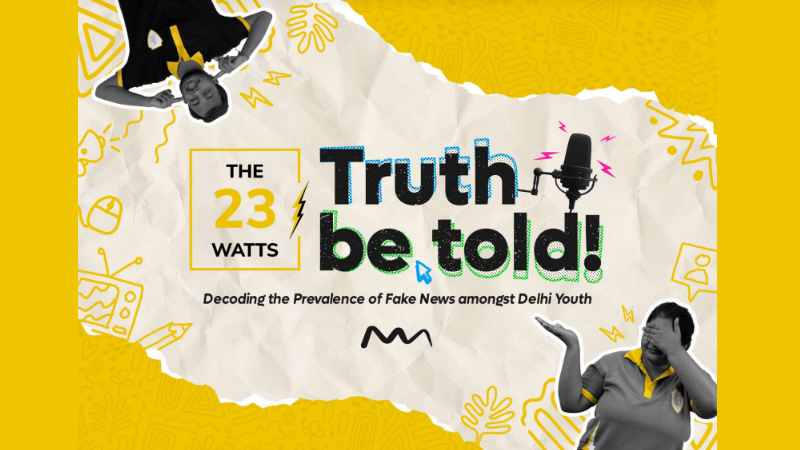
    Mumbai: Amidst the spread of misinformation in a digital age, The 23 Watts, a new age communication consulting firm, has released a report that explores the relationship between Delhi Youth, notably Generation Z (Gen Z), and ‘Fake news.’ The report titled ‘Truth Be Told’, examines how the digitally native Gen-Z perceive, consume and navigate the complexities of misinformation.  With over 1,200 respondents aged below 25 years, across Delhi-NCR, ‘Truth Be Told’ covers three broad areas: the influence of misinformation, the experience of coming across fake news, and the opinion of the youth about who is responsible for the Fake News epidemic.  

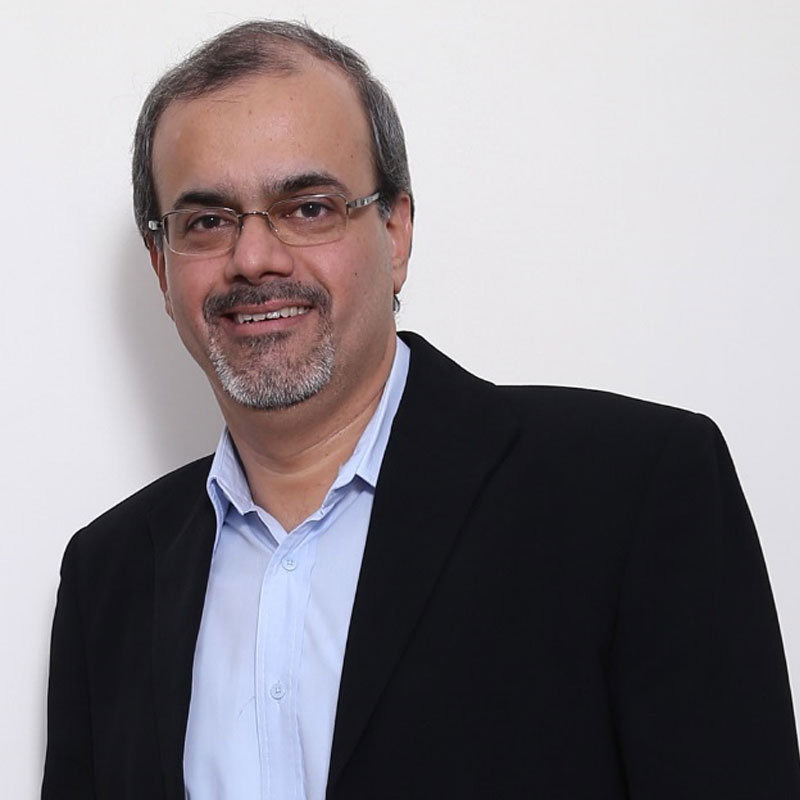
    The 23 Watts onboarded an external expert, Vijay Ganesan, former director-Analytics & Data Strategy, Europe at Kantar  to verify the methodology applied in the report, Kantar

    ‘Truth be Told’ also sheds light on the Delhi Youth’s social media behaviours, mindsets, and information-sharing patterns, revealing these factors’ impact on their decision-making processes. Released ahead of the General Elections in New Delhi, this report seeks to foster an informed and resilient Gen Z electorate as they play a crucial role in shaping the outcome.

    Some of the key highlights from the report include:

    ●    During national events like elections, 90 per cent of the consensus experiences an increase in fake news.

    ●    91 per cent believe fake news can influence voting decisions.

    ●    80 per cent of the population alters their perceptions and opinions based on fake news influence.

    ●    59 per cent of the consensus fall trap to sensationalism, leading them to share fake news

    ●    Although 95 per cent claim to authenticate news, 45 per cent have shared unauthenticated news later found to be fake.

    ●    Only 29 per cent of individuals authenticate information through fact-checking websites.

    ●    62 per cent of the Delhi Genz consensus believe that fake news not only misleads perceptions but also plays as a tool to mend and damage reputations

    ●    89 per cent believe the government needs to do more to prevent fake news, with 69 per cent suggesting stricter policies are necessary.

    ●    Approximately 66 per cent of the GenZ population relies on internet portals (YouTube, social media, messengers, online articles) for news consumption.

    Putting forth the vision behind the report, Tarundeep Singh, chief growth officer, The 23 Watts,  says, “Born into technology and raised with information at their fingertips, Generation Z is redefining political movements, religion, pop culture, national events, and more. With fake news being at the forefront of all major happenings in the nation, through The 23 Watts Insights Studio, we wanted to understand this shifting focus. The core of our effort is to map and mine the minds of the loud and proud Gen Z to understand the lasting shift in news consumption and the spread of misinformation.”

    The primary research also highlighted that 14 per cent of Delhi Youth tend to share sensational news, without fact-checking, and only based on conjectures. All findings from the report tie back to how the high on hashtags Gen Z is on the loose, and easily swayed by their feed.

    While sharing views on the report, Kantar former director-analytics & data strategy, Europe Vijay Ganesan said, “This research explores these themes in detail with an ideal balance with the Quantitative approach needed for a piece of reliable empirical evidence and equally complemented by in-depth insights unlocked through qualitative research to understand motivations and behaviours. It’s an evolving area of research and this is an attempt to demystify the larger community. I am sure it will unlock more and more such unknowns in its immediate future iterations.”

    In an unprecedented year for elections, out of all the risks, Fake News is one of the major threats that the youth of Delhi face today. The call for Government action is loud, with 48 per cent, demanding tighter policies, 16 per cent appealing for education campaigns to navigate these rough seas and 15 per cent advocating for national fact-checking as a solution. With a shared belief in the importance of digital literacy, the Delhi youth are calling for awareness campaigns and initiatives, arming themselves with knowledge to fight the tides of deception.

  • PIB’s fact check unit to track fake news for central govt (updated)

    PIB’s fact check unit to track fake news for central govt (updated)

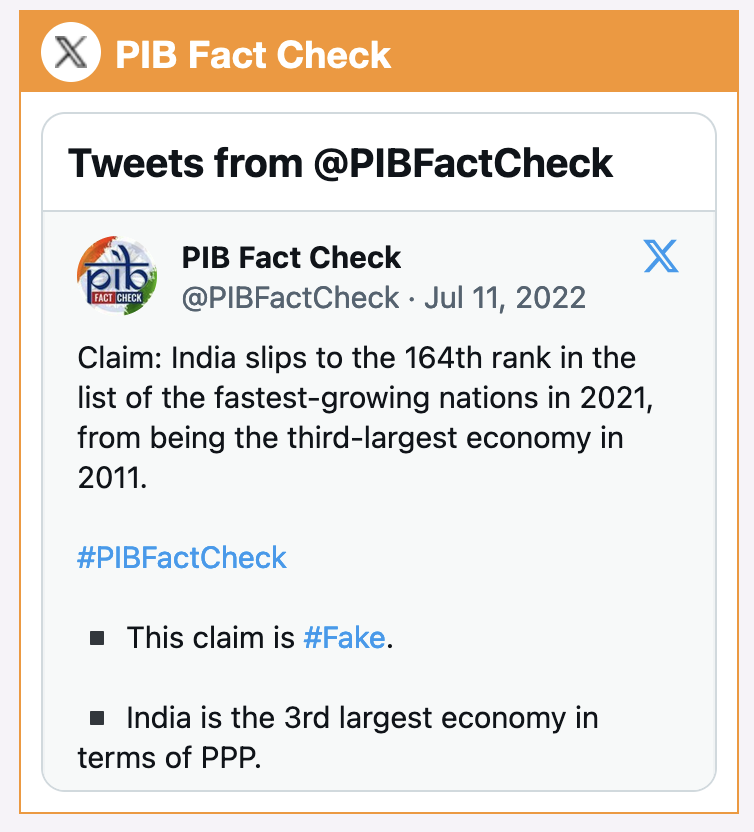
    MUMBAI:  Fake news perpetrators against the government in Delhi – whether on television, online or in print – had better watch out. The ministry of electronics and information technology (MeitY) along with the ministry of information and broadcasting has notified that the fact check unit (FCU) under the Press Information Bureau (PIB) shall be the central government’s watch dog. This has been done so under rule 3(1)(b)(v) of the of the Information Technology (Intermediary Guidelines and Digital Media Ethics Code) Rules, 2021 (IT Rules 2021). 

    Since November 2019, the FCU established under PIB has been effectively working with the purpose of tackling fake news pertaining to government policies, schemes, rules and regulations, programmes, initiatives, etc. Through an established rigorous fact-checking procedure, the PIB FCU’s goal is to help in dispelling myths, rumours and false claims, and provides accurate and reliable information to the public.

    Meanwhile in an update, the chief justice of India today stayed the notification of the FCU, stating that a challenge to the impugned rule involves serious constitutional questions. “The impact of rule on freedom of speech and expression will fall for analysis by the high court.” 

    (updated at 3:43 pm on 21 March 2024.)

  • ABP Network & IIM Indore enter into MoU to combat fake news

    ABP Network & IIM Indore enter into MoU to combat fake news

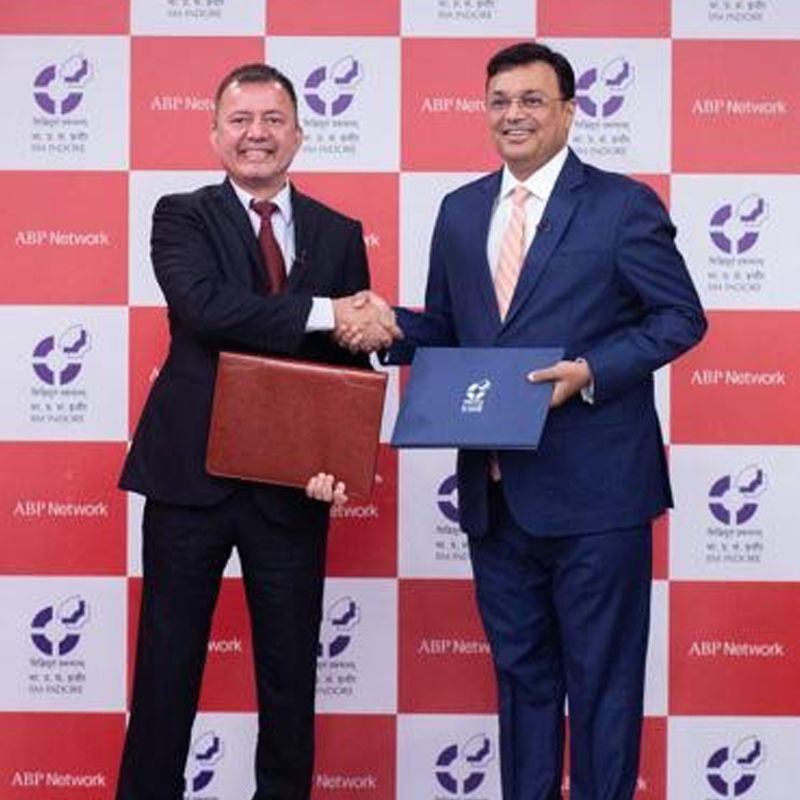
    Mumbai: ABP Network has entered into a memorandum of understanding (MoU) with the Indian Institute of Management (IIM) Indore to focus on analysing and recommending policy-level interventions combating fake news ecosystems.

    The agreement aims for both parties to collectively investigate the social-psychological underpinnings of fake news and design preventative mechanisms to address this issue.

    Both parties will work towards the development of an informed and open society through a mutual academic-practice collaboration framework.

    ABP Network and IIM Indore will cooperate and collaborate to carry out joint research for developing tools & processes needed for creating an informed society & open society. They will further develop awareness models on digital literacy for the citizens of India. There will also be a provision for short-term training/research opportunities for personnel of ABP Network and IIM Indore. Further, both the parties will also hold joint seminars of mutual interest.

    “With this collaboration, we look forward to a constructive professional relationship with IIM Indore in the years to come,” said ABP Network CEO Avinash Pandey. “ABP Network has always stayed true to its commitment to increasing the scope of an informed and open society. By entering into this agreement, we aim to develop preventive strategies to address the challenges of fake news, its genesis & impact, and develop awareness modules for the general public. We are confident that this partnership will play a pivotal role in the research and development of the dynamic media space and will allow an exchange of a plethora of ideas and strategies.”

    “We are delighted that IIM Indore and ABP Network are signing a MOU. Social consciousness is at the fore in the mission statement of IIM Indore,” said IIM Indore director professor Himanshu Rai. “Through this agreement, we can lay the foundation for building a conscious nation by combining the ground reach of the ABP Network and the intellectual excellence of IIM Indore. This will be done primarily by trying to solve the problem of fake news. According to us, the effect of fake news is not only on individual sensitivity but can also affect social unity and national security. Our journey starts here.”

  • Print beats TV, radio; Twitter most credible digital news medium: Ormax report

    Print beats TV, radio; Twitter most credible digital news medium: Ormax report

    Mumbai: Print media continues to lead with a credibility index of 62 per cent, followed by television (55 per cent) and radio (54 per cent). Social media platform Twitter is still the most credible digital medium for news, according to media analytics and consulting firm Ormax Media, which launched the third edition of its ‘Fact Or Fake?’ report on Tuesday. 

    Traditional media have higher news credibility than digital media, though most digital media have seen a marginal improvement in their credibility in this track. Twitter witnessed a drop in its credibility index over time: 57 per cent (September 2020) to 47 per cent (April 2021) to 42 per cent (December 2021). Furthermore, The Media Credibility Index is unchanged since the last track (65 per cent), highlighting that fake news continues to be a huge concern amongst the Indian news consumers, said the report.

    The report measures the credibility of various news media, as well as the perception around ‘fake news,’ through a survey of 2,000 news consumers across 15 states in India. The first edition was released in September 2020, followed by the second edition in April 2021.

    “Fake news, and lack of news credibility in general, continues to be a growing concern globally. Almost two out of three Indians see fake news as a problem, and that should be a major cause of worry for all news companies,” stated Ormax Media founder and CEO Shailesh Kapoor. “We launched this report in 2020 to enable more informed conversations on this topic. In the subsequent editions, we plan to study these indices by languages, to understand if there’s a difference in news credibility between Hindi, English and other major Indian languages.”

  • Concerns about fake news on the rise in India: Ormax report

    Concerns about fake news on the rise in India: Ormax report

    Mumbai: Two out of three news consumers consider fake news a major challenge facing the country’s news organisations, showed the latest report released by media consulting firm Ormax Media.

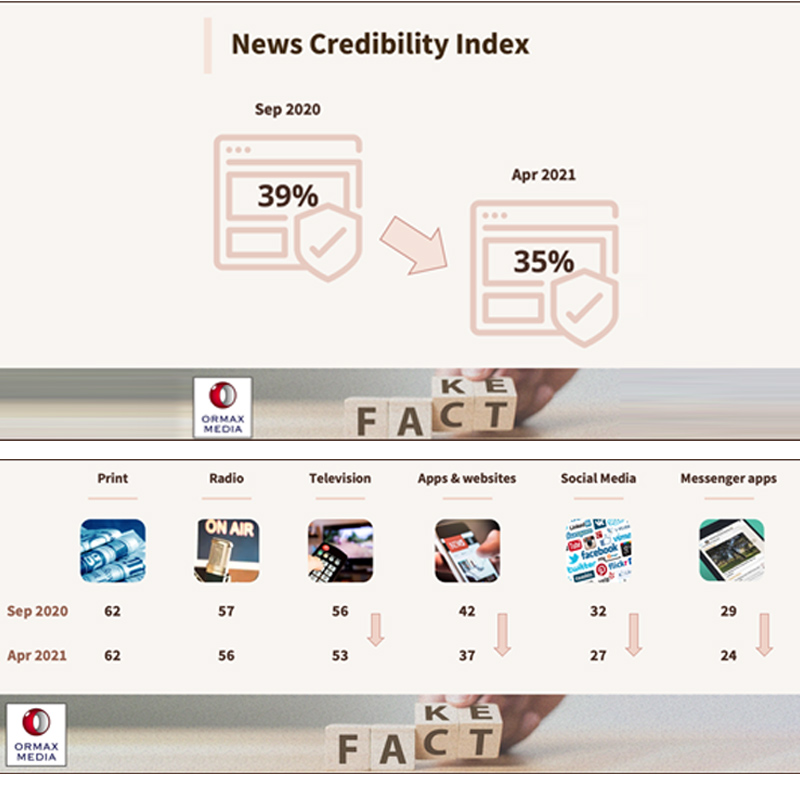
    According to the report Fact or Fake?, at least 65 per cent of the news consumers surveyed highlighted fake news as a major concern. The share of such individuals rose by four percentage points from last year, when the agency released the first edition of the report. Only 35 per cent news consumers feel that the news category in India doesn’t have any major fake news concerns, down from 39 per cent in September 2020.

    The findings are based on a survey of news consumers, which was conducted to measure the credibility of various news media, as well as their overall perception towards ‘fake news’. The survey covered around 1,000 urban news consumers (15+ years) from as many as 17 states and Union Territories in India. The questions were asked through computer-assisted telephonic interview.

    This is the second edition of the report, based on data collected in April 2021. The first edition was released on September 2020.

    According to the report, print media continued to lead in terms of credibility, as 62 per cent of news consumers generally considered the medium to be credible. Radio held on to the second position with 56 per cent consumers considering it as credible compared to 57 per cent in 2020. However, all other media platforms showed significant decline in credibility – television’s credibility index dropped from 56 per cent to 53 per cent and digital news apps and websites from 42 per cent to 37 per cent.

    The number of consumers (from the sample) who consider social media platforms to be credible also dropped from 32 per cent to 27 per cent and messenger apps from 29 per cent to 24 per cent. 

    Within social media, despite a drop since the last track, Twitter continues to rank on top with a news credibility Index of 47 per cent. No other social media or messenger app platform manages to touch even the 30 per cent mark, showed the survey.
     
    Ormax Media, founder and CEO Shailesh Kapoor said, “Concerns around fake news have been escalating worldwide over the last few years. But a drop from an already-low score of 39 per cent to 35 per cent within just seven months, does not augur well for the Indian news industry. In the midst of a pandemic, credibility of news becomes even more important. We hope to see television news and digital platforms address this concern more proactively, before it becomes a brand safety issue for advertisers using these media, and a cause for rejection for subscribers of paid news services”. 

    The report defines Media Credibility Index as a percentage of news consumers who find the news in a particular medium generally credible, respectively.

  • Advertisers cannot be fence-sitters in today’s time: BBC’s Rahul Sood

    Advertisers cannot be fence-sitters in today’s time: BBC’s Rahul Sood

    NEW DELHI: 2020 has been a wild year for the news industry. On the up side, viewership skyrocketed in the wake of Covid2019 pandemic; then again, it drew aggressive flak from viewers and advertisers alike for their reportage in a number of high-profile cases, including the Sushant Singh Rajput suicide. Adding to the woes of the industry was the TRP rigging scam, which left a bitter taste in the mouth of many.

    Addressing all these issues and the grave concern of brand safety that has risen in these sensitive times in a chat with Indiantelevision.com, BBC Global News MD – India and South Asia Rahul Sood shared that it is high for brands to stop sitting on the fence and take some concrete steps to ensure they are not placing their products with any content they wouldn’t want to be associated with. 

    He said, “I am happy that there are a few advertisers like Parle, who have taken this conscious call of taking out their ads from problematic channels. But there is still a lot of work to be done in that area. I think it’s time that advertisers start putting their money where their mouths are. The industry doesn’t need more fence-sitters as silence means compliance. This really needs to change.”

    Sood added that media planners and marketers, who are the prime brand custodians, should really ponder whether they want to support the misogyny, communalism, and baseless stories that most news channels are propagating these days. “If they can’t let their children watch those channels, how can they advertise on them?” 

    On being asked whether TRPs are to be blamed for most of the advertisers still being cautious about taking their investments out of news channels, Sood noted that TRP numbers are not anyway reflective of the true set of audience interest, especially for English news channels. 

    “There are 120-odd boxes placed in some remote households, which anyway doesn’t have the audience for English news. And then with the TRP rigging scam, we saw that even that data is not authentic,” he quipped. 

    Sood insisted that advertisers should instead rely on currencies like subscriptions on a particular channel or website, their social media handles, and the sort of discussions that are happening online on one’s content to decide where they want to invest. 

    He continued, “There is also a need to do a qualitative analysis of one channel’s content and then advertise there.”

    So, how’s BBC ensuring that brands find a safe environment at the network to publish their content?

    “There is a very stringent advertising compliance policy that we have in place at the BBC. To add to that, our 100-year-old legacy is proof of the sort of content we create and brands can see that,” Sood explained. He also added that they are strictly against signing “private treaties” with brands. 

    “We are also very particular about what ads we put on our channel. For example, we will not run any ads of fairness creams, any brand communication that is racist, communal, or misogynist. We have stopped running ads of fossil brands taking cognisance of climate change. We also do not allow any individual to utilise a government platform to appear larger than life and promote himself/herself on our channels,” he elaborated. 

    Sood also addressed the recent Tanishq controversy and said that brands will need to stand up for themselves and not give in to bullies. 

    “I have friends in Pakistan, who used to tell me that they look up to India for the kind of social fabric we have, the sovereignty we display. But after the Tanishq controversy, he called me up and said ‘tum bhi hamare jaise nikle yaar…’ (‘you are also like us’). It is very embarrassing. I think, what is going on right now, and not just in India but in many other countries too, that the people in power are dog-whistling. They will divert the attention of people to things like this to stop them from focusing on the real issues,” he said. 

    However, he is not without hope that the current situation with several brands taking the call of removing ads from controversial channels will start a course correction within the industry. 

    “There is a grave deficit of trust and credibility and decaying of truth right now and I am hopeful that this will change with more brands and advertisers standing up against the content that certain channels are spewing these days. I wish there is more news and less noise and credibility in the media's work, going ahead,” he signed off. 

  • 71% Indians trust their news sources, survey reveals

    71% Indians trust their news sources, survey reveals

    KOLKATA: According to the global survey by The Trust Project and Ipsos titled ‘Trust Misplaced?’, 71 per cent urban Indians and 64 per cent global citizens believe they have easy access to news from sources they trust. At least six in 10 urban Indians (59 per cent) say they read news they can access for free. 67 per cent global citizens hold this view.

    “Media entities are highly evolved in India. There are trusted sources for news; media houses that come with ethos and values and have built reputations over many decades of news dissemination, beating the odds. Further, Indians look at various sources for news and free news is readily accessible across social platforms and digitally. Now news can be accessed at a mere click and it has become easier to stay updated, going beyond the conventional sources,” Ipsos India CEO Amit Adarkar said.   

    Fake news and trust:

    Interestingly, more number of Indians say they can tell real news from fake news – at 60 per cent believe this; but they have less confidence in the ability of people in general to be able to spot real news from fake – only 47 per cent urban Indians believed they could.

    Indians say they pay for news from sources they trust (57 per cent) and are willing to pay for news from the sources they trust (56 per cent).

    The survey also shows that urban Indians are skeptical of news disseminated by influencers, bloggers, leaders, celebrities on social media – they tend to trust news shared by people they personally know – more so from friends and relatives (58 per cent) as opposed to news shared by bloggers, celebrities, leaders (48 per cent) on social media. Global citizens are more circumspect in news consumption – four in 10 (42 per cent) will trust people known personally, while only one in four (24 per cent) will trust news shared by bloggers, celebrities, and leaders.

    Global citizens (46 per cent) and urban Indians (54 per cent) believe their citizens are targeted by other countries with disinformation and fake news.

    “Disinformation and fake news can lead to discord and incite citizens and are in poor taste; sadly, a number of countries face it. Legal action can act as a deterrent,” added Adarkar.

    Where is news read most?

    One thing is clear, Indians are globally one of the largest consumers of news. Conventional media vehicles and new ones are all leveraged for staying updated.

    Daily news is accessed most via TV (78 per cent), social media (77 per cent), news apps (64 per cent), news sites (57 per cent), print – newspapers and magazines (56 per cent), and radio (23 per cent).

    Notably, India has the world’s largest number of those accessing daily news via print.

    And TV for daily news is very popular in Japan (76 per cent), Italy (74 per cent) and Turkey (73 per cent). 

    “News is accessed from multiple sources to stay updated. Some news is accessed on the go, some read for finer nuances and some watched to further get the perspective. It is not about one over the other. Each has its own place in the consumer’s information needs, in times of instant gratification,” said Adarkar.  

    Online adverts – few takers

    One in three global citizens (35 per cent) and two in five (42 per cent) urban Indians say they use software or apps that block online adverts. Global citizens (66 per cent) and urban Indians (69 per cent) say they try and avoid online adverts as far as possible.

  • Media must do self-regulation to tackle fake news: I&B minister Prakash Javadekar

    Media must do self-regulation to tackle fake news: I&B minister Prakash Javadekar

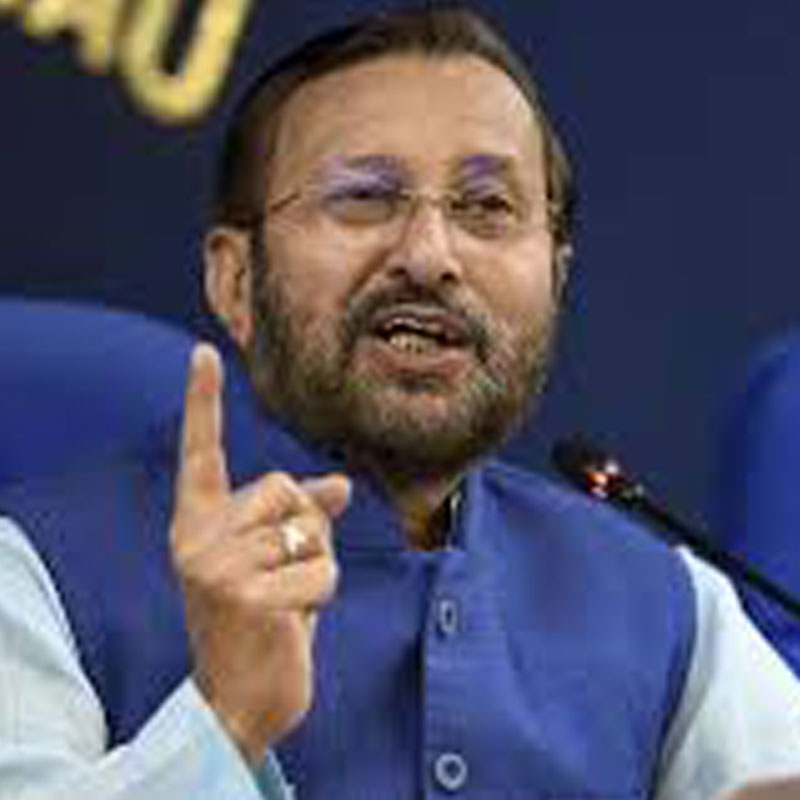
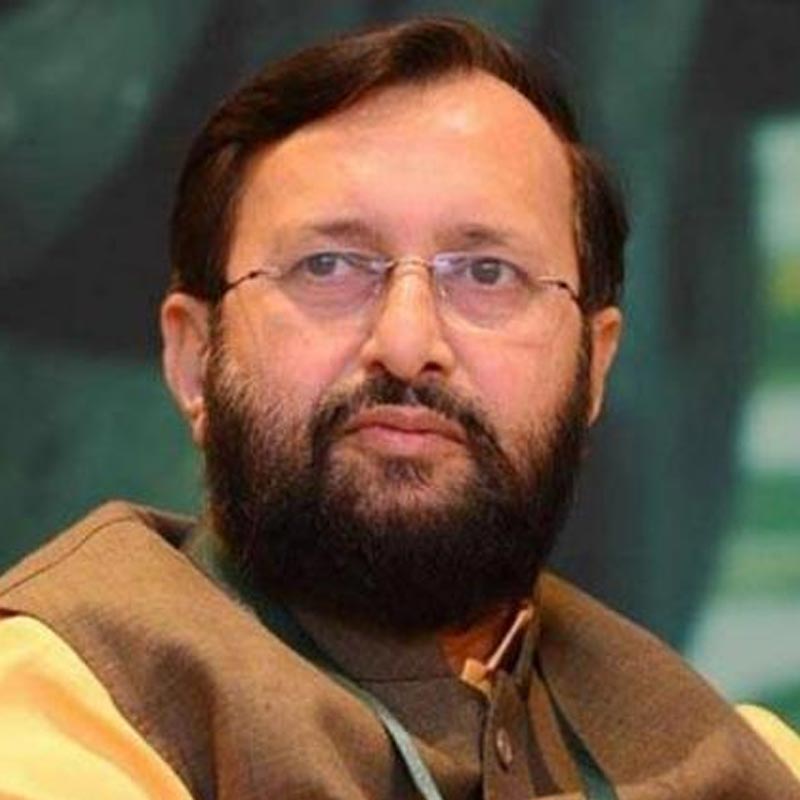
    KOLKATA: Fake news has become a huge issue in the age of social media. While the mass easily falls prey to it, Information and Broadcasting minister Prakash Javadekar called for self-regulation while publishing digital content to curb the menace.

    Addressing the delegates at the 16th Marketing Conclave organised by the Internet and Mobile Association of India (IAMAI), he said that fake news is a deadly virus, and emphasised on the importance of self-regulation.

    Terming fake news as more dangerous than paid news, the minister said that the government has taken an initiative to curb fake news by setting up a fact check team which checks and verifies information being floated in the digital medium.

    "We are definitely taking note of fake news and therefore we started one attempt in 2019 October, PIB Fact Check Unit. We have established PIB Fact Check units in all the states," Javadekar said.

    Seeking greater accountability from social media platforms, he said misinformation weakens the functioning of a democracy and there should be a calibrated approach to thwart the spread of lies and misinformation. With all villages in India set to be connected through Bharatnet, there is a greater need to educate the masses about the detection of fake news.

    Speaking about the importance of the digital medium, the minister said, “We must understand the pace with which it is growing and with the increasing number of smartphones users, digital content and advertising has become very important because of its reach and speed. Even the government has started to leverage the medium and using it to advertise.”

  • NBSA advises news channels to use social media content after thorough verification

    NBSA advises news channels to use social media content after thorough verification

    MUMBAI: The News Broadcasting Standards Authority (NBSA) has advised member broadcasters of the News Broadcasters Association (NBA) to verify any content used from social media platforms in their news programmes at the highest editorial levels before being telecast in the wake of the recent supreme court order regarding news related to Covid19 coverage.

    “In particular, we expect the media (print, electronic or social) to maintain a strong sense of responsibility and ensure that unverified news capable of causing panic is not disseminated. A daily bulletin by the government of India through all media avenues including social media and forums to clear the doubts of people would be made active within a period of 24 hours as submitted by the solicitor general of India. We do not intend to interfere with the free discussion about the pandemic, but direct the media to refer to and publish the official version about the developments,” the apex court stated.  

    NBSA said under these circumstances member broadcasters could also consider telecasting the positives steps being taken by various individuals/ persons/ entities / governments and all medical personnel in order that objective, balanced, accurate and impartial news gets telecast.  

    It also added that the issue that the supreme court has touched upon relates to “fake news” whether intended or not, published either by electronic, print or social media which will  cause panic in the society. The court observed that the media should maintain a strong sense of responsibility and ensure that unverified news capable of causing panic is not disseminated.

    “News media plays a critical role during public health emergencies by providing reassurance, bringing calm, motivating people to overcome the crisis and in bringing their lives back to normal. Inaccurate information can lead to rumours and misinformation, resulting in panic and chaos,” the advisory highlighted.

  • NBA hails supreme court order to counter COVID-19 fake news menace

    NBA hails supreme court order to counter COVID-19 fake news menace

    MUMBAI: The News Broadcasters Association (NBA) has welcomed the Supreme Court’s decision of urging media to take up against fake news menace revolving around the novel coronavirus in social media.

    Supreme Court on 31 March had ordered that the media should report responsibly and weed out any fake news in social media while telecasting news on the Coronavirus crisis.

    According to an official press statement, “NBA appreciates that the apex court has acknowledged the freedom of the press and has stated that it does not intend to interfere with the free discussion, debate and coverage about the pandemic.”

    NBA also stated that it is pleased to learn that a daily bulletin by the government of India through all media avenues including social media and forums will be made available to clear the doubts of people. This would help media immensely to clarify their doubts and enable them to do accurate reporting.  

    The Supreme Court had asked the media to refer to an official portal, which will be created by the government within 24 hours to deal with updated corona related developments, and publish the official version about the developments.

    A bench led by chief justice of India SA Bobde had said: “We do not intend to interfere with the free discussion about the pandemic, but direct the media refer to and publish the official version about the developments.”

    The order came on a submission by the government blaming fake news for the migrant exodus and seeking a court direction to deal with the menace. Over 1600 positive cases have been confirmed in India and around 35 killed due to the pandemic.