Tag: Fair & Lovely

  • Glow & Lovely: Will the makeover last?

    Glow & Lovely: Will the makeover last?

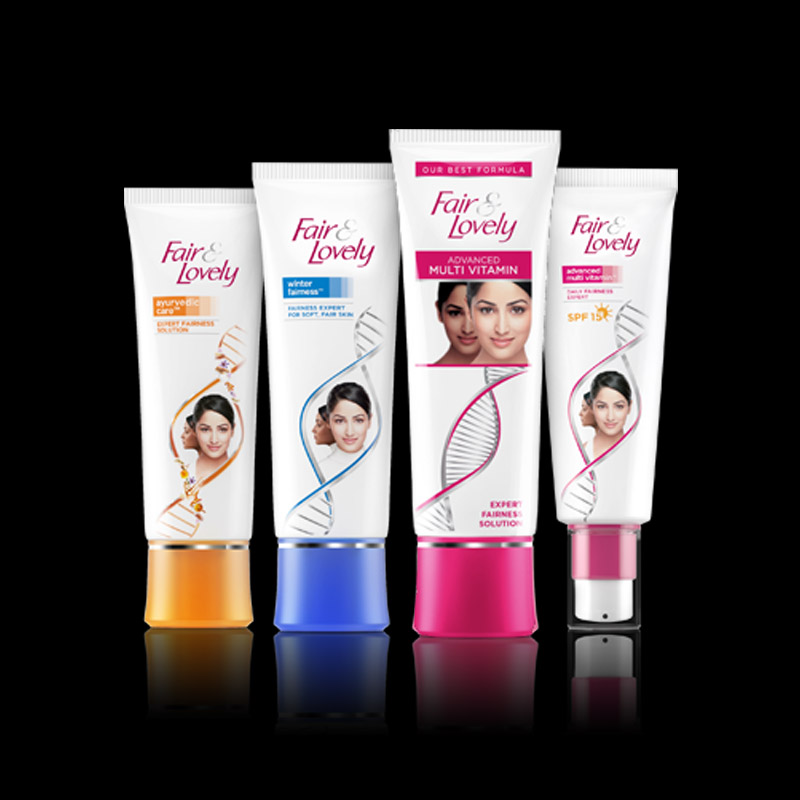
    NEW DELHI:  After facing severe backlash from every section of society, Hindustan Unilever rebranded its flagship brand ‘Fair & Lovely’ to ‘Glow & Lovely’. The company also renamed its male product line-up from ‘Fair & Handsome’ to ‘Glow & Handsome’. The decision to switch to a new name was prompted by the Black Lives Matter movement in the US. 

    The brand was launched in India in 1978, and since then it has been touted as a skin-lightening cream. Through its extensive advertising campaigns, HUL promoted the virtues of having a fair skin tone. It claimed ‘Fair & Lovely’ makes people several shades lighter in four to six weeks. Prominent in their product messaging was how deep-skinned women face more challenges as compared to the lighter-toned members of their sex, be it in the workplace or finding a suitable match for marriage. 

    When HUL announced the makeover of its most popular cosmetic, one of the first questions that rose was, whether this move alone can see HUL becoming a socially responsible advertiser, and change the brand’s perception of promoting colourism in a country obsessed with fair skin?

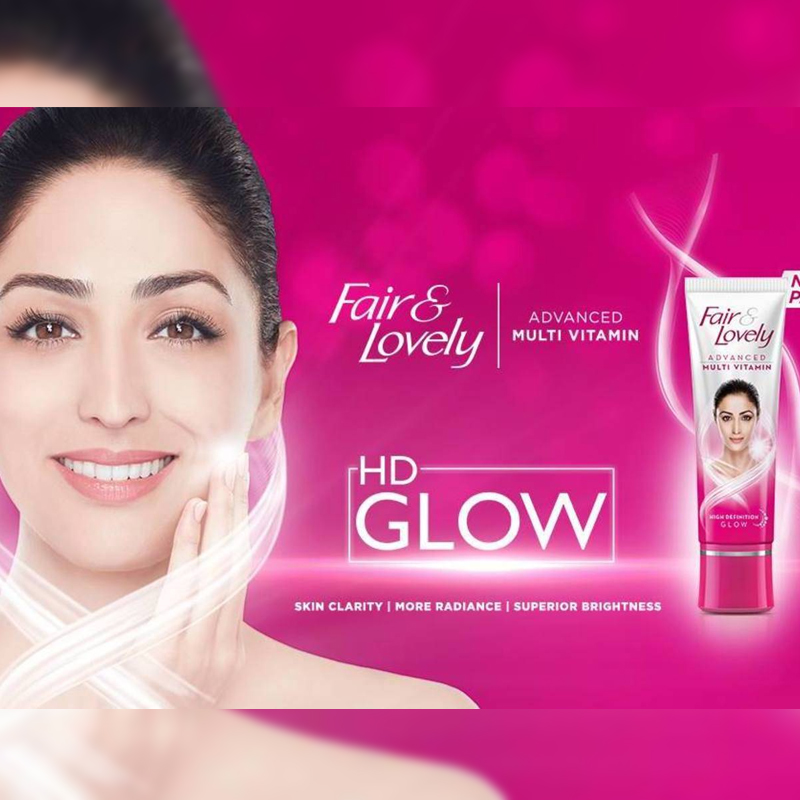
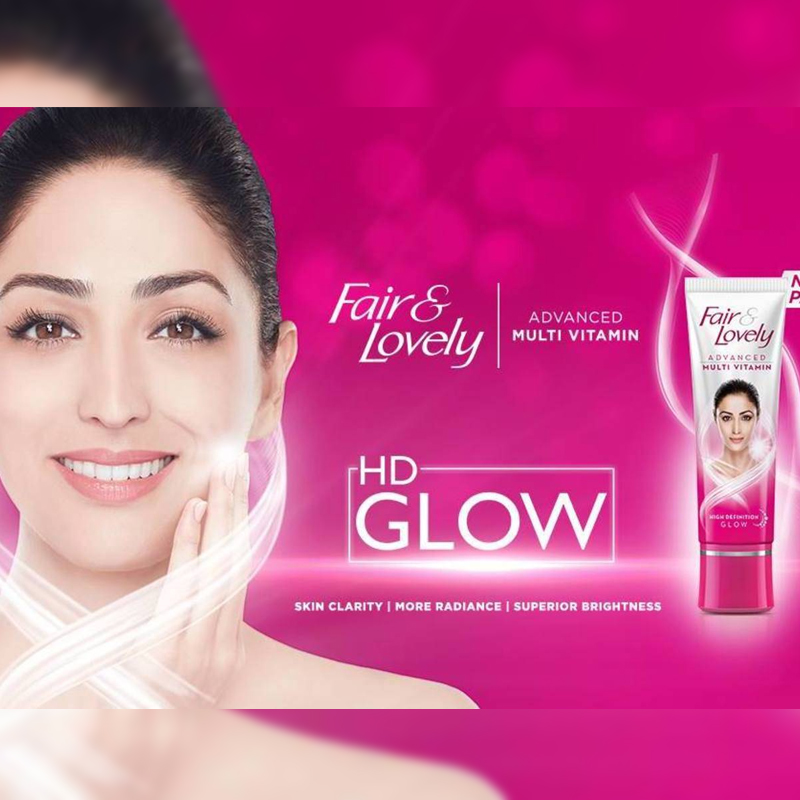
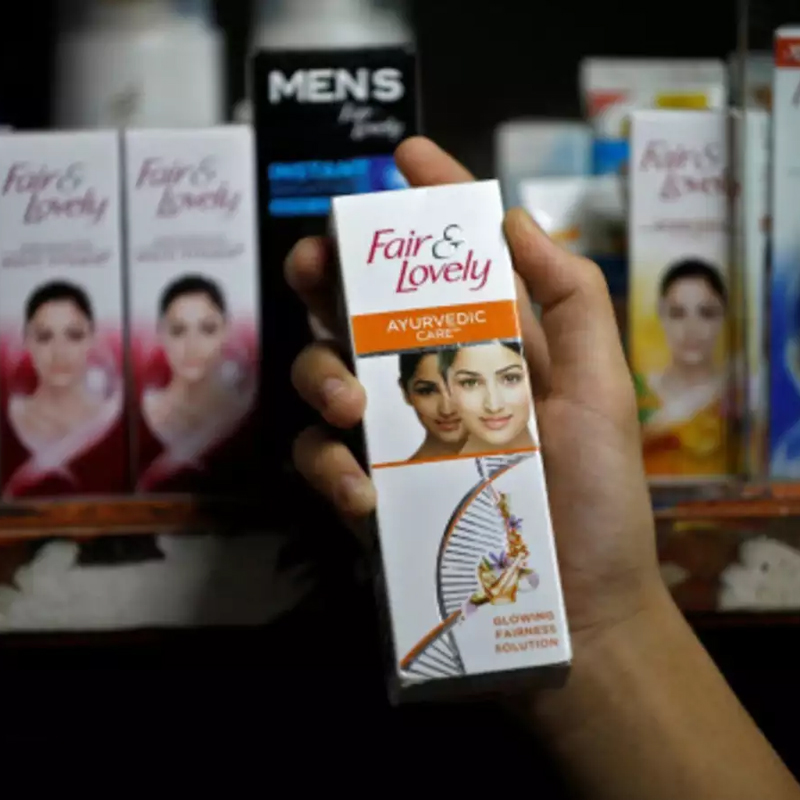
    After the rebranding, HUL launched a new ad campaign featuring Yami Gautam in September. For the first time, the commercial did not show a dusky girl transforming into a fair  fairer tone in a few weeks of using ‘Glow & Lovely’. However, the new packaging and logo is pretty much identical to the pre-makeover product. Many questioned HUL’s decision to feature a fair-skinned model like Gautam as its brand ambassador.

    Chastened by this fresh furore, the company then released a new campaign called ‘Mere Glow ko Na Roko’ conceptualised by advertising agency Lowe Lintas. The ad features popular hip hop and rap artist Dee MC who narrates her journey of overcoming obstacles and urges other women to not let anything stop them from pursuing their dreams. Through the inspiring lyrics of #GlowkonaRoko, Dee MC equates ‘glow’ with her identity, which comes from her work, her determination, and self-assurance.

    Hindustan Unilever executive director – Beauty and Personal Care (BPC) Priya Nair shares, “With the introduction of Glow & Lovely, we are very excited about this new chapter in the brand’s journey that celebrates every woman’s ‘glow’. The narrative #IChooseMyGlow and Glow Ko Na Roko campaign uphold the principle and our belief that no correlation should be made between skin tone and a person’s achievement, potential, beauty or worth and that a woman’s identity should be defined by her.”

    While the brand was forced to take a step back to make it more inclusive, it is now trying to shed its old image. Is it a step in right direction by HUL?

    Tonic Worldwide national strategy director Anjali Malthankar feels, as long as it continues to carry the past, it will have to fight the present. "The brand seems reluctant to part ways with its cash cow branding. With DeeMC I think it has taken a baby step of associating with the popular sentiment. While the format of rap and hip-hop might appease the consumer, the brand has too many cynics to attend to. It needs to go beyond song and dance. And consciously stay away from any cues of ‘fairness’ benefit promise".

    Zirca digital solutions CEO and director Neena Dasgupta opines that HUL has taken the right direction. She says, "We as a society are accepting the fact that the hallmark of beauty is not fairness but in healthy and glowing skin. Establishing this proposition in consumers' minds will be a tall task for the brand especially when the actual product has not changed. Unless that is established, it will always be perceived as old wine in a new bottle. The new ad with a new face seems to be a good move, and I hope that somehow, they are able to steer away from the conversations from fair skin to glowing skin.”

    However, whether or not ‘Glow’ should be the replacement for ‘Fair’ as the new functional claim, could of course be debated. "That being said, the brand stays the same at the purpose level. It continues to be about 'inspiring women to create their own identity' as the new ad with Deepa reflects. Therefore, the more important emotional dimension of the brand remains unchanged – which is just the right thing to do,” adds Tidal7 co-founder and chief strategy officer Venkat Malik. 

    American multinational giant Johnson & Johnson also discontinued selling its skin-lightening products range globally. Clean & Clear will no longer be sold in India, and Neutrogena will not be available in Asian and Middle Eastern Markets.

    But the market for cosmetics that claim to lighten and brighten is far from fizzling out. According to a recently published report, "India Fairness Cream & Bleach Market Overview, 2018-2023", the women's fairness cream category is anticipated to achieve market revenues of more than Rs 5,000 crore by the year 2023.

    ‘Fair and Lovely’ has been a very popular product not only in the urban market but in rural areas as well. But the outcry against its blatant colourism by the woke crowd and the Black Lives Matter protests led HUL to rebrand its fairness product after 48 years. Going forwards, what hurdles are in store for ‘Glow & Lovely’ in updating its positioning?

    Malthankar, feels that the brand being a leader, has a larger responsibility in correcting decades of damage done by the category to the young girls’ perception of themselves. “The brand must understand that the vulnerable, impressionable, insecure girls seeking colour change due to toxic social pressure are not the only audience and recognize that the non-consumers too are a big audience for this category today. The whole world is watching. Not just the brand, but the category is under minute scrutiny as it is on the wrong side of the times we are living in.”

    As per the global market report, ‘Fair & Lovely’ instituted a campaign with a series of ads that were centered around “the fairer girl gets the guy” theme. The ads ran from December 2001 to March 2003, but after widespread outrage, the company discontinued the ads in March 2003. To revive its image, HUL launched Fair & Lovely Foundation to encourage economic empowerment of women across India.

    A number of Bollywood stars – Padmini Kolhapuri, Juhi Chawla, to Yami Gautam – have been ‘Fair & Lovely’ brand ambassadors, which only boosted the brand’s popularity over the decades.

    BC Web Wise founder and MD Chaaya Baradhwaaj feels if the brand continues to use fair skin as an endorser then they have not really decided to make a transition. “I would assume that the fair-skin model is temporary, and they need more to make the transition. Otherwise, it will not do the job of correcting the discrimination aspect. If a fair skin model on one side and a dark skin on the other side are going to be there, it will only mean that there is no real transition being done, and the band is playing it safe.”

    WATConsult  regional head – creative strategy (North) Surbhi Arora also feels that along with this major rebrand, many more steps will have to be taken if their audience and consumers are to be fully convinced that their product is more than just about fairness. “Deepa Unnikrishnan or Dee MC represents the direction in which the brand intends to go, but she will also be put in contrast to Yami Gautam, their current brand ambassador.”

     It will be interesting to see if the brand has any plans to bring them both together and how organic that will be. Also, it is pertinent that they streamline all their communication. It is essential for ‘Glow & Lovely’ to establish a voice of its own very soon.

  • HUL & responsible advertisement: Going beyond Fair & Lovely’s name change

    HUL & responsible advertisement: Going beyond Fair & Lovely’s name change

    MUMBAI: It took Hindustan Unilever (HUL) 48 years to realise that the term Fair & Lovely has racial connotations. After coming under criticism world over for promoting racial stereotypes, the company decided to drop the word ‘fair’ and replace it with ‘glow’ for both its women’s and men’s product range.

    As per a report, Fair & Lovely instituted a series of campaigns centred on “the fairer girl gets the guy” theme which ran from December 2001 to March 2003, but after the backlash, the company discontinued the ads. To revive its image, HUL launched Fair & Lovely Foundation to encourage economic empowerment of women across India.

    Will the rebranding to Glow & Lovely see HUL become a more responsible advertiser? Mirum India executive creative director Naila Patel explains, “The reason HUL has withdrawn its current positioning is to add to its image as a responsible advertiser. They take the responsibility narrative seriously and carry out enough sustainability initiatives for the very reason. The fact that we are having this conversation means it has made an impact by withdrawing its current strategy.”

    Despite all it says, ‘fairness leads to success’, whether it be in marriage, career or any other field of life, has been the trope portrayed by Fair & Lovely ads over the years.

    Business strategist and angel Investor Lloyd Mathias says, “By dropping the word ‘fair’ from Fair & Lovely, they have taken cognisance of the sensitivity associated with skin colour. But, they will need to do a lot more than just renaming the brand to Glow & Lovely, to genuinely address the colourism issue so widely prevalent in India. How they roll out the new positioning will need to be observed.”

    It’s interesting to note that the prompt for the change was not Indian but rather the response to the #BlackLivesMatter protest in the US which saw Indians protesting against Fair & Lovely too. Additionally, competitor Johnson & Johnson decided it would discontinue its fairness products entirely.

    Mathias asserts, “HUL will have to show genuine intent in what they do in the market with the new rollout. The brand's franchise is far too entrenched to move away from the category it defined with the mere change of the name. The new packaging, logo and communication stance will have a big role to play.”

    Patel believes that it will lose the sharp targeting but might end up attracting a more varied audience as millennials prefer to “buy brands that have integrity and stand for a purpose.”

    It could also mean a shift in the ad slots to a more enlightened audience. Patel opines, “Yes, they might move the slots from traditional to modern content as they will cease to be relevant to the typical saas bahu …chand jaisi dulhan narrative.”

    Mathias differs. He says, “I think in media terms there will be no change in the slots HUL picks for Glow & Lovely. The target audience for the brand essentially remains the same.” 

    Even as HUL said it would look at more inclusive models, Zirca co-founder and director Neena Dasgupta shares, “I don’t believe a dark-skinned model will replace the word 'fair' at a subliminal level. Their choice of model should continue to be the same. Any special effort would be against the act of rebranding.”

    HUL’s product Fair & Lovely leads the skin lightening market in India. The market stands at Rs 10,000 crore, with Fair & Lovely enjoying an 80 per cent market share. Over the years the brand has focused on a deep distribution model. The company made sure the product is available across the country right from kirana shops to malls with higher demand in the rural market.

    If HUL truly wants to show its seriousness on the matter, it will have to do more than just a rebrand. It will have to also act on what it says. 

  • Fair & Lovely ads through the ages

    Fair & Lovely ads through the ages

    NEW DELHI: Hindustan Unilever’s Fair & Lovely, one of the most popular fairness creams in India, has rebranded the name as ‘Glow & Lovely’ after facing criticism from people for perpetuating racial discrimination over the years. The brand was launched in India in 1978 and since then its promoting fairness tone through its product.

    For a country like India which is obsessed with fair skin, HUL’s advertising strategy for Fair & Lovely has always been about getting a fair tone. The brand in its advertising has shown how women who are dark finds problem in getting jobs or a suitable match for marriage.

    In fact, in 2007, HUL had to withdraw an advertisement which showed a dark-skinned woman, who was looking for a job and a boyfriend, suddenly becoming the talk of the town after she started using Fair & Lovely.

    Padmini Kolhapuri, Juhi Chawla, Yami Gautam and a number of Bollywood stars have been the brand ambassadors of Fair & Lovely which only triggered the popularity of the brand.

    Also, the product in its advertisements have claimed it makes people several shades lighter in four to six weeks.

    One of its most popular ads was when Genelia d’Souza was featured in an advertisement and showcased that she gets confidence with fairness by applying Fair & Lovely and gets selected for commentary alongside Srikant for a cricket match.

    According to a report, HUL research says that 90 percent of Indian women want to use whiteners because it is aspirational, like losing weight. A fair skin is like education, regarded as a social and economic step up.

    A glance through some of the popular ads by HUL for Fair & Lovely

    Also, as soon as the company announced the new name, the meme fest began on Twitter.

  • Delhi HC rules in favour of Emami in case against HUL

    Delhi HC rules in favour of Emami in case against HUL

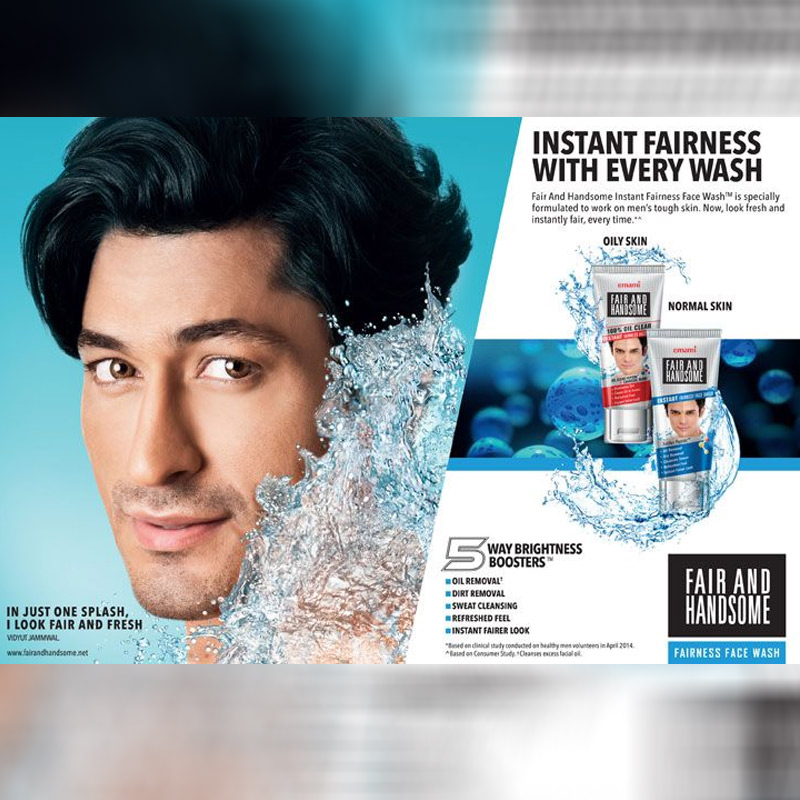
    MUMBAI: The Delhi High Court has upheld the right of Emami’s Fair and Handsome to run its advertisement that state that women’s fairness creams aren’t suitable for men’s tough skin. Rival Hindustan Unilever (HUL) had taken Emami to court claiming its commercial is disparaging to its own brand Fair & Lovely.

    HUL claimed in its complaint that brand endorser Vidyut Jammwal’s dialogue “Ab to ladkiyon ki cream chodo” is aimed at its own product Fair & Lovely and that the ad showed a white and pink tube which is its distinctive feature.

    The judgment dated 27 March, the Delhi High Court said that it cannot be said that the statements regarding men using women’s cream is false. It even added that the dialogue in question can’t be claimed to be false, misleading, unfair or deceptive and does not amount to generic disparagement.

    An Emami spokesperson said, “The ruling by the Delhi High Court reinforces the fact that Fair and Handsome is built on a foundation of truth and trust. We thank the High Court for upholding the truth and the right to free speech. Fair and Handsome has earned immense consumer trust and is among India’s Top 50 Most Trusted Health and Personal Care brands (Brand Equity Most Trusted Brands 2019 study). We take this consumer trust with humility and acknowledge the brand’s huge responsibility to our consumers. We are not surprised by the consistent strategy adopted by HUL to target Fair and Handsome on frivolous grounds across forums. We will endeavour to do everything in our realm to safeguard the best interests of consumers, by empowering them with the right information.”

    In June 2018, HUL aired a commercial for Men’s Fair & Lovely and Emami’s Fair and Handsome, claiming their own to be original. The High Court gave the verdict in favour of Emami and restrained HUL from circulating the displaying the commercial.

  • BARC week 36: Patanjali tops individually, HUL brands top in overall in ad insertions

    BARC week 36: Patanjali tops individually, HUL brands top in overall in ad insertions

    BENGALURU: Personal care, confectionary, food and beverage, oral-care, automobile brands were among the top ten advertisers during BARC week 36 in terms of ad insertions. Though Patanjali Ayurved Limited brand Patanjali led in terms of the maximum number of ad insertions, six of Hindustan Unilever Limited (HUL) brands were also a part of the top ten brands list – and the combined ad insertions of 79,767 by the six HUL brands was a little more than triple of Patanjali’s insertions

    Patanjali led the top ten brands across genres all India (U+R): 4+ individuals in terms of ad insertions with 26,579 insertions in BARC week 36. Far behind at second place was HUL’s Fair & Lovely (personal care) brand with 15,640 insertions, followed by another HUL brand Lakme (personal care) at number three with 14,765 insertions.

    Mondelez International’s confectionary brand Cadbury was at fourth place with 13,532 insertions, while Colgate-Palmolive Company oral care brand Colgate was at fifth with 13,189 insertions. Three of HUL’s brands – Surf (home care), Dove (personal care) and Pond’s (personal care) were at sixth, seventh and eighth places with 12,982, 12,711 and 12,479 insertions each respectively. Automobile brand Honda followed at ninth place with 11,199 closely followed at tenth place by HUL’s beverage or food and drink brand Brooke Bond with 11,190 ad insertions.

  • BARC week 36: Patanjali tops individually, HUL brands top in overall in ad insertions

    BARC week 36: Patanjali tops individually, HUL brands top in overall in ad insertions

    BENGALURU: Personal care, confectionary, food and beverage, oral-care, automobile brands were among the top ten advertisers during BARC week 36 in terms of ad insertions. Though Patanjali Ayurved Limited brand Patanjali led in terms of the maximum number of ad insertions, six of Hindustan Unilever Limited (HUL) brands were also a part of the top ten brands list – and the combined ad insertions of 79,767 by the six HUL brands was a little more than triple of Patanjali’s insertions

    Patanjali led the top ten brands across genres all India (U+R): 4+ individuals in terms of ad insertions with 26,579 insertions in BARC week 36. Far behind at second place was HUL’s Fair & Lovely (personal care) brand with 15,640 insertions, followed by another HUL brand Lakme (personal care) at number three with 14,765 insertions.

    Mondelez International’s confectionary brand Cadbury was at fourth place with 13,532 insertions, while Colgate-Palmolive Company oral care brand Colgate was at fifth with 13,189 insertions. Three of HUL’s brands – Surf (home care), Dove (personal care) and Pond’s (personal care) were at sixth, seventh and eighth places with 12,982, 12,711 and 12,479 insertions each respectively. Automobile brand Honda followed at ninth place with 11,199 closely followed at tenth place by HUL’s beverage or food and drink brand Brooke Bond with 11,190 ad insertions.

  • “I&B to partner with ASCI to curb misleading advertisements”: Narendra Ambwani

    “I&B to partner with ASCI to curb misleading advertisements”: Narendra Ambwani

    An IIM Ahmedabad alumnus, Narendra Ambwani has spent over 34 years of his career with Johnson & Johnson. He led the rapid growth of Indian operations of Johnson & Johnson by building hugely successful and strong brands like Johnsons’ Baby and Stayfree. His strong focus on people engagement and development made J&J India as one of the “Best Companies to work for” in India.


    Ambwani, a professionally trained CEO coach and business advisor, now serves on boards of leading companies in India and acts as business advisor for marketing of FMCG products.


    In the coming year, we hope to promote ASCI’s guidelines more vigorously among advertisers and creative agencies, so that new ads meet ASCI’s standards at the creative stage itself, he said while taking charge as Advertising Standards Council of India (ASCI) chairman .


    During the year 2013-14, the Consumer Complaints Council (CCC) met 41 times and considered complaints against 1,937 advertisements. Indiantelevision.com’s Meghna Sharma spoke to the new chairman to see what is on his priority list.


    As the new ASCI chairman, what will be on your priority list and why?


    Our priorities for year 2014-15 are:


    •         Self discipline by creators of advertising – This would ensure that the advertisements are compliant with the self-regulation code of the ASCI at the time of their creation itself.


    •         Easier access to ASCI services – More and more consumers now have better access to internet. Social media is also playing a very important role when it comes to consumers expressing their opinion. Our efforts are underway to make it easier for consumers to reach ASCI – be it to complain against objectionable advertisement or for ASCI members to get trained on self-regulation code. We would announce these initiatives in the coming months.


    •         Collaboration with the regulators – The new mantra of “Less Government, more Governance” is in the true spirit of self-regulation. Department of Consumer Affairs, FSSAI and the Ministry of Information and Broadcasting is looking to partner with ASCI to curb the issue of misleading advertisements and protect the consumers’ interest. We are closely collaborating with e-regulators and are a key stakeholder in the Inter Ministerial Committees.


    •         Being seen as fair by all stakeholders – For every complaint that we process, one party is always unhappy! If a complaint is upheld, it is the advertisers and if a complaint is not upheld, it is the consumer who may feel that has ASCI been fair. By continuing to keep our processes transparent and decisions providing clear rationale, we would be seen as a fair and unbiased organisation taking very objective decisions. Our aim is to communicate this better with all our stakeholders.


    Recently, ASCI had set new guidelines that will not allow ads for fairness creams and other fairness products to depict people with dark skin as inferior to those who are fair. What triggered the association to come up with the new guidelines now?


    While all fairness products are licensed for manufacture and sale by relevant state Food & Drug Administration (FDA) under the Drugs & Cosmetics Act, there is a strong concern in certain sections of society that advertising of fairness products tends to communicate and perpetuate the notion that dark skin is inferior and undesirable. ASCI code’s Chapter III 1 b already states that advertisements should not deride race, caste, colour, creed or nationality. Yet given how widespread the advertising for fairness and skin lightening products is and the concerns of different stakeholders in society, ASCI therefore felt a need to frame specific guidelines for this product category.


    Setting up these new guidelines for the skin lightening and fairness products will help advertisers comply with ASCI code’s Chapter III 1 b which states that advertisements should not deride any race, caste, colour, creed or nationality . Given how widespread the advertising for fairness and skin lightening products is and the concerns of different stakeholders in society, ASCI saw the need to setup specific guidelines for this product category.


    What other segments are under scrutinisation? Why?

    None at this moment.


    You have said that ASCI wants to collaborate strongly with the regulators and consumer groups. When do we see that happening?


    ASCI has been in close contact with all the key stakeholders such as regulatory bodies or consumer groups. It is an ongoing process and with the efficiencies that we have achieved in the last few years in terms of speed of complaint redressal, regulatory bodies and consumer groups are seeing ASCI as a strong partner. This collaboration is continuing to strengthen as these stakeholders are now relying more and more on ASCI to process complaints.


    As awareness increases, will we see more marketing activities from the association to let more common people complain about ads?


    We have seen encouraging responses in the last couple of years and are looking forward to reaching out to the consumers extensively. We organise campaigns and seminars in colleges for the youth to be aware of ASCI. We have a dynamic PR team that helps us spread communication and visibility of the council to our consumers. With our digital medium consumers lodge complaints via the ASCI website, the ASCI Facebook page, email and through smartphones. We also have maintained the traditional mediums i.e. toll free telephone and regular post for increased customer feedback. Growing awareness of ASCI is evident in the fact that the number of complaints that we have processed in the last two years have grown ten folds!


    ASCI code of conduct is known to all advertising agency. Then why do we see repeated offence. Do you think the penalty should be more stringent?


    By and large, contrary to the perception, we have a very healthy compliance rate with the ASCI’s CCC decisions. There are very few repeat offenders and the compliance rate is more than 90 per cent. With the strong support coming in from the government bodies, we are confident that the compliance rate would only improve further.


    Last year, ASCI reduced the complaint processing turnaround time to just 12 days. What can we expect this year?

    This year we have some very interesting initiatives planned. We would announce them in the coming months. These are in line with the priorities set for the year 2014-15.


    Lastly, any advice for the advertising agencies?


    Regulate yourselves, else somebody else would regulate you!

  • Fairness products can’t show dark skinned people as unattractive or unhappy

    Fairness products can’t show dark skinned people as unattractive or unhappy

    MUMBAI: For all those who are tired of watching fairness cream advertisements and the way they portray people with dark skin, some relief is here. The self-regulatory body for the advertising industry of the country, Advertising Standards Council of India (ASCI) released a set of final guidelines for the advertising of skin lightening and fairness products.

    Adding to the earlier draft, after seeking industry and public feedback, ASCI’s new guidelines will ensure that advertisements of skin whitening products do not depict people with dark skin as somehow inferior to fairer people.

    The guidelines that are to be used while creating and assessing advertisements in this category include:

    • Advertising should not communicate any discrimination as a result of skin colour. These ads should not reinforce negative social stereotyping on the basis of skin colour. Specifically, advertising should not directly or implicitly show people with darker skin as unattractive, unhappy, depressed or concerned. These ads should not portray people with darker skin as, at a disadvantage of any kind, or inferior, or unsuccessful in any aspect of life.

    • In the pre-usage depiction of product, special care should be taken to ensure that the expression of the model/s in the real and graphical representation should not be negative in a way which is widely seen as unattractive, unhappy, depressed or concerned.

    • Advertising should not associate darker or lighter colour skin with any particular socio-economic strata, caste, community, religion, profession or ethnicity.

    • Advertising should not perpetuate gender based discrimination because of skin colour.

    Commenting on the new guidelines, ASCI Chairman Partha Rakshit said, “Setting up these new guidelines for the skin lightening and fairness products will help advertisers comply with ASCI code’s Chapter III 1 b which states that advertisements should not deride any race, caste, colour, creed or nationality. Given how widespread the advertising for fairness and skin lightening products is and the concerns of different stakeholders in society, ASCI saw the need to set up specific guidelines for this product category.”

    “As a self-regulating body, it is important to have the advertisers’ buy-in to the guidelines, and we are happy to note that both the industry and the consumer activists’ groups have welcomed these guidelines” he added.

    Currently brands like ‘Fair & Lovely’, ‘Fair & Handsome’, ‘Clean and Clear Fairness Cream’, ‘Olay Natural White’, ‘Lakme Perfect Radiance’, ‘Pond’s White Beauty’, ‘Loreal Paris Pearl Perfect’ etc are advertising for skin lightening products.

  • HUL y-o-y ad spends up by 13 per cent, down q-o-q by 2.6 per cent in Q3-2014

    HUL y-o-y ad spends up by 13 per cent, down q-o-q by 2.6 per cent in Q3-2014

    BENGALURU: Indian FMCG major Hindustan Unilever Limited spent 13 per cent more in Q3-2014 towards advertising and marketing at Rs.929.46 crore as compared to the Rs.822.16 crore during Q3-2013, but 2.57 per cent lower than the Rs.954.02 crore for Q2-2014.


    During the nine month period ended December 31, 2013 (y-t-d), the company spent Rs. 2773.26 crore, 15.04 per cent more than the corresponding period during the last year. During FY2013, HUL spent Rs.3231.88 crore towards advertising and marketing during FY2013.


    Overall, the FMCG giant saw standalone revenue during Q3-2014 increase by 9.39 per cent to Rs.7037.78 crore from the Rs.6433.69 crore during the corresponding quarter of last year and increase by 4.31 per cent from the Rs.6747.20 crore during the immediate trailing quarter.


    Its nine month revenue to December 31, 2013 increased by 8.67 per cent to Rs.20472.47 crore from Rs.18839.25 crore during the nine month period ended December 31, 2012. HUL had revenue of Rs.25206.38 crore during FY2013.


    Based on this advertising and marketing  spends percentage with respect to revenue during Q3-2014 was 13.21 per cent, in Q3-2013 it was 12.78 per cent and in the immediate preceding quarter it was 14.14 per cent.


    The corresponding advertising and marketing spends percentage of overall standalone revenue was slightly higher at 13.55 per cent during the nine month period ended 31 December 2013 at Rs.2773.26 crore as compared to the 12.8 per cent (Rs.2410.75 crore) during the corresponding period of last year. During FY2013, the percentage of standalone revenue that the company spent towards marketing and advertising was 12.82 or Rs.3231.88 crore.


    HUL’s PAT jumped by 22.02 per cent to Rs.1062.31 crore during Q3-2014 from Rs.871.36 crore in Q3-2013 and was up by b16.26 per cent from the Rs.913.80 crore during Q2-2014. PAT for the nine month period of FY 2014 at Rs.2995.36 crore was lower by a little less than half a per cent as compared to the Rs.3009.47 crore during the corresponding period of last year. HUL’s PAT for FY2013 was Rs.3796.67 crore.


    The company reported healthy performance and growth in most of the segments it operates in. Here is a reproduction of a part of the company’s press release.


    Soaps and Detergents deliver a healthy performance


     Skin Cleansing delivered another quarter of volume led growth. The category performance was driven by Dove, Pears, Lifebuoy and Breeze. Pears was relaunched during the quarter with a new proposition around younger looking skin. The liquids portfolio saw accelerated growth led by Lifebuoy Handwash.


     In Laundry, growth was led by the premium segment. Surf growth was buoyed by the robust performance in Surf Excel Easy Wash and Excel Matic while Rin saw good growth on the bars portfolio. Wheel was re-launched with a superior formulation at the end of the quarter. Comfort fabric conditioners continued to lead market development with sustained high growth. Household Care delivered another strong quarter with both Vim and Domex growing in double digits.


     Personal Products growth steps up


     Skin Care grew well in a slowing market. The re-launch of Fair & Lovely, with the new ‘Best Ever Formula’ and a focused activation plan in the last quarter, is on track. Lakme and Dove grew well and the facial cleansing portfolio registered strong growth, driven by a range of differentiated innovations launched earlier in the year.


    Hair Care sustained its strong growth momentum with broad based double digit volume growth. Dove led the category performance with accelerated growth while Sunsilk, Clinic Plus and TRESemmé continued to make very good progress.


     In Oral Care, both Pepsodent and Close Up delivered stepped up double digit growth in a competitive market. Pepsodent GermiCheck which was relaunched in the last quarter with a superior product and proposition did particularly well. A&P investments were significantly stepped up to sustain our competitive position in this category.


     Colour Cosmetics maintained its strong innovation led growth momentum across both Lakmé and Elle 18. Lakmé continues to strengthen its position in premium make up driven by a range of exciting and contemporary offerings from Absolute and 9 to 5.


     Beverages led by double digit growth in tea


    Tea delivered another quarter of broad based growth with Taj Mahal, Red Label, 3 Roses and Taaza growing in double digits, driven by a strengthened mix and focused in-market activities. The sustained thrust on leading market development for tea bags, enabled flavoured and green tea bags more than double sales in the quarter. The Lipton Clear Green Tea portfolio was expanded with the launch of new packs. In a slowing Coffee market, Bru continued to drive category premiumization, led by Bru Gold.


     Packaged Foods growth steps up; Kissan, Knorr and Kwality Walls grow in double digits


     Kissan further accelerated with both Ketchups and Jams delivering strong growth on the back of impactful activation. Knorr had a good quarter particularly on Instant Soups which more than doubled volumes while the growth in Kwality Walls was driven by sharper in-market execution and the robust performance of Cornetto and Creamy Delights. Magnum continues to do well.