Tag: Facebook

  • How broadcasters can use Facebook better?

    How broadcasters can use Facebook better?

    MUMBAI: Facebook’s daily active user base in India clocked a whopping 22 per cent growth rate by the second quarter of 2016, which is much higher than the 17 per cent growth rate the social media giant enjoys globally. Naturally, addressing its India-only usage and the issues concerning it is of key to Mark Zuckerberg. From improvement in quality perspective, Facebook is addressing these issues on several frontiers, including guiding television networks on how to grow on FB organically.

    “When we speak of partnerships with television networks, it has nothing to do with how they interact with the platform as an advertiser. If networks are able to strategize and track a good campaign on Facebook, then it can grow organically. If networks crack the content code that triggers shareability of a Facebook post, then it doesn’t need any artificial push,”
    shared Facebook India’s head of television partnerships, Vishu Ray.

    This guidance often includes educating networks on the best practices to increase the shareability of the posts, using all the Facebook tools such as FB 360 degree, instant articles and Facebook Live to the optimal use, and creating engaging content on FB.

    While ‘how to use FB’ might sound like a simple thing to explain to television networks, given the fact that the social network is constantly adding new features, some specially meant for this market, the task at hand isn’t that simple.

    “We added Facebook live as a feature six to seven months back, but within Facebook Live several new changes are being made. For example, now users can not only go live from their smart phones etc, they can go live through multi-camera setups as well, which also allows one to switch between multiple cameras,” Ray added.

    Some eight to 10 news networks have also adopted Facebook chatbots that directly interact with FB users through the messenger to bring them their choice of news.

    Ray made it clear that currently Facebook partnerships with television networks isn’t a monetised association. “As of now, we aren’t thinking of making money from these partnerships. The focus is to share best practices, which, by the way, are also available to all networks and publishers through our news blog that anyone can access. We understand that networks have many mediums to consider. May be the other platforms, specially in the video category has been consistently performing over the last few years.

    Facebook’s video options being a late entrant means that those coming on board have a higher jump to make in a much shorter time, thus requiring an external hand-holding,” Ray explained.

    When it came to paid campaigns on Facebook, Ray pointed out that most of the flow of advertising on Facebook is very self-served and flexible. If the content is compelling enough, media brands especially don’t need to spend too much. The occasional spends that they do, can be carried out through their media agencies.

    Facebook is beginning to give special focus on the regional networks as well, said Ray. “The first focus is the southern market as the users are heavy media consumers. Bengali and Punjabi regional channels are another point of focus for the television partnerships wing at Facebook India,” he said, adding that Facebook’s multi-language feature that supports up to 12 Indian languages is a good tool for regional networks to use and generate more engagement.

    Having observed how networks are using Facebook in the last couple of years, Ray used a couple of pointers on how networks are going wrong in their Facebook usage.

    “Broadcasters so far have been paying close attention to how Facebook has been working for brands, and thinking in terms of like numbers and share numbers. That may not be the best way to look at it from a media brand’s (big or small) perspective who need to ask themselves if a certain post will get people excited,” Ray shared.

    “We have also begun to understand that audience are generally put -off by content with a promotional tone to them. Usually, the audience reacts better to informal language, and a more native and conversational posts,” Ray added in parting.

  • Facebook updates architecture for India’s next billion coming online

    Facebook updates architecture for India’s next billion coming online

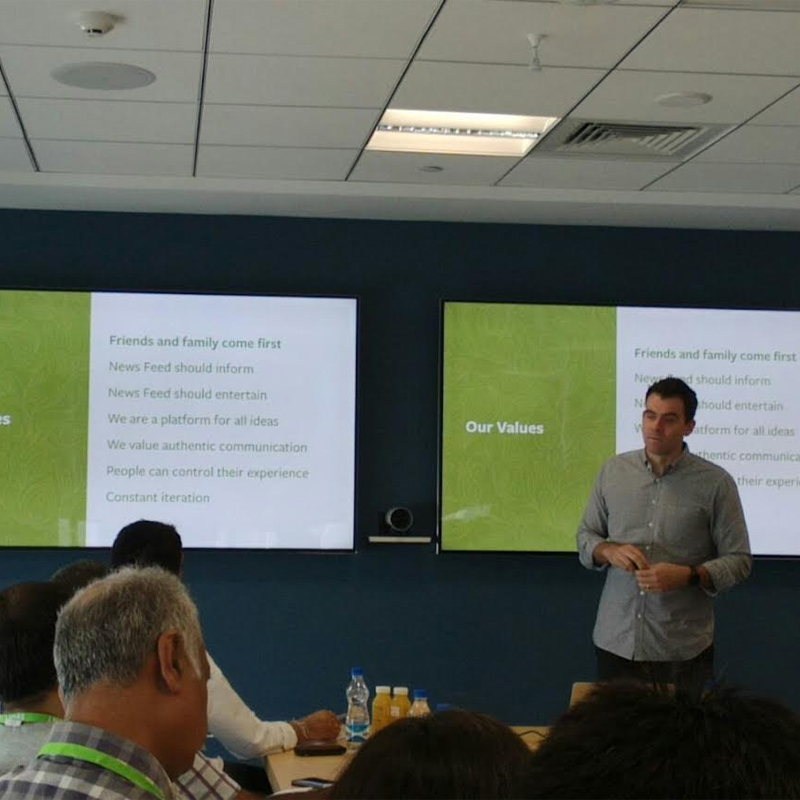
    GURGAON:  “We (Facebook) are now launching a new architecture so you can see less grey boxes, and more relevant stories quickly, regardless of your network connection. This new architecture of News Feed allows stories to be ranked on the client after being sent from the server. We avoid spinners and grey boxes by
    1) requiring stories to have all necessary media available before rendering them in News Feed and
    2) being able to optimize the stories in News Feed for each session, so you can see the most relevant stories even if you’re on slow internet connections,” Facebook VP product development Adam Mosseri said at “News Feed and Partnerships- News, Sports & Entertainment Press Roundtable” on 20 October in Gurgaon.

    “We deeply care about India as we focus on building for the next billion people coming online,” Mosseri said. “We are committed to learning about how people everywhere use our product, and making sure Facebook works for them. Connecting the next billion people on Facebook means understanding these differences and building better experiences to work on all connections, devices, and regions,” he added. Over the past many months, we’ve continued to focus on efforts to improve News Feed for everyone regardless of device or network connection, Mosseri said.

    Quick stats for India

    ·In India there are 155 million MAU, 77 million DAU, 147 million Mobile MAU and 73 million Mobile DAU (as of Q2 2016)

    ·Facebook is available in 12 Indian languages (22 official languages in India, and many more dialects)

    ·As of the end of Q2 2016, daily actives on Facebook in India had grown 22% year over year, compared to a *17%  increase in daily actives on Facebook worldwide.

    ·Not including Likes, more than 50% of the reactions used in India are Love, and more than 30% of Reactions *used in India are Haha

    Facebook Media explores how public figures and media organizations are using Facebook in extraordinary ways

    With 1.7 billion people globally and more than 150 million people in India using Facebook monthly, Facebook provides an essential audience platform for content creators and we are building fast and immersive media experiences to deliver the right content to the right people at the right time. People around the world are using Facebook to connect with news publishers, video creators, celebrities and sports.

    The rapid shift to mobile is fundamentally changing the way creators and publishers can reach and engage their audiences and Facebook is innovating on the types of content that publishers can use to tell stories. Across the globe, people are using mobile devices and adopting visual language to communicate. Social TV experience is a new trend given the new age digital audience who consume content on social media platforms. Facebook plays host to a global TV conversation in part because fans enjoy discussing shows with the people who matter most to them. Facebook has also become one of the best places for TV networks and show creators to connect with and build a community of fans.

    Networks and studios are now heavily relying on digital marketing pegged heavily on innovative/ engaging content. Globally 100 million hours of video are now watched daily on Facebook. Tools like Facebook Live and Mentions help celebrities express themselves authentically. Celebrities and entertainment publishers are using Facebook in creative ways, creating immersive experiences that draw people in and give them a deeper artistic experience. For example, through Facebook Live, everyone has a production studio with a built-in global audience in their pockets at all times. Similarly, Instant Articles, 360 video and autoplay video are new native surfaces that we are seeing creators and publishers embrace to build their audiences and businesses.

    Facebook always wants to learn from its partners, and is committed to building products and business models hand-in-hand that deliver value to people and publishers on Facebook.

    – 670 million people are connected to a News Publisher page on Facebook.
    – A recent Pew Survey said that more than 40% of American adults find news on Facebook.
    – The American Press Institute found that over 88% of millennials get news from Facebook, more than any other social network.
    – Facebook is now a widely-read source for news about government andpolitics. According to a recent Pew study, Facebook is the second most popular source where people online get their political news (48%), secondonly to local news outlets (49%).

    Entertainment

    – 1 billion people are connected to a public figure on Facebook.
    – 17 of the top 20 public figures (8 of the top 10) on Facebook are entertainers.
    – Today, thousands of public figures across verticals — sports,entertainment, news/media and more — use Facebook to easily connect with their fans and each other.
    – With the largest and most diverse community of entertainment fans in the world, Facebook is the best place for the entertainment industry to personalize and scale their campaigns to reach a global audience — from promoting a new movie or show, to releasing a music video or making an awards season push.

    Sports

    – Facebook brings together the world’s largest community of sports fans.
    – 650 million people around the world are connected to at least one sports Page (league, team, athlete, sports media) on Facebook.
    – Facebook is where the largest real-time social media audience comes together to talk about sports’ biggest moments.
    – 277 million people had 1.5 billion interactions on Facebook about the Rio 2016 Summer Olympic Games.
    – The most-discussed moment in the history of Facebook was a sporting event. FIFA World Cup.
    – 350 million people joined the conversation on Facebook, generating 3 billion interactions (posts, comments and likes) related to the
    tournament.
    – Facebook is also the largest cricket stadium and year after year , wehave found that more and more people are logging on to Facebook to keep abreast of key cricket events
    – This year there was exponential increase in match related content that was created exclusively for Facebook
    – During IPL 2016, over 30 million people generated 360 million acebook conversations
    – 46 million people interacted on Facebook during this year’s ICC World Twenty 20 2016
    – During Cricket World Cup 2015, 36 million people have generated 341 million interactions between January 1 and February 28
    – On Facebook, fans discover rich and immersive video that brings them closer to the sports, athletes and teams they love.
    – Innovations such as Facebook Live and Facebook 360 video give fans unprecedented access to the action, taking them on the field and in the locker room, and inviting them to interact directly with their favorite players.
    – Before his final race at the 2016 Rio Olympics, Michael Phelps used Facebook Live to answer questions from fans and confirm his retirement from competitive swimming. With nearly 4 million views, it was the most-viewed live broadcast by an athlete during the games.
    – Facebook helps athletes, teams, leagues and media connect with a global audience of sports fans and achieve their business goals.
    – By leveraging Facebook Live and Facebook 360 video, partners can deliver complementary programming for the second screen and expand their reach.
    – Facebook helps partners achieve their business goals by growing and engaging their fan base; supporting current revenue drivers such as tune-in, subscriptions, sponsorship and ticket and merchandise sales; and providing new revenue streams such as branded content, Instan Articles and ad breaks in live video.

    News

    – For journalists and publishers, Facebook is a valuable place to engage with their readers.
    – We’re building fast and immersive media experiences to make news discovery better for people and publishers — from Instant Articles to Live and 360 video.
    – Facebook is a technology company.
    – We know that people are coming to Facebook to get their news and we take our role in the media ecosystem seriously.
    – We’re working closely with our media partners and listening to their feedback to help them monetize their content and build their businesses.
    – We have to make this work for publishers so we can deliver value to bthem and to everyone on Facebook.
    – Facebook is an open platform for all ideas.
    – We’re not in the business of picking which issues the world should read about. We are in the business of connecting people and ideas.The goal of News Feed is to show people the stories that are most relevant to them.
    – We’re committed to being transparent with publishers about the changes we make to News Feed — providing explanations of any ranking changes and sharing more about how we work.
  • Facebook updates architecture for India’s next billion coming online

    Facebook updates architecture for India’s next billion coming online

    GURGAON:  “We (Facebook) are now launching a new architecture so you can see less grey boxes, and more relevant stories quickly, regardless of your network connection. This new architecture of News Feed allows stories to be ranked on the client after being sent from the server. We avoid spinners and grey boxes by
    1) requiring stories to have all necessary media available before rendering them in News Feed and
    2) being able to optimize the stories in News Feed for each session, so you can see the most relevant stories even if you’re on slow internet connections,” Facebook VP product development Adam Mosseri said at “News Feed and Partnerships- News, Sports & Entertainment Press Roundtable” on 20 October in Gurgaon.

    “We deeply care about India as we focus on building for the next billion people coming online,” Mosseri said. “We are committed to learning about how people everywhere use our product, and making sure Facebook works for them. Connecting the next billion people on Facebook means understanding these differences and building better experiences to work on all connections, devices, and regions,” he added. Over the past many months, we’ve continued to focus on efforts to improve News Feed for everyone regardless of device or network connection, Mosseri said.

    Quick stats for India

    ·In India there are 155 million MAU, 77 million DAU, 147 million Mobile MAU and 73 million Mobile DAU (as of Q2 2016)

    ·Facebook is available in 12 Indian languages (22 official languages in India, and many more dialects)

    ·As of the end of Q2 2016, daily actives on Facebook in India had grown 22% year over year, compared to a *17%  increase in daily actives on Facebook worldwide.

    ·Not including Likes, more than 50% of the reactions used in India are Love, and more than 30% of Reactions *used in India are Haha

    Facebook Media explores how public figures and media organizations are using Facebook in extraordinary ways

    With 1.7 billion people globally and more than 150 million people in India using Facebook monthly, Facebook provides an essential audience platform for content creators and we are building fast and immersive media experiences to deliver the right content to the right people at the right time. People around the world are using Facebook to connect with news publishers, video creators, celebrities and sports.

    The rapid shift to mobile is fundamentally changing the way creators and publishers can reach and engage their audiences and Facebook is innovating on the types of content that publishers can use to tell stories. Across the globe, people are using mobile devices and adopting visual language to communicate. Social TV experience is a new trend given the new age digital audience who consume content on social media platforms. Facebook plays host to a global TV conversation in part because fans enjoy discussing shows with the people who matter most to them. Facebook has also become one of the best places for TV networks and show creators to connect with and build a community of fans.

    Networks and studios are now heavily relying on digital marketing pegged heavily on innovative/ engaging content. Globally 100 million hours of video are now watched daily on Facebook. Tools like Facebook Live and Mentions help celebrities express themselves authentically. Celebrities and entertainment publishers are using Facebook in creative ways, creating immersive experiences that draw people in and give them a deeper artistic experience. For example, through Facebook Live, everyone has a production studio with a built-in global audience in their pockets at all times. Similarly, Instant Articles, 360 video and autoplay video are new native surfaces that we are seeing creators and publishers embrace to build their audiences and businesses.

    Facebook always wants to learn from its partners, and is committed to building products and business models hand-in-hand that deliver value to people and publishers on Facebook.

    – 670 million people are connected to a News Publisher page on Facebook.
    – A recent Pew Survey said that more than 40% of American adults find news on Facebook.
    – The American Press Institute found that over 88% of millennials get news from Facebook, more than any other social network.
    – Facebook is now a widely-read source for news about government andpolitics. According to a recent Pew study, Facebook is the second most popular source where people online get their political news (48%), secondonly to local news outlets (49%).

    Entertainment

    – 1 billion people are connected to a public figure on Facebook.
    – 17 of the top 20 public figures (8 of the top 10) on Facebook are entertainers.
    – Today, thousands of public figures across verticals — sports,entertainment, news/media and more — use Facebook to easily connect with their fans and each other.
    – With the largest and most diverse community of entertainment fans in the world, Facebook is the best place for the entertainment industry to personalize and scale their campaigns to reach a global audience — from promoting a new movie or show, to releasing a music video or making an awards season push.

    Sports

    – Facebook brings together the world’s largest community of sports fans.
    – 650 million people around the world are connected to at least one sports Page (league, team, athlete, sports media) on Facebook.
    – Facebook is where the largest real-time social media audience comes together to talk about sports’ biggest moments.
    – 277 million people had 1.5 billion interactions on Facebook about the Rio 2016 Summer Olympic Games.
    – The most-discussed moment in the history of Facebook was a sporting event. FIFA World Cup.
    – 350 million people joined the conversation on Facebook, generating 3 billion interactions (posts, comments and likes) related to the
    tournament.
    – Facebook is also the largest cricket stadium and year after year , wehave found that more and more people are logging on to Facebook to keep abreast of key cricket events
    – This year there was exponential increase in match related content that was created exclusively for Facebook
    – During IPL 2016, over 30 million people generated 360 million acebook conversations
    – 46 million people interacted on Facebook during this year’s ICC World Twenty 20 2016
    – During Cricket World Cup 2015, 36 million people have generated 341 million interactions between January 1 and February 28
    – On Facebook, fans discover rich and immersive video that brings them closer to the sports, athletes and teams they love.
    – Innovations such as Facebook Live and Facebook 360 video give fans unprecedented access to the action, taking them on the field and in the locker room, and inviting them to interact directly with their favorite players.
    – Before his final race at the 2016 Rio Olympics, Michael Phelps used Facebook Live to answer questions from fans and confirm his retirement from competitive swimming. With nearly 4 million views, it was the most-viewed live broadcast by an athlete during the games.
    – Facebook helps athletes, teams, leagues and media connect with a global audience of sports fans and achieve their business goals.
    – By leveraging Facebook Live and Facebook 360 video, partners can deliver complementary programming for the second screen and expand their reach.
    – Facebook helps partners achieve their business goals by growing and engaging their fan base; supporting current revenue drivers such as tune-in, subscriptions, sponsorship and ticket and merchandise sales; and providing new revenue streams such as branded content, Instan Articles and ad breaks in live video.

    News

    – For journalists and publishers, Facebook is a valuable place to engage with their readers.
    – We’re building fast and immersive media experiences to make news discovery better for people and publishers — from Instant Articles to Live and 360 video.
    – Facebook is a technology company.
    – We know that people are coming to Facebook to get their news and we take our role in the media ecosystem seriously.
    – We’re working closely with our media partners and listening to their feedback to help them monetize their content and build their businesses.
    – We have to make this work for publishers so we can deliver value to bthem and to everyone on Facebook.
    – Facebook is an open platform for all ideas.
    – We’re not in the business of picking which issues the world should read about. We are in the business of connecting people and ideas.The goal of News Feed is to show people the stories that are most relevant to them.
    – We’re committed to being transparent with publishers about the changes we make to News Feed — providing explanations of any ranking changes and sharing more about how we work.
  • Facebook’s India-focused news feed feature launched

    Facebook’s India-focused news feed feature launched

    GURGAON: Social media giant Facebook a short while ago announced a new feature for providing India-focused news feeds. This decision was announced at Facebook’s yet-to-be-officially-launched office here.

    Among the features of the new architecture will be:

    1. Client side ranking

    2. Fetching stories throughout the day

    3. Surfacing stories from your phone (you haven’t seen)

    4. Inserting new loaded stories into people’s feeds while they scroll

    These features will be rolled out today to a limited number of users at first. It’s (mobile) Android-only — for now. “Facebook has tested these features globally but the user engagement is the highest in India as it addresses specific Indian needs such as low connectivity,” Facebook VP product management Adam Mosseri said.

    Among its many firsts, Facebook Messenger’s Data Saver option recently started rolling out to Android phones in India. A new setting has been spotted on the app in the latest Google Pixel smartphone and an older Samsung device running Android 5.1. The setting was not available on an iOS version of the app.

    Facebook has started rolling out the feature to regular app users as well. Users have the option of toggling on/off the data saver mode in the settings. Facebook Messenger will also show much data it has saved per session. One can also reset this data count, depending on your needs.

    Also, Facebook recently introduced new features to allow one to order food, request an appointment with a local spa, get a quote and even book movie tickets with your friends’ recommendations as you travel to a new place.

  • Facebook’s India-focused news feed feature launched

    Facebook’s India-focused news feed feature launched

    GURGAON: Social media giant Facebook a short while ago announced a new feature for providing India-focused news feeds. This decision was announced at Facebook’s yet-to-be-officially-launched office here.

    Among the features of the new architecture will be:

    1. Client side ranking

    2. Fetching stories throughout the day

    3. Surfacing stories from your phone (you haven’t seen)

    4. Inserting new loaded stories into people’s feeds while they scroll

    These features will be rolled out today to a limited number of users at first. It’s (mobile) Android-only — for now. “Facebook has tested these features globally but the user engagement is the highest in India as it addresses specific Indian needs such as low connectivity,” Facebook VP product management Adam Mosseri said.

    Among its many firsts, Facebook Messenger’s Data Saver option recently started rolling out to Android phones in India. A new setting has been spotted on the app in the latest Google Pixel smartphone and an older Samsung device running Android 5.1. The setting was not available on an iOS version of the app.

    Facebook has started rolling out the feature to regular app users as well. Users have the option of toggling on/off the data saver mode in the settings. Facebook Messenger will also show much data it has saved per session. One can also reset this data count, depending on your needs.

    Also, Facebook recently introduced new features to allow one to order food, request an appointment with a local spa, get a quote and even book movie tickets with your friends’ recommendations as you travel to a new place.

  • CBFC won’t ‘chill’; Pan Bahar ‘Bond’ ad banned

    CBFC won’t ‘chill’; Pan Bahar ‘Bond’ ad banned

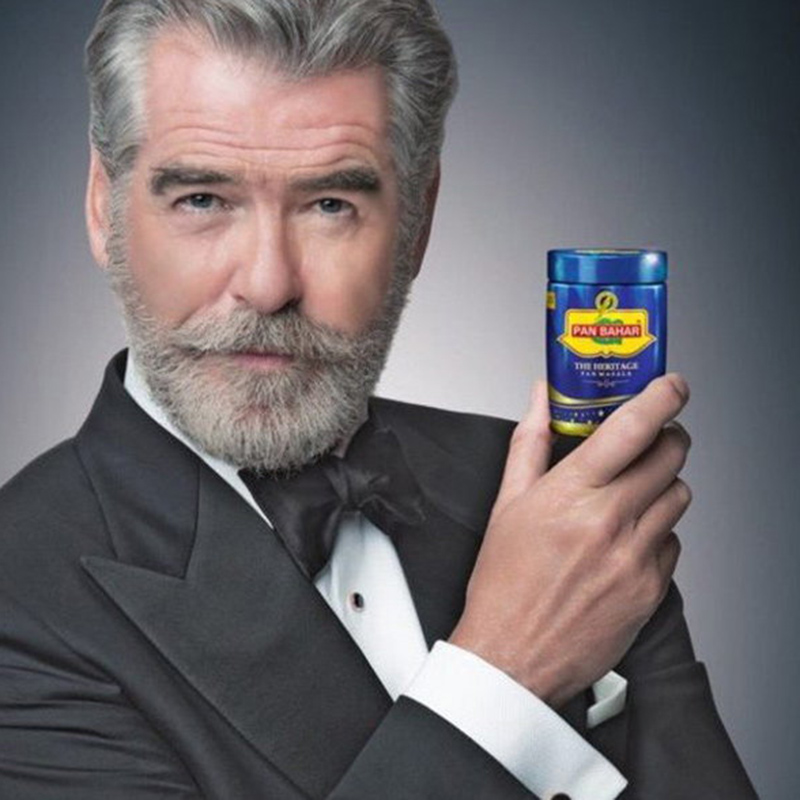
    MUMBAI: CBFC has refused to ‘chill’ as per the wishes of the ad agency that conceived the Bond ad for a pan product. The Pierce Brosnan aka James Bond ad for the mouth freshener Pan Bahar has been banned from national and satellite television by the Central Board of Film Certification.

    Brosnan, as reported by indiantelevision.com, shocked everyone when social media got flooded with trolls and jokes around an advertisement flashing his picture holding a box of Pan Bahar instead of a gun!  The man who once defined style using his charm had now taken to Pan Bahar to look cool. Twitter, needless to say, had a field day, Indian Express reported.

    All tobacco, paan masala, alcohol ads are automatically and unconditionally banned, CBFC head Pahlaj Nihalani said. Even the liquor ads showing big stars like Saif Ali Khan and Shah Rukh, which play surrogate to sell alcohol products are illegal.

    When India woke up to a white haired Brosnan, peering intensely out from a full page ad on The Times of India, holding a jar of Pan Bahar, the nation did a double take. Soon enough, Twitter and Facebook was flooded with a wide range of mostly polarized reactions — from mildly amused to some outright offended.

    Also read:

    ‘Chill,’ says DDB Mudra to Pan Bahar-Pierce Brosnan ‘bond’

  • CBFC won’t ‘chill’; Pan Bahar ‘Bond’ ad banned

    CBFC won’t ‘chill’; Pan Bahar ‘Bond’ ad banned

    MUMBAI: CBFC has refused to ‘chill’ as per the wishes of the ad agency that conceived the Bond ad for a pan product. The Pierce Brosnan aka James Bond ad for the mouth freshener Pan Bahar has been banned from national and satellite television by the Central Board of Film Certification.

    Brosnan, as reported by indiantelevision.com, shocked everyone when social media got flooded with trolls and jokes around an advertisement flashing his picture holding a box of Pan Bahar instead of a gun!  The man who once defined style using his charm had now taken to Pan Bahar to look cool. Twitter, needless to say, had a field day, Indian Express reported.

    All tobacco, paan masala, alcohol ads are automatically and unconditionally banned, CBFC head Pahlaj Nihalani said. Even the liquor ads showing big stars like Saif Ali Khan and Shah Rukh, which play surrogate to sell alcohol products are illegal.

    When India woke up to a white haired Brosnan, peering intensely out from a full page ad on The Times of India, holding a jar of Pan Bahar, the nation did a double take. Soon enough, Twitter and Facebook was flooded with a wide range of mostly polarized reactions — from mildly amused to some outright offended.

    Also read:

    ‘Chill,’ says DDB Mudra to Pan Bahar-Pierce Brosnan ‘bond’

  • Govt. accepts Jawhar Sircar’s request for early retirement

    Govt. accepts Jawhar Sircar’s request for early retirement

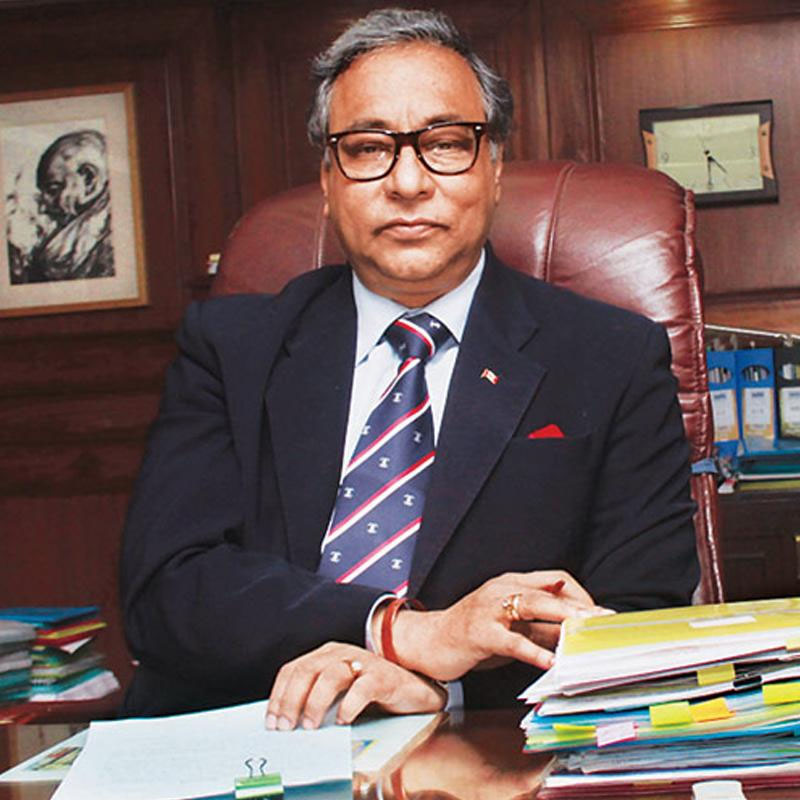
    NEW DELHI: A media-savvy chief executive of Prasar Bharati Jawhar Sircar used the social media to announce yesterday that the Indian government has accepted his resignation from the pubcaster and acceded to his request for an early retirement.

    Sircar was originally to complete his term as the Indian pubcaster’s chief executive and attain superannuation first quarter of 2017.

    On a quiet Sunday, when most Indians were getting ready for a new season of Big Boss later in the evening having watched Indian cricket team romp home to victory over Black Caps in a 50-over game in Dharamshala, Sircar used Facebook to announce that the government had formally cleared the way for his early ride into the sunset.

    “Time to quit, after eventful 41.5 years in IAS (Indian Administrative Service) and beyond. Central Govt (government) has accepted my resignation. Done enough: no more govt or private jobs. Free man, finally. Only books !” Sircar posted on his FB page Sunday evening in his usual flamboyant style.

    public://Untitled-3_8.jpg

    Interestingly, it was another September weekend — Saturday to be specific — when Sircar had used FB to state and clarify he wanted to quit Prasar Bharati before his tenure ended officially and alluded to a time-frame too. “Since news is out today…I hope to be back in Kolkata by NOV(ember),” he had then said on social media.

    Sircar, who took office mid-February 2012 has been at odds, at times, with Ministry of Information and Broadcasting (MIB), including Ministers, and even the Prasar Bharati Board. Still, he had told indiantelevision.com in September when contacted that MIB and Prasar Bharati Board were “in sync and supportive.”

    Sircar, who took early retirement as Secretary, Ministry of Culture, to take up the challenging job of chief executive of Prasar Bharati, which manages All India Radio and Doordarshan, is an expert in art and culture and has lectured on the issues in India and abroad.

    ALSO READ:

    Jawhar Sircar sets 12-point action plan before early retirement

    Prasar Bharati CEO Jawhar Sircar officially seeks early retirement

    Prasar Bharati’s monopolistic-era mind-set has to change: CEO Jawhar Sircar

  • Govt. accepts Jawhar Sircar’s request for early retirement

    Govt. accepts Jawhar Sircar’s request for early retirement

    NEW DELHI: A media-savvy chief executive of Prasar Bharati Jawhar Sircar used the social media to announce yesterday that the Indian government has accepted his resignation from the pubcaster and acceded to his request for an early retirement.

    Sircar was originally to complete his term as the Indian pubcaster’s chief executive and attain superannuation first quarter of 2017.

    On a quiet Sunday, when most Indians were getting ready for a new season of Big Boss later in the evening having watched Indian cricket team romp home to victory over Black Caps in a 50-over game in Dharamshala, Sircar used Facebook to announce that the government had formally cleared the way for his early ride into the sunset.

    “Time to quit, after eventful 41.5 years in IAS (Indian Administrative Service) and beyond. Central Govt (government) has accepted my resignation. Done enough: no more govt or private jobs. Free man, finally. Only books !” Sircar posted on his FB page Sunday evening in his usual flamboyant style.

    public://Untitled-3_8.jpg

    Interestingly, it was another September weekend — Saturday to be specific — when Sircar had used FB to state and clarify he wanted to quit Prasar Bharati before his tenure ended officially and alluded to a time-frame too. “Since news is out today…I hope to be back in Kolkata by NOV(ember),” he had then said on social media.

    Sircar, who took office mid-February 2012 has been at odds, at times, with Ministry of Information and Broadcasting (MIB), including Ministers, and even the Prasar Bharati Board. Still, he had told indiantelevision.com in September when contacted that MIB and Prasar Bharati Board were “in sync and supportive.”

    Sircar, who took early retirement as Secretary, Ministry of Culture, to take up the challenging job of chief executive of Prasar Bharati, which manages All India Radio and Doordarshan, is an expert in art and culture and has lectured on the issues in India and abroad.

    ALSO READ:

    Jawhar Sircar sets 12-point action plan before early retirement

    Prasar Bharati CEO Jawhar Sircar officially seeks early retirement

    Prasar Bharati’s monopolistic-era mind-set has to change: CEO Jawhar Sircar

  • Facebook-Google building 120-Tbps submarine cable to Asia by mid ’18

    Facebook-Google building 120-Tbps submarine cable to Asia by mid ’18

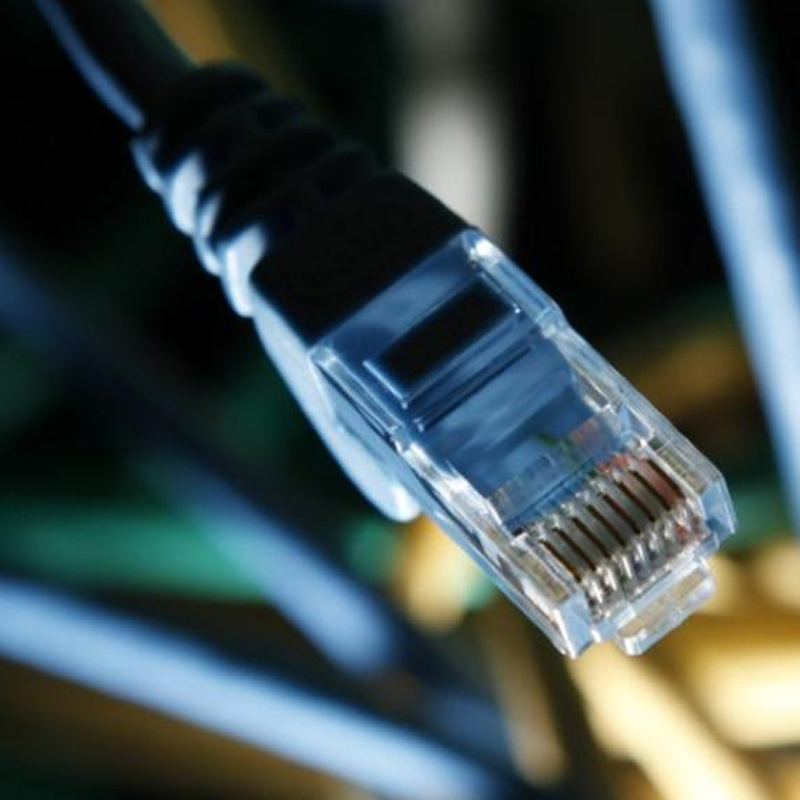
    MUMBAI: Two internet majors Facebook and Google have come together with Pacific Light Data Communications to build the first direct submarine cable system between Los Angeles (U.S.) and Hong Kong in efforts to speed up connections in Asia’s most happening business centre.

    The Pacific Light Cable Network (PLCN) will have 12,800km of fibre and an estimated cable capacity of 120 Tbps, making it the highest-capacity trans-Pacific route, a record held at present by Faster. another Google-backed cable system. PLCN will then provide enough capacity for Hong Kong to have 80 million concurrent HD video conference calls with Los Angeles.

    Google Networking Infrastructure director, Brian Quigley said Google’s mission was to connect people to the information by providing fast and reliable infrastructure, India TV reported. From data centres to cables under the sea, Google was dedicated to building infrastructure that reaches more people than ever before.

    Scheduled for commercial launch in summer of 2018, PLCN will include TE SubCom’s C+L technology, a major step forward in available cable transmission capacity that effectively doubles the available bandwidth and capacity per fiber pair over a traditional C-band-only designed system. Once completed, PLCN will be the highest-capacity transpacific route.

    “PLCN will be among the lowest-latency fiber optic routes between Hong Kong and the U.S. and the first to connect directly using ultra-high-capacity transmission,” said PLDC. chairman Wei Junkang.

    “It is certainly gratifying that global technology companies like Google and Facebook have become co-investors in PLCN. It is a strong signal that PLCN will be trusted to address the capacity needs for internet and international communications services throughout the Pacific Rim. We envision this deployment as the initial step in PLDC’s construction of a global network.”

    “PLCN will showcase the ultra-high-capacity designs and industry-leading wet plant technologies that have enabled TE SubCom to become the manufacturing partner of choice for the world’s most advanced undersea networks,” said Aaron Stucki, president of TE SubCom.

    Pacific Light Data Communication is set to become a leading regional broadband communications service provider that will build and operate the first subsea cable directly connecting Hong Kong and the US.

    TE SubCom, as a vertically integrated supplier, SubCom designs, manufactures, deploys, and maintains the industry’s most reliable fiber optic cable systems. Its solutions include long-haul and regional systems, repeaterless networks, capacity upgrades, offshore oil and gas, and scientific research applications. TE Connectivity is a $12 billion global technology leader whose connectivity and sensor solutions are essential in today’s increasingly connected world.