Tag: Facebook

  • FB to make TV-style video app

    FB to make TV-style video app

    MUMBAI: Facebook is seeking publishers to make specific and niche content and also working on a TV-style video app. FB has no definite model of video programming except for live streams posted by its users and short video clips.

    The App is part of an initiative to own a video-first company – allowing for competition for TV advertising revenue. FB’s strategy to push more video content on the platform has been well prescribed, according to a report in WSJ.

    The report did not give details of attributes of the app, but said that the video programming content would last for around 10 minutes, from scripted shows to entertainment and sports.

    While there was no mention of which streaming boxes FB TV content will stream through, it may aim to start with Apple TV. 

    Also Read:

    Supreme Court flags privacy issues regarding WhatsApp, FB

    FB-WPP to nurture mobile-first creativity tools

  • Fazed by expensive 4G spectrum, BSNL gifting Kerala 1k hotspots

    Fazed by expensive 4G spectrum, BSNL gifting Kerala 1k hotspots

    NEW DELHI: Public sector telco BSNL will launch 1,000 high-speed Wi-Fi hotspots across the state of Kerala to address the challenges posed by its absence in the 4G data services, a top BSNL official has said.

    BSNL’s Kerala circle CGM R Mani told reporters that the proposed hotspots would provide 4.5G speed and would be commissioned within a months’ time. Huge cost to buy the 4G spectrum was the hindrance for the state-run service provider to plunge into 4G services, but it is expected to happen by this March, Mani was quoted by a PTI report, carried by Firstpost, as saying, who added that wherever BSNL’s 3G tower experienced a lot of traffic, Wi-Fi hotspots are being put up.

    With the commissioning of the hotspots, when a customer is using his mobile phone, his network service would be directly taken over to the Wi-Fi hotspot. “Then, he will not be on 3G… but will be on 4.5G,” the BSNL official is reported to have said. The project is being implemented in collaboration with equipment from Larsen & Toubro.

    The official explained that the high cost of 4G spectrum was an impediment for the State-run telco, though the initiative was “under evaluation” at the headquarters in Delhi.

    The rollout of 1,000 Wi-Fi hotspots in Kerala is part of an effort to provide Wi-Fi hotspots all across the country. In 2015, it was announced that BSNL would be investing Rs. 7, 0000 million to set up Wi-Fi hotspots across the country over the course of two to three years. BSNL has partnered with QuadGen Wireless to set up Wi-Fi hotspots in south and west zones, under a revenue sharing model.

    According to the report, BSNL plans to set up 40,000 Wi-Fi hotspots across the country by 2018 and the company already offers Wi-Fi services in tourist destinations such as the Taj Mahal, Khajuraho and Varanasi. The first 30 minutes of Wi-Fi connectivity is free, after which users will have to pay between Rs 20 to Rs 70 for access between 30 minutes to 24 hours. The free access is provided three times a month per user.

    Facebook has sponsored 100 hotspots across the country in partnership with BSNL and the social media company (hauled up by the government last year for offering, what the telecom regulator said, services that breached principles of Net Neutrality via Internet.org) is paying BSNL Rs 500,000 per hotspot annually. There is no revenue sharing agreement with Facebook.

  • Netflix confirms seven million subs; picks up Amazon gauntlet

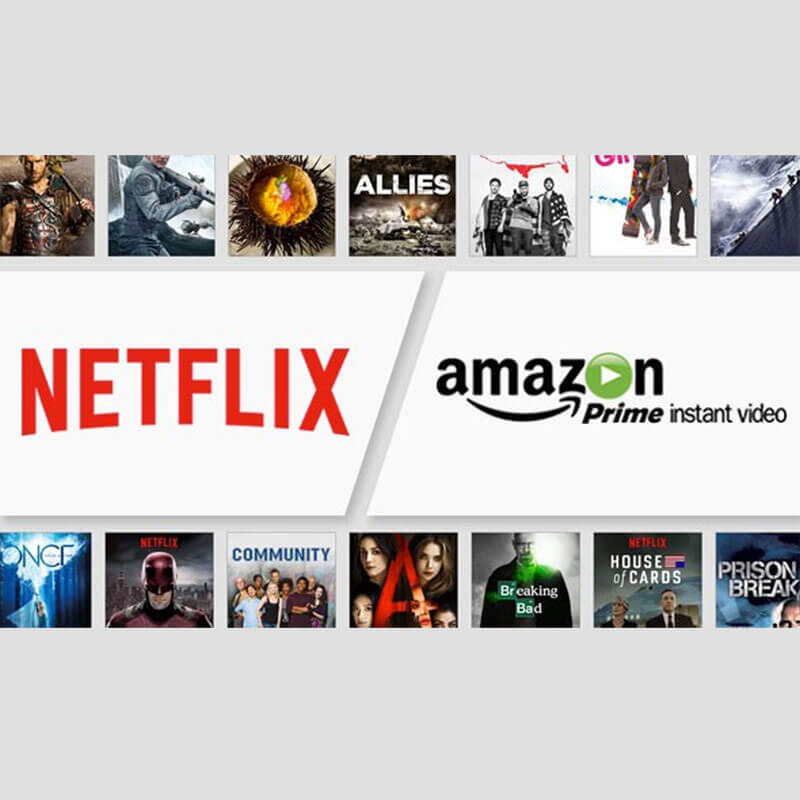
    Netflix confirms seven million subs; picks up Amazon gauntlet

    MUMBAI: For all those media watchers who have been writing Netflix’s obituary in India, here’s a note of caution: take a few steps back, hold on to your fingers before banging in any other words on your keyboards. The global streaming services has come back with some smashing numbers in the latest quarter which should make the critics go red in their faces – with embarrassment, of course. And it is quite likely it will go back to the drawing board with a review of its India strategy.

    The company announced over the weekend that it had added 19 million new net subs in the year 2016 as against 17.4 million in 2015, finishing the year with 93.8 million subs. Its global streaming revenue during the period: a mindboggling $8.3 billion, reflecting a 35 per cent year on year growth.

    And its figures for the quarter ended 31 December 2016 are also noteworthy: it notched up its historical best Q4 net adds number at 7.05 million (against 5.20 million forecast and 5.59 million in Q42015). These net adds came both courtesy the US (1.93 million vs forecast 1.54 million) and the 190 countries it is present in (5.12 million Q4 2016 as against the 3.75 million forecast and 4.04 million achieved in the year ago quarter). The company says in a release that the contribution was broad based geographically and the impact of its content slate is likely to be felt even more in Q2 2017 as it rolls out the new shows it has commissioned and libraries it has acquired.

    The Reed Hastings-Ted Sarandos team has upped Netflix’s content budget to $6 billion for 2017 – 20 per cent more than it had laid out for 2016. The company has given a guidance of 5.12 million new net adds for Q1 2017 (3.7 million of these will be from outside the US).

    Estimates are that it has managed to rope in sub-100,000 subscribers in India and renewals have been tough to achieve. In fact, it sent down a team on a fact finding mission to figure out why uptake has not been blazing like in other parts of the world. And how it can appeal better to potential subscribers.

    Analysts expect some pricing corrections going forward, considering the aggressive pricing that streaming services such as Hotstar, Amazon Prime, ErosNow, YuppTV, Hooq are adopting.
    Then it hopes that its offline viewing mode it launched in Q42016 will also help do the trick in India where bandwidth is patchy at best, despite the speedy rollout of 4G services by Jio, Airtel, Idea and the freebie offers they are dishing out.

    The Netflix offline mode allows viewers on iOS and Android devices to download content for viewing later while traveling to work on subways, buses, planes etc. The company hopes that this feature will do well in countries with limited or expensive bandwidth. Says the press release: “We are pleased with the initial results and as expected enjoyment of offline viewing is greatest where the broadband infrastructure is less than robust.”

    Netflix is also banking on the appeal of Shah Rukh Khan to help do the magic in India and south Asia. Speculation is that it has invested hundreds of crores to acquire Red Chilies Entertainment’s forward and back catalogue. Then of course its first series adapted from Vikram Chandra’s Mumbai underworld thriller Sacred Games and produced by the edgy production house Phantom Films should see the light of day by mid to end 2017.

    If it does anywhere as well as Netflix’s first Brazilian original series 3% did, it could catapult the SVOD service to cult status amongst India’s millenials and mobile-toting generation. The Portuguese language scifi post apocalyptic thriller premiered last year as one of the most watched originals in Brazil as well as Latin America and was also watched by millions of subscribers in the US dubbed and subtitled in English.

    Netflix is quite confident that its 2016 global slate – which included award winning shows such as The Crown, Marvel’s Luke Cage, Gilmore Girls: A Year in the Life, The OA, Troll Hunters – will continue to generate traction in India.

    Netflix acknowledges in the investor release that Internet TV is evolving fast and becoming hyper competitive. Says the company: “Internet video is a global phenomenon. Amazon Prime Video expanded recently to match our territory footprint, while YouTube remains far larger than either of us in terms of global video enjoyment minutes. Video consumption is growing on Facebook, and Apple is rumored to be adding video to its music service. Satellite TV operators are moving to become internet MVPDs, such as ViaSat to ViaPlay in the Nordics, DISH to Sling, and DirecTV to DirecTV Now. Insurgent firms such as Molotov.tv in France and Hulu are building native-internet interfaces for TV network bundles. CBS is releasing a major original series ( Star Trek) exclusively on its domestic SVOD service (with us as international partner). Finally, the BBC has become the first major linear network to announce plans to go binge-first with new seasons, favoring internet over linear viewers. We presume HBO is not far behind the BBC. In short, it’s becoming an internet TV world, which presents both challenges and opportunities for Netflix as we strive to earn screen time. “

    It additionally states that Q42016 marked the tenth anniversary of its streaming launch. And the road ahead is quite clearly laid out. “The next decade will be even more amazing and tumultuous as Internet TV supplants linear TV and we strive to remain a leader.”
  • Fazed by expensive 4G spectrum, BSNL gifting Kerala 1k hotspots

    Fazed by expensive 4G spectrum, BSNL gifting Kerala 1k hotspots

    NEW DELHI: Public sector telco BSNL will launch 1,000 high-speed Wi-Fi hotspots across the state of Kerala to address the challenges posed by its absence in the 4G data services, a top BSNL official has said.

    BSNL’s Kerala circle CGM R Mani told reporters that the proposed hotspots would provide 4.5G speed and would be commissioned within a months’ time. Huge cost to buy the 4G spectrum was the hindrance for the state-run service provider to plunge into 4G services, but it is expected to happen by this March, Mani was quoted by a PTI report, carried by Firstpost, as saying, who added that wherever BSNL’s 3G tower experienced a lot of traffic, Wi-Fi hotspots are being put up.

    With the commissioning of the hotspots, when a customer is using his mobile phone, his network service would be directly taken over to the Wi-Fi hotspot. “Then, he will not be on 3G… but will be on 4.5G,” the BSNL official is reported to have said. The project is being implemented in collaboration with equipment from Larsen & Toubro.

    The official explained that the high cost of 4G spectrum was an impediment for the State-run telco, though the initiative was “under evaluation” at the headquarters in Delhi.

    The rollout of 1,000 Wi-Fi hotspots in Kerala is part of an effort to provide Wi-Fi hotspots all across the country. In 2015, it was announced that BSNL would be investing Rs. 7, 0000 million to set up Wi-Fi hotspots across the country over the course of two to three years. BSNL has partnered with QuadGen Wireless to set up Wi-Fi hotspots in south and west zones, under a revenue sharing model.

    According to the report, BSNL plans to set up 40,000 Wi-Fi hotspots across the country by 2018 and the company already offers Wi-Fi services in tourist destinations such as the Taj Mahal, Khajuraho and Varanasi. The first 30 minutes of Wi-Fi connectivity is free, after which users will have to pay between Rs 20 to Rs 70 for access between 30 minutes to 24 hours. The free access is provided three times a month per user.

    Facebook has sponsored 100 hotspots across the country in partnership with BSNL and the social media company (hauled up by the government last year for offering, what the telecom regulator said, services that breached principles of Net Neutrality via Internet.org) is paying BSNL Rs 500,000 per hotspot annually. There is no revenue sharing agreement with Facebook.

  • Netflix confirms seven million subs; picks up Amazon gauntlet

    Netflix confirms seven million subs; picks up Amazon gauntlet

    MUMBAI: For all those media watchers who have been writing Netflix’s obituary in India, here’s a note of caution: take a few steps back, hold on to your fingers before banging in any other words on your keyboards. The global streaming services has come back with some smashing numbers in the latest quarter which should make the critics go red in their faces – with embarrassment, of course. And it is quite likely it will go back to the drawing board with a review of its India strategy.

    The company announced over the weekend that it had added 19 million new net subs in the year 2016 as against 17.4 million in 2015, finishing the year with 93.8 million subs. Its global streaming revenue during the period: a mindboggling $8.3 billion, reflecting a 35 per cent year on year growth.

    And its figures for the quarter ended 31 December 2016 are also noteworthy: it notched up its historical best Q4 net adds number at 7.05 million (against 5.20 million forecast and 5.59 million in Q42015). These net adds came both courtesy the US (1.93 million vs forecast 1.54 million) and the 190 countries it is present in (5.12 million Q4 2016 as against the 3.75 million forecast and 4.04 million achieved in the year ago quarter). The company says in a release that the contribution was broad based geographically and the impact of its content slate is likely to be felt even more in Q2 2017 as it rolls out the new shows it has commissioned and libraries it has acquired.

    The Reed Hastings-Ted Sarandos team has upped Netflix’s content budget to $6 billion for 2017 – 20 per cent more than it had laid out for 2016. The company has given a guidance of 5.12 million new net adds for Q1 2017 (3.7 million of these will be from outside the US).

    Estimates are that it has managed to rope in sub-100,000 subscribers in India and renewals have been tough to achieve. In fact, it sent down a team on a fact finding mission to figure out why uptake has not been blazing like in other parts of the world. And how it can appeal better to potential subscribers.

    Analysts expect some pricing corrections going forward, considering the aggressive pricing that streaming services such as Hotstar, Amazon Prime, ErosNow, YuppTV, Hooq are adopting.
    Then it hopes that its offline viewing mode it launched in Q42016 will also help do the trick in India where bandwidth is patchy at best, despite the speedy rollout of 4G services by Jio, Airtel, Idea and the freebie offers they are dishing out.

    The Netflix offline mode allows viewers on iOS and Android devices to download content for viewing later while traveling to work on subways, buses, planes etc. The company hopes that this feature will do well in countries with limited or expensive bandwidth. Says the press release: “We are pleased with the initial results and as expected enjoyment of offline viewing is greatest where the broadband infrastructure is less than robust.”

    Netflix is also banking on the appeal of Shah Rukh Khan to help do the magic in India and south Asia. Speculation is that it has invested hundreds of crores to acquire Red Chilies Entertainment’s forward and back catalogue. Then of course its first series adapted from Vikram Chandra’s Mumbai underworld thriller Sacred Games and produced by the edgy production house Phantom Films should see the light of day by mid to end 2017.

    If it does anywhere as well as Netflix’s first Brazilian original series 3% did, it could catapult the SVOD service to cult status amongst India’s millenials and mobile-toting generation. The Portuguese language scifi post apocalyptic thriller premiered last year as one of the most watched originals in Brazil as well as Latin America and was also watched by millions of subscribers in the US dubbed and subtitled in English.

    Netflix is quite confident that its 2016 global slate – which included award winning shows such as The Crown, Marvel’s Luke Cage, Gilmore Girls: A Year in the Life, The OA, Troll Hunters – will continue to generate traction in India.

    Netflix acknowledges in the investor release that Internet TV is evolving fast and becoming hyper competitive. Says the company: “Internet video is a global phenomenon. Amazon Prime Video expanded recently to match our territory footprint, while YouTube remains far larger than either of us in terms of global video enjoyment minutes. Video consumption is growing on Facebook, and Apple is rumored to be adding video to its music service. Satellite TV operators are moving to become internet MVPDs, such as ViaSat to ViaPlay in the Nordics, DISH to Sling, and DirecTV to DirecTV Now. Insurgent firms such as Molotov.tv in France and Hulu are building native-internet interfaces for TV network bundles. CBS is releasing a major original series ( Star Trek) exclusively on its domestic SVOD service (with us as international partner). Finally, the BBC has become the first major linear network to announce plans to go binge-first with new seasons, favoring internet over linear viewers. We presume HBO is not far behind the BBC. In short, it’s becoming an internet TV world, which presents both challenges and opportunities for Netflix as we strive to earn screen time. “

    It additionally states that Q42016 marked the tenth anniversary of its streaming launch. And the road ahead is quite clearly laid out. “The next decade will be even more amazing and tumultuous as Internet TV supplants linear TV and we strive to remain a leader.”
  • Supreme Court flags privacy issues regarding WhatsApp, FB

    Supreme Court flags privacy issues regarding WhatsApp, FB

    NEW DELHI: The Supreme Court on Monday sought the central government’s response on a plea seeking to put in place regulation to protect the privacy of the messages of WhatsApp and Facebook users.

    The court also issued notices to the Telecom Regulatory Authority of India (TRAI), online messaging service WhatsApp and the social networking site Facebook, according to a report filed by news agency IANS.

    Petitioners Karmanya Singh Sareen and Shreya Singhal contended that under the new policy of WhatsApp, the online messaging service could access, read, share and use the contents for commercial purposes. A bench of Chief Justice Jagdish Singh Khehar and Justice D.Y. Chandrachud said, “It is a private person extending a private service. You take it or leave it — that is your right.”

    Appearing for the petitioners, senior counsel Harish Salve told the court that it was the duty of the government to protect people’s rights under Articles 19 and 21 of the Constitution and safeguard their privacy.
    As he urged the court to intervene in the matter as new policy of WhatsApp affected the privacy of the people using the site, the bench observed whenever the messaging service will change their conditions, they will give a notice to its users, IANS reported.

    Telling the court that private communication between two persons had to be protected, Salve said that TRAI was not doing anything about it and government was under duty to regulate the online messaging site and the social networking site. The court was told that TRAI has inserted a condition, which says that if you intercept a call without government permission, you would be prosecuted.

    Sareen and Singhal have challenged Delhi High Court’s September 23, 2016 order by which it had allowed WhatsApp to roll out its new privacy policy but said it cannot share data of its users collected up to September 25, 2016 with Facebook or any other related company.

    The High Court had further directed that WhatsApp would completely delete all data of users who chooses to opt out of the instant messaging app after the coming into force of its new privacy policy. While allowing WhatsApp to roll out its new privacy policy, it had said: “We have taken note of the fact that under the privacy policy of WhatsApp, the users are given an option to delete their WhatsApp account at any time, in which event, the information of the users would be deleted from the servers of WhatsApp. We are, therefore, of the view that it is always open to the existing users of WhatsApp, who do not want their information to be shared with Facebook, to opt for deletion of their account.”

    The High Court had also asked the Centre to consider if instant messaging app WhatsApp and social networking site could be brought under the statutory regulatory framework.

    TRAI is undertaking a consultation process, at the moment, to decide on Net Neutrality, which will at one point of time will also take into account services like WhatsApp, FB Messenger and other similar services offered by Indian companies too.

  • Supreme Court flags privacy issues regarding WhatsApp, FB

    Supreme Court flags privacy issues regarding WhatsApp, FB

    NEW DELHI: The Supreme Court on Monday sought the central government’s response on a plea seeking to put in place regulation to protect the privacy of the messages of WhatsApp and Facebook users.

    The court also issued notices to the Telecom Regulatory Authority of India (TRAI), online messaging service WhatsApp and the social networking site Facebook, according to a report filed by news agency IANS.

    Petitioners Karmanya Singh Sareen and Shreya Singhal contended that under the new policy of WhatsApp, the online messaging service could access, read, share and use the contents for commercial purposes. A bench of Chief Justice Jagdish Singh Khehar and Justice D.Y. Chandrachud said, “It is a private person extending a private service. You take it or leave it — that is your right.”

    Appearing for the petitioners, senior counsel Harish Salve told the court that it was the duty of the government to protect people’s rights under Articles 19 and 21 of the Constitution and safeguard their privacy.
    As he urged the court to intervene in the matter as new policy of WhatsApp affected the privacy of the people using the site, the bench observed whenever the messaging service will change their conditions, they will give a notice to its users, IANS reported.

    Telling the court that private communication between two persons had to be protected, Salve said that TRAI was not doing anything about it and government was under duty to regulate the online messaging site and the social networking site. The court was told that TRAI has inserted a condition, which says that if you intercept a call without government permission, you would be prosecuted.

    Sareen and Singhal have challenged Delhi High Court’s September 23, 2016 order by which it had allowed WhatsApp to roll out its new privacy policy but said it cannot share data of its users collected up to September 25, 2016 with Facebook or any other related company.

    The High Court had further directed that WhatsApp would completely delete all data of users who chooses to opt out of the instant messaging app after the coming into force of its new privacy policy. While allowing WhatsApp to roll out its new privacy policy, it had said: “We have taken note of the fact that under the privacy policy of WhatsApp, the users are given an option to delete their WhatsApp account at any time, in which event, the information of the users would be deleted from the servers of WhatsApp. We are, therefore, of the view that it is always open to the existing users of WhatsApp, who do not want their information to be shared with Facebook, to opt for deletion of their account.”

    The High Court had also asked the Centre to consider if instant messaging app WhatsApp and social networking site could be brought under the statutory regulatory framework.

    TRAI is undertaking a consultation process, at the moment, to decide on Net Neutrality, which will at one point of time will also take into account services like WhatsApp, FB Messenger and other similar services offered by Indian companies too.

  • FB-WPP to nurture mobile-first creativity tools

    FB-WPP to nurture mobile-first creativity tools

    MUMBAI: Facebook has hosted the creative ambassador programme for WPP creative agencies in Mumbai. The programme was aimed at educating WPP Creative agencies in a scaled way and empower them to develop award winning, mobile first creatives that exceed their clients’ business objectives.

    As the adoption of mobile accelerates in India, it is transforming the way people are discovering, experiencing, sharing and connecting with people, ideas and organisations that matter to them. With the “Creative Ambassador Program,” Facebook is focused on helping partners develop ideas that intrigue and engage for the mobile world. The program was launched in Asia-Pacific in June last year and has been rolled out in Hong Kong, Singapore and now in India.

    “Mobile is the future of consumer and brand interaction. Nowhere is such opportunity more evident than in Asia and in particular, India with smartphones fast becoming the device of choice for spending,” says WPP India country manager Ranjan Kapur.

    The program was launched in Asia-Pacific in June last year and has been rolled out in Hong Kong, Singapore and now in India.

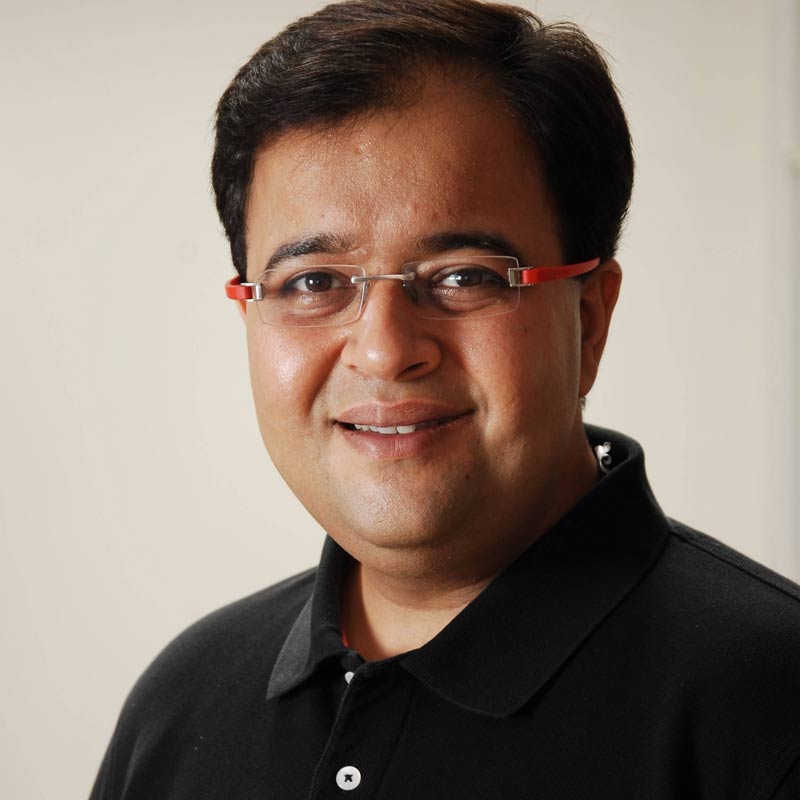
    Facebook India and South Asia managing director Umang Bedi, said, “Creative agencies have always been at the forefront of every award winning creative work and we see great potential in working together to make rich creative expressions on Facebook and Instagram. The Creative Ambassador Program will help us bring together and educate creative talent to leverage the Facebook targeting tools and personalized marketing at scale to build brands and produce best in class work in a mobile-first world.”

    The two-day programme was run by Facebook’s Agency team, Creative Shop team and Blueprint team. It kicked off with a deep dive into different segments of the creative journey with Facebook and Instagram on the first day, and was attended by top creative directors, planning directors, copywriters and client leaders from WPP agencies across India. Day two of the program included partnering with the Blueprint team to run Blueprint Live, a bespoke version especially for Creative Agencies that helps them to come up with “the big idea” and creative concepts.

    WPP chief digital and strategy officer Scott Spirit said, “WPP agencies are constantly reinventing ways in which clients can reach out to their audiences. By partnering with Facebook, WPP agencies will have access to the latest technology and knowledge that will enable them to help clients stay ahead of the curve.”

    This global programme was co-created by Scott Spirit, Global Head of Strategy for WPP and Edel Horgan, APAC Lead on WPP for Facebook. The partnership program will be expanded to Australia this year, followed by New York to ensure people are up-to-speed on everything Facebook and Instagram has to offer and ensure creative agencies never miss out on new opportunities.

  • FB-WPP to nurture mobile-first creativity tools

    FB-WPP to nurture mobile-first creativity tools

    MUMBAI: Facebook has hosted the creative ambassador programme for WPP creative agencies in Mumbai. The programme was aimed at educating WPP Creative agencies in a scaled way and empower them to develop award winning, mobile first creatives that exceed their clients’ business objectives.

    As the adoption of mobile accelerates in India, it is transforming the way people are discovering, experiencing, sharing and connecting with people, ideas and organisations that matter to them. With the “Creative Ambassador Program,” Facebook is focused on helping partners develop ideas that intrigue and engage for the mobile world. The program was launched in Asia-Pacific in June last year and has been rolled out in Hong Kong, Singapore and now in India.

    “Mobile is the future of consumer and brand interaction. Nowhere is such opportunity more evident than in Asia and in particular, India with smartphones fast becoming the device of choice for spending,” says WPP India country manager Ranjan Kapur.

    The program was launched in Asia-Pacific in June last year and has been rolled out in Hong Kong, Singapore and now in India.

    Facebook India and South Asia managing director Umang Bedi, said, “Creative agencies have always been at the forefront of every award winning creative work and we see great potential in working together to make rich creative expressions on Facebook and Instagram. The Creative Ambassador Program will help us bring together and educate creative talent to leverage the Facebook targeting tools and personalized marketing at scale to build brands and produce best in class work in a mobile-first world.”

    The two-day programme was run by Facebook’s Agency team, Creative Shop team and Blueprint team. It kicked off with a deep dive into different segments of the creative journey with Facebook and Instagram on the first day, and was attended by top creative directors, planning directors, copywriters and client leaders from WPP agencies across India. Day two of the program included partnering with the Blueprint team to run Blueprint Live, a bespoke version especially for Creative Agencies that helps them to come up with “the big idea” and creative concepts.

    WPP chief digital and strategy officer Scott Spirit said, “WPP agencies are constantly reinventing ways in which clients can reach out to their audiences. By partnering with Facebook, WPP agencies will have access to the latest technology and knowledge that will enable them to help clients stay ahead of the curve.”

    This global programme was co-created by Scott Spirit, Global Head of Strategy for WPP and Edel Horgan, APAC Lead on WPP for Facebook. The partnership program will be expanded to Australia this year, followed by New York to ensure people are up-to-speed on everything Facebook and Instagram has to offer and ensure creative agencies never miss out on new opportunities.

  • Arnab’s Republic widens footprint on Facebook, Twitter

    Arnab’s Republic widens footprint on Facebook, Twitter

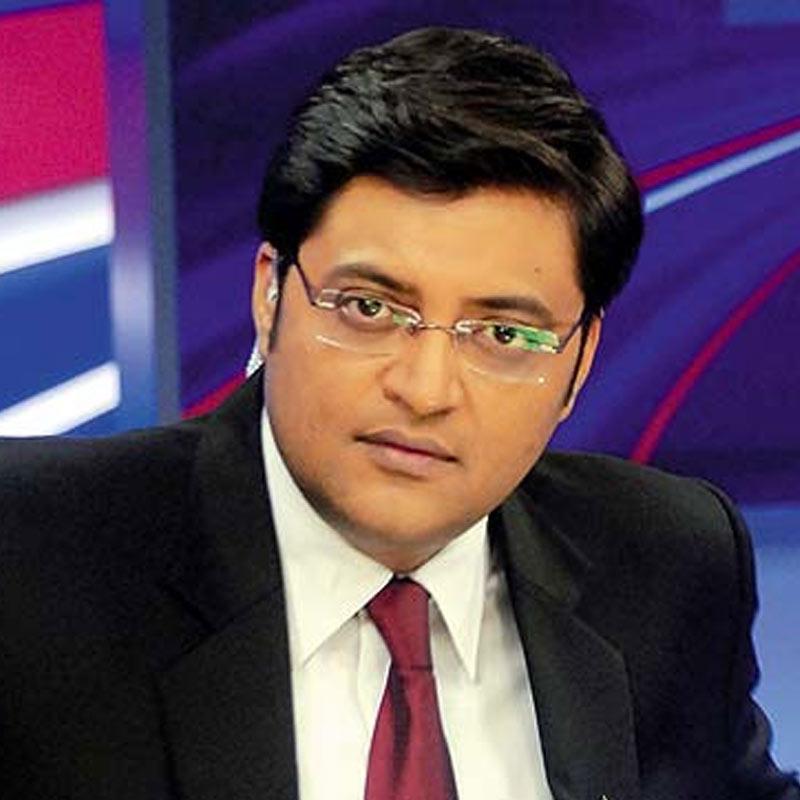
    NEW DELHI: The nation is warming up to the Republic. Former Times TV Network chief editor Arnab Goswami, who quit late 2016 the media house where he built his career, is now whipping up social media frenzy with his new news and media venture dubbed Republic News.

    “The nation wants to know! We are now live on social. Until we hit your screens, track the revolution here! #RepublicOnSocial,” Republic or @republic tweeted on January 7, 2017 on its page that says it’s the official page of “India’s most awaited news venture” going on to add that “Republic is independent. Republic is global. Republic is disruptive. Republic is your movement. Join us.”

    Republic News India’s Facebook page already has about 14,000 `Likes’, while the Twitter page (handle @Republic) has over 43,000 followers till the time of writing this report. And, the number is growing. Some five thousand followers got added to the Twitter page between January, 7 2017 evening and January 8, 2017 afternoon as tweets are getting pinned by a global PR company, probably hired to oversee external communications, and retweets happening by media personalities, including the likes of South Asia chief of world’s largest advertising company.

    “I have placed my belief in the people of India. I believe in this republic. There is a reason why I have named it Republic – It’s for the public, voice of the public, undiluted. And I promise you today that till my last day in this profession, I will not let down your faith in me. I am placing my belief in you.” This is a message that has been attributed to Goswami on December 27, 2016 on the FB page of Republic News (@RepublicIndiaNews), which some observers described as mushy, theatrical and true to Goswami’s style.

    The sugary social media messages of RepublicIndiaNews continued on FB in the new year: “The new year stands before us, like a chapter in a book, waiting to be written.’Best Hope’ is the only word that is been reminded by me every new year evening. Wishing A Very Hopeful New Year Ahead to all my fans and well wishers. #HappyNewYear #Republic.” Both the Twitter and FB page carry a stylised photo of Goswami.

    public://IMG_0666.jpg

    The ‘About’ section of the FB page lists the owner/creator of the page as “News and Media House” and gives no other details or when the news venture likely to be launched.

    Though Goswami doesn’t have FB or Twitter page under his personal name, a tradition he seems to have carried from his Times Now days in sharp contrast to some his fellow celeb TV news anchors who are hyper active on social media — and get trolled heavily often by pro-government accounts — the Twitter handle @Repubic thanked the social media platform for associating with it and handing out an official welcome to the about-to-be-launched news venture, which also added to the buzz creation.

    public://IMG_0667.jpg

    Goswami announced his decision to quit Times Now early November 2016 first to his editorial team after returning from a trip to the Maldives and later conveyed it to his corporate bosses, which riled many within the Times of India group who felt that the editorial head used the Times group to create a new platform for himself by posturing on issues that were blatantly pro-BJP government in New Delhi.

    Meanwhile, media industry sources indicated that the application for Goswami’s news venture has been made to the government last month seeking at least various clearances to start a TV news channel. Though sketchy details are available, but the company lists a Kolkata-based businessman and a Bangalore-based media-entrepreneur-turned-politician as backers. This information could not be confirmed independently by Indiantelevision.com from the Republic or relevant government organisations.

    ALSO READ:

    It is Arnab’s Republic now

    Arnab Goswami quits as editor-in-chief of Times Television Network

    Times Network MD & CEO MK Anand speaks out on l’affaire Arnab

    ‘King’ content will take over monopolistic media entities, says Arnab