Tag: Facebook

  • OpenAI names Sheeladitya Mohanty as India marketing lead

    OpenAI names Sheeladitya Mohanty as India marketing lead

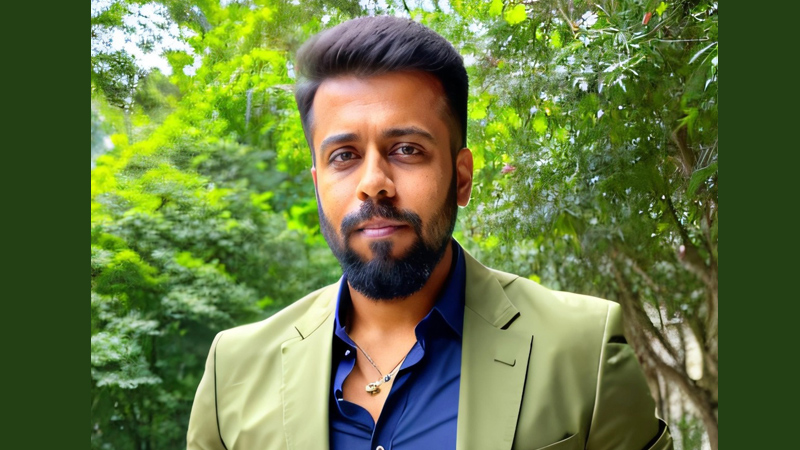
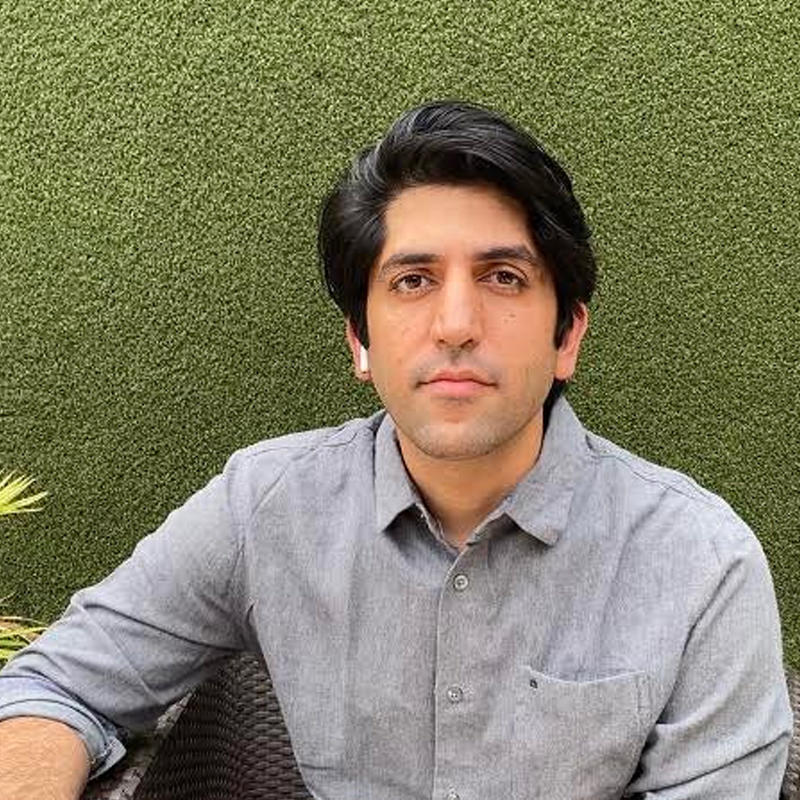
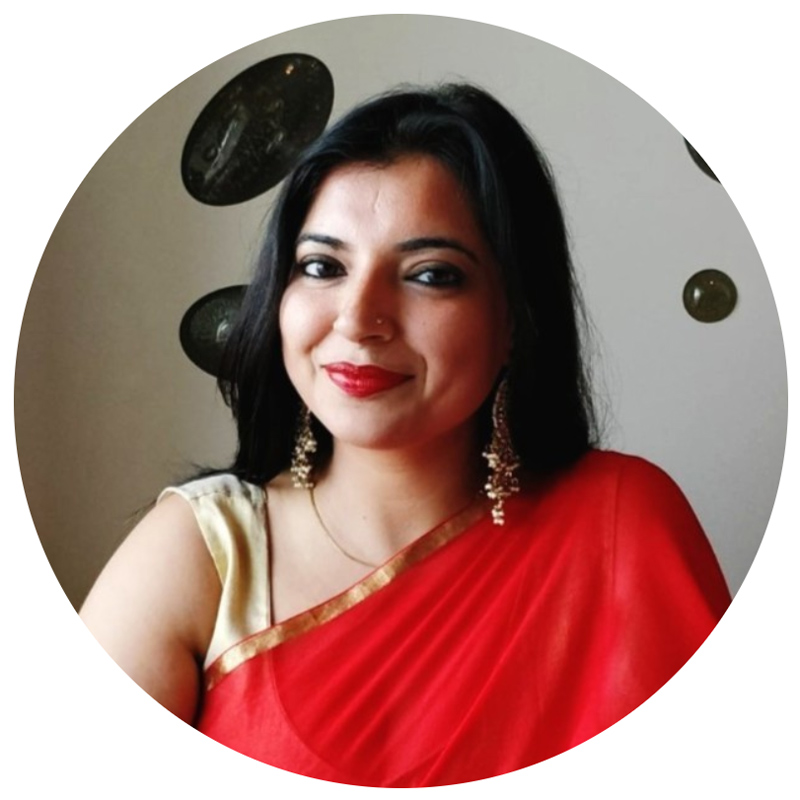
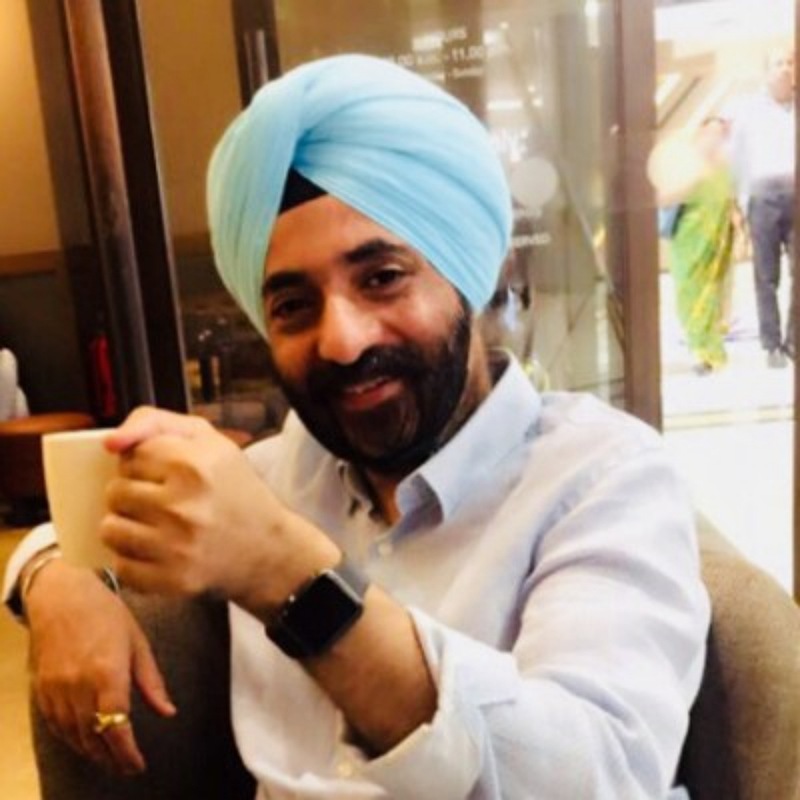
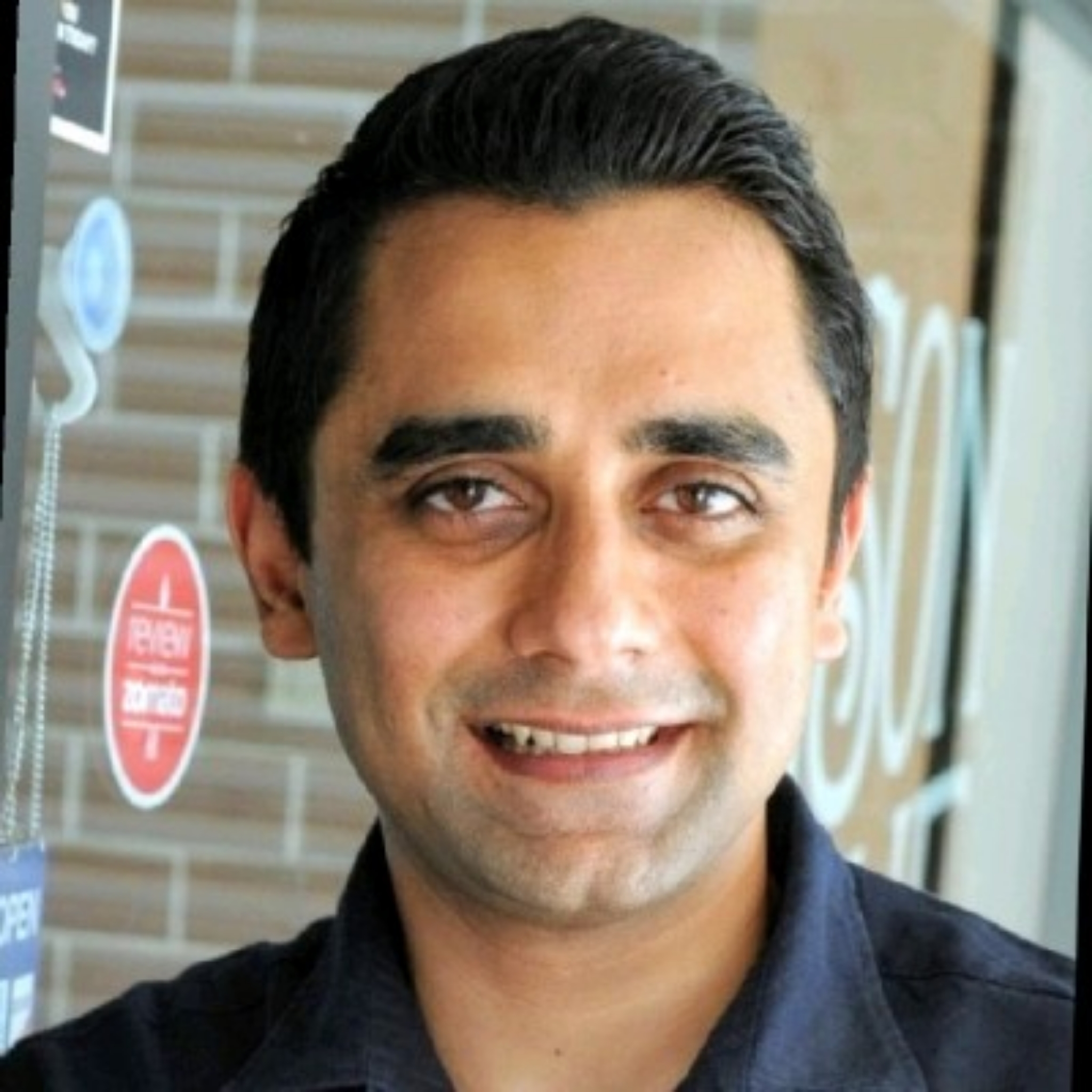
    MUMBAI;OpenAI has appointed Sheeladitya Mohanty as its marketing lead for India, tasking him with driving awareness, adoption and responsible use of the firm’s products across the subcontinent.

    An XLRI Jamshedpur alumnus, Mohanty began his career at Nokia in 2009 and later worked at Microsoft as a business evangelist before joining Facebook (now Meta) in 2016. Over nine years at the social-media giant, he handled platform, public affairs and brand marketing roles, most recently serving as marketing lead for Meta AI and Facebook across Asia-Pacific.

    Mohanty says his strength lies in “systems thinking”—connecting workstreams across silos to deliver scale. His expertise spans consumer marketing, go-to-market launches, platform partnerships and large-scale campaign execution.

    At OpenAI, he will lead education and outreach in India, a market critical to the firm’s global ambitions of making artificial intelligence “accessible and impactful”.

  • Birla Opus paints the town festive with Ganesh Chaturthi digital film

    Birla Opus paints the town festive with Ganesh Chaturthi digital film

    MUMBAI :  When Bappa arrives, even the walls want to dress up. This Ganesh Chaturthi, Birla Opus Paints part of Aditya Birla Group’s Grasim Industries has unveiled a heartwarming digital film under its Duniya Ko Rang Do philosophy, capturing the spirit of devotion, colour, and community.

    The film, conceptualised by Leo India, tells the simple yet stirring story of a young boy yearning to welcome Lord Ganesha into his home for the first time. Initially hesitant about the extra effort, his family eventually gives in to his determination, deciding to host Bappa and repaint their home, a reminder that festive joy often begins with fresh walls and fresher spirits.

    Ganesh Chaturthi, one of India’s most vibrant festivals, is portrayed not just as a ritual but as an emotion that unites families, neighbours, and entire communities. The film highlights how a fresh coat of paint isn’t merely cosmetic, it’s symbolic of opening doors to divinity and joy.

    Birla Opus Paints head of marketing Inderpreet Singh explained: “Ganesh Chaturthi is a time of celebration, bringing homes and neighbourhoods alive. With this film, we wanted to tell the story through the eyes of a child welcoming Bappa home for the first time. Paints play a unique role on such occasions, transforming spaces and adding colour to the memories that will be cherished for years.”

    Leo South Asia chief creative officer Sachin Kamble echoed the sentiment: “Birla Opus has always celebrated the transformational power of colours in our lives. This film shows how they go beyond beautifying walls to help turn houses into spaces of celebration and love.”

    Streaming across Youtube, Instagram, Facebook, and Linkedin, the campaign is designed to spread festive cheer and inspire families to brighten both homes and hearts this season. Ending with the line “Rangon Ko Khushiyan Phailane Do, Duniya Ko Rang Do,” the film reminds viewers that colour isn’t just what we see on our walls, it’s what we feel in our celebrations.

  • Wavemaker veteran Ravishankar Iyer jumps ship to Hogarth as strategy chief

    Wavemaker veteran Ravishankar Iyer jumps ship to Hogarth as strategy chief

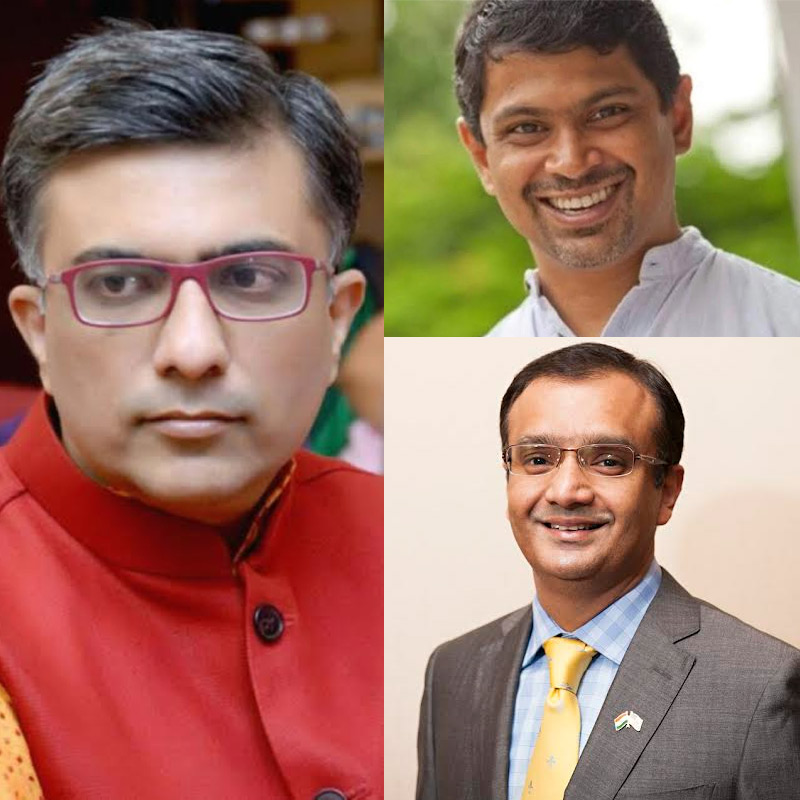
    MUMBAI: Ravishankar Iyer, the former national head of communications planning at Wavemaker, has landed at Hogarth as advisor-head of strategy. The appointment marks a homecoming of sorts for the Mumbai-based strategist, who returns to the WPP fold after a six-year stint at the media agency.

    Iyer’s career spans over two decades in India’s advertising trenches. At Wavemaker, he built what the company called a “highly successful full funnel content practice” anchored on culture, data and commerce. Before that, he spent four years at Mindshare, where his team became one of the country’s most garlanded, handling marquee accounts including Star TV Network, Castrol, Facebook and HSBC.

    The strategist’s résumé reads like a who’s who of Indian advertising: stints at Ogilvy & Mather, Bates, Lowe Lintas and McCann Erickson. He even dabbled in the start-up world as marketing director at VPTA, a grassroots sports venture.

    Hogarth, WPP’s creative execution powerhouse, appears keen to beef up its strategic muscle as brands demand more integrated approaches. Iyer’s appointment suggests the agency is betting on old-school planning chops to navigate an increasingly complex media landscape.

    The move comes as advertising’s traditional boundaries continue to blur, with strategy, creative and media planning increasingly overlapping. For Iyer, it’s another chance to apply his “cultural provocation” philosophy—this time from Hogarth’s Mumbai office.

  • TAM Adex: screens and scenes spark spend surge as adland switches on big in Q1 FY 26

    TAM Adex: screens and scenes spark spend surge as adland switches on big in Q1 FY 26

    MUMBAI: India’s advertising engines have revved up in Q1 2025, with the industry riding high on the back of buzzing TV sets, scroll-stopping digital spends and billboards getting their groove back. The latest TAM AdEx Quarterly Report shows that marketers didn’t just show up, they splashed out. TV made a grand re-entry into the spotlight with a 16 per cent year-on-year growth in ad volumes compared to Q1 2024. Hindi GEC (General Entertainment Channel) ruled the roost with a whopping 22 per cent share, followed closely by Regional GEC and News genres at 15 per cent and 14 per cent respectively.

    The big screen darling of Indian homes wasn’t just fluff and reruns either top advertisers like Hindustan Unilever, Reckitt, and Coca-cola kept the spots hot, with Coca-cola returning to the top 10 TV advertisers after a brief fizz out in 2024. Among categories, Toilet Soaps and Aerated Soft Drinks bubbled up, clocking a 29 per cent and 67 per cent growth in ad volumes respectively compared to Q1 last year.

    Digital advertising clocked in an impressive 18 per cent increase in ad insertions in Q1 2025 over the previous quarter. Notably, Programmatic advertising contributed a dominant 45 per cent share of digital spots, while Google Display and Facebook together accounted for over a third of digital insertions.

    Banking and financial services made big digital strides online investment platforms, personal loans, and insurance players were aggressive spenders. But the scene-stealer? Fantasy Sports, which surged ahead as Dream11 and My11Circle banked on cricketing fervour ahead of IPL 2025.

    Out of Home (OOH) advertising made a thunderous comeback, reporting a 32 per cent jump in ad volume over Q1 2024. Transit media think metro wraps, bus backs, and airport panels saw the sharpest uptick, up by 38 per cent. FMCG, e-commerce and OTT brands led the charge, with a special mention for Amazon Prime Video’s “Mirzapur 3” teaser plastering high-traffic junctions in metro cities.

    North India continued to dominate with 39 per cent of total OOH volumes, while Tier 2 towns witnessed an OOH growth spurt of 28 per cent, driven largely by regional retail players and upcoming D2C brands eager to build street cred.

    India’s ad sector lit up Q1 2025, with TV ad volumes up 16 per cent YoY, Digital ad insertions rising 18 per cent QoQ, and OOH jumping 32 per cent YoY. FMCG led with over 25 per cent of total ad volume, while Hindi-language ads drove over 50 per cent of TV and digital impressions.  

    With IPL in full swing and festive season preparations already in the works, Q2 is expected to outdo Q1. But beyond numbers, what stands out is how brands are blending mass and personalised media placing bets on both prime-time viewership and pocket-sized scrollable moments.

    From hoardings to handhelds, the message is loud and clear: India’s adland isn’t just recovering, it’s rewiring.
     

  • Comscore report: Influencers now spark 36 per cent of global social media engagement — and India’s creator economy is on fire

    Comscore report: Influencers now spark 36 per cent of global social media engagement — and India’s creator economy is on fire

    MUMBAI: Move over, legacy media. In today’s scroll-happy world, social influencers are the new empire builders — and India is leading the charge. According to The Social Influencers  Report: India Edition 2025 by Comscore, content creators are now responsible for a staggering 36 per cent of all user engagement across Facebook, Instagram, X, and TikTok worldwide.

    And in a market where 1.4 billion people live online-first lives, the stakes — and returns — are massive. Whether it’s a viral reel from a beauty guru, a fiery political post, or a behind-the-scenes cricketer vlog, influencers are driving India’s digital heartbeat — and shaping brand strategy, platform growth, and content monetisation at scale.

    India’s top influencers? They are politicians and cricketers — with engagement numbers that rival primetime TV.  The data reveals some headline-stealing names. Prime minister Narendra Modi continues to dominate social media, generating 5.4 million monthly actions on Facebook and a further 10.8 million on X — more than many entertainment networks combined.

    Meanwhile, stars like KL Rahul, Rashmika Mandanna, and Hardik Pandya are keeping fans hooked across Instagram and YouTube. Beauty creator Parul Garg smashed viewership charts with 441.2 million views, proving that makeup and relatability are a power combo.

    Forget followers — engagement is the only currency that counts.  The report makes one thing clear: follower counts are yesterday’s news.

    “That influencer with 500K followers might be getting ghosted by their own audience,” says Comscore. “It’s engagement — likes, comments, shares — that reflects real influence.”

    The advice to brands? Dump the vanity metrics. Invest in creators who spark emotional responses, drive interactions, and know how to move the needle.

    Timing is everything: the best posting windows for Indian influencers to help you to ride the engagement wave. Know when your audience is listening. The report maps out the sweet spots across platforms:

    * Instagram: Mon–Wed mornings (10–11 am) and daily evenings (4–7 pm)
    * Facebook: Late mornings and afternoons, especially early in the week
    * X (formerly Twitter): 8–9 am daily and post-9 pm Mon–Tues
    Fridays and Saturdays? Surprisingly flat. Sunday evenings, on the other hand, are primed for attention.

    Virtual influencers are here — and they’re outperforming humans. The AI influencers are no longer gimmicks — they’re headline acts. Digital avatars like Lil Miquela, Aitana López, and Brazil’s Lu do Magalu are rewriting the rules of influence. These virtual personalities:don’t age, cancel, or misbehave; post consistently across markets and  adapt voice, tone, and look for hyper-local relevance.

    They’ve fronted campaigns with brands from Calvin Klein to LiquidIV, clocking millions of views without ever stepping into a makeup chair or selfie booth.

    Bonus: no diva demands, PR disasters, or DM leaks.

    The biggest takeaway? If you’re still treating influencer marketing like a side hustle, you’ve already lost.

    “Creators aren’t just content providers,” says the report. “They’re media buyers, storytellers, and brand equity multipliers rolled into one.”

    Brands must integrate influencer strategy across all touchpoints — from digital to social to streaming — or risk being drowned out by competitors who do.

    Final word: in the creator economy, fast movers win — the rest scroll behind. The competition is brutal. The smartest brands are already locking in creators with proven audience trust, emotional resonance, and multichannel command. And if you’re still running single-platform strategies in 2025? “You’re flying blind,” warns Comscore. “Your audience is watching TikToks, scrolling Insta, and doomscrolling X — often in the same hour. Get the full footprint or get forgotten.”

  • Meta AI taps desi curiosity with DDB Mudra’s ‘Aaj kya karoge?’ nudge

    Meta AI taps desi curiosity with DDB Mudra’s ‘Aaj kya karoge?’ nudge

    MUMBAI: Not your average tech launch, Meta’s new AI tool just dropped in India with a desi twist, thanks to DDB Mudra’s latest campaign that turns into a lazy-day question—’Aaj kya karoge?‘—into a call to dream bigger.

    Meta AI, now seamlessly baked into WhatsApp, Facebook and Instagram, is being pitched not as a cold, complex tool but as a warm, witty sidekick that helps elevate the everyday. The campaign tackles a key perception problem head-on: that AI is all brains, no soul.

    Enter six short films, each telling a hyper-local, delightfully ordinary story—from different cities and age groups—that flips the mundane into the magical with a little help from Meta AI. From unlocking creative hobbies to simply streamlining chaos, the message is clear: this isn’t AI for coders, it’s for chai-sippers and chat-typers alike.

    The blitz didn’t stop at screens. Contextual billboards in Delhi and Lucknow spoke in local dialects, while YouTube ads served up prompts mid-search, making the experience feel uncannily personal. Throw in a dozen influencers across cities, each giving Meta AI their own local flavour, and the result is a campaign that doesn’t feel like a launch—it feels like life.

    DDB Mudra creative director Mahima Mathur, talking about the creative process and the approach to the campaign, said, “We didn’t want to introduce Meta AI with the usual fanfare. We wanted India to find it in its own way – in places we already live and love. In a WhatsApp chat. While scrolling through Facebook. In an Instagram group. ‘Aaj kya karoge?’ isn’t just a line. It’s a friendly nudge. An invitation to think a little bigger, try something new, and let Meta AI make it all a little easier, one day at a time.”

    With this effort, Meta positions its AI not as an upgrade—but as an invitation. One that turns routine into play, and every scroll into possibility.

  • Click, cart, commitment: India’s e-shoppers want more than just speed

    Click, cart, commitment: India’s e-shoppers want more than just speed

    MUMBAI: Voice-activated shopping? Viral trends driving sales? Welcome to aisle 2030. Blue Dart Express Limited, part of DHL eCommerce, has just dropped the E-Commerce Trends Report 2025, and it’s clear: Indian online shoppers are not just clicking, they’re expecting. From AI-powered assistants to sustainability-first delivery, today’s buyers want tech with trust and purchases that feel purposeful.

    Drawing from consumer insights across generations and shopper types, the report explores what’s really pushing the buy button for Indians online. And it’s not just deals or discounts, it’s delivery reliability, eco-credibility, and the seamlessness of a Tiktok-to-checkout experience.

    Almost 89 per cent of Indian shoppers want AI-powered features think virtual try-ons, voice-based product search, and digital shopping assistants. And this isn’t wishful thinking 64 per cent are already shopping hands-free. AI isn’t a futuristic add-on anymore; it’s becoming the new filter on the retail lens.

    Forget browsers. 84 per cent of Indian consumers have already made a purchase via social media, and a whopping 90 per cent say Instagram, Facebook and Youtube could be their primary shopping destinations by 2030. Influencers are doing more than trending dances 93 per cent of Indian buyers say social buzz shapes what lands in their carts.

    Cart abandonment isn’t about indecision, it’s about expectation. 80 per cent of shoppers say they’ll cancel a purchase if their preferred delivery option isn’t available. And if the returns process doesn’t match expectations? Another 81 per cent walk away. Even trust in the courier matters: over half (54 per cent) won’t buy from retailers with unreliable logistics partners. In e-commerce, convenience is king and logistics is the throne.

    Sustainability is no longer a bonus, it’s a baseline. 82 per cent of shoppers now weigh eco-friendliness before clicking “buy.” Whether it’s over packaging waste or carbon-heavy delivery, 59 per cent have ditched carts due to sustainability concerns. Plus, 52 per cent say they’re opting for pre-owned goods, and 81 per cent are open to recycling or buy-back schemes.

    “Convenience, choice and control are non-negotiable,” said Blue Dart managing director Balfour Manuel. “Despite digital leaps, delivery and returns remain the heartbeat of consumer experience. Brands must evolve beyond tech towards transparency, purpose and seamless execution.”

    As AI reshapes interfaces, social media morphs into shopping malls, and sustainability steers decisions, this report offers a sneak peek into the shopper of tomorrow. Retailers that listen closely and deliver boldly may just turn browsing into belonging.

    Because in 2025, a smooth checkout isn’t enough. Shoppers want a story, a stance and same-day delivery.

  • Sip, sip hooray HSBC wants you to retire to more, not settle for less

    Sip, sip hooray HSBC wants you to retire to more, not settle for less

    MUMBAI: Who says the best chapters of life end at 60? HSBC Mutual Fund is flipping that notion on its head with its new investor education initiative, #Retiretomore, reminding Indians that retirement isn’t a full stop, it’s a fresh start. Drawing from the HSBC Quality of Life retirement report, the campaign puts the spotlight on an alarming disconnect: 58 per cent of affluent Indians plan to work post-retirement not out of passion, but necessity. Despite nearly 8 in 10 knowing what they need for retirement, 4 in 10 still feel unprepared. The estimated retirement savings required in India? A cool USD 0.39 million.

    To address the gap between intent and action, HSBC Mutual Fund has launched a 360° campaign featuring three short films that portray retirement through lenses of Life, Passion, and Freedom. Targeted at professionals aged 30 to 45, the emotionally charged narratives underscore the idea that planning early with SIPs can unlock a more fulfilling future.

    “Retirement isn’t the end, it’s the beginning of your next act,” said HSBC Mutual Fund CEO Kailash Kulkarni. “But to enjoy it, smart financial planning through SIPs is key. With #RetireToMore, we aim to transform how India thinks about retirement less fear, more freedom.”

    Beyond the screen, the campaign rolls out across Youtube, Instagram, Facebook, Linkedin, regional languages, OTT platforms, metro wraps, and bus branding. A dedicated landing page allows users to calculate their retirement needs making the campaign both aspirational and actionable.

    #RetireToMore follows HSBC Mutual Fund’s earlier investor education drives like SIP Hai #FaydeWaliAadat and Apne #SIPKoDoPromotion. This latest chapter, though, may be its most important yet because as this campaign cheekily reminds us, retirement isn’t a choice, but planning for it is.

  • Kabaddi scores a social touchdown with multilingual digital slam

    Kabaddi scores a social touchdown with multilingual digital slam

     MUMBAI: They tackled language barriers like a raider takes on defenders and came out with the trophy. The Pro Kabaddi League (PKL) has added a digital feather to its cap, bagging the ‘Social Media Campaign’ award in the Multilingual Campaign category at the ET Brand Equity Trendies 2025. The win celebrates PKL Season 11’s innovative and inclusive digital engagement strategy, executed by Mashal Sports in collaboration with Sportz Interactive, which saw fans across linguistic and cultural divides connect like never before.

    Held from October 18 to December 29, 2024, Season 11 wasn’t just action-packed on the mat, it was a slam dunk online too. The campaign’s multilingual format reached deep into regional fanbases, ensuring that the raiding and defending didn’t just speak one language, but many.

    The digital blitz hit the sweet spot, delivering high engagement across platforms like Instagram, Youtube, Facebook, X, and the Pro Kabaddi app, with vernacular content crafted for fans from every corner of the country. The league’s social-first, fan-first approach resonated with a wide base, helping PKL boost brand affinity and reinforce its position as one of India’s most loved sporting leagues.

    And the kabaddi action doesn’t stop there. The buzz now shifts to the Season 12 Player Auction, which will be held on May 31 and June 1, 2025, in Mumbai. Fans can catch Category A auction proceedings live on the Star Sports Network and Jiocinema starting 7 pm on May 31.

    For those who want real-time updates (in the language of their choice, no less), PKL’s Live Auction Centre on prokabaddi.com and the Pro Kabaddi official app will be the go-to. With the social handles prokabaddi across platforms staying in beast mode, fans can expect another season of full-contact, full-volume entertainment on and off the mat.

    If Season 11 was about digital dominance, Season 12 promises to be a perfectly executed raid into uncharted fan territories.

  • Boult turns up the volume on CX with Kapture integration

    Boult turns up the volume on CX with Kapture integration

    MUMBAI: In a world where every second counts, Boult Audio is making sure not a single beat is missed even in customer support. Boult Audio, one of India’s fastest-growing consumer electronics brands, has partnered with Kapture CX, a SaaS-based customer experience platform, to supercharge its customer support ecosystem. The move comes as Boult scales its operations with a sale every three seconds and over 3 crore units sold since its 2017 debut.

    With over 150 service centres across the country, the brand needed a powerful, centralised solution to handle the growing tempo of customer queries. Enter Kapture, a platform that brings together social, app, web and call support into a single dashboard, fine-tuned for today’s hyper-connected consumer.

    “As we grow at a rapid pace, ensuring seamless and efficient customer support is non-negotiable,” said Boult Audio co-founder Tarun Gupta. “Kapture CX has made a real impact across our support operations, improving productivity and creating smoother experiences for customers at every touchpoint.”

    The integration enables Boult to juggle multiple customer interactions across Instagram, Facebook, Whatsapp, Youtube, Play Store, App Store, and more all without missing a note. Thanks to automated ticketing, API-powered order tracking, and cloud telephony, customer issues now land in the right hands, with faster resolutions and fewer back-and-forths.

    “This collaboration is a milestone,” said Kapture CRO Gaurav Juneja. “Boult is a brilliant example of a brand pushing the envelope in both innovation and service. With our real-time insights, multichannel automation and agent-friendly tools, we’re excited to help them keep their CX pitch perfect.”

    From agent productivity dashboards to built-in knowledge bases and vernacular content support, Kapture equips Boult with the data and tools needed to fine-tune support in every region. Even past service records from legacy systems are carried forward ensuring that every customer story, from warranty woes to tracking troubles, stays intact.

    With this high-decibel integration, Boult Audio isn’t just selling gadgets, it’s orchestrating a symphony of support.