Tag: facebook live

  • FB adds India-specific options, shows how to build communities

    MUMBAI: Facebook hosted an interactive product showcase for Facebook community to experience in Mumbai. Facebook: A place to connect, showcased brings to life Facebook’s mission, shared across our family of products and apps, which is to make the world more open and connected.

    The event centered around three subjects: Me, My Community and My World. The featured products included Facebook Live, Facebook Lite, Full Camera, 360 Photos, Groups, Events, Oculus, Instagram, WhatsApp as well as our suite of safety, and security tools including Safety Check, Community Help, Safety Center, Parents Portal, Bullying Prevention Hub and Suicide Prevention tools.

    The event served as an opportunity for the teams to listen and receive feedback from the community as they worked to ensure everyone’s Facebook experiences is great, regardless of where they connect. Facebook is building better experiences to work on all connections, devices, and communities.

    Products such as Facebook Lite, which makes it easier for people to access Facebook on older Android devices or slower connections, counts India as one of the top (client) countries. Now, conversations on FB Lite can be enhanced through reactions including “Love”, “Haha”, “Wow”, “Sad” and “Angry.”

    Since the global rollout of Facebook Reactions in 2016, there have been 300 billion reactions on Facebook posts. The most popular reaction is Love, making up more than half of all of reactions.

    Facebook also rolled out local camera effects designed for India. In addition to the frames and effects that come standard in the Facebook camera, they have designed several custom effects for India — so people can create and share photos and videos that showcase the expression of Namaste as well as capture geo-specific experiences in Delhi, Mumbai, Goa, and other places.

    “India is a very important country to Facebook, and we’re proud to have more than 184 million monthly active people in India who use Facebook to connect with their friends and family, and to build supportive communities online and offline,” an FB executive said.

    Facebook founder and CEO Mark Zuckerberg recently shared a letter to the community about giving people the power to build a global community. For the past decade, Facebook has focused on connecting friends and families. With that foundation, our next focus will be developing the social infrastructure for the community — for supporting us, for keeping us safe, for informing us, for civic engagement, and for inclusion of all that will bring us together as a global community so we can have the most positive impact in the world.

    Last month, Facebook rolled out its new camera feature. “We want to make it fast, fun and easy for people to share creative photos and videos with whomever they choose, for however long they choose — and the more we share with each other, the more open and connected our community can be,” the executive said.

  • Culture Machine launches digital channel Om Bhajan Bhakti

    Culture Machine launches digital channel Om Bhajan Bhakti

    MUMBAI:  Culture Machine has launched its new digital brand on devotion and spirituality, titled “Om Bhajan Bhakti”. The channel explores the spiritual and devotional space by providing unique experiences and learning to viewers.

    It will combine stories from the world of devotion, pairing them with innovations such as Facebook Live and 360 degree videos of rituals, marking a first on all counts on Facebook. 

    The platforms’s content caters to the robust spiritual community across the globe, who can experience live streaming of some of the most visited religious places in India and participate in the actual darshan through 360 degree videos and a lot more. 

    “Culture Machine’s aim is to create great digital media brands that people love. As India goes digital in smaller towns and villages, our endeavour is to create brands that will reflect passions for an emergent digital audience. Facebook offers a rich toolkit for video and has become the platform of choice for us to innovate on, through both our technology and content partnership with them, we are stoked to see ‘Om Bhajan Bhakti’getting off to a great launch,” said Culture Machine CEO and co-founder Sameer Pitalwalla.

    All devotees who are longing to visit the sacred Shree Siddhivinayak Ganapati Mandir, but are unable to do so, can now virtually offer their prayers and darshans through Facebook Live on Culture Machine’s Facebook page Om Bhajan Bhakti.

    The channel also has exclusive live video access to holy shrines across India like Kashi Vishvanath Temple in Varanasi, Somnath temple in Saurashtra on the western coast of Gujarat, Mahavir Mandir dedicated to Lord Hanuman located in Patna and Iskon in Vrindavan.

    The content on the channel is beneficial to both learned and laity, as it brings home the main theme in a simple and easy to understand format.

    “Devotional content is one of the more popular categories of content in India.Innovative endeavours like ‘Om Bhajan Bhakti’, will provide people an opportunity to engage with and share things that deeply matter to them with family and friends.”said Facebook India media partnerships TV and original content Vishu Ray. 

  • Culture Machine launches digital channel Om Bhajan Bhakti

    Culture Machine launches digital channel Om Bhajan Bhakti

    MUMBAI:  Culture Machine has launched its new digital brand on devotion and spirituality, titled “Om Bhajan Bhakti”. The channel explores the spiritual and devotional space by providing unique experiences and learning to viewers.

    It will combine stories from the world of devotion, pairing them with innovations such as Facebook Live and 360 degree videos of rituals, marking a first on all counts on Facebook. 

    The platforms’s content caters to the robust spiritual community across the globe, who can experience live streaming of some of the most visited religious places in India and participate in the actual darshan through 360 degree videos and a lot more. 

    “Culture Machine’s aim is to create great digital media brands that people love. As India goes digital in smaller towns and villages, our endeavour is to create brands that will reflect passions for an emergent digital audience. Facebook offers a rich toolkit for video and has become the platform of choice for us to innovate on, through both our technology and content partnership with them, we are stoked to see ‘Om Bhajan Bhakti’getting off to a great launch,” said Culture Machine CEO and co-founder Sameer Pitalwalla.

    All devotees who are longing to visit the sacred Shree Siddhivinayak Ganapati Mandir, but are unable to do so, can now virtually offer their prayers and darshans through Facebook Live on Culture Machine’s Facebook page Om Bhajan Bhakti.

    The channel also has exclusive live video access to holy shrines across India like Kashi Vishvanath Temple in Varanasi, Somnath temple in Saurashtra on the western coast of Gujarat, Mahavir Mandir dedicated to Lord Hanuman located in Patna and Iskon in Vrindavan.

    The content on the channel is beneficial to both learned and laity, as it brings home the main theme in a simple and easy to understand format.

    “Devotional content is one of the more popular categories of content in India.Innovative endeavours like ‘Om Bhajan Bhakti’, will provide people an opportunity to engage with and share things that deeply matter to them with family and friends.”said Facebook India media partnerships TV and original content Vishu Ray. 

  • Peace TV saga & absence of rule of law

    Peace TV saga & absence of rule of law

    The Peace TV saga after the Dhaka terrorist attack just before Eid and the brouhaha created over availability of an unlicensed channel in Indian television homes highlights yet again rules and regulations have to be applied uniformly and stringently.

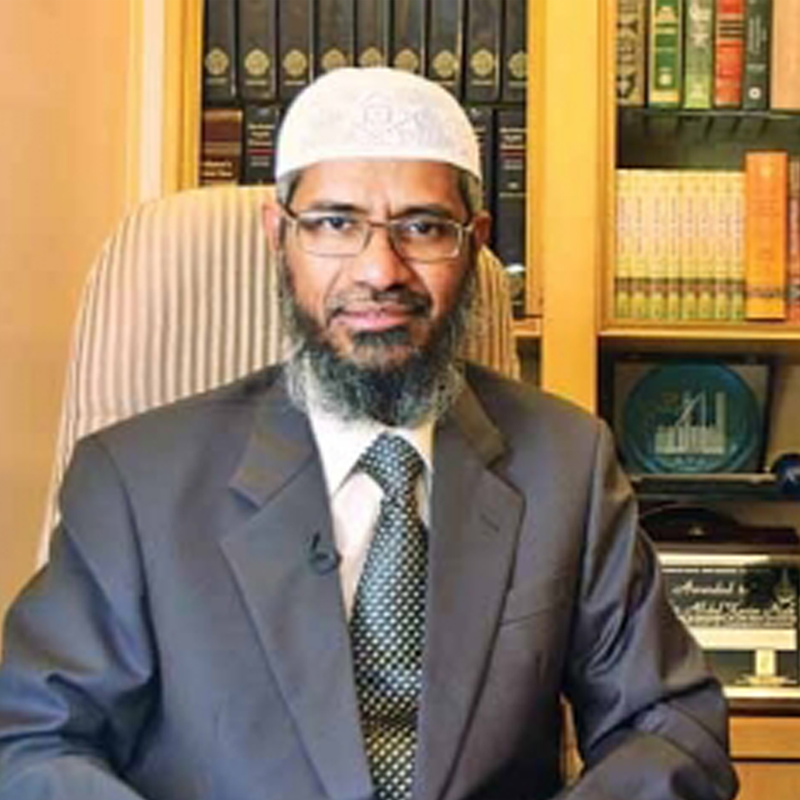
    The Indian government woke up suddenly issuing gag orders on distribution platforms when the general media in the country went to town regarding Peace TV. The media alleged Peace TV and the Mumbai-based Islamic tele-evangelist Zakir Naik’s sermons aired on the channel could have instigated the Bangladeshi terrorists. All these allegations were based on some interpretation of a report in a Bangladeshi newspaper.

    That the Bangla newspaper subsequently clarified its report stating categorically that it had never said the terrorists were `inspired’ by Naik’s sermons is a completely another story because the Indian media, by and large news channels, ignored the clarification.

    However, the fact stands that Peace TV is not licensed to air in India and had been denied landing rights by the Indian government several times in the past. Still, the channel was available on Indian networks and the sermons online.

    Similarly, several Pakistani TV channels too are available in some parts of the country (crackdown on illegal retransmissions do happen from time to time, government officials insist) as also Chinese radio stations in border areas.

    So, the question is: how come an unlicensed TV channel officially denied permission to broadcast in India was still reaching Indian TV homes?

    The answer lies in apparent laxity in implementing and upholding existing regulations on the part of Indian policy-makers, regulators and law enforcing agencies. In some cases it may also be local-level indulgences despite knowing that a certain regulation had been breached.

    Because in India most such issues boil down to majority vs. minority yardstick with the victimisation syndrome kicking in — all in the name of certain democratic rights — regulatory breaches are overlooked or rule of the law not enforced. Until one such breach kicks up crap all round; like the Peace TV affair recently did.

    Historically speaking, as India opened up to satellite TV revolution from early 1990s and rules were lax (downlink licence or landing rights were terms not known to Indian policy-makers then) many TV channels invaded the Indian skies and homes. Some of them were bad (read propagandist), some indifferent, but largely most were entertaining.

    As successive Indian governments woke up to the power of TV propaganda in whipping up unpalatable frenzy and jingoism, Ministry of Information and Broadcasting (MIB) started formulating rules and regulations to isolate TV channels, mostly uplinked from outside India, from entering Indian homes via cable or other distribution platforms, which were perceived as not conducive for India.

    One such historic policy drafting also saw a Broadcast Bill being introduced in Parliament in 1996 where the draft stated that certain categories of organisations (like political parties, NGOs, religious bodies, advertising agencies, etc) would be barred from owning and running TV channels.

    The Bill never got enacted into a law and since then half-hearted attempts by other governments to bring similar Bills in Parliament failed to get necessary traction; mostly owing to a superstitious belief that whichever government tries to regulate the broadcast sector went out of power in New Delhi.

    Historical incidents, notwithstanding, it has also been observed in India that any proposed regulation relating to cable and broadcast sector having the potential to affect powerful lobbies like political parties or religious bodies or their proxies get swept under the carpet.

    Take, for example, broadcast carriage regulator TRAI’s two recommendations on media ownership, made after wide consultations with stakeholders. I am told both the reports are gathering dust in some corner of MIB.

    Apart from suggesting many other things on the ownership issue, TRAI said in a set of recommendations in 2014, “…given that about six years have elapsed without any concrete action being taken by the Government, the Authority strongly recommends that its Recommendations of 12 November 2008 and 28 December 2012 may be implemented forthwith.”

    The regulator’s recommendations came after issues relating to media ownership issue and vertical monopoly were referred to it by MIB.

    Emboldened by the fact that MIB had put its weight behind it, TRAI (again) recommended in 2014 that political bodies, religious bodies, urban, local, panchayati raj, and other publicly funded bodies, Central and State government ministries, departments, companies, undertakings, joint ventures, and government-funded entities and affiliates be barred from entry into broadcasting and TV channel distribution sectors.

    The regulator suggested exit routes for existing entities already into business, adding such a debarment could be implemented through an executive decision by incorporating the disqualifications into rules, regulations and guidelines as necessary.

    But by 2014, MIB had already licensed many news and religious/spiritual TV channels and distribution platforms owned/managed by political parties, religious bodies (in one case a temple’s management committee) and/or their proxies for operation at pan-India and State levels.

    And so, even the 2014 TRAI recommendations remain ignored, while at another level technology has outpaced or threatens to make obsolete the Indian process of policy making.

    A colleague, while outlining the potential of Facebook Live (and other such techs like Twitter’s Periscope), recently commented it’s matter of time when Facebook Live will kick into India, dipping into the country’s smart-phone user base (250 million on last count) to give birth to the possibility of “hundreds of news channels on FB dishing out unadulterated, independent updates of developments.” Very few in Indian government would be tracking developments like FB Live.

    In an age when technology is moving faster than policy-making, flat-footedness of Indian policy-makers and our general apathy towards rule of the law will hasten policy chaos resulting in arbitrary decisions being implemented.

  • Peace TV saga & absence of rule of law

    Peace TV saga & absence of rule of law

    The Peace TV saga after the Dhaka terrorist attack just before Eid and the brouhaha created over availability of an unlicensed channel in Indian television homes highlights yet again rules and regulations have to be applied uniformly and stringently.

    The Indian government woke up suddenly issuing gag orders on distribution platforms when the general media in the country went to town regarding Peace TV. The media alleged Peace TV and the Mumbai-based Islamic tele-evangelist Zakir Naik’s sermons aired on the channel could have instigated the Bangladeshi terrorists. All these allegations were based on some interpretation of a report in a Bangladeshi newspaper.

    That the Bangla newspaper subsequently clarified its report stating categorically that it had never said the terrorists were `inspired’ by Naik’s sermons is a completely another story because the Indian media, by and large news channels, ignored the clarification.

    However, the fact stands that Peace TV is not licensed to air in India and had been denied landing rights by the Indian government several times in the past. Still, the channel was available on Indian networks and the sermons online.

    Similarly, several Pakistani TV channels too are available in some parts of the country (crackdown on illegal retransmissions do happen from time to time, government officials insist) as also Chinese radio stations in border areas.

    So, the question is: how come an unlicensed TV channel officially denied permission to broadcast in India was still reaching Indian TV homes?

    The answer lies in apparent laxity in implementing and upholding existing regulations on the part of Indian policy-makers, regulators and law enforcing agencies. In some cases it may also be local-level indulgences despite knowing that a certain regulation had been breached.

    Because in India most such issues boil down to majority vs. minority yardstick with the victimisation syndrome kicking in — all in the name of certain democratic rights — regulatory breaches are overlooked or rule of the law not enforced. Until one such breach kicks up crap all round; like the Peace TV affair recently did.

    Historically speaking, as India opened up to satellite TV revolution from early 1990s and rules were lax (downlink licence or landing rights were terms not known to Indian policy-makers then) many TV channels invaded the Indian skies and homes. Some of them were bad (read propagandist), some indifferent, but largely most were entertaining.

    As successive Indian governments woke up to the power of TV propaganda in whipping up unpalatable frenzy and jingoism, Ministry of Information and Broadcasting (MIB) started formulating rules and regulations to isolate TV channels, mostly uplinked from outside India, from entering Indian homes via cable or other distribution platforms, which were perceived as not conducive for India.

    One such historic policy drafting also saw a Broadcast Bill being introduced in Parliament in 1996 where the draft stated that certain categories of organisations (like political parties, NGOs, religious bodies, advertising agencies, etc) would be barred from owning and running TV channels.

    The Bill never got enacted into a law and since then half-hearted attempts by other governments to bring similar Bills in Parliament failed to get necessary traction; mostly owing to a superstitious belief that whichever government tries to regulate the broadcast sector went out of power in New Delhi.

    Historical incidents, notwithstanding, it has also been observed in India that any proposed regulation relating to cable and broadcast sector having the potential to affect powerful lobbies like political parties or religious bodies or their proxies get swept under the carpet.

    Take, for example, broadcast carriage regulator TRAI’s two recommendations on media ownership, made after wide consultations with stakeholders. I am told both the reports are gathering dust in some corner of MIB.

    Apart from suggesting many other things on the ownership issue, TRAI said in a set of recommendations in 2014, “…given that about six years have elapsed without any concrete action being taken by the Government, the Authority strongly recommends that its Recommendations of 12 November 2008 and 28 December 2012 may be implemented forthwith.”

    The regulator’s recommendations came after issues relating to media ownership issue and vertical monopoly were referred to it by MIB.

    Emboldened by the fact that MIB had put its weight behind it, TRAI (again) recommended in 2014 that political bodies, religious bodies, urban, local, panchayati raj, and other publicly funded bodies, Central and State government ministries, departments, companies, undertakings, joint ventures, and government-funded entities and affiliates be barred from entry into broadcasting and TV channel distribution sectors.

    The regulator suggested exit routes for existing entities already into business, adding such a debarment could be implemented through an executive decision by incorporating the disqualifications into rules, regulations and guidelines as necessary.

    But by 2014, MIB had already licensed many news and religious/spiritual TV channels and distribution platforms owned/managed by political parties, religious bodies (in one case a temple’s management committee) and/or their proxies for operation at pan-India and State levels.

    And so, even the 2014 TRAI recommendations remain ignored, while at another level technology has outpaced or threatens to make obsolete the Indian process of policy making.

    A colleague, while outlining the potential of Facebook Live (and other such techs like Twitter’s Periscope), recently commented it’s matter of time when Facebook Live will kick into India, dipping into the country’s smart-phone user base (250 million on last count) to give birth to the possibility of “hundreds of news channels on FB dishing out unadulterated, independent updates of developments.” Very few in Indian government would be tracking developments like FB Live.

    In an age when technology is moving faster than policy-making, flat-footedness of Indian policy-makers and our general apathy towards rule of the law will hasten policy chaos resulting in arbitrary decisions being implemented.

  • Colors Infinity takes  Mr. Robot  across 12 countries via Facebook Live

    Colors Infinity takes Mr. Robot across 12 countries via Facebook Live

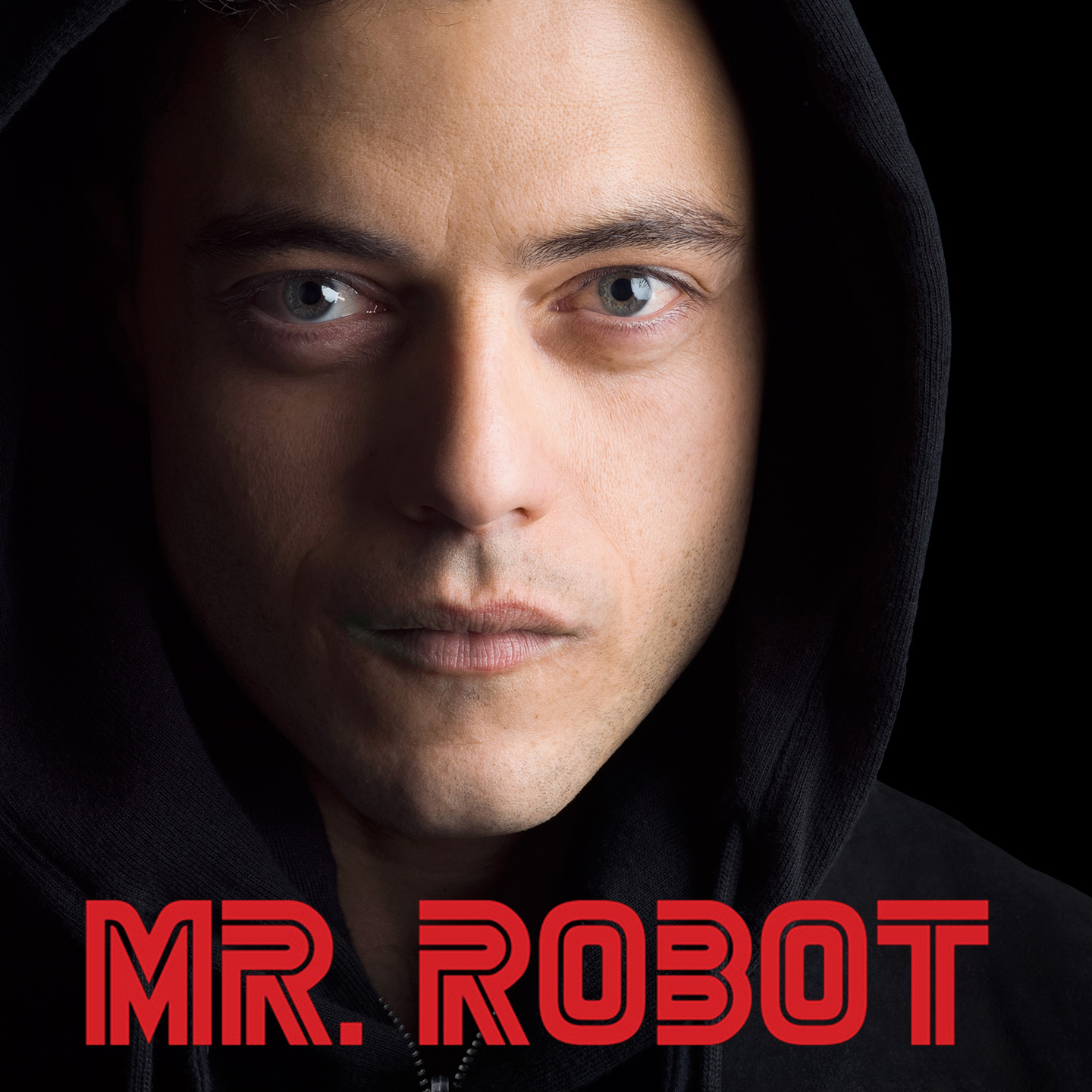
    MUMBAI: This week on Facebook Live, fans of the award-winning series MR. ROBOT witnessed a widespread global marketing stunt courtesy Colors Intinity. For the unique, coordinated campaign, the show’s iconic fsociety “hacked” the MR. ROBOT Facebook page between 1.30AM IST and 7.30PM IST on July 8, to issue a global message against Evil Corp and deliver rants from “fsociety members,” who subscribe to the group’s tenets and mission.

    The international movement kicked off in the United States and then rolled out across 12 countries including the U.K., Argentina, Colombia, Mexico, Canada, Philippines, Indonesia, Thailand, Australia, Hong Kong, Malaysia and India — all of which will premiere Mr. Robot’s second season next week.

    While the distinct rants are tonally and thematically similar, each propaganda message was customized by country and delivered in the region’s native tongue. All rants began with the same declaration: “Brothers and sisters, we are fsociety,” an expression of their unified mission — and closed with their hope for the future, “Together we can build a new world where we are finally free.”

    Following each Facebook Live rant, a two minute clip from the series’ July 14 Season 2 premiere was unveiled to fans. The clip featured a flashback of stars Rami Malek and Martin Wallström minutes before their characters, Elliot and Tyrell Wellick, executed the five/nine hack on Evil Corp.

    Viacom18 programming head of English entertainment Hashim D’Souza said, “Passionate fans around the globe have embraced the spirit of MR. ROBOT, and we were excited to have India as part of this phenomenon. The fan fervor and interest in the show inspired us to be part of this coordinated global campaign around the second season premiere. Adding to the excitement, week-on-week fans in India will get to watch their favorite show immediately after its US telecast through Instant Premiere on the channel starting with a 2-hour special premiere episode.”

    The multiple award-winning and critically acclaimed drama MR. ROBOT was one of the most buzzed about series of 2015. The second season of Mr. Robot is all set to premiere with two back-to-back episodes on Thursday, July 14 at 12 noon only on Colors Infinity.

  • Colors Infinity takes  Mr. Robot  across 12 countries via Facebook Live

    Colors Infinity takes Mr. Robot across 12 countries via Facebook Live

    MUMBAI: This week on Facebook Live, fans of the award-winning series MR. ROBOT witnessed a widespread global marketing stunt courtesy Colors Intinity. For the unique, coordinated campaign, the show’s iconic fsociety “hacked” the MR. ROBOT Facebook page between 1.30AM IST and 7.30PM IST on July 8, to issue a global message against Evil Corp and deliver rants from “fsociety members,” who subscribe to the group’s tenets and mission.

    The international movement kicked off in the United States and then rolled out across 12 countries including the U.K., Argentina, Colombia, Mexico, Canada, Philippines, Indonesia, Thailand, Australia, Hong Kong, Malaysia and India — all of which will premiere Mr. Robot’s second season next week.

    While the distinct rants are tonally and thematically similar, each propaganda message was customized by country and delivered in the region’s native tongue. All rants began with the same declaration: “Brothers and sisters, we are fsociety,” an expression of their unified mission — and closed with their hope for the future, “Together we can build a new world where we are finally free.”

    Following each Facebook Live rant, a two minute clip from the series’ July 14 Season 2 premiere was unveiled to fans. The clip featured a flashback of stars Rami Malek and Martin Wallström minutes before their characters, Elliot and Tyrell Wellick, executed the five/nine hack on Evil Corp.

    Viacom18 programming head of English entertainment Hashim D’Souza said, “Passionate fans around the globe have embraced the spirit of MR. ROBOT, and we were excited to have India as part of this phenomenon. The fan fervor and interest in the show inspired us to be part of this coordinated global campaign around the second season premiere. Adding to the excitement, week-on-week fans in India will get to watch their favorite show immediately after its US telecast through Instant Premiere on the channel starting with a 2-hour special premiere episode.”

    The multiple award-winning and critically acclaimed drama MR. ROBOT was one of the most buzzed about series of 2015. The second season of Mr. Robot is all set to premiere with two back-to-back episodes on Thursday, July 14 at 12 noon only on Colors Infinity.

  • CPL ties with Facebook Live for 2016 matches international broadcast

    CPL ties with Facebook Live for 2016 matches international broadcast

    MUMBAI: The Hero Caribbean Premier League (CPL) has announced live broadcast on Facebook of all thirty four CPL 2016 matches around the world, via Facebook’s official live streaming partner Grabyo. CPL will become the first sports league to supplement its existing broadcast deals and use the Facebook Live platform to ensure that 40 countries around the world, including the likes of Pakistan, South Africa and The Philippines can now view the sport live. It will also be the first time ever an international cricket match will be broadcast on Facebook Live.

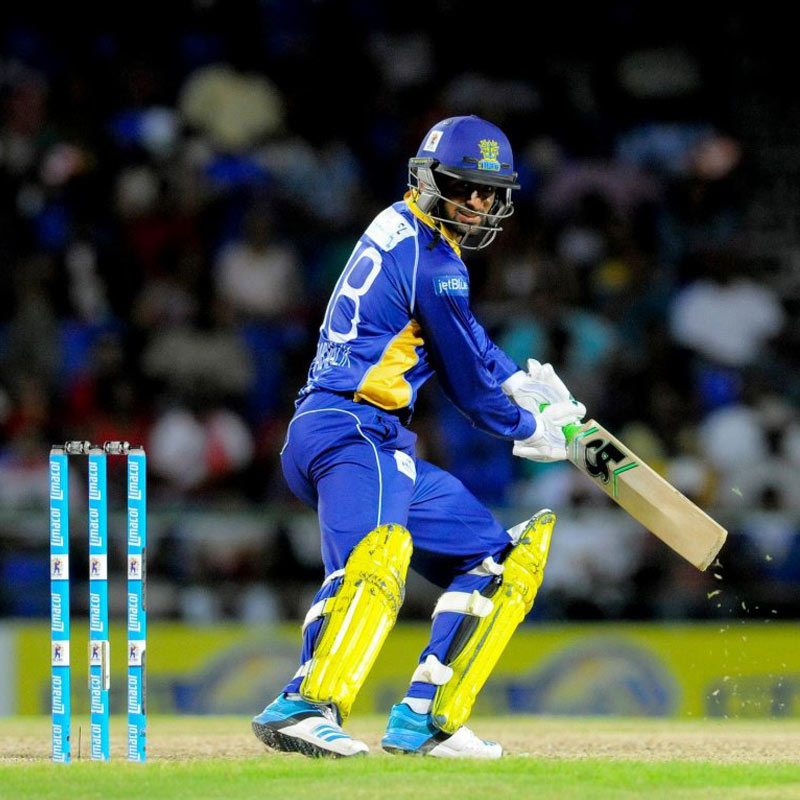
    A host of international stars will be competing from across the cricketing world at this year’s CPL including the likes of AB de Villiers, Faf du Plessis, Shakib Al Hasan, Brendon McCullum, Martin Guptill, Shoaib Malik, Kumar Sangakkara, Dale Steyn, Mike Hussey and Shane Watson.

    In addition, the six CPL sides – Barbados Tridents, Guyana Amazon Warriors, Jamaica Tallawahs, St. Kitts & Nevis Patriots, St. Lucia Zouks and Trinbago Knight Riders will include a number of ICC World T20 champions including the likes of Carlos Brathwaite, Dwayne Bravo, Chris Gayle and Andre Russell who took the world by storm in India earlier this year.

    Cricket fans from Argentina to Hungary will now be able to watch the T20 stars in action starting with Trinbago Knight Riders clash with St. Lucia Zouks from the Queen’s Park Oval in Trinidad on Wednesday, 29 June (9pm Caribbean / 2am GMT / 6.30am India) and running through to the final in St. Kitts & Nevis on 7 August.

    Commenting on using Facebook Live, CPL chief operations officer Pete Russell said: “We are delighted to announce how we’re using Facebook Live, which we believe has the potential to change the face of cricket broadcasting and enhance the CPL’s ever-increasing international audience.”

    “In 2015 the CPL’s global viewership exceeded 93 million and we now have the platform to boost our viewership even further for the forthcoming tournament. Caroline Smith, CPL’s Head of Digital, and her team have done a fantastic job with our social media activity and this deal proves that they have put us ahead of the curve in understanding how best to reach our global fans with live games” added Russel.

    Facebook India Sports Partnerships Asha Thacker said “Facebook Live allows fans to connect to cricket and their favourite stars and we are delighted to be working with the Hero Caribbean Premier League and Grabyo for this cricketing first and to help bring fans around the world closer to the game. As the world’s largest sports stadium, more cricket fans engage with content on Facebook than anywhere else and it is unique experiences such as this that allow fans to engage in a more meaningful way.”

    Grabyo CEO Gareth Capon said, “On the pitch, T20 cricket is helping to globalize and expand the sport of cricket, bringing a new generation of fans into the game. The use of social video, particularly live streaming, presents an opportunity to reach an unparalleled audience far beyond the traditional broadcast ecosystem.

    “Facebook offers an user base of 1.6 billion and to be able to bring live action from the best cricketing talent direct to mobile devices around the world, right as the action happens, is incredibly exciting. We look forward to working with the CPL throughout the tournament and helping them use social video to engage new audiences across the globe.” Added Capon.

    CPL will be live broadcasted in Argentina, Brazil, Brunei, Bulgaria, Chile, Costa Rica, Croatia, Cyprus, Czech Republic, Denmark, Fiji, Hong Kong, Hungary, Indonesia, Italy, Japan, Luxembourg, Malaysia, Malta, Mexico, Myanmar, Netherlands, Pakistan, Panama, Peru, Philippines, PNG (Papua New Guinea), Romania, Russia, Samoa, Singapore, South Africa, Slovenia, South Korea, Spain, Sweden, Thailand, Turkey, Vanuatu

  • CPL ties with Facebook Live for 2016 matches international broadcast

    CPL ties with Facebook Live for 2016 matches international broadcast

    MUMBAI: The Hero Caribbean Premier League (CPL) has announced live broadcast on Facebook of all thirty four CPL 2016 matches around the world, via Facebook’s official live streaming partner Grabyo. CPL will become the first sports league to supplement its existing broadcast deals and use the Facebook Live platform to ensure that 40 countries around the world, including the likes of Pakistan, South Africa and The Philippines can now view the sport live. It will also be the first time ever an international cricket match will be broadcast on Facebook Live.

    A host of international stars will be competing from across the cricketing world at this year’s CPL including the likes of AB de Villiers, Faf du Plessis, Shakib Al Hasan, Brendon McCullum, Martin Guptill, Shoaib Malik, Kumar Sangakkara, Dale Steyn, Mike Hussey and Shane Watson.

    In addition, the six CPL sides – Barbados Tridents, Guyana Amazon Warriors, Jamaica Tallawahs, St. Kitts & Nevis Patriots, St. Lucia Zouks and Trinbago Knight Riders will include a number of ICC World T20 champions including the likes of Carlos Brathwaite, Dwayne Bravo, Chris Gayle and Andre Russell who took the world by storm in India earlier this year.

    Cricket fans from Argentina to Hungary will now be able to watch the T20 stars in action starting with Trinbago Knight Riders clash with St. Lucia Zouks from the Queen’s Park Oval in Trinidad on Wednesday, 29 June (9pm Caribbean / 2am GMT / 6.30am India) and running through to the final in St. Kitts & Nevis on 7 August.

    Commenting on using Facebook Live, CPL chief operations officer Pete Russell said: “We are delighted to announce how we’re using Facebook Live, which we believe has the potential to change the face of cricket broadcasting and enhance the CPL’s ever-increasing international audience.”

    “In 2015 the CPL’s global viewership exceeded 93 million and we now have the platform to boost our viewership even further for the forthcoming tournament. Caroline Smith, CPL’s Head of Digital, and her team have done a fantastic job with our social media activity and this deal proves that they have put us ahead of the curve in understanding how best to reach our global fans with live games” added Russel.

    Facebook India Sports Partnerships Asha Thacker said “Facebook Live allows fans to connect to cricket and their favourite stars and we are delighted to be working with the Hero Caribbean Premier League and Grabyo for this cricketing first and to help bring fans around the world closer to the game. As the world’s largest sports stadium, more cricket fans engage with content on Facebook than anywhere else and it is unique experiences such as this that allow fans to engage in a more meaningful way.”

    Grabyo CEO Gareth Capon said, “On the pitch, T20 cricket is helping to globalize and expand the sport of cricket, bringing a new generation of fans into the game. The use of social video, particularly live streaming, presents an opportunity to reach an unparalleled audience far beyond the traditional broadcast ecosystem.

    “Facebook offers an user base of 1.6 billion and to be able to bring live action from the best cricketing talent direct to mobile devices around the world, right as the action happens, is incredibly exciting. We look forward to working with the CPL throughout the tournament and helping them use social video to engage new audiences across the globe.” Added Capon.

    CPL will be live broadcasted in Argentina, Brazil, Brunei, Bulgaria, Chile, Costa Rica, Croatia, Cyprus, Czech Republic, Denmark, Fiji, Hong Kong, Hungary, Indonesia, Italy, Japan, Luxembourg, Malaysia, Malta, Mexico, Myanmar, Netherlands, Pakistan, Panama, Peru, Philippines, PNG (Papua New Guinea), Romania, Russia, Samoa, Singapore, South Africa, Slovenia, South Korea, Spain, Sweden, Thailand, Turkey, Vanuatu

  • YouTube to create original music with new Foundry music app, aims to compete with Facebook Live

    YouTube to create original music with new Foundry music app, aims to compete with Facebook Live

    NEW DELHI: Not satisfied with having gained fame as the social media app where people share their music videos, YouTube is now setting up Foundry to help new musicians to gain name and fame.

    Music makes up more than 30 percent of videos watched on Google’s YouTube, and Foundry is its latest product to create original music. Content from Foundry will be hosted on YouTube itself as well as in the YouTube Music app. The company will highlight videos from Foundry artists in its music app via a playlist feature, and has floated similar initiatives with music industry executives.

    YouTube has already hosted workshops with over 25 artistes at its production facilities in Los Angeles and London to teach them how to better use the site. Videos of live sessions recorded during those workshops will first appear on YouTube.

    For more read here: