Tag: Facebook

  • Old shows, new sparks as Waves OTT lights up Diwali nostalgia

    Old shows, new sparks as Waves OTT lights up Diwali nostalgia

    MUMBAI: Some memories never buffer. Waves OTT, India’s national freemium streaming platform powered by Prasar Bharti, is taking viewers down memory lane this festive season with its heartwarming campaign, “Diwali ki Yaadein”. Conceptualised by Creativeland Asia, the film rekindles India’s shared nostalgia through the glow of old screens and the warmth of family bonds.

    The campaign tells a tender story of a daughter and her mother separated by distance but united by memory who rediscover their emotional connection through the superhit classics they once watched together. Now streaming on Waves OTT, those timeless shows Fauji, Byomkesh Bakshi, Malgudi Days, and more return as the heartbeat of an era, inviting both long-time fans and first-time viewers to experience their charm anew.

    Through this campaign, Waves OTT captures the emotional essence of Diwali as more than a festival of lights, it’s a season of belonging, of sitting together, of laughter echoing through living rooms. The film’s warm, nostalgic tone taps into the collective memory of an India that grew up around a single TV set, waiting eagerly for its favourite evening show to begin.

    Crafted with an old-world charm, “Diwali ki Yaadein” shows that while technology has changed how we connect, the emotions remain timeless. Whether it’s Fauji’s youthful energy or Byomkesh Bakshi’s cerebral intrigue, Waves OTT brings back the spirit of Indian storytelling that once defined national evenings.

    The campaign extends across social media, with the film streaming on Instagram, Facebook, X, and Youtube, allowing audiences everywhere to join in the collective celebration of India’s television heritage.

    By bridging the old with the new, Waves OTT is not just reviving nostalgia, lighting up memories, one classic at a time. Because this Diwali, it’s not just about lights, camera, action, it’s about lights, connection, affection.


  • IAS launches AI-driven brand safety for Meta Threads

    IAS launches AI-driven brand safety for Meta Threads

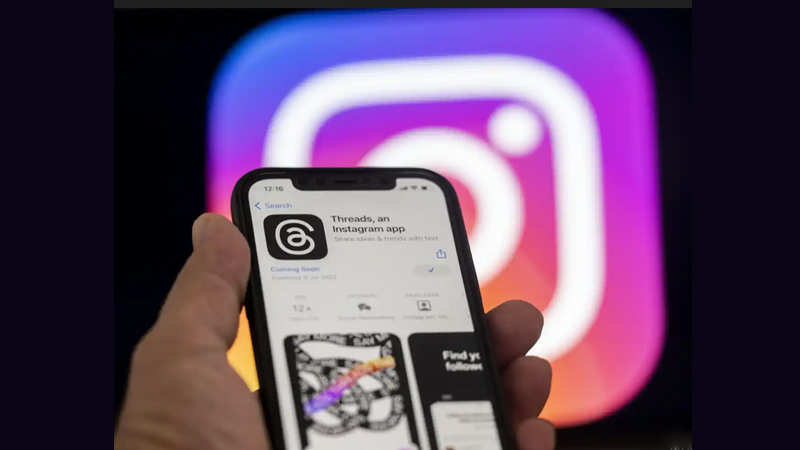
    MUMBAI: Integral Ad Science (IAS), the global ad verification powerhouse, has stitched together a new layer of protection for advertisers by launching AI-driven brand safety and suitability measurement on Meta’s fast-growing platform, Threads. The move marks the first time advertisers get third-party, independent brand safety checks on Threads, giving marketers peace of mind as they scroll through their media plans.

    Backed by its clever total media quality (TMQ) tech, IAS isn’t just skimming the surface. It’s digging deep into video, audio, images and text, frame by frame, to give advertisers crystal-clear content analysis at scale. So, whether a post has a cheeky meme, a trending video or a suspicious-sounding voiceover, IAS’s AI is watching (and listening).

    “IAS’s AI-driven content-level analysis enables advertisers to drive performance and confidently scale their investments with trusted, third-party, independent measurement,” said IAS CEO Lisa Utzschneider. “We continue to innovate and deepen our relationships with global partners like Meta to provide end-to-end campaign support for advertisers across every screen and channel.”

    Threads isn’t just another platform in the Meta empire, it’s a rising star, now boasting over 400 million monthly active users globally as of August 2025. With this new IAS integration, advertisers can finally breathe easy as their campaigns reach wider audiences. The new solution offers third-party validation to ensure ads appear next to safe and suitable content on Threads, with detailed content-level insights available through the IAS Signal dashboard. Advertisers can access industry-aligned classification across risk categories, customise suitability preferences, and assess the performance of Meta inventory filters. Uniquely, IAS’s multimedia tech analyses content at the frame-by-frame level, blending video, image, audio, and text signals, making its classification impressively precise. Even better, it works across 34 languages, giving brands truly global peace of mind.

    IAS and Meta have been on a bit of a roll lately. This Threads launch follows a string of brand safety milestones, including content block lists introduced in October 2024 and misinformation safeguards rolled out across Facebook and Instagram earlier this year.


  • Applause’s Sameer Nair spills the secret sauce for hit storytelling

    Applause’s Sameer Nair spills the secret sauce for hit storytelling

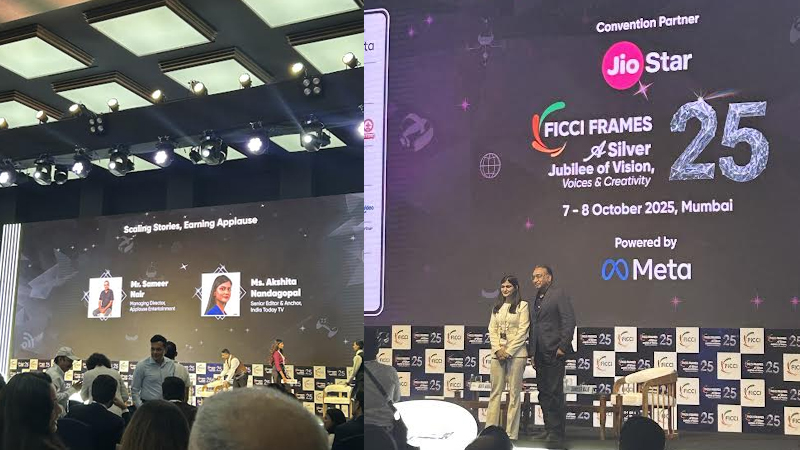
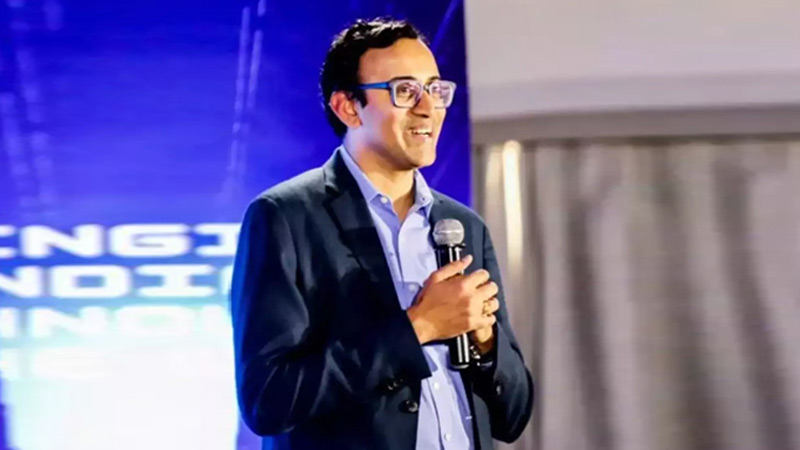
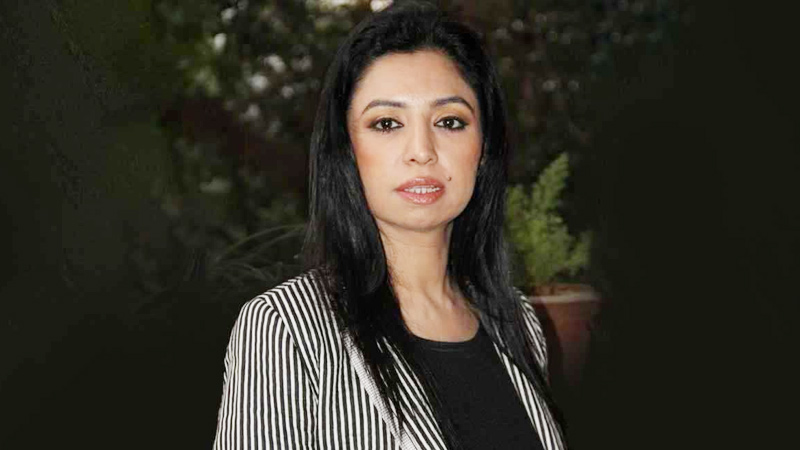
    MUMBAI: At Ficci Frames’ silver jubilee edition, a candid panel discussion between Applause Entertainment managing director Sameer Nair and India Today senior editor and anchor Akshita Nandagopal, brought the house down with humour, insight and a healthy dose of industry nostalgia.

    Moderating the fireside chat ‘Scaling stories, earning applause,’ Nandagopal kicked off by asking if Applause Entertainment had cracked the “OTT code,” given its slate of acclaimed shows like Criminal Justice (2019-present), The Hunt (2025) and Black Warrant (2025).

    Nair brushed off the idea of any secret formula. “Storytelling is a difficult enterprise,” he said. “You put in all the hard work and finally show it to an audience, sometimes they love it, sometimes they don’t. What we try to do is tell stories that feel real, even if they entertain first.”

    Citing his fondness for contemporary history, Nair explained how Applause often draws inspiration from real people and events, and banks on the entertainment factor. Black Warrant, he pointed out, isn’t about the dark underbelly of the Tihar Jail and the inmates as much as it is about “three young people on their first day at work; only, their workplace happens to be the Tihar Jail.” The company’s celebrated Criminal Justice series, meanwhile, has gone far beyond its British and American counterparts. “By the fourth season, we weren’t adapting anymore. We were living in the world of Madhav Mishra,” he said with a grin.

    Continuing the conversation on creativity in Indian storytelling, Nandagopal asked Nair, “Creativity is always a buzzword, but sometimes it feels boxed in a certain way. You can’t talk about uncomfortable topics; you have to be mindful of controversy and what entertains an Indian audience. Do you think creativity is constrained like that?”

    Amusedly, Nair interjected, noting that this isn’t unique to India. “In the eight years we’ve been doing this, we haven’t really got into much trouble, so we must be doing something right. We don’t have an agenda; we’re telling stories that make you think, but not what to think. We find compelling characters, research their worlds, and present their stories as balanced and entertaining as possible. They are people like you and me.”

    He brought up The Hunt as an example, which begins with the assassination of Rajiv Gandhi but quickly transitions into a police procedural. “It’s not about politics; it’s about crime and justice… In the process, you get to know the characters. There’s one scene where Sivarasan, the one-eyed LTTE mastermind, sits in a theater watching a Rajnikanth film. We loved putting that in, it humanises him without glorifying anything.”

    When Nandagopal brought up the theme of change, both broadly and through the lens of content, Nair noted how some formats have stood the test of time. “KBC is a classic because it has a great format and Mr. Bachchan,” he said, crediting both star power and familiarity for its relic appeal. “Audiences talk about change all the time, but they also love familiarity. Sometimes you don’t want a murder mystery; you just want to relax.” To which, Nandagopal nodded and said, ‘It’s a comfort watch. A lot of us do that. We’ve been watching a lot of the classics that we’ve seen before. Knowing that that’s something that’s predictable. We know what we’re expecting there. And yet we love to watch it.

    Looking back at the first Ficci Frames two decades ago, Nair painted a vivid picture of how dramatically the industry had evolved. “In 2005, television ruled everything. There was no Facebook, Twitter or Youtube, even the iphone didn’t exist. By 2015, digital platforms had become the barbarians at the gate. Now, in 2025, we’re minor players compared to Netflix, Youtube and social media. And just as we adjusted to that, AI arrived.”

    The conversation soon turned to the elephant in every creator’s room: will AI replace creativity or enhance it? Nair’s reply was measured. “AI will be a great tool if it can create that suspension of disbelief,” he said. “When you see a dinosaur chasing you in Jurassic Park, you believe it. If AI can make you believe without breaking the illusion, it’s magic. But if it looks fake, we might as well be watching animation.”

    He added that AI, much like earlier leaps in filmmaking, from special effects to computer graphics, would revolutionise the process but not erase human creativity. “Even an AI actor needs direction, a script and a story,” he said. “If machines create everything end to end, without human emotion, we’ll just be watching something intelligent but soulless. We must use it wisely.”

    As the conversation veered back to Applause’s future, Nair revealed that the company has recently acquired the rights to Jeffrey Archer’s books and has a robust slate of upcoming projects. Upcoming projects include new seasons of Criminal Justice and Black Warrant, the next installment of the Scam franchise, and a Tamil feature Bison directed by Tamil director and screenwriter Mari Selvaraj. He also teased Gandhi, a three-season epic inspired by Indian historian and author Ramachandra Guha’s books. “It’s not about Gandhi,” Nair chuckled and said, “it’s about Mohandas before he became the Mahatma: an 18-year-old who goes to college in London, and does all the standard things that rebellious teenagers do.”

    For Nair, storytelling remains deeply human: an approach that has shaped Applause Entertainment’s diverse slate, from thrillers rooted in true events to expansive biographical dramas.

    In a world where algorithms and art are learning to coexist, it’s a fitting reminder that great storytelling, no matter the medium, will always find its audience.

  • India’s news industry is eating itself, warns veteran publisher

    India’s news industry is eating itself, warns veteran publisher

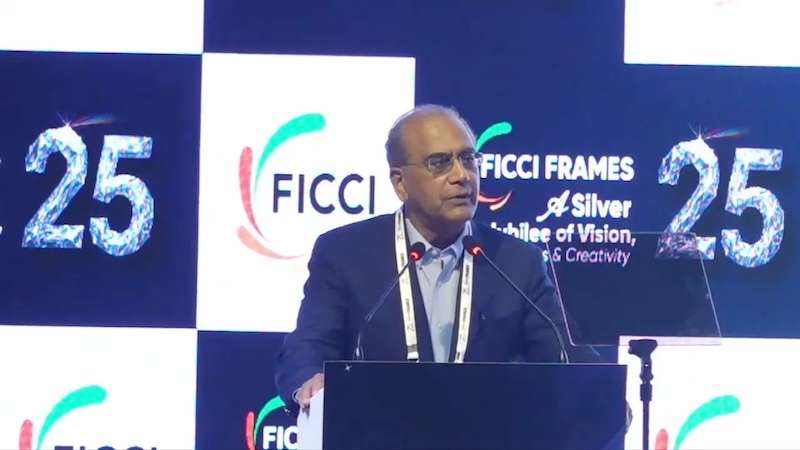
    MUMBAI: Fifty years in the media business buys you the right to speak bluntly. Aroon Purie exercised that right at Ficci Frames 2025 in Mumbai, delivering a blistering critique of India’s news industry—an ecosystem he says is simultaneously massive, unprofitable and increasingly compromised.

    The numbers are staggering. India has over 140,000 registered publications, 375 twenty-four-hour news channels (with more in the pipeline), and a broadcasting industry employing 1.7 million people. Delhi alone wakes up to dozens of English and regional newspapers daily. No other country comes close to this scale. Yet 99 per cent of news channels lose money.

    The problem, Purie argues, is structural. India’s news industry runs on what he calls “raddi economics”—newspapers priced so low that readers profit from selling them as scrap. Broadcasters pay cable operators carriage fees just to reach viewers, a practice that persisted even after digitisation. The Telecom Regulatory Authority of India’s price controls strangle market forces, treating cable television like wheat or rice. “The government has made a mess of the broadcasting industry due to lack of foresight and regressive policies,” Purie said.

    Worse still is the funding model. With consumers paying next to nothing, advertisers bankroll nearly the entire industry. “When journalism’s survival depends almost entirely on advertising from corporations and governments, its independence is under a constant threat of compromise,” Purie warned. The hand that gives can also take away.

    Enter what Purie calls “billionaire news channels”—industrial houses launching news operations not as businesses but as tools for influence and access. They have deep pockets and no profit motive, destroying economic models for legitimate players. “Their entrance makes the public believe that every channel is a mouthpiece for a vested interest,” he said. It’s the only business, Purie noted drily, where the industry loses money yet people queue to enter it.

    Digital promised salvation but delivered more of the same. Publishers chased scale and eyeballs, giving content away for free. Google, Facebook, YouTube and Twitter became the world’s “new editors-in-chief”, controlling distribution and monetisation whilst producing no journalism. They hoover up over 70 per cent of total media revenue—digital advertising now claims 55 per cent of all ad spending—leaving crumbs for actual newsrooms. The algorithm rewards outrage and virality, not depth or accuracy. “Newsrooms that once invested in reporters now have to invest in SEO specialists,” Purie said.

    Artificial intelligence poses the next existential threat. AI can scrape, synthesise and regurgitate news without credit or revenue, summarising five articles into one paragraph. “What happens to the original news organisations—the ones who pay reporters and fight court cases—when our content is scraped?” Purie asked. It’s a question the industry is only beginning to grapple with.

    Purie, whose India Today Group reaches 750 million viewers, readers and subscribers, doesn’t claim to have all the answers. But he’s clear about the solution’s shape: stop apologising for journalism’s value, innovate business models, and persuade audiences that credible news is a public good with a price. “A subscription is not just a transaction; it’s a vote for the kind of media you want to exist,” he said.

    After five decades navigating disruption—from print to television to digital to AI—Purie’s diagnosis is stark. The old models are broken, the new gatekeepers ruthless, and professionally generated content under siege. Yet he remains defiant. “Disruption is not the enemy, it’s the new normal,” he said. “The real question is, do we have the courage, imagination, innovation, resilience and integrity to seize it?”

    Whether India’s news industry can answer that question may determine the health of its democracy. No pressure, then.

  • Philips hits the right note with Sanya Malhotra in festive light-up campaign

    Philips hits the right note with Sanya Malhotra in festive light-up campaign

    MUMBAI: When the beat drops and the lights glow, the vibe is pure celebration. This festive season, Signify (Euronext: Light), the world’s leading lighting company, has rolled out its new campaign starring actor and brand ambassador Sanya Malhotra, putting the spotlight on Philips Smart and Deco lighting.

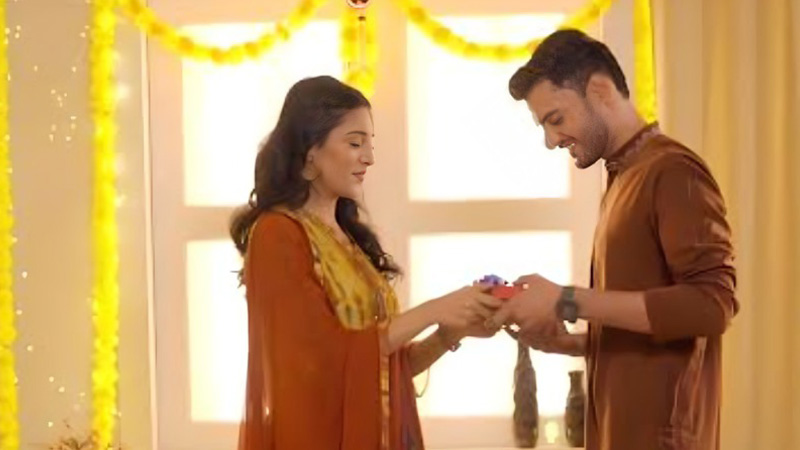
    Titled Light Up Every Day, the campaign taps into the way Gen Z is remixing festive traditions pairing classic tunes with ambient lighting, and turning their homes into mood boards of music, light and joy. The film follows a young couple vibing through the day, where lighting doesn’t just brighten spaces but becomes an extension of self-expression.

    “With Gen Z fast becoming significant buyers of premium products, the campaign reflects their demand for personalisation, mood-setting and experiences,” said Signify head of marketing for strategy govt. affairs and CSR Nikhil Gupta. “Through lighting, we’re not just enhancing spaces, we’re shaping moods and memories.”

    Sanya Malhotra echoed the sentiment: “Festivals have always held a special place in my heart. Light sets the mood, expresses style, and creates lifetime memories. That’s why I’m so excited to be part of this campaign with Signify.”

    The campaign goes beyond screens too. With 500 plus lighting designs spread across 300 plus Philips Smart Light Hubs in India, consumers can step into experiential spaces to explore setups, get expert recommendations and discover how smart lighting transforms their homes.

    Shot with actor Rohan Gurbaxani, choreographed by Karishma Chavan and set to music by Aman Pant, the film pulses with energy, curated by creative agency FCB Kinnect. It will shine across Youtube, Instagram, Facebook, OTT platforms and social media throughout the season.

    By fusing sound, style and smart design, Signify makes a simple promise: when light matches your vibe, every day is a festival


  • Oneplus launches ‘light a light, plant a plant’ with Jackie Shroff this Diwali

    Oneplus launches ‘light a light, plant a plant’ with Jackie Shroff this Diwali

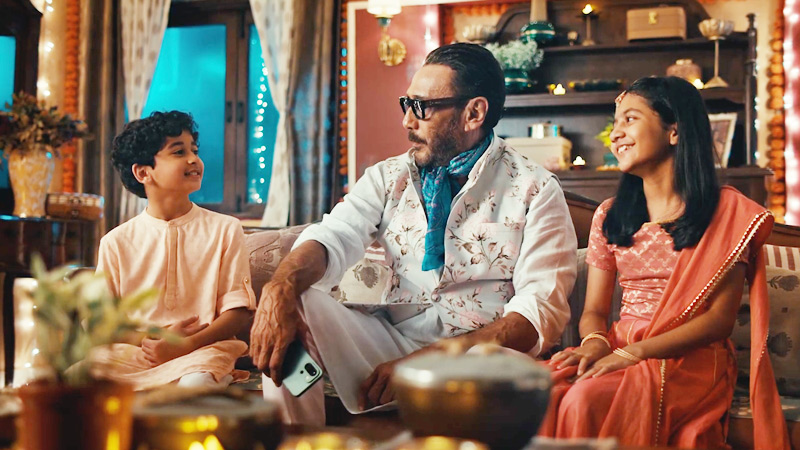
    MUMBAI: This Diwali, Oneplus is lighting up homes and green spaces alike. The brand has unveiled a heartfelt campaign titled “light a light, plant a plant”, collaborating with actor Jackie Shroff and his NGO, JK Foundation, with a commitment to plant 1 lakh trees across India.

    The campaign encourages communities to celebrate the festival of lights while contributing to a greener future. The hero film delivers a simple yet powerful message: as we illuminate our homes, we can also plant a plant. It reflects Oneplus’s belief that technology and sustainability can go hand in hand: mirroring the clean and fast experience of Oxygenos with the brand’s commitment to cleaner air and healthier cities.

    This initiative continues Oneplus’s eco-conscious journey, building on its 2019 campaign that saw 20,000 trees planted. Plantations under this campaign will prioritise native species and ongoing care, with periodic updates shared with the Oneplus community.

    Commenting on the campaign, Oneplus India director of marketing Ishita Grover said, “Our campaign is a heartfelt celebration of joy and a brighter, hopeful future. By sharing the spirit of giving and togetherness, we hope to spark a movement where celebration and a greener future go hand in hand.”

    Conceptualised in-house and directed by OML (Only Much Louder), the ad film is live across Youtube, Instagram, Twitter, and Facebook, bringing the festive spirit and a message of sustainability directly to audiences nationwide.

  • Indusind Bank celebrates festive joy of giving with ‘Account bada toh dil bada’

    Indusind Bank celebrates festive joy of giving with ‘Account bada toh dil bada’

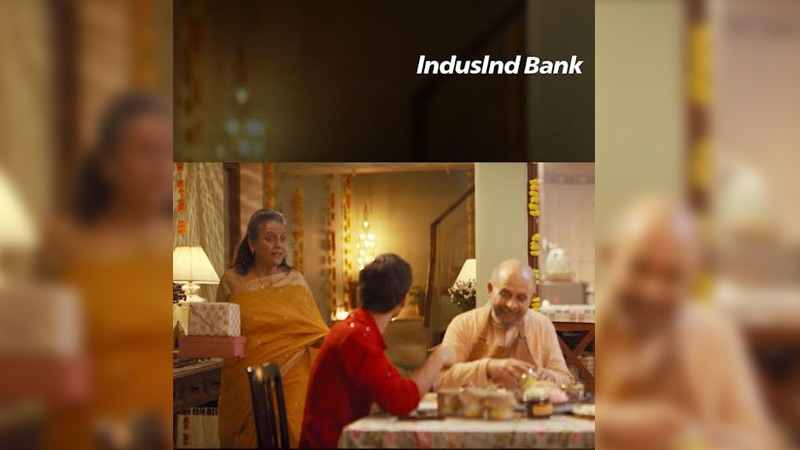
    MUMBAI: This festive season, Indusind Bank is making generosity go viral! The bank has launched its new campaign ‘Give More Get More’, built around the touching theme “Account bada toh dil bada”: a reminder that when savings grow, so does the ability to spread happiness.

    At the heart of the campaign is an emotional film that follows a humble baker and his son. The story shows how the son, empowered by Indusind Bank, fulfils his father’s lifelong dream of owning a bakery shop. The moving narrative underlines the campaign’s philosophy: financial growth isn’t just about wealth, it’s about the joy of giving.

    To complement the film, the bank is rolling out festive offers across its products and services, including: up to 50 per cent off on processing fees for loans such as home, vehicle, personal, and loan against property, and special debit and credit card deals across 15 plus leading brands like Vijay Sales, Goibibo, Zomato, and Bigbasket.

    The campaign also extends to a series of short, snappy digital films released on Instagram, Facebook, X, Linkedin, and Youtube. These spotlight Indusind Bank’s offerings, from instant loans to Indie for business, showcasing how the bank makes everyday banking simpler and more rewarding.

    With ‘Give more get more,’ Indusind Bank is reminding customers that the festive season is not just about receiving, it’s about giving more love, more joy, and more reasons to smile.


  • ‘Road Trippin With Rocky’ S14: Rocky Singh explores Gujarat with HistoryTV18

    ‘Road Trippin With Rocky’ S14: Rocky Singh explores Gujarat with HistoryTV18

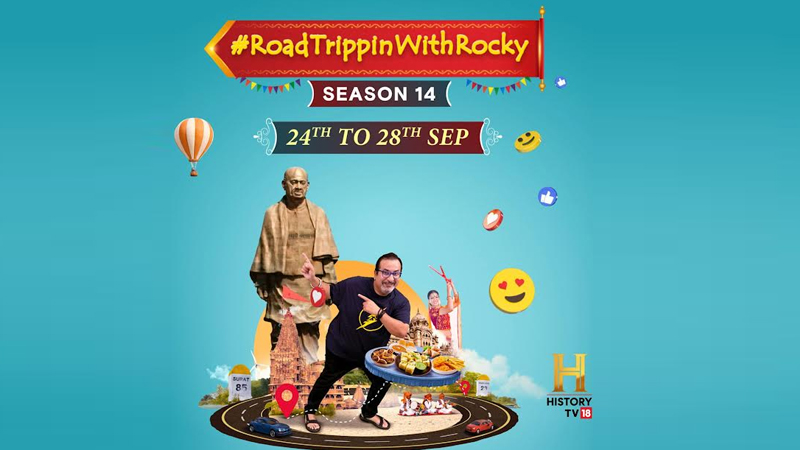
    MUMBAI: History TV18’s hit travel-food social series ‘Road trippin with Rocky’ is back with Season 14, and this time all roads lead to Gujarat. As the state gears up for Navratri with colour, music, and celebration, Rocky Singh sets off on a five-day journey to explore its irresistible flavours and vibrant culture.

    Starting 24 September, Rocky’s road trip will take him through Ahmedabad, Vadodara, and Surat: each city serving up a feast of stories and tastes. From fluffy khaman-dhokla and crispy theplas to piping-hot sev usal and the indulgent Surati ghari, the season promises a plateful of Gujarat’s legendary vegetarian delights. Expect impromptu stops at bustling bazaars, late-night food stalls, and street corners where Rocky chats with locals over khakhra, locho, ponk vada, and chai.

    Rocky’s trademark spontaneity, humour, and curiosity ensure that each meal goes beyond food, bringing alive the culture, warmth, and festive energy of Gujarat during its most celebrated season.

    Over the past 13 seasons, ‘Road Trippin With Rocky’ has built a loyal following by blending irresistible food, local culture, and Rocky’s unique storytelling into a format that feels as real as an unscripted road trip. From Tamil Nadu’s coastal trails to Coorg’s misty hills, Rocky has taken viewers across India, amassing over 2 billion impressions and nearly 540 million video views.

    Fans can catch every moment of the Gujarat adventure on Rocky’s and History TV18’s social media handles across Youtube, Instagram, Facebook, and Twitter. Expect behind-the-scenes glimpses, quick bites, and conversations that make food the perfect bridge between people and places.

    With Gujarat’s festive season as the backdrop, Rocky’s latest journey promises to prove once again that the best meals and the best memories are the ones you don’t over-plan.

  • Dentsu crowns new creative kings as Dhruv Tiwari and Zubin Jauhari join

    Dentsu crowns new creative kings as Dhruv Tiwari and Zubin Jauhari join

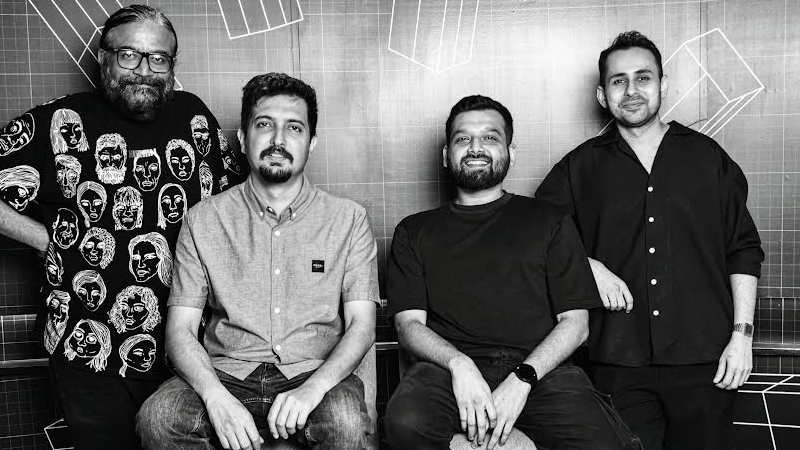
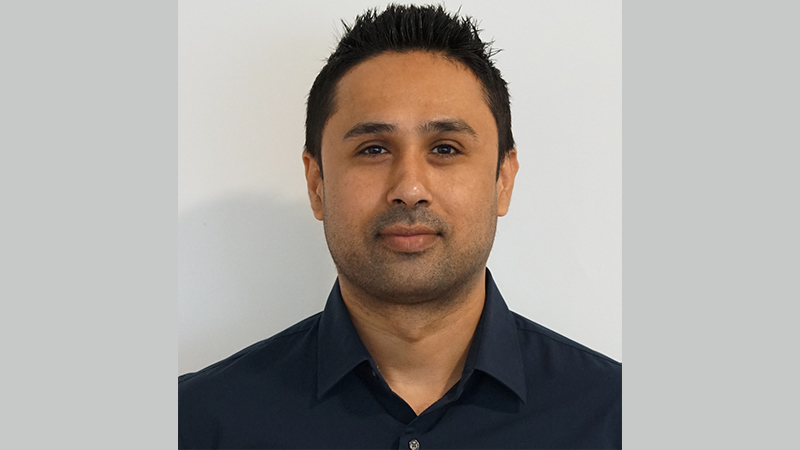
    MUMBAI: Two sharp minds, one bold mission Dentsu Creative Isobar has doubled down on its creative firepower with the appointment of Dhruv Tiwari and Zubin Jauhari as group executive creative directors. The move, announced this week, signals the agency’s intent to marry creativity with culture and commerce, shaping campaigns that don’t just win awards but win hearts across India. Both will report to Dentsu Creative Isobar chief creative officer Abhijat Bharadwaj and will lead a 150 plus strong creative team charged with pushing boundaries for some of the country’s most ambitious brands.

    Dhruv Tiwari arrives from DDB Mudra, where he transformed the North office into a creative powerhouse with work for McDonald’s, Royal Enfield, Kent RO and DLF Mall of India. His campaigns blended cultural spark with business impact and earned recognition at Adfest, The Abbys and Kyoorius. As he quipped: “I’m here to stir things up to craft work where creativity, tech and culture collide. Work that earns attention, sparks conversation, and maybe even rewrites the rulebook. If the shiny metals follow, well… we won’t complain.”

    Zubin Jauhari, meanwhile, is making a homecoming to dentsu. Over the past decade, he has worked on everything from Swiggy and Flipkart to Google, Facebook and Ola Electric, turning brands into cultural icons. His trophy cabinet features Cannes Lions, a Spikes Asia Grand Prix and a Kyoorius Black Elephant. On returning, he said: “It feels incredible to return to a place that shaped some of my fondest professional memories. I’m here to create work that resonates far beyond the industry, help define the future of creativity, and build a team that everyone can’t stop talking about, all while having a ton of fun doing it.”

    For Bharadwaj, the appointments cap a year-and-a-half-long talent build: “Now that the bottom and middle levels of our structure are solidly in place, it’s time to crown the top of this creative pyramid. I can’t think of anyone better than Dhruv and Zubin. Zubin is an award-winning creative who is an expert at new-age creativity and Dhruv is an excellent leader with a vast portfolio of successful campaigns. We’re in the fight and gunning for greatness.”

    Dentsu Creative Isobar CEO Sahil Shah echoed the sentiment: “The future of creativity lies in fusing culture, technology, and influence to deliver impact at scale. Dhruv and Zubin embody this new-age thinking and inspire those around them. Backed by a hugely talented team of 150 plus creatives, they will craft transformative work for brands and society while nurturing a culture that empowers our people to dream bigger and create bolder.”

    Together, Dhruv and Zubin are expected to deliver campaigns that channel India’s diversity and dynamism, harnessing technology to amplify culture and content to drive influence. The duo’s remit aligns with Dentsu Creative’s global mission: building work that’s emotionally resonant, culturally rooted and commercially meaningful.

    As the agency puts it, this is not just about crafting ads, it’s about “celebrating Bharat while speaking to modern India”. With this creative power pairing, Dentsu Creative Isobar seems ready to script its next blockbuster chapter.

  • Inkhabar inks success as originals hit 25 million digital viewers

    Inkhabar inks success as originals hit 25 million digital viewers

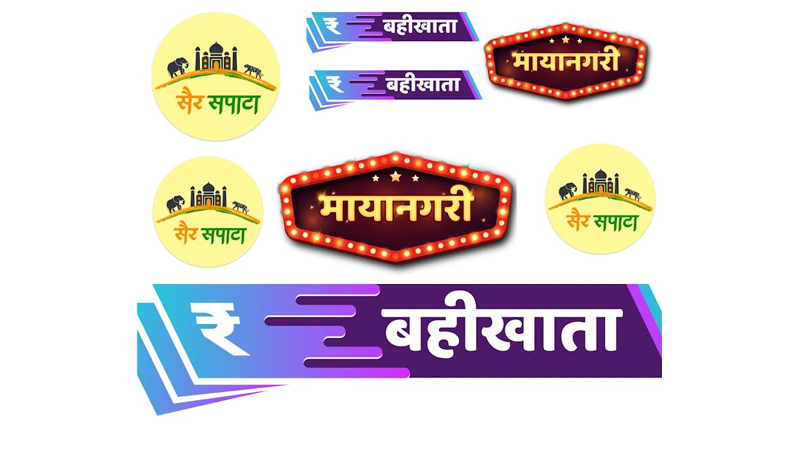
    MUMBAI: Lights, camera, traction, Inkhabar’s digital originals are rewriting the playbook. The news and content platform has struck gold with the launch of three flagship shows Mayanagri, Bahi Khata, and Sair Sapata already captivating over 25 million viewers across Youtube, Instagram, X, Facebook, and its own platforms.

    Mayanagri has exploded into a pop culture magnet, moving far beyond Bollywood chatter to become the go-to hub for celebrity exclusives, sharp film reviews, and lifestyle trends. Its glamour-meets-grit format has not just caught eyeballs but shaped conversations and aspirations, making it an irresistible destination for advertisers targeting India’s youth-driven luxury and lifestyle segments.

    Meanwhile, Bahi Khata has turned financial jargon into prime-time clarity, decoding IPO trends, market swings, and investment strategies into sharp insights digestible for both seasoned investors and curious beginners. Its sibling Sair Sapata captures the colours, flavours, and stories of everyday India, blending travel, culture, and lifestyle into a vibrant visual diary that resonates deeply with digital-first audiences.

    For brands, these shows have become more than content, they’re communities. “These original IPs are thriving spaces where millions of viewers feel at home. For advertisers, they represent trusted platforms to engage authentically,” said ITV Network Digital CEO Akshansh Yadav.

    Echoing this ITV Foundation chairperson Aishwarya Pandit Sharma added, “Platforms like Inkhabar are no longer just news outlets. They’re content powerhouses building original formats that audiences crave, creating fertile ground for brands to integrate seamlessly.”

    With 25 million strong viewership already under its belt and momentum on its side, InKhabar’s originals are fast becoming premium stages where ambition, exploration, and discovery meet and where advertisers can’t afford not to play.