Tag: EY

  • IAMAI hails piracy task force as shot in the arm for creative economy

    IAMAI hails piracy task force as shot in the arm for creative economy

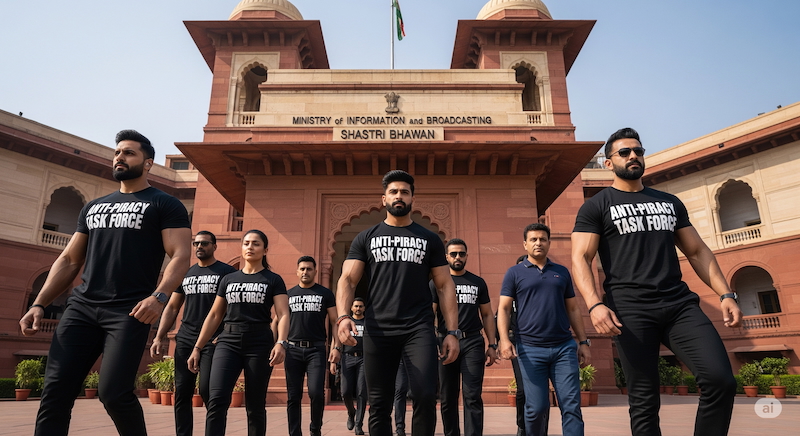
    MUMBAI: The Internet and Mobile Association of India (IAMAI) has cheered the ministry of information and broadcasting’s (MIB’s) decision to set up a dedicated task force to tackle the scourge of online piracy, calling it a long-overdue step to protect the country’s creative economy.

    IAMAI’s digital entertainment committee said the initiative would help turn the tough provisions of the Cinematograph Amendment Act 2023 into action on the ground. The law introduced steep penalties for piracy and empowered authorities to crack down on illegal recordings and transmissions.

    A 2024 “Rob Report”, published by EY and IAMAI, estimated that India’s entertainment sector—spanning OTT platforms and cinemas—loses Rs 224 bn annually to piracy, with 51 per cent of consumers admitting to watching pirated content. It urged stronger enforcement, fairer pricing and more innovative distribution models.

    JioStar chief executive and chair of the digital entertainment committe Kiran Mani said IAMAI’s role in the task force would channel industry expertise into “decisive measures that safeguard our creative economy and fuel long-term growth.”

    Inshorts a co-founder & chief executive and co-chair of the committee  Deepit Purkayastha called piracy “one of the biggest hurdles” for the industry, adding that the task force was a chance to “set the stage for a stronger and more trusted entertainment industry.”

    With a task force in place, the law tightened and industry voices aligned, India’s media and entertainment sector is finally poised to fight piracy with more than words.

    (The picture shown above is just a representation of the task force and does not purport to depict either Shastri Bhawan or the industry executives who are part of the task force)

  • Siddarth Shahani joins IN10 Media Network as head of finance

    Siddarth Shahani joins IN10 Media Network as head of finance

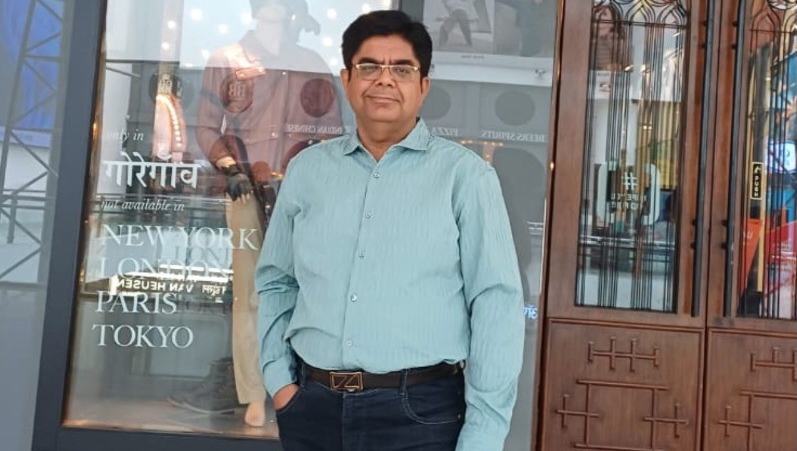
    MUMBAI: IN10 Media Network has appointed Siddarth Shahani as head of finance. A chartered accountant with more than 24 years in the trade, Shahani will take charge of the network’s holding company and five subsidiaries.

    He moves from Barc India, where as financial controller he ran a 15-member team overseeing billing, treasury, taxation and payables. There, he drove compliance, streamlined processes, secured better foreign exchange rates and steered a Big Four audit.

    His earlier stints include senior finance roles at Daymon, Laqshya Media Group, Tops Security, Landor and Siemens, along with audit tenures at EY, KPMG and PwC.

    Shahani, known for his hands-on style and process rigour, is expected to bring tighter controls and sharper strategy to IN10 Media’s expanding portfolio.

  • EY-AIDCF report: Indian cable TV faces dire times unless government and regulator step in with regulatory reforms

    EY-AIDCF report: Indian cable TV faces dire times unless government and regulator step in with regulatory reforms

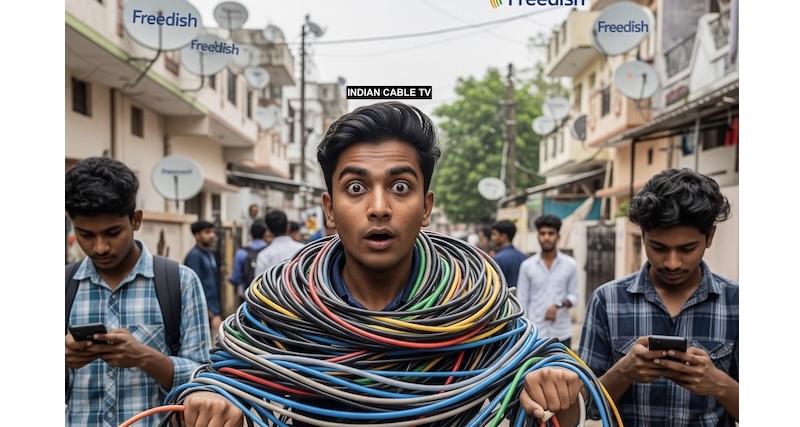
    NEW DELHI: India’s cable TV industry is on the ropes, reeling from a perfect storm of digital disruption, regulatory overkill, and changing viewer habits. A blistering new report by EY and the All India Digital Cable Federation (AIDCF) reveals a 40 million plunge in pay TV homes since 2018—down from 151 million to just 111 million in 2024—and warns that the bleeding isn’t over yet.

    By 2030, the figure could drop to as low as 71 million, as Indians flock to OTT, Free Dish, and smart TVs offering slicker content, better tech, and zero monthly bills. The fallout? A staggering 31 per cent collapse in employment across the Local Cable Operator (LCO) network, with up to 1.95 lakh jobs on the chopping block.
    The pay TV playbook, once defined by “kam daam, zyada samaan,” is now buckling under rising channel rates, bundling woes, and what LCOs call a “regulatory regime rigged for broadcasters.”

    A whopping 93 per cent of LCOs surveyed reported a drop in take-home income, with 79 per cent saying their earnings have nosedived by over 20 per cent since 2018.

    * Revenue for major distribution platform operators (DPOs) has shrunk by over 16 per cent since 2018, while EBITDA margins have plunged by 29 per cent.

    * Cable TV subscriptions have halved to 60 million, while smart TVs connected to the internet hit 50 million monthly active sets in 2024.
    * Pay TV now makes up just 58 per cent of the TV pie, down from 81 per cent in 2018, even as India’s TV household base touched 190 million.

    Despite being the backbone of India’s broadcast reach—physically connecting over 500 million people—LCOs remain the industry’s ignored foot soldiers, calling out a “top-heavy system” that allegedly favours deep-pocketed broadcasters and digital players.

    AIDCF proposes radical surgery: from activating over 20 million inactive set-top boxes and offering subsidies in “TV dark” zones, to limiting near-simultaneous OTT releases of pay TV content, and ensuring a level playing field between cable, OTT, Free TV and FAST channels.

    But with TRAI’s piecemeal tariff reforms (NTO 1.0 to 4.0) fuelling more legal duels than industry stability, stakeholders are demanding a full-blown reset. As OTT juggernauts steam ahead and content increasingly lives in the cloud, the cable industry’s survival may hinge not just on policy support but on reinventing itself as a digital services hub, not just a pipe.

    As the report bluntly puts it: without immediate intervention, the sun may set on the 30-year reign of India’s cable TV kings.

  • Ad Tech Today announces EMERGE 2024

    Ad Tech Today announces EMERGE 2024

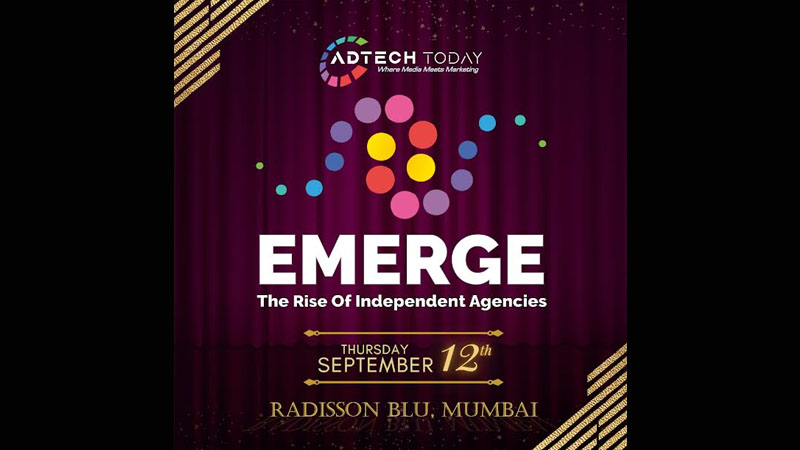
    Mumbai: AdTech Today presents EMERGE 2024 – the rise of independent agencies, a one-of-a-kind event designed to recognise and celebrate the innovative spirit of independent agencies within the advertising and marketing landscape on 12 September 2024, at Radisson Blu, Mumbai. This event aims to highlight these agencies’ exceptional contributions while exploring the industry’s future.

    The event will feature thought-provoking panel discussions, networking opportunities, and the prestigious EMERGE Awards, where outstanding agencies will be recognized for their achievements.

    The event is supported by prominent partners: PR partner: Treize Communications, knowledge partner: MRSI (Market Research Society of India), support partner: Explurger and session partner: Blis.

    The panels will be moderated by a distinguished group of industry leaders like India Channel Factory MD Chirag Bhatia, Publicis Groupe CEO – digital technology business Amaresh Godbole and EY partner, marketing advisory services Amiya Swarup ensuring that the conversations and evaluations are both insightful and balanced. Following the panels, the EMERGE Awards will honor the achievements of independent agencies. The awards ceremony will also feature the special felicitation of two iconic figures in advertising: The Advertising Club COO Bipin Pandit and BBDO India chairman Josy Paul.

    With major independent agencies like White Rivers Media, DVIO Digital, Enormous, Gozoop, Howl, Eggfirst Advertising, and Infectious Advertising to name a few participating, EMERGE 2024 offers B2B professionals the opportunity to connect with thought leaders, gain insights into industry trends, and celebrate the best of independent talent.

  • India’s influencer marketing sector primed for meteoric rise!

    India’s influencer marketing sector primed for meteoric rise!

    Mumbai: A recent report titled ‘The State Of Influencer Marketing in India’ by EY and Collective Artists Network’s Big Bang Social unveils a promising approach for influencer marketing in the country. Projections suggest a remarkable 25 per cent surge in 2024, reaching Rs 2,344 crore, with further expansion to Rs 3,375 crore by 2026.

    The report showcases the integral role of influencer marketing across sectors, particularly in lifestyle, fashion, and beauty, as well as automobiles, e-commerce, and FMCG. With over 50 per cent of mobile usage dedicated to social media platforms, integrating influencer marketing into communication strategies is becoming imperative for marketers.

    A blend of mega/macro influencers for brand awareness and micro/nano influencers for engagement is proving effective, with nano influencers exhibiting the highest engagement rates. Notably, 47 per cent of brands prefer micro and nano influencers due to their cost-effectiveness.

    Challenges persist on both the brand and influencer fronts, with marketers grappling to determine the ROI of campaigns while influencers strive to maintain credibility and build loyal audiences.

    The rising popularity of influencer marketing is evident, with 75 per cent of brands considering it an integral part of their marketing strategy. Smartphone users are driving this trend, with around 50 per cent of their time spent on social media platforms, predominantly Instagram and YouTube.

    Looking forward, 86 per cent of influencers anticipate income growth of over 10 per cent in the next two years, reflecting the increasing demand for their services. Additionally, brands are poised to amplify their investments, with 70 per cent planning to maintain or increase budgets for influencer marketing in 2024.

    Indiantelevision.com reached out to industry experts and digital creators on their thoughts on the state of Influencer marketing in India, what factors are contributing to its projected growth and the challenges anticipated in the evolving influencer marketing economy.

    Edited excerpts

    Chtrbox VP Karan Pherwani

    The influencer marketing industry in India is expected to grow to Rs 3,375 crore by 2026 due to more people using social media, increased digital content consumption, and the rise of specialized influencers appealing to different audiences. The increasing adoption of influencer marketing by a wide range of industries, from fashion and beauty to technology and healthcare, is contributing to this growth. Furthermore, the trend towards personalized and authentic brand experiences is driving brands to invest more in influencer collaborations as a means of connecting with their target audiences on a deeper level.

    Challenges in influencer marketing include ensuring genuine content in a crowded market, weeding out the influencers that ‘buy followers’, dealing with regulations.

    Mint + Milk PR founders Komal Rukhana and Janvi Mankani

    As an industry insider, it’s really fascinating to see how influencer marketing has evolved and exploded over the years. I think one of the big drivers behind this growth is the sheer number of influencers out there; and of course that’s paired with the way people consume news today. Post-covid, the audience relies on social media to know what’s happening in the world (topically) – all the way from fashion to politics, social media has become an hourly routine for audiences to know what’s happening in the world. It’s not just the usual lifestyle influencers anymore; we’ve got people from all walks of life sharing their stories and recommendations. But with everyone trying to be an influencer, it raises the question – who are they actually influencing? It’s become a bit overwhelming for audiences too, with so much content flooding their feeds every day. Therefore on the flip side, brands are facing a challenge in standing out amidst this sea of influencers and posts.

    It’s true, many influencers are expecting their incomes to shoot up in the coming years. But along with that growth comes some challenges. Traditional media channels are shrinking, and brands are turning to influencers to get their messages across. Influencer marketing offers brands a way to control their message while still letting influencers bring their own flair to it. This blend of brand messaging and influencer authenticity is what resonates with audiences and ultimately drives sales. Plus, with all these new tools for tracking influencers and their audiences, brands are getting savvier about who they work with. It’s all about finding the right fit! And with influencers more accessible than ever, even smaller brands can jump into the game and grow their business without relying on big agencies.

    Actor, model and digital creator Hamid Barkzi

    With the growing internet penetration and smartphone usage in India, influencers have access to a larger audience, allowing brands to target a wider demographic. However, in a saturated market, navigating the right influencers can be challenging. Brands sometimes prioritize influencers based solely on their follower count, which may overlook content creators who offer genuine engagement and authenticity. This approach could limit opportunities for meaningful collaboration and reduce the impact of influencer marketing efforts.

    Digital creator Hiba Hasan

    Brands are now allocating more resources towards collaborating with micro and nano influencers. These influencers typically have smaller follower counts compared to macro-influencers but often possess highly engaged and loyal audiences.  They provide brands with cost-effective and targeted avenues for marketing. Their ability to engage with niche audiences effectively contributes significantly to the overall growth of the industry.

    Maintaining authenticity while adhering to brand guidelines can be tricky. Striking the right balance between creative freedom and brand expectations is crucial for content creators to preserve their credibility and resonate with their audience.

    Content creator: Lifestyle and beauty Ria Amin

    Consumers are increasingly valuing authenticity and trust, favoring influencers who can authentically endorse products and services, leading to higher engagement rates and ROI for brands.

    The constant evolution of social media algorithms and platforms requires content creators to stay agile and adapt their strategies accordingly. Keeping up with the latest trends and algorithm changes while producing quality content remains a significant challenge in the ever-changing landscape of influencer marketing.

  • EY survey: Only 60 per cent of music creators pursue full-time careers

    EY survey: Only 60 per cent of music creators pursue full-time careers

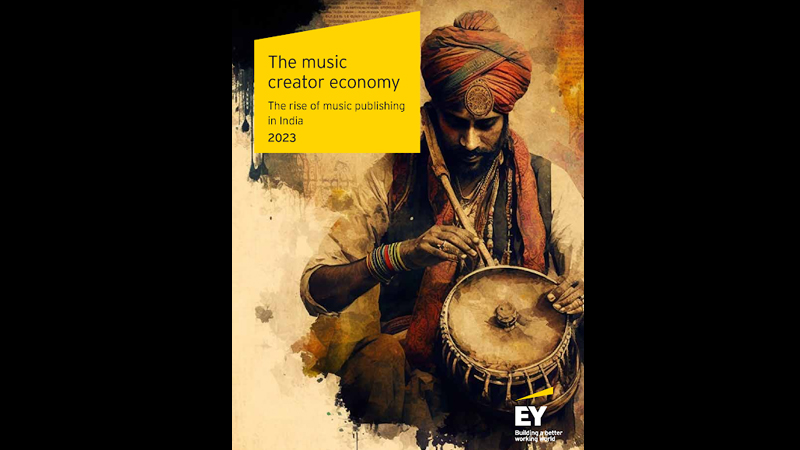
    Mumbai: EY, the leading professional services firm, launched the first-ever comprehensive report on the state of the music publishing industry in India titled ‘The music creator economy: The rise of music publishing in India.’ The report aims to provide valuable insights into the current state, market potential, and perspectives surrounding music publishing in the country.

    The report estimates that India generates over 20,000 original songs annually, contributed by 40,000 music creators. Music directly or indirectly generates over Rs 12,000 crore in revenues each year.

    Commenting on the survey findings, EY India media & entertainment leader Ashish Pherwani said, “Music is an important part of India’s media and entertainment sector and is an important contributor to India’s Soft Power. Both local and international labels have driven the music segment’s sound recording revenues for a long time. However, music publishing revenues remain much smaller, given the differing views on its applicability and litigation.”

    Björn Ulvaeus of ABBA fame, now president of the International Confederation of Societies of Authors and Composers (CISAC) stated, “The works of songwriters and composers inspire our lives and enrich our cultures. With the support of publishers and authors societies, they are also a driver of economies that fuel other businesses and employ millions of people. This study can help improve many readers’ knowledge of our sector.”

    The first-of-its-kind survey conducted by EY, in which 500 music creators participated, indicated that their financial income is unpredictable and often limited:

    1.    87 per cent of respondents would have liked to make a living off their music alone, but only 60 per cent were able to do so

    2.    Working outside of the traditional employer-employee relationship, one-time payments (upfront fees), live performances and royalties were the primary sources of income for most creators

    3.    A majority strongly believed that they needed to learn more about music production and monetization

    4.    Only 56 per cent of respondents had access to the equipment and infrastructure required to produce music

    5.    35 per cent of respondents reinvested more than 50 per cent of their earnings from music on equipment, gear, software, and other infrastructure required to create music

    While India consumes more music per capita than the world average, it ranks 14th in recorded music revenues. In contrast, publishing revenues are ranked 23rd due to various issues like lack of legal clarity and consequently, low compliance.

    However, despite these challenges, India’s music publishing industry has grown, reaching Rs 884 crore (approx. US$100 million) in the fiscal year 2022-23. The Indian Performing Right Society (IPRS), with over 13,500 authors as its members, continues to expand its revenue, thanks to the support it has received from GOI, as more music users comply with publishing requirements.

  • MMA Global India launches AI Advisory

    MMA Global India launches AI Advisory

    Mumbai: MMA Global India proudly announces the inauguration of the MMA Global India AI Advisory, a collaborative effort uniting the marketing ecosystem comprising members such as McDonald’s, HP, Microsoft, EY, ReBid, SAS, Netcore, Airtel, Aditya Birla Group, Tata Consumer Products, Bridgestone, CEAT, HDFC Bank, ICICI Bank, L’Oreal India, Mondelez, MakeMyTrip, and many others.

    Why AI Advisory?

    The subject of AI is fast-evolving, and keeping up with the pace can be challenging. The MMA Global India AI Advisory is here to provide the right platform for industry representatives to discuss challenges, engage in knowledge sharing, and drive collaboration for growth.

    “With 3 out of 4 companies already experimenting and scaling, especially in areas like marketing optimization and personalization, our AI Advisory will serve as a compass to enable marketers to harness intelligence and propel innovation. I wish to welcome our AI advisory members and the industry to help shape the future of AI in marketing and together tread the path to AI-powered marketing,” shared MMA Global India country head and board member Moneka Khurana. She further added that “this council serves as a testament to our commitment to fostering collaboration, knowledge sharing, and pushing the boundaries of AI applications in the Indian marketing landscape.”

    Objective of the AI Advisory:

    The AI Advisory at MMA Global India is committed to driving the adoption of AI applications in marketing at scale. It represents a working coalition of leading marketers and thought leaders focused on applying AI to marketing responsibly and effectively.

    What Sets the Advisory Apart:

    With a special focus on the Indian market, the MMA Global India AI Advisory ensures marketers have access to relevant content and resources needed to be at the forefront of technological innovation.

    Ernst & Young, head & partner and marketing advisory Amiya Swaru sharing his excitement for the launch, said, “The MMA India AI Advisory is a significant initiative; and a commitment to drive effective AI integration in marketing. Through thought leadership, the AI Advisory’s objective is to enable marketers to deliver business goals using effective use of AI and technology.”

    Our Experts on the Council Will aim to:

    1   Champion AI-Powered Marketing and Branding Tech

    2   Foster Knowledge Sharing via Thought Leadership

    3   Keep Members at the Forefront of AI Marketing Applications

     Establish Authority in Marketer Tech and Be the Go-To Council

    This group is laser-focused on driving conversations at a micro-level for the industry, with visible outcomes in reports, use cases, surveys, and more. Dedicated solely to the Indian market, the MMA Global India AI Advisory guarantees marketers access to content most pertinent to them, ensuring MMA’s members remain leaders in this generation’s most critical frontier of technological innovation.

    “In the realm of AI-driven marketing, the MMA Global India AI Advisory stands as a beacon of industry collaboration. The advisory’s collective mission is clear – to champion AI-powered marketing and pave the way for marketers to not just adapt but lead in this era of transformative technology,” were some strong closing words by another key founding member of the council, ReBid CEO & founder Rajiv Dingra. 

  • Proposed 28% GST on online gaming could lead to decline in active users: ASSOCHAM & EY Report

    Proposed 28% GST on online gaming could lead to decline in active users: ASSOCHAM & EY Report

    MUMBAI: According to a joint report by Assocham and EY, titled ‘GST on Online Skill-Based Gaming’, GST Council’s Group of Ministers (GoMs) are examining the GST on online gaming. One of the considerations by GoM is recommending a levy of 28 percent Goods and Services Tax (GST) on the complete contest entry amount including the prize pool, which can have an adverse effect on the industry. Levy of GST on the contest entry amount would increase the tax burden on the nascent industry by 10 to 20 times. The industry currently pays GST at the rate of 18 percent on the platform fee or the Gross Gaming Revenue (GGR) earned directly by the gaming operators.

    The report estimates that the industry contributes more than Rs 2,200 crore of GST in 2022 and the winnings from online games are subject to income tax, which also contribute a significant amount to the exchequer.

    The report has also listed out the unique features that set online skill-based gaming apart from games of chance. It entails technology solutions that are provided by operators to enable user-interface as well as build a gaming ecosystem and act as facilitators. The fee charged is a fixed consideration and is not dependent on outcome. Its success is also dependent on the superior knowledge of the user and engagement with the game, making skill the predominant element.

    The report notes that the proposed levy of tax at 28 percent from 18 percent, along with 30 percent income tax on winnings, takes the rate of taxation on online gaming between 45-50 percent. With the GST tax proposal leading to higher taxation, it could lead to a decline in active users and discourage domestic gaming industries.

    According to recent industry estimates, there are 500 gaming companies in the country, which have provided employment to thousands of people and have also seen an inflow of Foreign Direct Investment (FDI) worth $2.7 billion. However, they are likely to be impacted by high taxations and would open doors for offshore operators. The report states: “This sector could also help in facilitating the government’s vision for the Animation, Visual Effects, Gaming and Comic (AVGC) sector and encourage the domestic players rather than driving users to foreign companies/ offshore platforms; thereby enhancing government’s revenue collection.”

    Assocham secretary general Deepak Sood said, “The Assocham-EY report on the impact of GST on online skill-based gaming is quite revelatory. The growth of the online gaming industry comes as no surprise as it’s largely youth-driven and has been fuelled by the increasing usage of internet and smartphones, especially during the pandemic. India is expected to become one of the world’s leading markets in the gaming industry, which also bodes well in terms of a robust digital economy GDP as well as an employment-generator. Therefore, any step that the government takes to strengthen the sector through an optimal tax structure is welcome.”

    The report asserts that the right tax structure can have a positive impact on the industry and drive tax revenues. “The crystallisation of the GST valuation mechanism could be a catalyst in enabling ease of doing business and spur growth of this rising sector,” it concludes.

  • Digital radio technology can double broadcast sector’s revenue in five years: ICEA-EY report

    Digital radio technology can double broadcast sector’s revenue in five years: ICEA-EY report

    Mumbai: The adoption of digital radio technology will help the broadcast sector double its revenues within five years to Rs. 12,300 crore, according to a report prepared by the India Cellular and Electronics Association (ICEA) and EY.

    The report shows that digital radio broadcasting can be extremely beneficial for all the stakeholders in the sector—broadcasters, listeners, advertisers, and regulators—and can help the FM radio segment boost revenues. This comes at a time when the FM radio segment has been struggling to generate robust revenues over the past few years.

    It would lead to more advertising inventory to sell with the ability to charge higher rates based on segmented audiences. Given that the digital radio system can provide listenership data, broadcasters can build trust and eventually grow revenues.

    Another significant benefit of these technologies for broadcasters is that their transmitters use significantly less power than analogue radio transmitters.

    India has also tested two technologies – HD radio and digital radio mondiale (DRM), for digital broadcasting in the FM band.

    ICEA chairman Pankaj Mohindroo stated, “India is a heterogeneous market and provides audience segments with differing tastes as well as payment capabilities. Digital broadcast radio has the ability to cater to segments of entry-level smartphones and several hundred million feature phone users to receive enhanced services in the areas of health, education, emergency, and weather, which by complementing data networks, decongests them. Communication usage with IOT devices is next envisaged in the pipeline too.”

    Citing the report, Mohindroo said, “Digital technologies would go a long way in widening the network of broadcast infrastructure in the country and the number of radio stations would grow multifold from the current numbers of less than 300 to over 1,100 without any additional spectrum.”

    EY India partner Ashish Pherwani said, “Digital radio can provide a much-needed boost to the Indian radio segment. As a free-to-air medium, radio plays a very vital role in India’s informing and educating its people. Systemic issues around measurement, reach, operating models, competing products, and COVID-19 impacted the segment with failing revenues and shrinking opportunities. Digital radio can help grow the radio segment in India by 3x over 5 years, if implemented keeping in mind the requirements of various stakeholders and with the correct policy support.”

    According to the report, the number of channels will increase significantly from the perspective of listeners. Around 4x more channels are possible within the same frequency, which can provide more options to listeners. Furthermore, the technology is broadcast-centric, and consumers would not have to pay any data charges. Analogue transmission would also be enhanced as it provides a better listening experience than digital transmission across both audio quality and user interface.

    Digital technologies would also bring about major reforms for the regulators as it would result in optimum use of scarce spectrum in the middle and long term and lead to increased taxes from increased revenues. It would also allow the authorities to use digital radio infrastructure for emergency warnings and traffic information.

    The report prepared by ICEA and EY noted that a complete transition from analogue to digital radio infrastructure would take three to five years. Radio broadcasters cannot enable a switch-on-switch-off transition to digital radio as they are dependent on linear FM reach for their revenues. This would mean that analogue and digital broadcasting will need to exist in parallel till adequate reach is achieved.

    Consequently, for some years, there would be no spectrum saving, said the report. The report has recommended innovation around cost-effective chipsets, antennas, and software to drive quicker adoption of digital radio. It has also been said that competing products using low bandwidth data and consensus on music royalties are issues that need to be addressed.

  • Reshamandi appoints Ritesh Kumar as CFO

    Reshamandi appoints Ritesh Kumar as CFO

    Mumbai: ReshaMandi, a homegrown digital ecosystem for natural fibre supply chain has appointed Ritesh Kumar Talreja as chief financial officer. 

    In his new role, Ritesh will lead the company’s finance function where he will manage corporate development from a debt raising and M&A standpoint, said the statement.

    Ritesh has a rich experience of over 14 years in advising businesses on matters pertaining to fundraising, mergers and acquisition, structuring private equity investments and other corporate transactional matters in public and private space. 

    Previously, he was leading the IndusLaw’s Tax practice group as executive director. Before that, he spent 10 years at EY India, including advising clients in the areas of corporate governance, risk management and business performance improvement during this stint.

    “We are thrilled to have Ritesh on board. His extensive experience in corporate law and financial control will enable us to chart a solid growth path. I am confident that his expertise will help our company grow by huge leaps,” commented ReshaMandi founder and CEO Mayank Tiwari. “He complements our strong performance-oriented culture, and we believe his impressive track record of execution and achieving results qualifies him to lead our finance operations.”

    Being a chartered accountant, Ritesh is also a part of the Advocacy Committee with the Indian Association of Alternate Investment Funds. Over the years, he has also advised companies on international taxation matters, direct tax issues related to structuring cross-border transactions and identifying tax planning opportunities with an overall objective to achieve a tax-efficient structure in India. 

    He has robust experience in handling direct tax litigation matters across Indian appellate tribunals (including being an advisor to clients in devising tax litigation strategy) and tax policy representations before the Central Board of Direct Taxes (CBDT), the apex direct tax administration body of India.

    Speaking about his appointment, Ritesh said, “Unlike a conventional CFO, a new-age finance leader has multiple roles, especially in a start-up ecosystem which is extremely dynamic. I will be working closely with the founders on significant areas like establishing an effective financial infrastructure, ensuring compliance, leading fundraising conversations, financial planning and analysis, and cash flow tracking.”