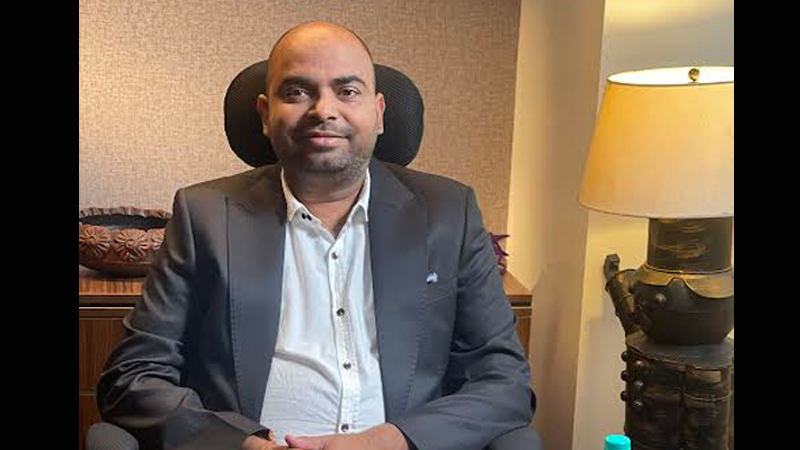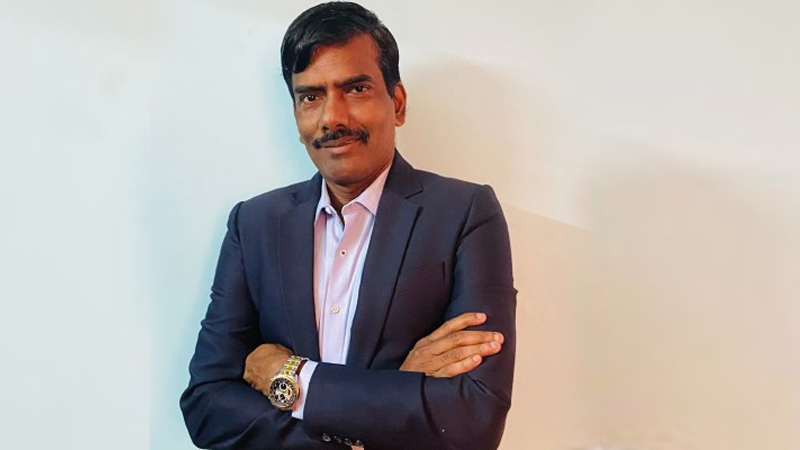
MUMBAI: In a significant development within the Indian media and entertainment ecosystem, R Venkatasubramanian has stepped down as the chief operating officer of Havas Play. His departure comes amid an ongoing internal restructuring at the agency, as confirmed by Havas Media Network India CEO Mohit Joshi.
“We are currently in the middle of a restructuring, but Venkat has decided to move on. I wish him all the best”, said Joshi in an official statement responding to the exit.
Venkatasubramanian’s association with Havas Media spanned over six years, during which he held multiple leadership roles including president – investments and Havas Play MD, and later elevated to COO of Havas Play in May 2024. Prior to this, he played key roles across Initiative Media, MPG, and Lintas Media Group, with a two-decade-long track record of building media investment strategies and driving business transformation.
His leadership tenure coincided with a period of rapid evolution at Havas Play, where the agency expanded its experiential, content, and sponsorship-led offerings. While the company has not named a successor, sources indicate that the restructuring may lead to a redefined leadership structure.
Venkatasubramanian’s departure adds to a string of high-level exits across India’s media-buying industry, as agencies increasingly reorient operations toward tech-first and performance-driven models.
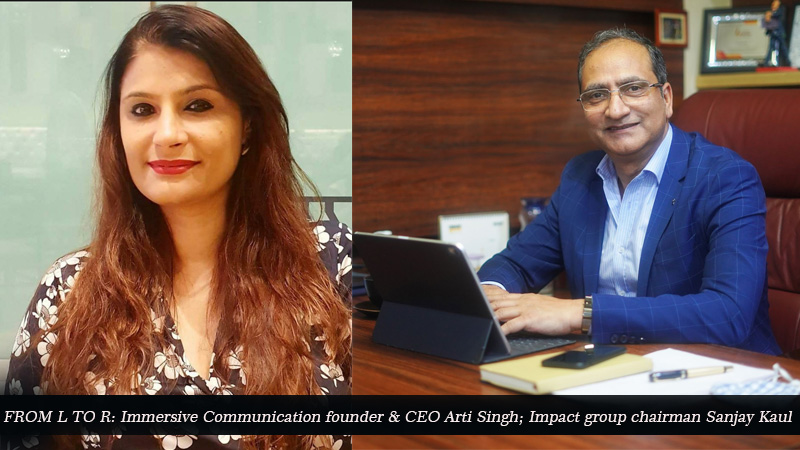
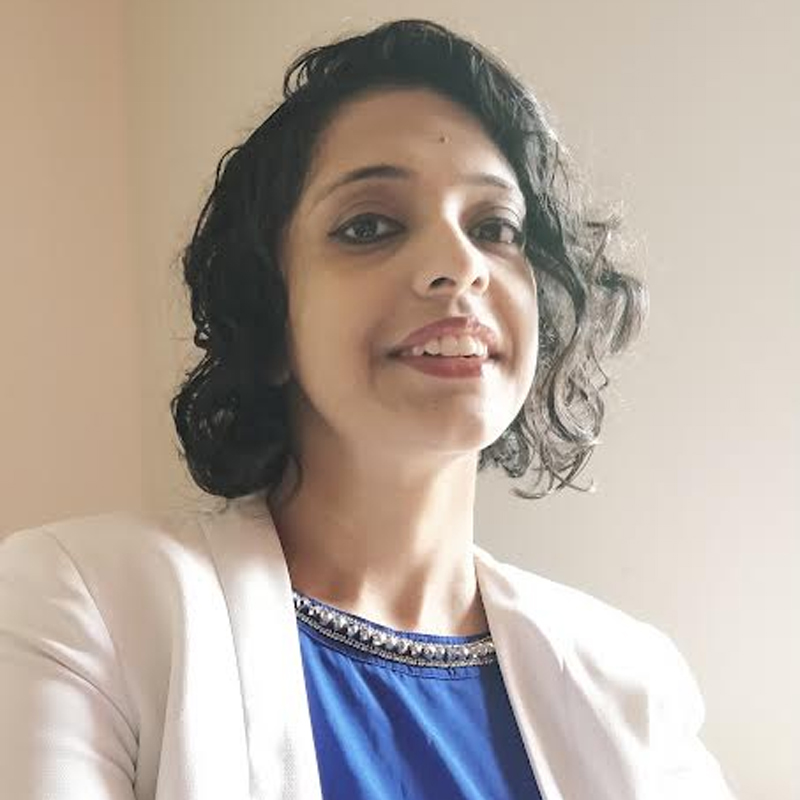
MUMBAI: In a move set to redefine experiential marketing in India, Impact Communications has acquired a majority stake in Immersive Communication, the cutting-edge experiential and shopper marketing agency founded by industry veteran Arti Singh. This isn’t just another corporate handshake—it’s a collision of legacy wisdom and creative dynamism, promising to turn the industry on its head.
Impact Communications, long revered for its expertise in brand strategy and execution, now has a fiery new partner in Immersive, known for its tech-driven, innovative approach to consumer engagement. Together, they are poised to craft experiences that don’t just sell products but create memories—because let’s be honest, who remembers a boring billboard?
Singh, a retail and brand activation maestro, has built Immersive Communication into a powerhouse that thrives on agility and consumer psychology. Having honed her skills at Dentsu, Madison, and other top agencies, she brings the perfect blend of creativity and market insight to this newly forged alliance. And let’s just say, she isn’t here to play small.
“This strategic partnership with Impact Communications marks a defining moment for Immersive,” said Immersive Communication founder & CEO, Singh. “This collaboration empowers us with the necessary scale, infrastructure, and innovation to reimagine how brands engage with consumers. With Impact’s operational strength and our creative agility infused with our abilities, we are set to deliver unparalleled experiential solutions across the country.”
Impact group chairman Sanjay Kaul echoed the sentiment, adding, “Partnering with Immersive Communication is a pivotal step toward creating a veritable ‘powerhouse’ that seamlessly blends creativity, technology, and execution scale. With Arti’s leadership, we are confident that this collaboration will redefine the future of experiential marketing in India.”
So, what does this mean for brands looking to dazzle their consumers? Expect next-level campaigns that blur the line between the physical and digital, fuelled by Impact’s deep-rooted industry know-how and Immersive’s future-facing approach. The collaboration will harness cutting-edge technology, expand creative talent pools, and supercharge operational capabilities—all in the name of crafting experiences that people won’t just engage with but will talk about long after they’ve happened.
This isn’t just a merger of businesses; it’s a fusion of minds determined to take marketing from predictable to phenomenal. As the industry evolves at breakneck speed, Impact and Immersive are ready to lead the charge—one jaw-dropping campaign at a time.
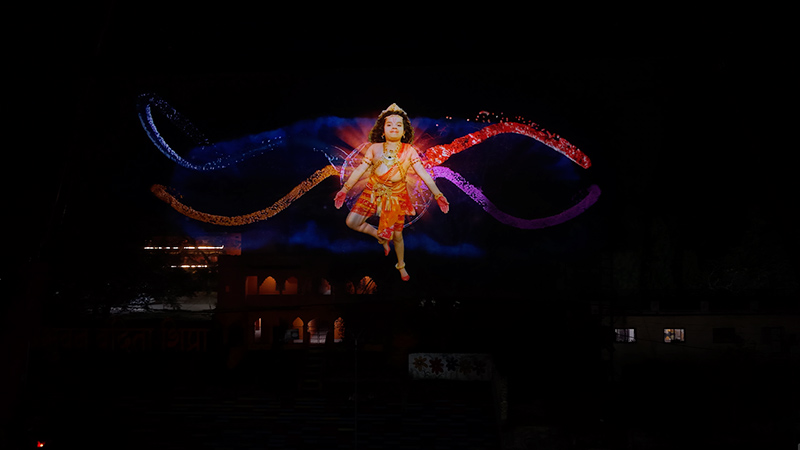
MUMBAI: When it comes to pushing creative boundaries, Sony Sab just took things to another dimension-literally. In a spectacular fusion of technology, mythology, and marketing, the channel transformed Ujjain’s night sky into an enormous, immersive 3D canvas to mark the launch of its epic new series, Veer Hanuman. This jaw-dropping holographic sky projection-the largest of its kind in India—was unveiled on Mahashivratri, delivering a larger-than-life spectacle that left audiences spellbound.
Harnessing cutting-edge scrim technology, Sony Sab projected breathtaking visuals of young Hanuman’s legendary journey onto a non-dimensional surface, creating the illusion of celestial storytelling floating in mid-air. As light, movement, and sound intertwined, the sky became a stage for an experience never seen before in Indian television marketing.
This industry-first activation showcases Sony Sab’s commitment to reimagining audience engagement. It wasn’t just a launch; it was a moment of devotion, technology, and entertainment converging in a way that redefines how audiences experience television content.
“As we launch Veer Hanuman, we’re drawing on India’s rich cultural heritage and harnessing cutting-edge technology by creating an immersive experience that will captivate audiences,” said Sony Sab head of marketing and communications Vaishali Sharma. “Our innovative approach with this breathtaking 3D holographic sky projection will break new ground, enabling us to connect with viewers in a fresh way. Ujjain served as the perfect backdrop to mesmerise audiences and set the tone for a show that will inspire and entertain millions.”
Sony Sab didn’t stop at the sky. The channel rolled out a multi-platform campaign, integrating television, social media, Youtube, and digital activations to bring behind-the-scenes moments, bite-sized content, and interactive experiences directly to audiences.
The highly anticipated Veer Hanuman, premiering 11 March, narrates the journey of Lord Hanuman, from an adventurous young boy to a revered deity symbolising devotion, bravery, and loyalty. Featuring Aan Tiwari, Sayli Salunke, Arav Chowdharry, and Mahir Pandhi, the show airs Monday to Saturday at 7:30 pm on Sony Sab.
With this pioneering holographic spectacle, Sony Sab has set a new benchmark for how television marketing can transcend screens and enter the realm of real-world, immersive storytelling.
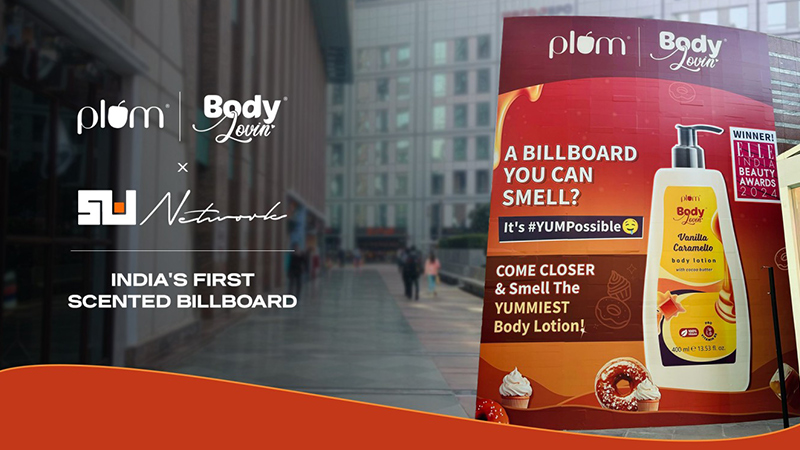
MUMBAI: Plum Bodylovin’ just made advertising history. Teaming up with SW Network, the brand has unveiled India’s first-ever scented billboard at Gurugram’s Cyber Hub, turning the traditional ad space into an immersive, fragrance-driven experience.
The show-stopping installation showcases Plum Bodylovin’s award-winning ‘Vanilla Caramello Body Lotion’, winner of the Elle Beauty Awards 2024 for best body moisturiser. But this is no ordinary ad—it’s a full-sensory experience that invites passersby to inhale the delicious blend of creamy vanilla, salted caramel, and nutty pistachios & almonds. The fragrance is a sweet but balanced treat, designed for those moments when you want to feel luxurious yet at ease.
SW Network co-founder Raghav Bagai described the campaign’s impact, “We set out to revolutionise brand experience by moving beyond just visual engagement into the powerful realm of scent. The immediate and enthusiastic response from visitors confirmed our vision for this innovative campaign.”
From the moment visitors stepped into the activation, they were enveloped in the dessert-like aroma of Vanilla Caramello, proving that body lotions can be as fun and indulgent as your favourite sweet treats. Many stopped in their tracks, describing the fragrance as reminiscent of freshly baked desserts and gourmet confections. And for those who can’t get enough, Plum Bodylovin’ has expanded this addictive fragrance into a full body care range, complete with an Eau de Parfum.
Plum Bodylovin’ brand lead Stuti Sethi highlighted the strategic importance of the activation, “Fragrance has always been central to Plum Bodylovin’s identity, and Vanilla Caramello Lotion exemplifies this commitment. This installation transforms traditional advertising into an unforgettable sensory moment, allowing consumers to experience our signature scent in a way never done before.”
This bold initiative cements Plum Bodylovin’s reputation as a leader in experiential marketing, while SW Network continues to push creative boundaries. With this scented billboard, the brand is creating moments, memories, and a whole new standard for consumer engagement in the beauty industry.
Mumbai: Out-of-home (OOH) advertising has long been a cornerstone of the advertising landscape, offering a dynamic platform to reach audiences in their daily lives. From traditional billboards to cutting-edge digital displays, OOH has continuously evolved to capture attention in an increasingly crowded media space.
In this context, Tribes Communications has emerged as a trailblazer. Founded in 2015, Tribes began as an OOH company and rapidly integrated digital advancements to redefine brand-audience connections. Their journey from static billboards to immersive, tech-driven campaigns exemplifies the innovative potential of modern OOH advertising.
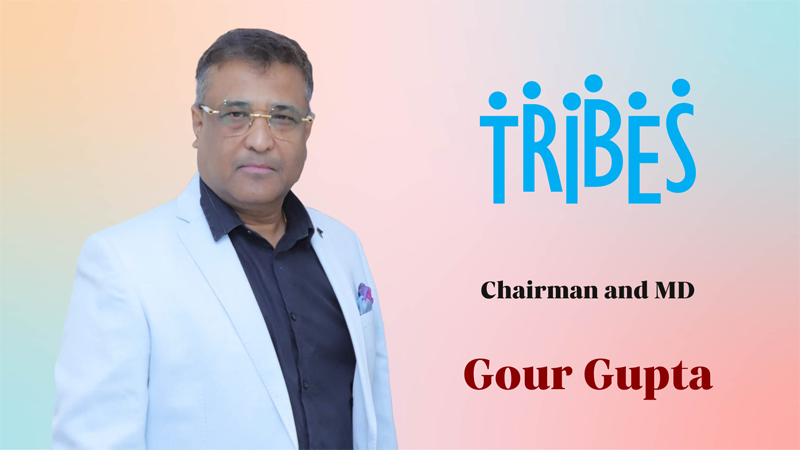
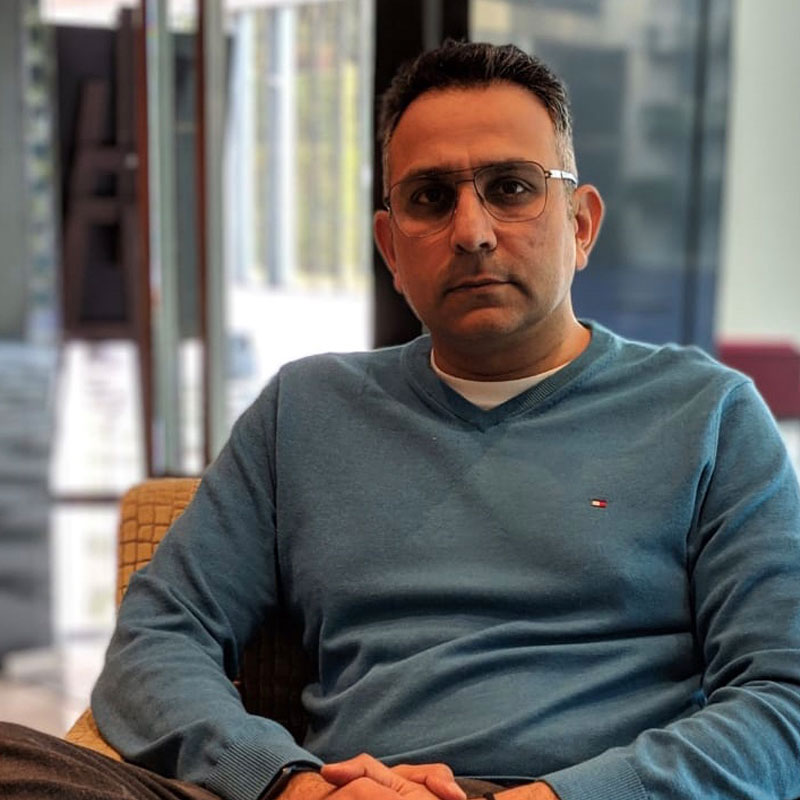
Indiantelevision.com recently caught up with Tribes Communication’s chairman and MD, Gour Gupta. With over two decades in advertising and marketing, Gupta’s leadership has been crucial in driving growth and technological innovation across OOH, events, activation, and retail. His strategic vision continues to impact the industry profoundly.
Edited Excerpts:
On the inspiration behind the inception of Tribes, and what sets it apart from other agencies in the industry
Our story began in March 2015, when Tribes was founded primarily as an OOH company. OOH has always been a dynamic and versatile medium, its canvas for creativity limitless. This is what inspired us to explore a medium that could engage audiences in a creative and impactful way. Moreover, at Tribes we have always made a conscious effort to invest in technology and over the years this has paid off for us.
Our ability to adapt to the dynamic advertising landscape and leverage cutting-edge technology to create more targeted and personalised communication has been a key differentiating factor that has enabled us to push the boundaries of creativity. This strategic foresight has fueled our journey from a conventional OOH company to a more robust integrated marketing agency.
On Tribes transforming traditional OOH advertising with digital technology
Digital technology has revolutionised OOH advertising and has been a game changer for us. Digital-out-of-home (DOOH) advertising has changed the way we view and engage with ads. We’ve moved much beyond static billboards to interactive screens that can be updated in real-time. With digital displays, signages, and LED billboards we have been able to create more dynamic spaces, with more targeted and personalised messaging for audiences using data analytics and audience measurement tools. We’ve also leveraged mobile technology to connect seamlessly with target audiences, giving them a more immersive campaign experience. Overall, technology has enabled our planners to understand the nuances of audiences – their behaviors and consumption patterns as well as the identification of hotspots that have helped them better plan and measure campaigns.
On how AR, VR or AI has significantly enhanced one of your campaigns
We used AR very early on for some of our automotive and sports clients. For example, when one of the world’s most popular professional basketball leagues decided to make its foray into the country, we were tasked with creating a disruptive event that would generate buzz and make the sport a trending topic in a country that lives and breathes cricket. We achieved this by crafting an artistic storyboard narrated through 3D mapping projection on one of the country’s most iconic monuments, the Gateway of India. The campaign became one of the biggest marketing pushes for the league. Within an hour of the projection, the event went viral. The projection attracted a crowd of 60,000 people around the venue and reached around 3.1 million people across the country.
On the future trends that you anticipate in OOH advertising, and how should brands adapt
The future of OOH advertising lies in highly targeted and interactive campaigns, driven by dynamic content to bring immersive experiences to audiences. OOH media formats have evolved significantly to reach diverse audiences in multiple locations. This ability to leverage data to target specific demographics and locations, and optimize reach, frequency and impact is what will help advertisers deliver powerful brand narratives. Integration with mobile and social media will allow advertisers to create seamless cross-channel experiences. The use of technologies such as QR codes and Bluetooth beacons, will integrate offline and online experiences as smartphones will be able to interact with OOH ads. AR and VR will increasingly be used to create immersive OOH experiences, engaging consumers in unique and memorable ways. AI is also poised to take OOH to the next level. Its algorithms and technologies, such as facial recognition, are helping advertisers analyze user data and create highly personalized video content.
With this surge in technology and the OOH industry on the brink of advancement, sustainability and eco-friendly practices are coming into focus. There will be a push towards more sustainable advertising practices, such as the use of eco-friendly materials and energy-efficient digital displays.
The OOH industry is in the midst of a renaissance. For brands to break through the clutter and stand out, they will need to disrupt the narrative. Clever and innovative use of technology with creative copy, impactful visuals and interactive elements will help create memorable stories that resonate with audiences and drive brand affinity.
On the recent successes at GoaFest showcasing the innovative strategies employed by your agency
Our recent wins at GoaFest were significant for us and they showcased some of our best campaigns that we had the privilege to work upon. They reinforced our strategic vision of embracing technology to bring alive exciting campaigns for audiences. The live billboard for the Cricket World Cup won us many accolades for its innovative use of ‘game adaptive technology’. The billboard changed its messaging based on real-time data points generated during the live match. Similarly, our Valentine Day’s campaign for one of our premier e-commerce clients allowed audiences to simply scan QR codes on our interactive installations, allowing consumers to choose from the range of Valentine’s Day-themed items delivered to them on the spot in 10 minutes. With a clear call to action, both campaigns piqued the curiosity of passers-by and served our purpose of engaging directly with the audience for maximum brand visibility and impact. It once again demonstrated our faith in the dynamism of OOH and its potential to deliver targeted and personalised campaigns.
On blending cultural insights with technology to create impactful brand experiences and the role that storytelling plays in your campaigns
Data-driven insights derived from technology are the cornerstone of understanding consumer demographics, preferences and markets. At Tribes, our planners are no less than ethnographers and use these insights to create campaigns that resonate directly with the target audiences. However, at the heart of any campaign lies the story. Storytelling is key to a brand’s narrative and we are cognizant of its relevance in creating an emotional connection with our audiences and shaping a brand’s identity.
On the most challenging campaign you’ve worked on, and how did you address those challenges
Perhaps one of the most challenging campaigns was the launch of a car variant for one of our automotive clients in the country; a car that had already made its global debut. We wanted to tell a great story, and for that we needed a larger-than-life canvas. That is how we came up with the idea of using the Himalayan ranges as our backdrop. We chose the iconic Rohtang – la, at 10,942 feet above sea level, and the surrounding mountains to capture the essence of the campaign through 3D projection mapping. An extremely difficult and logistically impossible task, but Tribes chose to face this challenge head-on. At a time when the world was turning back to traditional billboards during the pandemic, we decided to take advantage of the largest natural canvas available to us. Located on the highest motorable road in India, the terrain and weather conditions were a daily battle. It took four months of extensive planning with a crew of 156 putting in over 54,000 man-hours to bring the campaign to life. The sheer determination, grit and never-say-die attitude of the team ensured the success of one of the most exciting campaigns we have ever undertaken.
On experiential marketing evolution in the coming years
Experiential marketing has seen a significant resurgence in a technology-driven world that is changing by leaps and bounds. With seamless integration of the physical and virtual world giving rise to “phygital” experiences, the opportunities are endless. As in OOH, the advent of new technologies has provided marketers in this space with tools that will shape their future. These technologies, combined with skilled storytelling, will allow advertisers to create experiences that take the brand’s emotional connection with the audience to the next level. Personalisation and the creation of immersive experiences will be key to experiential campaigns in the future.
On your future plans for expansion and growth at Tribes Communication
In a journey that is less than a decade old, Tribes has transformed itself from a traditional OOH advertising company to a full-fledged integrated marketing agency offering a spectrum of services ranging from brand activations, events, retail, content creation, talent management and marketing services that span sports, rural and digital. At present, we have a capitalised billing of Rs 800 crore and are now targeting Rs 1,000 crore by the end of March 2025, when we complete a decade. With the OOH industry on the verge of a monumental transformation, we are taking bold steps into the future and are gearing up for an IPO by 2027.
Mumbai: Experiential marketing is like the thrilling racecar of the advertising world, where brands shift gears from traditional methods to create unforgettable, hands-on experiences for their audience. Now, imagine this fast-paced world colliding head-on with the heart-pounding excitement of auto events and motorsports. That’s where the magic of specialized experiential marketing in the auto and motorsport segment comes to life. It’s an exhilarating journey where brands rev up their engagement strategies, fueling the passion of enthusiasts and everyday consumers alike, and steering towards success with unforgettable brand experiences.
Indiantelevision.com in an email conversation with Maxperience co-founder & CEO Arvind Balan spoke on the company’s launch, trends in the experiential marketing industry and more.
Arvind Balan is the co-founder & CEO of Maxperience, a leading experiential marketing agency headquartered in Delhi NCR, catering to both national and international brands. The agency offers 360 degree marketing solutions to the clients, but Arvind’s love for motorsports and over 18 years of extensive experience has led him to establish a specialisation for Maxperience in the auto events and motorsport segment.
Having started Maxperience in 2018, Arvind has since been dedicated towards creating immersive, unforgettable and safe experiences for the audiences that inspire and excite them. Under his leadership, the agency has also seen exponential year-on-year growth for the last five years.
Edited Excerpts:
On the story behind Maxperience’s launch and its unique approach to specialising in the auto events and motorsport segment within the experiential marketing industry
Maxperience came into existence because of my lifelong passion for motorsports and adventure events. From a young age, I had an unwavering fascination with everything related to cars, racing and the thrill of adventure. Crossing paths with Arpit Gupta, who is the co-founder and managing director of Maxperience, we realised that we shared the same passion. More than that, we were driven by the same vision of turning our passion into a sustainable and profitable venture. Hence, Maxperience was born in December 2018.
Initially, our focus was solely on organising auto events, but as we ventured further into this space, we realised the enormous potential it held for corporate solutions. So, we soon expanded our services to offer comprehensive corporate solutions centred around autosports and motoring experiences. This transition allowed us to work with some of the most reputable and well-known brands in the industry. Clients like Hero MotoCorp, MG Motors, Royal Enfield, Audi, Porsche, Apollo Tyres, CEAT Tyres, BYD, and many others trusted us to deliver outstanding experiences that aligned with their brand objectives.
Over the years, Maxperience has grown into an experiential marketing agency, providing a wide range of solutions. However, what sets us apart and continues to be our core DNA is our unwavering commitment to autosports and motoring experiences. This passion-driven focus is the driving force behind everything we do, from creating unique events to crafting innovative marketing campaigns.
On the challenges and opportunities you’ve encountered while growing Maxperience over the past few years
The current Indian market and landscape is an opportunity in itself, I believe. People are actively looking for personalised experiences as they allow them to relate better to a brand, so subsequently, many brands are stepping up to provide their consumers with such experiences. But when we first started, it was quite the challenge to sell everyone on the idea of using motorsports to create such experiences. But our passion showed, the results also spoke for themselves, and we convinced our clients and the larger industry that when used correctly, motorsports can be used as an effective marketing tool.
Over the last four years, Maxperience has seen a steep growth curve. So, initially it was challenging for our small team to keep up with it. But we persevered, soon new people joined the mission, and the growth hasn’t slowed down!
On the recent trends or innovations that you’ve observed in experiential marketing and its evolution in the future
While brands like Harley Davidson have aced the game in building rider communities since long, the trend has now picked up as more and more brands are now looking to build their own communities, with tech and app being an important part of the whole process.
Further, technology has introduced multiple other innovations in experiential marketing with use of tools like Augment & Virtual Reality (AR/VR), incorporation of AI, use of hybrid experiences, projection mapping and other such techs. The same is bound to grow further as it creates a stronger brand resonance with the GenZ audience, which are going to make up biggest bunch of consumers in coming years.
On India’s response to Motorsport
Well, India only recently hosted MotoGP, one of the biggest motorcycle racing events in the world, for the first time ever. That is the biggest indicator of the country’s building affinity towards motorsports. Prior to this as well, the number of auto adventure and motorsports events have been seeing a significant rise.
Further, India is witnessing a shift in consumer behaviour within the automobile industry, which is also driving the popularity of motorsports. Due to an increase in disposable income and easier access to information, consumers are now more discerning when it comes to their vehicle choices. The mindset has shifted away from solely considering utility and day-to-day functionality to encompassing a broader perspective, which includes a focus on the overall power and performance of the vehicle. This has in turn opened up space for experiential solutions that allow consumers to truly experience the performance and capabilities of these vehicles.
On sustainability and environmental concerns playing a role in your marketing strategies, in the world of motorsports and auto events
Recently, Federation of Motor Sports Clubs of India (FMSCI) enacted an environmental policy and sustainability guidelines, which underlines protection measures for soil, groundwater & local biodiversity during, along with curbing sound & air pollution. We strictly adhere to the guidelines in each of our activations. Further, we also follow the international norms by Treadlightly, an initiative that promotes the responsible use of motorised vehicles when recreating outdoors.
Taking sustainability and environmental factors into account while executing any motorsport event or automobile experiential event is always the top priority for us. In one of our recent events, Hero Dirt Biking Challenge, we set ourselves a lofty task of achieving ‘zero plastic wastage’. I’m proud to say that we accomplished it! It has set us to keep up the efforts in our other events.
On adapting your marketing strategies to engage different target demographics, from motorsports enthusiasts to everyday consumers
We recognise that effective engagement requires a deep understanding of our audience and we employ various strategies to achieve this. The key among them is audience segmentation. Basically, segmenting our audience into distinct groups based on factors like their interests, preferences and behaviours. For example, motorsports enthusiasts may be looking for high-adrenaline experiences, while everyday consumers might just be looking to dip their toes, or maybe seek more family-oriented or practical engagements. This is why most of the motorsports we organise have various levels of “difficulty”, which allows beginner or amateur riders to experience the same thrill but in a more restrained way. It also gives them room to grow and steadily increase their level, making for a new experience every time.
Furthermore, a personalised approach is very important, so we take great care to craft experiences that resonate with specific target segments. This personalisation extends to the content, messaging and overall feel of our events. By addressing the individual interests as much as possible, we create a sense of personal connection that is vital for effective engagement. Experiential marketing, in particular, thrives on fostering these personal and emotional connections with consumers, setting it apart from other marketing approaches.
On notable projects or campaigns that Maxperience has worked on particularly in the auto and motorsport space
Our Hero Dirt Biking Challenge (HDBC) was not only unique but also massive in its scale, attracting over 100,000 participants from all corners of India. The challenge involved conducting various stages of the competition across 40 cities in 25 states. However, the true highlight was the creation of an entire sports village, known as a Bivouac, for the final stage of the event, in a location that had no access to electricity, water, or road connectivity. Despite these hurdles, our dedicated team managed to pull off this extraordinary event successfully, creating a memorable and immersive experience for participants and spectators alike!
Another noteworthy campaign was our celebration of Suzuki Hayabusa Day. This event was an opportunity to engage directly with Hayabusa owners and enthusiasts. We organised simultaneous rides in seven major Indian cities. What set this campaign apart was the sense of community it fostered among Hayabusa enthusiasts. By bringing together over 300 owners for a day of thrilling rides and camaraderie, we created a strong and lasting bond between the brand and its customers.
On the vision and mission of Maxperience in the next three years
In the next three years, Maxperience envisions and strives to continue its impressive growth trajectory. Our journey so far has been marked by rapid expansion and a steadfast commitment to our mission of establishing ourselves as the premier experiential marketing agency in India.
We also plan to expand the brand into a comprehensive 360-degree marketing and event powerhouse, while enhancing awareness and engagement within the motorsports industry.
Our vision for the next three years is to continue pushing the boundaries of what’s achievable in the experiential marketing industry. However, amidst all our expansion and evolution, one core element will always remain constant – our deep-rooted passion for autosports and the extraordinary experiences it brings.
Mumbai: While the 5G discourse has been mainly centred on autonomous vehicles and telecom capabilities, the truth is that there is more to this emerging technology than simply enhancing our mobile connectivity. To elaborate, 5G will accelerate technological innovation by enabling AI and machine learning (ML) at the edge, bringing with it unprecedented new enterprises and technological capabilities. According to the report, 1.4 billion devices will be connected to 5G by 2025, opening up a world of possibilities for explosive data. As new devices and technologies are created across industries, what used to take years or months to reach the market will now be accomplished at breakneck speed.
5G network design and connectivity are rapidly becoming more widely available. It can benefit from the rising availability of this service in a variety of ways, including marketing and communications. The faster the customers and prospects can connect to and navigate the network, the happier they’ll be. 5G ensures that more people can connect to and utilise your network or website more quickly and consistently, even when traffic levels are higher than usual.
So, what does this all ultimately mean for marketing and communication?
Because many industries are expected to be impacted, marketing and communications professionals must be ready to develop their messaging and properly explain the results of 5G to key influencers and stakeholders. Here’s how it works:
5G will help in enhancing experiential marketing
The promise of 5G — from high-power edge computing to lightning-fast speed — is an opportunity for both consumers and companies. Communication can help brands to position themselves in the community as visionaries, discussing trends and projections while emphasising the growth of their business and generating interest and enthusiasm about the beneficial effects of brands in the community through 5G. Marketing will also assist in allowing the consumer to personally experience the brand or product and obtain brand rewards through 5G. Experiential marketing has always been known for highlighting a brand’s physical presence. With 5G, brands can use artificial intelligence (AI), virtual reality (VR), and augmented reality (AR) approaches to communicate with those who are still striving to reach consumers faster.
5G technology opens up AR and VR
Online interactions will increasingly revolve around immersive experiences, and 5G will make this transition more seamless. Virtual reality experiences can take the role of video in marketing by immersing the client in the experience rather than simply showing them what is available. For example, you could allow a customer to enter the store where they want to buy something; allow them to try on hundreds of different items of clothing without entering a changing room; or even allow them to dine with their favourite celebrity.
Personalization
Data collection is probably going to get much better under 5G. Discovering your customer might take less time. From this, marketing and communication will be able to help brands know how they can connect with their target audience and consumers faster. Due to such fast connectivity, they can also help brands connect with the media. Such technology will also help marketing by making brands more personalised and immersive experiences for their consumers.
Marketing and communication will become more interactive
With 5G’s high-speed capabilities, communication may become more appealing in addition to being more prevalent in the media. Marketing will become more interactive, which was previously thought to be impossible. However, 5G may make this tactic more feasible for marketing professionals. It will become more digital and immersive in the future.
5G signifies that more individuals can connect to and use the companies’ experiences or goods more swiftly and reliably. The future of marketing and communication will help brands connect with customers and prospects faster and more passively, boosting the brand’s image and awareness with the aforementioned points.
The author of this article is Scenic Communication co-founder Anindita Gupta.
Mumbai: The immersive experience was popular earlier, but the Covid-19 pandemic accelerated its application by several companies, making it take centre stage rather than being offered as an add-on. Let’s see how the dynamics changed during the pandemic and the way forward.
The world is seeing the light on the other side of the tunnel. The Covid-19 pandemic’s effect has weakened now and after two years of struggle and adversity, the world is slowly paving its way back to normalcy. As the world starts connecting in person once again, experiential marketing is seeing an uptick in demand from consumers. Before the pandemic hit, experiential marketing was well perceived by consumers, with marketers seeing the potential of immersive brand experiences and events. With a locked-down lifestyle of over two years, the demand for real-life experiences has now grown exponentially.
Live events, which were seen in their element after a hiatus of over two years, got all the more creative and we could see they are now heavy on technology to bring out the personalised impact. Intimate experiences are what consumers in the modern day are striving for, and after the upheaval of the pandemic, wherein the uncertainty surged suddenly, people now want to live it to the fullest with their dear ones.
Weddings have evolved to be upbeat and intimate. For that matter, destination weddings are slowly gaining standard status in India across all economic classes. From event companies to branded hotel chains, everyone has tailored their offerings to thrive in this space by providing exhilarating experiences at bespoke destinations with breathtaking natural views in the background. Customers are now looking beyond just what is basic. They want all that with their close ones, and ideally, only close ones will witness it all. The one big event inviting multiple people is not what patrons are looking at for multiple reasons, with the Covid-safe environment taking centre stage.
People have been striving to immerse themselves in human interactions and in-person events for the longest time. Covid-19 kept them away from each other. Yet, the world somehow found ways to connect, though virtually. Events were being hosted online. Live events and destinations have started hosting virtual tours through the internet. Be it concerts, corporate events, car and bike expos, or destination conventions and trade shows, the brand value was kept alive online, but people longed to witness them again in person. Hence, marketers redefined how customers experience these events with an added value. For example, a tour and travel firm, during the Covid times, introduced a subscription-based VR experience to showcase to customers how they can sense various destinations. If they liked the appeal of a close-to-real experience, the customer could engage in a valuable package to travel to the destination once the lockdown was lifted.
Real-life experiences create happy memories for the customers, and that has been shown to contribute a lot to increased conversions or sales. In the foodservice industry, many upbeat events saw drastic closures during the pandemic. Hotels turned into quarantine centres, and their restaurants remained confined to receiving delivery orders only. However, they conceived things differently. Instead of sending just the end products, hotels reimagined the live-kitchen experience of their award-winning restaurants at the patron’s home. Hence, the concept of DIY signature dishes was born. The hotel sent individual ingredients for the signature dishes, and patrons were guided on how to make the dish via a note or virtual live guidance from the executive chef. The results were lip-smacking. The hotels that practised this approach expressed an increase in customers visiting them currently who wanted to experience the signature dishes at the hotel in the ambience provided by the hotel.
Experiential marketing has come a long way, and digitization has certainly helped people remain connected all the time. People are finding newer ways to stay connected, and experiential marketers are trying their best to make a point of how the patron is as immersed in the product or service as possible. While 4D in cinema dates back several years, the application of virtual reality and augmented reality has come a long way in the events sector too. From headphones-based beach parties to VR gaming zones, experiential marketing has revolutionised how people looked at events previously.
The crux of the success of experiential marketing remains the feeling of ownership that it creates. People love taking control of things and using them for the best according to themselves, so experiential marketing creates just the environment. For example, the new-age apparel stores online are coming up with features wherein one can see how they will look in a particular outfit even before deciding to buy it. They sense how they would look in it and how it’d feel to own it. This can lead the customers to buy or choose another outfit. So, the feeling of ownership even before making the sale has led to the success of experiential marketing. In the case of events, people love to witness how their prospective event will look through a virtual environment. A virtual walkthrough of the event’s flow helps the customer visualise how their event will look before the day.
Experiential marketing has come a long way in these years where it originally came as an ancillary service but has become a crucial element of the marketing mix for many corporates. It is in line with the evolving needs of customers, who are now savvy and demand more from brands and are well over the age-old advertising tactics.
The author of the article is Hubble Entertainment co-founder and managing partner Hafiz Khan.
Consume or connect ? We didn’t know it at the time but somewhere in the middle of March we all got enrolled in a digital bootcamp. Covid2019 didn’t fast track digital transformation, it literally beamed us into the future. I have never witnessed such far-reaching change at such a pace.
For an industry built on enabling human connections, Covid2019 rudely hit pause and with little warning. For those who will get the reference, it felt like Mr Freeze was on a rampage in real life. And when things thawed, we were in the future. Engagement changed overnight, calls were replaced by zoom/teams/blue jeans and webex. In a few short weeks we had already graduated to zoom fatigue and realised blue jeans were fading fast. And it wasn’t just about video messaging, the humble WhatsApp became part of the retail renaissance as the mom and pop stores leap frogged into the future and Ludo rivalled call of duty for family time.
As isolation and social distancing become the norm for now, engagement and interaction has moved to our devices. The buzz in the experiential industry is all about pivoting to digital events. The tech jargon is flying fast and furious and it’s all about innovating or becoming irrelevant.
Digital transformation isn’t about the adoption of technology, video conferencing has been around since the 80s and live streaming since the 90s. Most of the tech being adopted has been around for a while now and the first virtual conferences were held more than a decade ago. Digital transformation is all about staying real in a virtual environment, looking at screens not as devices to consume but as spaces to create live engagement. The screen is the new experiential touchpoint. Not just a place for content consumption but place to enable real human connections through live digital experiences.
I am not sure if it was insight or instinct ( or maybe a combination of both) but the lockdown pioneers of digital engagement seem to understand the difference between creating digital content and producing live digital experiences. They understood that being present on the other side of a screen is not the same as participating with the on-screen experience.
Vir Das hit a home run (no pun intended), with At Home, his online comedy tour for Covid2019 relief. A brilliant and effective use of zoom creates live engagement with the audiences. They are not watching a Vir Das special on their screens, they are part of a live experience. Kommune, the artist collective did something very similar when they created Lockdown Love , a play performed live on zoom. With every performance the experience became more engaging, with audience interaction seamlessly made part of the narrative. These early experiments by creators like Vir and Kommune clearly show that it is possible to connect with people on the other side of the screen.
Almost every pre-pandemic human engagement has moved online. From fitness to education and everything in between. A recent article in Forbes states that virtual events are up 1000 per cent Since Covid2019, with 52,000 on just one platform called 6Connex!
Take a look at some of the virtual events scheduled during the next few months. This July, Nintendo will host its flagship event, Pokemon GO Fest in a virtual format. XBOX is following suit with the XBOX 20/20 launch through a series of virtual events. From gaming to finance, with digital payments on the rise, June has seen the opening of Virtual bank branches across the globe from TSB in New Zealand to the Al Salam Bank in Bahrain. Hong Kong is going to see more than five different virtual banks open shop in the coming months. Commerce is not just going digital, it is going virtual. Closer home, the iconic Lakme Fashion week is going digital with the launch of “Virtual Showroom”. A digital engagement platform for designers and artists to showcase their collections to buyers and suppliers. The showroom is set to launch in Q3 with the upcoming LFW.
We are seeing similar transformations across industries; each is an opportunity for digital experiential marketing because commerce is more than just a transaction. Digital experiential has the ability to elevate the experience and create human connections across the screen and there lies the real transformation. So while we navigate the new and wait for some of the old to return, remember it’s not just about pivoting, it’s about persevering.
(The author is Geometry Encompass CEO. The views expressed are his own and Indiantelevision.com may not subscribe to them)
MUMBAI: As brands around the globe are grappling with the Covid2019 pandemic, it has also raised questions about the future of experiential marketing, also known as the touch-and-feel marketing.
In this new age of experiential marketing, the challenge before brands is to showcase that their products are better than the rest in the most creative and unique manner. It is more about engaging with your audiences on a personal level. But with social distancing and lockdown can anything be experiential? How is the industry redefining itself and what are the skillsets that industry practitioners need to equip themselves with?
To discuss all these scenarios, The Advertising Club of Bangalore hosted a webinar with a theme "Experiential Marketing – The Next Pivot." The panellists included Group M APAC head experiential marketing Dalveer Singh, Geometry Encompass Roshan Abbas, Brand Aid Events and FanTam Brands founder and director Vipul Mathur, DEIVEE co-founder Darshan M.
About how experiential marketing will reinvent itself, Abbas said: “As experiential marketers we need to embrace the change quickly. If you are just entering into this industry don’t jump into it directly. Take a pause and understand this situation, challenge the status quo and let the creator play with their mind. This is how television, radio and Netflix came into play.”
Darshan said that it was always about being Instagram-ready. Marketeers have been wary of adapting this but now there is no choice but to adopt this. He adds that the second screen has always existed but now it has become the primary screen.
Elaborating more on the changes seen in experiential marketing during pandemic, Dalveer says, “I think now home will become the epicentre of everything. It is not like everything in experiential will become digital, you may be able to do many things which are physical. The way to look at it is not purely virtual or digital but what is the best way to connect with the needs of the consumer.”
Vipul Mathur who comes from an apparel background where touch and feel is the most important thing feels that even if people are buying stuff online, differentiating between products is still a challenge.
Everything from artificial intelligence to virtual reality to augmented reality is being tried out, but we need someone to orchestrate well between industries and create that 360 degree experience and urgency for consumers to buy the product.
Abbas explained that while some of them had the fear of technology, others were ready for the experiment. They wrote a play that is contextual with Supriya Pilgaonkar and Radhika Madan. After the show Abbas focussed more on the interactivity process. They included chats, poll and multiple other formats in their system. From the experiment stage Abbas has now come to the revenue stage. The company now has close to 12,000 people interacting on Instagram which has invited a lot of brands to invest.
Dalveer who has done a lot of work at the rural level said that the last two to three months were very challenging for the rural audiences. It has been difficult for people staying in the rural market as well as those migrants who have been on the move.
“The next transformation in the rural experiential market is pin code marketing. We have got 21000 pin codes across the country. And we use the simple formula of three V. The idea is how I can reach the people who use smartphones through video, voice and above all you put the vernacular piece to it. Because there are 14 languages and many dialects. We have done a couple of pilots which is helping brands reach the audiences,” he further added.
The panellists agreed upon a point that this pandemic will also bring a lot of event technologists and people who will increase time span, who will build loops and feedbacks within their programme which will eventually help others. They were of the opinion that people who have fresh ideas and can produce cost-effective solutions will survive.