Tag: EV

  • Ather races past 5,00,000 electric scooters

    Ather races past 5,00,000 electric scooters

    MUMBAI: Ather Energy has just charged past a major milestone. The Bengaluru-based electric two-wheeler maker rolled out its 5,00,000th scooter from its Hosur plant in Tamil Nadu, with the milestone model being none other than the popular family scooter, Rizta.

    The Rizta, launched last year, has swiftly become the brand’s star performer, now accounting for over a third of Ather’s total production. Co-founder and CTO Swapnil Jain called the achievement a “major milestone”, adding that it symbolises “years of focused engineering, rigorous testing, and meticulous attention to quality”.

    From its first prototype to this electrifying half-million mark, Ather’s journey has been about more than scooters. It’s about building a robust and scalable manufacturing ecosystem.

    Ather currently runs two plants in Hosur, one for vehicles and another for batteries, with a combined annual capacity of 4,20,000 scooters. To keep up with rising demand, the company is gearing up for its next big leap: Factory 3.0 in Bidkin, Chhatrapati Sambhajinagar, Maharashtra. Built on Industry 4.0 principles, the facility will supercharge Ather’s total capacity to 1.42 million scooters annually once fully operational.

    Founded in 2013 by Tarun Mehta and Swapnil Jain, Ather has become a front-runner in India’s electric mobility race. With innovations like the Ather grid, the country’s largest two-wheeler fast-charging network, and a growing product line spanning performance and family scooters, the company seems fully charged for the road ahead.

  • Hero Motocorp shifts gears, powers into electric three-wheelers

    Hero Motocorp shifts gears, powers into electric three-wheelers

    MUMBAI: Hero Motocorp is revving up its electric ambitions, acquiring a significant stake in Euler Motors, a fast-growing player in the EV space. The deal, worth up to Rs 525 crore, will give Hero a strong foothold in the booming electric three-wheeler market, where EVs are expected to hit 35 per cent of total sales in the near future.

    “Our strategic investment in Euler is a bold step towards realising our vision to ‘Be the Future of Mobility’,” said Pawan Munjal, executive chairman, calling the move a blend of innovation, sustainability, and smart expansion.

    The investment, approved by Hero’s board, will be made in one or more tranches and will see Hero take an approximately 32.5 per cent stake in Euler on a fully diluted basis. The funds will be a mix of primary investment in equity and Series D convertible preference shares, along with the option to buy shares from existing Euler shareholders.

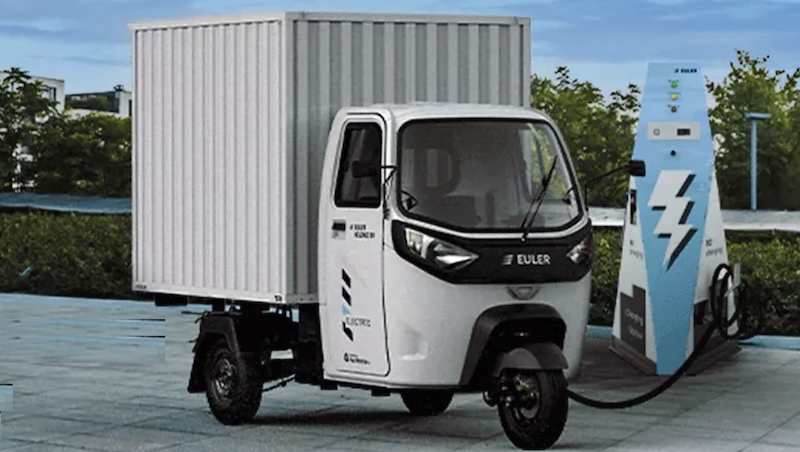
    Euler Motors, already present in 30 Indian cities, is a rising force in electric three-wheelers and recently launched its first electric commercial four-wheeler. The company’s turnover has accelerated sharply, jumping from Rs 25 crore in 2022 to Rs 172 crore in 2024.

    For Hero MotoCorp, the world’s largest manufacturer of motorcycles and scooters, this investment is more than just a new venture—it’s a clear signal that the future is electric, and Hero is here to lead the charge.

  • TCS releases global e-mobility  2025 study;  preference shifting toward electric vehicles

    TCS releases global e-mobility 2025 study; preference shifting toward electric vehicles

    MUMBAI:  It’s an electrifying report which tells us so much about consumer  attitudes towards electric vehicles (EVs).  Tata Consultancy Services (TCS) Future-Ready eMobility Study 2025 is filled with info nuggets to help those in the EV ecosystem to take some tips from it. 

    The study, conducted across 18 countries and 1,300 respondents, explores consumer preferences, industry challenges, and the roadmap to sustainable mobility.

    Key Findings:
    * Consumer adoption: 64 per cent of global respondents are likely or very likely to choose an EV for their next vehicle. Younger demographics (18–35 years) show the strongest interest.
    * Barriers to rowth: Charging infrastructure, cost, and range anxiety remain significant hurdles, with 74 per cent of manufacturers citing infrastructure as the biggest obstacle.
    * Budget constraints: Most consumers are willing to spend up to $40,000 on an EV, reflecting concerns about affordability. Only five per cent are open to paying a premium compared to internal combustion engine (ICE) vehicles.
    * Sustainability and costs: 63 per cent of EV influencers cite environmental sustainability as the primary motivation for adoption, while fleet adopters prioritise operational cost reductions.
    * Technological advances: Battery technology improvements are identified by 90 per cent of manufacturers as critical for enhancing range and charging speed. However, 70 per cent anticipate breakthroughs to take two to three  years or more.

    Regional Insights:
    * U.S. consumers lead in EV interest, with 72 per cent likely to consider an EV, compared to 31 per cent in Japan.
    * Hybrid EVs (HEVs) are emerging as a transitional preference, especially among older demographics.
    Industry 

    Challenges and Strategies:
    * Collaboration needs: Significant consolidation is expected among EV charging infrastructure companies, driven by scaling challenges. Partnerships with retail, government, and energy sectors are critical.
    * Environmental concerns: While EVs are seen as pivotal for sustainability, nearly 48 per cent of influencers believe their environmental impact is neutral, citing concerns over battery production and disposal.
    * R&D investments: Manufacturers are heavily investing in affordability and battery technology, with a focus on reducing costs and enhancing vehicle performance.

    TCS  president of manufacturing Anupam Singh said:“The EV industry is at a crossroads, navigating complexities while maintaining momentum. TCS is committed to leveraging AI and generative AI to drive smarter decision-making and sustainable transportation.”

    The report underscores that while EV adoption is accelerating, overcoming infrastructure and technological barriers will require collaborative innovation and systemic changes.

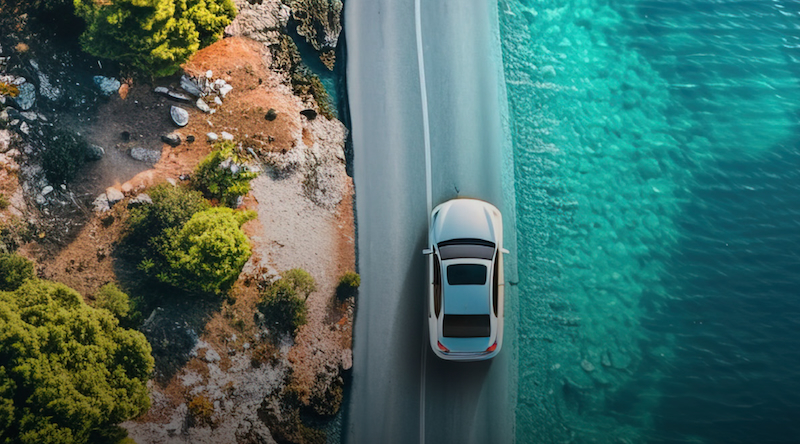
    (Picture courtesy: TCS Future-Ready eMobility Study 2025 )

  • Autocar India sets Guinness World Record for longest EV journey in India

    Autocar India sets Guinness World Record for longest EV journey in India

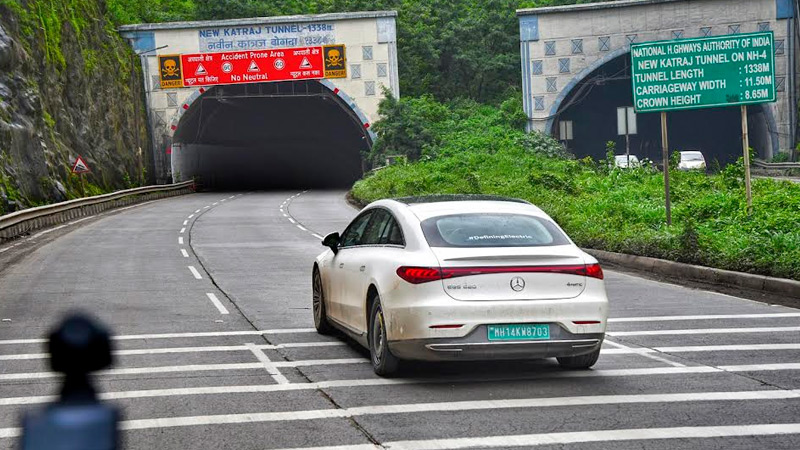
    Mumbai: Autocar India and Mercedes-Benz India set a Guinness World Record title for the longest journey by an electric car on a single charge, covering 949 km in the Mercedes EQS 580 from Bengaluru to Navi Mumbai. This surpasses the previous record of 916.74 km set by a Ford Mustang Mach E in the UK.

    The journey took place in monsoon conditions, with heavy rain and road detours adding to the challenge. Despite these obstacles, the Mercedes EQS 580, with its 107.8kWh battery and industry-leading aerodynamic design, managed to exceed its certified range of 857 km by more than 10 per cent.

    Autocar India’s Rahul Kakar, who drove the record-setting car, shared, “I’ve hypermiled in a lot of vehicles before, both internal combustion and EVs, but this was my first time hypermiling a luxury EV. It’s by far the most challenging test I have undertaken, as in the past I never chased to break an existing record. A lot of factors made it all the more challenging like heavy rainfall, traffic, broken roads and worst of all, getting a flat tyre. With a target to achieve, it was equal hypertension as it was hypermile as the entire time I made calculations of the remaining range of the EQS with each percentage drop in the battery. In retrospect though, all the effort and stress was well worth claiming a Guinness World Record title.”

    Autocar India celebrated this achievement as part of its 25 anniversary. Editor Hormazd Sorabjee remarked, “We are delighted to celebrate our 25 anniversary with a Guinness World Record title. This record of 949.0km on a single charge in adverse conditions is easily the most challenging drive we have ever undertaken. You can never be prepared enough for what Indian roads throw at you but some incredibly disciplined driving in a car like the EQS which has the best range and an efficient aerodynamic shape, helped us overcome all obstacles to achieve this amazing distance without plugging in”

    Mercedes-Benz India’s managing director & CEO, Santosh Iyer said, “I thank all the early adopters of BEVs and every EQS customer for their trust in Mercedes-Benz, for creating a greener planet, by leading this BEV transition from the front. Congratulations to the Autocar India team for accomplishing the Guinness World Record title, driving a ‘Made in India’ EQS sedan, under real and arduous driving conditions from Bengaluru to Navi Mumbai during the monsoon.”

  • Navigating the risks of electric vehicle startups

    Navigating the risks of electric vehicle startups

    Mumbai: The electric vehicle (EV) transition is well under its way in India. As our urban centers swell and environmental concerns grow, the attraction of EVs only increases. Yet, for startups in this promising industry, the road is filled with both grand opportunities and formidable challenges.

    Today, an EV startup begins its journey in the backdrop of robust government support and a societal shift towards sustainability. The government has implemented measures such as the faster adoption and manufacturing of hybrid and electric vehicles (FAME) scheme, which incentivizes both manufacturers and consumers through subsidies and benefits. This policy framework is critical because it lowers the barriers to entry for new players and reduces the cost burden on consumers. Additionally, as environmental consciousness rises among our population, more consumers are drawn to EVs as a cleaner alternative to traditional combustion engines.

    However, the path for EV startups is not without obstacles. One of the most significant hurdles is the high initial cost of electric vehicles, primarily due to the expensive batteries that power them. These costs pose a considerable challenge in pricing EVs competitively against conventional vehicles. Additionally, the infrastructure for charging these vehicles is still in its infancy. The lack of widespread and easily accessible charging stations and battery swapping facilities creates ‘range anxiety’ – a concern that EVs can’t undertake long journeys without running out of power.

    Compounding these challenges is the dependency on international markets for critical components like lithium, used in batteries. This reliance exposes Indian startups to global supply chain volatility and potential disruptions, which can impact both production schedules as well as costs. While diversifying supply sources and investing in local capacities may mitigate these issues, they don’t help in the short term. Furthermore, the current market offers limited models of EVs, limiting consumer choice and potentially slowing down the rate of adoption.

    Despite these challenges, there are also vast opportunities. The ongoing expansion of charging infrastructure, driven by both public and private investments, promises to gradually alleviate range anxiety. This expansion will not only make EVs more practical for daily use but also opens up new business avenues for startups focused on charging solutions and battery technology.

    Potential technological collaborations also present another bright spot. Partnerships between Indian startups and leading global tech companies can introduce cutting-edge advancements in battery life and vehicle efficiency into our market. These collaborations are vital for keeping pace with the rapid technological evolution in the EV space and staying competitive against both domestic and international automotive giants.

    Also, as mentioned earlier, growing urban congestion will boost demand for efficient and clean transportation, offering a continuously growing market for EVs. This local growth, coupled with the potential for exporting to other developing nations, provides a lucrative opportunity for scale and impact.

    However, navigating this landscape requires more than just innovative technology and government support; it demands a strategic approach to managing risks. EV startups must be agile, ready to adapt to technological advancements and leverage data analytics to anticipate shifts in consumer preferences. They must also continue advocating for consistent government policies to ensure a stable investment and operational climate.

    Ultimately, the success of EV startups in India will hinge on their ability to turn these challenges into stepping stones. By leveraging government incentives, adopting advanced technologies, and continuously innovating in response to infrastructure and market needs, these companies can not only survive but thrive. The journey of electric vehicle startups in India will indeed be a testament to the dynamic interplay of risk and opportunity – a story of navigating uncharted territories to build the future of our transportation.

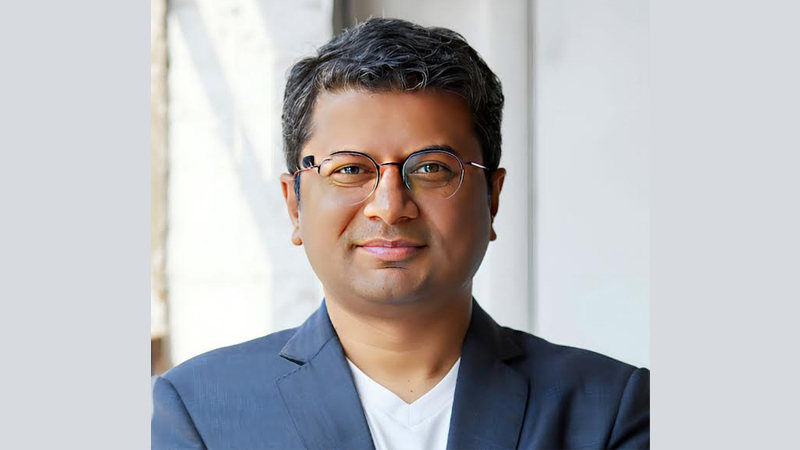
    The article has been authored by entrepreneur and graduate of Harvard Business School Sajju Jain.
     

  • Volvo & Mindshare launch ‘Volvoverse’ campaign to provide 3D experience to customers

    Volvo & Mindshare launch ‘Volvoverse’ campaign to provide 3D experience to customers

    Mumbai: Volvo Car India has announced the launch of its first-ever electric vehicle in the Metaverse called ‘Volvoverse.’ The campaign launch is conceptualised by Mindshare India. This is the first-of-its-kind collaboration on Metaverse across WPP India agencies.

    The Volvo XC40 Recharge is being launched in a virtual world by Volvo Car India managing director Jyoti Malhotra, while ushering in a new era of digital platforms for Volvo customers with accessible 3D experiences.

    Mindshare collaborated with other WPP agencies including Hogarth, Yonder, Grey, and Genesis BCW to deliver ‘Volvoverse’, realising the group’s ambition for customers to efficiently access specialist companies in the group to achieve their objectives with a single point of contact.

    Mindshare South Asia CEO Amin Lakhani said, “We at Mindshare strive to provide our clients with tech-enabled, creative branding solutions. The concept behind launching the XC40 Recharge in the metaverse was to launch the EV in a sustainable ecosystem, following the vision of Volvo. The metaverse is evolving the internet by bringing people closer. Using virtual worlds, we are looking to reach out to the maximum audience. We are excited to do the first-ever EV launch in the metaverse with a campaign that appeals to our audience in an exciting new environment, which is the first of its kind.”

    Speaking about this unique experience, Malhotra said, “Volvo has always been at the forefront of innovation and technology, and we, as a company, are also globally known for our commitment to sustainability. The launch of the XC40 Recharge on the metaverse platform is a pioneering moment leveraging digital technology in the marketing sphere. The metaverse launch also contributes to our sustainability mission as it leaves a negligible carbon footprint as compared to conventional launches.”

    Hogarth India CEL Gopikaa Davar added, “Hogarth is committed to reaching net zero by 2030, and we are excited to partner with Mindshare and Volvo on a project which brings together both our focus areas of sustainable production and the metaverse. Launching an electric vehicle in the virtual world is only befitting as a conscious alternative to a physical event where an average conference attendee would have produced around 170 kg of CO2 emissions in a one-day event. This is a great example of how we are all reducing and mitigating the environmental impact by using virtual studios and green screen shoots as a driving force, removing the need for location shoots and events (reduces carbon footprint) and maximising the utilisation of the content we capture.”

  • Yulu onboards Sandilya Konduri as Head of Product

    Yulu onboards Sandilya Konduri as Head of Product

    Mumbai: The shared electric mobility and battery-as-a-service company, Yulu appointed Sandilya Konduri as head of product. He will drive the product vision, lifecycle strategy and implementation for Yulu to deliver world-class products that can offer a superlative user experience.

    Konduri will also focus on the adoption of the latest technology, tools and product management practices to help build a thriving product culture at Yulu, as the company looks to scale its shared mobility & battery-as-a-service (BaaS) businesses. He comes with deep expertise in product management and supply chain analytics.

    Prior to joining Yulu, he was the Group Product Manager at Flipkart and had the opportunity to resolve critical platforms in the Supply Chain & Optimisation space. He has also contributed to Flipkart’s IP through 2 patents that he co-authored with his colleagues.

    He has also worked for companies like ITC Infotech as a lead consultant and Dell as their senior analyst & advisor previously.

    Welcoming him to the company, Yulu co-founder & CTO Naveen Dachuri said, “We are delighted to have Sandilya on board. Electric mobility in India is at a tipping point, and Yulu is very well-positioned to lead this phase of hyper-growth for shared mobility.”

    Sandilya will help bring in product thought-leadership, accelerate the adoption of the latest technology to stay ahead of the curve and build a culture of continuous innovation within the product team.

    He will prioritize close alignment & collaboration between the product team and engineering, business, operations, marketing, data and other teams to ensure smooth & speedy execution of the product roadmap. “I am sure he will coach and groom the wonderful talent at Yulu to create a world-class product culture and we look forward to this new phase in our product journey,” said Dachuri.

    Commenting on his new role, he said, “I am very excited to join Yulu as I see a tremendous scope in what we are working towards, which is to create sustainable mobility solutions tailor-made for India & India-like markets, powered by technology.”

    “The priority will be to balance user needs and business priorities, and keep iterating with new innovations & product features to continuously raise the bar. Another focus area will be to build a culture that is user-centric, insights-driven & analytics-based when it comes to making product decisions, prioritisation & resource allocation,“ added Konduri

    He further added, “I genuinely believe that we are at a very interesting time in history, where the coming years will put India on the global map for the kind of Products & Services we design and offer. Congestion and infrastructure shortage are problems that we are grappling with today. As we move ahead, Yulu will not only play a significant role in shaping the perception of shared electric mobility in India, but will also drive the change in the way we imagine EV mobility globally.”

  • Hero Lectro assures ‘Tarakki Ki Raftar’ with its cargo e-cycles range

    Hero Lectro assures ‘Tarakki Ki Raftar’ with its cargo e-cycles range

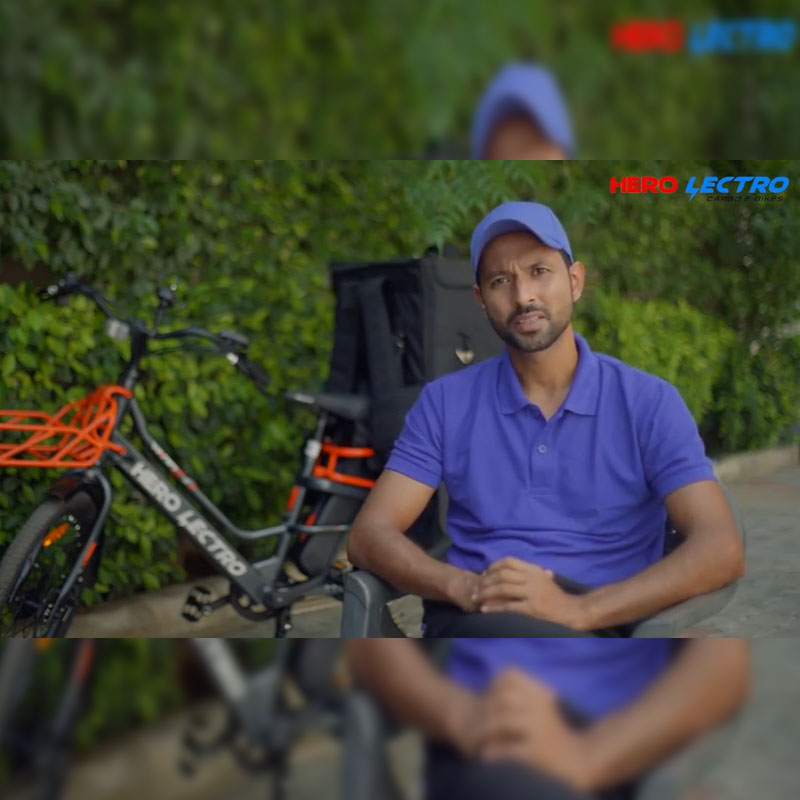
    Mumbai: Hero Lectro, the e-cycles brand of Hero Cycles has unveiled its brand film for its cargo variant with the tagline ‘Badhao Tarakki Ki Raftar’.

    With ample storage space and sturdiness, purpose-built cargo e-cycles are gaining popularity as a fast, convenient, and sustainable alternative for goods mobility. The film aims to create awareness around the distinct benefits of these e-cycles and how they can bring about progress and transformation in the lives of gig-economy workers, especially those working in the last mile delivery business.

    Focusing on this message, the film showcases the advantages of owning a cargo e-cycle and how users are progressing in their lives through this choice. It chronicles a day in the life of a delivery agent and how with Hero Lectro WINN, he has augmented this income as a result of the ability to deliver more. The agent highlights the distinct benefits of using a cargo e-bike including savings on fuel and time, minimal operating and maintenance costs along with ease of use compared to conventional ICE vehicles.

    Hero Lectro chief marketing officer Rachit Gupta said, “The campaign aims at educating the audiences on the impact of purpose-built vehicles on one’s progress. The ad film perfectly captures our vision of adding value to people’s lives by building products such as the Hero Lectro WINN. Through this film, we highlight the benefits of cargo e-cycles such as cost efficiency and high productivity which help users such as delivery personnel to earn higher income, in turn increasing their ‘tarakki ki raftaar’.”

    Hero Lectro’s WINN is a simple plug & play solution for gig workers as it doesn’t require paperwork such as license and registration. According to the company, it has a payload capacity of over 70 kgs that enables agents to transport larger volumes of goods in one go, resulting in higher productivity. Its dual riding modes, pedal and throttle assists curbs range anxiety and helps users to stay active around the clock.

  • LML partners with former Harley Davidson manufacturing facility in India

    LML partners with former Harley Davidson manufacturing facility in India

    MUMBAI : Laying the groundwork for a long-term future in the EV business in India, LML Electric on Thursday announced a strategic partnership with Saera Electric Auto, which formerly handled manufacturing for global major – Harley Davidson.

    The company will use Saera’s facility located in the auto hub of Bawal in Haryana to produce its disruptive range of upcoming electric vehicles. “The highly advanced and innovative infrastructure of Saera, backed by its historical competence in manufacturing will now be leveraged to develop the much talked about and anticipated EV range of products from the LML electric stable,” the company said in a statement.

    LML highlighted that it intends to build a future-ready manufacturing facility using Saera’s technology and processes. It termed the partnership as one of the first of many steps for LML to transition into a 100 per cent ‘Make in India’ company by end of 2025.

    “The manufacturing plant, which spans 2,17,800 square feet and has a capacity of 18,000 units per month, is equipped with state-of-the-art infrastructure. It’s prior excellence in manufacturing for global behemoths would offer a distinct edge in streamlining, scaling up, and providing world-class quality assurance to LML, making this a very promising collaboration,” it said in the statement

    LML CEO Yogesh Bhatia said Saera was the company’s first choice because it holds unparalleled expertise and reputation with some of the world’s premier auto brands. “With this alliance as we aspire to create a brand that is 100 per cent localised and has an impeccable quality assurance that is world-class. We foresee an immediate need for automakers to reduce their dependence on imports and build an infrastructure that is designed and capable to address the rapidly growing demand in India and the world over. We are confident that this partnership will be a stepping stone in our vision to redefine and reimagine the future of EV manufacturing in India to bring the country at par with global manufacturing standards.”