Tag: Essel Group

  • Ditto TV sees more demand for regional content

    Ditto TV sees more demand for regional content

    MUMBAI: With an aim to be the default app on every internet enabled smartphone in India for content delivery, Zee’s dittoTV seems to have got its marketing pitch correct with #BeeskaTV and #DeshkaTV campaign.

    Poised to clock an annual revenue of Rs 150 crore (according to a media analyst) from a base of approximately six million installs (downloads), mostly in the Hindi speaking markets (HSM), the OTT service is attracting audience from a segment that is still growing in India.

    “We have received a phenomenal response across all our platforms— six million installs and counting! The viewers loved our television commercial and we trended at no. 3 worldwide on Youtube when the campaign went live,” gushed dittoTV business head Archana Anand.

    #BeeskaTV and #DeshkaTV were among the top 10 Twitter trends worldwide, according to Anand who added that the the dittoTV app trended at #1 in the entertainment category in both the Android and iOS app stores.

    With an aim to build on this trending success and further enhance penetration, the digital platform has tied up with sister company Siticable, which is one of the oldest and largest MSOs in the country. Both come from the Subhash Chandra and family-promoted Essel group.

    As part of this collaboration, Siticable will be pushing the authentication and subscription to dittoTV from its portal to the subscribers of its cable TV service for free. The cable TV service will share 20 per cent as revenue for every ditto TV subscription that the operator sells.

    dittoTV subscription charges for three months, six months and one year are Rs 50, Rs 90 and Rs 170, respectively.

    “They say well begun is half done. By that theory, we are in an extremely good position. With the new alliance rolling out and the masses sharing the phenomena of #BeeskaTV, we see the start of a fun and exciting journey,” Anand explained, adding a strong uptake is also reflected on the service’s usage and good content consumption.

    Anand and her team are working on getting new business partnership for the platform and some alliances are said to be in the pipeline, which were not disclosed.

    The platform credits its success to a combination of factors: width and depth of content and its incredible pricing. dittoTV offers access to over 100+ Hindi, English and regional-language channels encompassing general entertainment, sports, movies, news and lifestyle at just Rs 20 a month.

    What worked best on Indian television (general entertainment) seems to have mirrored on the OTT service too as GECs were key drivers of dittoTV, followed by regional and news channels.

    “Regional language content performs superbly across all our platforms and is rising steadily,” opined Anand claiming that regional viewer is also a `returning viewer’ and spends higher time compared to the platform average.

    “On certain days, we’ve actually seen higher consumption for certain regional GECs as compared to key Hindi GECs. Sports and News are very event based and do extremely well for us in bursts when there is a sporting event or breaking news,” Anand said.

    The average view time on the platform has been up to 24 minutes per user. What the reason? Events like cricket (the West Indies vs. India series) and the bundling of dittoTV with data packs with telcos like Idea Cellular have contributed to this substantially.

    dittoTV has deliberately positioned itself differently from other similar players in the markets like HotStar, Sony Liv and Voot as they follow a simple and clear strategy of providing live content similar to what is available on television.

    An aggressive pricing strategy notwithstanding, dittoTV is still far away from replacing cable TV or DTH from consumer homes as a primary source of video consumption, but Anand is upbeat.

    “TV is synonymous with entertainment for the Indian masses and dittoTV being a linear TV offering remains synonymous with TV. I strongly believe that our platform will be a game changer and will help us drive volumes as well as change the way people consume content on-the-go,” she concluded.

  • Subhash Chandra’s brothers step down as Siti Networks promoters

    Subhash Chandra’s brothers step down as Siti Networks promoters

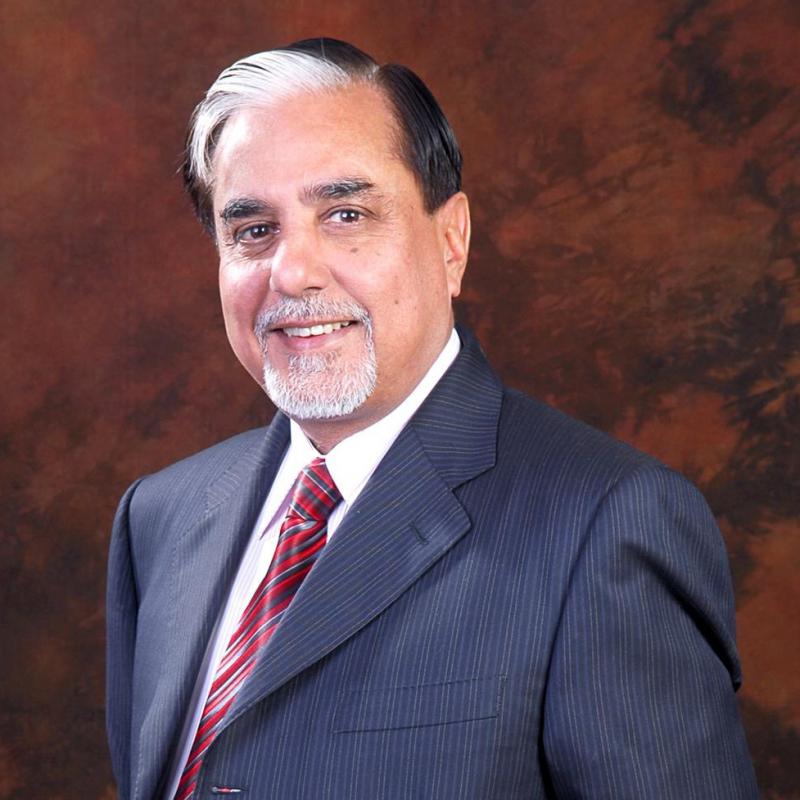
    Mumbai: There’s change in the list of promoters at Siti Networks (earlier known as SitiCable). The national Indian MSO informed the Bombay stock exchange last week that – as part of a family arrangement and agreement – Jawahar Lal Goel, Laxmi Narain Goel and Ashok Kumar Goel along with their respective family members and persons acting in concert with them have been declasifeid as ‘promoters.’

    All three are brothers of Essel group (of which Siti Networks is a part) promoter Subhash Chandra. Over the past few years, Chandra has been working on separating the roles of his brothers and settling the ownership structure within the Essel Group (of which Siti Networks is a part).

    Around eight years ago, he gave independent charge to Laxmi Narain, Jawahar and Ashok Goel. Although seen as one group, the businesses are run independently. Their moving aside as promoters of Siti Networks is a continuation of the division process.

    Chandra’s two sons Punit and Amit are looking after his media interests in Zee Entertainment Enterprises with Punit functioning as the MD and Amit being given the responsibility of international sales and digital.

  • Subhash Chandra’s brothers step down as Siti Networks promoters

    Subhash Chandra’s brothers step down as Siti Networks promoters

    Mumbai: There’s change in the list of promoters at Siti Networks (earlier known as SitiCable). The national Indian MSO informed the Bombay stock exchange last week that – as part of a family arrangement and agreement – Jawahar Lal Goel, Laxmi Narain Goel and Ashok Kumar Goel along with their respective family members and persons acting in concert with them have been declasifeid as ‘promoters.’

    All three are brothers of Essel group (of which Siti Networks is a part) promoter Subhash Chandra. Over the past few years, Chandra has been working on separating the roles of his brothers and settling the ownership structure within the Essel Group (of which Siti Networks is a part).

    Around eight years ago, he gave independent charge to Laxmi Narain, Jawahar and Ashok Goel. Although seen as one group, the businesses are run independently. Their moving aside as promoters of Siti Networks is a continuation of the division process.

    Chandra’s two sons Punit and Amit are looking after his media interests in Zee Entertainment Enterprises with Punit functioning as the MD and Amit being given the responsibility of international sales and digital.

  • Siti Cable Network renamed as Siti Networks

    Siti Cable Network renamed as Siti Networks

    MUMBAI: A new name brings in new vibes and possibly a new direction. At least that ‘s what the Essel group is aiming for if one goes by the name change it has resorted to at its national cable TV MSO Siti Cable. Last week, It informed the Bombay stock exchange, that it will be called Siti Networks as it has got shareholders (earlier) and the Registrars’ approval on 5 August for the renaming. The company was originally incorporated as Wire and Wireless (India) Ltd.

    As reported by Indiantelevision.com earlier, Siti Networks reported 29.4 per cent growth in revenue for the fiscal ended 31 March 2016 (FY-16, current fiscal). The company reported revenue of Rs 1213 crore in FY-16 as compared to Rs 937 crore in the previous year. Operating profit (EBIDTA) in the current year increased to Rs 323 crore as compared to Rs 168.4 crore in FY-15.

    The company has reported a profitable turnaround for the first time in its history. Neglecting the impact of minority interest, Siti profit after tax in the current year was Rs 6.84 crore as compared to a loss (without factoring in minority interest) of Rs 101.88 crore in FY-15.The company’s loss in the current year declined to Rs 1.71 crore from a loss of Rs 109.10 crore in FY-15. Siti reported profit before tax (PBT) at Rs 22 crore in FY16 as compared to a negative PBT of Rs 85.2 crore.

    Siti’s cable subscribers in FY-16 grew to 1.22 crore from 1.05 crore reported at the end of FY-15. The growth happened in Q3-16.

    On the other hand the digital subscribers in FY-16 increased to 79 lakh (64.8 percent of cable subscribers) as compared to 53.8 lakh in FY-15 (51.2 percent of cable subscribers). Digital subscribers in the quarter ended 31 March 2016 (Q4-16, current quarter) increased by 11 lakh to 79 lakh as compared to 68 lakh in Q3-16.

    Whereas, the broadband subscribers in FY-16 grew 93.3 percent to1.355 lakh from 0.701 lakh in FY-15. Broadband subscribers in Q3-16 were 1.07 lakh.

  • Siti Cable Network renamed as Siti Networks

    Siti Cable Network renamed as Siti Networks

    MUMBAI: A new name brings in new vibes and possibly a new direction. At least that ‘s what the Essel group is aiming for if one goes by the name change it has resorted to at its national cable TV MSO Siti Cable. Last week, It informed the Bombay stock exchange, that it will be called Siti Networks as it has got shareholders (earlier) and the Registrars’ approval on 5 August for the renaming. The company was originally incorporated as Wire and Wireless (India) Ltd.

    As reported by Indiantelevision.com earlier, Siti Networks reported 29.4 per cent growth in revenue for the fiscal ended 31 March 2016 (FY-16, current fiscal). The company reported revenue of Rs 1213 crore in FY-16 as compared to Rs 937 crore in the previous year. Operating profit (EBIDTA) in the current year increased to Rs 323 crore as compared to Rs 168.4 crore in FY-15.

    The company has reported a profitable turnaround for the first time in its history. Neglecting the impact of minority interest, Siti profit after tax in the current year was Rs 6.84 crore as compared to a loss (without factoring in minority interest) of Rs 101.88 crore in FY-15.The company’s loss in the current year declined to Rs 1.71 crore from a loss of Rs 109.10 crore in FY-15. Siti reported profit before tax (PBT) at Rs 22 crore in FY16 as compared to a negative PBT of Rs 85.2 crore.

    Siti’s cable subscribers in FY-16 grew to 1.22 crore from 1.05 crore reported at the end of FY-15. The growth happened in Q3-16.

    On the other hand the digital subscribers in FY-16 increased to 79 lakh (64.8 percent of cable subscribers) as compared to 53.8 lakh in FY-15 (51.2 percent of cable subscribers). Digital subscribers in the quarter ended 31 March 2016 (Q4-16, current quarter) increased by 11 lakh to 79 lakh as compared to 68 lakh in Q3-16.

    Whereas, the broadband subscribers in FY-16 grew 93.3 percent to1.355 lakh from 0.701 lakh in FY-15. Broadband subscribers in Q3-16 were 1.07 lakh.

  • News reports claim SPNI is close to acquiring TEN brand from Zeel

    News reports claim SPNI is close to acquiring TEN brand from Zeel

    MUMBAI: A new whisper campaign, which if true, could change the lay of the land in India sports broadcasting has been going on over the past few days. It began with the Mirror tabloid from the Times of India group announcing that Sony Pictures Networks India (SPNI) was close to acquiring the TEN sports brand from the Subhash Chandra owned-Zee Network.

    Of course when the Mirror breaks a piece of news related to business, you kind of keep it to yourself and on the shelf until a confirmation comes.

    Then this morning even The Economoc Times from the same group came out with a similar report. Again no confirmation from both the parties was forthcoming. SPNI sources told the ET that they do not comment on speculation. But the price mentioned in the news item for the transaction is Rs 2,000 crore.

    And when The ET does report something, you at least mention that it has reported it. The newspaper says that post the transaction, sports television in India will become a two horse race between the Twenty First Century Fox owned Star India and the Sony Japan owned SPNI.

    Observers, however, maintain that the enterprise value, if it the deal is indeed happening, of Rs 2,000 crore is too low. Reason: back in 2010, Zeel coughed up close to $44.155 million (Rs 270 crore) to acquire a 45 per cent stake in Taj Television Mauritius and Taj Television India. Prior to that, it had handed out $57 million (close to about Rs 360 crore) to snare a 50 per cent stake from the Bukhatir group. That means Zeel paid about Rs 630 crore to buy Ten Sports. Post that it has spent lots of money acquiring cricket rights and other sports rights, over the years.

    “Selling Ten Sports at 2x what it paid over nine years ago is not a great deal for Zeel,” says an investment banker close to Zeel. “I think the Essel group could be looking for at least 3x to 3.5x of the value. It’s not as if it is a troubled group that it has to resort to a fire sale like that. Zeel’s profitability, operating paramters, top line, debt, all are doing well. Hence, a 3x to 3.5x price is a better asking price.”

    Be that as it may, Indiantelevision.com will be reaching out to the two networks for a confirmation or denial later today. Until then, watch this space.

  • News reports claim SPNI is close to acquiring TEN brand from Zeel

    News reports claim SPNI is close to acquiring TEN brand from Zeel

    MUMBAI: A new whisper campaign, which if true, could change the lay of the land in India sports broadcasting has been going on over the past few days. It began with the Mirror tabloid from the Times of India group announcing that Sony Pictures Networks India (SPNI) was close to acquiring the TEN sports brand from the Subhash Chandra owned-Zee Network.

    Of course when the Mirror breaks a piece of news related to business, you kind of keep it to yourself and on the shelf until a confirmation comes.

    Then this morning even The Economoc Times from the same group came out with a similar report. Again no confirmation from both the parties was forthcoming. SPNI sources told the ET that they do not comment on speculation. But the price mentioned in the news item for the transaction is Rs 2,000 crore.

    And when The ET does report something, you at least mention that it has reported it. The newspaper says that post the transaction, sports television in India will become a two horse race between the Twenty First Century Fox owned Star India and the Sony Japan owned SPNI.

    Observers, however, maintain that the enterprise value, if it the deal is indeed happening, of Rs 2,000 crore is too low. Reason: back in 2010, Zeel coughed up close to $44.155 million (Rs 270 crore) to acquire a 45 per cent stake in Taj Television Mauritius and Taj Television India. Prior to that, it had handed out $57 million (close to about Rs 360 crore) to snare a 50 per cent stake from the Bukhatir group. That means Zeel paid about Rs 630 crore to buy Ten Sports. Post that it has spent lots of money acquiring cricket rights and other sports rights, over the years.

    “Selling Ten Sports at 2x what it paid over nine years ago is not a great deal for Zeel,” says an investment banker close to Zeel. “I think the Essel group could be looking for at least 3x to 3.5x of the value. It’s not as if it is a troubled group that it has to resort to a fire sale like that. Zeel’s profitability, operating paramters, top line, debt, all are doing well. Hence, a 3x to 3.5x price is a better asking price.”

    Be that as it may, Indiantelevision.com will be reaching out to the two networks for a confirmation or denial later today. Until then, watch this space.

  • Q1-17: Videocon d2h reports PAT, 15.5percent subscriber growth

    Q1-17: Videocon d2h reports PAT, 15.5percent subscriber growth

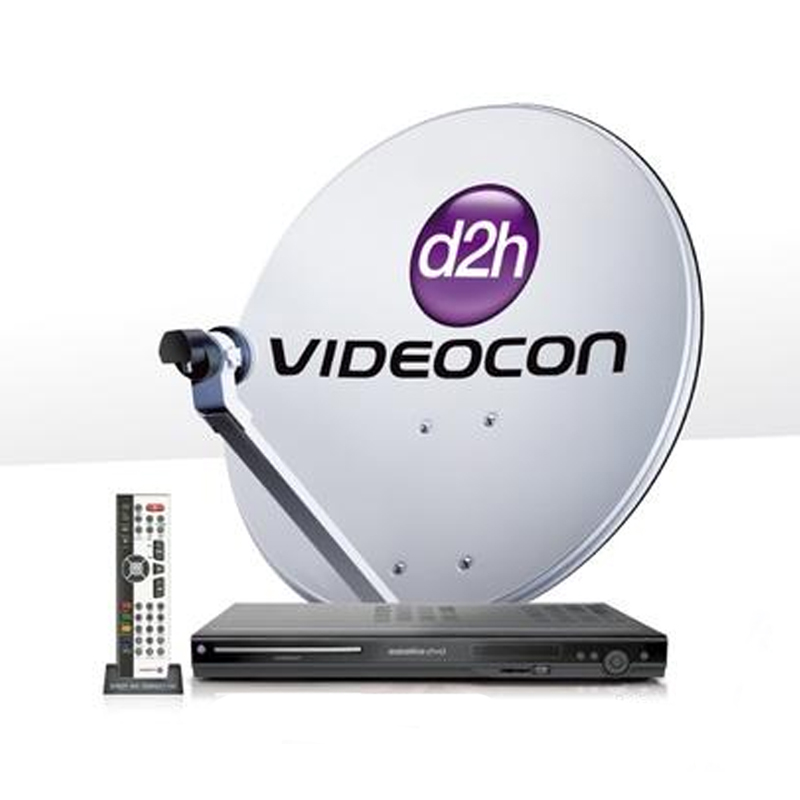
    BENGALURU: Videocon d2h is the second listed Indian DTH player to report a profit after tax (PAT), after the Essel group’s Dish TV that turned the numbers black last year. Videocon d2h reported PAT of Rs 2.7 crore for the quarter ended 30 June 2016 (Q1-17, current quarter). For the corresponding year ago quarter (Q1-16), the company had reported a loss of Rs 24.4 crore and for the immediate trailing quarter (Q4-16) reported loss was Rs 21.2 crore.

    The DTH major also reported 15.5 percent year-over-year (y-o-y) growth in net subscriber number growth at 122.9 lakh for Q1-17 as compared to 106.4 lakh and a 3.6 percent quarter-over-quarter (q-o-q) growth from118.6 lakh. Average revenue per user (ARPU) in the current quarter increased to Rs 219 from Rs 205 in Q1-16 and from Rs 214 in the immediate trailing quarter.

    Subscriber acquisition cost (SAC) in Q1-17 was higher at Rs 1,872 as compared to Rs 1,793 in Q1-16 and Rs 1,776 in Q4-16.

    Subscriber monthly churn in the current quarter was 0.49 percent; in Q1-16 it was slightly lower at 0.46 percent, while in the immediate trailing quarter it was much higher at 0.58 percent.

    Videocon d2h reported 23.5 percent y-o-y growth in total revenue from operations for Q1-17 at Rs 818.5 crore as compared to Rs 662.8 crore and a 6.1 percent q-o-q growth from Rs 771.5 crore.

    DAS III and IV are sunshine periods for the television carriage industry. Activation revenues have been adding to the top lines and bottom lines of most of the players. Videocon d2h subscription and activation revenue in the current quarter increased 23.9 percent y-o-y to Rs 752.3 crore from Rs 607.3 crore and increased 6.6 percent q-o-q from Rs 705.6 crore.

    Commenting on the results and company outlook, Videocon d2h executive chairman Saurabh Dhoot, said, “I’m delighted to share that the first quarter of fiscal 2017 has been a landmark quarter for our Company in its enduring journey. In this quarter, we have had a positive profit after tax and achieved free cash flow breakeven. This is a great achievement.

    “In line with our focus on paying down term loans, the Company recently pre-paid further term loans, strengthening our balance sheet further. We have significantly de-levered our balance sheet and become a stronger company going from strength to strength, reducing term loans by around $200 million since our IPO, with over $ 55 million repaid in the current fiscal year.”

    Speaking on the results, Videocon d2h CEO Anil Khera said, “We are happy to report that Adjusted EBITDA for the first quarter of fiscal year 2017 grew 32.4 percent year on year, which is primarily a result of strong subscriber growth, higher revenue realizations and better operating margins. During the quarter, we expanded our retail network in areas that come under India’s Phase III and Phase IV Digitalization program. We are happy to announce our strategic tie-up with Vodafone to enable recharge using their well-established m-pesa digital wallet and at Vodafone outlets, as it will give our customers an easy and efficient way to recharge their d2h account at their convenience.”

    Let us look at some of the other metrics reported by Videocon d2h

    Adjusted EBIDTA grew 32.4 percent y-o-y to Rs 251.9 crore (30.8 percent margin) from Rs 190.3 crore (28.7 percent margin) and grew 15 percent q-o-q from Rs 219.1 crore (28.4 percent margin). Videocon d2h reports that EBIDTA per subscriber has increased to Rs 70 in Q1-17 from Rs 61 in Q1-16 and from Rs 63 in Q4-16.

    Content costs margin in Q1-17 has reduced to 36.1 percent as compared to 37 percent in the corresponding year ago quarter and 37.5 percent in the immediate trailing quarter.

    Total expense in Q1-17 increased 19.7 percent y-o-y to Rs 739.8 crore from Rs 618.1 crore and increased 3.8 percent from Rs 721.8 crore.

    Selling and distribution expense in the current quarter increased 25.7 percent y-o-y to Rs 64 crore from Rs 50.9 crore, but declined 3.6 percent q-o-q from Rs 66.4 crore.

    Employee benefit expense in Q1-17 was 4 percent higher at Rs 32.2 crore as compared to Rs 30.9 crore in Q1-16 and 10.7 percent more than the Rs 29.1 crore in Q4-16.

    Net finance cost in Q1-17 was Rs 75.9 crore (9.3 percent of revenue from operations); in Q1-16 net finance cost was Rs 76.5 crore (11.5 percent of revenue from operations) and in Q4-16 it was Rs 77.8 crore (10.1 percent of revenue from operations).

    The company had term loans of Rs 2,187 crore and total cash and short term investments of Rs 612 crore as of June 30, 2016. Videocon d2h says that it has repaid term loans amounting to Rs 387 crore in the current fiscal year. With this, it has reduced total term loans by over Rs 1,300 crore since its IPO.

  • Q1-17: Videocon d2h reports PAT, 15.5percent subscriber growth

    Q1-17: Videocon d2h reports PAT, 15.5percent subscriber growth

    BENGALURU: Videocon d2h is the second listed Indian DTH player to report a profit after tax (PAT), after the Essel group’s Dish TV that turned the numbers black last year. Videocon d2h reported PAT of Rs 2.7 crore for the quarter ended 30 June 2016 (Q1-17, current quarter). For the corresponding year ago quarter (Q1-16), the company had reported a loss of Rs 24.4 crore and for the immediate trailing quarter (Q4-16) reported loss was Rs 21.2 crore.

    The DTH major also reported 15.5 percent year-over-year (y-o-y) growth in net subscriber number growth at 122.9 lakh for Q1-17 as compared to 106.4 lakh and a 3.6 percent quarter-over-quarter (q-o-q) growth from118.6 lakh. Average revenue per user (ARPU) in the current quarter increased to Rs 219 from Rs 205 in Q1-16 and from Rs 214 in the immediate trailing quarter.

    Subscriber acquisition cost (SAC) in Q1-17 was higher at Rs 1,872 as compared to Rs 1,793 in Q1-16 and Rs 1,776 in Q4-16.

    Subscriber monthly churn in the current quarter was 0.49 percent; in Q1-16 it was slightly lower at 0.46 percent, while in the immediate trailing quarter it was much higher at 0.58 percent.

    Videocon d2h reported 23.5 percent y-o-y growth in total revenue from operations for Q1-17 at Rs 818.5 crore as compared to Rs 662.8 crore and a 6.1 percent q-o-q growth from Rs 771.5 crore.

    DAS III and IV are sunshine periods for the television carriage industry. Activation revenues have been adding to the top lines and bottom lines of most of the players. Videocon d2h subscription and activation revenue in the current quarter increased 23.9 percent y-o-y to Rs 752.3 crore from Rs 607.3 crore and increased 6.6 percent q-o-q from Rs 705.6 crore.

    Commenting on the results and company outlook, Videocon d2h executive chairman Saurabh Dhoot, said, “I’m delighted to share that the first quarter of fiscal 2017 has been a landmark quarter for our Company in its enduring journey. In this quarter, we have had a positive profit after tax and achieved free cash flow breakeven. This is a great achievement.

    “In line with our focus on paying down term loans, the Company recently pre-paid further term loans, strengthening our balance sheet further. We have significantly de-levered our balance sheet and become a stronger company going from strength to strength, reducing term loans by around $200 million since our IPO, with over $ 55 million repaid in the current fiscal year.”

    Speaking on the results, Videocon d2h CEO Anil Khera said, “We are happy to report that Adjusted EBITDA for the first quarter of fiscal year 2017 grew 32.4 percent year on year, which is primarily a result of strong subscriber growth, higher revenue realizations and better operating margins. During the quarter, we expanded our retail network in areas that come under India’s Phase III and Phase IV Digitalization program. We are happy to announce our strategic tie-up with Vodafone to enable recharge using their well-established m-pesa digital wallet and at Vodafone outlets, as it will give our customers an easy and efficient way to recharge their d2h account at their convenience.”

    Let us look at some of the other metrics reported by Videocon d2h

    Adjusted EBIDTA grew 32.4 percent y-o-y to Rs 251.9 crore (30.8 percent margin) from Rs 190.3 crore (28.7 percent margin) and grew 15 percent q-o-q from Rs 219.1 crore (28.4 percent margin). Videocon d2h reports that EBIDTA per subscriber has increased to Rs 70 in Q1-17 from Rs 61 in Q1-16 and from Rs 63 in Q4-16.

    Content costs margin in Q1-17 has reduced to 36.1 percent as compared to 37 percent in the corresponding year ago quarter and 37.5 percent in the immediate trailing quarter.

    Total expense in Q1-17 increased 19.7 percent y-o-y to Rs 739.8 crore from Rs 618.1 crore and increased 3.8 percent from Rs 721.8 crore.

    Selling and distribution expense in the current quarter increased 25.7 percent y-o-y to Rs 64 crore from Rs 50.9 crore, but declined 3.6 percent q-o-q from Rs 66.4 crore.

    Employee benefit expense in Q1-17 was 4 percent higher at Rs 32.2 crore as compared to Rs 30.9 crore in Q1-16 and 10.7 percent more than the Rs 29.1 crore in Q4-16.

    Net finance cost in Q1-17 was Rs 75.9 crore (9.3 percent of revenue from operations); in Q1-16 net finance cost was Rs 76.5 crore (11.5 percent of revenue from operations) and in Q4-16 it was Rs 77.8 crore (10.1 percent of revenue from operations).

    The company had term loans of Rs 2,187 crore and total cash and short term investments of Rs 612 crore as of June 30, 2016. Videocon d2h says that it has repaid term loans amounting to Rs 387 crore in the current fiscal year. With this, it has reduced total term loans by over Rs 1,300 crore since its IPO.

  • Wadhwa says Siti Cable is continually looking for acquisitions

    Wadhwa says Siti Cable is continually looking for acquisitions

    MUMBAI: Siti Cable, part of the Essel group is not going to immediately get the benefits of the 100 per cent FDI relaxation in the TV distribution sector. This was revealed by Siti Cable executive director & CEO VD Wadhwa to TV channel Bloomberg TV a couple of days ago.

    Wadhwa said that the promoters own 71 per cent of Siti Cable Networks; with the non-promoter holding standing at 29 per cent. “At least for the next two to four quarters I don’t see any major benefits coming out to the government in terms of foreign currency inflows into the business,” he told Bloomberg TV.

    He added that the company would continue to grow both organically and inorganically in FY 2017. “The industry is going through a tight cash situation. The industry has largely been fragmented,” he stated. “Now consolidation is happening at the cable operator level, it is happening at the regional level. It is only a matter of time before it starts happening at the national level as well.”

    He revealed that his company was participating in the consolidation as post digitization it was becoming difficult for the cable operator to survive alone. “We are keeping our eye open because we have identified some of the geographies wherever we would like to expand by acquisition and wherever we see a strategic fit,” he explained.

    He pointed out to the network’s acquisitions recently in Maharashtra and Gujarat where Siti Cable was relatively weak.

    “In both these places we have expanded through partnerships. In Mumbai, we acquired 600,000 subscribers by acquiring 76 per cent in a local network Scod18. In Gujarat, we have acquired 700,000-800,000 subscribers by doing a 51:49 per cent joint venture in Gujarat,” he revealed.

    He said Siti Cable had agreed to take a 50 per cent stake in Assam-based Axom Communications as the existing promoter was comfortable in partaking of only that much equity. “The new Companies Act allows us to control an organization either through an equity stake or through the composition of the board. We chose to get a majority on the board and will be consolidating the results with Siti Cable’s financials on account of that,” he disclosed.

    Wadhwa explained that Siti Cable would be more open to taking anywhere between 51 per cent and 76 per cent stakes in cable TV ventures as it makes sense to have a partner who knows the local territory well to still be involved in the business even after acquisition or a partnership.