Tag: Essel Group

  • ‘Chawal’ to channel: Zee’s 24 years of a memorable roller-coaster ride

    ‘Chawal’ to channel: Zee’s 24 years of a memorable roller-coaster ride

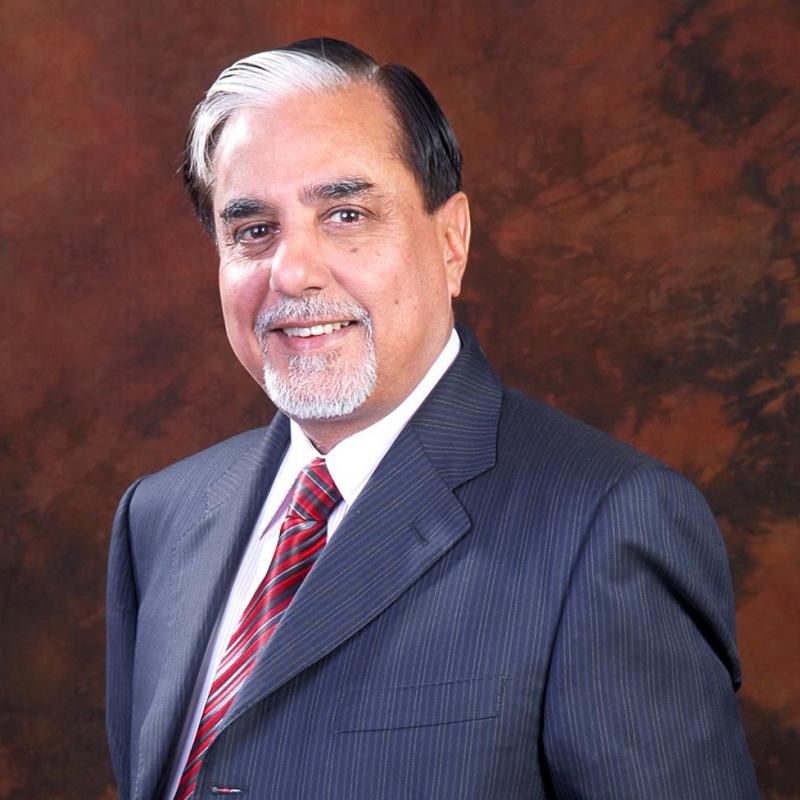
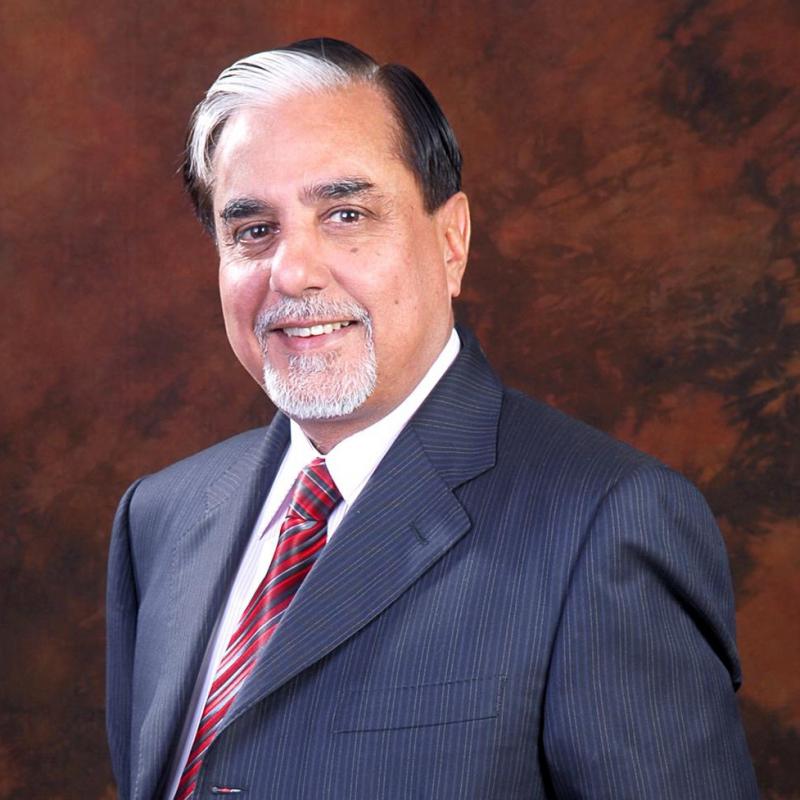
    It was a hot and humid Delhi afternoon sometime in the very early 1990s. A few journalists, mostly clueless about electronic media as we know it today, were milling around in a room in a central Delhi five-star hotel waiting for a press conference to begin. The host was a hitherto unknown company called Essel. When the conference began, one of the gentlemen, sporting former PM Indira Gandhi-style white streak in his hairs, announced that his company would start India’s first Indian-owned satellite TV channel. The other gent present on the occasion was Rajat Sharma, who was till then known as a print media journalist of some repute. The confusing series of question-answer that followed highlighted that few (including yours truly) had any idea of cable and satellite TV (CNN coverage of the first Iraq War was a trailer for Indians and later Star TV’s Santa Barbara and Bold & The Beautiful were like manna from the sky) and fewer understood fully the gravity of what Subhash Chandra was telling the Delhi scribes.

    The rest, as they say, was history. Over 24 years, this journey has not only created India’s first home grown electronic media company, but inspired many others to venture out, as Star Trek’s Captain Kirk & Co would say, where no man or entrepreneur has gone ever before.

    Zee Telefilms or Zee Television or Zee Entertainment Enterprises Ltd — as Zee group has been known in corporate circles from time to time — is itself a testament of the changing ethos of the company and the evolving Indian media landscape. But never has there been a time when the group — now housed over several floors in a swanky building in Mumbai’s Lower Parel area — been not associated with Chandra. To borrow a clichéd political line of the 1970s, it could be said that Zee is Subhash Chandra and Subhash Chandra is Zee.

    From those early days — Zee News started late 1990s used to function out of a four-bedroom residential flat in Delhi’s South Extension and the main office on Mumbai’s Annie Besant Road comprised a series of thatched mostly non-AC rooms — it has a been a long journey not only in terms of time, but also business and expansion.

    One of last annual reports (if we go back in time) on Zee’s corporate website pertains to 1998-99 financial year. Message from Chairman Chandra read: “For Zee Telefilms, 1998-99 was yet another year of exceptional accomplishment and growth. Having made its debut in 1992 as a software production company and marketing concessionaire, Zee has come a long way with its recognition as an emerging company of the year. The 35.8 percent total return our Company produced on the capital employed is of utmost importance to us. We’re not content with that…”  

    In 2016, addressing the investors and public at large in the 2015-16 annual report, the vision is gets contemporaneous as Chandra says: “ZEEL is proactively reorganising its operations focusing on newer delivery formats and ramping up its digital business in line with the changing dynamics of the operating environment. Multiple initiatives are being undertaken. Just as consistency has been a hallmark of our journey, so has change!”

    Change? Yes, of course. And why not? From a humble beginning, Zee now straddles the world, growing its business portfolio along with global presence and revenues. With a strong presence in over 171 countries and a total viewership of 1 billion plus people around the globe, when Zee claims it’s a worldwide media brand, it isn’t off the mark.

    Sample some facts. With a networth of Rs 62,315 million, Zee closed the 2015-16 financial year ending March 2016 with a total income of Rs. 58, 515 million and EBITDA of Rs 15, 095 million wherein global advertising revenue was Rs. 34, 297 million and subscription income was Rs. 20,579 million. Add to these vital stats the fact that the group offers content in multiple Indian and foreign languages and various formats with more than 2,22,703 hours of television content and rights to more than 3,818 movie titles from premiere studios featuring Indian film stars, making it one of the largest Hindi film libraries in the world. All this content is aired via 38 international and 33 domestic channels.

    If Essel group, Zee’s parent, made money from trading in commodities in the early parts of its 90-year existence (having begun in a small town in Haryana state), in the 1980s it upgraded itself to export chawal (rice) to the erstwhile USSR, apart from other more urban-centric business activities. This evolution and flirting with little-known businesses has been a hallmark of Zee’s progress too.

    public://SC-Modi.jpg

    Very few would remember that Chandra’s Essel Group wanted to be the first private sector Indian satellite operator having realised that synergies in entertainment, broadcast and delivery business could have its advantages (as also disadvantages). Though the satellite dream is still to fructify as Agrani started and folded quietly in the 1990s, it helped initiate Chandra’s elder son and present MD of Zee Entertainment, Punit Goenka, into the business.

    Though Zee had a blow-hot-blow-cold relationship with Rupert Murdoch’s 21st Century Fox (in the 1990s it was News Corp) and it’s Indian subsidiary Star TV, the three joint ventures that Zee had with Murdoch’s company in those early days, including a 50:50 shareholding in MSO Siti Cable, helped Chandra and his band of colleagues to firm their footsteps in the broadcast world in India first and then globally.

    The joint ventures with Star, which was bought over by Murdoch mid-1990s from Hong Kong-based Chinese businessman Li Ka-Shing, also helped Zee raise himself to broadcast and entertainment’s international levels where negotiations are cut-throat and not an inch is given to even business partners.

    A description of a Chandra-Murdoch meeting in New York is telling. An expat, then working with Chandra for the Agrani project, glowingly says that despite Murdoch’s reputation of being a ruthless businessman, the comparatively younger and inexperienced Indian businessman (Chandra) discussed business with the Star TV boss on an equal footing over drinks— as a CEO would talk shop with another CEO. India, probably, is one of those rare instances where even the mighty Murdoch got bought out by his Indian partner in joint ventures.

    Just when the 1990s was preparing to bid goodbye, Zee announced it was buying out Star’s shareholding in three joint ventures in a stock-and-share deal worth approximately USD 300 million. Yours truly very well remembers that in an interview soon after the historic deal, Chandra, though jubilant, said in a measured tone said at about 1 am, “Yes, it feels exciting being an Indian (to have bought out the foreign partner), but the tough part has just begun now for Zee.

    And he was bang on target— like he has been so many other times. These 24 years for Zee have not been all smooth sailing; especially so after Zee broke its business chords with Star. There have been decisions taken on fronts like programming, corporate and personnel appointments as also distribution that have been questioned by viewers, investors and media observers alike.

    Take, for example, the introduction on Zee TV around late 2000 and early 2001 a show titled Sawaal Dus Crore Ka (A Question for Rs. 10 crore or Rs 100 million). Put on air in an effort to counter the runaway success of rival Star Plus’ Amitabh Bachchan-anchored Kaun Banega Crorepati, an Indian version of the UK game show Who Wants To Be A Millionaire, Zee’s Swaal… was a major flop and the channel had to terminate it mid-way blaming its two anchors, film stars Anupam Kher and Manisha Koirala, for its failure after having burnt its fingers and loads of cash. Not to mention Zee’s two failed bids to mount a cricket league (Indian Cricket League), which were shot down by cricket politics, but paved the way for the now hugely successful Indian Premier League, blessed by the Indian cricket Board and cricket’s international apex body ICC.

    There have been leadership position appointments that have been also questioned. Adman Sandeep Goyal’s tenure as Group CEO of Zee in 2001, handpicked by Chandra, was regarded controversial.However, destiny’s child that Chandra could be had managed to build a company that was populated with professionals and such decisions helped Zee get over several mishaps over the 24 years.

    Some of the best professionals — many of them who have now left Zee to make a name for themselves independently —  that worked along with Chandra and later his son Punit included people like programming specialist Kanta Advani, marketing whiz Meenakshi Madhvani (now Menon), newsperson Rajat Sharma (he now owns the Hindi news channel India TV), former Times of India group’s Vijay Jindal and Pradeep Guha (both served as successful CEOs at Zee), strategist Bharat Ranga, communications expert Ashish Kaul, Deepak Shourie, newspersons (at Zee News) Alok Verma and Rohit Bansal, operations specialist Rajiv Khattar (Siti Cable and Dish TV), legal eagle A. Mohan, government relations expert PC Lahiri  and, of course, Chandra’s friend, philosopher and guide Ashok Kurien. But most of all, the whole Zee group — now diversified and broken down into separate business entities owing to regulatory restrictions and compulsions — benefited a lot from a harmonious family that controlled it. Chandra’s two younger brothers, Jawahar and Laxmi Goel, at various stages had been instrumental in pushing things and being the balancing factor, but never publicly having a spat with their elder brother.

    Because Zee (and Chandra) valued professionals, it was no surprise when Chandra, during his acceptance speech for Asian industry organisation CASBAA’s award for “Lifetime Contribution to the Asian Pay-TV Industry’ in 2009, said, “The achievement is not my own. Many others have made this possible, most notably my old colleagues Ronnie Screwvala of UTV Software, Prannoy Roy, the Chairman of NDTV and Raghav Bahl who now leads Network 18 Group.” Both Screwvala and Bahl since then have exited the companies after selling their shareholding. But even they were taken aback by the graciousness shown by Zee boss.

    At a time when Zee could well look back over its shoulder and afford to smile while preparing for the 50th anniversary in a growing digital world, the present leadership of Zee could well borrow poet Robert Frost’s lines, echoed also by India’s first Prime Minister Jawaharlal Nehru at the time of Independence, `But I have promises to keep, And miles to go before I sleep.’ We shall certainly Zee (as in see).
     

  • Q2-17: Dish TV adds 2.59 lakh subscribers

    Q2-17: Dish TV adds 2.59 lakh subscribers

    BENGALURU: Indian direct to home (DTH) company Dish TV India Limited (Dish TV) has reported growth across important financial and operational parameters including operating revenues (TIO) , EBIDTA and subscription numbers. The company reported addition of 2.59 lakh net subscribers for the quarter ended 30 September 2016 (Q2-17, current). It closed the quarter with 151 lakh subscribers. Average revenue per user (ARPU) for Q2-17 was Rs 162 in the current quarter versus Rs 161 in the corresponding year ago quarter..

    Dish TV reported 11.9 per cent higher y-o-y subscription revenue of Rs 728.8 crore for Q2-17, as compared to Rs 651.4 crore. Operating revenue in the current quarter increased 9.6 per cent y-o-y to Rs 779.6 crore from Rs 711.2 crore in the corresponding quarter of the previous year. (Refer Note 2.1 and 2.2 below)

    Segment Revenue

    Three segments contribute to Dish TV’s numbers – DTH; Infra Support Services; and ‘Others’.

    DTH segment revenue in Q2-17 declined 14.2 per cent to Rs 509.55 crore from Rs 594.16 crore in Q2-16. The segment reported 15.5 per cent lower operating profit in the current quarter at Rs 86.43 crore as compared to Rs 102.24 crore in the corresponding year ago quarter.

    Infra Support services segment reported 13.7 higher y-o-y revenue of Rs 280.65 crore in Q2-17 vis-à-vis Rs 246.91 crore in Q2-16. The segment’s operating profit declined 39.3 per cent in the current quarter to Rs 12.30 crore from Rs 20.26 crore in the corresponding year ago quarter.

    ‘Others’ segment revenue increased 3.5 per cent in Q2-17 to Rs 5.59 crore from Rs 5.40 crore in Q2-16. The segment’s operating profit grew 5.3 per cent in the current quarter to Rs 2.80 crore from Rs 2.6 6 crore in Q2-16.

    A look at the other numbers reported by Dish TV

    Dish TV reported PAT of Rs. 70.1 crore in Q2-17, down 19.4 per cent as compared to Rs 87 crore in Q2-16.

    EBIDTA in the current quarter increased 3.6 per cent to Rs 264.2 crore from Rs 255 crore in Q2-16.

    Expense in the current quarter increased 12.9 per cent y-o-y to Rs 51.51 crore from Rs 456.2 crore. Employee Benefits Expense increased 23.1 per cent y-o-y to Rs 36.4 crore from Rs 29.58 crore. Other operating expenses in the current quarter declined 30.8 per cent to Rs 70.14 crore from Rs 101.30 crore in Q2-16..

    Licensing fees in the current quarter increased 1.3 per cent to Rs 54.52 crore from Rs 53.81 crore in Q2-17. Programming/Content and other costs in Q2-17 increased 17.4 per cent to Rs 238.92 crore from Rs 203.54 crore in Q2-16.

    Dish TV managing director Jawahar Goel said, “Torrential rains in many parts of the country often force consumers to defer buying a new DTH connection while the existing ones may delay recharging if the going gets too tough. Both sales and recharge however normalize subsequently if the festival season hits early. Targeting phase 3 & 4 markets, our subscriber additions during the quarter remained in-line with expectations.”

    Expressing his views on the regulatory developments, Goel, said, “While the draft Regulations have been formulated with an intention of subscriber welfare, there are certain omissions, optimistic presumptions as well as unanswered questions that would hopefully be addressed once the final orders see the light of the day. We appreciate the spirit of transparency and non-discrimination that have been the guiding force behind these draft orders and hope that DTH would soon get the level playing field that it has been seeking. Restrictions placed on carriage fees should go a long way in correcting the industry macro environment.”

    “We continue to remain positive about other regulatory interventions including the proposed new license regime for the DTH sector and the impending nationwide roll-out of Goods and Services Tax (GST). The centre proposing 12 per cent and 18 per cent as the standard rates for majority of the taxable goods is a welcome step,” he added.

    Discussing the results, Goel said, “Healthy subscriber additions led to a 11.9% y-o-y growth in subscription revenues. EBITDA margin was 33.9 per cent. Net Profit for the quarter was Rs. 701 million (Rs 70.1 crore) and positive Free Cash Flow was Rs. 791 million (Rs 79.1 crore).”

    Notes:The unit of currency in this report is the Indian rupee – Rs (also conventionally represented by INR). The Indian numbering system or the Vedic numbering system has been used to denote money values. The basic conversion to the international norm would be:
    (a) 100,00,000 = 100 lakh = 10,000,000 = 10 million = 1 crore.
    (b) 10,000 lakh = 100 crore = 1 arab = 1 billion.

  • Q2-17: Dish TV adds 2.59 lakh subscribers

    Q2-17: Dish TV adds 2.59 lakh subscribers

    BENGALURU: Indian direct to home (DTH) company Dish TV India Limited (Dish TV) has reported growth across important financial and operational parameters including operating revenues (TIO) , EBIDTA and subscription numbers. The company reported addition of 2.59 lakh net subscribers for the quarter ended 30 September 2016 (Q2-17, current). It closed the quarter with 151 lakh subscribers. Average revenue per user (ARPU) for Q2-17 was Rs 162 in the current quarter versus Rs 161 in the corresponding year ago quarter..

    Dish TV reported 11.9 per cent higher y-o-y subscription revenue of Rs 728.8 crore for Q2-17, as compared to Rs 651.4 crore. Operating revenue in the current quarter increased 9.6 per cent y-o-y to Rs 779.6 crore from Rs 711.2 crore in the corresponding quarter of the previous year. (Refer Note 2.1 and 2.2 below)

    Segment Revenue

    Three segments contribute to Dish TV’s numbers – DTH; Infra Support Services; and ‘Others’.

    DTH segment revenue in Q2-17 declined 14.2 per cent to Rs 509.55 crore from Rs 594.16 crore in Q2-16. The segment reported 15.5 per cent lower operating profit in the current quarter at Rs 86.43 crore as compared to Rs 102.24 crore in the corresponding year ago quarter.

    Infra Support services segment reported 13.7 higher y-o-y revenue of Rs 280.65 crore in Q2-17 vis-à-vis Rs 246.91 crore in Q2-16. The segment’s operating profit declined 39.3 per cent in the current quarter to Rs 12.30 crore from Rs 20.26 crore in the corresponding year ago quarter.

    ‘Others’ segment revenue increased 3.5 per cent in Q2-17 to Rs 5.59 crore from Rs 5.40 crore in Q2-16. The segment’s operating profit grew 5.3 per cent in the current quarter to Rs 2.80 crore from Rs 2.6 6 crore in Q2-16.

    A look at the other numbers reported by Dish TV

    Dish TV reported PAT of Rs. 70.1 crore in Q2-17, down 19.4 per cent as compared to Rs 87 crore in Q2-16.

    EBIDTA in the current quarter increased 3.6 per cent to Rs 264.2 crore from Rs 255 crore in Q2-16.

    Expense in the current quarter increased 12.9 per cent y-o-y to Rs 51.51 crore from Rs 456.2 crore. Employee Benefits Expense increased 23.1 per cent y-o-y to Rs 36.4 crore from Rs 29.58 crore. Other operating expenses in the current quarter declined 30.8 per cent to Rs 70.14 crore from Rs 101.30 crore in Q2-16..

    Licensing fees in the current quarter increased 1.3 per cent to Rs 54.52 crore from Rs 53.81 crore in Q2-17. Programming/Content and other costs in Q2-17 increased 17.4 per cent to Rs 238.92 crore from Rs 203.54 crore in Q2-16.

    Dish TV managing director Jawahar Goel said, “Torrential rains in many parts of the country often force consumers to defer buying a new DTH connection while the existing ones may delay recharging if the going gets too tough. Both sales and recharge however normalize subsequently if the festival season hits early. Targeting phase 3 & 4 markets, our subscriber additions during the quarter remained in-line with expectations.”

    Expressing his views on the regulatory developments, Goel, said, “While the draft Regulations have been formulated with an intention of subscriber welfare, there are certain omissions, optimistic presumptions as well as unanswered questions that would hopefully be addressed once the final orders see the light of the day. We appreciate the spirit of transparency and non-discrimination that have been the guiding force behind these draft orders and hope that DTH would soon get the level playing field that it has been seeking. Restrictions placed on carriage fees should go a long way in correcting the industry macro environment.”

    “We continue to remain positive about other regulatory interventions including the proposed new license regime for the DTH sector and the impending nationwide roll-out of Goods and Services Tax (GST). The centre proposing 12 per cent and 18 per cent as the standard rates for majority of the taxable goods is a welcome step,” he added.

    Discussing the results, Goel said, “Healthy subscriber additions led to a 11.9% y-o-y growth in subscription revenues. EBITDA margin was 33.9 per cent. Net Profit for the quarter was Rs. 701 million (Rs 70.1 crore) and positive Free Cash Flow was Rs. 791 million (Rs 79.1 crore).”

    Notes:The unit of currency in this report is the Indian rupee – Rs (also conventionally represented by INR). The Indian numbering system or the Vedic numbering system has been used to denote money values. The basic conversion to the international norm would be:
    (a) 100,00,000 = 100 lakh = 10,000,000 = 10 million = 1 crore.
    (b) 10,000 lakh = 100 crore = 1 arab = 1 billion.

  • Q2-17: Zee Media operating profit up

    Q2-17: Zee Media operating profit up

    BENGALURU: The Essel Group’s news network Zee Media Corporation Limited (ZMCL) reported more than double (2.47 times) year-over-year (y-o-y) operating profit (Simple EBIDTA) for the quarter ended 30 September 2016 (Q2-17, current quarter) . The company reported EBIDTA of Rs 18 crore (14.3 per cent of Total Income from Operations or TIO) in Q2-17 as compared to Rs 7.28 crore (5.7 per cent of TIO) in the corresponding year ago quarter. The company’s EBIDTA grew 1.6 per cent quarter-over-quarter (q-o-q) from Rs 17.71 crore (13.8 per cent of TIO) in the immediate trailing quarter.

    Revenue breakup

    ZMCL’s TIO in the current quarter was almost flat y-o-y as well as q-o-q. The company reported 0.7 per cent y-o-y decline in Q2-17 at Rs 126.15 crore as compared to Rs 127.05 crore and a 1.6 per cent q-o-q decline from Rs 128.24 crore.

    ZMCL reported an 8.3 per cent y-o-y growth in advertising revenue in Q2-17 at Rs 98.24 crore (77.9 per cent of TIO) as compared to Rs 90.69 crore, but a 4 per cent q-o-q decline from Rs 102.35 crore. Advertising revenue from ZMCL’s existing channels increased 17.7 per cent y-o-y in Q2-17 to Rs 77.63 crore from Rs 65.93 crore but declined 3 per cent q-o-q from Rs 80.01 crore. Advertising revenue from new channels increased 6.3 per cent y-o-y in Q2-17 to Rs 7.08 crore from Rs 6.66 crore, but declined 2.9 per cent q-o-q from Rs 7.29 crore

    Since 1 June, 2016, the company’s flagship channel Zee News became free-to-air (FTA). Subscription revenue in the current quarter declined 39.9 per cent y-o-y to Rs 16.37 crore (13 per cent of TIO) from Rs 27.24 crore (21.4 per cent of TIO) and declined 8.4 per cent q-o-q from Rs 17.89 crore (14 per cent of TIO).

    Subscription revenues from Existing channels declined 42.3 per cent y-o-y to Rs 14.09 crore from Rs 24.44 crore and declined 9 per cent q-o-q from Rs 15.48 crore.

    Other sales and services revenue increased 26.8 per cent q-o-q to Rs 11.55 crore (9.2 per cent of TIO) from Rs 9.11 crore (7.2 per cent of TIO) and increased 44.4 per cent from Rs 8 crore in the immediate trailing quarter. Other revenues for existing channels declined 45.9 per cent y-o-y to Rs 1.77 crore from Rs 3.27 crore, but increased 14.2 per cent from Rs 1.55 crore.

    Business Revenue breakup

    Revenue from ZMCL’s Television Broadcasting Busin ess (TV Business) was flat y-o-y (increased by 0.3 per cent) at Rs 100.57 crore as compared to Rs 100.30 crore, but declined 3.6 per cent q-o-q from Rs 104.34 crore. The TV Business reported more than sevenfold (7.41 times) y-o-y increase in operating profit at Rs 13.89 crore as compared to Rs1.88 crore, but a 6.1 per cent q-o-q decline from Rs 104.34 crore.

    Revenue from ZMCL’s print business was almost flat (increased 0.7 per cent) y-o-y at Rs 30.26 crore vis-à-vis Rs 30.03 crore and increased 4.3 per cent q-o-q from Rs 29 crore. The business reported lower y-o-y operating loss of Rs 5.88 crore as compared to Rs 6.86 crore. ZMCL’s print business had reported a lower operating loss of Rs 3.79 crore in Q1-17.

    A look at the other numbers reported by ZMCL

    ZMCL reported a lower y-o-y loss of Rs 18.04 crore in the current quarter as compared to a loss of Rs 19.86 crore in the corresponding year ago quarter. The company had reported a profit after tax of Rs 0.09 crore for the immediate trailing quarter. In may be noted that ZMCL has incurred an exceptional loss of Rs 18.88 crore due to sale of land and buildings of a subsidiary in the current quarter.

    The company has controlled its total expenditure in Q2-17, which declined 11 per cent y-o-y to Rs 118.22 crore (93.7 per cent of TIO) as compared to Rs 132.79 crore (104.5 per cent of TIO) and was 2.2 per cent lower q-o-q as compared to Rs 120.83 crore.

    Cost of Raw materials consumed in the current quarter declined 18 per cent y-o-y to Rs 10.32 crore (8.2 per cent of TIO) as compared to Rs 12.59 crore (9.9 per cent of TIO) but was 2.1 per cent more q-o-q than Rs 10.11 crore (7.9 per cent of TIO).

    Employee Benefits Expenses in the current quarter declined 19.8 per cent y-o-y to Rs 30.45 crore (24.1 per cent ofTIO) from Rs 31.92 crore (29.9 per cent of TIO) and was 4.6 per cent lower q-o-q than the Rs 38.60 crore (24.9 per cent of TIO) in the immediate trailing quarter.

    ZMCL’s Marketing, Distribution and Business Promotion Expenses (Marketing expenses) in the current quarter declined 45.9 per cent y-o-y to Rs 13.52 crore (10.7 per cent of TIO) from Rs 24.97 crore (19.6 per cent of TIO) and declined 15.8 per cent q-o-q from Rs 16.05 crore (12.5 per cent of TIO).

    Operational costs in Q2-17 increased 11.4 per cent y-o-y to Rs 23.55 crore (18.7 per cent of TIO) from Rs 21.14 crore (16.6 per cent of TIO) and increased 26.1 per cent q-o-q from Rs 18.67 crore (14.6 per cent of TIO).

    Other expense in Q2-17 increased 31.3 per cent y-o-y to Rs 30.31 crore (24 per cent of TIO) from Rs 23.08 crore (18.2 per cent of TIO) but declined 21.3 per cent q-o-q from Rs 38.51 crore (30 per cent of TIO).


  • Q2-17: Zee Media operating profit up

    Q2-17: Zee Media operating profit up

    BENGALURU: The Essel Group’s news network Zee Media Corporation Limited (ZMCL) reported more than double (2.47 times) year-over-year (y-o-y) operating profit (Simple EBIDTA) for the quarter ended 30 September 2016 (Q2-17, current quarter) . The company reported EBIDTA of Rs 18 crore (14.3 per cent of Total Income from Operations or TIO) in Q2-17 as compared to Rs 7.28 crore (5.7 per cent of TIO) in the corresponding year ago quarter. The company’s EBIDTA grew 1.6 per cent quarter-over-quarter (q-o-q) from Rs 17.71 crore (13.8 per cent of TIO) in the immediate trailing quarter.

    Revenue breakup

    ZMCL’s TIO in the current quarter was almost flat y-o-y as well as q-o-q. The company reported 0.7 per cent y-o-y decline in Q2-17 at Rs 126.15 crore as compared to Rs 127.05 crore and a 1.6 per cent q-o-q decline from Rs 128.24 crore.

    ZMCL reported an 8.3 per cent y-o-y growth in advertising revenue in Q2-17 at Rs 98.24 crore (77.9 per cent of TIO) as compared to Rs 90.69 crore, but a 4 per cent q-o-q decline from Rs 102.35 crore. Advertising revenue from ZMCL’s existing channels increased 17.7 per cent y-o-y in Q2-17 to Rs 77.63 crore from Rs 65.93 crore but declined 3 per cent q-o-q from Rs 80.01 crore. Advertising revenue from new channels increased 6.3 per cent y-o-y in Q2-17 to Rs 7.08 crore from Rs 6.66 crore, but declined 2.9 per cent q-o-q from Rs 7.29 crore

    Since 1 June, 2016, the company’s flagship channel Zee News became free-to-air (FTA). Subscription revenue in the current quarter declined 39.9 per cent y-o-y to Rs 16.37 crore (13 per cent of TIO) from Rs 27.24 crore (21.4 per cent of TIO) and declined 8.4 per cent q-o-q from Rs 17.89 crore (14 per cent of TIO).

    Subscription revenues from Existing channels declined 42.3 per cent y-o-y to Rs 14.09 crore from Rs 24.44 crore and declined 9 per cent q-o-q from Rs 15.48 crore.

    Other sales and services revenue increased 26.8 per cent q-o-q to Rs 11.55 crore (9.2 per cent of TIO) from Rs 9.11 crore (7.2 per cent of TIO) and increased 44.4 per cent from Rs 8 crore in the immediate trailing quarter. Other revenues for existing channels declined 45.9 per cent y-o-y to Rs 1.77 crore from Rs 3.27 crore, but increased 14.2 per cent from Rs 1.55 crore.

    Business Revenue breakup

    Revenue from ZMCL’s Television Broadcasting Busin ess (TV Business) was flat y-o-y (increased by 0.3 per cent) at Rs 100.57 crore as compared to Rs 100.30 crore, but declined 3.6 per cent q-o-q from Rs 104.34 crore. The TV Business reported more than sevenfold (7.41 times) y-o-y increase in operating profit at Rs 13.89 crore as compared to Rs1.88 crore, but a 6.1 per cent q-o-q decline from Rs 104.34 crore.

    Revenue from ZMCL’s print business was almost flat (increased 0.7 per cent) y-o-y at Rs 30.26 crore vis-à-vis Rs 30.03 crore and increased 4.3 per cent q-o-q from Rs 29 crore. The business reported lower y-o-y operating loss of Rs 5.88 crore as compared to Rs 6.86 crore. ZMCL’s print business had reported a lower operating loss of Rs 3.79 crore in Q1-17.

    A look at the other numbers reported by ZMCL

    ZMCL reported a lower y-o-y loss of Rs 18.04 crore in the current quarter as compared to a loss of Rs 19.86 crore in the corresponding year ago quarter. The company had reported a profit after tax of Rs 0.09 crore for the immediate trailing quarter. In may be noted that ZMCL has incurred an exceptional loss of Rs 18.88 crore due to sale of land and buildings of a subsidiary in the current quarter.

    The company has controlled its total expenditure in Q2-17, which declined 11 per cent y-o-y to Rs 118.22 crore (93.7 per cent of TIO) as compared to Rs 132.79 crore (104.5 per cent of TIO) and was 2.2 per cent lower q-o-q as compared to Rs 120.83 crore.

    Cost of Raw materials consumed in the current quarter declined 18 per cent y-o-y to Rs 10.32 crore (8.2 per cent of TIO) as compared to Rs 12.59 crore (9.9 per cent of TIO) but was 2.1 per cent more q-o-q than Rs 10.11 crore (7.9 per cent of TIO).

    Employee Benefits Expenses in the current quarter declined 19.8 per cent y-o-y to Rs 30.45 crore (24.1 per cent ofTIO) from Rs 31.92 crore (29.9 per cent of TIO) and was 4.6 per cent lower q-o-q than the Rs 38.60 crore (24.9 per cent of TIO) in the immediate trailing quarter.

    ZMCL’s Marketing, Distribution and Business Promotion Expenses (Marketing expenses) in the current quarter declined 45.9 per cent y-o-y to Rs 13.52 crore (10.7 per cent of TIO) from Rs 24.97 crore (19.6 per cent of TIO) and declined 15.8 per cent q-o-q from Rs 16.05 crore (12.5 per cent of TIO).

    Operational costs in Q2-17 increased 11.4 per cent y-o-y to Rs 23.55 crore (18.7 per cent of TIO) from Rs 21.14 crore (16.6 per cent of TIO) and increased 26.1 per cent q-o-q from Rs 18.67 crore (14.6 per cent of TIO).

    Other expense in Q2-17 increased 31.3 per cent y-o-y to Rs 30.31 crore (24 per cent of TIO) from Rs 23.08 crore (18.2 per cent of TIO) but declined 21.3 per cent q-o-q from Rs 38.51 crore (30 per cent of TIO).


  • Zee non-committal to BSE on RBNL acquisition report

    Zee non-committal to BSE on RBNL acquisition report

    MUMBAI: During a period when big-time mergers and acquisitions are popping out of the cupboard while others are being fine-tuned, Zee Entertainment Enterprises Ltd (ZEEL) is not willing to confirm or deny that it’s buying Reliance Broadcast’s businesses. At least, for now.

    In response to a news report appearing in a business daily on 13 October, ZEEL gave a non-committal response to Bombay Stock Exchange (BSE) yesterday. The company statement said, “We, Zee Entertainment Enterprises Limited, wish to clarify that the said report/article is only a media speculation. As a company, we keep exploring options from    time    to   time and will inform the Exchanges, media and shareholders, if, and as and when, any such decision(s) are reached.”

    The clarification given to BSE is purely non-committal corporate-speak as Zee neither denied the news report, nor confirmed it.

    However, the business daily report on 13 October, 2016 emphasised that “it was done deal” and went ahead to even state that the deal was worth around Rs 18,720 million for the radio and television business owned by Reliance.

    The ZEEL share, which closed on the BSE at Rs. 546.55 on Oct 13, opened the next day at Rs.550.75 to close lower at R. 528.50 on 14 October, 2016.

    Speculation about the Subhash Chandra-led ZEEL buying Anil Ambani-owned Reliance Broadcast Networks Ltd (RBNL) has been making rounds of financial markets and journalistic circles for some time now. Media reports had earlier stated that the ZEEL-RBNL deal has been a case of on-now-off-tomorrow.

    Indiantelevision.com, while reporting on the issue on 5 October, 2016, had sought clarification from ZEEL spokesperson who had then stated, “From time to time, we keep exploring strategic opportunities for entering new businesses or in our existing businesses. However, as a matter of policy, we do not comment on media speculation.”

    The corporate response to media queries from Zee has been similar even when deals — TEN Sports sale to Sony Pictures Network India, for example — were confirmed later and formally announced. When speculation about Siti Cable buying DEN Networks gathered steam, a similar line was thrown. Ditto was the response with Dish TV’s ongoing discussions to acquire Videocon d2h from the debt-laden-and struggling Videocon group.

    Acquiring RBNL businesses, which include Bhojpuri language channel BIG Ganga, a comedy-centric BIG Magic and a successful FM radio business, can certainly add to Zee’s portfolio of entertainment verticals.

    Overall, the media industry may be ripe for consolidation; especially at a time when the regulator too is trying to bring about more order and transparency in the Indian broadcast sector via its draft guidelines.

    ALSO READ:

    Quo Vadis ZEEL-RBNL

    Sony Pictures to acquire Ten Sports from Zee


  • Zee non-committal to BSE on RBNL acquisition report

    Zee non-committal to BSE on RBNL acquisition report

    MUMBAI: During a period when big-time mergers and acquisitions are popping out of the cupboard while others are being fine-tuned, Zee Entertainment Enterprises Ltd (ZEEL) is not willing to confirm or deny that it’s buying Reliance Broadcast’s businesses. At least, for now.

    In response to a news report appearing in a business daily on 13 October, ZEEL gave a non-committal response to Bombay Stock Exchange (BSE) yesterday. The company statement said, “We, Zee Entertainment Enterprises Limited, wish to clarify that the said report/article is only a media speculation. As a company, we keep exploring options from    time    to   time and will inform the Exchanges, media and shareholders, if, and as and when, any such decision(s) are reached.”

    The clarification given to BSE is purely non-committal corporate-speak as Zee neither denied the news report, nor confirmed it.

    However, the business daily report on 13 October, 2016 emphasised that “it was done deal” and went ahead to even state that the deal was worth around Rs 18,720 million for the radio and television business owned by Reliance.

    The ZEEL share, which closed on the BSE at Rs. 546.55 on Oct 13, opened the next day at Rs.550.75 to close lower at R. 528.50 on 14 October, 2016.

    Speculation about the Subhash Chandra-led ZEEL buying Anil Ambani-owned Reliance Broadcast Networks Ltd (RBNL) has been making rounds of financial markets and journalistic circles for some time now. Media reports had earlier stated that the ZEEL-RBNL deal has been a case of on-now-off-tomorrow.

    Indiantelevision.com, while reporting on the issue on 5 October, 2016, had sought clarification from ZEEL spokesperson who had then stated, “From time to time, we keep exploring strategic opportunities for entering new businesses or in our existing businesses. However, as a matter of policy, we do not comment on media speculation.”

    The corporate response to media queries from Zee has been similar even when deals — TEN Sports sale to Sony Pictures Network India, for example — were confirmed later and formally announced. When speculation about Siti Cable buying DEN Networks gathered steam, a similar line was thrown. Ditto was the response with Dish TV’s ongoing discussions to acquire Videocon d2h from the debt-laden-and struggling Videocon group.

    Acquiring RBNL businesses, which include Bhojpuri language channel BIG Ganga, a comedy-centric BIG Magic and a successful FM radio business, can certainly add to Zee’s portfolio of entertainment verticals.

    Overall, the media industry may be ripe for consolidation; especially at a time when the regulator too is trying to bring about more order and transparency in the Indian broadcast sector via its draft guidelines.

    ALSO READ:

    Quo Vadis ZEEL-RBNL

    Sony Pictures to acquire Ten Sports from Zee


  • Essel chairman pays tribute to India’s  official language on ‘Hindi Diwas’

    Essel chairman pays tribute to India’s official language on ‘Hindi Diwas’

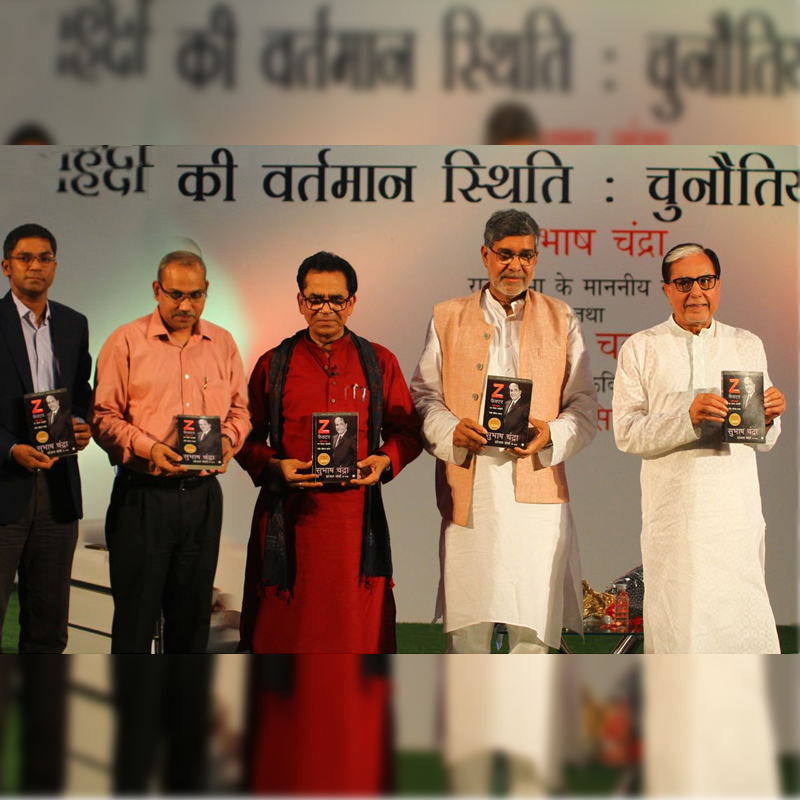
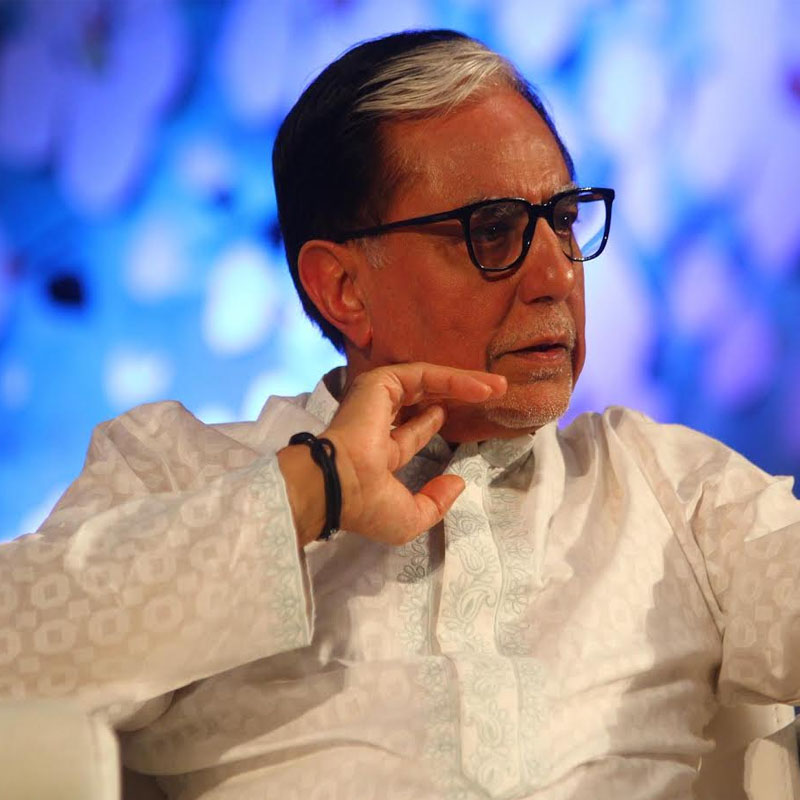
    NEW DELHI: On the occasion of Hindi Diwas on Wednesday, Member of Parliament, Rajya Sabha and Chairman, Essel Group, Subhash Chandra engaged in a thought-provoking discussion with eminent Hindi Poet and renowned scholar, Ashok Chakradhar on the ‘Present Status of Hindi: Challenges and Solutions’ at the Sahitya Akademi in New Delhi.

    The Hindi edition of Chandra’s autobiography ‘The Z Factor – My Journey as the Wrong Man at the Right Time’ was launched by the Nobel Peace Prize recipient and Chief Guest, Kailash Satyarthi.

    Chandra said, “English cannot replace Hindi as the language of communication in this country. In India, the language of the common man is Hindi and will continue to remain so. Over the years, by adopting words from various languages, the Hindi language has become rich and is growing on its own strength. Today, Hindi is spoken and understood all over the globe.”

    “If our higher education system is imparted in Hindi or the mother tongue, we can create more experts in every field. For example, in Ludhiana, there are uneducated but skilled workers, who, if they were given education, would do even better,” Chandra added.

    Chakradhar said, “It is not correct to say that we are serving the Hindi language, rather we should be saying that we are working for the Hindi language. Hindi has reached its highest levels and in coming years, it will continue to grow even further. To keep the purity of this beautiful language, scholars from the literature community should be mindful of not misusing Hindi words or using English words deliberately”.

    Satyarthi said, “The mother tongue of a person is the most respected and no other language can take it away. Hindi and English are separate languages which are not competing with each other. However, to leave one’s own mother tongue and speak disrespectfully about it, is a shameful act. We should be open to learning all languages but should not criticise our own mother tongue. I remember when I went to receive the Nobel Prize, I purposely spoke in Hindi.”

    From the book:

    It was 14 December 1991 when Ashok Kurien of Ambience ad agency and I reached Star TV’s office in Hong Kong. There were ten to twelve senior and junior executives in the room. Richard Li, head of Star TV, was not there. So we waited awhile. It was like waiting for the king to come in and give his blessings.

    Richard walked in suddenly and sat opposite me. ‘OK, Indian channel…
    Hindi channel. Where is the money in India?’ Richard was very dismissive. ‘I am not interested in a joint venture.’

    So I addressed him directly. ‘Mr Li, if you are not interested in the joint venture, can you consider leasing the [satellite] transponder to us?’ ‘There is no transponder available for less than $5 million per year,’ Richard said. It was a haughty statement to put me off.

    ‘That is fine. I will pay $5 million!’ It was a spur-of-the-moment decision. I did not realize the implication of what I had said…

  • Essel chairman pays tribute to India’s  official language on ‘Hindi Diwas’

    Essel chairman pays tribute to India’s official language on ‘Hindi Diwas’

    NEW DELHI: On the occasion of Hindi Diwas on Wednesday, Member of Parliament, Rajya Sabha and Chairman, Essel Group, Subhash Chandra engaged in a thought-provoking discussion with eminent Hindi Poet and renowned scholar, Ashok Chakradhar on the ‘Present Status of Hindi: Challenges and Solutions’ at the Sahitya Akademi in New Delhi.

    The Hindi edition of Chandra’s autobiography ‘The Z Factor – My Journey as the Wrong Man at the Right Time’ was launched by the Nobel Peace Prize recipient and Chief Guest, Kailash Satyarthi.

    Chandra said, “English cannot replace Hindi as the language of communication in this country. In India, the language of the common man is Hindi and will continue to remain so. Over the years, by adopting words from various languages, the Hindi language has become rich and is growing on its own strength. Today, Hindi is spoken and understood all over the globe.”

    “If our higher education system is imparted in Hindi or the mother tongue, we can create more experts in every field. For example, in Ludhiana, there are uneducated but skilled workers, who, if they were given education, would do even better,” Chandra added.

    Chakradhar said, “It is not correct to say that we are serving the Hindi language, rather we should be saying that we are working for the Hindi language. Hindi has reached its highest levels and in coming years, it will continue to grow even further. To keep the purity of this beautiful language, scholars from the literature community should be mindful of not misusing Hindi words or using English words deliberately”.

    Satyarthi said, “The mother tongue of a person is the most respected and no other language can take it away. Hindi and English are separate languages which are not competing with each other. However, to leave one’s own mother tongue and speak disrespectfully about it, is a shameful act. We should be open to learning all languages but should not criticise our own mother tongue. I remember when I went to receive the Nobel Prize, I purposely spoke in Hindi.”

    From the book:

    It was 14 December 1991 when Ashok Kurien of Ambience ad agency and I reached Star TV’s office in Hong Kong. There were ten to twelve senior and junior executives in the room. Richard Li, head of Star TV, was not there. So we waited awhile. It was like waiting for the king to come in and give his blessings.

    Richard walked in suddenly and sat opposite me. ‘OK, Indian channel…
    Hindi channel. Where is the money in India?’ Richard was very dismissive. ‘I am not interested in a joint venture.’

    So I addressed him directly. ‘Mr Li, if you are not interested in the joint venture, can you consider leasing the [satellite] transponder to us?’ ‘There is no transponder available for less than $5 million per year,’ Richard said. It was a haughty statement to put me off.

    ‘That is fine. I will pay $5 million!’ It was a spur-of-the-moment decision. I did not realize the implication of what I had said…

  • Ditto TV sees more demand for regional content

    Ditto TV sees more demand for regional content

    MUMBAI: With an aim to be the default app on every internet enabled smartphone in India for content delivery, Zee’s dittoTV seems to have got its marketing pitch correct with #BeeskaTV and #DeshkaTV campaign.

    Poised to clock an annual revenue of Rs 150 crore (according to a media analyst) from a base of approximately six million installs (downloads), mostly in the Hindi speaking markets (HSM), the OTT service is attracting audience from a segment that is still growing in India.

    “We have received a phenomenal response across all our platforms— six million installs and counting! The viewers loved our television commercial and we trended at no. 3 worldwide on Youtube when the campaign went live,” gushed dittoTV business head Archana Anand.

    #BeeskaTV and #DeshkaTV were among the top 10 Twitter trends worldwide, according to Anand who added that the the dittoTV app trended at #1 in the entertainment category in both the Android and iOS app stores.

    With an aim to build on this trending success and further enhance penetration, the digital platform has tied up with sister company Siticable, which is one of the oldest and largest MSOs in the country. Both come from the Subhash Chandra and family-promoted Essel group.

    As part of this collaboration, Siticable will be pushing the authentication and subscription to dittoTV from its portal to the subscribers of its cable TV service for free. The cable TV service will share 20 per cent as revenue for every ditto TV subscription that the operator sells.

    dittoTV subscription charges for three months, six months and one year are Rs 50, Rs 90 and Rs 170, respectively.

    “They say well begun is half done. By that theory, we are in an extremely good position. With the new alliance rolling out and the masses sharing the phenomena of #BeeskaTV, we see the start of a fun and exciting journey,” Anand explained, adding a strong uptake is also reflected on the service’s usage and good content consumption.

    Anand and her team are working on getting new business partnership for the platform and some alliances are said to be in the pipeline, which were not disclosed.

    The platform credits its success to a combination of factors: width and depth of content and its incredible pricing. dittoTV offers access to over 100+ Hindi, English and regional-language channels encompassing general entertainment, sports, movies, news and lifestyle at just Rs 20 a month.

    What worked best on Indian television (general entertainment) seems to have mirrored on the OTT service too as GECs were key drivers of dittoTV, followed by regional and news channels.

    “Regional language content performs superbly across all our platforms and is rising steadily,” opined Anand claiming that regional viewer is also a `returning viewer’ and spends higher time compared to the platform average.

    “On certain days, we’ve actually seen higher consumption for certain regional GECs as compared to key Hindi GECs. Sports and News are very event based and do extremely well for us in bursts when there is a sporting event or breaking news,” Anand said.

    The average view time on the platform has been up to 24 minutes per user. What the reason? Events like cricket (the West Indies vs. India series) and the bundling of dittoTV with data packs with telcos like Idea Cellular have contributed to this substantially.

    dittoTV has deliberately positioned itself differently from other similar players in the markets like HotStar, Sony Liv and Voot as they follow a simple and clear strategy of providing live content similar to what is available on television.

    An aggressive pricing strategy notwithstanding, dittoTV is still far away from replacing cable TV or DTH from consumer homes as a primary source of video consumption, but Anand is upbeat.

    “TV is synonymous with entertainment for the Indian masses and dittoTV being a linear TV offering remains synonymous with TV. I strongly believe that our platform will be a game changer and will help us drive volumes as well as change the way people consume content on-the-go,” she concluded.