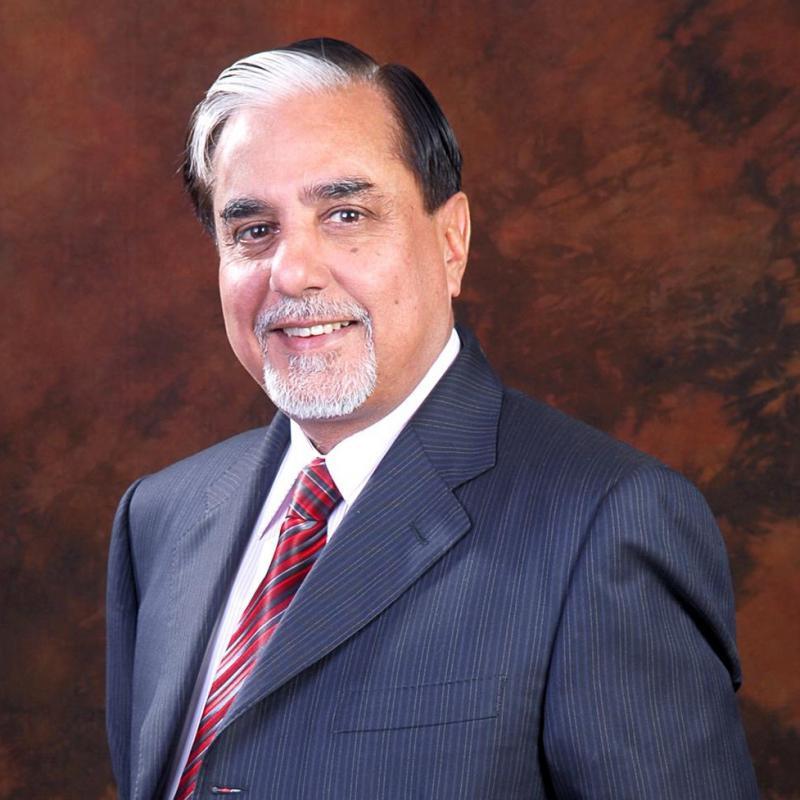
Tag: Essel

  • ZEEL reports higher subscription and OTT rights revenues for first quarter

    ZEEL reports higher subscription and OTT rights revenues for first quarter

    BENGALURU: Subhash Chandra’s Zee Entertainment Enterprises Limited (Zeel) reported a profitable quarter, albeit with steep declines in top-line and bottom-line numbers for the quarter ended 30 June 2020 (Q1 20210, quarter or period under review, COVID2019 quarter) as compared to the corresponding year-ago quarter Q1 2020. A number of Indian media and entertainment companies have reported a loss for COVID2019 quarter. Among other silver linings is growth in subscription revenue and growth in other sales and services which includes the sale of rights of movies to OTT platform. These numbers increased y-o-y by 5 per cent and 30.2 per cent respectively.

    Zeel reported 34.7 per cent lower y-o-y operating revenue at Rs 1,312.03 crore for Q1 2021 as compared to Rs 2,008.12 crore in Q1 2020. Total income (Operating revenue plus other income) fell 32.8 per cent y-o-y to Rs 1,338.41 crore from Rs 2,112.03 crore in Q1 2020.

    Ad revenue fell 59.5 per cent y-o-y in Q1 2021 to Rs 421.06 crore from Rs 1,186.71 crore in Q1 2020. Subscription revenue and other sales and service revenue increased y-o-y during the period under review as mentioned above. The company reported Rs 744.34 crore and Rs 708.77 crore as subscription revenue and Rs 146.63 crore and Rs 112.64 crore towards other sales and services for Q1 2021 and Q1 2020 respectively.  Zeel says in an investor presentation that subscription revenue increase was led primarily by increase in its OTT platform ZEE5 subscription revenue.

    Zeel says that international Ad revenue was Rs 37.1 crore, international subscription revenue was Rs 81.8 crore and other sales and services revenue was Rs 15 crore.

    Zeel reported profit after tax (PAT) of Rs 29.28 crore for COVID2019 quarter, which was just about one-eighteenth (declined 94.5 per cent) of the PAT of Rs 529.76 crore for Q1 2020. Operating profit (EBIDTA) for Q1 2021 was Rs 219.93 crore (16.8 per cent of operating revenue), or about one third (down 66.7 per cent) of Rs 659.75 crore (32.9 per cent of operating revenue) for Q1 2020.

    Let us look at the other numbers reported by Zeel for Q1 2021

    Total expenditure for Q1 2021 was Rs 1,280.80 crore which was 6.5 per cent lower y-o-y than the Rs 1,369.99 crore in Q1 2020. Operational costs in Q1 2021 were 15.7 per cent lower y-o-y at Rs 657.79 crore than the Rs 780.02 crore in Q1 2020. Employee benefits expense in Q1 2021 at Rs 200.12 crore was almost flat (fell 0.1 per cent) y-o-y as compared to Rs 200.33 crore in Q1 2020.

    Financial costs were less than a fourth (declined 78 per cent) y-o-y during the quarter under review at Rs 4.52 crore as compared to Rs 20.51 crore in Q1 2020. The company reported a fair value loss of Rs 112,33 crore in Q1 2021 as compared to a fair value gain of Rs 67.88 crore for Q1 2020 for its investments in overseas mutual funds. Advertisement and publicity expenses during the period under review at Rs 111.09 crore were 43.2 per cent lower y-o-y than the Rs 195.46 crore in Q1 2020. Other expenses in Q1 2021 at Rs 123.10 crore were 28.7 per cent lower than the Rs 172.56 crore in Q1 2020.

  • Lower ad revenue and exceptional items pull down Zeel bottom-line for Q4, FY 2020

    Lower ad revenue and exceptional items pull down Zeel bottom-line for Q4, FY 2020

    BENGALURU: Subhash Chandra’s Zee Entertainment Enterprises Ltd (Zeel) reported 2.5 percent growth in consolidated operating revenue for the year ended 31 March 2020 (FY 2020, year under review) as compared to the previous year (FY 2019). For the quarter ended 31 March 2020 (Q4 2020, quarter under review) Zeel consolidated operating revenue declined 4.8 percent as compared to the corresponding year ago quarter Q4 2019. EBITDA (operating profit) and PAT (Profit after tax) for the year under review declined 66.5 percent and 36.2 percent respectively as compared to FY 2019. Consolidated PAT for FY 2020 was Rs 524.59 crore and for FY 2019 it was Rs 1,567.34 crore. Consolidated operating EBITDA for FY 2020 was Rs 1,634.57 crore ((20.1 percent of operating revenue) and for FY 2019 it was Rs 2,563.94 crore (32.3 percent of operating revenue).

    The company reported operating loss (negative consolidated operating EBITDA) of Rs 283.86 crore and consolidated loss after tax of Rs 765.82 crore for Q4 2020. Poor macroeconomic environment, conversion of two FTA channels into pay in March 2019, and market share loss in certain markets drove the decline in ad revenues said the company in its FY 2020 and Q4 2020 earnings release. The lockdown in March 2020 further impacted revenues, it added.

    Bottomline numbers for the year and quarter under review were also lower on account of 47.7 percent higher operating costs in Q4 2020 and 24.5 percent higher in FY 2020. (Operating costs include programming costs). The company said in the earnings release that underlying cost increase led by higher movie amortisation, new channels and investments in its OTT platform ZEES. The reported operating cost included one-time accelerated amortisation of higher inventory of Rs. 259.80 crore.

    Further, Zeel’s administration costs included Include a one-time provision of Rs. 343.30 crore for balances related to ad, subscription and other assets where recovery has become doubtful on account of COVID-19 led uncertainty. Also for FY 2020, exceptional items included goodwill write off of Rs. 113.70 crore pertaining to digital publishing business and provision of Rs. 170.60 crore relating to Inter Corporate Deposits (ICD). Another factor that impacted Zeel’s bottom-line for FY 2020 was  Rs. 383.50 crore loss in overseas investments in accordance with IND-AS 113 to, reflect the movement in fair value of these investments as on 31 March 2020.  

    However, these factors were partly offset by 41 percent growth in domestic business in Q4 2020, driven by the implementation of Telecom Regulatory Authority of India’s (TRAI) new tariff order (NTO) and growth in ZEE5's subscription revenues revealed Zeel. Domestic subscription revenues grew by 33 percent in FY 2020 as compared to FY 2020 driven by improved monetization of viewership post NTO implementation and ramp-up of ZEE5's subscriber base.

    Zeel’s ad revenue in Q4 2020 declined 14.7 percent to Rs 1,038.94 crore from Rs 1,217.49 crore in Q4 2019. Ad revenue for FY 2020 fell 7.1 percent to Rs 4,681.13 crore from Rs 5,036.66 crore in FY 2019. Subscription revenue in Q4 2020 increased 31.2 percent to Rs 741.36 crore from Rs 564.27 crore in Q4 2019. Subscription revenue in FY 2020 grew 25 percent to Rs 2,887.29 crore from Rs Rs 2,310.54 crore in FY 2019.

    Let us look at the numbers reported by Zeel

    Consolidated operating revenues for FY 2020, FY 2019, Q4 2020 and Q4 2019 were Rs 8,129.86 crore, Rs 7,933.90 crore, 1,951.08 crore and Rs 2,019.27 crore respectively. Consolidated total incomes (Operating revenue plus other income) for the same periods were Rs 8,413.50 crore, 8,185.35 crore, Rs 2,076.06 crore and Rs 1,991.76 crore respectively.

    Consolidated total expenses in Q4 2020 increased 66.5 percent to Rs 2,677.77 crore from Rs 1,612.60 crore in Q4 2019. Consolidated total expenses in FY 2020 increased 25.1 percent to Rs 7,109.70 crore from Rs 5,731.48 crore in FY 2019. Operating cost in Q4 2020 at Rs 1,304.62 crore was 53.9 percent more that the Rs 883.32 crore in the corresponding year ago quarter. Employee benefits expense (EBE) in Q4 2020 declined 22.7 percent to Rs 160.39 crore from Rs 201.46 crore in Q4 2019. EBE in FY 2020 increased 7.7 percent to Rs 780.51 crore from Rs 724.94 crore.

    Advertisement and publicity expenses (ad expenses) in Q4 2020 were 4.6 percent lower at Rs 184.12 crore as compared to Rs 193.01 crore in Q4 2019. Ad expenses in FY 2020 at Rs 695.60 crore were almost flat (declined 0.5 percent) as compared to Rs 699.27 crore in FY 2019. Other expenses in Q4 2020 more than tripled (up 238.3 percent) to Rs 585.81 crore as compared to Rs 173.17 crore in Q4 2019. Other expenses in FY 2020 increased 36.9 percent to Rs 1,190.49 crore from Rs 869.96 crore in FY 2020.

  • Zee Media reports higher ad revenue growth in Q3 2018

    Zee Media reports higher ad revenue growth in Q3 2018

    BENGALURU: The Essel group’s news arm, Zee Media Corporation Ltd (ZMCL), reported higher revenue and profit after tax for the quarter ended 31 December 2017 (Q3 2018, the quarter under review) as compared with the corresponding year ago quarter. ZMCL’s revenue from operations increased by 44.8 per cent year-on-year (yoy) in Q3 2018 to Rs 159.22 crore from Rs 109.96 crore in Q3 2017.

    ZMCL’s advertising revenue for Q3 2018 increased by 46.5 per cent yoy to Rs 143.95 crore from Rs 98.24 crore. Subscription revenue increased by 26.6 per cent yoy during the quarter under review to Rs 11.74 crore from Rs 9.27 crore. Other sales and services revenue grew by 44.4 per cent during the quarter under review to Rs 3.53 crore from Rs 2.44 crore. It may be noted that revenue from ZMCL’s e-commerce business (ezmall.com) grew to Rs 0.92 crore from Rs 0.09 crore in the immediate trailing quarter.

    ZMCL reported profit of Rs 12.19 crore in Q3 2018 as against loss of Rs 5.74 crore in Q3 2017. ZMCL’s EBIDTA increased by 76.5 per cent yoy to Rs 37.39 crore (23.5 per cent margin on operating revenue) from Rs 21.20 crore (19.3 per cent margin).

    ZMCL’s total expenditure in Q3 2018 increased 37.5 per cent yoy to Rs 137.09 crore from Rs 99.72 crore. Employee benefits expense in the quarter under review increased 58.1 per cent yoy to Rs 36.50 crore from Rs 23.09 crore in Q3 2017. The company’s distribution expenses in Q3 2018 more than doubled (increased 102.3 per cent) yoy to Rs 16.81 crore from Rs 8.31 crore.

    Advertising and publicity expenses in the quarter declined by 85 per cent yoy to Rs 1.90 crore from Rs 12.69 crore. Operating costs in Q3 2018 increased by 34.9 per cent yoy to Rs 28.15 crore from Rs 20.86 crore. Other expenses in Q3 2018 rose by 61.5 per cent yoy to Rs 38.46 crore from Rs 23.82 crore.

    Also Read:

    Zee Media reports higher ad revenue for second quarter

    Zeel ad revenue & profit up in Q2 despite GST impact

    Zeel numbers up on higher ad revenue in third quarter

  • Zee Media reports higher ad revenue for second quarter

    Zee Media reports higher ad revenue for second quarter

    BENGALURU: The Essel group’s news arm – Zee Media Corporation Limited (ZMCL) reported higher revenue, but lower profit after tax for the quarter ended 30 September 2017 (Q2-18, current quarter) as compared to the corresponding year ago quarter. ZMCL’s revenue from continuing operations increased 23.9 percent y-o-y in the current quarter to Rs 1,268.24 million from Rs 1,005.67 million in Q2-17.

    EBIDTA for the current quarter declined marginally by 2.9 percent y-o-y in Q2-18 to Rs 213 million from Rs 219.4 million. Profit after tax (PAT) from continuing operations for Q2-18 declined by about two and a half times (declined 60.6 percent) y-o-y to Rs 37.92 million from Rs 96.17 million. However, for Q2-17, the company had reported a consolidated loss for Q2-17. When loss from discontinued operations and tax credits were included – ZMCL’s loss in Q2-17 was Rs 169.44 million. It may be noted that print media operations are ZMCL’s discontinued operations.

    ZMCL’s advertising revenue for Q2-18 increased 31.2 percent y-o-y to Rs 1,111 million from Rs 847.1 million. Subscription revenue however declined 16.8 percent y-o-y in the current quarter to Rs 117.3 million from Rs 140.9 million. Other sales and services revenue was almost flat (grew by 0.7 percent) in the current quarter to Rs 17.7 million.

    ZMCL’s total expenditure in Q2-18 increased 31.4 percent y-o-y to Rs 1,032.9 million from Rs 786.3 million on higher marketing, distribution and business promotion expenses (distribution) and employee benefits expenses.

    ZMCL’s employee benefits expense in the current quarter increased 46 percent y-o-y to Rs 331.7 million from Rs 226.7 million in Q2-17. The company’s distribution expenses in Q2-18 increased 84 percent y-o-y to Rs 155.9 million from Rs 84.6 million.

    Advertising and publicity expenses in the current quarter increased 9 percent y-o-y to Rs 55.2 million from Rs 50.4 million. Operating costs in Q2-18 increased 17 percent y-o-y to Rs 216.9 million from Rs 184.9 million. Other expenses in the current quarter increased 14 percent to Rs 273.2 million from Rs 239.6 million.

    EZ-Mall Online Limited

    EZ-Mall Online Limited, a wholly owned subsidiary of ZMCL, commenced its business operations by launching an ecommerce website. During the quarter under review, the company says that it has invested approximately Rs 40 million in EZ-Mall. ZMCL has reported revenue of Rs 0.88 million from this segment and an operating loss of Rs 54.32 million for Q2-18.

  • Essel is Nurturing Young Seeds with NYS Leadership League

    MUMBAI: Nurturing Young Seeds, a venture of Essel Group, has created another milestone with the launch of NYS Leadership League which is one-of-its kind National Level leadership Competition for students. This leadership competition is organised in association with Essel Group and DishTV. NYS Leadership League will premiere on Zee News channel in the month of October this year.

    It will be a lifetime opportunity for a whopping 50,000 students (registration still going on) across India to participate and get exposure on Leadership with the NYSLL. The target audience defined for this landmark leadership programme is 11-18 years. This will help children to get multiple opportunities and eventually emerge as leader.

    Priti Goel, founder, Nurturing Young Seeds, said, “Nurturing young seeds leadership programme is a breakthrough in Indian education system. We launched this programme as we believe that every student should go beyond traditional school knowledge and sharpen their strengths. In this era of competition it is very important for students to garner leadership skills in order to stand out of the crowd. We at NYS, Dare the kids to dream”.

    The auditions have begun and the last date of registration is 31 May, 2017.

    NYS mission is to enable every child to know its potential and make them versatile so that they make a difference in this changing world. Each child is a leader and cannot be identified based on its academic results only.

  • Quo Vadis ZEEL-RBNL

    Quo Vadis ZEEL-RBNL

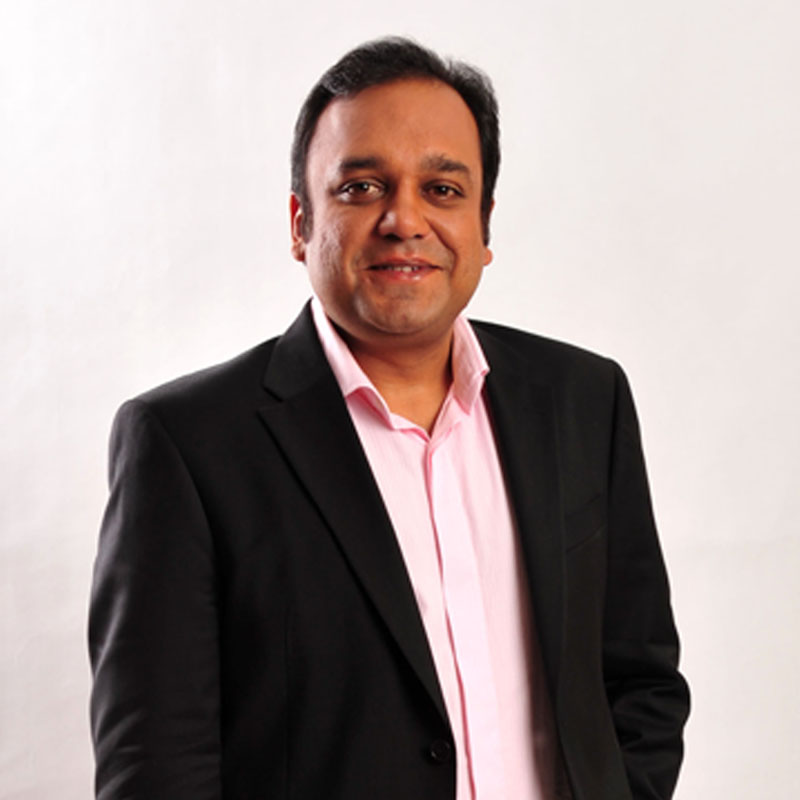
    MUMBAI: It was hardly a month or so ago that ZEEL MD Punit Goenka had issued a denial, saying that it was not interested in acquiring the radio and TV business of the Anil Ambani-owned Reliance Broadcast Networks Ltd (RBNL) because radio regulations do not permit FDI equity beyond 49 per cent.

    But, the media was awash once again with the news that it had restarted negotiations with RBNL just two days ago. When Indiantelevision.com got in touch with the ZEEL corporate spokesperson whether this was true, this is the response, we got: “From time to time, we keep exploring strategic opportunities for entering new businesses or in our existing businesses. However, as a matter of policy, we do not comment on media speculations,” the response said.

    To us, this sounds ominously familiar. This is the exact response ZEEL and Essel had issued when news reports appeared about the sale of its TEN Sports business to Sony Pictures Networks India. When speculation about Siticable buying DEN Networks gathered steam, a similar line was thrown.

    Ditto was the response with Dish TV’s ongoing discussions to acquire Videocon d2h from the debt-laden-and struggling Videocon group. Dish TV is a part of the Essel group as well.

    And, we all know what happened with Ten Networks. After denying it for a few months, SPNI bought it over for a cool Rs 2,600 crore.

    The DEN Networks talks turned out to be just talks. Now, the Sameer Manchanda-promoted cable company has got an infusion of cash and the rumour mills state that it will be acquired by Star India at some stage.

    As far as Dish TV is concerned, the company recently moved its registered corporate office from Noida to a Mumbai address of Marathon Futurex, which also houses other Essel group ventures. Observers believe this move could help facilitate its Videocon d2h acquisition. The two groups will have to approach only one court – the Bombay High Court — for approvals. Whether this is true or not, only time will tell.

    Overall, the media industry is ripe for consolidation. And, the hungry to grow, Zee (Essel) group is scouting around for opportunities, chatting with almost everyone who could be a potential good addition to its portfolio. Analysts feel the prospective RBNL deal will be a win-win for Ambani as well as for the Essel group, of which ZEEL is a part.

    The Essel group is present in television, films, print, music, events and live, and digital. What’s missing is radio. The acquisition, when and if that does happen, will herald the group’s entry into that segment as well. It recently announced its diversification into that segment in the UAE by leasing the frequency, which was operated by the radio channel Hum. The lease becomes active cum January 2017.

    RBNL will also add a Bhojpuri regional channel BIG Ganga and a comedy-centric national channel Big Magic to the Zee TV bouquet. Both these genres are strikingly absent in the ZEEL bouquet. In July 2015, ZEEL gobbled up Odia channel Sarthak TV for Rs 115 crore.

    Anil Ambani has been attempting to find buyers for his media and entertainment assets for some time now. Lured by the sector, he rushed into it in the previous decade setting up a DTH venture, poured investments in DreamWorks, in his Bollywood studio, in a VFX studio and in shooting floors, a TV production company, and in radio and TV broadcasting.

    The oodles of cash he kept on pumping into the sector have not got the return he expected. One bright spark has been his radio and TV venture, especially the FM station and the regional channels. Recently, the group announced that it was carving out its DTH venture Reliance Digital TV into a separate company from Reliance Communications.

    Observers say that the Zee group and RBNL are examining ways of slicing and dicing the RBNL business to facilitate a buyout. Among the options being considered is ingesting FM radio into Zee Media, and incorporating the Big Magic channels into ZEEL. According to BSE filings, Zee Media does not have any significant foreign holding. Hence, the foreign investment cap will not come in its way of digesting Big FM. And ZEEL’s acquisition of the Big channels is but a shoo-in.

    Of course, pricing has to be agreed between the two parties. Figures of Rs 2,000 crore-Rs 2,500 crore that are being bandied about seem far too inflated considering the scale of RBNL’s radio and TV business. The acquisition tag could more likely be at half of that. Or, if one stretches ones pockets, at a discount of Rs 500 crore to that.

    We, as media observers, can only wait and watch to see which way the pendulum swings.

  • Quo Vadis ZEEL-RBNL

    Quo Vadis ZEEL-RBNL

    MUMBAI: It was hardly a month or so ago that ZEEL MD Punit Goenka had issued a denial, saying that it was not interested in acquiring the radio and TV business of the Anil Ambani-owned Reliance Broadcast Networks Ltd (RBNL) because radio regulations do not permit FDI equity beyond 49 per cent.

    But, the media was awash once again with the news that it had restarted negotiations with RBNL just two days ago. When Indiantelevision.com got in touch with the ZEEL corporate spokesperson whether this was true, this is the response, we got: “From time to time, we keep exploring strategic opportunities for entering new businesses or in our existing businesses. However, as a matter of policy, we do not comment on media speculations,” the response said.

    To us, this sounds ominously familiar. This is the exact response ZEEL and Essel had issued when news reports appeared about the sale of its TEN Sports business to Sony Pictures Networks India. When speculation about Siticable buying DEN Networks gathered steam, a similar line was thrown.

    Ditto was the response with Dish TV’s ongoing discussions to acquire Videocon d2h from the debt-laden-and struggling Videocon group. Dish TV is a part of the Essel group as well.

    And, we all know what happened with Ten Networks. After denying it for a few months, SPNI bought it over for a cool Rs 2,600 crore.

    The DEN Networks talks turned out to be just talks. Now, the Sameer Manchanda-promoted cable company has got an infusion of cash and the rumour mills state that it will be acquired by Star India at some stage.

    As far as Dish TV is concerned, the company recently moved its registered corporate office from Noida to a Mumbai address of Marathon Futurex, which also houses other Essel group ventures. Observers believe this move could help facilitate its Videocon d2h acquisition. The two groups will have to approach only one court – the Bombay High Court — for approvals. Whether this is true or not, only time will tell.

    Overall, the media industry is ripe for consolidation. And, the hungry to grow, Zee (Essel) group is scouting around for opportunities, chatting with almost everyone who could be a potential good addition to its portfolio. Analysts feel the prospective RBNL deal will be a win-win for Ambani as well as for the Essel group, of which ZEEL is a part.

    The Essel group is present in television, films, print, music, events and live, and digital. What’s missing is radio. The acquisition, when and if that does happen, will herald the group’s entry into that segment as well. It recently announced its diversification into that segment in the UAE by leasing the frequency, which was operated by the radio channel Hum. The lease becomes active cum January 2017.

    RBNL will also add a Bhojpuri regional channel BIG Ganga and a comedy-centric national channel Big Magic to the Zee TV bouquet. Both these genres are strikingly absent in the ZEEL bouquet. In July 2015, ZEEL gobbled up Odia channel Sarthak TV for Rs 115 crore.

    Anil Ambani has been attempting to find buyers for his media and entertainment assets for some time now. Lured by the sector, he rushed into it in the previous decade setting up a DTH venture, poured investments in DreamWorks, in his Bollywood studio, in a VFX studio and in shooting floors, a TV production company, and in radio and TV broadcasting.

    The oodles of cash he kept on pumping into the sector have not got the return he expected. One bright spark has been his radio and TV venture, especially the FM station and the regional channels. Recently, the group announced that it was carving out its DTH venture Reliance Digital TV into a separate company from Reliance Communications.

    Observers say that the Zee group and RBNL are examining ways of slicing and dicing the RBNL business to facilitate a buyout. Among the options being considered is ingesting FM radio into Zee Media, and incorporating the Big Magic channels into ZEEL. According to BSE filings, Zee Media does not have any significant foreign holding. Hence, the foreign investment cap will not come in its way of digesting Big FM. And ZEEL’s acquisition of the Big channels is but a shoo-in.

    Of course, pricing has to be agreed between the two parties. Figures of Rs 2,000 crore-Rs 2,500 crore that are being bandied about seem far too inflated considering the scale of RBNL’s radio and TV business. The acquisition tag could more likely be at half of that. Or, if one stretches ones pockets, at a discount of Rs 500 crore to that.

    We, as media observers, can only wait and watch to see which way the pendulum swings.

  • Essel’s Living Foodz plans HD channel; eyes APAC expansion

    Essel’s Living Foodz plans HD channel; eyes APAC expansion

    MUMBAI: It’s been three months since Subhash Chandra’s Essel Group launched its international food and lifestyle channel Living Foodz and plans are already afoot for expansion.

    The channel is planning to launch its High Definition (HD) version in the coming year with separate programming. What’s more, with an emphasis on increasing the genre size and brand visibility in 2016, the channel is also planning to expand its footprint into the Asia Pacific region.

    “The key player behind our success is the differentiated programming on our channel. The expansion will help us broaden our viewer base as well as increase subscription revenues. Expanding the client base here will be one of the key challenges in the coming months, but with Helios Media as our revenue partner, we are confident of setting new benchmarks in monetisation,” Living Foodz business head Amit Nair tells Indiantelevision.com.

    Living Foodz has outsourced its ad sales to Helios Media, a specialty services company for broadcasters headquartered in Mumbai. “Helios understands the clients well and manages to give them effective solutions. They cover a bunch of clients, which has led to an increase in the revenues,” adds Nair.

    The Living brand will manifest itself as a multi-platform brand business across various avenues like television, web, social platforms, mobile, etc.

    On the content front, Living Foodz has ambitious plans in place for the food space in terms of reality and experiential cooking. The channel plans to launch big ticket properties every quarter and buzz creating shows in 2016. These key tentpole properties will drive viewership in a way that the audience finds the stories intriguing and entertaining. According to Nair, the audience needs Indian food stories with interesting anchors and chefs. “We are strategically targeting at the Indian subcontinent with an aim of supplying 100 per cent original home-grown content to our viewers,” he says.

    Moving out of the confines of a conventional kitchen into a world of entertainment and adventure, the channel will be exploring the evolving social status of food in the food ecosystem.

    While Nair strongly feels that technology is not a barrier in India, lifestyle products or feature entertainment are still in a nascent stage to make the shift into 4K. “The infrastructure and the content that is available in India are not sufficient enough for a 4K conversion,” he adds.

    The food space has seen exponential growth and interest across the board from food technology to food discovery to the myriad food festivals that have become part of the calendar. “Today, audiences are willing to sample exotic culinary by travelling to that region. They are ready to push their boundaries to experiment. I think food as a lifestyle has arrived this year on. Celebrity chefs are now at the same level as a movie star or a sportsperson and it’s tremendously rewarding to see TV channels like Living Foodz playing such an important role in driving this zeitgeist,” adds a media planning and buying veteran on condition of anonymity.

    On the advertising front, Living Foodz has a diverse number of clients ranging from FMCG, automobile segment, home electronics, e-commerce, broadcasters, office equipment and pure lifestyle products along with the regular food category clients that advertise on the channel.

    “Living Foodz ticks all the right boxes when it comes to the quality of content, packaging and exciting set of anchors and chefs. It all nicely comes together in what we like to call food-tainment. Advertisers have always played an aggressive role behind the success of a channel and are always looking out for premium audiences in the right space,” says Nair.

    Brands like Philips, Canon, Fitbit, Fortune, General Motors, HCL, Toyota and Go are already a part of the channel’s inventory. “The fact that food is lifestyle has now been established in the market with our meticulous positioning exercise. All the channels in the lifestyle segment have a substantial time devoted to food based content. Hence a lot of brands, which were earlier advertising in the lifestyle segment have started advertising with us,” adds Helios Media COO Bala Iyengar.

    Come February 2016, Living Foodz is also planning to launch its website with unique culinary experience for viewers. Additionally, keeping the constant partial attention of consumers in mind, the channel will also unveil a mobile application for the convenience of its viewers. This will enable consumers to lap up content on the go. The mobile application is also expected to be launched in early 2016.

    Launch plans for Living Entertainment’s four other channels, which were announced earlier this year, will be disclosed in 2016.

  • Impact of DAS on Sports Ecosystem: Rajesh Sethi

    Impact of DAS on Sports Ecosystem: Rajesh Sethi

    DAS  (digital addressable system) is here to stay. Despite the shortcomings, the hiccups in the implementation of the first two phases, the government has announced that it will not extend the deadlines of December 31, 2015 for phase III areas and December 31, 2016 for phase IV, when the entire country is expected to be digitised. After complete switchover, cable TV services will be available only through set top boxes in India.
     
    We, at the Indiantelevision.com are starting a new section – ‘The Impact of DAS’ through which thought leaders, experts from the television ecosystem will share their thoughts, ideas, and say their piece on the subject. We are beginning with the impact of DAS on the sports broadcasting ecosystem. 
     
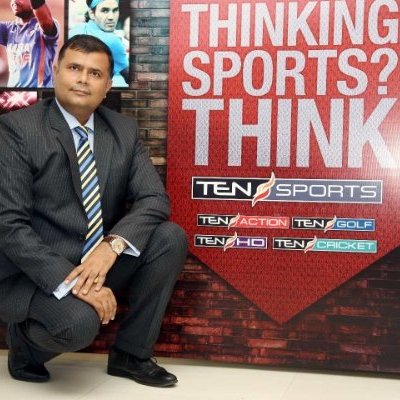
    Our expert for the section is Ten Sports Network CEO Rajesh Sethi.


    Excerpts: 


    How big an impact has phase I and II digitization made when it comes to subscription revenue?


    Phase I and phase II digitization has made a positive impact as far as the subscription revenue is concerned for the industry and given the trend we expect increase in the revenue once phase III and IV is completed. Ten Sports has also experienced the upside of subscription revenue which can be seen from our increased ARPU.  The addressability has improved but a lot still needs to be done. We believe that as the digitalization matures & packaging is implemented on ground by the operators, we will be able to achieve complete benefits of digitalization.
     

    From sports broadcaster’s point of view are you happy with the two phases of digitization?
     
    Although the implementation of two phases of digitization had been slow as compared to expectations, the completion of the two phases has facilitated increased subscription revenues and more accountability in the industry. From a sports broadcaster’s perspective, it will provide Ten Sports an opportunity to introduce new products based on the type and preference of consumers and provide enhancements like multi camera action, on demand services etc. We as asports broadcaster are keen to enhance the consumer experience and are interested in working with operators to fully reap the benefits of digitalization.


    Is the sports broadcasting industry in a subscription positive scenario? Or we are still ad dependent?


    The sports broadcasting industry in India is still evolving and ad revenue contributes significant part of revenues and will continue to remain the same in foreseeable future for main streamsports content. However, as digitization is still not complete, there is a high potential of increased subscription revenue and lesser dependency on ad revenues. We expect the niche sports offering to move towards subscription driven revenue model. As a sports broadcaster, we believe that the industry is moving in the right direction and once phase III and IV is complete there will be a possibility for this industry to be in a subscription positive scenario.


    Are sports like Football, Badminton which are hugely popular but has very little room for advertisement profitable assets for broadcaster?


    There has been increased interest from consumers for non-cricket sports in India in the last few years. Football and Badminton have gained traction in an industry which is preliminary dominated by cricket. It’s a step forward in right direction and we have seen advertisement revenue picking up for non-cricket content, the most recent example being Kabaddi. With regards to football and badminton being a profitable asset for a broadcaster, profitability is a function of revenue potential and content cost. Though the revenue potential and content cost presently is limited, it is expected to rapidly grow for these products. This makes it a good opportunity for a broadcaster to obtain future profitability on these content.
     
    With phase III and IV scheduled do you see a substantial inclination in subscription revenue?


    Phase III and IV is all about getting to remote areas of India. It provides an opportunity for thesports broadcasters to bring local content which connects & relates to the audiences residing in these towns. We see positive growth in subscription revenue as the number of HH’s in these towns provide a growth opportunity from the existing very low ARPU levels.


    How can a non cricket sport or a sport with least ad room turn profitable for broadcasters?


    The subscription revenue and ad revenue are the two key revenue source for a sports broadcaster. However, profitability for a content not only depends on revenue but also on the cost. The sportswhich has least room for ad revenues would depend on increased subscription revenue which we expect to increase once phase III and IV digitization is completed. At Ten Sports, as part of innovation drive, our team analyzes the potential of content across various genres which might not be currently popular in India and then builds it up for the consumers. We see increased traction for non-cricket content in recent years which translates into higher revenue potential and eventually a profitable content.


  • GSEAMS aspires to be one-stop-shop for Marathi film industry

    GSEAMS aspires to be one-stop-shop for Marathi film industry

    MUMBAI: Besides quality content, cinema needs a substantial marketing plan to drive the audience to theatres and count crores at the box office. Though there are dime a dozen players in Bollywood who specialise in marketing and strategising for a movie, the Marathi movie industry faces the crisis every now and then. With an aim to provide it with better marketing solutions, Arjun Singgh Baran and Kartik Nishandar launched Global Sports Entertainment And Media Solutions (GSEAMS) in 2013.


    “The Marathi film industry is showing a holistic growth and has the potential to grow further if strategised well. Essel is the only company, which endeavours in movie promotion and strategising and thanks to them the industry is growing. Inspired by Essel’s pioneering work, we at GSEAMS are committed to becoming a one stop destination for film makers as well as investors,” Nishandar tells Indiantelevision.com in an exclusive chat.


    GSEAMS has three wings namely movie marketing, talent management and production (film and television).


    “The talent management venture of ours reached new heights when we signed a long term deal with Marathi cinema sensation Swapnil Joshi. All his dates are sealed for the next two years and that’s a huge success for us. Moreover, we also signed a deal with Olympian Sangram Singh, got him into Nach Baliye and Yuva. In the near future we are going to get 10 to 12 more stars on board,” informs Baran.


    The Marathi movie industry, in recent times, has seen some growth with Lai Bhaari garnering more than Rs 40 crore at the box office. Moreover, the GSEAMS promoted Mitwa and Pyar Vali Love Story also did well as they generated revenues of Rs 13.5 crore and Rs 11.5 crore respectively. Terming the revenue generated as success, Nishandar adds, “We have promoted around 15 movies so far and all of them did well in theaters. Mitwa and Pyar Vali Love Story are the significant ones because of the numbers they got. We also signed a long term deal with Swapnil following our good work on those movies.”


    The FICCI Frame report signifies that footfalls in theatres are taking a dip and a significant number of theaters are pulling down curtains in Maharashtra as well as across India. When asked if GSEAMS was concerned about the statistics, Nishandar says, “The main reason behind footfalls going down is improper planning and strategising and GSEAMS is there to address these issues. Timepass opened in 500 screens and belies the perception that the Marathi movie industry is going down. Also the government’s decision to premiere Marathi movies in prime time is a blessing for the industry so I see a lot of potential if things are planned and strategised properly.”


    Additionally, GSEAMS is also enhancing its production capabilities and plans to produce both movies and television shows in the near future. Out of the three areas that GSEAMS is operating in, movie marketing is the most lucrative, bringing in a major chunk of revenue. “Production companies give high value to marketing and strategising and we sign deal at premium rates. We don’t only market the movie but also help in monetisation and distribution. We have association with Inder Raj Kapoor led STV, which enhances our distribution avenues and enables us to offer our client a global reach,” informs Baran.


    Live events is also a territory where GSEAMS is trying to make a mark. The group organises the IMA Music Awards in association with Pandit Jasraj. What’s more the company is also looking to tie up with a leading newspaper to organize an entertainment award. “We are looking at live events very seriously and will organise many in the near future. Our strategy with live events is clear, we will only venture into those whose IP is exclusively with us,” says Nishandar.


    “Going forward, we aspire to be the one stop destination for film producers, actors and investors who are looking to explore the industry. We want to be a studio, which has the capacity to take care of each and every sector. We are focusing more and more in the Marathi film industry and at this stage not looking for any further expansion,” concludes Nishandar.