Tag: ESP

  • ESPL to continue association with Tiger Shroff for Esports league season 2

    ESPL to continue association with Tiger Shroff for Esports league season 2

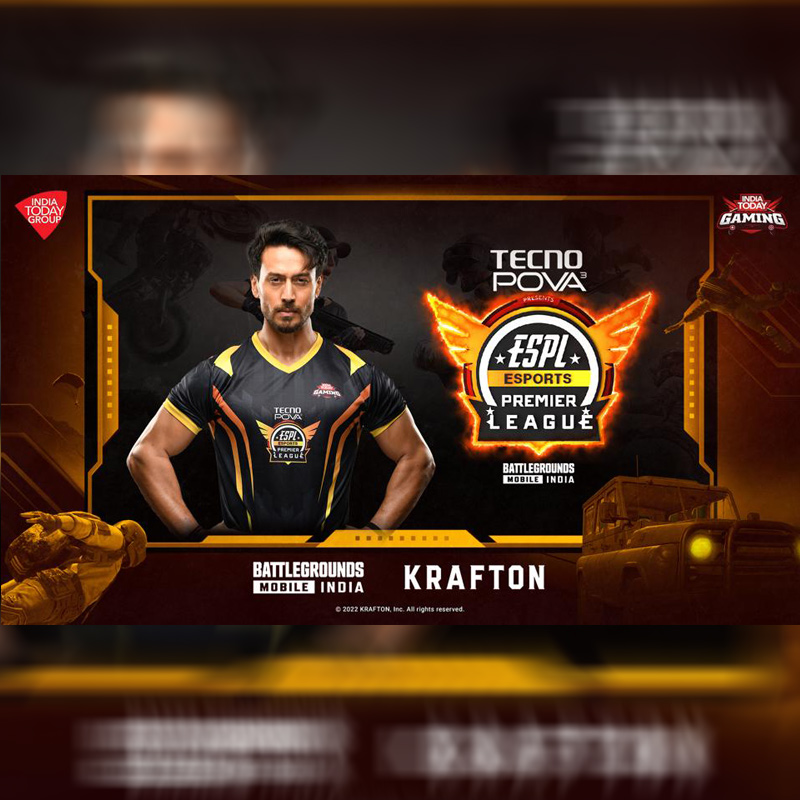
    Mumbai: ESports Premier League (ESPL) on Monday announced to continue its association with actor Tiger Shroff as the face of franchise-based Esports league for the second consecutive year. 

    Along with the partnership extension, ESPL has also roped in Global smartphone brand TECNO Mobile as presenting sponsor and India’s leading streaming platform, LOCO as their exclusive digital broadcast partner for ESPL Season 2.

    Tiger’s association with ESPL season 2 is expected to further bolster the positioning of the league. In the last season, Tiger’s video of cheering esports athletes garnered more than a million views on YouTube.

    TECNO Mobile is promoting TECNO Pova 3 through ESPL which started on 15 June.

    Speaking on the association with Tiger Shroff, ESPL director Vishwalok Nath said, “Tiger Shroff played a key role in making ESPL a household name in its first season. His popularity and fan following among the youth and millennial audiences helped us to engage and influence gamers across the country. His star power also helped push Esports to the mainstream. We are delighted to extend our fruitful association with Tiger in the second season. I’m confident that Tiger’s strong connection with the audiences will help us greatly in achieving our aim of revolutionising the Indian esports ecosystem.”

    Shroff added, “I am glad to continue my partnership with India Today Gaming for ESPL Season 2. Esports has seen an explosive growth across the country. ESPL is a great platform for esports athletes to showcase their talent on the national stage. I am happy to be part of this undertaking to grow the esports industry while encouraging the esports players and the gaming community.”

    The second edition of ESPL kickstarted on 15 June as this year’s league has been engaging gamers from across the country in high-voltage action of the most popular battle royale game, Battlegrounds Mobile India (BGMI).

  • Branded Content isn’t all about visibility: Maxus ESP’s Pooja Verma

    Branded Content isn’t all about visibility: Maxus ESP’s Pooja Verma

    MUMBAI:  Gone are the days when brands would like a piece of  popular content and sponsor it, or spend some marketing budget over product placements. It starts with finding out the brand objectives first and matching it with the relevance of the content.  It is not limited to a movie association or being a title sponsor of a prime time show; a plethora of content is available for brands to smartly associate with. Moving on from simple sponsorship deals, brands are donning the role of content creators themselves, both, short and long form, on television and the digital media. Content or, more precisely, branded content, is the new buzz word in the industry, as digital is becoming the norm. Naturally, traditional brands look at it as a risk, the same way digital was spoken of 10 years ago.

    While there are several brands jumping the content bandwagon following a few success stories, it is important to understand what content will work for them, and when. That is when specialists such as Pooja Verma come in. Verma took on the role of head of content, Entertainment and Sports Partnerships  (ESP) at Maxus  a little over a year ago and  life has been very busy since, she happily shares.

    Maxus ESP, the content solutions arm of Maxus stepped up the branded content ante by facilitating some very innovative brand and content associations — Vodafone’s ‘Be Super’ that went live on Independence Day to promote its 4G connections, Maybellene and  Manmarziyan, Tata Tiago’s association with TVF’s Tripling, and recently Vodafone’s association for Rock On 2 are some of the golden examples.

    In a candid chat with indiantelevision’s Papri Das, Verma looks back on the year, and opens up on the current trends in branded content, Indian cinema’s prospects of building franchises, and what brands look for in a piece of content.

    Excerpts:

    What is the truth behind the current buzz for branded content?

    Media agencies understand that it is not about the 30-seconder anymore, ever since social media became the norm. Thus they are investing significantly in technology, data and content of-course. Storytelling is a big part of how brands want to bring its message alive.

    While digital as a medium has gone from  a risk to the norm, content or storytelling for brands has taken up that space. Words like ‘native advertising’, ‘content marketing’ are being thrown up, because today’s consumers aren’t interested in being talked down to. They want to participate and engage, and then make a conscious decision to whether associate with a particular content, brand or product.

    Therefore, good storytelling that is organic and intuitive and captures the essence of a brand is playing a much bigger role.

    Are brands really finding it appealing and willing to spend on it?

    Marketers, brands and advertisers are increasingly looking at content from a partnership perspective. The old concept of buying an IP or putting some money on show is being redefined. Content sponsorships have taken a much larger and smarter role.

    For example, a brand spending  Rs 10 in sponsoring a TV show now thinks how that money can work for the brand as if it were Rs 20. Which is where innovative partnerships come in. Yes, the run-of-the-mill sponsorship is the route taken but the difference is in how those sponsorships bring the brand alive. Moving forward that is the route we see becoming a norm for brands. Making the investment make harder for you and more memorable as well.

    2016 has seen some interesting brands-movie associations. Yet Bollywood has a long way to catch up to international cinema when it comes to being brand-friendly. What do you think is holding Bollywood back?

    I would give the industry credit for sitting up and taking notice. Firstly, stories are becoming central to the craft. The craft of storytelling and how it has changed is more than visible today. The thing with franchises is that it’s the next level. I can tell you very safely that the franchise culture will soon hit Bollywood as well. ‘Dhoom’ has three editions already. The way characters are being created shows that content makers, storytellers are thinking long term when making it. Characters around which you can spin another tale. That is great news for brands.

    Look at all the bond movies, Aston Martin for car, and the Omega watch is a given. I can’t say how soon India will adopt the franchise culture, but it will be sooner than you are expecting. Hollywood saw the franchise boom because the studios took notice of the opportunity in allied businesses. The good thing is brands have started budgeting annually for movie partnerships.

    At which point does a brand start its association with a piece of content?

    It is around the same time a story is conceived. The thing about branded content is — whether you look at it from the film lens, or the passion point lens of sports, live gigs and others, or from a pure-play content perspective of TV, digital etc — stories are at the center of it. The whole point is ‘a brand should be spoken of in the context of the right story, which the consumers can relate to. Brands should come in at a time when it spots a great story, knows that there is future to the story, characters are memorable, and the product or the brand seems organic to it.

    When it comes to films, studios take the call when stories come to them, and it is usually when they are making up mind for cast, shoot plans etc. Since it is a relationships based business, we are always in touch with the studios and keep an out for which film they are investing in.

    How pressing are clients when it comes to RoI from branded content? How do you measure the success of branded content for your clients?

    Looking for RoI is a given and rightly so. True, though, that the measurement of a successfully done brand integration is an industry wide debate. Everyone has a different opinion, a different take on how to measure. The way we look at it is not as simple as how many times a brand’s logo popped up in the content. It is not about how many times your brand’s name appears. It is equally if not more important to ask ‘How many people are speaking of the core thought of the  brand.’

    For example, when we did the ‘Be Super’ campaign for Vodafone during Independence Day, the entire exercise brought alive how one can be super. People were talking about it. Of course, we got good views on the video, but that 20 other things can get you. A 30-sec TVC also gets great views. Acknowledging that measurement in the field of branded content is important, however the lens needs to be changed a bit.

    How do you convince a traditional brand to agree to an unconventional brand association? What parameters do you follow to decide if particular content works for a brand?

    We focus in getting the context and relevance of the content that we are recommending  fits well with the brand. Then comes the efficacy of the platform itself. Then, we discuss how we are making it ‘discoverable’. These are the questions that keep brand managers up at night as well.

    There are two ways to approach it: art and science. Art is great story, memorable characters, uniqueness of content. The science part is platform, ‘discoverability,’ finding if it’s being delivered to the right TG, is it in line with the cultural codes of the brand.

    I have had a client keen on associating with Bigg Boss, but the brand’s message was socially inclined. I couldn’t possibly recommend that. Yes, your product might be spoken about, but the brand’s positioning in the market and the psychographics it wanted to fit in will not be matched with Bigg Boss. It is not about just visibility.

    Can you think of any brand associations in recent times that were a bad fit according to you?

    Quite a few, and the examples are not just from outside, some of them were done by us. The kind of branded content we are doing now didn’t have several decades of precedence. It takes time to figure out what works for a brand and what doesn’t. But, increasingly, brands are becoming more aware of the value that good branded content can bring them. And, it is only because these bad examples exist that I can speak about the good ones.

  • Branded Content isn’t all about visibility: Maxus ESP’s Pooja Verma

    Branded Content isn’t all about visibility: Maxus ESP’s Pooja Verma

    MUMBAI:  Gone are the days when brands would like a piece of  popular content and sponsor it, or spend some marketing budget over product placements. It starts with finding out the brand objectives first and matching it with the relevance of the content.  It is not limited to a movie association or being a title sponsor of a prime time show; a plethora of content is available for brands to smartly associate with. Moving on from simple sponsorship deals, brands are donning the role of content creators themselves, both, short and long form, on television and the digital media. Content or, more precisely, branded content, is the new buzz word in the industry, as digital is becoming the norm. Naturally, traditional brands look at it as a risk, the same way digital was spoken of 10 years ago.

    While there are several brands jumping the content bandwagon following a few success stories, it is important to understand what content will work for them, and when. That is when specialists such as Pooja Verma come in. Verma took on the role of head of content, Entertainment and Sports Partnerships  (ESP) at Maxus  a little over a year ago and  life has been very busy since, she happily shares.

    Maxus ESP, the content solutions arm of Maxus stepped up the branded content ante by facilitating some very innovative brand and content associations — Vodafone’s ‘Be Super’ that went live on Independence Day to promote its 4G connections, Maybellene and  Manmarziyan, Tata Tiago’s association with TVF’s Tripling, and recently Vodafone’s association for Rock On 2 are some of the golden examples.

    In a candid chat with indiantelevision’s Papri Das, Verma looks back on the year, and opens up on the current trends in branded content, Indian cinema’s prospects of building franchises, and what brands look for in a piece of content.

    Excerpts:

    What is the truth behind the current buzz for branded content?

    Media agencies understand that it is not about the 30-seconder anymore, ever since social media became the norm. Thus they are investing significantly in technology, data and content of-course. Storytelling is a big part of how brands want to bring its message alive.

    While digital as a medium has gone from  a risk to the norm, content or storytelling for brands has taken up that space. Words like ‘native advertising’, ‘content marketing’ are being thrown up, because today’s consumers aren’t interested in being talked down to. They want to participate and engage, and then make a conscious decision to whether associate with a particular content, brand or product.

    Therefore, good storytelling that is organic and intuitive and captures the essence of a brand is playing a much bigger role.

    Are brands really finding it appealing and willing to spend on it?

    Marketers, brands and advertisers are increasingly looking at content from a partnership perspective. The old concept of buying an IP or putting some money on show is being redefined. Content sponsorships have taken a much larger and smarter role.

    For example, a brand spending  Rs 10 in sponsoring a TV show now thinks how that money can work for the brand as if it were Rs 20. Which is where innovative partnerships come in. Yes, the run-of-the-mill sponsorship is the route taken but the difference is in how those sponsorships bring the brand alive. Moving forward that is the route we see becoming a norm for brands. Making the investment make harder for you and more memorable as well.

    2016 has seen some interesting brands-movie associations. Yet Bollywood has a long way to catch up to international cinema when it comes to being brand-friendly. What do you think is holding Bollywood back?

    I would give the industry credit for sitting up and taking notice. Firstly, stories are becoming central to the craft. The craft of storytelling and how it has changed is more than visible today. The thing with franchises is that it’s the next level. I can tell you very safely that the franchise culture will soon hit Bollywood as well. ‘Dhoom’ has three editions already. The way characters are being created shows that content makers, storytellers are thinking long term when making it. Characters around which you can spin another tale. That is great news for brands.

    Look at all the bond movies, Aston Martin for car, and the Omega watch is a given. I can’t say how soon India will adopt the franchise culture, but it will be sooner than you are expecting. Hollywood saw the franchise boom because the studios took notice of the opportunity in allied businesses. The good thing is brands have started budgeting annually for movie partnerships.

    At which point does a brand start its association with a piece of content?

    It is around the same time a story is conceived. The thing about branded content is — whether you look at it from the film lens, or the passion point lens of sports, live gigs and others, or from a pure-play content perspective of TV, digital etc — stories are at the center of it. The whole point is ‘a brand should be spoken of in the context of the right story, which the consumers can relate to. Brands should come in at a time when it spots a great story, knows that there is future to the story, characters are memorable, and the product or the brand seems organic to it.

    When it comes to films, studios take the call when stories come to them, and it is usually when they are making up mind for cast, shoot plans etc. Since it is a relationships based business, we are always in touch with the studios and keep an out for which film they are investing in.

    How pressing are clients when it comes to RoI from branded content? How do you measure the success of branded content for your clients?

    Looking for RoI is a given and rightly so. True, though, that the measurement of a successfully done brand integration is an industry wide debate. Everyone has a different opinion, a different take on how to measure. The way we look at it is not as simple as how many times a brand’s logo popped up in the content. It is not about how many times your brand’s name appears. It is equally if not more important to ask ‘How many people are speaking of the core thought of the  brand.’

    For example, when we did the ‘Be Super’ campaign for Vodafone during Independence Day, the entire exercise brought alive how one can be super. People were talking about it. Of course, we got good views on the video, but that 20 other things can get you. A 30-sec TVC also gets great views. Acknowledging that measurement in the field of branded content is important, however the lens needs to be changed a bit.

    How do you convince a traditional brand to agree to an unconventional brand association? What parameters do you follow to decide if particular content works for a brand?

    We focus in getting the context and relevance of the content that we are recommending  fits well with the brand. Then comes the efficacy of the platform itself. Then, we discuss how we are making it ‘discoverable’. These are the questions that keep brand managers up at night as well.

    There are two ways to approach it: art and science. Art is great story, memorable characters, uniqueness of content. The science part is platform, ‘discoverability,’ finding if it’s being delivered to the right TG, is it in line with the cultural codes of the brand.

    I have had a client keen on associating with Bigg Boss, but the brand’s message was socially inclined. I couldn’t possibly recommend that. Yes, your product might be spoken about, but the brand’s positioning in the market and the psychographics it wanted to fit in will not be matched with Bigg Boss. It is not about just visibility.

    Can you think of any brand associations in recent times that were a bad fit according to you?

    Quite a few, and the examples are not just from outside, some of them were done by us. The kind of branded content we are doing now didn’t have several decades of precedence. It takes time to figure out what works for a brand and what doesn’t. But, increasingly, brands are becoming more aware of the value that good branded content can bring them. And, it is only because these bad examples exist that I can speak about the good ones.

  • Star Sports signs Rana Daggubati, Puneeth Rajkumar &  Diljit Dosanjh to push ProKabaddiLeague

    Star Sports signs Rana Daggubati, Puneeth Rajkumar & Diljit Dosanjh to push ProKabaddiLeague

    MUMBAI: It has been quite evident since the launch of its in-house campaign #AsliPanga that Star Sports is going out guns blazing to promote the fourth leg of its flagship sports IP, Pro Kabaddi League (PKL).

    The three promo videos that the channel released last month quite frankly make fun of the currently popular tropes in Hindi GECs, and caricatures the showdowns in the prime time news channels and doesn’t spare the overly VFX-fied south Indian films.

    And when we thought the network couldn’t get more mass than this, with less than two days  for the tournament to go on air, the channel has roped in three major personalities as its brand ambassadors — Rana Daggubati, Puneeth Rajkumar and Diljit Dosanjh.

    While Rana Daggubati of  ‘Bahubali’ fame is pleased to renew his association with the sport this season as well, Karnataka’s Puneeth Rajkumar, often touted as the region’s power star  is also all charged up to give a leg up to rustic sport as well.

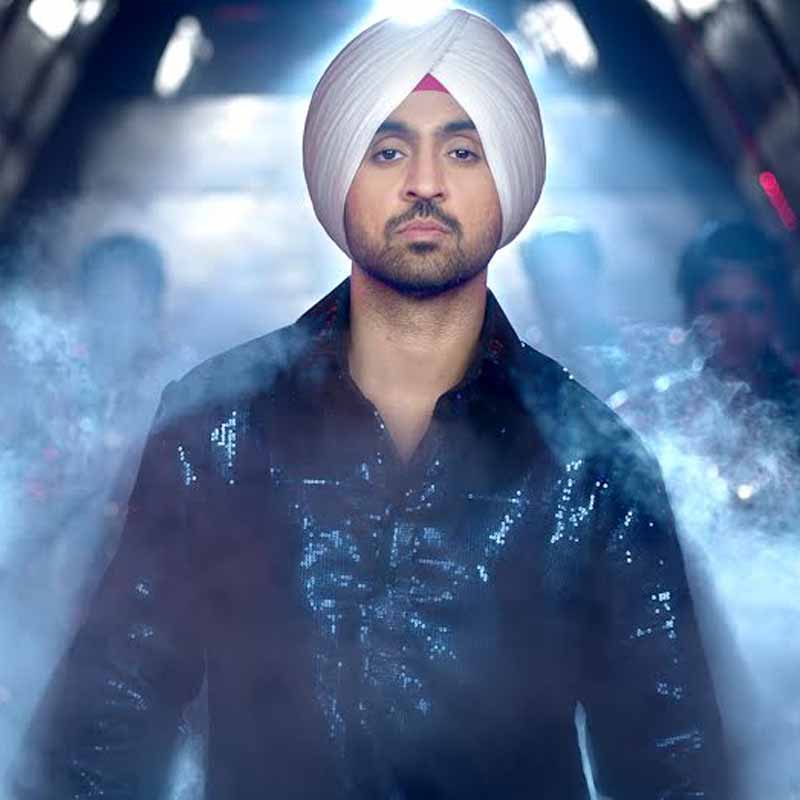
    On the other hand,  Diljit Dosanjh-  singer, actor and television presenter from the Punjabi music industry who recently rose to fame with ‘Udta Punjab’ —  is also looking forward to witness many super raids, super tackles and other super moves of Kabaddi.

    In fact a promotional  music video starring Diljit Dosanjh and released on 21 June is already garnering massive eyeballs on social media courtesy his tremendous popularity in the north and now in the Hindi speaking regions of the rest of India as wel, following the Udta Punjab controversy. 

    Subsequently, the channel today released similar music videos featuring Rana Daggubati and Puneeth Rajkumar on 23  June.

    Speaking on its aggressive marketing strategy towards Star Sports Pro Kabaddi a Star India spokesperson said, “The first three seasons of the league saw an overwhelming response from TV viewers, stadium spectators and sports enthusiasts. There is a growing passion for the sport and this success helps us in our goal of encouraging sporting talent and nurturing heroes. Our brand ambassadors Rana Daggubati, Puneeth Rajkumar and Diljit Dosanjh lend their bold, powerful image to Star Sports Pro Kabaddi and re-iterate the spirit of Kabaddi. The fact that Kabaddi is now the country’s second most viewed sport, second only to cricket, brings us great pride.”

    The fourth season is set to take place a couple of days from now –  25 June to 31 July  with the existing eight teams participating. It will be the first time for an Indian league to be held two times in the same year.

     “Unlike cricket and football, in the case of kabaddi, fans have limited opportunities to engage with the live sport. So, we decided to have the league twice a year,” said Star India sports president and head Nitin Kukreja. The reason: the channel has more faith in the IP, thanks to the year on year growth of the franchise. 

    As per ESP properties SportzPower report 2016, PKL has seen a whooping 300 percent growth, pushing its revenue to Rs 480 million in 2015, that too without a title sponsor.

    The league has attracted premium brands – State Bank of India, TVS Motor, Bajaj Electricals, Flipkart. It added Gionee Mobiles and Idea Cellular as associate sponsors and got three new commercial partners in the form of PepsiCo, Indo Nissin Foods and Fair & Lovely Men Facewash in Season 3. Not to mention, Force Motors has recently announced itself as the principal sponsor for the Puneri Paltans for Season 4.

  • Star Sports signs Rana Daggubati, Puneeth Rajkumar &  Diljit Dosanjh to push ProKabaddiLeague

    Star Sports signs Rana Daggubati, Puneeth Rajkumar & Diljit Dosanjh to push ProKabaddiLeague

    MUMBAI: It has been quite evident since the launch of its in-house campaign #AsliPanga that Star Sports is going out guns blazing to promote the fourth leg of its flagship sports IP, Pro Kabaddi League (PKL).

    The three promo videos that the channel released last month quite frankly make fun of the currently popular tropes in Hindi GECs, and caricatures the showdowns in the prime time news channels and doesn’t spare the overly VFX-fied south Indian films.

    And when we thought the network couldn’t get more mass than this, with less than two days  for the tournament to go on air, the channel has roped in three major personalities as its brand ambassadors — Rana Daggubati, Puneeth Rajkumar and Diljit Dosanjh.

    While Rana Daggubati of  ‘Bahubali’ fame is pleased to renew his association with the sport this season as well, Karnataka’s Puneeth Rajkumar, often touted as the region’s power star  is also all charged up to give a leg up to rustic sport as well.

    On the other hand,  Diljit Dosanjh-  singer, actor and television presenter from the Punjabi music industry who recently rose to fame with ‘Udta Punjab’ —  is also looking forward to witness many super raids, super tackles and other super moves of Kabaddi.

    In fact a promotional  music video starring Diljit Dosanjh and released on 21 June is already garnering massive eyeballs on social media courtesy his tremendous popularity in the north and now in the Hindi speaking regions of the rest of India as wel, following the Udta Punjab controversy. 

    Subsequently, the channel today released similar music videos featuring Rana Daggubati and Puneeth Rajkumar on 23  June.

    Speaking on its aggressive marketing strategy towards Star Sports Pro Kabaddi a Star India spokesperson said, “The first three seasons of the league saw an overwhelming response from TV viewers, stadium spectators and sports enthusiasts. There is a growing passion for the sport and this success helps us in our goal of encouraging sporting talent and nurturing heroes. Our brand ambassadors Rana Daggubati, Puneeth Rajkumar and Diljit Dosanjh lend their bold, powerful image to Star Sports Pro Kabaddi and re-iterate the spirit of Kabaddi. The fact that Kabaddi is now the country’s second most viewed sport, second only to cricket, brings us great pride.”

    The fourth season is set to take place a couple of days from now –  25 June to 31 July  with the existing eight teams participating. It will be the first time for an Indian league to be held two times in the same year.

     “Unlike cricket and football, in the case of kabaddi, fans have limited opportunities to engage with the live sport. So, we decided to have the league twice a year,” said Star India sports president and head Nitin Kukreja. The reason: the channel has more faith in the IP, thanks to the year on year growth of the franchise. 

    As per ESP properties SportzPower report 2016, PKL has seen a whooping 300 percent growth, pushing its revenue to Rs 480 million in 2015, that too without a title sponsor.

    The league has attracted premium brands – State Bank of India, TVS Motor, Bajaj Electricals, Flipkart. It added Gionee Mobiles and Idea Cellular as associate sponsors and got three new commercial partners in the form of PepsiCo, Indo Nissin Foods and Fair & Lovely Men Facewash in Season 3. Not to mention, Force Motors has recently announced itself as the principal sponsor for the Puneri Paltans for Season 4.

  • India’s sports sponsorship grew to Rs 51,854 million in 2015; PayTM, Hero, CEAT and MRF emerge as big spenders

    India’s sports sponsorship grew to Rs 51,854 million in 2015; PayTM, Hero, CEAT and MRF emerge as big spenders

    MUMBAI: For those you are into sports, be it for the love of the game or love of the business that revolves around it, the welcome news is that  India has set itself to become a sporting nation that thrives not only on cricket but number of other sports as well. India with a thriving culture around sports is not a distant mirage but a near reality. The figures in the  3rd edition of Sporting Nation In The Making – III is a testament to this growth.

    This comprehensive report compiled by GroupM’s entertainment and sports arm ESP Properties and SportzPower shows that sports sponsorship in India has grown from Rs 46,165 million (Rs 4,616.50 crore) in 2014 to Rs 51,854 million (Rs 5,185.40 crore) in 2015 accounting for 10.4 per cent of the total Indian advertising expenditure. That is a  whooping 12.3 per cent growth.

    ESP Properties business head Vinit Karnik emphasised how sports can be harnessed as a successful communication medium by brands. He said, “There is definitely a cultivated sense of understanding between corporate sponsors, sports teams and federations. A symbiotic marketing relationship has emerged within the sporting ecosystem in India. 2016 will be fantastic for not only players and federations, but also for brands and spectators, with a deeper engagement with sporting properties.”

    Despite the challenges, ICC World Cup managed to garner Rs 5000 million (Rs 500 crore) in advertising revenues in 2015. On air sponsorships over all increased by 6.8 per cent YoY from Rs 25,180 million (Rs 2,518 crore) to Rs 26,900 million (Rs 2,690 crore). Out of which, 30 to 35 per cent was contributed by the emerging sports in India, while cricket took the bulk of the share.

    Interestingly, only  30 percent of the growth came from On Air deals, while the rest of the 70 percent came from  on ground sponsorships, team sponsorships, franchise fee and athlete’s brand endorsement deals, with on ground seeing  most of the action. It grew by 30 per cent from Rs 7948 million (Rs 794.80 crore) to Rs 10,305 million (Rs 1,030.50 crore).

    Though cricket bit the biggest chunk off this sponsorship pie, emerging sports leagues were the real growth drivers. Going by the figures roughly 51.38 per cent of the on ground sponsorship share was cricket’s contribution while the rest was all emerging sports.

    “Sports other than cricket have successfully established themselves in terms of revenue and fandom within the Indian sporting firmament,” SportzPower co founder Thomas Abraham shared. “Sports like kabaddi andfFootball have massively increased sponsorship revenues in 2015 and we saw return editions of sports like tennis and hockey as well. The successful launch of the Pro Wrestling League bodes well for 2016, which will see the advent of more franchise based leagues. We expect 2016 to be a good year for cricket as well as other sports, generating ad spends and clocking in corporate investments at an exponential pace,” he added.

    Infact, football saw an amazing 91.6 per cent sponsorship growth from the previous year valuing it at Rs 1140 million (Rs 114 crore) in 2015.  The biggest success story is perhaps Pro Kabaddi League, which grew by 300 per cent YoY and clocked at Rs 480 million (Rs 48 crore) in on ground sponsorship deals without a title sponsor. As per Karnik, it was a clever strategy by the broadcaster to not lock down their title sponsor and raise the bar for the next season.

    eCommerce brands took the lead as top spenders in the total ad spends on sports in 2015, followed closely by automobile brands. PayTM, CEAT Tyres and MRF Tyres together contributed Rs 1078 million (Rs 107.8 crore) per year, increasing cricket’s on ground ad spends by 14 per cent.

    Endorsements played a huge role in upping the sponsorship ante in 2015 with the sector seeing 27 per cent growth. The biggest endorsement deal was undoubtedly Tata Motors’ bringing Lionel Messi onboard on a two year deal of worth Rs 600 million (Rs 60 crore) per year. 2015 also saw Virat Kohli entering the Rs 1,000 million (Rs 100 crore) endorsement club that God Of Cricket Tendulkar and MS Dhoni earlier ruled.

    “Women are ruling the endorsement game when it comes to non-cricketing sports,” said Karnik. “Between Saina Nehwal, Sania Mirza and MC Mary Kom, the ladies share almost 40 per cent of the endorsement spends in the market with over 10 brands in each player’s kitty.” Abraham credited their sophisticated and enthusiastic engagement of fans over social media to be the driving factor apart from their continued  good performance throughout the year.

    The stress on digital, and social engagement is reiterated by both Abraham and Karnik as critical to players and teams as stats show that 70 percent of fans bring mobile phones to the stadium to share their experience, while 46 percent of mobile internet users search for sports related news and content online.

    Karnik calls 2016 to be the year of the fans and points out two key trends that will drive growth in the sector. “Now that we have sowed the seeds of a sporting nation in India, 2016 will see a great synergy between broadcasters, association’s, franchise owners, players and all other stakeholders to come together to build a culture around sports and build the fanbase. Secondly longer seasons or play for they sport will give more opportunities for brands to engage with the fans,” shared Karnik, adding that Pro Kabaddi League will see two seasons this year. Abraham on the other hand names volleyball to be the next big entrant in emerging sports league scene, which will launch with three separate sub-leagues to its name — beach volleyball, men’s volleyball and women’s volleyball league.

  • India’s sports sponsorship grew to Rs 51,854 million in 2015; PayTM, Hero, CEAT and MRF emerge as big spenders

    India’s sports sponsorship grew to Rs 51,854 million in 2015; PayTM, Hero, CEAT and MRF emerge as big spenders

    MUMBAI: For those you are into sports, be it for the love of the game or love of the business that revolves around it, the welcome news is that  India has set itself to become a sporting nation that thrives not only on cricket but number of other sports as well. India with a thriving culture around sports is not a distant mirage but a near reality. The figures in the  3rd edition of Sporting Nation In The Making – III is a testament to this growth.

    This comprehensive report compiled by GroupM’s entertainment and sports arm ESP Properties and SportzPower shows that sports sponsorship in India has grown from Rs 46,165 million (Rs 4,616.50 crore) in 2014 to Rs 51,854 million (Rs 5,185.40 crore) in 2015 accounting for 10.4 per cent of the total Indian advertising expenditure. That is a  whooping 12.3 per cent growth.

    ESP Properties business head Vinit Karnik emphasised how sports can be harnessed as a successful communication medium by brands. He said, “There is definitely a cultivated sense of understanding between corporate sponsors, sports teams and federations. A symbiotic marketing relationship has emerged within the sporting ecosystem in India. 2016 will be fantastic for not only players and federations, but also for brands and spectators, with a deeper engagement with sporting properties.”

    Despite the challenges, ICC World Cup managed to garner Rs 5000 million (Rs 500 crore) in advertising revenues in 2015. On air sponsorships over all increased by 6.8 per cent YoY from Rs 25,180 million (Rs 2,518 crore) to Rs 26,900 million (Rs 2,690 crore). Out of which, 30 to 35 per cent was contributed by the emerging sports in India, while cricket took the bulk of the share.

    Interestingly, only  30 percent of the growth came from On Air deals, while the rest of the 70 percent came from  on ground sponsorships, team sponsorships, franchise fee and athlete’s brand endorsement deals, with on ground seeing  most of the action. It grew by 30 per cent from Rs 7948 million (Rs 794.80 crore) to Rs 10,305 million (Rs 1,030.50 crore).

    Though cricket bit the biggest chunk off this sponsorship pie, emerging sports leagues were the real growth drivers. Going by the figures roughly 51.38 per cent of the on ground sponsorship share was cricket’s contribution while the rest was all emerging sports.

    “Sports other than cricket have successfully established themselves in terms of revenue and fandom within the Indian sporting firmament,” SportzPower co founder Thomas Abraham shared. “Sports like kabaddi andfFootball have massively increased sponsorship revenues in 2015 and we saw return editions of sports like tennis and hockey as well. The successful launch of the Pro Wrestling League bodes well for 2016, which will see the advent of more franchise based leagues. We expect 2016 to be a good year for cricket as well as other sports, generating ad spends and clocking in corporate investments at an exponential pace,” he added.

    Infact, football saw an amazing 91.6 per cent sponsorship growth from the previous year valuing it at Rs 1140 million (Rs 114 crore) in 2015.  The biggest success story is perhaps Pro Kabaddi League, which grew by 300 per cent YoY and clocked at Rs 480 million (Rs 48 crore) in on ground sponsorship deals without a title sponsor. As per Karnik, it was a clever strategy by the broadcaster to not lock down their title sponsor and raise the bar for the next season.

    eCommerce brands took the lead as top spenders in the total ad spends on sports in 2015, followed closely by automobile brands. PayTM, CEAT Tyres and MRF Tyres together contributed Rs 1078 million (Rs 107.8 crore) per year, increasing cricket’s on ground ad spends by 14 per cent.

    Endorsements played a huge role in upping the sponsorship ante in 2015 with the sector seeing 27 per cent growth. The biggest endorsement deal was undoubtedly Tata Motors’ bringing Lionel Messi onboard on a two year deal of worth Rs 600 million (Rs 60 crore) per year. 2015 also saw Virat Kohli entering the Rs 1,000 million (Rs 100 crore) endorsement club that God Of Cricket Tendulkar and MS Dhoni earlier ruled.

    “Women are ruling the endorsement game when it comes to non-cricketing sports,” said Karnik. “Between Saina Nehwal, Sania Mirza and MC Mary Kom, the ladies share almost 40 per cent of the endorsement spends in the market with over 10 brands in each player’s kitty.” Abraham credited their sophisticated and enthusiastic engagement of fans over social media to be the driving factor apart from their continued  good performance throughout the year.

    The stress on digital, and social engagement is reiterated by both Abraham and Karnik as critical to players and teams as stats show that 70 percent of fans bring mobile phones to the stadium to share their experience, while 46 percent of mobile internet users search for sports related news and content online.

    Karnik calls 2016 to be the year of the fans and points out two key trends that will drive growth in the sector. “Now that we have sowed the seeds of a sporting nation in India, 2016 will see a great synergy between broadcasters, association’s, franchise owners, players and all other stakeholders to come together to build a culture around sports and build the fanbase. Secondly longer seasons or play for they sport will give more opportunities for brands to engage with the fans,” shared Karnik, adding that Pro Kabaddi League will see two seasons this year. Abraham on the other hand names volleyball to be the next big entrant in emerging sports league scene, which will launch with three separate sub-leagues to its name — beach volleyball, men’s volleyball and women’s volleyball league.

  • Top 10 trends that will rule sport-ainment in 2016

    Top 10 trends that will rule sport-ainment in 2016

    MUMBAI: Sports in India has received a shot in the arm recently with the growing number of leagues spanning games like badminton, football, kabaddi, wrestling et al. Predicting the Top 10 trends that will rule ‘sport-ainment’ in 2016, GroupM’s specialist business unit ESP Properties (Entertainment & Sports Partnerships) in its report said that elongated presence of emerging sports will be one of the top trends.


    ESP Properties business head Vinit Karnik said, “The Indian sports and entertainment industry is going through exciting times. From gaming to short format videos, 2016 will unapologetically be all about changing the existing norms. With the rise of leagues across various sporting formats and with the increase in co-branded promotions, the opportunities for brands to associate with movies and sports are also increasing. We perhaps could even look at having bi-annual or longer seasons for emerging sports! We have come a long way in how leagues address sponsorship deals, ticketing, fan engagement etc. Gone are the days when brands associated with films for vanilla in-film placements. It is touted to be deeper, richer and more brand-centric than before! On that note, let 2016 be a year of many firsts and innovations!”


    The Top 10 trends in sport-ainmnet in 2016, according to ESP are as follows: 


    1) Emerging sports to have elongated presence: Emerging sporting leagues will offer bi-annual schedules or longer seasons to attract and retain audiences and advertisers.


    2) Rise of music festivals: Music festivals will continue to create sharp differentiation by focusing on specific genres. They will also create successful IPs independent of established and celebrated artistes and offer brands a round-the-year calendar to engage with audiences.


    3) Owned media to compliment paid media: Brands and studios chasing common target consumers will enter into non-cash exchanges where brands will offer content creators their platforms and owned media to extend and expand their reach in exchange for the license to co-promote the film(s).


    4) Shortened, targeted and summarised: Digital will emerge as a powerful dissemination medium for audiences unable to follow live sports or event telecasts. Video clips and short format videos capturing highlights or key moments will emerge as a new avenue to reach audiences who are pressed for time.


    5) Happy sporting; yours digitally: We will see an increase in the number of online e-sports tournaments being hosted in India. And so will the number of youngsters who actively pursue a career as an e-athlete with an ambition of representing India at various e-sports tournaments on a global platform.


    6) Underdogs will come out of the closet: Non-cricketing sports will increase bundle on-air inventory with on-ground entitlements and create a better value for both rights owners and advertisers. Non-cricketing sports are inherently not advertiser friendly when it comes to availability of on-air inventory. Central sponsorship thus acquires critical importance for brands and advertisers and will make a bee line for central sponsorships of leagues.


    7) Brand and film engagements to have a longer courtship: Brands partnering with films will seek longer windows of co-branded association to derive optimal benefits and leverage the multiple opportunities that are offered during the various stages of the script to the screening process of the production of the film.


    8) Influencer marketing – the new buzzword: Brands will seek more credible consumer Influencers and leverage them in the social media space instead of creating high profile TV campaigns using celebrity brand ambassadors.


    9) Broadening the base: Broadcast of non-cricketing sports on high reach national and regional channels will successfully expand the audience base, which in turn will attract more advertisers.


    10) Subtlety is key: Product placement in films will see more thematic and contextual yet subtler integrations replacing passive and overt brand placements. Brands will seek active consumer engagement and not just saliency.


    Karnik added, “The modern sports experience isn’t confined to the stadium. Nearly half of all sports fans prefer to follow their teams digitally and frequently use their laptops or smartphones to look up sports-related content during a game. In this digital sports sphere, marketers are developing clever ways to engage with modern fans. Social media has given athletes a very public and direct line of communication with their fans and brands will be tapping this potential more fervently than before.”

  • ‘Break even will take five to six years for new franchises’ : GroupM ESP managing partner Hiren Pandit

    ‘Break even will take five to six years for new franchises’ : GroupM ESP managing partner Hiren Pandit

    Bigger, better, richer. That is what the franchises hope the Indian Premier League (IPL) will grow into year after year.


    In an interview with Indiantelevision.com’s Ashwin Pinto, GroupM ESP managing partner Hiren Pandit talks about the vast revenue opportunities that are waiting to be tapped as the IPL grows into a sporting spectacle.


    Excerpts:

    How is GroupM ESP involved with the IPL this time around?
    We do deals with franchises on behalf of our clients. There are logos on T-shirts and also innovations that have not been done before. We create revenue opportunities for the client as well as the franchise. This is in the form of licensing and merchandising.

    Are franchises able to fetch better rates this year with the economic situation somewhat improving?
    Keep in mind that last year local activation could not take place due to the shift to South Africa. This year, some amount of rationalisation has taken place. There is measurement in place. You know whether you should pay Rs100 or Rs 150. Most team sponsorships have been sold.

    In terms of local revenue, how will franchises fare this year as per your calculations?
    It will increase by around 20 per cent for each franchise. Revenues on T-shirts are anywhere from zero for Bangalore (The UB Group uses its own brands) to Rs 400 million for Kolkata. Delhi and Chennai will each earn Rs 330 million. Mumbai, Rajasthan and Punjab will individually earn Rs 300 million. Hyderabad will earn around Rs 200 million. The big difference is the logo on the right chest which will add Rs 30-50 million in revenue. Licensing and merchandising is just starting to happen. So this will take time to grow.


    Kolkata will get hit in terms of gate receipts as the two large stands that seat the most number of people is being reconstructed. Mumbai’s matches will happen in the CCI and DY Patil. Ahmedabad should boost Jaipur’s gate receipts. I, however, do not know the extent to which Dharamshala as a venue will help Punjab. The question that remains is Hyderabad. There needs to be some clarity on where the matches will be played.

    If you include the central pool, how much revenue will franchises earn?
    It will be a 25 per cent growth overall. Each franchise will earn $12-14 million from the central pool. The local pool will contribute around $8-10 million. Revenues from theatres, YouTube and Colors will also kick in. This will add a certain amount but it will not be dramatically different.

    Will Hyderabad’s revenues be hit due to the venue being shifted?
    I am not so sure that Hyderabad sponsorships will get hit as it depends on TV exposure. On the back of that, activation will be done. In-stadia activity, though, will be hit. But licensing and merchandising may stay unharmed. It depends on the kind of deals that they will do. It remains to be seen how much revenues come from ticketing.

    Franchises will see a 25 per cent growth overall. Each franchise will earn $12-14 million from the central pool. The local pool will contribute around $8-10 million. Revenues from theatres, YouTube and Colors will also kick in

    Is there a danger of sponsorship getting cluttered?
    From what we gather, the number of brands on IPL was 40 in the first season and 68 in the second. We expect the number to touch 80 in the third season. It is clutter but since it is at home, clients can do more activation. There needs to be innovation done by companies in terms of their campaigns. You cannot do what was done earlier unless you are sure that it will stay fresh. It needs to be different. Just keeping a logo on the T-shirt is not enough.

    Could you give me a couple of examples where team sponsors have successfully leveraged the IPL?
    Idea Cellular did something different with the Mumbai Indians in the second season. Their users could have conversation with players. Wrigleys did something different by associating with all teams. Vodafone did the Zoozoo campaign which was a wake up call to competition. Sprite did the unique ‘Seedhi Baat, No Bakwaas‘ campaign with Kolkata.

    What is the key to a successful licensing and merchandising campaign?
    Both parties have to make money. The distribution platform has to be solid and give access to all potential buyers. Under licensing and merchandising, the franchisee gets a flat amount and then a share on revenues – depending on sales. It will be a slow burner, though. And it will not kick in from day one. A substantial amount of promotions will be needed.


    Licensing and merchandising is different from having a logo on a T-shirt. People are still struggling to figure out what is the difference between advertising and licensing and merchandising. These two categories are separate but are getting mixed up. That actually helped Wrigleys who did a smart number on franchises. They did a partnership at a low cost and signed up most franchises for three years. From what I understand, Wrigleys can now milk the value of its deals to such an extent that franchises feel that they did not get the value that they were looking for. I don’t think that Wrigleys shares revenues of its products. Franchises now realise that the deal might have been a mistake for them.

    Have the franchises got it right on ticket pricing?
    I assume that they would have learnt from the first season. They will know what works and what does not. You need to analyse in detail what was done in the first season – what was right and what was wrong. If they have not done that the same mistakes will be made again. You also need to do activities to make fans come to the stadiums. The in-stadia experience will be far better this time. Catering is centrally managed. There are now turnstiles and so the number of people entering and leaving can be checked.

    Will the break even period elongate for the new franchises as the IPL has set a fourfold increase in base price?
    The revenue opportunities have grown. The break even position, however, depends on how one manages costs and the revenue generation potential of a city. Some cities will perform better than others. But generally, it will take five to six years for the new franchises to break even. The time taken to break even is also a question of how innovative can the new owners be in generating revenues. Local revenues should rule over the earnings from the central pool. Anybody who can do this will have a model that will set themselves up to making money that would justify the price tag.

    Who has fared the best in this area so far?
    The closest that anybody has come to achieving a great model is Kolkata. The fact that Shah Rukh Khan has lent himself to his sponsors like Nokia and Sprite has worked. He has extracted more revenues as a result. So instead of charging Rs 40 million, this franchise can charge Rs 70 million. Other teams also have values but I am not so sure that they are using it to their maximum potential. No franchise is optimising local sponsorship the way that they should.


    Also, keep in mind that with more teams coming in, costs and revenues will go up. The impact will be felt across the board. Player costs, travel and stadium maintenance costs will rise. Sponsorship revenues will also go up. All this has to be taken into account by whoever is bidding.

    Another issue is that current franchises will be allowed to retain some key players even after the third season. This could limit the pool of payers who are available to the new franchises. How do you see things panning out?
    A middle ground will have to be found. This is a sticky issue. On one hand, you have India Cement saying that since they have invested in Dhoni and have built their team around him, he must be retained. Otherwise the team’s value will be affected. On the other hand, the new franchises need to have a solid pool of players to pick from or else they might decide not to play. A balancing act will have to be performed by the IPL Governing Council.

    Rajasthan Royals has tied up with other cricket clubs globally. Is this the trend for the other franchises as well?
    If you have world class players who can play in different countries and fill a stadia, then it forms another revenue stream. The IPL guidelines state that Rajasthan Royals cannot play against Kolkata in, for instance, England. So by doing this kind of a tie up, they avoid that situation. Events can take place all over and more money flows in. There is an opportunity here.
    Do you see the IPL playing out well in cinema theatres?
    This year it will be a tried and tested concept. The concept looks very impressive. You will have high definition which makes a big difference. The 16:9 screen size will allow you to see more ground. This is the summer and people might want to go to an air conditioned place and enjoy it together. It is about the quality of experience. If it is good, then word of mouth will spread.

    How important is the YouTube deal in spreading the IPL brand globally?
    It is fantastic on two levels. In India, you can sit in the office and watch matches. It is a question of bandwidth. I would expect people to avail of the highlights package for matches that happen between 4-7 pm the next day. Then there is the Indian diaspora who want to watch the IPL but have no access.


    The question is how YouTube is going to monetise the IPL property. Will YouTube become pay for international markets? Today they have said no. They can continue to say no if there is enough ad support.

    The Champions T20 League got off to a slow start. Where do you see it going from here?
    I was surprised that it got off to such a slow start. But if people thought that the Champions Twenty20 League would do as well as the IPL, then they were wrong. The IPL and Champions League are about clubs. The club culture has not yet come in the country. It will take time. The second reason is that the three Indian teams did poorly in the Champions League. The interest among audiences fizzled out.


    The franchises and the IPL need to start developing a club culture. Nobody says that they want to go for an IPL match to see a particular franchise play. They simply go for great cricket. That has to change. You need to create a fan base that is passionate about the team per se, even if it comes last. Franchisees need to invest money in creating a club culture.