Tag: Ericsson

  • IndiGo recruits  Rashmi Soni as vice-president of corporate communications

    IndiGo recruits Rashmi Soni as vice-president of corporate communications

    MUMBAI:  Low cost carrier IndiGo  has announced the appointment of Rashmi Soni as vice-president of corporate communications, effective immediately. Soni replaces C. Leekha, who has decided to leave the company to pursue external opportunities. 

    Leekha had stood up like a rock over the past six years she was with the company, and she helped see It past the low of the Covid lockdowns.

    Soni joins IndiGo from PayU, where she was the chief brand & communications officer. With over 28 years of experience in leadership roles with multinational technology brands, she  brings a wealth of expertise in strategic communications, brand management, and corporate social responsibility.

    IndiGo  CEO Pieter Elbers said: ” Rashmi’s rich professional experience and expertise will be invaluable in helping us take IndiGo to the next level as a global aviation player.”

    Soni has previously worked with prominent companies such as Adobe, Tata Teleservices, Ericsson, and Vistara, where she was part of the airline’s launch team. She is a Stanford certified project manager and has completed leadership programs from Indian School of Business and National Institute of Personnel Management.

    On her appointment, Soni said: “I look forward to contributing to the company’s remarkable growth journey and leveraging my experience to take IndiGo to new heights.”

  • Bharti Airtel awards multibillion dollar contract to Ericsson

    Bharti Airtel awards multibillion dollar contract to Ericsson

    MUMBAI: It’s network upgradation time at Bharti Airtel. India’s second largest telco has awarded a multi-year, multibillion extension deal to Swedish company Ericsson for 4G and 5G radio access network (RAN) products and solutions. Ericsson has been a trusted connectivity partner for Airtel for over 25 years, supporting every generation of mobile communications.

    As per the new contract, Ericsson will deploy centralised RAN and open RAN-ready solutions for network transformation which will help customers with wider coverage and enhanced capacity on the network. Ericsson will also undertake the software upgradation of its current deployed 4G radios thereby enhancing the customer experience.  

    A 5G RAN relies on a fully coordinated, multi-layer network with low-band, mid-band and high-band to provide wireless connectivity to devices and deliver the best network performance. New 5G use cases will deliver new revenue streams for communication service providers (CSPs) and new connectivity opportunities for subscribers.  These use cases include:  cloud gaming, AR/VR,  autonomous driving, fixed wireless access  
    In order to deliver these use cases, the RAN consists of antennas, radios, baseband (RAN compute), and RAN software to enable incredible speeds and mobility.  

    Ericsson currently powers 170 live 5G networks in more than 70 countries. Ericsson’s technology leadership is recognized by independent  analysts such as Frost Radar’s 5G Network Infrastructure Market 2024 , where Ericsson was ranked as the leader for the fourth consecutive year. Ericsson has also been positioned as a leader in the Gartner Magic Quadrant for 5G for the fourth year in a row.  

    Says Bharti Airtel CTO  Randeep Sekhon:  ”The strategic partnership with Ericsson to deploy the latest technology is a testament to Airtel’s pursuit of network excellence. This deployment will enable us to further improve the speed, reliability, and coverage of our network, ensuring an exceptional experience for our customers.”    
                                
    Adds Ericsson south-east Asia, Oceania & India head Andres Vicente: “This partnership extension reflects our shared vision to build a robust 4G and 5G infrastructure for Bharti Airtel to serve the connectivity needs of its  customer base – including the new 5G use cases as they emerge. We will work closely with Bharti Airtel to deliver great user experiences for their customers.”  

    (Picture courtesy: Ericsson)

  • Ericsson secures multi-billion dollar 5G deal with Bharti Airtel

    Ericsson secures multi-billion dollar 5G deal with Bharti Airtel

    In a significant boost to India’s telecom landscape, Ericsson has clinched a multi-billion dollar contract with Bharti Airtel to supply advanced 5G equipment. This partnership signals a pivotal moment in the rollout of next-generation mobile connectivity across the nation. As demand for high-speed internet and seamless connectivity skyrockets, this collaboration promises to enhance Airtel’s network capabilities, positioning it at the forefront of the telecom revolution.

    Ericsson’s latest deal with Bharti Airtel aims to strengthen the latter’s 5G infrastructure, enabling improved network performance and expanded coverage. The announcement comes at a crucial time as both companies gear up to meet the growing consumer demand for faster and more reliable mobile services.

    “Ericsson’s extensive experience and innovative technology will significantly enhance our 5G offerings,” said a spokesperson from Bharti Airtel. “This partnership not only reaffirms our commitment to delivering top-notch connectivity but also strengthens our position as a leading telecom provider in India.”

    Industry experts view this contract as a strategic move, further solidifying the collaboration between the two telecom giants. With Ericsson’s advanced network solutions, Airtel aims to offer enhanced user experiences and drive digital transformation in various sectors, including education, healthcare, and entertainment.

    This contract aligns with the Indian government’s vision of transforming the country into a global digital hub, boosting economic growth and innovation. As Airtel rolls out its 5G services powered by Ericsson’s technology, customers can expect a leap in internet speeds, latency reductions, and innovative applications tailored to meet their evolving needs.

    Ericsson’s success in securing this contract underscores its strong foothold in the Indian market, further solidifying its reputation as a leading provider of telecom infrastructure. With the ongoing rollout of 5G technology, both companies are poised to play a significant role in shaping India’s digital future.

  • Ericsson and IIT Kharagpur partner for joint research in AI and edge compute

    Ericsson and IIT Kharagpur partner for joint research in AI and edge compute

    Mumbai : Ericsson and Indian Institute of Technology Kharagpur (IIT Kharagpur) announced a long-term co-operation for joint research in the area of AI, compute and radio. As part of this collaboration, two milestone agreements were inked between both the organisations which will allow researchers from both organisations to collaborate towards developing novel AI and distributed compute technology towards 6G research. A symposium on radio and network research was organised at GS Sanyal School of Telecommunications (GSSST) where leaders from Ericsson Research and IIT Kharagpur participated to discuss the developments and advancements for the future of networks and communication.

    AI and compute research is instrumental to Ericsson’s 6G networks as the compute offload needs to be managed dynamically at the edge and the policies would primarily be driven by AI. These themes of research are well aligned with IIT Kharagpur and both organizations view this partnership as a way to push the boundaries of fundamental and applied research in the radio domain.

    IIT Kharagpur director Virendra Kumar Tewari, states, “ In the commitment towards digital India and making India the hub of technological innovation, this collaboration with Ericsson will be effective for next-generation technology significantly. 6G networks integrated with artificial intelligence will enable AI-powered applications to run faster and more efficiently. In the 6G era, IIT Kharagpur aims to contribute to radio access technology and network, core network, RF & device technologies, VLSI design, neuromorphic signal processing, services and applications. The institute also looks forward to participating in telecommunications standardisation process, developing test beds, prototype development and Commercialisation along with training and manpower development. This collaborative research partnership in fundamental areas as well as translational research will be transformational for our Future Network Platforms.”

    Elaborating on the partnership between IIT Kharagpur and Ericsson, Ericsson Research, head Dr Magnus Frodigh states, “ This collaboration strengthens our R&D commitments in India and is pivotal to radio, compute and AI research. We are excited to partner with IIT Kharagpur and look forward to collaborative research in fundamental areas as well as translational research for our future network platforms”. Dr Frodigh also presented Ericsson’s vision on 6G which aims to blend the physical and digital worlds enabling us to improve the quality of life by incorporating widespread sensor-based communications between humans and machines through digital twins.

    Ericsson India managing director Nitin Bansal states, “ Ericsson is well poised to lead 6G innovation and we are making significant R&D investments in India in line with our commitment to the country. Given our 5G and technology leadership, our research initiatives are geared to provide affordable network platforms for ubiquitous connectivity all across the country”.

    The speakers and panellists of the conference included Prof. Suvra Sekhar Das (Head, GSSST), Prof. Debarati Sen, Prof. Saswat Chakrabarti, Prof. Soumyajit Dey and many other faculty members from IIT Kharagpur; Dr Magnus Frodigh, head of Ericsson Research, Dr Mikael Hook, head of radio research and Dr Mikael Prytz, head of network research.

    Some of the key initiatives finalized by both the organisations include:

    Compute offload and resource optimisation at edge compute: The project aims to explore resource optimisation, dynamic observability and sustainable distributed and Edge computing technologies.

    RL based beamforming for JCAS: safe, causal, and verifiable: The project aims to explore causal AI methods for joint communication and sensing (JCAS).

  • India Inc has no-deal with Covid stress on working minds

    India Inc has no-deal with Covid stress on working minds

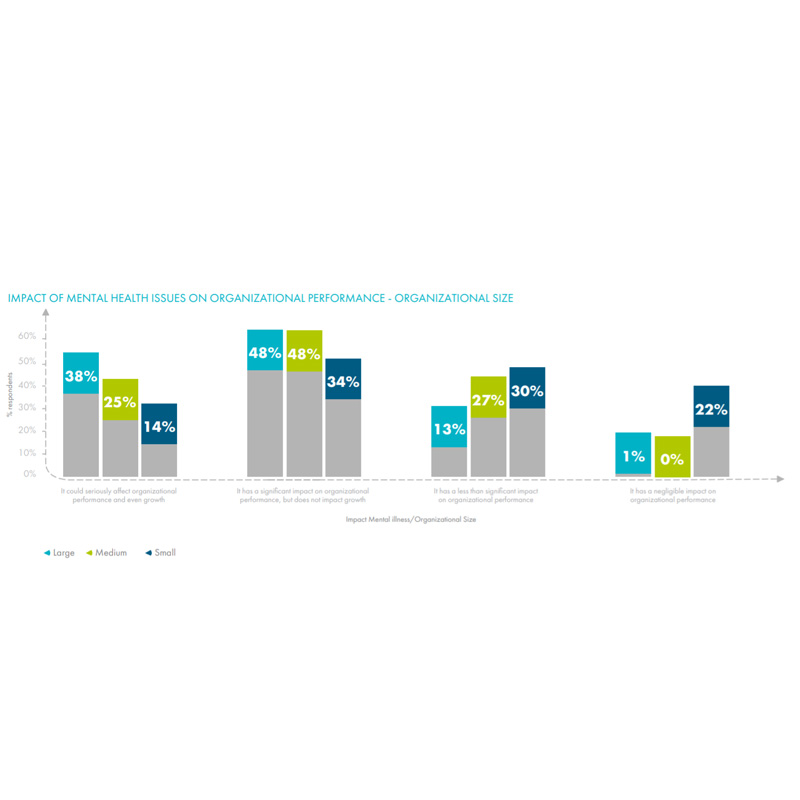
    Mumbai: So, May was mental health awareness month. Not surprisingly, along with everything else, Covid-19 has taken a toll on our anxiety and stress levels too. As the pandemic’s second wave sweeps across the country, it is inducing a considerable degree of fear, distress, and alarm in the population at large, and especially among the working professionals.

    The economic repercussions of the ongoing pandemic have made Indian professionals vulnerable to job uncertainty, financial instability, and bleak company outlook while continuing to work remotely, according to a LinkedIn workforce confidence index (WCI) report on mental health.

    “The ongoing stress around the three Rs — Remote work, Return to work, and Risk of exposure — are adversely impacting the mental health of Indian professionals,” said LinkedIn, India country manager Ashutosh Gupta.

    The pandemic also impacted, in particular, working women and their ability to focus on work, with a major part of the household and childcare responsibilities falling on their shoulders at home- further highlighting the gender disparity in our society. Many professionals experienced financial uncertainty with salary cuts, lay-offs, job instability, and unemployment looming large.

    PRE-COVID

    It is a known fact that even pre-Covid, workplaces added to mental health concerns while doing little to address them.

    “Indians are among the most overworked workers globally while earning the lowest minimum statutory wage in the Asia-Pacific region, barring Bangladesh”, as per a study on the state of mental health in Corporate India by Gi Group India. The report does a comparative analysis of the working hours per week in India, as against the US and the UK. India stands at 48 – 50 hours while the US is at 40 and the UK a cool 33 hours.

    “There are 1.2 million registered companies in India out of which only 1,000 provide EAPs (employee assistance programmes) for mental health. How India Inc fares on the mental health index is very clear by this statistic. It is also a cry for help as the magnitude of mental health issues among Indian workers is increasing at an alarming rate.” GI Group MD Marcos Segador Arrebola told ET.

    So how does India Inc fare on the mental health index ?

    The Covid-19 impact

    As per the GI group survey, due to the Covid-19 lockdown: 29 per cent of the employees surveyed suffered due to erratic work schedules and 21 per cent suffered due to reduced salariesPIC:

    The contingency did affect organizations to the point of being a serious call-for-action. And, 48 per cent of the employers surveyed reported having taken cognizance of mental wellness concerns. Of this, 29 per cent believe they have been able to identify issues and provide an appropriate form of assistance. While the rest are at various stages of inadequacy, 9 per cent of the employers seem helpless in this regard.

    According to PeakMind.in-Empowered Emotionally, clinical psychologist Shefalika Sahai, the pandemic situation threw most of our coping mechanisms out of the window with anxiety and panic taking over. “According to the data from the Center for Disease Control and Prevention(CDC), the number of adults reporting symptoms of anxiety or depressive disorder increased from 11 per cent during the pandemic, which also resulted in many organisations launching free mental wellbeing helpline numbers.”

    We are seeing many organisations leading creative and innovative engagements and collaborations with experts to build the morale and mental wellbeing of the employees. In that sense, Covid-19 has been a mixed bag for issues concerning mental wellness. Awareness and accessibility leapfrogged and taboos surrounding it significantly diminished.

    Hospitality firm Oyo rolled out a set of initiatives for its employees to alleviate their stress levels amid the coronavirus pandemic, including four-day working in a week and flexible infinite paid leaves. OYO Rooms CEO Ritesh Agarwal wrote about the company’s new initiatives on Twitter.

    The online food tech unicorn Swiggy also announced that it will be moving to a four-day work week for May.

    Gi Group Head for Staffing Business Sonal Arora said, “Although raising awareness is an essential part of the solution, the concept of a well-defined action plan has been lacking and a majority still struggle due to restricted sources of assistance.”

    Given the rising anxiety levels among employees, several organisations are revealing their compassionate side by offering staff a much-needed break from work. Many companies acknowledge that in such dark times, it’s essential to go beyond mere words of being a ‘people-first organisation’ and ensure that caring actions towards each and everyone’s well-being are prioritised.

    Realty developer Godrej Properties provided its employees a five-day complete break from office work to allow its teams to “recuperate emotionally” in the backdrop of the ongoing pandemic.

    “The work from home burnout is real and the last thirteen months of Covid and the second wave have taken a toll on people; emotionally and mentally. As a company, it is our responsibility to be with our employees and we understand that in tough times like these, everyone deserves a break,” said Godrej Properties MD and CEO Mohit Malhotra. This applied to nearly 2,000 permanent employees of the company and around 600 contract employees working across all its locations in India.

    Ericsson India has launched an employee wellness programme that is focused on interventions around their physical, financial, emotional, and social wellbeing. In addition, the organisation has set up a 24X7 Employee Assistance Programme to provide one-to-one support to its employees.

    Visionet Systems set up a dedicated helpline for its employees, providing free mental health professionals, via phone or text.

    “We have close to 4500 employees across three centres in India and unless they are all moving in the same direction, are feeling safe, appreciated and financially protected, we cannot expect the company to do well,” Visionet Systems MD and country head Alok Bansal told Businessworld.

    Vestige Marketing started a Covid-19 support initiative, called SAMVAAD- a platform wherein the HR and the management regularly connect with teams and departments to acknowledge their efforts, listen to their concerns, provide support and inspire and motivate them.

    While these and many other companies have set the ball rolling and taken some initiatives towards employees’ mental wellness the question remains, is it enough for a country as vast as India?

    There is a dire need for corporates to factor in mental wellbeing in their regime and inculcate measures for the mental well-being of employees. Covid-19 is a wake-up call for employers to sensitize their organizations and formalize their mental wellness approach.

  • Coronavirus fallout: MWC cancelled; HK FilMart postponed

    Coronavirus fallout: MWC cancelled; HK FilMart postponed

    MUMBAI: The Wuhan-originating coronavirus is leaving its impact on industry confabs in Europe and Asia.

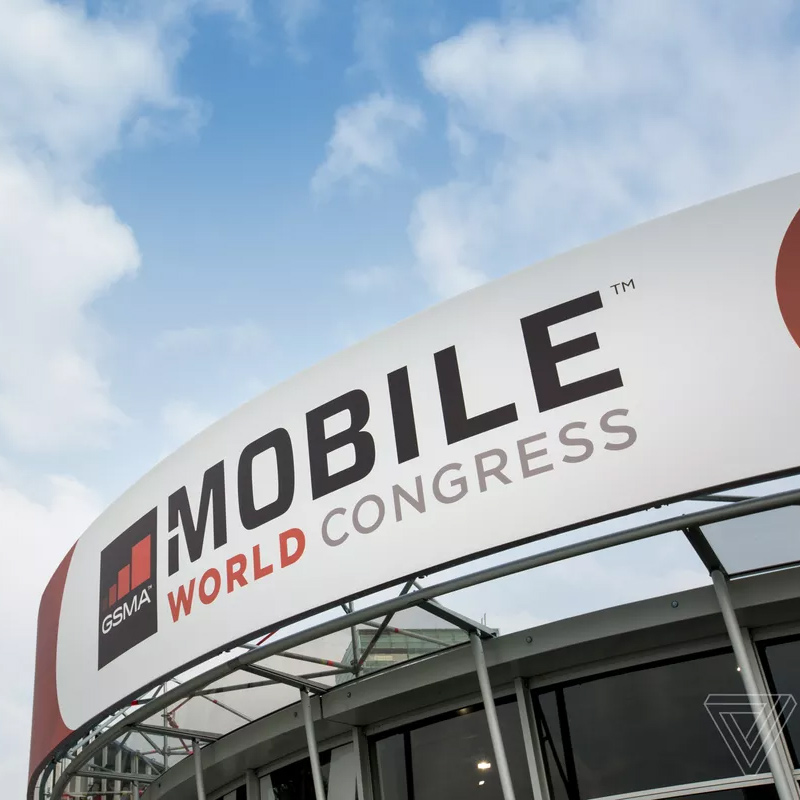
    The Mobile World Congress which was scheduled to be held from 24-27 February in Barcelona was cancelled yesterday, following the pullout by a large number of partner companies, with concerns over the spread of the viral menace. LG, Ericsson, Nvidia, Intel, Vivo, Nokia, Amazon, Sony are some of the major players who decided to give it a skip.

    Chinese companies are some of the major participants in the Mobile World Congress and with many embassies in China refusing to issue visas to travellers, many of them would not have been in a postion to attend.

    Keeping all this in mind, the GSMA – which organises the congress – decided to cancel it for the year.

    Then the Hong Kong Trade Development Council (HKTDC) announced on 13 February that it would push forward the dates for its Hong Kong International Film and TV Market (FilMart) 2020 from 25-28 March to 27-29 August 2020.

    “The safety and well-being of our exhibitors and participants has always been our priority,” said the HKTDC in a note sent out to participants. “The decision is made in response to the preventive measures taken by the Hong Kong SAR government and health authorities worldwide to contain the novel coronavirus epidemic. Your admission badge record will still be valid for the postponed FilMart 2020. Details will be announced later.” 

  • Apex Court permits Reliance Communication to sell its assets to Reliance Jio

    Apex Court permits Reliance Communication to sell its assets to Reliance Jio

    MUMBAI: The Apex court had recently permitted Reliance Communications Ltd to sell its assets to Reliance Jio Infocomm Ltd.  On Friday, the Supreme Court cleared a settlement between RCom and the Indian unit of Swedish telecom equipment maker Ericsson AB, making it easier for the sale of the telecom operator’s assets.

    According to a report on Mint, the judgement regarding the sale of assets was delivered by a two-judge bench headed by justice R.F. Nariman. The bench directed Reliance Communications to pay Rs 550 crore to Ericsson by 1 October and asked RCom chairman Anil Ambani to give an undertaking to this effect. On 1 October, the apex court will also hear RCom’s plea to close the insolvency case. Bloomberg reports that Ericsson has objected to the settlement terms of the insolvency case.

    The report further notes that that the sale of RCom’s assets will reduce the lenders’ exposure by 50 per cent and it owes about Rs 42,000 crore to its lenders. As part of the deal, Reliance Jio will get 122.4 MHz of 4G spectrum in the 800/900/1800/2100 MHz bands. It will also get 43,000 towers and 1,78,000 RKM (route km) of fiber and 248 media convergence nodes that will cover five million square feet.

    Earlier in 2014, Ericsson had signed a seven-year deal with RCom to operate and manage its nationwide telecom network. The Indian unit Swedish telecom operator has stated that it has not been paid over Rs 1,000 crore. Earlier It has claimed outstanding dues of Rs 16,000 crore but settled for Rs 550 crore. The sale of Reliance Communications’ telecom assets to Reliance Jio is pegged at Rs 25,000 crore and the sale is expected to complete within the next three weeks.

    At the end of the deal, Reliance Jio will get more telecom assets to expand its wired and wireless business in the country. It will mainly help with Jio’s impending commercial availability of Reliance Jio GigaFiber service.

  • Jio now ready for IoT onslaught

    Jio now ready for IoT onslaught

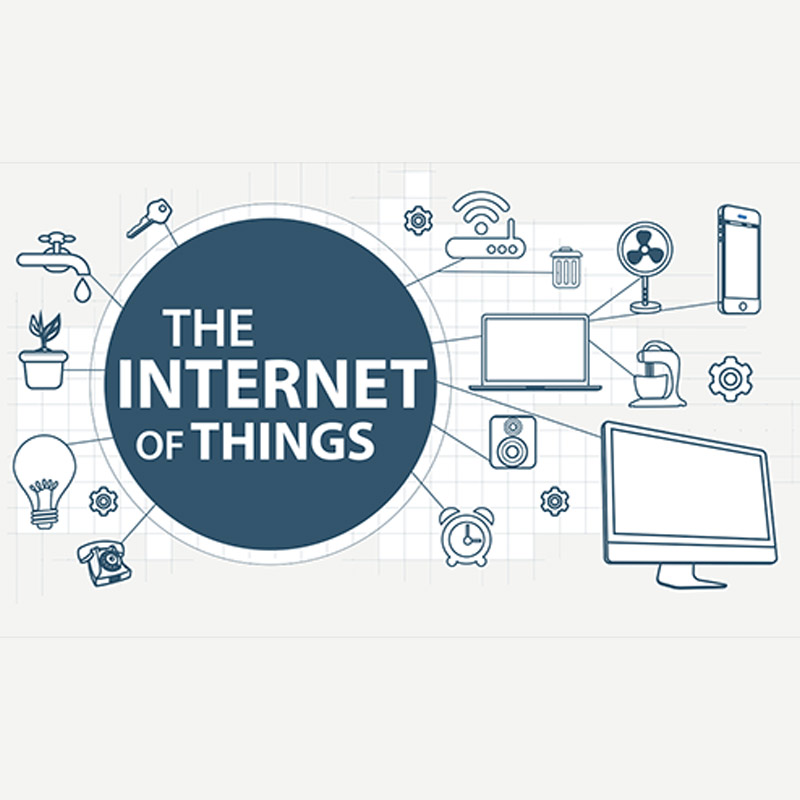
    MUMBAI: Reliance Jio Infocomm (Jio) is at it again and the competition better watch out. The company is gearing up to harness the internet of things (IoT). It is focussing first on enterprises and industries while also initiating talks with car manufacturers and consumer durable companies.

    The company has hired Ayush Sharma from the Silicon Valley as senior vice president of engineering and technology to drive the business around IoT and other technologies such as mobile edge computing, distributed artificial intelligence and blockchain.

    “Jio is looking at these technologies to enable the world’s largest programmable network with alternate technologies available,” Sharma said. “It will take at least around a year to enable consumer IoT but the large focus is on enterprise IoT. We are working on specific use cases.”

    Sharma has joined the company after working on his own venture, MotoJeannie, in the US. He has worked for telecom equipment makers Huawei, Ericsson and Cisco in the past in the US.

    Jio’s 4G network will complement IoT for enterprise and industrial use cases that require bandwidth and latency, he said. The company had recently said that it had started offering enterprise solutions along with fibre-to-the-home on a trial basis in a few locations.

    “The idea is not just to launch IoT products and solutions for consumer IoT but also for enterprise and industries,” Sharma said, adding that the parent company, Reliance Industries, is looking to use these technologies initially within in-house verticals such as retail and logistics to make them intelligent.
    For consumer IoT, Jio is working with a variety of technology vendors and bringing car manufacturers, consumer durables and appliances players, among others, on board to build a complete ecosystem. “We are building our own platform with big data strength,” he said.

    Also Read:

    RIL’s Rs 2.35 lakh crore investments in Jio start to payoff 

    ALTBalaji, Reliance Jio in content partnership deal

  • TCS wins ‘Best Supplier’ award from Ericsson

    MUMBAI: Tata Consultancy Services, a leading global IT services, consulting and business solutions organization, has been recognized with the prestigious “Best Supplier” award in Technical Consultancy by Ericsson, a world leader in communications technology and services.

    TCS was awarded this accolade by Ericsson Group following a rigorous evaluation of its suppliers, based on a comprehensive list of criteria, including excellence in service delivery, innovation, alignment with Ericsson’s vision and spirit of partnership. In particular, this recognition comes as a reflection of TCS’ value creation, significant contributions and consistent delivery for Ericsson’s business in a way that is aligned to the customer’s strategic priorities.

    TCS has been a trusted partner for Ericsson’s R&D portfolio, contributing to the development and support of a range of solutions spanning several generations of technological evolution. In addition, the company has been the lead partner for Ericsson IT, relentlessly transforming the Enterprise IT landscape leveraging digital technologies and supporting IT to become a true business enabler.

    V Rajanna, Vice President and Global Head of Technology Business Unit, TCS, commented: “We continue to be absolutely committed to bringing cutting edge innovation to drive value in every engagement. This recognition is a testament to our customer centric approach and our effective partnership with Ericsson in their digital transformation journey.”

    Speaking on this occasion, Eva Andrén, Vice President and Head of Sourcing at Ericsson, said, “We recognize TCS as the best partner for its excellent performance over time in both R&D and IT consultancy, with a clear ambition in supporting our innovative efforts. TCS’ innovative approach continues to support Ericsson’s digitization and transformation journey. TCS and Ericsson also share the core values of giving back to society through sustainability and corporate responsibility initiatives.”

  • Broadband speed: TRAI extends ideas date to 20 July

    NEW DELHI: The Telecom Regulatory Authority of India has extended the date for inputs of stakeholders on ensuring transparency and customer awareness regarding data speeds under wireless broadband plans to 20 July with counter-comments by 5 August 2017.

    TRAI had issued a consultation paper on Data Speed under Wireless Broadband Plans for which the last date was 29 June for responses.

    However, TRAI said it was extending the date as this issue involved several technical, network and business issues.

    The paper issued on 1 June 2017 had said wireless access networks are the main source of delivering broadband in the country. Global mobile subscriptions are growing around 5 percent year-on-year. The Ericsson’s mobility report said India grew the most in terms of net additions during the third quarter of 2016 by adding 15 million connections. These figures have increased substantially in the last few quarters. Out of the total 236.09 million broadband subscribers in the country as of 31 December, 2016 approximately 92.32% i.e. 217.95 million subscribers are through wireless access.

    According to a GSMA report titled ‘The Mobile Economy, India, 2016’, at the end of June 2016, 616 million unique users subscribed to mobile services in India, making it the second largest mobile market in the world. Almost half the country’s population now subscribes to a mobile service.

    The report suggests that improving affordability; falling device prices and better network coverage aided by operator investment will help deliver over 330 million new unique subscribers by 2020, taking the penetration rate to 68 per cent. It further adds that as more users migrate to high-speed broadband, mobile data traffic is expected to grow 12-fold between 2015 and 2020, at a CAGR of 63 per cent.

    Data usage by GSM users has already shown an unprecedented growth in the recent months from an average usage of 236MB per month in September, 2016 to 884 MB per month in December, 2016. Along with this, the composition of revenues earned by operators is also changing. Mobile operators in India have so far reported limited revenue contribution from data services, generating 17 per cent of service revenues at the end of 2015. This is forecast to increase to 23 per cent by 2020.

    The paper listed nine questions for the stakeholders:

    Q1: Is the information on wireless broadband speeds currently being made available to consumers is transparent enough for making informed choices?

    Q2: If it is difficult to commit a minimum download speed, then could average speed be specified by the service providers? What should be the parameters for calculating average speed?

    Q3: What changes can be brought about to the existing framework on wireless broadband tariff plans to encourage better transparency and comparison between plans offered by different service providers?

    Q4: Is there a need to include/delete any of the QoS parameters and/or revise any of the benchmarks currently stipulated in the Regulations?

    Q5: Should disclosure of average network performance over a period of time or at peak times including through broadband facts/labels be made mandatory?

    Q6: Should standard application/ websites be identified for mandating comparable disclosures about network speeds?

    Q7: What are the products/technologies that can be used to measure actual end-user experience on mobile broadband networks? At what level should the measurements take place (e.g., on the device, network node)?

    Q8: Are there any legal, security, privacy or data sensitivity issues with collecting device level data?

    a) If so, how can these issues be addressed?

    b) Do these issues create a challenge for the adoption of any measurement tools?

    Q9: What measures can be taken to increase awareness among consumers about wireless broadband speeds, availability of various technological tools to monitor them and any potential concerns that may arise in the process?