Tag: entertainment

  • Synamedia acquires Utelly to boost Synamedia Go’s content discovery capabilities

    Synamedia acquires Utelly to boost Synamedia Go’s content discovery capabilities

    Mumbai: World’s largest independent video software provider Synamedia has announced the acquisition of Utelly, a UK-based privately-owned content discovery platform provider.

    As a part of this deal, Synamedia has acquired the company with products targeted at the entertainment industry. Its offerings include metadata aggregation, search and recommendations, as well as content management and a content promotion engine.

    Utelly’s solution simplifies the complexity of users’ content discovery across TV channels, demand and multiple streaming services. Its SaaS-based technology is already pre-integrated with the Synamedia Go video platform and will now be embedded in the Go.

    Aggregate add-on pack to solve one of the major challenges that viewers face such as finding content across TV and apps on any screen. Utelly’s technology achieves this through metadata aggregation, intelligent asset linking, AI and machine learning.

    Utelly aggregates data in real-time from multiple metadata providers – pre-integrated with Gracenote, TiVo, IMDB, Netflix and fifty other platforms. By unifying data and using AI to enrich sparse data sets, Utelly provides customers with search and recommendations that enhance viewers’ content discovery experiences. The result is an increase in customers’ Net Promoter Score (NPS), subscriber retention, and ARPU.

    This acquisition strengthens the Synamedia Go offering and underlines a new phase of investment in Synamedia’s portfolio of SaaS streaming solutions which also includes Synamedia Clarissa, Synamedia Iris, VIVID Workflow as a Service, and Synamedia OTT ServiceGuard.

    Speaking of this development, Synamedia CEO Paul Segre said, “Every day we hear from customers that metadata aggregation is an obstacle that is negatively impacting viewer engagement. Utelly was ahead of the curve in recognizing this and developing a SaaS solution that enables end-users to find content across aggregated TV and video services. Its AI-powered solution eliminates the complexity of combining data from multiple metadata providers and is a great addition to our Synamedia Go streaming platform.”

    Utelly founder and CEO Romain Eude commented, “This acquisition is testament to the hard work and ingenuity of our tight-knit team of developers who have put Utelly on the map. We look forward to the next step in Utelly’s journey as we become part of the Synamedia family and embrace the new opportunities on a global scale.”

  • “The best in the film-exhibition sector is yet to come” – PVR’s CEO Gautam Dutta

    “The best in the film-exhibition sector is yet to come” – PVR’s CEO Gautam Dutta

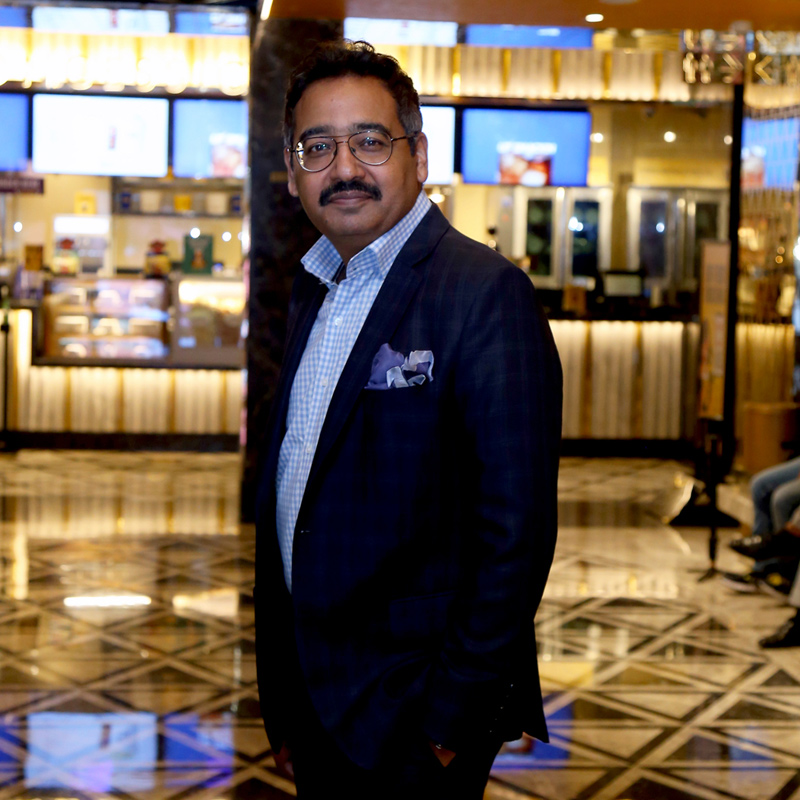
    Gautam Dutta is a veteran of the theatrical business. As CEO of PVR, he is taking the multiplex major through one of its most exciting phases, following the tough two years of the pandemic forcing it to shut down cinema halls. 

    A couple of months ago – March 2022, to be exact – PVR’s promoters – the Bijlis – announced that it was amalgamating with another major theatrical player Inox Leisure, which is run by Siddharth Jain – the brother-in-law of Sony-Zee managing director Punit Goenka.

    Post the merger, the combined entity will have under its umbrella 1,546 screens across 341 properties in 109 cities. Post the merger, the joint entity is to be renamed PVR Inox. Screens that already exist as PVR or Inox will continue under those names but those opened after the fusion will operate under the combined name.

    Dutta joined PVR in 2006 and has managed various portfolios spanning from marketing, media sales and now overall operations. Under his leadership, media sales grew from Rs 7 crore to Rs. 375 crore in FY 2019-2020. He is also credited with launching the bowling chain bluO. 

    As CEO, Dutta is responsible for advancing PVR’s mission and objectives whilst keeping the brand relevant to the changing audiences, developing and monitoring strategies for ensuring the long-term financial viability of the organisation, promoting revenue and profitability, technology adoption and innovation. Dutta is also a director of Zee Maize, a subsidiary of PVR that owns the 4700BC Gourmet Popcorn brand

    Indiantelevision.com’s Ashwin Pinto caught up with the once-upon-a-time advertising exec (he worked with MullenLowe Lintas and Rediffusion DYR earlier on in his career) and spoke with him about consolidation in the exhibition sector, the future and why the theatrical experience and OTT will co-exist.

    Excerpts:

    On the factors that prompted PVR to merge with Inox Leisure.

    The combination would augur well for the growth of the Indian cinema exhibition industry, besides ensuring tremendous value creation for all stakeholders, including customers, real estate developers, content producers, technology service providers, the state exchequer and above all, the employees. With consumers at the core of the decision, the merger would focus on using the strengths of both the organisations to provide exceptional customer service and cinema experience to Indian moviegoers. 

    On whether consolidation is going to be a big theme in the multiplex industry in India and globally this year.

    The film exhibition sector has been one of the worst impacted sectors and is going through a rapid transformational change due to the advent of technology. To compete effectively, creating scale to achieve efficiencies, it has become imperative to consolidate for the long term sustainability of the business. The merged entity will allow it to accelerate the pace of growth for further expansion to more tier two and tier three markets and take the modern multiplex experience to new cities and towns across the country in a severely under-screened market like India.

    On whether consolidation will help multiplex operators negotiate better terms with movie distributors.

    Consolidation will bring enhanced productivity through scale, deeper reach in newer markets and numerous cost-optimisation opportunities while continuing to delight cinema fans with world-class experiences and landmark innovations. 

    On whether the direct to OTT movie release day and date release on OTT will impact the theatrical business.

    Cinema is an experiential medium that is difficult to replicate and the entire package comes in the form of technology, F&B, service standards and comfort. While OTT is long-form storytelling, cinema is a three-hour movie-cation experience. OTT like all other home entertainment will continue to coexist with theatrical entertainment as both are differentiated by content. 

    During the period while cinemas were shut, filmmakers responded to the exceptional circumstances by releasing new films on streamers, leading to a rise in OTT audiences. Audience behaviour to consume entertainment did change on account of the pandemic. Being confined at home, OTT became a necessity for people and became a part of their daily lives. But otherwise, home entertainment through VCR, video, DVD, cable TV and streaming was always there.

    Now with the cinemas open, producers are back to theatrical releases as this is where they make money. A theatrical release earlier before OTT makes commercial sense to them as they know the performance of the movie and pay the price for the content accordingly. But the good thing is that due to OTT, producers get back their money and they get encouraged to make more content. There is a much bigger opportunity and not as if one thing is eating into the other. 

    On whether the box office in the exhibition sector has come back to normalcy. 

    The pandemic was unexpected and unprecedented but it is not going to stay forever and people are getting vaccinated. Things have started to regain normalcy as people flock back to cinemas with a consistent supply of good films. A host of big-ticket films have hit the theatres post the third wave.

    Recently, Doctor Strange: In the Multiverse of Madness performed well in the opening weekend alone and has become the second-highest Hollywood grosser since the reopening of cinemas. Our belief in the ability of the industry to bounce back swiftly was further vindicated by our quarter’s results. Over 90 lakh admissions in March and a stellar content pipeline for the next few quarters tells us that the best is yet to come.

    On how PVR adjusted during two difficult years of the pandemic when it came to operational expenses.

    The Covid-19 pandemic disrupted business across the country and impacted the company’s operations. During this challenging phase, the company placed greater emphasis on safeguarding the health and well-being of its employees, customers, and communities on one hand, and continuing the business operations with greater responsibility on the other.

    With zero revenue from our business never witnessed any time in the past, sustaining business operations was very difficult with restrictions on normal capacity utilisation due to the implementation of social distancing measures. 

    The company undertook decisive action to mitigate the adverse impact of covid-2019 on businesses by implementing cost optimisation strategies, enhancing liquidity and prudent cash-flows management

    On whether the pandemic resulted in only certain kinds of films being viable in the multiplex when you talk about Hindi, Hollywood and regional cinema as older audiences may still be reluctant to visit multiplexes.

    In the film exhibition business, a multiplex is viable because it can screen a wide range of films be it Hindi, Hollywood and regional with different shows in different auditoriums catering to diverse sets of audiences. In addition, there is an audience for various genres of movies that get made. For instance, while Marvel fans span multi-generation though primarily in the 15-35 age group, there are more mature audiences for movies such as Kashmir Files which have a distinct and strong storyline. 

    On the other hand, the appetite for movie viewing is higher in south India with passionate audiences, hence we see major Hollywood movies being dubbed in south Indian languages to reach a larger section of the cinema going audiences. India is a heterogeneous market for movie content be it regional, Bollywood or Hollywood content with their unique areas of strengths and would appeal to all kinds of audiences.

    On how 2022 is looking in terms of the release slate.

    We are witnessing a growing trend with regional movies breaking the geographical and language barrier leading to a cosmopolitan effect. Starting from Pushpa – The Rise – a Telugu language origin film which was released in Tamil and Hindi – received huge appreciation from pan-India audiences. The ‘Indian film’ success formula continued with the huge success of RRR which was released in five Indian languages (Telugu, Tamil, Hindi, Kannada and Malayalam) and resonated with all kinds of audiences. KGF: Chapter 2 originally a Kannada film (additionally released in Malayalam, Tamil, and Telugu) saw the Hindi version breaking all records in the first weekend of release with huge success in Hindi-speaking regions.

    Audiences are returning to the cinemas for good content, unmatched sound and projection quality, the big screen experience and a community experience. Movie lovers can look forward to a robust content lineup due to the huge backlog of movies that are waiting for their turn for releases in theatres as big ticket movie producers space out their content to prevent any clashes with other big titles. 

    On whether PVR will be picking up films for distribution during film festivals like Cannes. 

    We conduct the movie distribution business through PVR Pictures, our wholly-owned subsidiary. PVR Pictures is the largest distributor of independent foreign-language films in India as well as a prolific distributor of Indian films as well. PVR Pictures aims to be the preferred distributor for Hollywood production houses that do not have a base in India for distributing movies. Our team is already there in Cannes evaluating the films that are being screened there for picking them up for distribution in India.

    On the potential for multiplex growth from the smaller towns and cities which do not yet consume much OTT content.

    Over the past several years, the movie-going taste has transformed in India, with audiences’ preference for multiplexes going up multifold. The multiplex growth is linked to the mall culture which has become an aspirational space, hence multiplexes have percolated to the smaller towns and have appealed to audiences due to limited options for out of home entertainment.

    A lot of expansion in PVR lately has been around in smaller towns such as Jamnagar, Narsipatnam and Rourkela in view of its strategy to increase its presence in tier-2 and tier-3 cities to address the growing demands for the big screen experience from the local populace. 

    Better infrastructure availability, improved lifestyle choices and rising disposable incomes amplify the aspirational levels of people in smaller towns. A young and large working population have led to increasing footfalls at multiplexes. The multiplex experience characterised by a great aural and visual experience, good ambience, and comfortable seating is some of the factors driving this demand. These factors act as great opportunities for multiplexes to expand in tier-2 and tier-3 markets. Mall development is happening at a great pace in these towns providing large spaces at lower lease rentals which multiplexes find attractive. 

    On whether the current box office split between Hindi, Hollywood and regional cinema will change. 

    In the pre-pandemic year of FY 2019-20 which is a true representation of the film exhibition business, Hindi was the largest segment with a 44 per cent mix in the overall Indian gross box office collections (GBOC). This was closely followed by 41 per cent regional and 15 per cent Hollywood. Regional movies’ share in total GBOC increased from 41 per cent in CY 2019 to 54 per cent in CY 2020.

    India produces the maximum number of movies due to its multi-lingual content and now Hollywood studios also consider India as an important market due to the sheer size of the movie going audience. Box-office collections of Hollywood movies have started to grow further due to their deep penetration in the Indian market. They are now being dubbed in multiple regional languages due to their easy acceptability among audiences located in varied geographies. 

    Regional films are becoming an important element of the Indian cinema industry, accounting for a considerable portion of net box office earnings. Films are being released in a variety of languages and the popularity and presence of regional cinema are growing at a rapid pace.

    On whether screen expansion will happen now or post complete disappearance of covid-19. 

    We are consciously foraying into the rapidly expanding sub-urban markets to address the growing demand for the big-screen experience. Setting our foot across small towns and cities across regions in India, we at PVR are trying to reinvent and redefine the cinema experience for our patrons to provide them with a memorable one each and every time they visit us. We look forward to expanding our footprint and there is a strong impetus on screen addition as the company plans to add 120-125 screens in FY’23.

    Besides, we feel extremely encouraged by the recovery trends and audience willing to come back to cinemas for high-quality content and hence we will continue to remain extremely bullish on the company’s long-term expansion plans to invest and innovate in bringing richer and more experiential formats for our audiences pan India. 

    On whether a 3D version of a movie helps grow revenues. 

    For the entertainment industry, a whole new level of interactivity and immersive storytelling and visual spectacle through presentation technologies combined helps retain cinema’s edge over home entertainment. These include 3D, Imax, 4DX, P[XL], Onyx immersive experiences that can’t be replicated at home. These formats command premium pricing, hence contributing to a higher average ticket price (ATP) and thereby revenues. 

    This is the precise reason in addition to Hollywood mega-blockbusters that come in these formats, there is an increasing trend among Bollywood and regional movies being made in 3D, Imax and other premium formats as well to get the extra share of the pie in the box office collections.

    On the sentiment towards cinema advertising amongst advertisers. 

    Advertising sentiments have been turning pro on a much faster rate with the exciting big-star releases that we witnessed week on week which get further bolstered by the robust content lineup of blockbusters lately announced. Providing further fuel to the positive sentiment is the week-on-week increment of occupancy and footfalls due to the robust content lineup. Witnessing this growing trend, most of our large-scale reckoning clients have already resumed their association to capitalise on this resurgence of footfall and occupancy to increase their audience reach.

    On the in-cinema advertising experiential solutions that PVR is offering. 

    Recently, we collaborated with OOH company Xperia group to introduce industry-first experiential in-cinema advertising in India. It would offer a one-of-its kind exposure to in-cinema advertisers and push the boundaries of on-screen cinema advertising to create a larger than life and immersive experience of brands in the mind of the consumer. This special feature of experiential in-cinema advertising intends to increase the ‘wow’ factor of the commercial which can make viewers stop, look, observe and relate.

    On whether inflation will impact families’ proclivity to spend on movie outings.

    The movie-going culture and love for films have long been ingrained in the public consciousness. Over the past several years, the movie-going taste has transformed in India, with the audience’s preference for multiplexes going up multifold.

    In PVR, we have witnessed that in FY 22 even though admissions were lower, higher ATP and spending per head (SPH) contributed to the increase in revenues. In FY 22, we recorded the highest ever ATP of Rs 235 and SPH of Rs 124 demonstrating the fact that movie viewing is a discretionary spend and people value this form of out-of-home entertainment to bond with their loved ones as a shared experience. This shared experience of watching a movie together rates much more than other entertainment avenues as movie viewing continues to be the cheapest form of out-of-home entertainment. 

    The average household income is expected to grow over the next few years, resulting in a greater number of people with capabilities for discretionary spending. This is likely to have a positive impact on ticket sales and viewership. It is estimated that the average household spending on movies was pegged at Rs 620 in FY 2019-20 and it is projected to increase to Rs 660-680 by FY 2024-25.

  • One Take Media brings the ‘fun’tastic series Bablu Dablu Cubs

    One Take Media brings the ‘fun’tastic series Bablu Dablu Cubs

    One Take Media has launched a fantastic series Bablu Dablu Cubs, which combines education and various teachings. It is one such fun package of edutainment series taking kids into an exciting world of the curious bear cubs. 

    While the show highlights positive values like friendship, bravery and confidence, it promises to entertain young audiences at the same time.

    Bablu Dablu Cubs is designed for children between the ages of four to twelve. The series is based on the cub bears and their friends who are set in a wooded wonderland. The best part is these amazing series can be available to its viewers in both English and Hindi languages.


    One Take Media co-director Shamoly Khera said, “We are excited to bring the exciting adventures of Bablu Dablu cubs to India. Besides stories that will tickle the young viewers’ curiosity, the show focuses on emotional growth while teaching children about nature, science and daily life. The scenes are well-crafted and the characters are adorable; we predict a fantastic connect between the children and Bablu Dablu cubs.”

    OTMC is one of the leaders in providing value added services to DTH, OTT, Telecom and Cable industries. OTMC brings Kids Animated series and movies alongside a varied library of international shows from Korean to Spanish to Ukrainian and many more under wide genres like Comedy, Horror, Adventure, Action, Romance, Thriller and more. Additionally, OTMC offers Hollywood movies in English and regional languages- Hindi, Marathi, Gujarati, Tamil, Telugu, Punjabi, Bengali, Bhojpuri.

  • I&B Minister Anurag Thakur expects Indian M&E sector to double by 2030

    I&B Minister Anurag Thakur expects Indian M&E sector to double by 2030

    MUMBAI: Indian media and entertainment sector, which is currently valued at $24 billion is expected to grow to $30 billion by 2024.

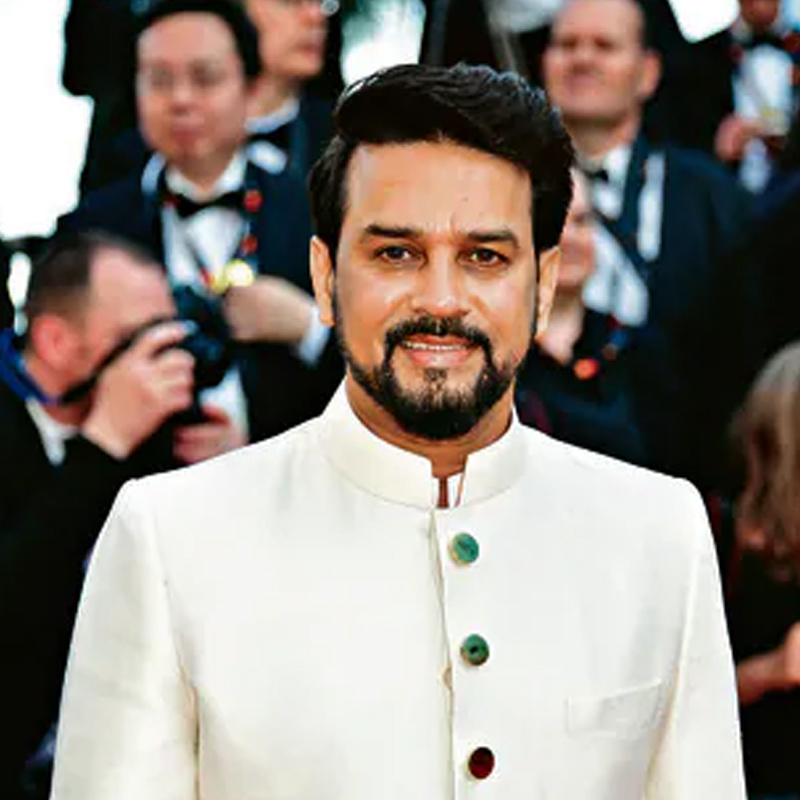
    “I feel with the growth rate we have and I’m sure it’s going to grow more than that. By 2030 we expect it to double and even more,” Information and Broadcasting Minister Anurag Thakur told an international media publication at the ongoing Cannes Film Festival recently.

    “I think it’s quite lucrative and I expect a lot of people to come and shoot in India because our major focus is to make India the content hub of the world. India has a lot to offer, we still need to grow and go ahead from here. And I expect these incentives may help in the future to attract a lot of business” said Thakur.

    In the interaction, he also spoke about the importance of being competitive. “By the end of the Cannes Film Festival you will see the word has spread that India has announced this much – others may come with better packages and all that,” added Thakur. “In a competitive world, you can’t stop here, you have to keep moving. It has to be on a real-time basis, you have to compete with the world. It is not only the incentive — yes it is going to impact — it is also the locations, skilled and less expensive manpower and a huge domestic [India] market available for them as well.”

    He also spoke about the importance of the country creating content that can travel globally. “We have to create content for the world, not only for the domestic [India] market. Keeping that in mind, I’m sure if they [the West] could have Marvel’s superheroes, why can’t India?”. “We have a 6,000-year-old rich cultural heritage, we can showcase it to the world in a beautiful manner,” Thakur added.

  • Prakash Jha talks about filmmaking and his OTT debut at Goafest 2022

    Prakash Jha talks about filmmaking and his OTT debut at Goafest 2022

    MUMBAI: During the Goafest 2022, Indian film producer, director and screenwriter, Prakash Jha talked about foraying into films and OTT from documentaries. He shared his thoughts on his journey and experiences in the entertainment industry.

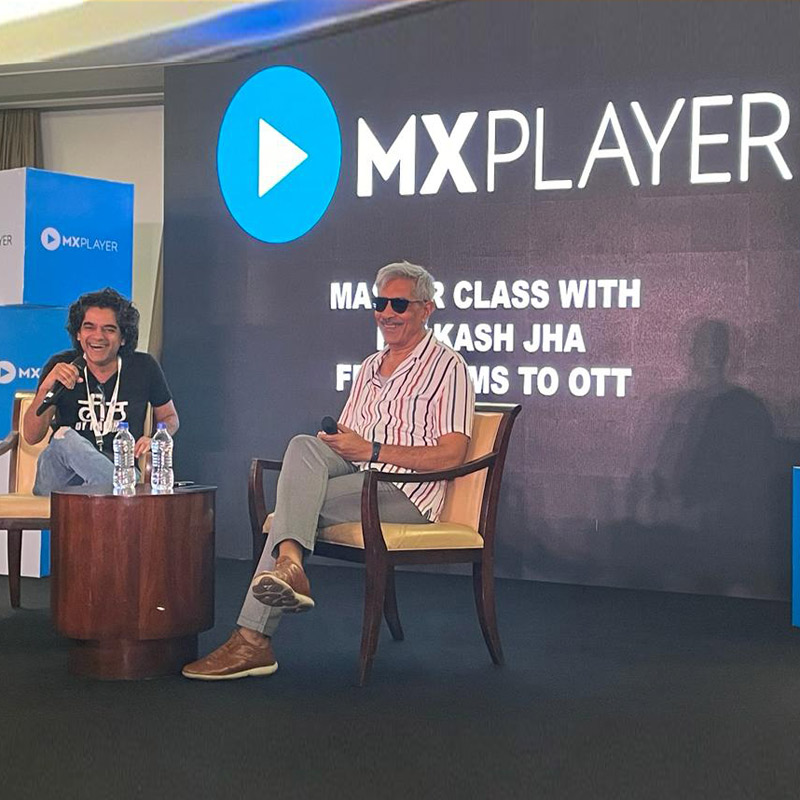
    In a conversation with film critic Mayank Shekhar during the session titled “From Films to OTT” hosted by MX Player, Jha emphasised that filmmaking is a complete package for him. From sound recording and screenwriting to placing the lights, he takes a keen interest in everything that comes with filmmaking.

    His renowned works include Mrityudand, Gangajal, Apharan, Rajneeti, Chakravyuh, Aarakshan, Satyagrah, Aashram. Jha made his web series debut on OTT with the medium’s most-watched series, Aashram. The series’ 3rd season is slated to launch soon on MX Player.

    Jha also spoke of how he realized very early on in his career that acting is the most important part, and he should be able to communicate with the actors in their language.

    So, he started attending acting workshops by the best teachers in the world. He took workshops across Vienna, Amsterdam, London, Paris, Los Angeles and New York. He said, “I would quietly go and enrol myself as a student. And that’s how I understood an actor’s language. I have performed Shakespeare and other plays in classes, which gave me a lot of confidence.”

    But he exposed Indian actors saying, “I was disgusted with actors working here in India. They don’t know what acting is about. Till date, no actor has asked me questions about shoot days, shoot timings, locations, action sequences and more. And that’s the difference between Hollywood actors and Bollywood ones. The actors there attend workshops and keep on practising and improving their art.”

    Prakash Jha also stated that he keeps practising too as he enjoys the process and feels it’s much needed to keep the craft intact and will soon be seen in a lead role as an actor.

  • There is a growing awareness of Metaverse and it is the future, reveals Wunderman Thompson Intelligence’s survey

    There is a growing awareness of Metaverse and it is the future, reveals Wunderman Thompson Intelligence’s survey

    Mumbai: There has been an increasing awareness of the metaverse recently. It was revealed in Wunderman Thompson Intelligence’s latest survey ‘New Realities: Into the Metaverse and Beyond’, that 76 per cent of people feel the metaverse will allow authentic self-expression and however, the market is becoming aware of the advantage of it.

    The survey shows brands and agencies a clear direction in a tech field where 74 per cent of people feel metaverse will be the future. The analysis presents a roadmap for adland which expands upon the groundbreaking into the metaverse study.

    Its 2022 metaverse survey ‘New Realities: Into the Metaverse and Beyond’ for which research was fielded in March – from over 3,000 people aged 16-65 in the US, UK and China – shows that awareness of the metaverse has more than doubled in less than a year. While less than a third (32 per cent ) had heard of the term in July 2021, by March 2022 almost three quarters (74 per cent) had heard of the term.

    Although awareness has increased, understanding remains low. The research also finds that there is a lack of clarity around what the term means, with only 15 per cent stating that they know what it is and can explain it to someone else.

    Despite being unable to explain the metaverse, consumers believe that it promises to impact our lives significantly and among those who know what the metaverse is, two-thirds believe it will be life-changing.

    Wunderman Thompson Intelligence’s global director and author of the report Emma Chiu said, “As ever-greater portions of our lives move into the virtual realm, it’s becoming increasingly clear that the metaverse will be instrumental in our collective future, with our follow-up survey uncovering widespread expectation that the metaverse heralds enormous changes to almost all industries.”

    Areas in which consumers are expecting to see innovation include entertainment where 90 per cent of respondents held this belief, followed by advertising and retail. Meanwhile, 85 per cent believe the metaverse will impact the fashion industry and also the world of work.

    With many still assessing the impact of new screen-based habits, alongside the continued blurring of the virtual and physical worlds, the latest, companion report includes fresh data and several other critical insights:

    • Retail brand analysis shows the development of digital and physical shopping alongside one another, sharing case studies including Nike in Roblox, Forever 21’s Shop City and Fred Segal’s Artcade.

    • The finance section of the report outlines the top banks, credit companies and crypto literacy projects along with research into the growth of virtual currencies. The outcome is that these currencies are becoming a significant economic force both for business and for countries as several get involved in experiments with nationally regulated crypto.

    • Health and Wellness shares insights into deepening connections between digital and physical care for bodily and mental health. Explore case studies from Sims to CVS.

    • Food brands have jumped into the metaverse with restaurants and beverage brands leveraging the link between food and social connection. From Coca-Cola’s Indian wedding to the Flyfish member’s only restaurant where NFTs are exchanged as verification, this sector shows real creative flair.

    Wunderman Thompson Global Chief Marketing and Growth Officer Naomi Troni said, “Brands must establish a roadmap for entry into the metaverse. However, there are concerns too around privacy, security, and safety.”

    “So, while our latest findings indicate almost limitless opportunities for brands — enabling them to re-imagine what their products, services and consumer engagement could and should look like – they must also enter this new world carefully,” she added.

  • Amazon Prime Video’s India talent focus that’s working miracles

    Amazon Prime Video’s India talent focus that’s working miracles

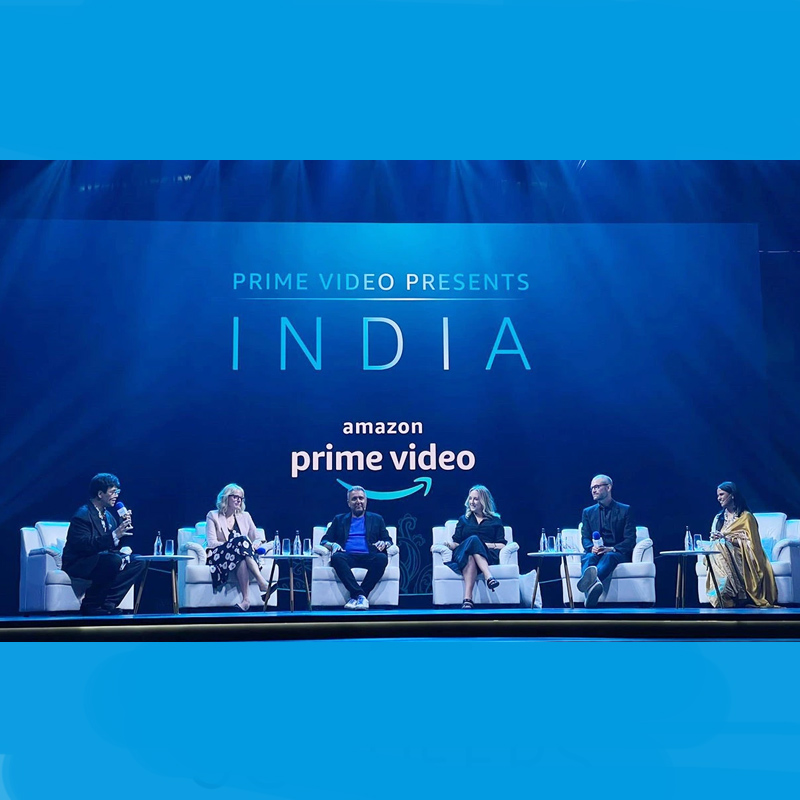
    MUMBAI: At Amazon Prime Video HD, if there is one war cry that’s being heard loud and clear it is: India ahoy! There’s a reason behind it, according to a report in US publication Deadline. Head of Originals James Farrell, at an event announcing the launch of its biggest slate in Mumbai, said that one of five (or 20 per cent) of its subscribers outside of India watch content produced by Indian creators. He gave full credit for this success to the head of Indian originals Aparna Purohit and her team.

    A beaming Purohit who joined the international team on stage pointed out that she truly believes India is a land of storytellers — in every nook and cranny. “This is almost like the renaissance of Indian entertainment and amidst this multitude of stories, to find one that can connect and resonate with the audiences here and across the world is a challenge,” she added. “We just want to create a home for talent; a safe space where creators feel supported and that we’re willing to invest in them.”

    According to Farrell, that support is coming in the form of the format of shows such as One Mic Stand being remade in Germany.

    Amazon Studios president Jennifer Salke believes that what sets Prime Video apart from the other streamers is its razor sharp focus to be the home for talent. “What this means is that we have to have the best teams on the ground to cultivate the talent in the regions. Talent wants to be part of the Amazon Prime family and make incredible shows for people to enjoy not only in India but all over the world. We stand apart in that away,” she said.

    International operations vice-president Kelly Day highlighted that India is one of Amazon Prime Video’s fastest growing markets and has some of the streamer’s most engaged customers. “The future of global streaming services is about global expansion and moving much more ambitiously to serving customers in international markets and truly, India is really leading the way for us,” she said.

    Are the suits at Netflix who have relatively cooled off on India listening?

  • Pogo to kick off summer ’22 programming lineup with ‘The Pandavas’

    Pogo to kick off summer ’22 programming lineup with ‘The Pandavas’

    Mumbai: To kick-off the summer holiday season, Pogo, India’s leading kids’ entertainment channel has planned plenty of fun-tainment and summer campaigns between April 25 to June 3.

    Pogo is launching the thrilling adventures of five brothers “The Pandavas” on April 23 with new episodes every weekend at 12:30 pm.  

    The action-packed series, developed in collaboration with hi-tech animation, adds to Pogo’s fun-filled line-up of amazing characters, exciting storylines, and diverse worlds.

    “The Pandavas”, inspired by the mythological characteristics of the Pandava brothers, will be centred around the chronicles of “Righteous Yudhishtir”, “Powerful Bheem”, “Astute Arjun”, “Adventurous Nakul” and “Valorant Sahadev” in their childhood days, as students of Guru Dronacharya.

    Created by leveraging cutting-edge CGI technology, the animated retelling will bring alive the adventures and heroic battles nestled in the lessons of unity, respect, morals and sibling camaraderie of the young princes of Hastinapur.  

    Commenting on the launch of the summer campaign, Pogo and Cartoon Network’s South Asia Network Head, Abhishek Dutta said, “The Pandavas is a thrilling mix of action and comedy. We are positive Pogo’s young fans will relate to the inspiring stories of the Pandava brothers.”

    He added, “During the ‘Pogo fun-tastic summer’ campaign, fans can expect celebrations, awesome content and a chance to meet their favourite toon characters.”

  • Tata Neu ropes in Akash Banerji as head of content & entertainment vertical

    Tata Neu ropes in Akash Banerji as head of content & entertainment vertical

    Mumbai: The Tata Group has roped in Akash Banerji to lead the content and entertainment vertical of Tata Neu app. Tata Digital unveiled its much-anticipated super app Tata Neu earlier this week.

    In this role, Banerji will oversee the entire content vertical, including P&L, product, content creation, and marketing at Tata Neu, as per media reports.

    Banerji was previously leading marketing for Amazon’s mobile business vertical, having joined the organisation in August 2020.

    Prior to Amazon, he worked with Viacom18’s OTT platform Voot. He was with Viacom18 for five years.

    Banerji has more than eighteen years of experience in the technology, marketing, sales/distribution & P&L domains with consumer centric MNCs.

    He served in multiple industries across digital video (Hotstar & Voot), e-commerce (Prime), Slsports (Star Sports) & entertainment (Star Plus) broadcast & CPG (Pepsi, Marico).

  • Star Plus brings back ‘Kyunki Saas Bhi Kabhi Bahu Thi’ after 14 years

    Star Plus brings back ‘Kyunki Saas Bhi Kabhi Bahu Thi’ after 14 years

    Mumbai: Star Plus has decided to stir nostalgia among its viewers this February. The broadcaster has announced that its popular family saga ‘Kyunki Saas Bhi Kabhi Bahu Thi’ is set to return to the television screens after close to 14 years.

    The iconic TV show which made actor-turned-politician Smriti Irani a household name for her portray of Tulsi Virani will re-run on Star Plus at 5 pm daily, starting 16 February. It will also be available for streaming on Disney+ Hotstar, the broadcaster announced on Twitter on Tuesday.


    Getting all nostalgic, producer Ekta Kapoor took to Instagram to share the old promo of the serial, which features Irani opening the gates of the Virani household to welcome audiences into the world of the show. Reminiscing the earlier days, Kapoor wrote, “Today, as I look back, I recall every memory, every moment that made this show a most loved one! Usi pyaar ke saath judiye is safar se dobaara. Budhvaar se, harr roz, shaam 5 baje, sirf StarPlus par.”


    A post shared by Erkrek (@ektarkapoor)


    The soap opera aired first aired on Star Plus on 3 July 2000 and ran till 6 November 2008 becoming one of the longest-running TV shows at that time. Set around the day-to-day affairs of the Gujarat-based Virani family, the TV show that aired between 10-11 pm on weekdays struck a chord with the masses.

    During the eight years of telecast, Kyunki Saas Bhi Kabhi Bahu Thi became one of the most-watched Hindi GEC shows in India, after Kaun Banega Crorepati. Featuring actors like Ronit Roy, Amar Upadhyay, Hiten Tejwani, Gauri Pradhan Tejwani, it also won the ‘Best Continuing Series’ at the Indian Telly Awards for six consecutive years (2002-2007) 

    The show took a leap in story three times including 20 years leap in February 2002, a three years leap, and again a 20 years leap in June 2006, before finally going off air in 2008.