Tag: entertainment

  • Huge data growth helped brands slightly, M&E confidence score 82%, finds Publicis’ Zenith

    MUMBAI: Advertisers in the media & entertainment category are most confident about seeing growth in their category this year. They are closely followed by advertisers in pharmaceuticals & healthcare.

    This is the key finding from Zenith’s new biannual client survey. Ahead of marketers attending Cannes Lions 2017, we wanted to find out what are the key drivers of growth and to assess how confident they are about business growth in their category.

    Zenith asked clients how confident they were in the prospects for growth in their category this year. We then ranked each category on a scale from 0 to 100, where 0 means everyone expects substantial decline, 100 means everyone expects substantial growth, and 50 means the average expectation is for no growth.

    The results were as follows. Media & entertainment advertisers came out on top, with a score of 82.1, followed by pharmaceuticals &healthcare and alcohol. The lowest-scoring category was telecommunications, at 33.3, followed by food & drink and FMCG (non-food).

    Ranking of categories by advertiser confidence in growth

    Survey of 158 key Zenith clients around the world

    Category

    Confidence index


    Category

    Confidence index

    1. Media & entertainment

    82.1


    7. Travel

    61.4

    2. Pharma/healthcare

    70.3


    8. Retail

    60.0

    3. Alcohol

    70.0


    9. FMCG (non-food)

    55.7

    4. Luxury

    67.6


    10. Financial/insurance

    53.6

    5. Beauty

    67.2


    11. Food & drink

    48.4

    6. Automotive/vehicles

    63.6


    12. Telecommunications

    33.3

    Key drivers of business growth

    We then asked our clients to look at the drivers of business growth, ranking them according to how important they believed they were for their brand. From most important to least important, the factors were ranked as follows.

    Ranking of contributing factors to business growth

    Survey of 158 key Zenith clients around the world

    1. Data & technology

    2. Business transformation

    3. New competitive positioning

    4. Geographical expansion

    5. Diversification

    6. Automation

    7. Mergers & acquisitions

    The first three factors were ranked closely together, with quite a big gap between numbers 3 and 4. Adapting to the challenges of a transforming economy is clearly the main priority for advertisers.

    Translating growth in data to business growth

    We also asked clients how the huge increase in data has affected three areas of their business: buying efficiency, creating new insights into consumers, and generating profitable brand growth. For each area we gave them five options: data has made it more difficult, has had no effect, has slightly improved it, has greatly improved it, or has revolutionised it. And for each area there was one overwhelmingly popular response, with 50% or more of responses. These were as follows:

    •          The huge increase in data has allowed us to make small improvements in buying efficiency.
    •          It has allowed us to create much better insights.
    •          It has improved brand growth slightly.

    So while most clients agree that data has significantly improved their consumer insights, it has not yet transformed their buying efficiency or brand growth.

    “Brands have the opportunity to harness data and technology to transform their businesses and accelerate brand growth, but are having difficulty in turning theory into practice,” said Vittorio Bonori, Zenith’s Global Brand President. “Agencies must step up and work in partnership with their clients to unlock the true potential of this revolution in communications.”
  • Arre appoints Viacom18’s Jaideep Singh as director

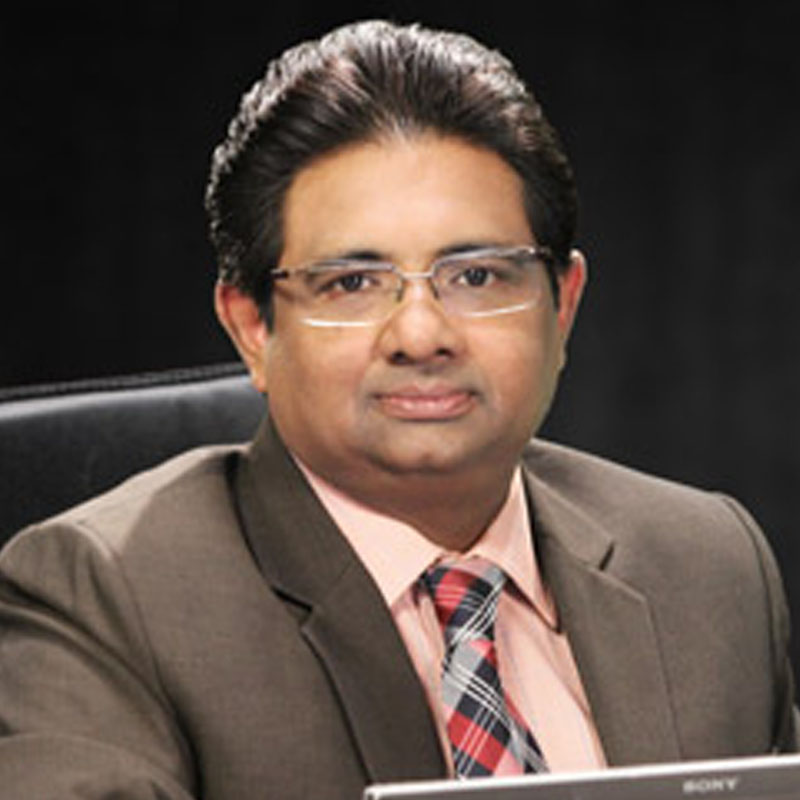
    MUMBAI: Entertainment business veteran and former Viacom18 Integrated Network Solutions head, Jaideep Singh has been roped in by Arré as a director on its management team. Singh will guide the platform’s monetisation drive/strategy, launch Arré’s music vertical and contribute his experience towards expanding other content verticals as well. He will be working closely with founders B. Saikumar, Ajay Chacko and RayC as Arré expands its content footprint as India’s fastest growing original content brand on digital.

    Saikumar said “We are delighted to have Jaideep join us at Arré to lead our business efforts as we expand and strengthen our content and platform. Jaideep brings invaluable experience and skills with respect to IP creation and monetisation, to further our growth objective, as we enter into an exciting year 2 of Arré.”

    Arré has built a distinct voice by its unique take on culture and society using stories, doodles and audio besides video. It is one of the country’s fastest growing digital brands on social media besides being widely distributed across a range of domestic and international platforms like SonyLIV, YuppTV, Vodafone Play, Ola Prime Play, TF1 Xtra (OTT Network in France) etc. in addition to its own website and apps on IOS and Android.

    Singh added, “Developing sustained business models in the entertainment sector has always been my passion. The explosive growth that Arré has witnessed as a brand is a story in itself and I am very excited to be part of this journey. My current ventures, Volocity Media and Ignition Creative will also help in creating some state-of-the-art engagement interfaces at Arré.”

    He is currently partnered with two US based companies as a part of his entrepreneurial venture. He is the chairman of Ignition Creative (APAC and Middle East Board), an integrated marketing agency and the managing director, APAC and Middle East, for Volocity Media, a technology innovation group working in the field of developing digital products and platforms for building social communities.

    Singh holds to his credit 20 years of diverse experience across marketing, media and entertainment. He has worked with notable companies, including, JK Tyres, Confederation of India Industries and Radio Mirchi. His last stint was a stellar 10-year position at Viacom18 India, where, as senior vice president and business head of Integrated Network Solutions, he launched a host of domestic and global impact IPs, secured strategic media partnerships with brands, government sectors and engaged with entertainment and media divisions across the globe. He established the INS and Live Viacom18 divisions of Viacom18, which boast of national and regional properties like the global EDM festival Vh1 Supersonic, MTV Xtreme, MTV Bollyland, the Indie artist festival EMERGE, the comedy festival Chuckle Festival, and SPIRO, which dominated the subcontinent with 300+ events and produced hundreds of hours of content.

  • Politics interferes with entertainment, channel coerced into pulling out particular content

    MUMBAI: The film wing of a regional political party claimed that it has ‘forced’ a TV channel not to telecast content which it felt was insulting Shivaji Maharaj.

    MNS film wing’s Amey Khopkar told PTI that he wrote to the channel, warning them against telecasting the programme which showed Shivaji Maharaj dancing with Afzal Khan.

    He said that the channel had informed them that they had decided not to telecast the portion which was scheduled to be aired on 27 February and 28.

    This is not the first time that the outfit used coercion to get its demands met. In September, Khopkar had given a 48-hour deadline to Pakistani artistes to leave India. The diktat had come at a time when relations between India and Pakistan were tense, after an attack by terrorists in Uri (Kashmir).

    The political organisation, in January last year, had threatened to disrupt a proposed concert by ghazal maestro Ghulam Ali if it were to be held in Mumbai.

    In October 2015, the MNS had ‘disallowed’ the screening of Pakistani actress Mahira Khan’s film “Bin Roye” in Maharashtra while, in 2012, the party’s leader slammed singer Asha Bhosle for working with Pakistani singers on a TV show aired on a channel.

    MNS Chitrapat Sena in 2016 protested against the Marathi dubbed version of “MS Dhoni: The Untold Story”, saying dubbed movies would eat into the business of Marathi films.

    Also Read :

    Uri reaction: Zee considers dropping Pak shows from Zindagi

    India against obstructing Fawad film; Maharashtra assures ‘protection’

    Salman Khan backs Indian Army strike & Pak artistes

  • Time Warner shareholders approve merger with AT&T

    MUMBAI: Time Warner Inc. shareholders voted to adopt the merger agreement between AT&T Inc. and Time Warner Inc., with 78 per cent of the outstanding shares of common stock voting in favor; and of the shares voted, 99 per cent were cast in favor of the proposal. Having obtained shareholder approval of the transaction, and with regulatory review of the deal underway, the company continues to expect the transaction to close before yearend 2017.

    Time Warner, a global leader in media and entertainment with businesses in television networks and film and TV entertainment, uses its industry-leading operating scale and brands to create, package and deliver high-quality content worldwide on a multi-platform basis.

    Time Warner Inc. chairman and CEO Jeff Bewkes commented: “On behalf of our board of directors and management team, I’m pleased that the Company’s shareholders have approved the proposal to combine with AT&T. In addition to providing shareholders with immediate value and the ability to participate in the upside of the combined company, the deal advances our long-term operational strategy. By combining Time Warner’s leading brands and video content with AT&T’s distribution, we will accelerate our ability to innovate, develop and deliver the next generation of video services, making our content even more valuable to consumers and business partners.”

    Also Read :

    http://www.indiantelevision.com/television/tv-channels/english-entertainment/time-warner-fy-16-and-fourth-quarter-numbers-up-170209

    http://www.indiantelevision.com/television/tv-channels/english-entertainment/content-a-game-of-thrones-atts-control-over-hbo-cartoon-network-warner-bros-faces-regulatory-lens-161023

  • Cable operators seek exemption in entertainment at par with fuel & medical services

    Cable operators seek exemption in entertainment at par with fuel & medical services

    MUMBAI: Although demonetisation of high-demonination currency is largely seen as a boon for a thriving economy marred by a legacy of unaccounted money and corruption, it is a proving to be a bane for the common man. The only basic entertainment that a layman has access to is television which is suffering owing to a severe shortfall of small denomination currency.

    Though the government insists on having made arrangements for dispensing cash in new currency through ATMs and banks, the measures are inadequate for the serpentine queue-avoiding office-goer, a shop-keeper, a commoner and especially a ruralite who hardly has access to financial institutions/institutionalised lenders in India.

    Seven Star Satellite Cable Network founder and chief Atul Saraf said they have been accepting cheques since a long time. However, some of their franchisees were facing difficulties in collecting cash from the subscribers owing to demontisation.

    Generally, around 65-70 per cent of collection in the business is in cash, and the remainder is through cheque. Saraf said they have now made arrangements for online payments from 1 January, 2017.

    Saraf lamented that there was a slowdown in collections owing to cash crunch due to demonetisation. The situation would take at least 3–4 months to come to normal.

    To a question, Saraf said that installation of STBs had picked up pace as a natural progression of digitisation under Phase III and Phase IV in September and October, but it has slowed down again. “Customers are not willing to shell out whatever little cash they have for STBs; rather they would like to use it for buying essentials,” Saraf bemoaned.

    “I have written to the prime minister Narendra Modi to extend the date of exchanging old currency with new by 2-3 months beyond the 31 December deadline,” said Gujarat Cable Operators Association president Pramod Pandya.

    Pandya expects the government to be considerate with the plight of the common man especially in rural India. “Entertainment must also be exempt from immediate adherence to the new currency norms as in casewith fuel and emergency medical services,” said Pandya who is the honorary Gujarat state cable operators’ representative at the
    information and broadcasting (I&B) ministry.

    Customers in the rural areas under DAS Phase IV neither have cheques nor the new currency at all to pay the cable operators. “Approximately 4000 villages in Gujarat that fall under the purview of Phase IV digitisation do not have access to banks or ATMs; where would they fetch the new currency,” Pandya retorted.

    Digicable Network (India) Pvt. Ltd CEO Jagjit Singh Kohli sought to put on record that they have been accepting cheques and online payments since a long time. MSOs have never been averse to receipt of cheques. However, as far as LCOs are concerned, only 20-25 per cent subscribers preferred paying their cable bills through cheques. He parried a question on the status and installations of STBs.

    “We have been accepting cheques and issuing bills since CAS came into the picture around November 2012. But, lately, we have started issuing itemised bills,” said Maharashtra Cable Association Federation chief Arvind Prabhoo said, welcoming demonetisation during the period of transparency and digitisation. A majority of subscribers (around 70-80 per cent) living the areas serviced by operators who owe allegiance to MCOF have been paying trough cheques. “We also started accepting online payments last year,” Prabhoo said.

    “Neither cheque nor cash, however, is a compulsion. We are not insisting on a particular mode of payment,” Prabhoo said. But, subscribers, of course, were facing a shortage of cash, and it would take around 10 more days for things to normalise, he added. To a question on digitization and installation of STBs, Prabhoo said that there had been some reports of increase in STB sale which could be due to good monsoon.

    Since, there was a temporary shortage of cash, Prabhoo said, people were not too keen on buying a STB worth Rs 1500-2000. “The Phase III is stuck due to various court cases, and Phase IV could be delayed by a couple of months as it covers a vast geographical expanse. But, it (DAS III & IV) will happen for sure,” he remarked.

    “The situation in Tamil Nadu is grave as subscribers are neither willing to pay through cheque nor do they have ready cash due to demonetisation,” said Chennai Metro Cable Operators Association general secretary MR Srinivasan.

    The subscription rate is as low as Rs 100 per month in most of the areas (districts) in the state. But, owing to shortage of low-denomination notes, around 1.4 million subscribers in the state are not paying the cable operators.

    “Subscribers offer us old notes of Rs 500, and expect Rs 400 change from us. So, even while we are willing to exchange old notes in the bank, where do we get the change from,” Srinivasan seemed puzzled. And, the subscribers are not willing to pay five months’ advance subscription to tide over the temporary problem.

    “The central government is not effective on digitisation in Tamil Nadu as most of the state, except Chennai, is served by cable companies (directly or indirectly) owned by the incumbent government,” Srinivasan alleged.

    In Chennai, he said, STBs have been installed only in around 10 per cent of the four million (40 lakh) households. Due to court cases against digitisation also, the progress of modernisation is stuck.

    As in case of medical services and petrol pumps etc, Srinivasan expected the government to allow old Rs 500 notes for cable services as well. “At least, for the number of subscribers which have been accounted for, the operators should be allowed to accept that many (old) notes,” he said.

    One may be happy about the cable modernisation and demonetisation to stem the economic decay in the larger interest of the country, there seems to be no denying the fact that it will cause of a lot of tug-of-wars, transition and loss of business and lives, heartburns, political upheavals, dilly-dallying and legal wrangles before we move ahead.

  • Cable operators seek exemption in entertainment at par with fuel & medical services

    Cable operators seek exemption in entertainment at par with fuel & medical services

    MUMBAI: Although demonetisation of high-demonination currency is largely seen as a boon for a thriving economy marred by a legacy of unaccounted money and corruption, it is a proving to be a bane for the common man. The only basic entertainment that a layman has access to is television which is suffering owing to a severe shortfall of small denomination currency.

    Though the government insists on having made arrangements for dispensing cash in new currency through ATMs and banks, the measures are inadequate for the serpentine queue-avoiding office-goer, a shop-keeper, a commoner and especially a ruralite who hardly has access to financial institutions/institutionalised lenders in India.

    Seven Star Satellite Cable Network founder and chief Atul Saraf said they have been accepting cheques since a long time. However, some of their franchisees were facing difficulties in collecting cash from the subscribers owing to demontisation.

    Generally, around 65-70 per cent of collection in the business is in cash, and the remainder is through cheque. Saraf said they have now made arrangements for online payments from 1 January, 2017.

    Saraf lamented that there was a slowdown in collections owing to cash crunch due to demonetisation. The situation would take at least 3–4 months to come to normal.

    To a question, Saraf said that installation of STBs had picked up pace as a natural progression of digitisation under Phase III and Phase IV in September and October, but it has slowed down again. “Customers are not willing to shell out whatever little cash they have for STBs; rather they would like to use it for buying essentials,” Saraf bemoaned.

    “I have written to the prime minister Narendra Modi to extend the date of exchanging old currency with new by 2-3 months beyond the 31 December deadline,” said Gujarat Cable Operators Association president Pramod Pandya.

    Pandya expects the government to be considerate with the plight of the common man especially in rural India. “Entertainment must also be exempt from immediate adherence to the new currency norms as in casewith fuel and emergency medical services,” said Pandya who is the honorary Gujarat state cable operators’ representative at the
    information and broadcasting (I&B) ministry.

    Customers in the rural areas under DAS Phase IV neither have cheques nor the new currency at all to pay the cable operators. “Approximately 4000 villages in Gujarat that fall under the purview of Phase IV digitisation do not have access to banks or ATMs; where would they fetch the new currency,” Pandya retorted.

    Digicable Network (India) Pvt. Ltd CEO Jagjit Singh Kohli sought to put on record that they have been accepting cheques and online payments since a long time. MSOs have never been averse to receipt of cheques. However, as far as LCOs are concerned, only 20-25 per cent subscribers preferred paying their cable bills through cheques. He parried a question on the status and installations of STBs.

    “We have been accepting cheques and issuing bills since CAS came into the picture around November 2012. But, lately, we have started issuing itemised bills,” said Maharashtra Cable Association Federation chief Arvind Prabhoo said, welcoming demonetisation during the period of transparency and digitisation. A majority of subscribers (around 70-80 per cent) living the areas serviced by operators who owe allegiance to MCOF have been paying trough cheques. “We also started accepting online payments last year,” Prabhoo said.

    “Neither cheque nor cash, however, is a compulsion. We are not insisting on a particular mode of payment,” Prabhoo said. But, subscribers, of course, were facing a shortage of cash, and it would take around 10 more days for things to normalise, he added. To a question on digitization and installation of STBs, Prabhoo said that there had been some reports of increase in STB sale which could be due to good monsoon.

    Since, there was a temporary shortage of cash, Prabhoo said, people were not too keen on buying a STB worth Rs 1500-2000. “The Phase III is stuck due to various court cases, and Phase IV could be delayed by a couple of months as it covers a vast geographical expanse. But, it (DAS III & IV) will happen for sure,” he remarked.

    “The situation in Tamil Nadu is grave as subscribers are neither willing to pay through cheque nor do they have ready cash due to demonetisation,” said Chennai Metro Cable Operators Association general secretary MR Srinivasan.

    The subscription rate is as low as Rs 100 per month in most of the areas (districts) in the state. But, owing to shortage of low-denomination notes, around 1.4 million subscribers in the state are not paying the cable operators.

    “Subscribers offer us old notes of Rs 500, and expect Rs 400 change from us. So, even while we are willing to exchange old notes in the bank, where do we get the change from,” Srinivasan seemed puzzled. And, the subscribers are not willing to pay five months’ advance subscription to tide over the temporary problem.

    “The central government is not effective on digitisation in Tamil Nadu as most of the state, except Chennai, is served by cable companies (directly or indirectly) owned by the incumbent government,” Srinivasan alleged.

    In Chennai, he said, STBs have been installed only in around 10 per cent of the four million (40 lakh) households. Due to court cases against digitisation also, the progress of modernisation is stuck.

    As in case of medical services and petrol pumps etc, Srinivasan expected the government to allow old Rs 500 notes for cable services as well. “At least, for the number of subscribers which have been accounted for, the operators should be allowed to accept that many (old) notes,” he said.

    One may be happy about the cable modernisation and demonetisation to stem the economic decay in the larger interest of the country, there seems to be no denying the fact that it will cause of a lot of tug-of-wars, transition and loss of business and lives, heartburns, political upheavals, dilly-dallying and legal wrangles before we move ahead.

  • Content a ‘Game of Thrones’;  AT&T’s control over HBO, Cartoon Network, Warner Bros faces regulatory lens

    Content a ‘Game of Thrones’; AT&T’s control over HBO, Cartoon Network, Warner Bros faces regulatory lens

    MUMBAI: The global media landscape is resulting in a new juggernaut as an internet and cable behemoth yesterday purchased an entertainment conglomerate making the former unmatched in its size and reach to consumers through home broadband, smartphones, satellite television and a battery of movies and cable channels. This deal could lead to more cautionary flags than Comcast’s merger with NBCUniversal in 2009.

    The US$ 108.7-billion AT&T, Time Warner merger has been met with suspicion as analysts raised antitrust concerns that it would create unfair pricing and lead to further media consolidation. The
    cash-and-stock deal values Time Warner – with CNN, HBO, and Warner Bros Studios – at over $85 billion, and involves AT&T taking on its debt.

    AT&T, over a year ago, became the nation’s largest pay-TV operator when it acquired DirecTV. Now, Time Warner would give AT&T HBO, CNN, TBS, TNT, Cartoon Network and Warner Bros., Hollywood’s biggest television and film studio. The massive deal has become a subject of discussion in the US presidential campaign. Donald J. Trump, condemning the deal, said he would block it if he were the president, “because it’s too much concentration of power in the hands of too few.” Hillary Clinton has assured to be tough on consolidation and corporate megapowers.

    Although the latest merger is considered “vertical integration” as the two broadly do not compete against each other as compared to other “horizontal integration” of similar businesses, regulators could look at other ways AT&T might affect the media ecosystem if the deal were to consummate.

    AT&T may possibly make it more expensive for its competitors to gain access to HBO or Time Warner’s content or give preferential treatment to its own programming.

    A brief history of media/telecom deals

    1995
    Turner Broadcasting System and Time Warner announced a $7.5-billion merger, bringing together brands including Warner Brothers, CNN, Time magazine, and the Cartoon Network.

    2000
    AOL announced its plan to buy Time Warner for over $160 billion.

    2005
    SBC Corporation acquired AT&T for over $16 billion.

    2008
    Time Warner spins off its cable unit, which becomes Time Warner Cable (not a part of the current deal).

    2009
    Time Warner spins off AOL.

    2011
    Comcast receives regulatory nod for its $30-billion bid to buy a majority stake in NBCUniversal. Comcast took over NBCUniversalm completely in 2013, as GE divested its stake.

    2013
    Time Warner spins off its Time Inc magazine division.

    2014
    Verizon buys out Vodafone’s stake in Verizon Wireless for $130 billion, gaining complete ownership. Time Warner turns down $ 80-billion bid from Twenty-First Century Fox.

    2015
    Comcast drops its $45-billion bid to buy Time Warner Cable after the regulator opposes the merger over concerns of creating an Internet provider and a cable operator with too much control. Verizon purchases for $4.4 billion. AT&T gets government nod to purchase the satellite TV company DirecTV creating one of the largest pay-TV servicen providers to compete with Comcast.

    2016

    Regulators approved US$ 88-billion merger of Charter Communications with Time Warner Cable and Bright House Networks, creating the third-largest video provider and the second-largest broadband
    provider. (Comcast purchased DreamWorks Animation for $3.8 billion to compete against Disney.) Time Warner bought a 10 per cent stake in Hulu for $583 million.

    Yahoo and Verizon announced a $4.8-billion merger that would give the latter ownership of the former’s Internet assets. AT&T acquires Time Warner.

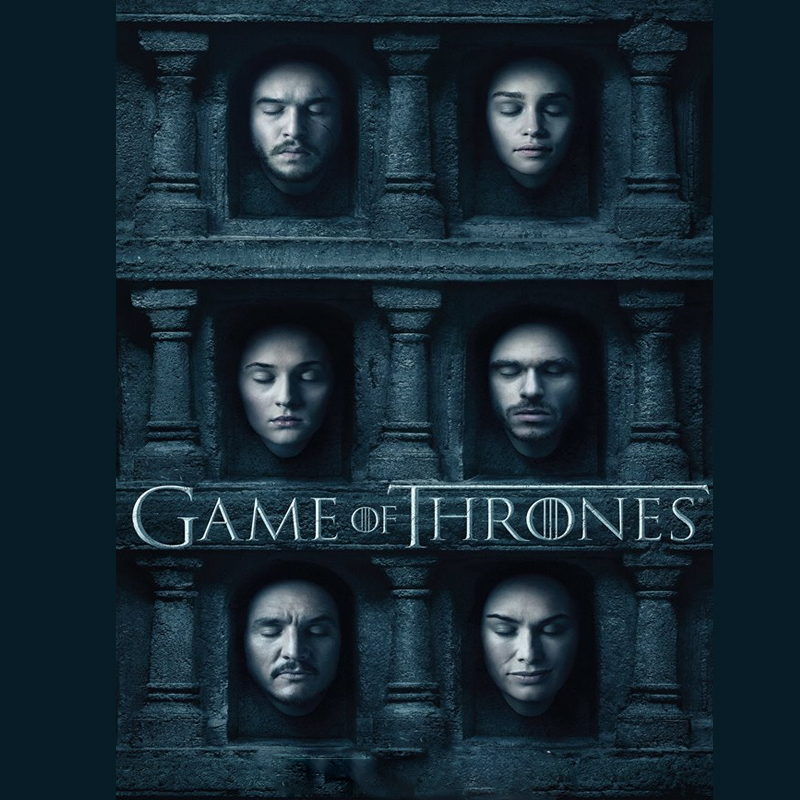
    Regulators could seek promises from AT&T and Time Warner to make content from HBO like “Game of Thrones” or cable networks like CNN available through apps or through streaming, not withholding them from competitors, which could be addressed in conditions attached to an approval.

  • Content a ‘Game of Thrones’;  AT&T’s control over HBO, Cartoon Network, Warner Bros faces regulatory lens

    Content a ‘Game of Thrones’; AT&T’s control over HBO, Cartoon Network, Warner Bros faces regulatory lens

    MUMBAI: The global media landscape is resulting in a new juggernaut as an internet and cable behemoth yesterday purchased an entertainment conglomerate making the former unmatched in its size and reach to consumers through home broadband, smartphones, satellite television and a battery of movies and cable channels. This deal could lead to more cautionary flags than Comcast’s merger with NBCUniversal in 2009.

    The US$ 108.7-billion AT&T, Time Warner merger has been met with suspicion as analysts raised antitrust concerns that it would create unfair pricing and lead to further media consolidation. The
    cash-and-stock deal values Time Warner – with CNN, HBO, and Warner Bros Studios – at over $85 billion, and involves AT&T taking on its debt.

    AT&T, over a year ago, became the nation’s largest pay-TV operator when it acquired DirecTV. Now, Time Warner would give AT&T HBO, CNN, TBS, TNT, Cartoon Network and Warner Bros., Hollywood’s biggest television and film studio. The massive deal has become a subject of discussion in the US presidential campaign. Donald J. Trump, condemning the deal, said he would block it if he were the president, “because it’s too much concentration of power in the hands of too few.” Hillary Clinton has assured to be tough on consolidation and corporate megapowers.

    Although the latest merger is considered “vertical integration” as the two broadly do not compete against each other as compared to other “horizontal integration” of similar businesses, regulators could look at other ways AT&T might affect the media ecosystem if the deal were to consummate.

    AT&T may possibly make it more expensive for its competitors to gain access to HBO or Time Warner’s content or give preferential treatment to its own programming.

    A brief history of media/telecom deals

    1995
    Turner Broadcasting System and Time Warner announced a $7.5-billion merger, bringing together brands including Warner Brothers, CNN, Time magazine, and the Cartoon Network.

    2000
    AOL announced its plan to buy Time Warner for over $160 billion.

    2005
    SBC Corporation acquired AT&T for over $16 billion.

    2008
    Time Warner spins off its cable unit, which becomes Time Warner Cable (not a part of the current deal).

    2009
    Time Warner spins off AOL.

    2011
    Comcast receives regulatory nod for its $30-billion bid to buy a majority stake in NBCUniversal. Comcast took over NBCUniversalm completely in 2013, as GE divested its stake.

    2013
    Time Warner spins off its Time Inc magazine division.

    2014
    Verizon buys out Vodafone’s stake in Verizon Wireless for $130 billion, gaining complete ownership. Time Warner turns down $ 80-billion bid from Twenty-First Century Fox.

    2015
    Comcast drops its $45-billion bid to buy Time Warner Cable after the regulator opposes the merger over concerns of creating an Internet provider and a cable operator with too much control. Verizon purchases for $4.4 billion. AT&T gets government nod to purchase the satellite TV company DirecTV creating one of the largest pay-TV servicen providers to compete with Comcast.

    2016

    Regulators approved US$ 88-billion merger of Charter Communications with Time Warner Cable and Bright House Networks, creating the third-largest video provider and the second-largest broadband
    provider. (Comcast purchased DreamWorks Animation for $3.8 billion to compete against Disney.) Time Warner bought a 10 per cent stake in Hulu for $583 million.

    Yahoo and Verizon announced a $4.8-billion merger that would give the latter ownership of the former’s Internet assets. AT&T acquires Time Warner.

    Regulators could seek promises from AT&T and Time Warner to make content from HBO like “Game of Thrones” or cable networks like CNN available through apps or through streaming, not withholding them from competitors, which could be addressed in conditions attached to an approval.

  • Digital India: Media, entertainment leaders join SCTE

    Digital India: Media, entertainment leaders join SCTE

    NEW DELHI: Reliance Big TV head (DTH Business) Vivek Garg, Network18 Media & Investments Ltd Group chief technology officer Rajat Nigam and GTPL-Hathway Pvt. Ltd chief operating officer Shaji Mathews have come on the governing council of broadband professionals body SCTE India for 2016-17.

    Others include Electronics Sector Skills Council of India CEO N K Mohapatra; Vodafone India executive vice president-corporate affairs and public policy Sandeep Bhargava and PPC Broadband managing mirector–Asia Pacific Gurdeep Singh Bakshi.

    The initiative was taken on the recommendation of SCTE vice president Mike Jones from the United Kingdom and national secretary Rahul Nehra.

    Nehra said, “SCTE stands to play a pivotal role in emerging Digital India from a skilling and innovation perspective and the new governing council will be the defining light of the efforts going forward.”

    Nigam added, “SCTE deserves salutation for driving technology enhancement and culture. Today, innovation is a tradition that needs to be adhered to continue the fast-paced tech journey enhancing user experience.”

    Specific goals for this year include developing technical skills in the digital space, collaborating with the policy makers to fast-track innovation and learning, driving standards in the echo-system, adopting innovation and bringing the best of Asia and Europe to the upcoming SCTE India Awards. The Society has planned to launch an India Broadband Journal which will be released quarterly thought-leader magazine.

    Industry relationships committee chairman Sandeep Bhargava said: “This shall enable focus on the needs of the broadband sector and help build relationships with various stakeholders in the government and industry and create a right policy environment.”

    Founded in 1945, the SCTE’s aim is to raise the standard of broadband engineering in the telecommunications industry. The society particularly concerns with the training and career advancement of technical professionals in the field. Headquartered in Watford (U.K.), the SCTE is a global non-profit organization that is managed by elected volunteers.

  • Digital India: Media, entertainment leaders join SCTE

    Digital India: Media, entertainment leaders join SCTE

    NEW DELHI: Reliance Big TV head (DTH Business) Vivek Garg, Network18 Media & Investments Ltd Group chief technology officer Rajat Nigam and GTPL-Hathway Pvt. Ltd chief operating officer Shaji Mathews have come on the governing council of broadband professionals body SCTE India for 2016-17.

    Others include Electronics Sector Skills Council of India CEO N K Mohapatra; Vodafone India executive vice president-corporate affairs and public policy Sandeep Bhargava and PPC Broadband managing mirector–Asia Pacific Gurdeep Singh Bakshi.

    The initiative was taken on the recommendation of SCTE vice president Mike Jones from the United Kingdom and national secretary Rahul Nehra.

    Nehra said, “SCTE stands to play a pivotal role in emerging Digital India from a skilling and innovation perspective and the new governing council will be the defining light of the efforts going forward.”

    Nigam added, “SCTE deserves salutation for driving technology enhancement and culture. Today, innovation is a tradition that needs to be adhered to continue the fast-paced tech journey enhancing user experience.”

    Specific goals for this year include developing technical skills in the digital space, collaborating with the policy makers to fast-track innovation and learning, driving standards in the echo-system, adopting innovation and bringing the best of Asia and Europe to the upcoming SCTE India Awards. The Society has planned to launch an India Broadband Journal which will be released quarterly thought-leader magazine.

    Industry relationships committee chairman Sandeep Bhargava said: “This shall enable focus on the needs of the broadband sector and help build relationships with various stakeholders in the government and industry and create a right policy environment.”

    Founded in 1945, the SCTE’s aim is to raise the standard of broadband engineering in the telecommunications industry. The society particularly concerns with the training and career advancement of technical professionals in the field. Headquartered in Watford (U.K.), the SCTE is a global non-profit organization that is managed by elected volunteers.