Tag: Enil

  • Royal Stag goes large with AI festive greetings

    Royal Stag goes large with AI festive greetings

    MUMBAI: AI, aye, captain! This festive season, Seagram’s Royal Stag packaged drinking water is taking celebrations to the next level with an AI twist. Its new campaign, Celebratelarge – Hum Hain Generation Large, Humaara Har Celebration Large, turns the art of wishing into a tech-powered experience, with none other than Rohit Sharma helping India “live it large.”

    Unveiled in Gurugram, the campaign reimagines how the country swaps festive greetings. Using regenerative AI and advanced voice synthesis, fans can now create personalised video messages featuring Rohit Sharma himself,  transforming a simple wish into a hyper-real moment of connection.

    Adding another layer of sparkle is a 3D Festive Map, an AR-driven visual playground that captures the vibrancy of India’s celebrations. Meanwhile, India’s T20 captain Suryakumar Yadav steps in with curated festive tips spanning gifting, food, fashion and music, making every celebration feel a touch grander.

    The campaign is also teaming up with Gaana to amplify the festive mood through music. “Festivals in India are about culture, expression and togetherness, and music makes these moments even more special,” said ENIL CEO Yatish Mehrishi. “This collaboration reimagines celebrations through creativity and innovation, encouraging today’s generation to live large.”

    Consumers can craft their own personalised greeting with Rohit Sharma and even win ICC T20 World Cup tickets by visiting royalstagliveitlarge.com. True to its name, Royal Stag’s latest campaign doesn’t just celebrate festivals, it celebrates them large.

  • Yatin Mehrishi appointed as CEO of Mirchi, ENIL

    Yatin Mehrishi appointed as CEO of Mirchi, ENIL

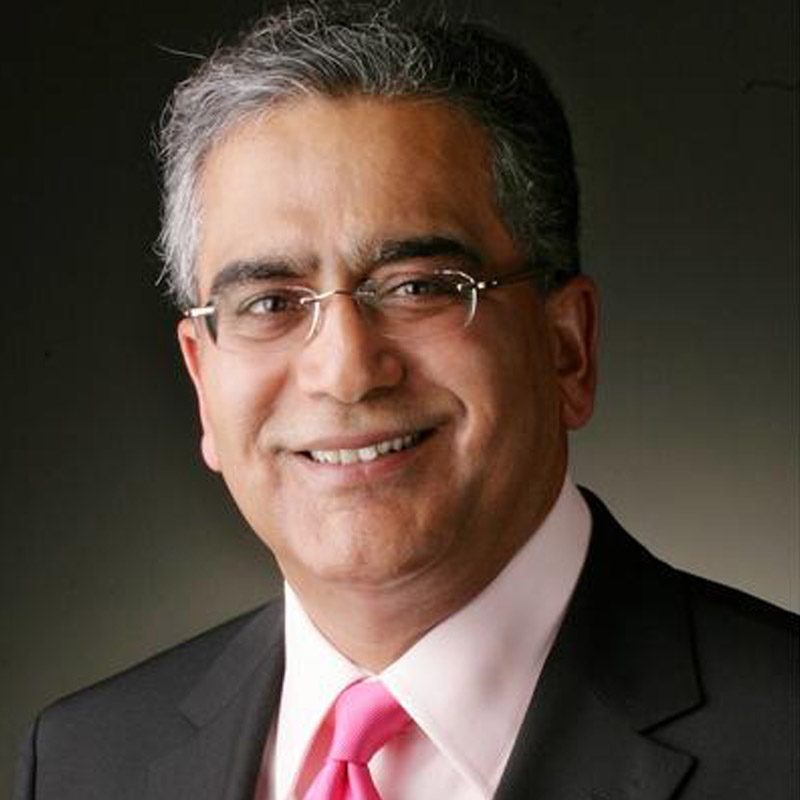
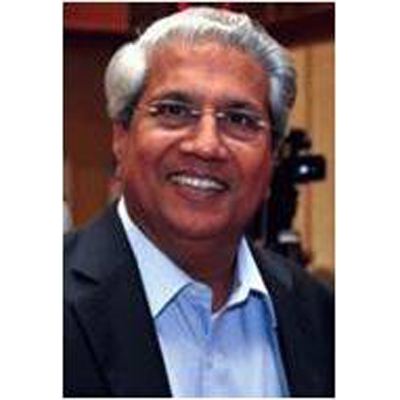
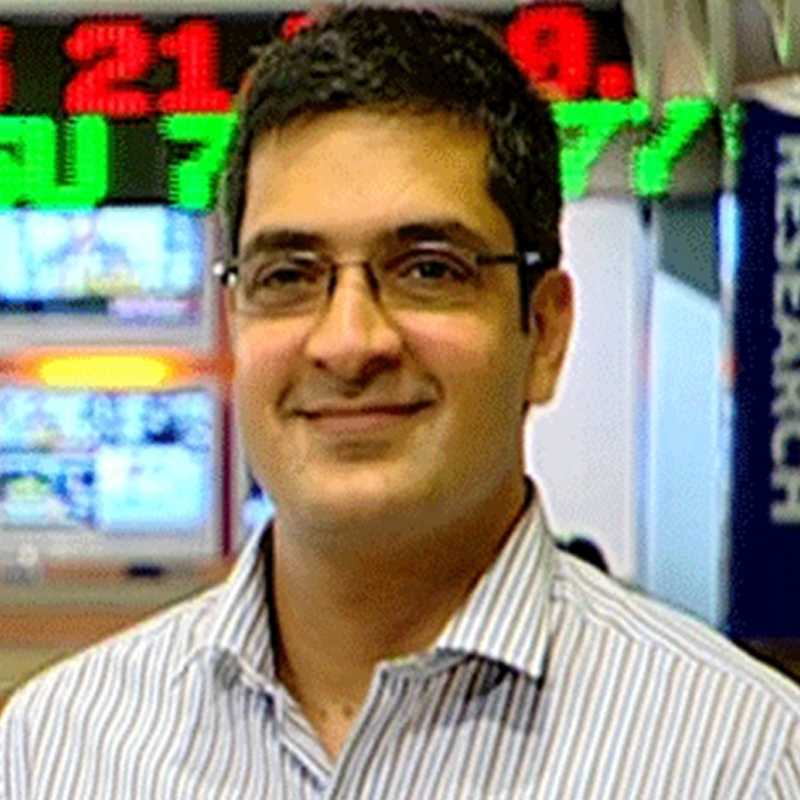
    Mumbai: Entertainment Network India’s (ENIL) Mirchi, one of India’s largest city-centric music and entertainment companies, has strengthened its leadership position as it has announced the appointment of Yatish Mehrishi as its CEO.

    Prashant Pandey, who was previously managing director & CEO of Mirchi, ENIL, will continue his role and duties as managing director.

    Mehrishi will be spearheading the company’s performance across all dimensions and will continue to ensure Mirchi remains the audience’s go-to destination for all things music and entertainment.

    He is a seasoned professional with over 23 years of experience across diverse sectors spanning FMCG, telecom, and fashion, having worked with organisations like Pepsico, Motorola, and Arvind Fashions, which was his previous stint as chief revenue officer.

    Having worked with ENIL earlier for 11 years as chief operating officer, he brings with him a rich experience and a strong understanding of the radio, media & entertainment industry.

    Commenting on Mehrishi’s appointment, BCCL managing director Vineet Jain said, “Over the past 20 years, Mirchi has evolved into a multi-platform, multi-format brand that has a presence across FM, live, and digital realms. In line with Mirchi’s new transformational journey, I am confident that Yatish’s return to ENIL will help accelerate our journey of being a digital-first brand.”

    Commenting on his new role, Mehrishi said, “I am super excited to be back with ENIL. For years, Mirchi has been the consumers’ go-to for music and entertainment, dominating the audio industry, and now, with its new app, Mirchi Plus, it is set to redefine the audio entertainment industry further. With the recent shift in consumer behaviour towards digital, I am looking forward to championing Mirchi’s digital journey and replicating our radio journey’s success.”

  • ENIL income from outside India grows as other numbers plummet in first quarter

    ENIL income from outside India grows as other numbers plummet in first quarter

    BENGALURU: Indian private FM player Entertainment Network (India) Ltd (ENIL), which runs the Mirchi brand radio network in India, reported 71.7 percent fall in consolidated Total Income from Operations (TIO) for the quarter ended 30 June 2020 (Q1 2021, quarter or period under review) as compared to the corresponding year ago quarter (Q1 2020). The company reported consolidated revenue of Rs 38.46 crore for the quarter as compared to Rs 130.52 crore in the corresponding quarter of the previous fiscal. Quarter-on-quarter (q-o-q), revenue in Q 2021 also fell 75.3 percent from Rs 149.63 crore in Q4 2020.

    Break up of operating revenue from India was Rs 27.28 for Q1 2021, which was 78.9 percent lower y-o-y than the Rs 129.41 crore in Q1 2020 and was 81.2 percent lower q-o-q than Rs 145.02 crore in the immediate trailing quarter Q4 2020.

    Operating revenue from outside India in Q1 2021 almost quadrupled (increased 271.7 percent) y-o-y to Rs 11.18 percent (29.1 percent of operating revenue) from Rs 3.01 crore (2.3 percent of operating revenue) in Q1 2020 and increased 60.4 percent q-o-q from Rs 6.82 crore (4.5 percent of operating revenue) in Q4 2020.

    ENIL reported a consolidated loss of Rs 12.18 crore for Q1 2021 as compared to a profit after tax (PAT) of Rs 2.64 crore in Q1 2020 and a lower loss of Rs 1.60 crore in Q4 2020.

    ENIL’s consolidated Earnings before Interest, Depreciation, Taxes and Amortisation (EBITDA, operating profit or operating loss) for Q1 2020 was a loss of Rs 25.94 crore as compared to operating profit of Rs 33.06 crore (25 percent of operating revenue) in Q1 2020 and an operating profit of Rs 22.99 crore (15.1 percent of operating revenue) in the immediate trailing quarter.

    Let us look at the other numbers reported by ENIL

    ENIL total expense (TE) in Q1 2020 reduced 26.9 percent y-o-y to Rs 94.41 crore from Rs 129.19 crore in Q1 2020, and fell 41.2 percent q-o-q from Rs 160.42 crore in Q4 2020.

    Production expense for the period under review declined 52.7 percent y-o-y to Rs 13.60 crore from Rs 28.77 crore in Q 2020 and fell 73.9 percent q-o-q from Rs 52.04 crore in Q4 2020.

    License fee in Q1 2021 was 12 percent lower y-o-y at Rs 7.87 crore crore as compared to Rs 8.95 crore in the corresponding year ago quarter and fell 14 percent q-o-q from Rs 9.15 crore in the immediate trailing quarter Q4 2020.

    Employee Benefit Expense (EBE) in Q1 2021 at Rs 26.30 crore fell 25.9 percent y-o-y from Rs 35.49 crore in Q1 2020 and declined 17 percent q-o-q from Rs 31.68 crore (20.7 percent of TIO).

    Finance costs in Q1 2020 declined 3 percent y-o-y to Rs 4.72 crore from Rs 4.86 crore in Q1 2020 and was almost flat (increased 0.4 percent) from Rs 4.70 crore in Q4 2020.

    Other expenses in Q1 2021 at Rs 16.64 crore declined 35.4 percent y-o-y from Rs 26.15 crore in Q1 2020 and were 53.8 percent lower q-o-q from Rs 35.97 crore in Q4 2020).

    Note: The unit of currency in this report is the Indian rupee – Rs (also conventionally represented by INR). The Indian numbering system or the Vedic numbering system has been used to denote money values. The basic conversion to the international norm would be:

    (a) 100,00,000 = 100 lakh = 10,000,000 = 10 million = 1 crore.

    (b) 10,000 lakh = 100 crore = 1 arab = 1 billion.

  • TRAI: FM Radio ad revenue moved up in third quarter

    BENGALURU: After the slump in advertisement revenues by private FM radio stations in the quarters ended 30 June 2016 (Q1-17) and 31 March 2016 (Q4-17), the trend seems have been changed, albeit marginally for Q2-17 (quarter ended 30 September 2016)  and Q3-17 (quarter ended 31 December 2017) according to the data released by The Telecom Regulatory Authority of India (TRAI).

    According to TRAI data for Q3-17, radio combined ad revenues reported by 272 of the 273 private operating FM radio stations were Rs546.72 crore or an average of Rs2.01 lakh per station for Q3-17. This washigher than the average of Rs 1.94 crore per station (combined revenue Rs502.13 crore from 259 stations)for the immediate trailing quarter. Q3-17 ad revenue was however short by about Rs12 lakh per station as compared to the corresponding year ago quarter for which TRAI reported combined ad revenue of Rs533.7 crore from 240 radio stations (Average revenue per station of Rs2.22 crore per station). As a matter of fact, in Q2-16, the average revenue per station was highest at Rs 2.22 crore during the period commencing from end Q1-12 until the current quarter.

    Please refer to the Figure below for FM Radio Ad Revenue over a five year plus period spanning a 23 quarter period starting with the quarter ended 30 June 2011 (Q1-12) until the quarter ended 31 December 2016 (Q2-17) as per TRAI data. The amounts are in Rs crore and rounded off to the nearest decimal place in the case of combined ad revenue and two decimal places in the case of Average Revenue per station.

    public://4444444444.jpg

    In absolute terms, combined Radio ad revenue in Q3-17 increased 8.9 percent and 3.4 percent year-over-year (y-o-y, as compared to the corresponding quarter of the previous year) and quarter-over-quarter (q-o-q, immediate trailing quarter) respectively. Average revenue per station in the current quarter declined 9.6 percent y-o-y, but increased 3.7 percent q-o-q. The total number of stations in Q3-17 increased 13.3 percent y-o-y and 5 percent q-o-q.

    Please refer to Figure B for y-o-y and q-o-q changes

    public://5555555555.jpg

    Thirteen new private FM stations commenced operations to take the total number of stations at close of 31 December 2017 to 273 in the third quarter of 2017 according to TRAI. At the close of Q2-17 (previous quarter), there were 260 private FM stations operating in the country.

    Here’s two of the major radio networks’ performed in Q3-17

    One of the biggest players in the private FM radio business – Entertainment Network India Limited that runs the Radio Mirchi network among others, reported 4.9 percent y-o-y increase in consolidated Total Income from Operations or revenue (TIO) for Q3-17 of Rs 150.65 crore for the current quarter as compared to Rs 143.57 crore in the corresponding quarter of the previous fiscal. Q-o-q, revenue in Q3-17 also increased 16.2 percent from Rs 129.65 crore in Q2-17.The company’s consolidated profit after tax (PAT) in Q3-17 declined by 43.1 percent year-over-year (y-o-y) to Rs16.42 crore (10.9 percent margin) as compared to Rs28.86 crore (20.1 percent margin) and more than doubled (increased 2.18 times) q-o-q from Rs 8.05 crore (6.2 percent margin).

    Commenting on the results, ENILmanaging director and chief executive officer, Prashant Pandaysaid, “We are poised on the cusp of a strong growth curve with the LoveNetwork – 8 ‘Mirchi Love’ channels of our own and 3 ‘Ishq FM’ channels of TV Today –now fully operational. This network, along with the original ‘Mirchi’ network, now comprising 42 channels, offer advertisers the widest coverage across the country. With thegovernment soon to announce the results of the second batch of auctions held recently, we willgrow even bigger. These are exciting times!”

    Another player, DB Corp’s MY FM radio network which encompassed 26 live stations with the launch of nine new stations during Q2-17 and Q3-17 reported revenue increase in Q3-17 of 12.4 percent to Rs 36.32 crore as compared to Rs 32.32 crore in the corresponding year ago quarter.  DB Corp’s earnings press release said that its radio business operating profit (EBIDTA) grew 3 percent y-o-y to Rs 14.8 crore (41 percent margin), while profit after tax (PAT) also increased 3 percent y-o-y to Rs 8.1 crore (22 percent margin).

    Unlike most of the other players in the media and entertainment, the major players of the radio industry were not as affected by the government’s demonetisation drive that commenced on November 8, 2016. With more stations to roll, the industry’s ad revenues can only grow.


  • FM auction: Govt nets Rs 2 bn, ENIL wins 21 channels

    MUMBAI: A cumulative provisional Rs 2,002.4 million was earned against the aggregate reserve price of about Rs 9,159.1 million from e-auction of 66 FM channels in 48 cities in the second batch of Phase III.

    According to an announcement of the Information and Broadcasting Ministry on 27 February, 266 FM channels had been shortlisted but only 66 channels made it to the winning list. ENIL (Entertainment Network India Limited) won the maximum number with 21 channels in different cities and bid for total of Rs 480.9 million.

    Interestingly, only two channels received bids of more than Rs 100 million as compared to 12 channels in the first batch. Kal Radio Ltd’s Hyderabad station bid a winning price is Rs 23,43,48,266 and South Asia FM Ltd’s Dehradun station had a winning price of Rs 15,61,00,590.

    Sambhaav Media Ltd won two stations in Jammu and Kashmir for Rs 5,00,000 each at Kathua and Leh. JCL India Ltd’s bagged stations in Kargil and Leh for Rs 5,00,000 each. South Asia FM Ltd’s won a station at Leh with Rs 5,00,000.

    Stations in four north eastern cities were bagged in the e-auction. Of these, three went to Purvy Broadcast Pvt Ltd: Aizwal for Rs 20,09,444, Dhubri for Rs 5,00,000, and Itanagar for Rs 43,72,914. Agartala went to South Asia FM Ltd for Rs 70,71,529.

    Read the full story here:

    Govt gets over Rs two billion from 66 FM stations in second batch Phase III


  • ENIL revenue up in third quarter of 2017

    BENGALURU: Indian private FM player Entertainment Network (India) Limited (ENIL), which runs the Mirchi brand radio network in India,  reported 4.9 percent increase in Total Income from Operations (TIO) for the quarter ended 31 December 2016 (Q3-17, current quarter). The company reported consolidated revenue of Rs 150.65 crore for the current quarter as compared to Rs 143.57 crore in the corresponding quarter of the previous fiscal. Quarter-on-quarter (q-o-q), revenue in Q3-17 also increased 16.2 percent from Rs 129.65 crore in Q2-17.

    The company’s consolidated profit after tax (PAT) in Q3-17 declined by 43.1 percent year-over-year (y-o-y) to Rs 16.42 crore (10.9 percent margin) as compared to Rs 28.86 crore (20.1 percent margin) and more than doubled (increased 2.18 times) q-o-q from Rs 8.05 crore (6.2 percent margin).

    Company Speak

    Commenting on the results, ENIL managing director and chief executive officer, Prashant Panday said, “We are poised on the cusp of a strong growth curve with the Love Network – 8 ‘Mirchi Love’ channels of our own and 3 ‘Ishq FM’ channels of TV Today – now fully operational. This network, along with the original ‘Mirchi’ network, now comprising 42 channels, offer advertisers the widest coverage across the country. With the government soon to announce the results of the second batch of auctions held recently, we will grow even bigger. These are exciting times!”

    Let us look at the other numbers reported by ENIL

    ENIL’s consolidated Earnings before Interest, Depreciation, Taxes and Amortisation (EBIDTA, operating profit) for Q3-17 declined 18.5 percent y-o-y to Rs 38.13 crore (25.3 percent margin)  from Rs 46.78 crore (32.6 percent margin) but increased 64.9 percent q-o-q from Rs 23.13 crore (26.6 percent margin) in the immediate trailing quarter.

    ENIL total expense (TE) in Q3-17 increased 20.5 percent y-o-y to Rs 127.26 crore (84.5 percent of TIO) from Rs 105.64 crore (73.6 percent of TIO), and increased 5.6 percent q-o-q from Rs 120.50 crore (92.9 percent of TIO).

    Programming and royalty expenses in the current quarter increased 43.6 percent y-o-y to Rs 6.85 crore (4.5 percent of TIO) from Rs 4.77 crore (3.3 percent of TIO and increased 13.7 percent q-o-q from Rs 6.03 crore (4.6 percent of TIO).

    License fee in Q3-17 increased 28.4 percent y-o-y to Rs 8.82 crore (5.9 percent of TIO) from Rs 6.87 crore (4.8 percent of TIO) and increased 6.1 percent q-o-q from Rs 8.31 crore (6.4 percent of TIO).

    Employee Benefit Expense (EBE) in Q3-17 at Rs 28.76 crore (19.1 percent of TIO) increased 13.9 percent y-o-y from Rs 25.5 crore (17.6 percent of TIO) and increased 7 percent q-o-q from Rs 26.86 crore (20.7 percent of TIO).

    Marketing expense in Q3-17 at Rs 33.95 crore (22.5 percent of TIO) increased 6.8 percent y-o-y from Rs 31.78 crore (22.1 percent of TIO) and increased 4.2 percent q-o-q from Rs 32.58 crore (25.1 percent of TIO).

    Other expenses in Q3-17 at Rs 34.14 crore (22.7 percent of TIO) increased 21.4 percent y-o-y from Rs 31.78 crore (19.6 percent of TIO) and increased 4.3 percent q-o-q from Rs 32.73 crore (25.3 percent of TIO).

    ENIL won 17 stations in Phase 3 auctions. The company launched three new radio channels during the quarter viz. Lucknow, Pune and Kanpur. ENIL says that it intends to start operations at three out of the remaining six Phase III radio channels before the end of the financial year 2016-17.

    Note: The unit of currency in this report is the Indian rupee – Rs (also conventionally represented by INR). The Indian numbering system or the Vedic numbering system has been used to denote money values. The basic conversion to the international norm would be:
    (a) 100,00,000 = 100 lakh = 10,000,000 = 10 million = 1 crore.
    (b) 10,000 lakh = 100 crore = 1 arab = 1 billion.

  • TV Today not selling 3 FM stations to ENIL; seeks MIB nod for migration

    TV Today not selling 3 FM stations to ENIL; seeks MIB nod for migration

    MUMBAI: TV Today Network shall not undertake the agreement, entered into with Entertainment Network (India) Limited, to sell three Metro FM Radio stations, as was earlier approved by the board in its meeting held on 13 November 2015, according to a BSE filing.

    TV Today had inked a deal to sell seven Oye FM radio stations to ENIL which operates Radio Mirchi. However, MIB did not approve sale of three stations and the matter went before the Delhi High Court.

    Such sale agreement was subject to the approval of the MIB or an order from the Delhi High Court allowing the sale of Metro Radio stations whichever is earlier.

    TV Today said it would now reorganise the radio business. The company would approach the Ministry of Information and Broadcasting to seek permission to migrate its radio business from phase II to phase III.

    “The committee of senior officials in their meeting held on 19 December, 2016 has approved the initiation of procedural modalities w.r.t proposal of migrating its radio business from phase II to the FM radio phase III, that would enable the company from reorganisation of its radio business,” TV Today said in a BSE filing.

    “The migration fee will involve a total net capital expenditure of Rs 71.36 crore excluding other charges/interest and will be completed within three months,” it added.

  • TV Today not selling 3 FM stations to ENIL; seeks MIB nod for migration

    TV Today not selling 3 FM stations to ENIL; seeks MIB nod for migration

    MUMBAI: TV Today Network shall not undertake the agreement, entered into with Entertainment Network (India) Limited, to sell three Metro FM Radio stations, as was earlier approved by the board in its meeting held on 13 November 2015, according to a BSE filing.

    TV Today had inked a deal to sell seven Oye FM radio stations to ENIL which operates Radio Mirchi. However, MIB did not approve sale of three stations and the matter went before the Delhi High Court.

    Such sale agreement was subject to the approval of the MIB or an order from the Delhi High Court allowing the sale of Metro Radio stations whichever is earlier.

    TV Today said it would now reorganise the radio business. The company would approach the Ministry of Information and Broadcasting to seek permission to migrate its radio business from phase II to phase III.

    “The committee of senior officials in their meeting held on 19 December, 2016 has approved the initiation of procedural modalities w.r.t proposal of migrating its radio business from phase II to the FM radio phase III, that would enable the company from reorganisation of its radio business,” TV Today said in a BSE filing.

    “The migration fee will involve a total net capital expenditure of Rs 71.36 crore excluding other charges/interest and will be completed within three months,” it added.

  • FM Radio revenues witness seasonal slump in Q4-16, Q1-17

    FM Radio revenues witness seasonal slump in Q4-16, Q1-17

    BENGALURU: Generally the Indian private FM industry witnesses a quarter-over-quarter (q-o-q) advertisement (ad) revenue slump in the first quarter of every year (Q1, quarter ended 30 June), which may sometimes carry over to the second quarter (Q2, quarter ended 30 September) of the fiscal. Since fiscal 2014, the industry has also seen fourth quarter (Q4, quarter ended 31 March) revenue slumps. Continuing the trend, private FM in India has seen a drop in revenue for quarters ended 31 March 2016 (Q4-16) and 30 June 2016 (Q1-17). As mentioned above trend was noticed Q4-14 and Q1-15 onwards, when the country held general elections and political parties used this so very local medium to garner votes.

    As per data released by the Telecom Regulatory Authority of India (TRAI), for Q1-17, 244 radio stations had consolidated ad revenues of Rs 468.08 crore, down 9.81 percent q-o-q as compared to the Rs 514.75 crore reported by 242 stations in Q4-16. The last quarter of the previous fiscal also saw ad revenue decline of 4.35 percent from Rs 533.70 crore reported for its immediate quarter that ended on 31 December 2015 (Q3-15).

    Please refer to Figure A below for FM Radio Ad Revenue over a five year plus period spanning a 21 quarter period starting with the quarter ended 30 June 2011 (Q1-12) until the quarter ended 30 September 2016 (Q1-17) as per TRAI data. The amounts are in Rs crore and rounded off to the nearest decimal place.

    public://f1.jpg

    As is obvious from the red dots on the chartabove, Q1-12, Q1-13, Q1-14, Q1-15, Q1-16 and Q1-17 have all seen q-o-q revenue drops, as have Q4-14, Q4-15 and as mentioned above- Q4-16.

    Figure B below shows the q-o-q and year-over-year FM Radio Ad revenue trends. Generally y-o-y, revenues have been higher across all quarters in the period under consideration in this report, except for Q3-12 that saw a y-o-y ad revenue decline. For Q3-11, TRAI Indicator Reports mentioned ad revenue of Rs 284.88 crore from 227 radio stations or an average revenue of Rs 1.25 crore per station, as compared to ad revenue per station of Rs 1.20 crore for Q3-12.

    public://f2.jpg

    Conclusion

    Overall, despite the year-end andnew fiscal drops, ad revenues as well as ad revenues per station show a linear increasing trend as more and more advertisers have begun to understand the value proposition this very local medium with a pan-India footprint can offer. Further, the third quarter of the fiscal (Q3, quarter ended 31 December) is also the festival quarter of the year in India – a sweet quarter as far as the radio industry is concerned. The industry should see revenues rising in Q3-17.

     A few of the companies such as JagranPrakashan that has large networks like Radio City and Entertainment Network India Limited (ENIL) which has the Radio Mirchi network in the country have already started operations of the new stations that they obtained in the FM Phase 3 auctions. The revenue of the new stations acquired in phase 3 auctions by other players such as Reliance Broadcast Network Limited (RBNL, Big FM) and HT Media Limited (Hindustan Times fame, Fever FM) if/once they start operations this fiscal, the radio industry should report substantial revenue increases. Profitability may take a hit initially, but over time that too is bound to change for the better.

    Results for the quarter ended 30 September 2016 of companies whose financials are within the public domain can at the most be termed a mixed bag. While ENIL has reported a growth in revenue, its profit after tax – both on a y-o-y and a q-o-q basis have been hit with a70.3 percent y-o-y decline and a51.7 percent q-o-q decline.

    ENIL won 17 stations in Phase 3 auctions and has launched 4 new stations in Q2-17 – at Chandigarh, Ahmedabad, Surat and Jaipur. Earlier the company had launched Bengaluru, Guwahati, Hyderabad and Kochi stations. Bengaluru wasRadio Mirchi’s first launch in the second frequencies network.

    However, ENIL managing director and CEO Prashant Panday is upbeat. In ENIL’s Q2-17 results press release he said, “We have stepped up marketing spends and early research indicates that we have made a strong start and in fact have become leaders in key markets. I am confident this will translate into a stronger business in the years ahead!”

    Note:The unit of currency in this report is the Indian rupee – Rs (also conventionally represented by INR).The Indian numbering system or the Vedic numbering system has been used to denote money values. The basic conversion to the international norm would be:

    (a) 100,00,000 = 100 lakh = 10,000,000 = 10 million = 1 crore.

    (b) 10,000 lakh = 100 crore = 1 arab = 1 billion.


  • FM Radio revenues witness seasonal slump in Q4-16, Q1-17

    FM Radio revenues witness seasonal slump in Q4-16, Q1-17

    BENGALURU: Generally the Indian private FM industry witnesses a quarter-over-quarter (q-o-q) advertisement (ad) revenue slump in the first quarter of every year (Q1, quarter ended 30 June), which may sometimes carry over to the second quarter (Q2, quarter ended 30 September) of the fiscal. Since fiscal 2014, the industry has also seen fourth quarter (Q4, quarter ended 31 March) revenue slumps. Continuing the trend, private FM in India has seen a drop in revenue for quarters ended 31 March 2016 (Q4-16) and 30 June 2016 (Q1-17). As mentioned above trend was noticed Q4-14 and Q1-15 onwards, when the country held general elections and political parties used this so very local medium to garner votes.

    As per data released by the Telecom Regulatory Authority of India (TRAI), for Q1-17, 244 radio stations had consolidated ad revenues of Rs 468.08 crore, down 9.81 percent q-o-q as compared to the Rs 514.75 crore reported by 242 stations in Q4-16. The last quarter of the previous fiscal also saw ad revenue decline of 4.35 percent from Rs 533.70 crore reported for its immediate quarter that ended on 31 December 2015 (Q3-15).

    Please refer to Figure A below for FM Radio Ad Revenue over a five year plus period spanning a 21 quarter period starting with the quarter ended 30 June 2011 (Q1-12) until the quarter ended 30 September 2016 (Q1-17) as per TRAI data. The amounts are in Rs crore and rounded off to the nearest decimal place.

    public://f1.jpg

    As is obvious from the red dots on the chartabove, Q1-12, Q1-13, Q1-14, Q1-15, Q1-16 and Q1-17 have all seen q-o-q revenue drops, as have Q4-14, Q4-15 and as mentioned above- Q4-16.

    Figure B below shows the q-o-q and year-over-year FM Radio Ad revenue trends. Generally y-o-y, revenues have been higher across all quarters in the period under consideration in this report, except for Q3-12 that saw a y-o-y ad revenue decline. For Q3-11, TRAI Indicator Reports mentioned ad revenue of Rs 284.88 crore from 227 radio stations or an average revenue of Rs 1.25 crore per station, as compared to ad revenue per station of Rs 1.20 crore for Q3-12.

    public://f2.jpg

    Conclusion

    Overall, despite the year-end andnew fiscal drops, ad revenues as well as ad revenues per station show a linear increasing trend as more and more advertisers have begun to understand the value proposition this very local medium with a pan-India footprint can offer. Further, the third quarter of the fiscal (Q3, quarter ended 31 December) is also the festival quarter of the year in India – a sweet quarter as far as the radio industry is concerned. The industry should see revenues rising in Q3-17.

     A few of the companies such as JagranPrakashan that has large networks like Radio City and Entertainment Network India Limited (ENIL) which has the Radio Mirchi network in the country have already started operations of the new stations that they obtained in the FM Phase 3 auctions. The revenue of the new stations acquired in phase 3 auctions by other players such as Reliance Broadcast Network Limited (RBNL, Big FM) and HT Media Limited (Hindustan Times fame, Fever FM) if/once they start operations this fiscal, the radio industry should report substantial revenue increases. Profitability may take a hit initially, but over time that too is bound to change for the better.

    Results for the quarter ended 30 September 2016 of companies whose financials are within the public domain can at the most be termed a mixed bag. While ENIL has reported a growth in revenue, its profit after tax – both on a y-o-y and a q-o-q basis have been hit with a70.3 percent y-o-y decline and a51.7 percent q-o-q decline.

    ENIL won 17 stations in Phase 3 auctions and has launched 4 new stations in Q2-17 – at Chandigarh, Ahmedabad, Surat and Jaipur. Earlier the company had launched Bengaluru, Guwahati, Hyderabad and Kochi stations. Bengaluru wasRadio Mirchi’s first launch in the second frequencies network.

    However, ENIL managing director and CEO Prashant Panday is upbeat. In ENIL’s Q2-17 results press release he said, “We have stepped up marketing spends and early research indicates that we have made a strong start and in fact have become leaders in key markets. I am confident this will translate into a stronger business in the years ahead!”

    Note:The unit of currency in this report is the Indian rupee – Rs (also conventionally represented by INR).The Indian numbering system or the Vedic numbering system has been used to denote money values. The basic conversion to the international norm would be:

    (a) 100,00,000 = 100 lakh = 10,000,000 = 10 million = 1 crore.

    (b) 10,000 lakh = 100 crore = 1 arab = 1 billion.