Tag: empaneled

  • Central Bureau of Communication issues advisory for pvt TV channels

    Central Bureau of Communication issues advisory for pvt TV channels

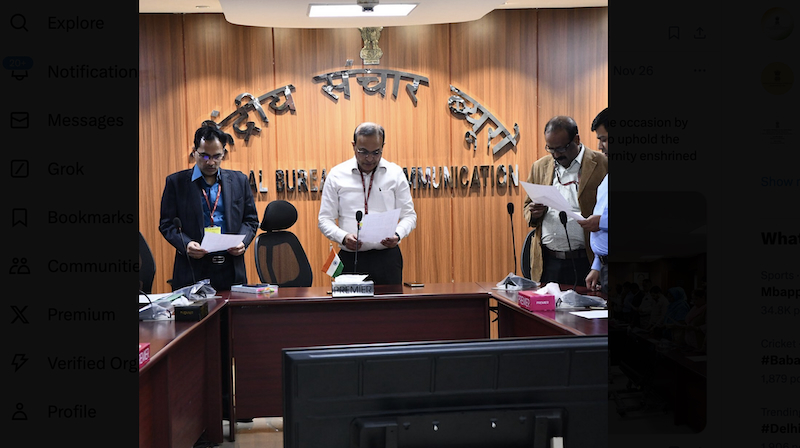
    MUMBAI: The  days are being counted down for TV channels looking to get some revenue through the  Indian government’s ads and spots on television. 

    According to the central bureau of communication (CBC)  wing of the ministry of information and broadcasting 552 channels had been empaneled with it three years ago  and as per its policy renewal guidelines the earlier empanelment is valid only till 31 December 2024.

    Last week, the CBC  once again sent out an advisory reminding private TV channels which had not re-registered themselves  to do so before the last date.

    Only TV channels empaneled with it will qualify to receive government advertising and its social development or messaging spots

    government of india spots

    .

    The CBC also clarified that 15 channels which had empaneled with it as of 1 January 2024 need not reapply for empanelment but they would need to update their documents.

    The last date for renewal of empanelment was actually 17 December but the CBC had given another extension to the private TV channels.
     

  • Verified print publications to get higher rates for DAVP ads

    Verified print publications to get higher rates for DAVP ads

    NEW DELHI: A new marking system has been introduced for the first time in the government’s advertisement policy to incentivise newspapers which have better professional standing and get their circulation verified by the Audit Bureau of Circulation (ABC) or the Registrar of Newspapers in India (RNI). This will also ensure transparency and accountability in the release of advertisements by the Directorate of Advertising and Visual Publicity which is the nodal advertising agency of the government.

    The marking system is based on six objective criteria with different marks allotted to each criterion. The criterion includes circulation certified by ABC/RNI (25 marks), EPF subscription for employees (20 marks), number of pages (20 marks), subscription to wire services of UNI/PTI/Hindustan Samachar (15 marks), own printing press (10 marks), annual subscription payment to PCI (10 marks). Advertisements shall be released by DAVP to newspapers based on marks obtained by each newspaper.

    The innovation is part of the new advertisement policy for the print media issued by the Information & Broadcasting ministry with the objective to promote transparency and accountability in issuing of advertisements in print media.

    The policy focuses on streamlining release of government advertisements and to also promote equity and fairness among various categories of newspapers/periodicals. The key highlights of the policy are as follows:

    The policy framework includes circulation verification procedure for empanelment of newspapers/journals with DAVP. The procedure involves certification by RNI/ABC if circulation exceeds 45,000 copies per publishing day. A certificate from Cost/Chartered Accountant/ Statutory Auditor Certificate/ ABC is mandated for circulation up to 45,000 copies per publishing day. The policy states that RNI circulation certificate shall be valid for a period of two years from the date of issue and in case of ABC, the current certificate shall be used for circulation certificate.

    It is stated in the policy that the director general of DAVP reserves the right to have figures of circulation checked through RNI or its representative.

    The policy also stipulates the empanelment procedure for multi-editions of a newspaper. It states that according to the Press and Registration of Books Act whenever copies of one edition of a newspaper are printed from more than one centre, the newspapers would be treated as different editions if the content is different. Each edition of a newspaper is required to have a separate RNI registration number and RNI shall treat each edition as separate entity while verifying the circulation.

    However, the policy guidelines mention that if a newspaper is printing its copies of an edition in more than one printing press for sake of convenience without adding any additional content, DAVP may take the circulations of such printing centres into consideration for giving rate of that edition.

    The policy framework provides a premium for prominent placing of ads in newspapers and journals whose circulation is certified by ABC/RNI. The directorate would pay a premium of 50 percent above DAVP rates for colour/black and white for front page, 20 percent premium to third page, 10 percent premium to fifth page and 30 percent premium for back page to only those newspapers whose circulation is certified by ABC/RNI.

    The policy stipulates that the rate structure for payment against advertisements released by DAVP will be according to the recommendations of the Rate Structure Committee.

    The policy has classified newspaper/journals into three categories namely small ( less than 25,000 copies per publishing day), medium (25,001-75,000 copies per publishing day) and big ( greater than 75,000 copies per publishing day).

    Big category newspapers which are willing to publish the advertisements of educational Institutions at DAVP rates are being incentivised by giving additional business of 50 percent in volume terms as compared to those which are not willing to accept.

    DAVP will release payment of advertisement bills in the name of newspaper/company account directly through ECS or NEFT.

    A newspaper will publish DAVP advertisement only on receipt of the relevant release order by DAVP. All release orders issued can be accessed electronically at the DAVP website.

    The new policy has structured the empanelment procedure to ensure fairness among various categories of newspapers/journals. The policy also mentions relaxation in empanelment procedure to provide special encouragement for regional language/dialect small and medium newspapers, mass circulated newspapers (circulation above 100,000), newspapers in North Eastern states, Jammu & Kashmir and Andaman & Nicobar Islands.

    DAVP has been asked to make efforts to release more social messages and related advertisements which are not date specific to periodicals.

    To promote equity based regional outreach, the policy emphasizes that the budget for all India release of advertisements shall be divided among states based on total circulation of newspapers in each state /language.

    Public sector undertakings and autonomous bodies may issue the advertisements directly at DAVP rates to newspapers empaneled with DAVP. However, they all have to follow the criteria laid down by DAVP for release of all classified and display advertisements in different categories of newspapers viz. small, medium and big.

    To cut down on arrears, all clients of DAVP have been directed to issue Letter of Authority/cheque/ DD/NEFT/RTGS up to 80 percent of the actual expenditure in the previous year within the first month of the new financial year and clear all the remaining payments before 28 February of the financial year. Alternatively, the client ministries may provide 85 percent advance payments of the estimated expenditure of the advertisements.

  • Verified print publications to get higher rates for DAVP ads

    Verified print publications to get higher rates for DAVP ads

    NEW DELHI: A new marking system has been introduced for the first time in the government’s advertisement policy to incentivise newspapers which have better professional standing and get their circulation verified by the Audit Bureau of Circulation (ABC) or the Registrar of Newspapers in India (RNI). This will also ensure transparency and accountability in the release of advertisements by the Directorate of Advertising and Visual Publicity which is the nodal advertising agency of the government.

    The marking system is based on six objective criteria with different marks allotted to each criterion. The criterion includes circulation certified by ABC/RNI (25 marks), EPF subscription for employees (20 marks), number of pages (20 marks), subscription to wire services of UNI/PTI/Hindustan Samachar (15 marks), own printing press (10 marks), annual subscription payment to PCI (10 marks). Advertisements shall be released by DAVP to newspapers based on marks obtained by each newspaper.

    The innovation is part of the new advertisement policy for the print media issued by the Information & Broadcasting ministry with the objective to promote transparency and accountability in issuing of advertisements in print media.

    The policy focuses on streamlining release of government advertisements and to also promote equity and fairness among various categories of newspapers/periodicals. The key highlights of the policy are as follows:

    The policy framework includes circulation verification procedure for empanelment of newspapers/journals with DAVP. The procedure involves certification by RNI/ABC if circulation exceeds 45,000 copies per publishing day. A certificate from Cost/Chartered Accountant/ Statutory Auditor Certificate/ ABC is mandated for circulation up to 45,000 copies per publishing day. The policy states that RNI circulation certificate shall be valid for a period of two years from the date of issue and in case of ABC, the current certificate shall be used for circulation certificate.

    It is stated in the policy that the director general of DAVP reserves the right to have figures of circulation checked through RNI or its representative.

    The policy also stipulates the empanelment procedure for multi-editions of a newspaper. It states that according to the Press and Registration of Books Act whenever copies of one edition of a newspaper are printed from more than one centre, the newspapers would be treated as different editions if the content is different. Each edition of a newspaper is required to have a separate RNI registration number and RNI shall treat each edition as separate entity while verifying the circulation.

    However, the policy guidelines mention that if a newspaper is printing its copies of an edition in more than one printing press for sake of convenience without adding any additional content, DAVP may take the circulations of such printing centres into consideration for giving rate of that edition.

    The policy framework provides a premium for prominent placing of ads in newspapers and journals whose circulation is certified by ABC/RNI. The directorate would pay a premium of 50 percent above DAVP rates for colour/black and white for front page, 20 percent premium to third page, 10 percent premium to fifth page and 30 percent premium for back page to only those newspapers whose circulation is certified by ABC/RNI.

    The policy stipulates that the rate structure for payment against advertisements released by DAVP will be according to the recommendations of the Rate Structure Committee.

    The policy has classified newspaper/journals into three categories namely small ( less than 25,000 copies per publishing day), medium (25,001-75,000 copies per publishing day) and big ( greater than 75,000 copies per publishing day).

    Big category newspapers which are willing to publish the advertisements of educational Institutions at DAVP rates are being incentivised by giving additional business of 50 percent in volume terms as compared to those which are not willing to accept.

    DAVP will release payment of advertisement bills in the name of newspaper/company account directly through ECS or NEFT.

    A newspaper will publish DAVP advertisement only on receipt of the relevant release order by DAVP. All release orders issued can be accessed electronically at the DAVP website.

    The new policy has structured the empanelment procedure to ensure fairness among various categories of newspapers/journals. The policy also mentions relaxation in empanelment procedure to provide special encouragement for regional language/dialect small and medium newspapers, mass circulated newspapers (circulation above 100,000), newspapers in North Eastern states, Jammu & Kashmir and Andaman & Nicobar Islands.

    DAVP has been asked to make efforts to release more social messages and related advertisements which are not date specific to periodicals.

    To promote equity based regional outreach, the policy emphasizes that the budget for all India release of advertisements shall be divided among states based on total circulation of newspapers in each state /language.

    Public sector undertakings and autonomous bodies may issue the advertisements directly at DAVP rates to newspapers empaneled with DAVP. However, they all have to follow the criteria laid down by DAVP for release of all classified and display advertisements in different categories of newspapers viz. small, medium and big.

    To cut down on arrears, all clients of DAVP have been directed to issue Letter of Authority/cheque/ DD/NEFT/RTGS up to 80 percent of the actual expenditure in the previous year within the first month of the new financial year and clear all the remaining payments before 28 February of the financial year. Alternatively, the client ministries may provide 85 percent advance payments of the estimated expenditure of the advertisements.