Tag: Elon Musk

  • Tesla’s Elon Musk unlikely to buy Twitter; may face legal consequences

    Tesla’s Elon Musk unlikely to buy Twitter; may face legal consequences

    Mumbai: After a lot of speculation, Tesla chief executive officer Elon Musk has pulled out of the $44 billion deal to buy Twitter which he inked back in April.

    Musk stepped back with an announcement, in a regulatory filing, on Friday that he would drop his $44 billion offer to buy Twitter. Musk’s lawyers stated that Twitter has failed to respond to their multiple requests for information about fake accounts.

    According to a letter sent to Twitter on behalf of the Tesla chief’s, Elon Musk is terminating his $44 billion deal to buy Twitter, citing multiple breaches of the purchase agreement. The letter said that Musk is terminating the merger agreement because Twitter violates several provisions of that agreement.

    Also Read: The Twitter-Elon Musk tussle: To be ‘bot’ or not to be

    Reacting to this, Twitter chairman Bret Taylo, said the board will take a legal route to enforce the merger agreement. He tweeted, “The Twitter Board is committed to closing the transaction on the price and terms agreed upon with Musk and plans to pursue legal action to enforce the merger agreement.”

    According to the agreement, Musk will have to pay $1 billion if he fails to make the complete transaction for the deal.

    Musk had threatened to cancel the transaction unless the business could demonstrate that less than 5 percent of members on the social media platform were made up of
    spam and bot accounts.

    The billionaire and the 16-year-old San Francisco-based corporation are likely to engage in a protracted legal battle as a result of the ruling.

  • Twitter to address Elon Musk’s demands by providing crucial tweet data

    Twitter to address Elon Musk’s demands by providing crucial tweet data

    MUMBAI: In a bid to end the standoff between the company and Elon Musk, Twitter will grant Tesla’s CEO unprecedented access to its “firehose” of public tweet data, The Washington Post reported. With this, the tech giant seeks to assuage Musk’s concerns over fake or automated accounts by yielding access to the firehose API, which contains ‘every tweet as it is posted.’

    Twitter’s firehose API, in its entirety, shows what a user would see if they followed every account on Twitter — although the sheer volume of data is impossible to obtain or analyse without automation. Due to its value for ad-targeting and platform surveillance, it is also one of the company’s most closely held resources.

    Firehose data could be immensely valuable as raw material for a study on automated activity. However, conducting a full study of automated activity would require significant time and resources, given the sheer scale of the data.

    Providing valuable data could help Twitter score political points over Musk, as the micro networking platform seeks to fend off Musk’s qualms over the number of bots or automated accounts on the platform, and ensure that he honours his part of the buyout deal.

    The news comes just days after the maverick billionaire once again threatened to back out of his deal to purchase Twitter, accusing it of failing to provide data on fake accounts.

    In his filing with the US Securities Exchange on Monday, Musk accused Twitter of breaching its April agreement by not providing him sufficient data on automated accounts, rejecting the company’s offer to provide more detail on its internal studies of the issue.

    Musk legally committed to purchasing Twitter in April this year, but since then has been increasingly vocal about growing bot activity on the platform, in what is seen by many as an attempt to renegotiate the deal on more favourable terms or cancel it altogether.

    ALSO READ |The Twitter-Elon Musk tussle: To be ‘bot’ or not to be

    “Twitter’s latest offer to simply provide additional details regarding the company’s testing methodologies is tantamount to refusing Musk’s data requests,” Musk’s representatives said in the filing. “At this point, Musk believes Twitter is transparently refusing to comply with its obligations under the merger agreement.”

    Despite all this, Twitter Inc. remains confident the deal will proceed as planned. In an internal meeting, a senior company executive assured employees that the deal was proceeding normally and set for a shareholder vote in late July or early August.

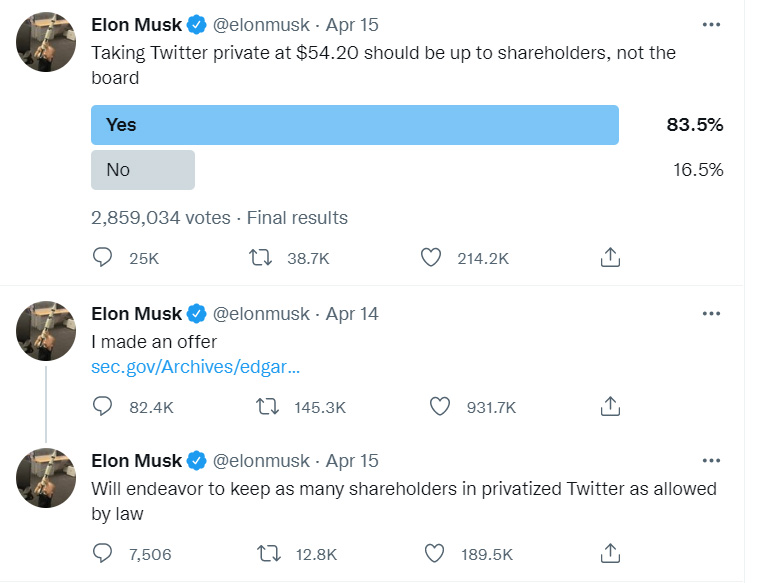
    Meanwhile, the networking giant’s stock continues to trade well below the $54.20 price set by Musk, reflecting market skepticism that the deal will go through as agreed.

    In response to Musk’s SEC filing, Twitter issued a statement earlier this week. “Twitter has and will continue to cooperatively share information with Musk to consummate the transaction by the terms of the merger agreement,” the statement reads. “We intend to close the transaction and enforce the merger agreement at the agreed price and terms.”

  • Former CEO Jack Dorsey steps down from Twitter’s board of directors

    Former CEO Jack Dorsey steps down from Twitter’s board of directors

    Mumbai: Twitter’s former CEO Jack Dorsey has stepped down as a board member of the microblogging platform. Dorsey’s exit from the Twitter board means he no longer has anything to do with the social media giant and has exited completely.

    In November 2021, he also resigned from the position of CEO of Twitter. Then, he was replaced by Parag Agarwal, a technical expert of Indian origin. Parag was the CTO of the company at that time.

    His resignation comes at a time when there is a tussle between Elon Musk and Twitter. Musk is pressuring the company to reveal the actual number of fake or spam accounts on the platform.

  • The Twitter-Elon Musk tussle: To be ‘bot’ or not to be

    The Twitter-Elon Musk tussle: To be ‘bot’ or not to be

    Mumbai: The Twitter acquisition drama has been playing out- where else but on Twitter- on a daily basis (or hourly, if you go by Musk’s tweets) for the last several weeks. The latest in the Elon Musk-Twitter saga is that the Twitter Inc board has decided to go ahead and enforce its $44 billion agreement to be bought by Elon Musk. The board’s statement comes on the back of multiple tweets from Musk in the last several days that seem to indicate that the billionaire appears to be rethinking the whole deal.  

    “We intend to close the transaction and enforce the merger agreement,” the board said on Tuesday in a statement, adding, “the transaction is in the best interest of all shareholders.”

    Prior to this, the board voted to unanimously recommend that shareholders approve Musk’s $54.20 per share offer.

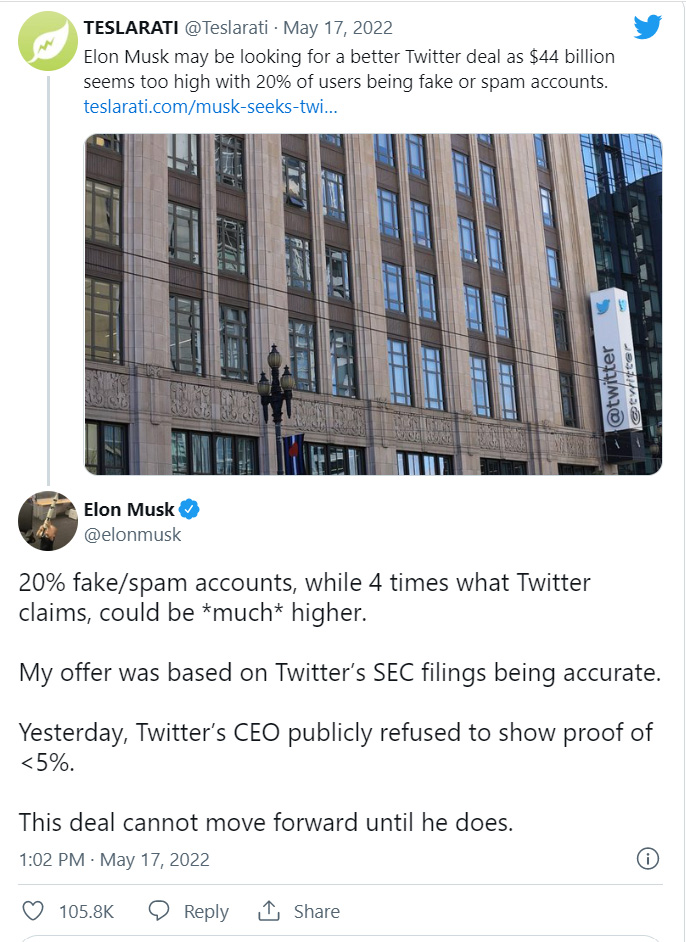
    Earlier on Tuesday, Elon Musk intensified his very public dispute with the Twitter CEO on the matter of bots or fake accounts on the platform, saying his acquisition of the social media company “cannot move forward” until he sees more information about the prevalence of spam accounts.

    “20% fake/spam accounts, while 4 times what Twitter claims, could be *much* higher. My offer was based on Twitter’s SEC filings being accurate. Yesterday, Twitter’s CEO publicly refused to show proof of <5%. This deal cannot move forward until he does,” Musk tweeted, citing an article by Teslarati, (which, by the way, is a media company and a publisher of news on Tesla, SpaceX, and ventures, affiliated with Musk himself!) that said, “Elon Musk may be looking for a better Twitter deal as $44 billion seems too high with 20% of users being fake or spam accounts.”

    The article suggested Twitter’s filings with the Securities and Exchange Commission were misleading. The company has maintained that less than five per cent of its daily active users are spam accounts.

    In yet another twist in the proposed acquisition, earlier on Friday, Musk had tweeted that his planned $44 billion purchase of Twitter is “temporarily on hold” pending details on spam and fake accounts on the social media platform.

    The proposed takeover includes a $ one billion breakup fee for each party, which means Musk will have to pay the said amount if he ends the deal or fails to deliver the acquisition funding as promised. Musk might be exempted from that requirement only if he can show a material change in the company’s situation or the information it has provided.

    This is just the latest in a series of twists and U-turns that have been doing the rounds on the platform, regarding the company’s take over by Musk amid increasing signs of internal turmoil between the two parties.

    In fact, ever since the billionaire grandly announced his offer to buy out the micro blogging platform on 14 April, the platform has been abuzz with new speculations on the acquisition front, mostly triggered by the Tesla founder himself. Musk has been highly active on the platform even before that, and became more so vocal about the site’s alleged shortcomings when he started building his stake in the company and became an active investor in April this year.

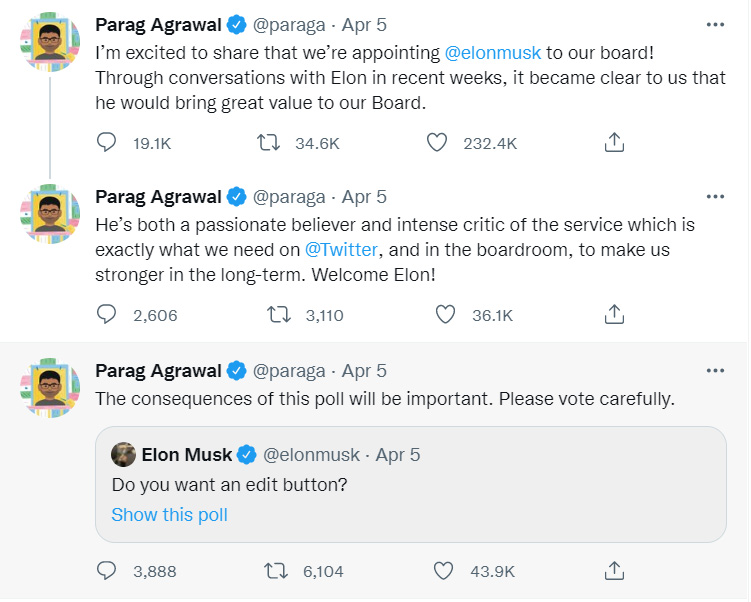
    This led to speculations on Musk being keen to join the company’s board, further amplified by the Twitter CEO’s own tweet on 5 April welcoming Musk onboard, where Agrawal wrote about the billionaire: “He’s both a passionate believer and intense critic of the service which is exactly what we need on @Twitter, and in the boardroom, to make us stronger in the long-term.”

    However, Musk surprised everyone- most of all, the Twitter management- by rejecting the company’s offer to join its board, instead offering to buy out the company itself!

    With Twitter now committed to completing the sale even as Musk continues to drag his feet over it, it remains to be seen how the rest of this very public saga plays out!

  • Twitter unlikely to be free for commercial & government users: Elon Musk

    Twitter unlikely to be free for commercial & government users: Elon Musk

    Twitter is likely to charge costs for commercial or government users, Tesla’s CEO Elon Musk revealed in a recent twitter post.

    He also highlighted that Twitter will always remain free for casual users. “Twitter will always be free for casual users, but maybe a slight cost for commercial/government users,” he said in his tweet.

    In the last week of April, Twitter announced the sale of the company to Tesla for $ 44 billion. Ever since the news of Twitter’s acquisition by Tesla broke out, Tesla CEO Elon Musk has been suggesting a series of changes to Twitter. After finalizing the deal with Twitter, Musk made it very clear that he is planning to enhance the platform with new features.

    “Twitter has tremendous potential – I look forward to working with the company and the community of users to unlock it,” he had said earlier. 

    This is not it, in one of his Tweets, he even advocated free speech over social media and said, “I hope even my worst critics remain on Twitter, because that is what free speech means.”

  • Starlink India country director Sanjay Bhargava steps down

    Starlink India country director Sanjay Bhargava steps down

    Mumbai: Sanjay Bhargava has stepped down as country director and chairman of the board of satellite broadband company Starlink India. His last working day was 31 December 2021.

    The announcement was made on LinkedIn where he posted, “I have stepped down as country director and chairman of the board of Starlink India for personal reasons… my last working day was December 31, 2021. I will have no comments for individuals and media so please respect my privacy.”

    Starlink is a division of aerospace company SpaceX led by billionaire Elon Musk. The company announced that it would launch its services in India by 2022 pending regulatory approvals.

    Bhargava’s resignation comes weeks after the Department of Telecommunications (DoT) ordered the company to refund the deposits it had collected from Indian customers who had pre-booked a connection. It stated that Starlink was not licensed to offer satellite-based internet services in India and advised consumers to refrain from subscribing to its services until it was granted the requisite permissions.

  • 16 per cent urban Indians currently own cryptocurrency: Kantar study

    16 per cent urban Indians currently own cryptocurrency: Kantar study

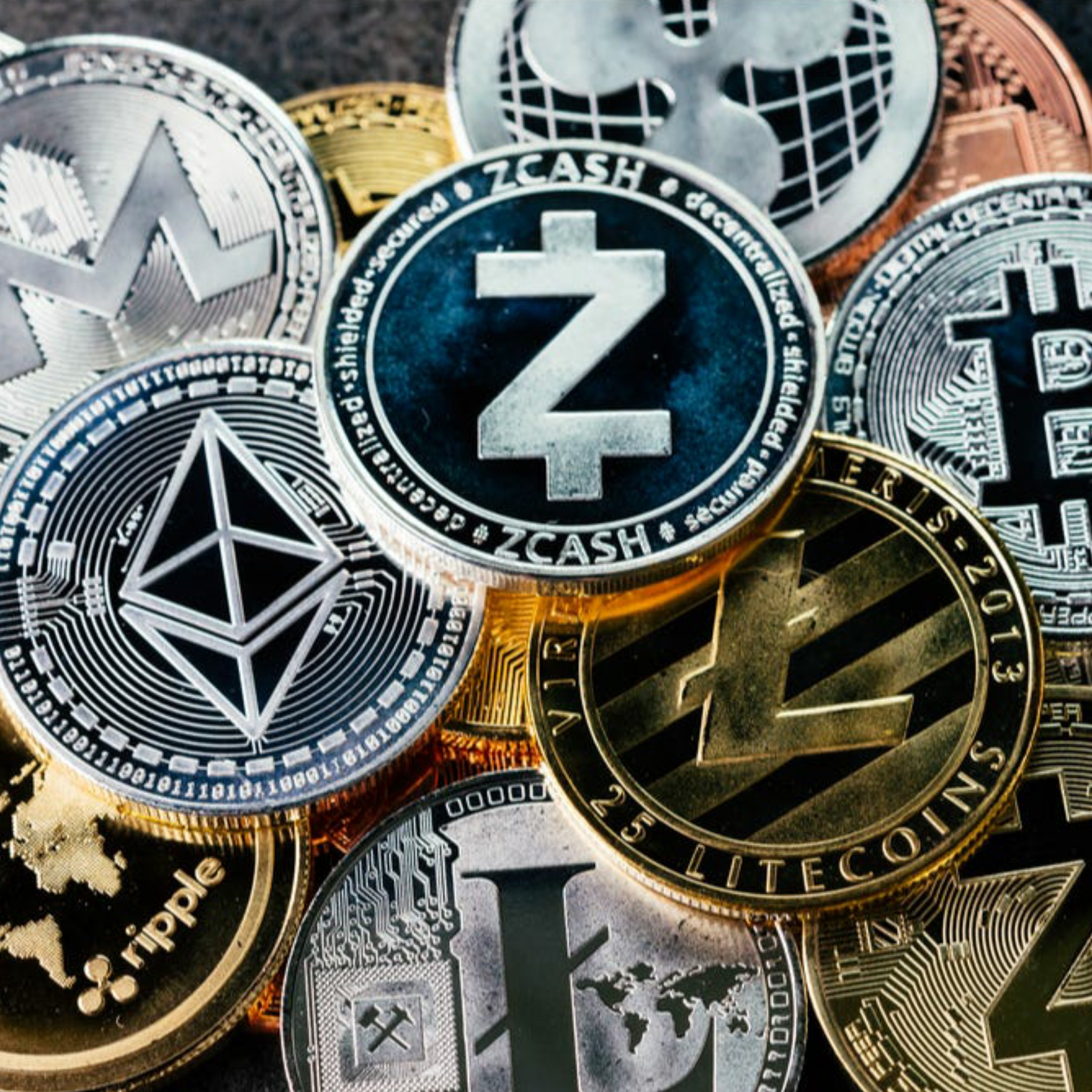
    Mumbai: The sentiment around cryptocurrency in India and the world over is volatile, with tweets or news around cryptocurrency seen to have an immediate effect on it. As per a recently concluded study by Kantar, it is learned that while 83 per cent of urban Indians are aware of cryptocurrency, the ownership is at a healthy 16 per cent for a product that has gained traction only recently.

    Out of the 16 per cent urban Indians who claim to currently own cryptocurrency, ownership is highest in the top four metros at 20 per cent, among private banking customers at 19 per cent and in the age group of 21-35 years at 18 per cent, found the study. The owners have a higher risk appetite, with their investment basket comprising shares at 31 per cent and mutual funds at 21 per cent over traditional choices like fixed deposits at 19 per cent and life insurance at 16 per cent.

    The survey by the evidence-based insights and consulting company was primarily conducted amongst males and females aged between 21-55 years across twelve key Indian cities such as Mumbai, Delhi, Chennai, Kolkata, Pune, Hyderabad, Bangalore, Ahmedabad, Indore, Patna, Jaipur, and Lucknow. Respondents were a mix of salaried and business owners- all with savings accounts across various banks, Kantar stated adding that the time frame of undertaking the social analytics was from January 2020 to June 2021.

    The study also found that cryptocurrency owners and intenders have a diversified financial portfolio. The average number of financial products owned is higher (6.6) among those who have currently invested in cryptocurrency as well as those who intend to (5.2). In comparison, the average number of financial products owned by non-crypto-owners stands at 4.6 and 3.6 for non-intenders.

    Interestingly, one in two consumers intending to invest in cryptocurrency are repeat investors. Out of the total sample surveyed, 19 per cent Indians intend to invest in cryptocurrency in the next six months. However, this is lower when compared with the intention to invest in mutual funds (49 per cent) and shares (33 per cent) in the next six months.

    Most Indians are currently trying to better understand how cryptocurrency works and if it’s worth the investment and risk, according to Kantar- Insights Division executive director Anand Parameswaran. “This is the first of its kind research study on cryptocurrency in India. We met close to 2,000 consumers and saw that awareness levels are clearly quite high,” he said about the study, adding that, “Consumers are willing to invest in the product and are looking at diversification of their portfolio among high-risk products. Engagement with various crypto exchanges also indicates that ownership numbers seem likely to increase in future.”

    In terms of ownership, the top five preferred currencies are Bitcoin which leads by far at 75 per cent, followed by Dogecoin at 47 per cent, Ethereum at 40 per cent, Binance Coin at 23 per cent and XRP at 18 per cent. Though Bitcoin leads on ownership; net sentiment is highest for Ethereum (41). Net sentiment for other cryptocurrencies like Dogecoin, XRP, and Binance coin is also higher compared to Bitcoin.

    Consumer intelligence from social data shows that the profile of those interested in cryptocurrency is most likely to be men in the age group of 25-44. The higher skew of the cryptocurrency interested audience is also seen towards the top metros with Delhi topping the charts at 21 per cent followed by Mumbai at 17 per cent, Bangalore at 12 per cent, Hyderabad at seven per cent and Pune at six per cent.

    Crypto exchanges like WazirX, Zebpay, Coinswitch, and Kuber are most used to purchase the currency for the most popular ones- Bitcoin (70 per cent), Dogecoin (78 per cent) and Ethereum (70 per cent).

    “While most perceive cryptocurrency currently as a digital currency, it is also perceived by the majority as an alternate form of investment. Cryptocurrency thus can be a potential competition to alternate investment instruments like gold,” said Frrole AI co-founder Amanpreet Kalkat.

    Earlier, Elon Musk’s tweet (about not accepting Bitcoin for the purchase of Tesla vehicles) gave cryptocurrencies a negative sentiment around May 2021. However, post a reassurance, these sentiments shifted back to positive post-June 2021.
  • TRAI seeks suggestions to make satellite broadband services affordable

    TRAI seeks suggestions to make satellite broadband services affordable

    New Delhi: The cost of satellite broadband services continue to remain on the steeper end in the country, posing a major challenge to its wide adoption by the end users. The issue has been taken up by India’s telecom regulator, which is now looking for ways to drive down the rates of satellite broadband.

    The Telecom Regulatory Authority of India (TRAI) has floated a discussion paper and sought views to make satellite communications more affordable in the country. The decision comes at a time when global communication companies, including Bharti Group and UK consortium led OneWeb and Elon Musk’s SpaceX Technologies have expressed their interest in entering India’s satellite internet space.

    “Satellite communication can provide coverage to the remotest and inaccessible areas of a geographically widespread country like India. With the evolution of satellite communication technologies, new types of applications based on low-bit-rate applications are emerging. Such applications require low cost, low power and small size terminals that can effectively perform the task of signal transfer with minimum loss,” TRAI stated in its paper.

    The telecom regulator emphasiaed upon creating an enabling environment to attract investment into the satellite communication space. It has also sought feedback on whether licensed national long distance (NLD) operators can be allowed to offer satellite services to connect the new wave of Internet of things (IoT) devices, and if only some frequency bands should be available for such satellite-based IoT connectivity.

    The written comments have been invited from the stakeholders by 9 April and counter comments by 23 April.

    The telecom regulator also noted that there are long delays reported in procurement of satellite bandwidth through the current processes due to the involvement of multiple agencies for seeking various clearances and approvals. “To attract investment and new players in a sector, the most important characteristic is the ‘ease of doing business’,” stated TRAI, adding that there is need for a single window clearance for all kinds of satellite-based processes.

    Among other issues, it has also sought views on whether satellite service licensees should be allowed to obtain bandwidth from foreign satellites for providing IoT connectivity. Also, whether any specific or all bands should be permitted for provisioning satellite-based IoT connectivity. It also invited suggestions on whether a new licensing framework should be proposed for the provision of satellite-based connectivity for low-bit-rate applications or the existing licensing framework may be suitably amended to include the provisioning of such connectivity.

    “In spite of the fact that cost of launching a satellite in India is the lowest globally, yet the licensing formalities, technical criteria, lack of ‘Open Skies Policy’ are significant barriers for the growth of satellite services in the country. The satellite services need to be made affordable for wider acceptability by price sensitive Indian industry and end-users,” noted the telecom regulator.

    Last September, the then chairman of TRAI, R S Sharma, had also called for an urgent need to bring down the price of broadband services provided through satellites, asserting that its current high price could pose a challenge in its adoption in the country. 

    “There’s an urgent need to liberalise the satcom policy to boost satellite-based broadband penetration in rural, remote and hilly regions that remain largely unconnected by mobile and terrestrial communication networks, given the big global advances in satellite technologies,” Sharma had said, highlighting the need to align the satcom policy with emerging requirements of 5G and IoT.

  • SES-8 launched successfully; DTH players to benefit

    SES-8 launched successfully; DTH players to benefit

    MUMBAI: When it lifted off with almost perfection from the Cape Canaveral station in Florida in the US, communications satellite SES-8 was a personal victory for the creator of the Tesla vehicle Elon Musk. It was Musk’s company SpaceX’s first successful commercial launch using a Falcon 9 launch vehicle and it helped him break into the duopolistic satellite launch market which is dominated by European firm Arianespace and Russia’s International Launch Services  (which mainly uses Proton rockets). SpaceX has priced its launches in the $55-60 million range.

    While it was a personal landmark for Musk, it was also a victory for the Luxembourg-based SES Satellite management that gleefully watched the $100 million plus 3.1 tonne satellite being hurtled 50,000 miles above the earth into geostationary orbit. Built on a GEO-Star bus by Orbital Sciences, SES-8 is to be co-located with the NSS-6 satellite at 95 degrees east.

    The satellite has 33 Ku-band transponders and is targeting both south Asian and south East Asian clients. “The new satellites will enable improved coverage in fast-growing economies in south Asia and Indo-China,” says a press release from the company.

    In south Asia, it is aimed at providing much needed transmission capacity to India’s DTH and VSat service providers and government. Sources indicated that considering its location at 95 degrees east, one of the potential customers could be India’s first DTH services provider, the Essel group’s Dish TV that is currently beaming off NSS-6 and is also owned by SES. But all the deals will be done through Indian Space Research Organisation’s (ISRO) Antrix arm.

    SES also plans to launch SES-9 in 2015 at 108.2 degree East with extensive Ku-band capacity to give company to the existing SES-7 satellite in order to provide better DTH broadcasting services in South Asia along with north East Asia and Indonesia.

    Although, it was set for launch in early 2013, technical issues pushed the SES-8 to the end of the year.