Tag: Eleganz Interiors

  • The evolving role of architecture in promoting sustainable and eco-conscious office design

    The evolving role of architecture in promoting sustainable and eco-conscious office design

    As environmental stewardship has become an essential driver for consumers, governments, and investors alike, the architecture industry must evolve to meet the demands for sustainability. With resource inefficiency, carbon emissions, and waste management plaguing the sector, there is a pressing need for transformative solutions to mitigate the deadly impacts of climate change. The shift towards sustainability is especially important in the context of office and commercial spaces, given the high energy consumption and environmental impact traditionally associated with them – buildings are responsible for 40 per cent of global energy consumption and 33 per cent of greenhouse gas emissions.

    Architecture plays a crucial role in promoting sustainable, environmentally conscious design and office practices. Sustainable architectural practices not only address environmental concerns but also contribute to healthier, more productive work environments in many ways. Here’s how green buildings and sustainable architecture can make a difference:

    1. Energy efficiency and renewable resources

    One of the primary goals of sustainable architecture is to reduce energy consumption, which can be achieved through various design strategies that maximise natural light, improve insulation, and enhance ventilation. Energy-efficient buildings often incorporate advanced materials and technologies, such as low-emissivity glass, bamboo, reclaimed wood, recycled metal, green roofs, and energy-efficient HVAC systems. Additionally, the integration of renewable energy sources, such as solar panels and wind turbines, helps in reducing the carbon footprint of office buildings. While there might be a slightly higher price to pay for sustainable design elements, they lead to significant cost savings in the long run.

    2. Building Information Modeling (BIM)

    Building Information Modeling (BIM) is a relatively new technology that is revolutionising the way architects design and manage buildings. BIM provides a comprehensive 3D digital representation of the physical and functional characteristics of a building, enabling better decision-making throughout the lifecycle of the project. Expansive databases are a part of advanced BIM software systems, which hold key information such as construction sequencing, cost, and lifecycle management. This allows for better resource management and collaboration across the various teams that are involved in creating a commercial space, and helps ensure waste is minimised.  By integrating data on energy performance, materials, and construction processes, BIM helps architects optimise the design for sustainability, reducing waste, and improving efficiency.

    3. Modular and prefabricated construction

    Modular and prefabricated construction techniques are gaining popularity as sustainable architectural solutions across India. These methods involve producing building components in a controlled factory environment and then assembling them on-site. This approach reduces construction time, minimises waste, and improves quality control as modular buildings are often made using sustainable materials like reinforced concrete, which is also an excellent insulator. Moreover, prefabricated commercial buildings can be designed for disassembly, allowing materials to be reused or recycled, further enhancing their sustainability.

    4. Adaptive reuse and retrofitting

    A key challenge in the realm of architecture is incorporating environmentally friendly materials and processes into pre-existing buildings that were not designed to be sustainable. India recycles only one per cent of its construction and demolition waste, which is cause for concern as the construction waste generated in India is 150 MT, accounting for 35 per cent – 40 per cent of global construction and demolition waste every year. Adaptive reuse and retrofitting of existing buildings are essential strategies to combat this, which involves updating building systems and components to improve energy efficiency and functionality, ensuring that older buildings meet modern sustainability standards. By repurposing old structures for new uses, architects can preserve cultural heritage while reducing the environmental impact associated with demolition and new construction.

    5. Biophilic design

    Biophilic design, which emphasises the connection between people and nature, is another key element of sustainable architecture that can make a huge difference. This design philosophy encourages architects to find new and functional ways to incorporate natural elements into a commercial space. Weaving natural elements such as plants, water features, airflow, and natural light into office spaces is also known to enhance employee well-being and productivity by 15 per cent. Green walls, indoor gardens, and atriums not only improve air quality but also create a calming, aesthetically pleasing environment that promotes mental health.

    6. Smart technologies and IoT

    Another key way in which architecture can help promote environmental consciousness is through the integration of smart technologies and the Internet of Things (IoT) in office buildings. Architects can champion sustainability by incorporating smart systems like occupancy sensors, intelligent and motorised windows, telemetry mechanisms, smart HVAC systems, etc. to optimise efficiency and reduce costs in real-time. IoT sensors can also be employed in sustainable design to track occupancy patterns and adjust building systems accordingly, ensuring that energy is used only when and where it is needed.

    Conclusion

    It is no secret that architecture holds the key to promoting sustainable offices and environmentally conscious design practices. Sustainable architecture is not just a choice, but an imperative decision that can help limit the effects of climate change and pave the way for a more resilient future. By embracing innovative technologies, materials, and design strategies, architects can create office spaces that are not only energy-efficient and environmentally friendly but also conducive to the well-being and productivity of their occupants.

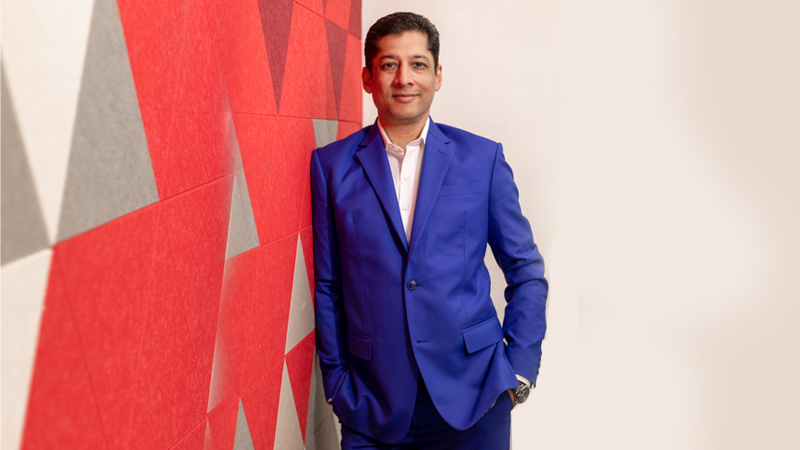
    The article has been authored by Eleganz Interiors MD & CEO Sameer Pakvasa.

  • Maximize efficiency: Space-saving office interior designs

    Maximize efficiency: Space-saving office interior designs

    A small, compact office space can often feel confining and stifling, hampering employees’ creativity and productivity. However, with thoughtful design elements, it’s possible to transform even a small area into an inspiring and energising environment. One powerful strategy is to employ the art of illusion. For instance, using warm, natural lighting can create a welcoming and spacious atmosphere. Light-coloured walls, such as a soft beige or pale yellow, can trick the eye into perceiving more expansive dimensions. Simultaneously, various space-saving techniques can be implemented to minimise clutter, foster an open feel, and cultivate an inspiring ambiance – ultimately boosting efficiency. Here are some approaches:

    1. Open layouts: In small offices, cubicles, and partitions can make the space feel even more confined and restrictive. This not only reduces the circulation area but also makes employees feel stuck in one place. Open layouts are ideal for such spaces. Businesses can create a more open, collaborative environment by eliminating unnecessary walls and partitions. Open-plan layouts enhance communication and teamwork while allowing for flexible furniture arrangements and the efficient use of available square footage.

    2. Optimising square footage: While decorating a small office with artwork and accent pieces can stimulate creativity, the key is to balance functionality and aesthetics. Specific layouts can significantly impact your mindset and workflow. Finding the right balance ensures that employees feel comfortable and motivated, using the available space optimistically. This can be a game-changer in compact offices, enhancing both efficiency and productivity.

    3. Modular furniture: Choosing the right furniture is crucial for maximising space efficiency in small office designs. Opt for functional, adaptable, and appropriately sized furniture. For example, a desk with a built-in filing cabinet can save space and keep documents organised. Multi-purpose pieces, like a storage ottoman that can be used as a seat, are excellent choices. Modular furniture systems, such as a desk that can be extended or reconfigured, can be easily adjusted to meet changing needs. Additionally, furniture with built-in technology integration, like a desk with built-in charging ports, can minimise clutter and maximise functionality.

    4. Efficient storage solutions: In small office spaces, organisation is essential for efficiency and productivity. Minimising clutter by keeping only essential items helps create a tidy environment. Utilising vertical space for storage makes use of areas that are often overlooked. Investing in efficient storage solutions enhances organisation and availability. Establishing a system for organising paperwork, appointments, and deadlines is crucial, as is maintaining cleanliness to boost productivity and reduce stress.

    5. Tech-savvy solutions for efficiency: Leveraging technology can streamline tasks and simplify work processes. From project management software to automated scheduling tools, many great tools can help optimise office operations. By incorporating technology, small office owners can enhance efficiency, allowing them to accomplish more in less time, ultimately leading to greater business success.

    6. Optimise lighting, colour selection, and biophilic design: Strategic lighting and colour choices can create the illusion of more space and enhance the overall ambiance of an office. Maximise the use of natural light whenever possible, as it not only makes the space feel more open but also promotes employee well-being. Choose light-coloured furniture and finishes that reflect light, creating a sense of spaciousness. Incorporate mirrors or glass partitions to reflect light and give the illusion of a larger area. Additionally, integrate biophilic design elements, which is the practice of bringing nature into the built environment, by adding plants and natural textures to bring the outdoors inside. This can improve air quality, reduce stress, and increase productivity.

    These design elements not only maximise the available square footage but also foster collaboration, minimise clutter, and streamline workflows. Creating an inspiring and productive work environment within a small office space sure requires thoughtful design strategies, but it is not impossible.

    A well-designed small office can ultimately cultivate creativity, boost employee motivation, and drive productivity, positioning businesses for success within their spatial constraints. Embracing these practical yet innovative approaches can unlock the full potential of any compact office, turning spatial limitations into opportunities for innovation and growth.

    The article has been authored by Eleganz Interiors MD & CEO Sammeer Pakvasa.

  • Eleganz Interiors celebrates 35 years of excellence with the grand anniversary gala

    Eleganz Interiors celebrates 35 years of excellence with the grand anniversary gala

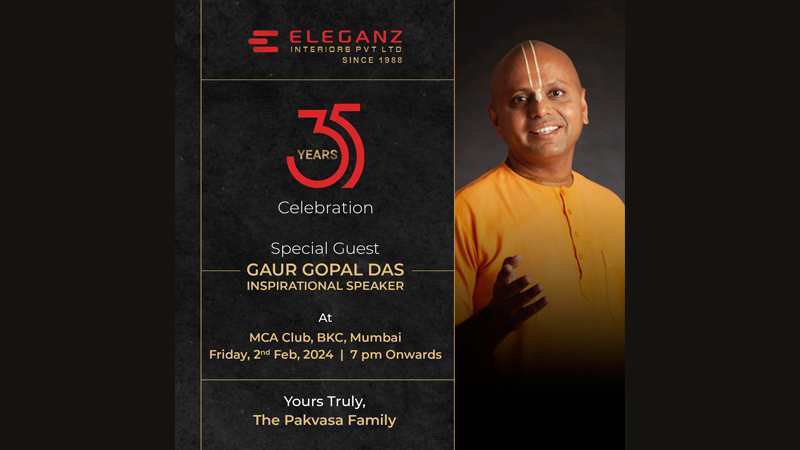
    Mumbai:  Eleganz Interiors, an interior design and build firm, is gearing up for an unforgettable celebration as it marks its 35 anniversary in the industry. The event, scheduled at MCA Bandra Club on 2 February 2024, starting at 7 pm, promises an evening of glamour, inspiration, notable personalities, and reflection on the remarkable journey of Eleganz Interiors.

    The event’s highlights feature esteemed guests, including Gaur Gopal Das, celebrated motivational speaker, Deepak Parekh, former Housing Development Finance Corporation chairman, and Hafeez contractor, the renowned architect known for shaping India’s skyline. Their presence promises to bring a unique and insightful perspective to the celebration, with Parekh scheduled to deliver an engaging speech, adding further significance.

    Furthermore, the gala promises a stellar lineup of activities, drawing in industry professionals, influencers, and celebrities. The dynamic flow begins with a pre-event session featuring a media wall and welcome drinks. The main event in the ballroom will kick off with an introductory video, followed by a keynote speech from Sammeer Pakvasa, the managing director and CEO of Eleganz Interiors. The founder, Akshay Pakvasa, will then take the stage, shedding light on Eleganz Interiors’ exceptional 35-year journey and forward-looking vision. Subsequently, Deepak Parekh and  Hafeez contractor will share their insights. The spotlight will shift to a dedicated presentation on Eleganz’s Corporate Social Responsibility (CSR) initiatives. Following this, the stage will be set for discussions on sustainability, leading to a video presentation and a captivating sand art performance. Gaur Gopal Das will deliver an inspiring address, culminating in a champagne toast to close the event. Afterwards, attendees can indulge in gourmet meals and seize networking opportunities, ensuring an unforgettable experience for all.

    Eleganz Interiors managing director and CEO Sammeer Pakvasa a driving force behind the company’s success, shares, “This is a moment of great joy and pride for us at Eleganz Interiors to complete 35 years in this industry. In 1988, my father, Mr. Akshay Pakvasa, initiated this Business as an Interior contracting firm. Today, we stand as proud market leaders as Eleganz Interiors—a testament to his visionary legacy. From a modest team of 4, we’ve evolved into a flourishing family of more than 450 members, spread across India and Singapore. From inception to prominence, this journey is a celebration of growth, resilience, and the vibrant spirit that defines Eleganz Interiors. I am truly grateful for the journey and excited for the future!”

    With over two decades of transformative leadership, Sammeer Pakvasa has steered Eleganz Interiors from an Interior contracting firm to a top-tier General Contracting and design & build company. Under his guidance, the company achieved remarkable milestones, including expanding operations to Singapore, nurturing a dedicated team of over 400 professionals, reaching a turnover of over 350 crores, earning recognition as a Great Place to Work and “India’s Best Design and Build fit-out firm” by Outlook Business India. Eleganz’s commitment to sustainability is evident in initiatives such as using renewable materials and waste reduction programs and aligning with LEED and WELL Building certification standards, earning them the coveted “Sustainable Business of the Year 2023” by the World Startup Conventions.

    In the future, Eleganz Interiors will persist in leading design innovation, sustainability, global expansion, and excellence in interior design and building. Join them in toasting 35 years of excellence, reflecting on the past and embracing a promising future.

    Key Attendees to include:

    1    Motivational Speaker Gaur Gopal Das

      Former HDFC chairman, Deepak Parekh

      Renowned Architect, Hafeez Contractor