Tag: Ekta Kapoor

  • Piracy severely dents Balaji consolidated numbers in Q2-17

    Piracy severely dents Balaji consolidated numbers in Q2-17

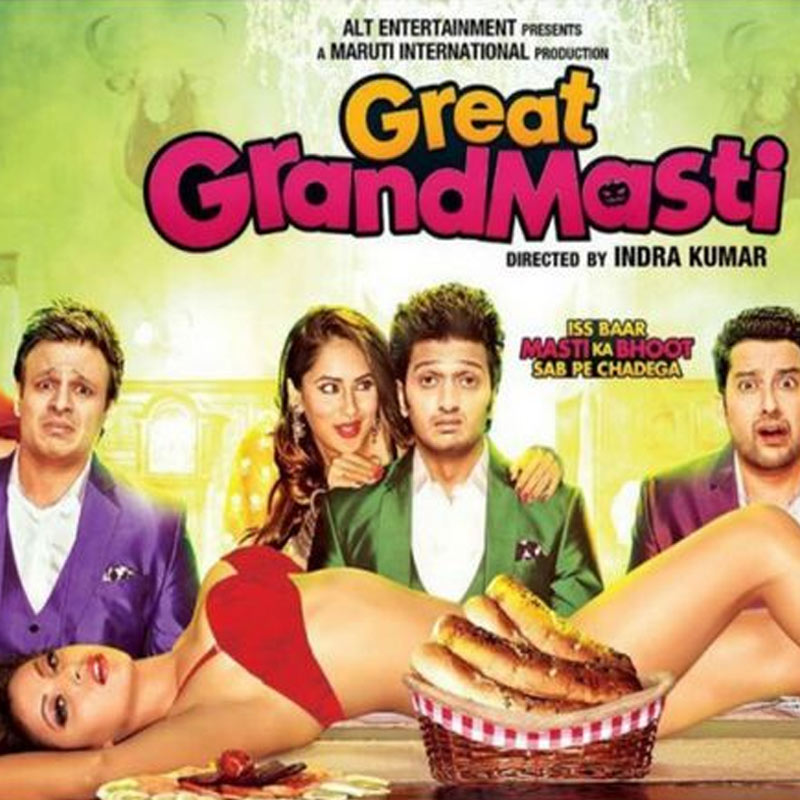
    BENGALURU: Despite almost doubling of year-over-year consolidated revenue for the quarter ended 30 September 2016 (Q2-17, current quarter), Ekta Kapoor’s Balaji Telefilms Limited (Balaji) reported a consolidated loss of Rs 28 crore, as compared to Profit after tax (PAT) of Rs 3.92 crore for the corresponding year ago quarter. The company attributes higher revenue to four films it released in the half year ended 30 September 2016 (H!-17, current half-year) as compared to no releases in H1-16. Balaji says in its investor presentation that piracy of its movies Great Grand Masti and Udta Punjab led to an approximate loss of Rs 36 crore in revenues, severely impacting its profitability in the period.

    The company reported 1.92 times higher revenue (TIO) in the current quarter at Rs 105.91 crore as compared to Rs 55.08 crore in Q2-16, and comparatively, just a little lower than the Rs 117.38 crore in the immediate trailing quarter Q1-17.

    Consolidated operating loss (negative EBIDTA) in Q2-17 was Rs 26.18 crore as compared to an operating profit (positive EBIDTA) in Q2-16 of Rs 6.33 crore.

    On a standalone basis, Balaji Telefilms Limited (BTL) – the television arm reported lower a net profit of Rs 4.4 crore in the current quarter versus Rs 6.6 crore in the corresponding year ago quarter. Standalone revenues for Q2-17 and Q2-16 were Rs 61.2 crore and Rs 53.2 crore respectively.

    Revenue from BTL’s Commissioned Programs segment in Q2-17 was Rs 60.9 crore, while for Q2-16 it was Rs 48.3 crore. Programming hours for Q2-17 were 231 hours, significantly higher than the 199 hours reported for the corresponding year ago quarter. Net realisation per hour in Q2-17 was higher at Rs 26.3 lakh as compared to Rs 24.2 lakh in Q2-16. Gross margin and gross margin per hour were lower at Rs 14.7 crore and Rs 6.4 lakh in Q2-17 as compared to Rs 16.9 crore and Rs 8.5 lakh in Q2-16 respectively.

    Balaji says that increase in programming hours in this quarter was due to certain special episodes being commissioned during the quarter for its daily soaps; realisation per hour has improved due to better episodic fees; Gross margins have improved this quarter and will continue to improve once the newer shows stabilise. Shows launched post Q2-17 were Naagin 2 on Colors, Chandra Nandni and Pardes Mein Hai Meraa Dill on Star Plus.

    Revenue from Balaji’s digital business – ALT- was Nil as the company is getting ready to launch commercial services in early Q4 FY17. Other Income from ALT was Rs 3.3 crore in the current quarter as compared to Nil in Q2-16.

    Revenue from Balaj’s movie business for Q2-17 was Rs 43.2 crore against Rs 1.6 crore in Q2-16. The movie business had an operating loss of Rs 28 crore in the current quarter. Operating loss in the corresponding year ago quarter was Rs 4.2 crore. Total amount invested as of 30 September 2016 in movies that are under production was Rs 44.1 crore says the company.

    Total Expenditure in the current quarter almost tripled (by 2.94 times) y-o-y at Rs 134.96 crore (127.4 percent of TIO) as compared to Rs 45.85 crore (83.2 percent of TIO) in Q2-16. Cost of Production/Acquisition and Telecast Fees in Q2-17 was Rs 78.55 crore (74.2 percent of TIO), 2.1 percent lower than Rs 80.22 crore (145.6 percent of TIO) in the corresponding year ago quarter.

    Marketing and distribution expense in Q2-17 increased to Rs 19.55 crore as compared to Rs 0.16 crore in Q2-16. Employee Benefit Expense in the current quarter increased 36/9 percent y-o-y to Rs 6.81 crore (6/4 percent of TIO) as compared to Rs 4.97 crore (9 percent of TIO) in Q2-16. Other expenditure in Q2-17 increased 33.8 percent y-o-y to Rs 9.42 crore as compared to Rs 7/04 crore.

    Note: The unit of currency in this report is the Indian rupee – Rs (also conventionally represented by INR). The Indian numbering system or the Vedic numbering system has been used to denote money values. The basic conversion to the international norm would be:

    (a) 100,00,000 = 100 lakh = 10,000,000 = 10 million = 1 crore.

    (b) 10,000 lakh = 100 crore = 1 arab = 1 billion.
  • Nagesh Kukunoor to direct Alt Balaji’s first original show

    Nagesh Kukunoor to direct Alt Balaji’s first original show

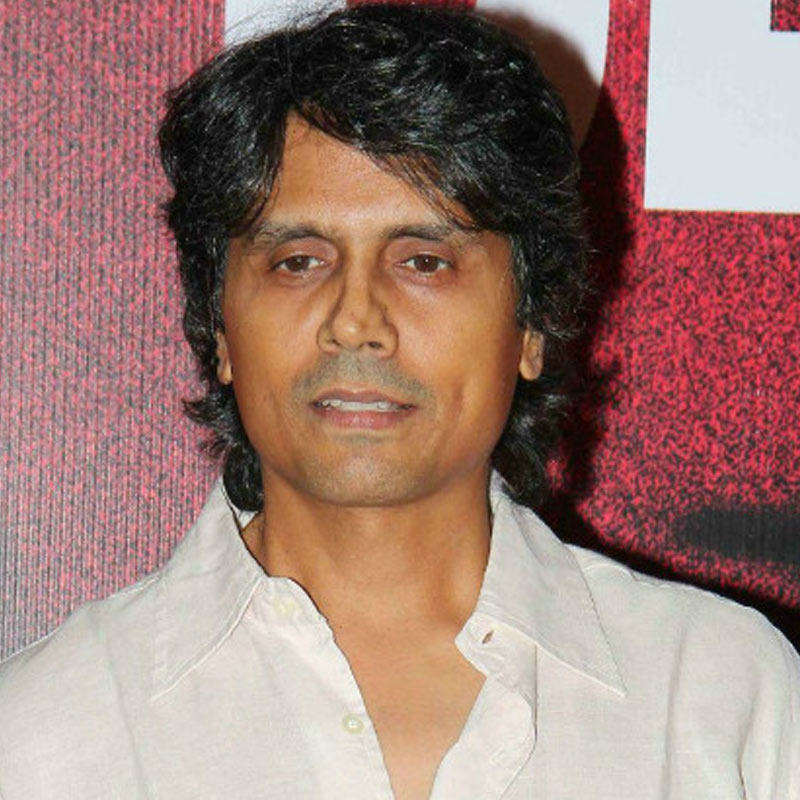
    MUMBAI: Ekta Kapoor’s Alt Balaji has announced its first digital series. Not yet titled, the platform has roped in actor Nimrat Kaur to essay the central character and Nagesh Kukunoor to direct the series.

    The fiction series has been jointly conceptualized by Balaji Telefilms joint managing director Ekta Kapoor and Samar Khan, and is produced by Endemol Shine India.

    “Set in the backdrop of the Indian Army, we are presenting a riveting story that is bound to resonate with the youth of the country. Having Nimrat and Nagesh aboard, definitely takes the show to a new level. When we announced the launch of ALT Balaji, we promised to break stereotypes in storytelling; this series is a strong reinforcement of that commitment,” said Kapoor.

    Kaur will be seen portraying the role of the first woman preparing to be inducted in a combat role in the Indian Army.

    “Disruption, innovation and scale is the core of what we want to do. From our strategy to our content, everything on ALT Balaji will reflect this ethos. Through ALT Balaji, we are targeting urban audiences who are always on the lookout for differentiated content, one that is not available on television or even on silver screen for that matter. ALT Balaji aims to satisfy the need of this very consumer. We have just announced our first exclusive show and will be making many such exciting announcements in the weeks to come,” added Alt Balaji CEO Nachiket Pantvaidya.

    Alt Balaji is aimed at disrupting the market with avantgarde and exclusive content catering to urban masses.

    “Nimrat was our first choice for this and producing content for ALT Balaji at this scale will set new standards in the digital landscape,” stated Endemol Shine India managing director and CEO Deepak Dhar.

    To this, Khan added,“The army and the armed forces have always fascinated me and stories with an army background draw me towards them naturally. I am excited about this opportunity to work with ALT and Endemol and am looking forward to telling a lot such stories in the future”

  • Nagesh Kukunoor to direct Alt Balaji’s first original show

    Nagesh Kukunoor to direct Alt Balaji’s first original show

    MUMBAI: Ekta Kapoor’s Alt Balaji has announced its first digital series. Not yet titled, the platform has roped in actor Nimrat Kaur to essay the central character and Nagesh Kukunoor to direct the series.

    The fiction series has been jointly conceptualized by Balaji Telefilms joint managing director Ekta Kapoor and Samar Khan, and is produced by Endemol Shine India.

    “Set in the backdrop of the Indian Army, we are presenting a riveting story that is bound to resonate with the youth of the country. Having Nimrat and Nagesh aboard, definitely takes the show to a new level. When we announced the launch of ALT Balaji, we promised to break stereotypes in storytelling; this series is a strong reinforcement of that commitment,” said Kapoor.

    Kaur will be seen portraying the role of the first woman preparing to be inducted in a combat role in the Indian Army.

    “Disruption, innovation and scale is the core of what we want to do. From our strategy to our content, everything on ALT Balaji will reflect this ethos. Through ALT Balaji, we are targeting urban audiences who are always on the lookout for differentiated content, one that is not available on television or even on silver screen for that matter. ALT Balaji aims to satisfy the need of this very consumer. We have just announced our first exclusive show and will be making many such exciting announcements in the weeks to come,” added Alt Balaji CEO Nachiket Pantvaidya.

    Alt Balaji is aimed at disrupting the market with avantgarde and exclusive content catering to urban masses.

    “Nimrat was our first choice for this and producing content for ALT Balaji at this scale will set new standards in the digital landscape,” stated Endemol Shine India managing director and CEO Deepak Dhar.

    To this, Khan added,“The army and the armed forces have always fascinated me and stories with an army background draw me towards them naturally. I am excited about this opportunity to work with ALT and Endemol and am looking forward to telling a lot such stories in the future”

  • Colors Naagin II  to slither in on 8 October

    Colors Naagin II to slither in on 8 October

    MUMBAI: Who ever thought that the traditional age-old contrived tale of snakes taking human form to avenge their parents death? Well Ekta Kapoor, Raj Nayak and Manisha Sharma did. And the trio had a runaway Naagin on their hands last year on Colors, which ran on weekends on the channel for eight months. So much so that it reached numero uno status even in Pakistan.

    Nayak and Sharma decided to give it a break to accommodate other weekend programmes. Three months later, it is ready to make a comeback in Naagin season II on 8 October at 8 pm.. Season I saw it became the No1 show across television channels within 30 episodes of debut. The show proved to be a game-changer for Colors.

    In the first week of the launch itself, the fiction show ‘Naagin’ overtook the top five programmes on Hindi general entertainment channels (GECs). Additionally, ‘Naagin’ also became one of the first weekend shows which totted more ratings than the top-rated weekday shows.

    Says Colors CEO Raj Nayak: “Naagin has been a gloriously successful proposition for us, whose precise casting, gripping narrative and flawless execution has found appeal with audiences across the country, and has redefined the 8pm slot on weekends. As content creators, our challenge with a show like this was to weave the perfect narrative connecting childhood folklore to its real-life projection on screen, thus making Naagin a landmark show. It has been the numero uno show amongst Hindi GECs, and the feedback that the rushes have received gives us confidence that the second edition will surpass all previously set benchmarks.”

    Naagin, in its first season, highlighted a saga of love laced with revenge. As the story drew to a close, Naagin claimed triumph over evil. Ritik (Arjun Bijlani) and Shivanya became parents to a young girl, Shivangi. And, as time passes, Naagin 2 will progress by 24 years, now focusing on Shivangi’s life as she blossoms into a young woman, against the scenic backdrop of Dehradun.

    Says Colors programming head Manisha Sharma: “With Naagin, we opened up another genre of entertainment for the viewers. Naagin created history with its compelling storyline to become the unprecedented No 1 show on Indian television. And now, as we kick off Naagin 2, here’s another tale with a shape shifting snake at its helm that will once again make fantastical characters television’s newest stars.”

    Balaji Telefilms producer Ekta Kapoor adds: “Naagin is a very special show for me. The show marked my first foray in the mystical genre, and empowered us to explore a different kind of storytelling altogether. As we march ahead, we bring together not only the show’s original cast, but also a volley of newer faces who will narrate Shivangi’s tale, as she takes the mantle of being the Nagmani’s protector forward. This season we are raising the bar on visual effects to incorporate newer technologies, and will put together a tight and engrossing narrative to heighten viewer experience and build intrigue like never before.”

    To promote Naagin 2, Colors has devised an extensive integrated marketing campaign across mediums including print, cable and DTH, radio, news channels, OOH, cinema, etc. This will be complemented by a robust digital campaign incorporating multiple social media platforms like Facebook, Twitter, Instagram. . The channel has also planned on-ground activations aligned with the Colors Golden Petal Club across multiple markets. Sources indicate that a marketing budget of round Rs 2 crore has been kept aside for the show.

  • Colors Naagin II  to slither in on 8 October

    Colors Naagin II to slither in on 8 October

    MUMBAI: Who ever thought that the traditional age-old contrived tale of snakes taking human form to avenge their parents death? Well Ekta Kapoor, Raj Nayak and Manisha Sharma did. And the trio had a runaway Naagin on their hands last year on Colors, which ran on weekends on the channel for eight months. So much so that it reached numero uno status even in Pakistan.

    Nayak and Sharma decided to give it a break to accommodate other weekend programmes. Three months later, it is ready to make a comeback in Naagin season II on 8 October at 8 pm.. Season I saw it became the No1 show across television channels within 30 episodes of debut. The show proved to be a game-changer for Colors.

    In the first week of the launch itself, the fiction show ‘Naagin’ overtook the top five programmes on Hindi general entertainment channels (GECs). Additionally, ‘Naagin’ also became one of the first weekend shows which totted more ratings than the top-rated weekday shows.

    Says Colors CEO Raj Nayak: “Naagin has been a gloriously successful proposition for us, whose precise casting, gripping narrative and flawless execution has found appeal with audiences across the country, and has redefined the 8pm slot on weekends. As content creators, our challenge with a show like this was to weave the perfect narrative connecting childhood folklore to its real-life projection on screen, thus making Naagin a landmark show. It has been the numero uno show amongst Hindi GECs, and the feedback that the rushes have received gives us confidence that the second edition will surpass all previously set benchmarks.”

    Naagin, in its first season, highlighted a saga of love laced with revenge. As the story drew to a close, Naagin claimed triumph over evil. Ritik (Arjun Bijlani) and Shivanya became parents to a young girl, Shivangi. And, as time passes, Naagin 2 will progress by 24 years, now focusing on Shivangi’s life as she blossoms into a young woman, against the scenic backdrop of Dehradun.

    Says Colors programming head Manisha Sharma: “With Naagin, we opened up another genre of entertainment for the viewers. Naagin created history with its compelling storyline to become the unprecedented No 1 show on Indian television. And now, as we kick off Naagin 2, here’s another tale with a shape shifting snake at its helm that will once again make fantastical characters television’s newest stars.”

    Balaji Telefilms producer Ekta Kapoor adds: “Naagin is a very special show for me. The show marked my first foray in the mystical genre, and empowered us to explore a different kind of storytelling altogether. As we march ahead, we bring together not only the show’s original cast, but also a volley of newer faces who will narrate Shivangi’s tale, as she takes the mantle of being the Nagmani’s protector forward. This season we are raising the bar on visual effects to incorporate newer technologies, and will put together a tight and engrossing narrative to heighten viewer experience and build intrigue like never before.”

    To promote Naagin 2, Colors has devised an extensive integrated marketing campaign across mediums including print, cable and DTH, radio, news channels, OOH, cinema, etc. This will be complemented by a robust digital campaign incorporating multiple social media platforms like Facebook, Twitter, Instagram. . The channel has also planned on-ground activations aligned with the Colors Golden Petal Club across multiple markets. Sources indicate that a marketing budget of round Rs 2 crore has been kept aside for the show.

  • ‘A Flying Jatt’ is passable kid stuff

    ‘A Flying Jatt’ is passable kid stuff

    The producers of A Flying Jatt,  Balaji Motion Pictures, takes a total diversion with this film. From their earlier blend of films with mainly adult themes, they have moved to a film that caters to children and the preteen lot. Complately inspired by foreign superhero films, A Flying Jatt keeps Indian sensibilities as its main theme instead.

    The film follows in the footsteps of earlier films of this genre: the incognito superhero kinds like Boney Kapoor’s Mr India (1987), Rakesh Roshan’s Krrish (2006) and Krrish3 (2013), Romu Sippy’s Shiva KaInsaaf (3D- 1985), Tinnu Anand’s Shahenshah(1988) and earlier ones like Kishore Kumar-starrer Mr X In Bombay (1964), which dealt with the villains of the mortal kind.

    A Flying Jatt is about a superhero who propagates Swachh Bharat or Clean India and sings paeans to the valour and glory of the Sikh community and fights a super villain.

    Tiger Shroff is a martial arts instructor at a local school in Punjab. Thanks to his blundering ways and shy nature, he is never taken seriously and even his mastery over the art is passable. His young students make fun of him. While he nurses a silent love for Jacqueline Fernandez, he can’t gather the courage to express it.

    Tiger is the son of Amrita Singh who always pushes him to take inspiration from his dead father who was considered a hero by the locals. Amrita’s troubles start when a drug mafia run by KK Menon decides to grab her land, which would help his drug factory save millions in money as well as time, due to easy access to the drug markets. But the piece of land holds deep memories for Amrita and it also has a 200 year old tree that is worshipped by the people.

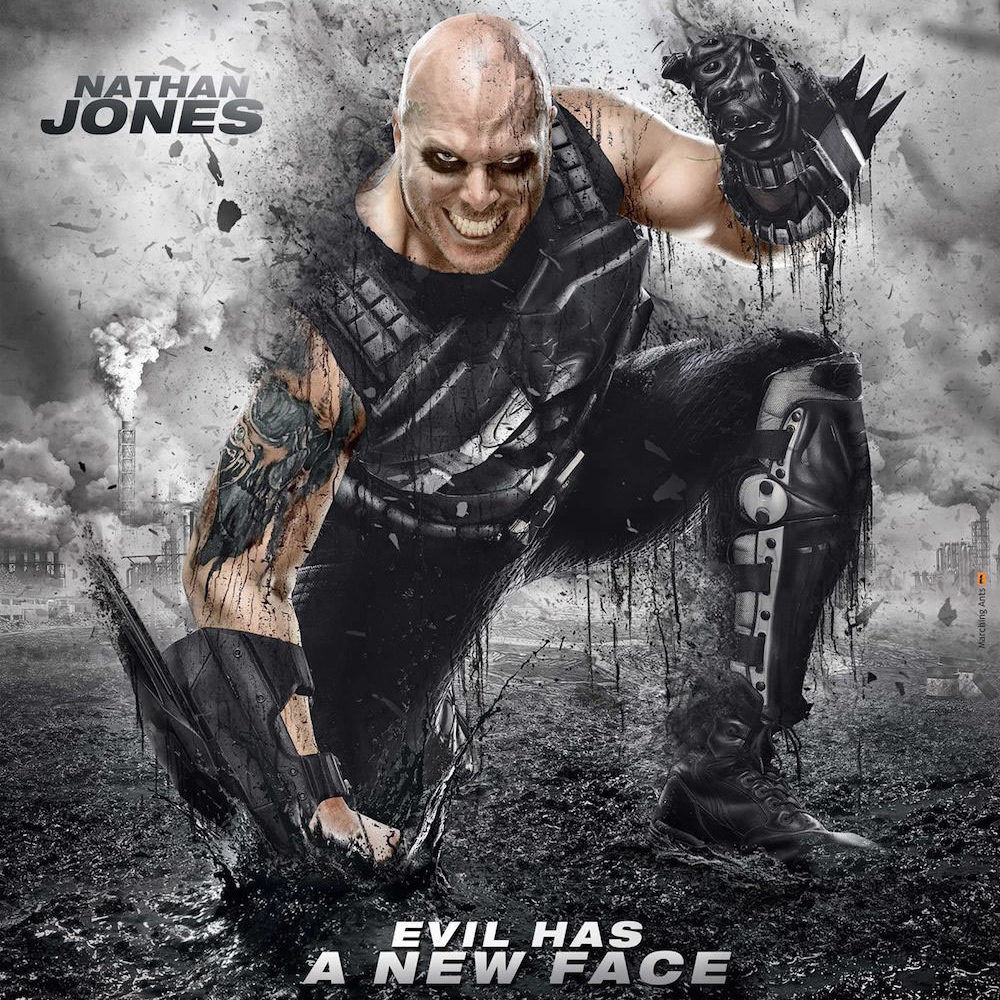
    Menon fails to convince Amrita with money and tries the only other way he knows: by sending out his goons. While the average goons are dealt with by Amrita herself, the tougher ones are for Tiger to handle. To match the strength of Tiger, he sends out his ultimate weapon, the gigantic-looking Nathan Jones (an Australian actor, power-lifting champion and an ex-professional wrestler). Jones takes on Tiger who, in the process of their duel, gets blessed by the sacred tree with super powers and also gets the imprints of the religious symbol of Sikh faith on his back.

    Tiger can now do things a normal human can’t like flying and also packing a powerful punch. Jones, who was buried in the mud, returns to the scene more powerful now as his blood has turned black and he survives by whiffing on polluted air and other waste strewn around by the society. Thanks to the people’s apathy towards environment, Jones is unbeatable, at least on Planet Earth.

    Amrita wants Tiger to don the pagree his father wore, which he refuses because other kids made fun of him with Sikh jokes. While the film goes on to teach people the virtue of keeping the environs clean as well as planting more trees, Amrita, for her part, initiates Tiger into the virtues of Sikh way of life and tells him stories of their exploits.

    Meanwhile, Menon has mended his ways after he almost lost his daughter to pollution-related ailment. But, by this time, Jones is out of control. He has a personal grudge against Tiger now.

    A Flying Jatt does not have much of a story. It is about a simpleton who gains super powers and a lot of footage goes into showing his prowess as he saves people in distress, from calamities as well as goons.

    The length at 151 minutes makes things repetitive while trying for a film aimed mainly at children. In the first half, some comic scenes entertain its target audience. The direction is good in general with impressive use of special effects; the effects in the song ,which also has a nice melodious feel to it, are good. Beat pe booty… is already popular and both songs are appealing. Cinematography is competent. Tiger Shroff excels in dances and action, both being his forte. Jacqueline is okay. Amrita Singh makes her presence felt, while KK Menon has little to do. Nathan Jones can’t act and his drawls are incomprehensible. The film needed to be edited extensively.

    A Flying Jatt is a passable fare with appeal for kids besides audiences in Delhi and Punjab generally. Released on Thursday to cash in on the festive mood of Janmashtami, it gets three more days to rake in the moolah over the weekend at the box office. Sustenance thereafter will be tough.

    Producers: Shobha Kapoor, Ekta Kapoor.

    Director: Remo D’Souza.

    Cast: Tiger Shroff, Jacqueline Fernandez, Amrita Singh, KK Menon, Nathan Jones and Shraddha Kapoor in a cameo.

  • ‘A Flying Jatt’ is passable kid stuff

    ‘A Flying Jatt’ is passable kid stuff

    The producers of A Flying Jatt,  Balaji Motion Pictures, takes a total diversion with this film. From their earlier blend of films with mainly adult themes, they have moved to a film that caters to children and the preteen lot. Complately inspired by foreign superhero films, A Flying Jatt keeps Indian sensibilities as its main theme instead.

    The film follows in the footsteps of earlier films of this genre: the incognito superhero kinds like Boney Kapoor’s Mr India (1987), Rakesh Roshan’s Krrish (2006) and Krrish3 (2013), Romu Sippy’s Shiva KaInsaaf (3D- 1985), Tinnu Anand’s Shahenshah(1988) and earlier ones like Kishore Kumar-starrer Mr X In Bombay (1964), which dealt with the villains of the mortal kind.

    A Flying Jatt is about a superhero who propagates Swachh Bharat or Clean India and sings paeans to the valour and glory of the Sikh community and fights a super villain.

    Tiger Shroff is a martial arts instructor at a local school in Punjab. Thanks to his blundering ways and shy nature, he is never taken seriously and even his mastery over the art is passable. His young students make fun of him. While he nurses a silent love for Jacqueline Fernandez, he can’t gather the courage to express it.

    Tiger is the son of Amrita Singh who always pushes him to take inspiration from his dead father who was considered a hero by the locals. Amrita’s troubles start when a drug mafia run by KK Menon decides to grab her land, which would help his drug factory save millions in money as well as time, due to easy access to the drug markets. But the piece of land holds deep memories for Amrita and it also has a 200 year old tree that is worshipped by the people.

    Menon fails to convince Amrita with money and tries the only other way he knows: by sending out his goons. While the average goons are dealt with by Amrita herself, the tougher ones are for Tiger to handle. To match the strength of Tiger, he sends out his ultimate weapon, the gigantic-looking Nathan Jones (an Australian actor, power-lifting champion and an ex-professional wrestler). Jones takes on Tiger who, in the process of their duel, gets blessed by the sacred tree with super powers and also gets the imprints of the religious symbol of Sikh faith on his back.

    Tiger can now do things a normal human can’t like flying and also packing a powerful punch. Jones, who was buried in the mud, returns to the scene more powerful now as his blood has turned black and he survives by whiffing on polluted air and other waste strewn around by the society. Thanks to the people’s apathy towards environment, Jones is unbeatable, at least on Planet Earth.

    Amrita wants Tiger to don the pagree his father wore, which he refuses because other kids made fun of him with Sikh jokes. While the film goes on to teach people the virtue of keeping the environs clean as well as planting more trees, Amrita, for her part, initiates Tiger into the virtues of Sikh way of life and tells him stories of their exploits.

    Meanwhile, Menon has mended his ways after he almost lost his daughter to pollution-related ailment. But, by this time, Jones is out of control. He has a personal grudge against Tiger now.

    A Flying Jatt does not have much of a story. It is about a simpleton who gains super powers and a lot of footage goes into showing his prowess as he saves people in distress, from calamities as well as goons.

    The length at 151 minutes makes things repetitive while trying for a film aimed mainly at children. In the first half, some comic scenes entertain its target audience. The direction is good in general with impressive use of special effects; the effects in the song ,which also has a nice melodious feel to it, are good. Beat pe booty… is already popular and both songs are appealing. Cinematography is competent. Tiger Shroff excels in dances and action, both being his forte. Jacqueline is okay. Amrita Singh makes her presence felt, while KK Menon has little to do. Nathan Jones can’t act and his drawls are incomprehensible. The film needed to be edited extensively.

    A Flying Jatt is a passable fare with appeal for kids besides audiences in Delhi and Punjab generally. Released on Thursday to cash in on the festive mood of Janmashtami, it gets three more days to rake in the moolah over the weekend at the box office. Sustenance thereafter will be tough.

    Producers: Shobha Kapoor, Ekta Kapoor.

    Director: Remo D’Souza.

    Cast: Tiger Shroff, Jacqueline Fernandez, Amrita Singh, KK Menon, Nathan Jones and Shraddha Kapoor in a cameo.

  • Q1-17: Low programming and low realisation lower Balaji Telefilms standalone topline

    Q1-17: Low programming and low realisation lower Balaji Telefilms standalone topline

    BENGALURU: Balaji Telefilms Limited (Balaji) reported 23 percent year-over-year (y-o-y) decline in standalone total revenue from operations (TIO) for the quarter ended 30 June 2016 (Q1-17, current quarter). The company reported standalone revenue for Q1-17 at Rs 53.59 crore and Rs 69.38 crore for the corresponding year ago quarter.

    Revenue from Balajis’ Commissioned Programs segment in Q1-17 was Rs 52.64 crore, while for Q1-16 it was Rs 68.44 crore. Programming hours for Q1-17 were 225.5 hours, lower than the 257 hours reported for the corresponding year ago quarter. Net realisation per hour was also lower at Rs 23.33 lakh in the current quarter as compared to Rs 26.6 lakh in Q1-16. The company says that the previous quarter included Nach Baliye and Jodha Akbar resulting in higher revenue as compared to the current quarter. The company says that Q2-17 will have two new shows Mazaak Mazaak Mein on Life Ok and Bhramarakshas on Zee TV. Margin was lower in the current quarter due to launch of a new show Kawach on June 11, 2016 which will improve in the subsequent quarters

    The company’s Films segment reported operating revenue of Rs 53.44 crore in Q1-17 as compared to Rs 1.04 crore in Q1-16. The segment’s operating profit in the current quarter was Rs 2.53 crore as compared to an operating loss of Rs 0.45 crore. The company says that revenue growth in the current quarter is due to release of Azhar and Udta Punjab. The company expects revenue of approximately Rs 18.61 crore for satellite, digital and other rights of Azhar and Udta Punjab in Q2-17. It says further that piracy of two of its movies led to a lower profit on Udta Punjab and loss on Great Grand Masti (released in July 2016) resulting into an approximate loss of revenue of Rs 36 crore.

    Balaji’s consolidated TIO increased 54.9 percent y-o-y to Rs 117.38 crore in Q1-17 as compared to Rs 75.80 crore in Q1-16. The company reported negative consolidated EBIDTA of Rs 3.01 crore for the current quarter as compared to a consolidated operating profit of Rs 4.76 crore in Q1-16.

    Total comprehensive income in the current quarter was lower at Rs 0.66 crore as compared to a comprehensive income of Rs 4.28 crore in Q1-16.Balaji reported a consolidated net loss of Rs 0.2 crore in the current quarter as compared to a profit after tax of Rs 4.4 crore in Q1-16. The company says that net loss has been incurred in the current quarter after accounting for income tax of Rs 2.72 crore which relates to its television segment.

    Total Expenditure in the current quarter was Rs 120.35 crore (102.5 percent of TIO) which was 64.5 percent more as compared to Rs 73.16 crore (96.5 percent of TIO) in Q1-16. Cost of Production/Acquisition and Telecast Fees in Q1-17 was Rs 83.92 crore (71.5 percent of TIO), 5.7 percent lower than Rs 89 crore in the corresponding year ago quarter.

    Marketing and distribution expense in Q1-17 increased to Rs 13.26 crore as compared to Rs 0.30 crore in Q1-16. Employee Benefit Expense in the current quarter increased 54.1 percent y-o-y to Rs 6.46 crore (5.5 percent of TIO) as compared to Rs 4.19 crore (5.5 percent of TIO) in Q1-16. Other expenditure in Q1-17 increased 17.3 percent y-o-y to Rs 7.82 crore (6.7 percent of TIO) as compared to Rs 6.67 crore (8.8 percent of TIO).

    Balaji says that it has so far invested Rs14.3 crore in its digital foray ALT Digital, which is currently in a prelaunch phase with expenses mainly on account of content, technology, salaries and other business overheads.

    Note: The unit of currency in this report is the Indian rupee – Rs (also conventionally represented by INR). The Indian numbering system or the Vedic numbering system has been used to denote money values. The basic conversion to the international norm would be:

    (a) 100,00,000 = 100 lakh = 10,000,000 = 10 million = 1 crore.

    (b) 10,000 lakh = 100 crore = 1 arab = 1 billion.
  • Q1-17: Low programming and low realisation lower Balaji Telefilms standalone topline

    Q1-17: Low programming and low realisation lower Balaji Telefilms standalone topline

    BENGALURU: Balaji Telefilms Limited (Balaji) reported 23 percent year-over-year (y-o-y) decline in standalone total revenue from operations (TIO) for the quarter ended 30 June 2016 (Q1-17, current quarter). The company reported standalone revenue for Q1-17 at Rs 53.59 crore and Rs 69.38 crore for the corresponding year ago quarter.

    Revenue from Balajis’ Commissioned Programs segment in Q1-17 was Rs 52.64 crore, while for Q1-16 it was Rs 68.44 crore. Programming hours for Q1-17 were 225.5 hours, lower than the 257 hours reported for the corresponding year ago quarter. Net realisation per hour was also lower at Rs 23.33 lakh in the current quarter as compared to Rs 26.6 lakh in Q1-16. The company says that the previous quarter included Nach Baliye and Jodha Akbar resulting in higher revenue as compared to the current quarter. The company says that Q2-17 will have two new shows Mazaak Mazaak Mein on Life Ok and Bhramarakshas on Zee TV. Margin was lower in the current quarter due to launch of a new show Kawach on June 11, 2016 which will improve in the subsequent quarters

    The company’s Films segment reported operating revenue of Rs 53.44 crore in Q1-17 as compared to Rs 1.04 crore in Q1-16. The segment’s operating profit in the current quarter was Rs 2.53 crore as compared to an operating loss of Rs 0.45 crore. The company says that revenue growth in the current quarter is due to release of Azhar and Udta Punjab. The company expects revenue of approximately Rs 18.61 crore for satellite, digital and other rights of Azhar and Udta Punjab in Q2-17. It says further that piracy of two of its movies led to a lower profit on Udta Punjab and loss on Great Grand Masti (released in July 2016) resulting into an approximate loss of revenue of Rs 36 crore.

    Balaji’s consolidated TIO increased 54.9 percent y-o-y to Rs 117.38 crore in Q1-17 as compared to Rs 75.80 crore in Q1-16. The company reported negative consolidated EBIDTA of Rs 3.01 crore for the current quarter as compared to a consolidated operating profit of Rs 4.76 crore in Q1-16.

    Total comprehensive income in the current quarter was lower at Rs 0.66 crore as compared to a comprehensive income of Rs 4.28 crore in Q1-16.Balaji reported a consolidated net loss of Rs 0.2 crore in the current quarter as compared to a profit after tax of Rs 4.4 crore in Q1-16. The company says that net loss has been incurred in the current quarter after accounting for income tax of Rs 2.72 crore which relates to its television segment.

    Total Expenditure in the current quarter was Rs 120.35 crore (102.5 percent of TIO) which was 64.5 percent more as compared to Rs 73.16 crore (96.5 percent of TIO) in Q1-16. Cost of Production/Acquisition and Telecast Fees in Q1-17 was Rs 83.92 crore (71.5 percent of TIO), 5.7 percent lower than Rs 89 crore in the corresponding year ago quarter.

    Marketing and distribution expense in Q1-17 increased to Rs 13.26 crore as compared to Rs 0.30 crore in Q1-16. Employee Benefit Expense in the current quarter increased 54.1 percent y-o-y to Rs 6.46 crore (5.5 percent of TIO) as compared to Rs 4.19 crore (5.5 percent of TIO) in Q1-16. Other expenditure in Q1-17 increased 17.3 percent y-o-y to Rs 7.82 crore (6.7 percent of TIO) as compared to Rs 6.67 crore (8.8 percent of TIO).

    Balaji says that it has so far invested Rs14.3 crore in its digital foray ALT Digital, which is currently in a prelaunch phase with expenses mainly on account of content, technology, salaries and other business overheads.

    Note: The unit of currency in this report is the Indian rupee – Rs (also conventionally represented by INR). The Indian numbering system or the Vedic numbering system has been used to denote money values. The basic conversion to the international norm would be:

    (a) 100,00,000 = 100 lakh = 10,000,000 = 10 million = 1 crore.

    (b) 10,000 lakh = 100 crore = 1 arab = 1 billion.
  • Great Grand Masti….Greater disappointment!

    Great Grand Masti….Greater disappointment!

    MUMBAI: Indra Kumar acted in and made a few Gujarati films in the era of tax exemption and subsidy offered by the Gujarat government to promote Gujarati films. Indra’s forte in those days was to thrive on vulgar gestures and double meaning dialogue. It worked because Gujarati films catered mainly to a certain level of audience. He also came to be called the Dada Kondke (the legendary Marathi filmmaker) of Gujarati films. Indra directed some notable films in Hindi with top stars.

    With corporate studios calling shots and stakes gone sky-high, survival for independent filmmakers became impossible. Indra decided to go back to his Kondke style of film making starting with Masti (2004), followed by Grand Masti (2013) to now come up with the third part of his Masti series with Great Grand Masti.

    The Great Grand Masti has the same agenda as its earlier versions which is to weave a comedy around vulgarity. The male and female anatomy is the theme around which the makers plan to play. To this end, Indra lets loose his three generally out of work male characters from his earlier films, Riteish Deshmukh, Aftab Shivdasani and Vivek Oberoi. All that these three have in mind is sex 24×7. It oozes from all their actions.

    All three are married to very revealing and willing girls but all three girls carry excess baggage which keeps the trio from getting anywhere close to their spouses. Since the lads are desperate for sex and their own women are not available to them, they need to look elsewhere. They decide to embark on a village where Riteish has a palatial property to sell.

    The makers think it is time to make this film hattke from the earlier two. So the angle of paranormal is added to consolidate the comedy. This is rare because paranormal on its own has few takers in Hindi films, let alone with a blend of comedy. Last one in memory is late producer-actor Deven Verma’s Bhaago Boot Aaya, inspired from a James Hadley Chase novel, Miss Shumway Waves A Wand. But, to a disastrous results.

    In absence of a script or good gags, Indra lets his three non-actors loose on the screen as they start with trying to seduce the sexy maid, Urvashi Rautela, at the palatial house and, later, to save their lives when they realize that the maid is a ghost waiting to be seduced for the last 50 years! The hide n seek between the guys and ghost is meant to be funny but it is not and falls flat. In its 127 minute duration, the only funny scene the film has is of Viagra aftereffect which, again, has been lifted from Mel Brook’s comedy, History Of The World (1981). And, that too has been killed by stretching it too far.

    The film is a poor specimen of comedy, entertainment or whatever it may be called. Nothing works here. The performers keep to their reputation and don’t act; over two hours of buffoonery is what they resort to.

    The film is poor on all counts and has no hopes at the box office.

    Producers: Shobha Kapoor, Ekta Kapoor, Sameer Nair, Aman Gill, Ashok Thakeria, Sri Adhikari Brothers, Anand Pandit.

    Director: Indra Kumar.

    Cast: Ritesh Deshmukh, Vivek Oberoi, Aftab Shivdasani, Urvashi Rautela, Pooja Bose, Amar Saxena, Sanjay Mishra, Shreyas Talpade.