Tag: DTH

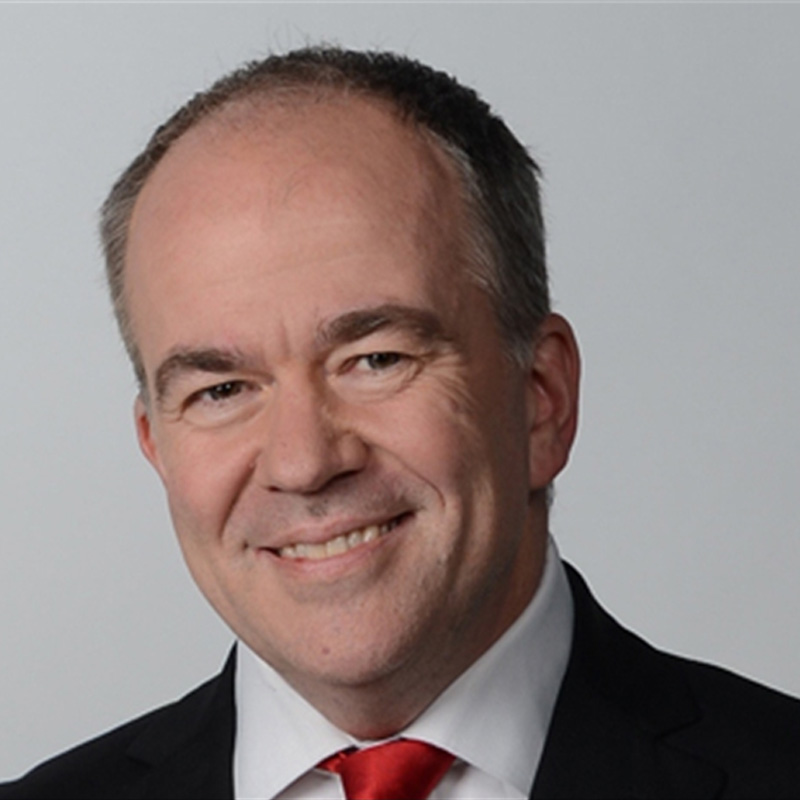
  • The day the music died – Channel [V] GM Prem Kamath

    The day the music died – Channel [V] GM Prem Kamath

    One of the most frequent questions I am asked is why Channel [V] is abandoning music. It is probably a question that can be asked as equally of several other ‘music channels‘.

    On the face of it, it‘s a pretty relevant question – in large measure because channels like ours have built their reputation on playing music and a large part of our fan base tuned in to hear it. So if the average viewer is often left perplexed by why a music channel would suddenly start beaming a host of reality shows, their befuddlement is entirely understandable.

    A big part of the answer to that question lies in how music consumption itself has changed.

    Firstly, TV is no longer the primary medium for consuming music. Gone are the days when one would eagerly wait for the next episode of BPL Oye or Timex Timepass (for those of you old enough to remember these) to check out the latest in music. Today the newest track is a torrent away and the newest video, a youtube click. When one has such options of video-on-demand and personalised playlists, little reason why the classical music channel should be relevant anymore.

    Secondly, the dynamics on the Indian music industry are uniquely skewed against conventional music television. The Indian music scene is entirely dominated by Bollywood. This is at once a boon and a curse for the industry. On the plus side, Bollywood brings with it an almost unlimited demand for new music. All of it is pre-paid for and this minimises the risks for artists and musicians. However, on the flip side, it has become an 800-pound gorilla the might of whom few independent bands can stand up against. What this has led to is the commoditisation of content from a television perspective.

    As any television executive will tell you, the greatest monetisation in television comes from differentiation. The biggest limitation of the music television model has been that there is no scope whatsoever in differentiating the content of one channel from another. Every channel has access to the same pool of music and, hence, very little differentiates one channel from another.

    Finally, whether or not a channel restricts itself to music depends on what business they define themselves to be in. Channel [V] has always been iconic to the youth of this country. More than a music channel, we have always seen ourselves as a youth entertainment channel. Time was when music was the best way for a channel to connect with the youth of this country. That time has passed – probably for good.

    Youth entertainment tastes go well beyond music today and content has to follow suit. Testament is borne to this by the astounding success we have met with post our re-launch. Channel [V] has increased its share five-fold in a span of 12 months and today leads the youth entertainment genre. Over 80 per cent of our content today is non-music and we are much the richer for it. Music continues to be a not entirely insignificant 20 per cent still and will remain so as long as we believe that it is an integral youth hot-button. As we have often said, we are faithful to the viewer and not the genre. If youth entertainment tastes shift in this country, our content will shift along with it.Of course, to keep up with youth trends and remain a relevant and sought-after youth channel is easier said than done.

    Too much has been said about how India is a country of the young. Too little has been done about it.

    Few categories in the country have seen as much of a sea change as television has. A young and nascent industry by any standards, changes that took 50 years in the West have been compressed into just over a decade here. From DD to DTH, the changes have come in the form of newer technology, global exposure and exploding choice. And the young consumers of this country have been at the very epicenter of this whirl-wind. Whereas most marketers, including the TV industry, have ironically been on the outside looking in.

    The trouble with marketing to the young is that those doing the marketing are far from young. It‘s a problem that the gaming industry in the West recognised very early on – after all over 90 per cent of its sales were to people below 20 years of age. Their solution was to hire their prospective customers – as consultants, game-testers, designers and evangelists. They rightly believed that to create a game that truly captured the imagination of a 14-year-old, you need a 14-year-old to tell you how.

    But unlike gaming, the challenge of programming television for the young goes beyond just understanding their needs. Youth Television‘s challenge is a lot more fundamental – it is to stay relevant to a generation of digital natives who are increasingly gratifying their entertainment needs from a variety of sources outside TV.

    Television is no longer the young, sexy and alluring medium it once was. Sure, it‘s still the largest and most cost effective medium to reach out to any segment of the population including the young. And yes, in sheer numbers, the quantum of reach it offers is truly staggering. But it is in its role as an agent of change, as a definer of trends and as a lighthouse to the young that TV has been lagging of late.

    From being the only window that beamed in those wonderfully hypnotizing images from all around the world, it is now so ubiquitous and so ingrained into our lives as to be often taken for granted and overlooked. For the young who have grown up with television, it holds hardly any charm as a lifestyle medium – after all they haven‘t known or seen a world without it.

    Nor is TV the beacon of information it once was. That space has quickly and irrevocably been usurped by the Internet. Granted, the overall net penetration numbers in this country still remain abysmal. But among the young, the access rates are not only higher but also growing at a blistering pace. What‘s more, mobile phones are ensuring that the net is well and truly available to anyone who wishes to access it.

    TV once was the sole repository of everything cool and glamorous – from fashion to lifestyle to relationships. An entire generation of people looked up to it to tell them what to wear, how to look, how to speak and where to hang out. That‘s a position it has vacated over a period of time to various media – to a resurgent movie industry with its new-found urban acceptance, to one-for-every whim lifestyle magazines and even to newspapers in their dolled up page 3 avtaars.

    And finally to top it all, even in its most functional gratification, as a means for just killing time, the young are finding options that are newer, more alluring and certainly much cooler. Ask any teenager and he‘ll tell you how much more fun it is to while away at the mall than to be watching TV at home. Or how much cooler it is to be hanging out with friends at the local Barista than to be watching it on TV.

    So is TV doomed to exist as a once cool has been medium with as much relevance to youngsters as the blocky black telephone that still sits in the corner of some living rooms? Or is there really a way that TV can reinvent itself to once again be a central part of every teenagers and young adult‘s life?

    At Channel [V] we believe there is.

    The only way to counter change is paradoxically through change.

    When Apple decided to stray from its mainstay of computing and venture into the ultra competitive world of personal electronics, few gave them a chance against the might of giants like Sony. But the iPod has not only gone on to redefine the way people consume music, it has changed the very face of the music industry and its commerce for ever. It did so through some audacious imagination and some good, old-fashioned trend spotting.

    Exactly what television needs if it has to fire the imagination of the young again.

    The trends are all around us for anyone who cares to look.

    Today‘s youth are characterised by their ambition and their impatience. It‘s really an ‘AND‘ generation not an ‘OR‘ generation. It‘s career and personal life; it‘s work and fun, it‘s this and that. TV cannot buck this trend. We cannot expect people to choose between TV and hanging at the mall. We‘ll have to make both possible. It‘ll have to be TV at the mall, TV on the Internet, TV on the mobile and TV while driving. Thankfully, we have the technology today that makes this possible. What we now need is the mindset to see it through.

    This is also the ‘NOW‘ generation. When impatience is a virtue, attention spans can only be non-existent. Bollywood has recognised this and our movies are getting shorter. TV will need to reinvent its format too. Mobisodes have often been written about but not really been worked upon. If 30-minute episodes are the norm merely to aid commercial scheduling, I‘m afraid we‘ll get little sympathy from the viewer. We‘ll have to find ways of monetising formats that our consumer prefers rather than the other way round. Once again, streaming video on the net has been a step ahead of TV in this regard.

    Other signs and trends abound. The rise of user generated content, the voracious appetite for reality, the extreme need for self-expression and individuality, unbounded ambition, the increasingly transactional nature of relationships, friends being the new family, urban atomization – the list goes on.

    It is said that those in the midst of great change rarely recognise the momentous nature of it. India and its young are in the midst of exactly such a change. It is change that will leave very few things in its path untouched – including the way we buy, organise and consume our television. And there are untold spoils for those who recognise this and exploit it.

    To remain relevant and preferred, Youth TV will have to constantly reinvent and recharge itself.

    And oh, by the way, those who mourn the passing away of music channels would do well to not shed a tear. The music hasn‘t died. It has merely shifted screens.
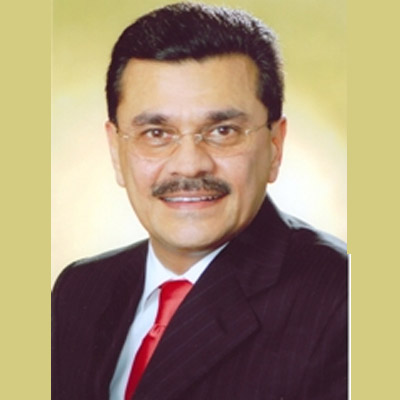

  • ‘Collecting subscriber numbers is not enough’ : Tata Sky MD & CEO Vikram Kaushik

    ‘Collecting subscriber numbers is not enough’ : Tata Sky MD & CEO Vikram Kaushik

    When Star floated a company for DTH, there were several issues raised on shareholding and other related matters. Was that a ghost that initially haunted you when you joined Tata Sky?

    When on its own, Star made no progress and the DTH venture couldn‘t kick off due to reasons outside their control. Then they floated a joint venture company with the Tatas and I joined to head that. The past never bothered the venture. We developed a blueprint from the first day itself, but the project was delayed as we chased for licence approval.

    The delays were not entirely due to the government; competitors wanted to delay the project. The bad thing that happened is that several retrograde steps were introduced which should have never been there in the first place. Interoperability, no exclusive content and foreign direct investment (FDI) cap of 49 per cent, for instance. There is still a lot of nervousness regarding foreign ownership.

    But isn‘t the government more comfortable with DTH now?

    The government has started understanding that without digitalisation, the media and entertainment industry can‘t grow; you won‘t get transparency and addressability in the distribution chain.


    Has the government then become supportive?

    The government needs to do much more. Across the world, the government has provided subsidies for digitalisation. In India, the private sector has entirely taken up this responsibility – and this investment is coming at a very high cost.

    The DTH sector is heavily taxed. There is also a distortion because of the under-declaration of subscribers by the cable operators. This leads to the inevitable need of regulatory intervention to correct these anomalies.


    Despite these anomalies, the DTH sector is on a fast growth track. When you first outlined the business plan, did you foresee such an exponential growth in DTH subscribers? 

    We are somewhat surprised by the volume growth. But nobody expected that India would have six players and with deep pockets. The marketing activity stimulated the sector‘s growth. Also, the digital cable initiatives could not match up to the DTH challenge; cable has not been able to upgrade.


    How did you strike a balance between volume chase and maintaining a premium brand positioning?

    When we started out, we decided that we won‘t go to small towns and villages and chase low lying fruits. Our strategy was to first capture the top 50 towns and then spread out. Dish TV, on the other hand, tapped the cable dry areas and expanded outside.

    We feel ours has been the right approach. We have a better quality subscriber base. And while Dish TV has more subscribers, we are the biggest Indian DTH company when it comes to revenues.

    The dilemma continues even today: Should we go largely for value or look at volumes. It is easy to chase volumes. In the longer run, the correct strategy is not to lose sight of volumes but focus on value. We never panicked when our competitors mopped up more subscribers in a month. What matters in the long term is higher ARPUs and sticky customers.

    ‘Given the cable ARPUs and lack of exclusive content, it is difficult to independently drive them up beyond a point. The content cost is also high, while the hardware prices are not low enough. It is a tough game to play‘

    What other hard decisions did you have to take at the start?

    We had to decide whether the STBs should be given free or sold. We believed the free model, in vogue in matured ARPU markets, wouldn‘t work in India. That turned out to be the right decision.


    Why did you soon have to revise your investment plan from Rs 30 billion to Rs 40 billion?

    We were initially looking at an investment of Rs 12 billion and then came up with a realistic estimate of Rs 30 billion. Subsequently, we revisited that plan and estimated our funding requirement to be Rs 40 billion. There are too many DTH operators and the price war came at an early stage of the game.


    Has that business projection gone through further changes?

    Our fund requirement will be over Rs 40 billion. We have already spent more than Rs 35 billion and have mopped up over six million customers. We are on course for operational break even. Broadly, this takes 5-7 years.


    Aren‘t you disappointed that Tata Sky still lags behind Dish TV in subscriber numbers?

    They may have more subscribers because of their first mover advantage, but we have beaten them in revenues. Though ARPUs (average revenue per user) for the sector are still pretty bad (Rs 135-150), ours is the highest in the industry (Rs 195).

    What we have learnt in this business is that collecting subscriber numbers is not enough. This is a sector where subscriber acquisition costs are high and ARPUs low. If you have a faster churn, then you have a real problem. Sun Direct and Videocon d2h run a danger in that.


    Can ARPUs rise to a comfortable level?

    Given the cable ARPUs and lack of exclusive content, it is difficult to independently drive them up beyond a point. The content cost is also high, while the hardware prices are not low enough. It is a tough game to play.

    The hyper competition among the DTH players has not been healthy. Everybody has bled heavily on account of the price war.


    And still in this clutter, Tata Sky has stood out as a brand. How did you manage that?

    Building a brand in this sector is a unique challenge. We build a pedigree brand with our high quality and performance focus. When you have the ‘Tata‘ and ‘Sky‘ names behind the product, the challenge is to weave a double-barrelled branding. The fact is that we have stood up against Airtel and the others.

    We have also extended the brand to franchises like Tata Sky Plus. The satisfying part is that in a highly cluttered environment, we have spent less for many years than our competitors, but used the medium much more effectively. We have also used celebrity advertising in a manner that was never done before.


    How has Sky been an advantage?

    We could have the best and world class knowhow from them. There were 30 expatriates working in Tata Sky before we even started our service. That resource is continually available to us.

    The Tata brand, in turn, brought in credibility with the government, trade, consumers and potential employees.


    Q. Star has upped its effective stake in Tata Sky to 29.8 per cent. The additional 9.8 per cent stake for Rs 3.24 billion pegs the valuation of Tata Sky at Rs 33.06 billion. The market cap of dish TV is Rs 74.73 billion. Are you happy with this valuation?

    Star will hold close to 30 per cent in Tata Sky. The Tatas will have around 60 per cent and Temasek 10 per cent.

    As for Tata Sky‘s valuation, this won‘t be the right way to look at it. The stake acquisition is done by one of the promoter partners. This is an internal and not an external valuation.


    Q. What are the technological advantages that Tata Sky has brought to the sector?

    We continue to lead the way in terms of technology, customer service or innovations relating to packaging. We are the leading platform to promote education – be it to small children or to housewives learning English. We pioneered the concept of pre-paid customers in DTH. We are clearly at the forefront when it comes to PVR, VOD and other interactive services.

    We have played a significant role in bringing the hardware costs down. Interestingly, the set-top box (STB) cost is cheaper from China to India than in China itself. We have also set some global benchmarks in productivity, growth and value creation.

    We have used consumer research very effectively. TruChoice, for instance, recognises viewership habits and makes that content available. People tend to buy genres and that is related to the nature of the family. For those families having children, it is important to have kids programming and knowledge in the menu. Families with older people will tend to look at movie packs.


    Q. How do you approach the South India market?

    We don‘t compete on price. The market is too unremunerative.


    Q. On the content cost front, do you see the Trai tariff order (channels to give to DTH at rates 35 per cent of analogue cable) as the right formula for DTH companies?

    This is a step in the right direction, though we feel it should have been closer to 20 per cent. Broadcasters shouldn‘t have moved the court. Addressability is in the interest of the broadcasters; and yet they are resisting any kind of tariff regulation. I see short term perspectives prevailing in the entire media industry.

    Q. Do you see the telecom companies having an advantage in the DTH space?

    The telecom players feel that there will ultimately be convergence and they will stand to gain. They are, perhaps, driven by some fancy strategists. The truth is that there is need for domain expertise in each of these businesses. And each of these businesses are unique.


    Q. Why is private equity reluctant to invest in the DTH companies?

    I do not see too much private equity coming into the DTH sector. There will be a selective and long term approach. Fundamentally, the business model is saddled with high taxation, low ARPUs, and too many players. Profitability is an issue. In many cases, by piling up customers, you are not building assets but liabilities.

    We could, perhaps, see consolidation in the next few years. There will be space for three players and maybe a regional operator.


    Q. How much of capital will be required by the time the DTH sector reaches 50 million subscribers?

    The industry will need Rs 200-250 billion for 45-50 million subscribers. There is already an investment of Rs 120-150 billion. But there won‘t be shortage of capital to fund the sector‘s growth.

  • Al Jazeera waits for govt nod for launch in India

    Al Jazeera waits for govt nod for launch in India

     MUMBAI: Al Jazeera is eyeing entry into the Indian market, an important piece in its expansion plans, and is awaiting government clearance.

    The Doha, Qatar-based TV network has expressed its serious commitment to tap the Indian market as the managing director recently flew down to India, apparently to press for the channel‘s clearance.

    Al Jazeera is keen to launch its English-language television news channel as it believes that it has the right content positioning to draw in Indian audiences that are tired of the American and western presentation of news.

    Hopeful of getting the government nod, Al Jazeera has made efforts to link up with the cable TV operators who control distribution of channels into the consumer homes. While the direct-to-home (DTH) platform has access to 26 million homes, cable winds its way into a whopping 86 million households.  

     Al Jazeera recently put up a stall at SCaTIndia, India‘s largest cable TV trade show hosted annually in Mumbai.

    For Al Jazeera, India has been a hard love story. The network applied for a downlinking licence way back in 2006 through its India-registered arm AJI International, but has found it difficult to appease the government mandarins.

    The network also has plans to launch an Urdu news channel primarily targeted at India. The channel already partners Hindi news channel India TV through a September 2004 deal that allows both channels to broadcast each other‘s content.

    Al Jazeera attracted international attention when it broadcast video statements from Osama Bin Laden and other leaders of the Al Qaeda terror group after the attacks on the World Trade Center on 11 September 2001.
     

  • ‘India is among the top three markets for us in Asia’ : HBO South Asia country head Shruti Bajpai

    ‘India is among the top three markets for us in Asia’ : HBO South Asia country head Shruti Bajpai

    For 10 years, HBO has warmed up audiences with big movie titles, library content and branding as a premium English movie channel.


    The arrival of more players has not shaken up HBO‘s positioning. The channel has grown amid audience fragmentation and India surfaces today as the top three markets in Asia.


    In an interview with Indiantelevision.com‘s Ashwin Pinto, HBO South Asia country head Shruti Bajpai talks about the the channel‘s decade-old existence in India and the plans ahead.


    Excerpts:

     
    We are at a time when a lot of English channels are looking to come in. What is the reason for all this rush?
    There has been an influx of channels for some time now but it is not as though it is happening all of a sudden. Nevertheless, what is happening now is that with HD and DTH spreading their reach, a lot of specialised channels are looking at India. There is more interest as licences have been got and we are now hearing about more launches. Since Indian television has expanded, there has been a steady increase and there is more of an influx of English entertainment channels.


    For long-existing players like HBO what challenges does this present?
    The challenge is to retain existing viewership and get new viewers. And it is not just competition from the English entertainment channels, but also from theatrical releases and other forms of out-of-home entertainment. We have to be on our toes in terms of constantly refreshing content, delivering our promise of blockbusters and giving the extra value of entertainment that viewers don‘t get to watch anywhere in the form of HBO Originals.


    We will continue to do this as more and more channels come in. We have been successful as a brand and as a channel by increasing our offerings year on year.


    In the English film space, new entrants have caused fragmentation. Players including HBO have lost some share. What is HBO‘s overall game plan to counter this?
    I will answer this on two levels. All genres have fragmented with new players coming in and the English movie genre is no exception. Content has to be compelling for people to continue watching. On the other hand, maybe the way English entertainment viewership is tracked needs to change. Our measurement is still traditional. As more people enhance their TV watching experience through digitisation, channels get watched more. We need to look at the reporting of English entertainment space.


    I don‘t believe that the picture presented through traditional measurement is completely true. Why is there so much interest by companies to launch English entertainment channels if people were watching less of it? I am not sure if we feel that the measurement of digital homes has no scope for improvement. It has to capture the actual increase in the television viewing universe. Perhaps the measurement base has to be expanded. The measurement system has to keep pace with the pace of digitisation.


    How is HBO celebrating 10 years of operating in this space?
    From September on, we have 10 best films of the year. Our spots will celebrate the landmark.


    We are also refreshing our look and feel. This is being done in-house out of Singapore and comes into effect next month. The graphics, colours and fonts are being improved upon to give the channel a livelier and friendlier look.


    In terms of business generated and viewership, where does India stand versus other Asian markets like Singapore and Hong Kong?
    It is a priority market. India is in the top three. It has the potential to surprise you with viewership increases.


    ‘I can‘t give a timeframe as to when we will launch more channels. As I have said before, it has to make business sense. The timing has to be right and the market has to be large enough‘


    Has there been any difference in focus this year compared to the previous years?
    There has been more focus on HBO Originals. Our line-up has been better than in previous years in terms of the slate of movies like The Dark Knight, Star Trek, Terminator Salvation, Angels and Demons. Hollywood Premier League continues to grow for us. The aim is to balance the quality and quantity of content and to better ourselves at our own game.
     

    Has any research been done to find out how HBO is perceived?
    It is our mix of raters and differentiators that has led to a high perception among viewers. When you do a poll and research, viewers say that they like us for the kind of films we show. Even now we get talked about for movies like An Inconvenient Truth, Blood Diamond, A Mighty Heart, The Kite Runner. A lot of movies that will come to HBO like Invictus are doing well critically and theatrically.


    There is a high quality perception that viewers have of HBO. This helps us maintain our brand image. We are not known by the last title we show. What makes a viewer remember a channel more than the last title is the entire package and this is where we score.


    Has loyalty come into this genre or is it just a question of who has the better titles at primetime?
    It is a mix. You have the top two channels – HBO and Star Movies. Then there is a distinct number three. This has been happening for 10 years. There is a diverse selection on HBO ranging from romantic films to sci-fi. You cannot just have raters and one kind of film. Otherwise a dubbed English movie channel would be on top.


    We keep our ears to the ground and make the schedule as sharp as possible. It has evolved over a continuous basis. The number of movies shown is highest on HBO. You need to see how you hold the audience‘s interest. Make sure it is known as a brand not just for raters but also for things like True Blood. If somebody wants sci-fi, they can watch films in that genre. If they want blockbusters, it is there. The variety we offer is something nobody else has and this has led to the loyalty. It is not just about stitching films together and launching a channel.


    What are the steps that HBO has taken to grow the audience base over the years?
    Our primetime is not what has been traditionally defined. It is when people are watching it the most. Then you can grow it. Are there specific opportunities for genres like action and romance? When are women watching it the most? When do men come in? What about teens? It is the on-going job of the person in charge of programming and scheduling to look at ways and means to use this data to expand viewership.


    We were the first to come out with a block for women – HBO Time Out – years ago. We did a ‘HBO See It First on Sunday‘ block and now Star Movies has come out with something similar. We created a slot for kids, teens with Whazzup years back. If you remember, other channels did things like Action Mondays, Romantic Tuesdays. It was genre based and not viewer based. We were the ones who came out with a viewer based, profile targetted strategy.


    Has the way in which viewers consume HBO changed over the past three years?
    Three years back I would not have expected our series, True Blood, to have done so well. It is not all about creepy crawlies and a sinking ship. Thinking man‘s films are doing better now. I would give the example of Revolutionary Road which got positive feedback. Over the years due to more exposure, people have grown to appreciate films like this. But the basics do not change. Action continues to do well.


    Are you looking at dubbing?
    We do this as a one off. I don‘t think that it works to do it often as it can put viewers off. The channels that show dubbed movies are targetting viewers who do not understand English well. This is expanding the market for English films. For us, though, subtitles are enough. It helps with those films where accents are tough to understand.


     When do HBO‘s licensing deals with studios come up for renewal?
    These are multi-year deals. I cannot talk about the time frame.


    Pix has now gone into the blockbuster space as library content does not work that well. How do you see this impacting the other players?
    Every movie channel has some blockbusters. I don‘t understand the big deal. There is no comparison to the number of blockbusters HBO and Star Movies brings versus what the other channels can bring. The key is to compare how blockbusters rate among the channels.

     
    What role does library content play in getting viewers?
    You need to have good amount of blockbusters that rate. But library also delivers ratings. It is this mix that makes or breaks a channel. We make sure that library titles are something that Indians want to watch. We do not have a library for the sake of it. We do programming around franchises like Lord Of The Rings. We are running a Star Trek franchise. It has to be relevant. 
     

    How will HBO be celebrating the festive season? Which are the big properties coming up?
    Our festive season kicks in early due to our 10th anniversary which we celebrate next month. We have the 10 Best Movies Of The Year initiative. On the television series front, we will air True Blood followed by Number One Ladies Detective‘s Agency followed by Hung over the next couple of months. We will have films like Public Enemies, Gran Torino, Julie and Julia. We will have a big Diwali Festival. We will have the Diwali Blockbuster of the month and Blockbuster Of The Year coming up in November. There will also be India specific programming. We are looking at two shows in this regard.

     
    What unique initiatives have been lined up on the marketing front in a crowded marketplace?
    We don‘t spend a lot, but we spend smart. We will be doing a campaign next month to push films and the fact that we are celebrating 10 years. We will use social networks to talk about 10 years and the message will be Celebrating 10 Years.

    The digital platform is definitely important for us. The teenagers going into their 20s are absorbing media. Where are their touch points? We focus on social communities because we have to be there where the potential viewers are. Sometimes we do not have to spend a lot but focus on building communities where goodwill for our channel can be garnered. This cannot be one off for a title. The online conversation has to be about the HBO brand.


    With the new players coming into the English entertainment space as a whole, do you see the ad pie correspondingly growing?
    It will not de-grow. There is a high level of involvement that happens with the English movie genre compared to other genres like English news. So there are advertisers who will always want to reach out to this segment. You have FMCGs that have a luxury range. You have holiday destinations, insurance companies. Cola companies will come out with more offerings. They want to reach the viewer as you cannot take Hollywood out of the life of an Indian. I see a healthy ad revenue growth this year.

     
    How is the mood in the ad market this year compared to last year?
    It is more upbeat. We are back on track in terms of the interest levels among advertisers. Our primetime inventory is almost completely utilised for the year. It is about the brand image that we have cultivated over the years that has stood us in good stead. We make sure that there is not much clutter on-air.

     
    Could you give me examples of packages that HBO offers clients that go beyond the 30-second spot?
    We have been pioneers when it comes to brand integration. We once did a ‘Maruti Suzuki Live The Moment‘ initiative. The movies were about living the moment. For an initiative with HDFC Children‘s Plan, we showcased films like Pursuit Of Happyness. For the two wheeler Scooty, we did a Babelicious initiative. We also do things like HBO Scorecard that builds engagement. All this has solidified our relationship with advertisers.

     
    Do you feel that the English movie genre should compete better against other genres like English news for ad revenue?
    The involvement is different. We would be higher in the pecking order in terms of the kinds of ads shown. We have a disciplined niche quality when it comes to advertising and the viewer experience. The engagement that a viewer has with news would be much less compared to movies. The engagement is deeper with English movies. An English movie viewer might check out the news first when he gets home at around 8 pm or so. Then he will watch a movie at around 9 pm. To compare the two genres though is not fair.

     
    How is the deal with Zee Turner working out in terms of reaching the smaller towns and cities more effectively?
    The relationship with Zee Turner been working well. There is an opportunity to grow more in the smaller cities and towns. At the same time, our marketing budget is limited. There is only so much we can do. We have to focus, prioritise and take a call. But it makes sense to expand the market. It is part of our long term plan.

     
    Do you see 3G having a big impact on this genre?
    This is not something immediate, but it will definitely happen. We have to take a cautious approach initially to this. It will be slow and steady for us. 3G will happen at its own pace and time.

     
    HBO also has a women-centric channel abroad. When will this come in?
    I cannot give a timeframe as to when we will launch more channels. As I have said before, it has to make business sense. The timing has to be right and the market has to be large enough. The distribution scenario is changing as we speak. Cas is not spreading as had been expected earlier but digitisation is. 

  • Indian media and entertainment firms script growth story in FY’10

    After a lull driven by the recession, the media and entertainment sector is on a strong rebound amid restructuring.

    The combined turnover of 40 listed M&E companies stands at Rs 174.42 billion for the fiscal ended March 2010, up 13.18 per cent over the earlier year, as the stresses and strains of the economy eased during the 12-month period.

    Adjusting to the changing business landscape and absorbing the pain of massive staff layoffs, the sector also improved its profitability. The drive in the last few years was just the reverse as companies stretched to expand their footprint and kept their eye on valuations as raising capital was far easier in a bull-run phase.

    The jump from a FY’09 revenue of Rs 154.1 billion was led by broadcasting, distribution and publications companies.

    Zee Entertainment Enterprises Ltd was ahead of the pack with an income of Rs 22 billion during the fiscal.

    Companies continue to focus on cost-cutting drives, a main corrective step after going on an expansion overdrive. Overall expenses dropped to Rs 127.91 billion, from Rs 146.55 billion in FY‘09, falling by 12.72 per cent between the fiscals.


    Print cut expenses by 92.18 per cent, while production houses dropped costs by 13.4 per cent.

    At an operational level, the sector has had the most remarkable turnaround story between the two fiscals as operating profit rose 198.9 per cent higher in FY’10 over the year-ago period. The FY’10 operating profit of Rs 24.05 billion looked healthier than the earlier year’s Rs 8.04 billion.

    The companies who had the highest operational efficiency in the fiscal are Sun TV (Rs 7.7 billion), ZEEL (Rs 5.8 billion) and Deccan Chronicle Holdings (Rs 4.4 billion).

    In FY’10, broadcast news, production houses, cable TV distribution, specialty retail and radio were in the red as far as bottom lines go.

    However, the media and entertainment sector as a whole posted a net profit of Rs 9.08 billion in FY10, as against Rs 4.86 billion a year ago. This 86.98 per cent jump in bottom line came at the back of strong performances from Sun TV (Rs 5.2 billion), ZEEL (Rs 4.8 billion), Deccan Chronicle (Rs 2.6 billion) and HT Media (Rs 1.2 billion).

    TV18, IBN18, WWIL, Dish TV and Reliance Mediaworks notched up losses of over Rs 1 billion each during the fiscal.

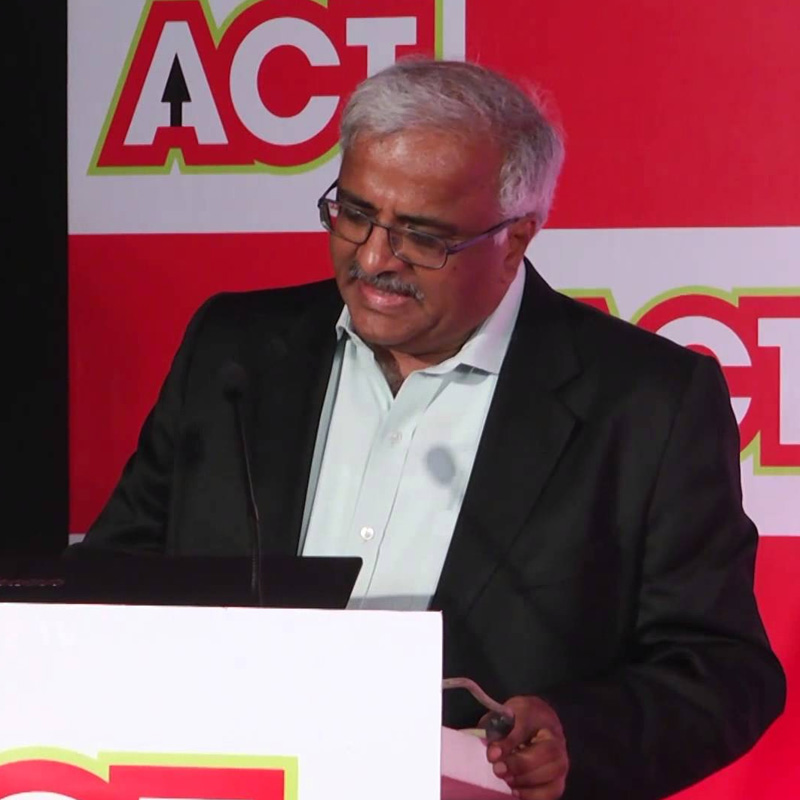
  • 2009 a dynamic year for Indian cable industry – By ACT Television MD Sunder Raju

    2009 a dynamic year for Indian cable industry – By ACT Television MD Sunder Raju

    The year 2009 has been a dynamic one for the Indian cable industry. Several developments and key decisions that took place hint towards a very promising 2010 for the industry as a whole and, of course, the consumer. Continuing its boom, the cable industry is all set to ensure that the TV is not an ‘idiot box‘ anymore!

    Problems faced by Southern operators

    Cable business is spreading its wings all over India. In urban Karnataka and Madhya Pradesh, it has also undergone a massive change in the last couple of years as the industry, from being extremely fragmented earlier, has now become more systematic and corporatised. With a growing market share in these states, digital cable is becoming a larger chunk of the pie and is on its way to give DTH a run for its money.

    However, there are still some pertinent challenges that lie in the path, especially for Southern operators. One of the challenges faced by them is that vis-?-vis digital, DTH has a larger geographical presence. Despite DTH being much more expensive than cable, it has higher penetration because digital runs through a cable network, and that limits any player‘s footprint to the area already cabled by them.

    Also, though the cable industry has changed massively, it is still fragmented. Hence, any operator going national needs to accommodate a number of industry-specific issues, such as adjusting to rapid technological change, working and accommodating with different workforce demographics, changing and restructuring the entire face of the organisation.

    Another challenge lies in the fact that since a large part of the cable industry is still unorganised, the corporate players within the industry at times face content related challenges. Large corporate players, as a policy, do not relay illegal films unlike the small players that telecast all kinds of content in order to get a higher viewership.

    Also there is an oversupply of service providers in the Indian market, with various small players present everywhere. This is also because starting an analogue business requires small investments. In addition to this, with growing inflation, there is less advertising to support the services. Domestic regulations limit advertising to just 10 minutes per hour.

    Last but not the least, with DTH penetrating in every corner of the country, analogue service providers are now facing a major roadblock where profitability is concerned. Consolidation is the way of the future and will bail them out.

    An eventful 2009

    Cable industry has seen a major shift in the last couple of years when more and more organised players have entered the market. This shift in the industry has not only improved customers‘ TV viewing experience with better picture quality, consistent network and improved content on local channels, but it has also drastically improved the quality of overall customer service. For example, ACT Television not only offers a call centre service but also offers instant personalized customer service through its professionally trained cable operators.

    In my opinion, a very important development of 2009 that will make 2010 a smooth year for corporate players is that legal action would be initiated against small cable television operators showing unauthorized and prohibited programmes including obscene films. Moreover, if the programmes televised by the channel create resentment among a particular community, the affected persons can also lodge their complaint with the district administration.

    Towards the end of 2009, HITS (Headend-in-the-Sky) was approved. HITS will allow use of satellites to distribute cable signals instead of the traditional cables that operators use. This is similar to the DTH system – the only difference being that in this case, cable operators will download signals for further distribution in homes.

    As far as the HITS policy is concerned, while the government has taken a major step in addressing the challenges of digitising the country‘s television homes, the work is only half done. They also have to set a timetable for the pay channels to go exclusively digital. Without this step all that has been done is a policy statement without teeth in the area of encouraging enforcement. Ideally both announcements should have come together but a quick decision soon on compulsory digitalisation for pay channels will ensure that the advantage of digital would be experienced by the customer.

    Parts of India have recently been exposed to the Internet Protocol Television (IPTV) services. Companies offering IPTV are mostly conducting pilots in bigger cities of India, such as Delhi, Mumbai, Bangalore.

    A promising 2010

    With 111 million Television Homes and 85 million C&S Homes, India is bound to see many changes in the coming year and years ahead. Indian cable TV industry has a huge potential and that is being recognized by people.

    More and more customers are demanding better picture quality, more channels and better customer service – all at affordable prices. Hence, digitalisation is inevitable and seems to be the only way forward for analog service Providers. Also the need of the hour is clearly training and a reminder that “the customer is King.”

    Also, cable TV offers many other benefits such as city specific channels, that provide complete city related information throughout the day to viewers. This gives viewers a pulse on the city and keeps them updated on events and happenings in their immediate surroundings. Often something that impacts life in the city is covered first by the local city channels and they are surely becoming indispensible.

    Not only this, cable TV has become a great platform for providing, entertainment, information and also education. This is rapidly changing the TV viewing habits in our country which has close to 51 million urban households and 60 million rural households.

    Strategic partnerships with various content houses will determine how any service provider progresses. This will also put an end in the near future to broadcast of pirated content.

    Building a robust subscription income, digitising rapidly and developing broadband as a revenue stream seems to be the business model all the leading multi-system operators (MSOs) are going to chase after having spread their tentacles across the country. Apart from this ‘Value Added Services‘ are a definite means to generating revenues. Services like education on TV, web browsing, gaming and ticket booking have a huge potential in the Indian market.
     

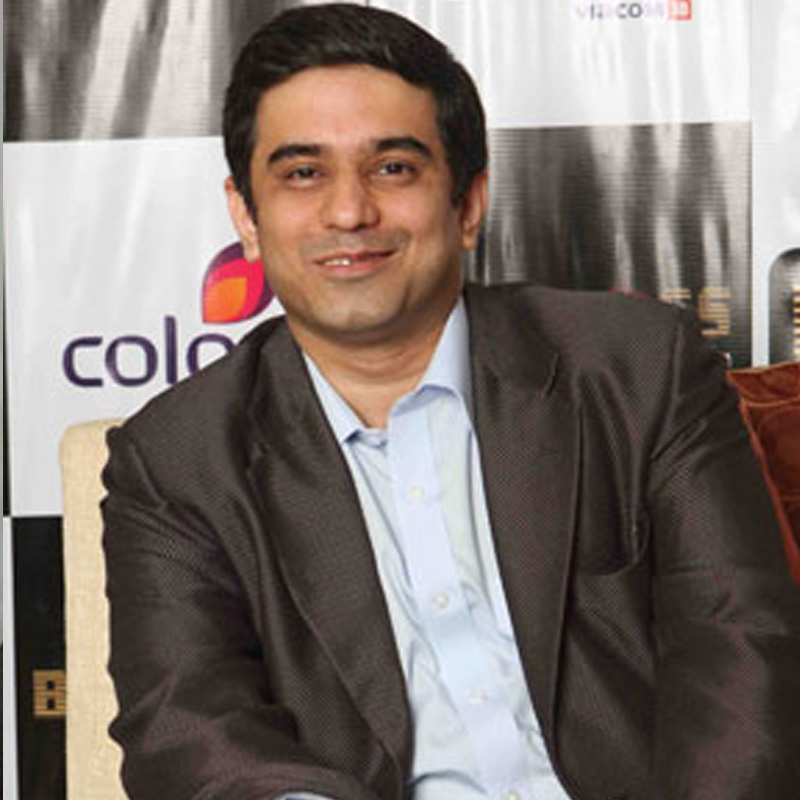
  • ‘Crystal gazing in the era of Gadgets and Gadgeteers’ -Colors CEO Rajesh Kamat

    ‘Crystal gazing in the era of Gadgets and Gadgeteers’ -Colors CEO Rajesh Kamat

    MUMBAI: I have a vivid recollection of that day in 1983, when a colour TV came into our house. The entire neighbourhood knew; there was special dinner; and a list of special invitees saw the Delhi Asian Games, in colour, with the family, in the comfort of our living room.

    The years that followed are a bit of a blur. Almost like we‘ve led life in fast forward mode. The VCR seemed like freedom, the cable operators ran our lives. eight channel TV‘s got upgraded, Plasma became obsolete and DTH became a reality.

    Fast forward to January 2010. And this New Year article is dedicated to crystal gazing the challenges and opportunities that come with a new generation of television watchers and their gadgets. I forecast four significant changes in the future.

    In the short and medium term, I see two trends.
    First a viewer who‘s being exposed to world class production standards and who‘s upgrading to LCD and HD. Transmission quality and Cable woes are slowly being stomped out by digitization. It‘s time to start waking to the reality of this customer in the way we build our content. His tribe will only grow.

    Second this “High-Definition Tribe” is actually symptomatic of changes that are far deeper. Changes in the way we distribute and in the way we access TV. Digitisation will yield choice. It gives the viewer a “real” option to buy what he wants to watch. It will make niche content viable and mass content work harder.

    My third forecast lies in the slightly longer term: Convergence. TV, the computer and telephony converging onto the same device. On the face of it, this can be only but good news. It appears to roll back the years TV lost out to viewers who suddenly discovered entertainment options outside their homes. But just below the surface lies a serious set of challenges.

    TV‘s greatest friend soon is its greatest competition. Because not only will the internet constantly churn entertainment options, but it will also continuously redefine the benchmarks on interface and interactivity. Now these are challenges, we possibly haven‘t even begun to think about. After all, the internet is all but a young boy celebrating 50 million people. And broadband is a baby in comparison. We can‘t be wrong then in saying IPTV is only but a fashionable thing to write about. I urge you to reconsider.

    But the story doesn‘t end here, does it? My 4th guesstimate is already a reality waiting to hit our shores: DVR technology. A reality in the western world. American‘s are increasingly choosing to skip advertising even at the cost of differed viewing. Actually research shows, even time shifting is a real phenomenon. And sitting in India, we‘re only a few leaps in infrastructure away from this reality. 

    So what does this mean? We may well be running our lives smarter and more competitive in 2010. But not really differently. I urge you to sit up and strain your ear to that faint rumbling that‘s going to be a storm. What seems like a future possibility now will soon be a generation chasm.

    In the short term, young gadgeteers will demand better viewing experience, interactivity and “real choice”. In the medium term, these young gadgeteers will yield more mass audiences that are internet enabled. Distribution platforms and revenue sources will be rethought. And content will be even more pressured to be led by careful segmentation and preferences. In the long term, at the very least, viewers will be self generating, toggling and searching content. But that story, I will leave for my year ender in 2019 (or much sooner).

    Let 2010 be the year we acknowledge the inevitability of the future.
     

  • ‘Free sports channels from Trai pricing’-Taj Television COO Peter Hutton

    ‘Free sports channels from Trai pricing’-Taj Television COO Peter Hutton

    MUMBAI: 2009 was the year to be in a different industry. ESPN-Star‘s billion dollar investment in cricket‘s Champions League made the Dubai property market look a safe bet. The IPL riches were diverted into the pockets of South African travel agents. In the ICC‘s showpiece event, India‘s world champion 20-20 team batted so slowly they turned into the No. 1 Test team. India‘s hockey team fell so low, the world rankings needed a second page. The Commonwealth Games promises India Gold medals for bad publicity and even WWE‘s Khali lost whatever it was he‘d won the year before.

    Add that to world economic woes, rampant news channel piracy, illegal websites, Pakistan cricket, rain in the West Indies and having to move house, and you‘ve got my year to forget.

    On the positive side, 2010 is the year of the big event for Indian sports channels. The Hero Honda hockey World Cup, the IPL, the ICC 20-20, the FIFA soccer World Cup, the Commonwealth Games, India‘s tour of South Africa and the Asian Games all tumble after each other.

    The advertising incomes are looking healthier, DTH numbers are growing month on month and the range of big non cricket events can help change the perception that only cricket delivers value.

    2009 was the year when hardly any major new sports deals were done in India. The one exception was Nimbus‘s extension of the BCCI contract, a smart piece of negotiating by the Nimbus team that perhaps signifies a levelling of expectation from the cricket boards. That reality check on price is needed, but the doom and gloom on the value of Test and ODI cricket has been overplayed. The ratings still deliver remarkably consistently for meaningful cricket between well balanced teams in whatever format of the game.

    One of the less heralded legacies of the “Lalit Modi era” has been the quiet removal of the concept of each Test playing side playing each other Test playing side home and away. Zimbabwe and Bangladesh‘s best chance of seeing India these days is by booking a holiday in Goa. The BCCI is happy to travel to the smaller cricketing nations (giving Bangladesh and Zimbabwe the boost of TV and sponsor income), but they‘re not going to waste their precious home games on one-sided matches. It might not suit the ICC, but it works for both the BCCI and the other boards.

    2010 should finally see the unveiling of cricket‘s next six-year plan of fixtures, and what will hopefully see a “flight to quality”. More matches that promise even contests between well matched sides rather than meaningless three-day Tests and ODIs that are won by the toss.

    2009‘s seen plenty of talk of defending Test match cricket. My pet obsession is seeing how many Test matches are being scheduled to play Monday-Friday, as if designed to stop people watching them. The only people these matches suit are the administrators who get home for the weekend. Hopefully 2010 will see success in the pink ball, day night experiments and we will be on the way to Test cricket being played in prime time.

    The best piece of rescheduling I‘ve seen for some time is the Pakistan-Australia Tests in July 2010, which will now happen in England and will make the matches happen in prime time for the sub-continent audience. At a stroke, they become much more valuable for the sport as so many more people will be able to watch them.

    Pakistan‘s varied itinerary also saw the debut of Dubai Sports city as an international stadium. It‘s round the corner from my house, so I am slightly biased, but I believe it‘s the best cricket stadium in Asia for the viewing public. One of my hopes for 2010 is that it gets to see some regular cricket rather than sit as a dusty monument to Dubai‘s dreams.

    Away from cricket in 2009, the world hockey federation (the FIH) have shown faith in India to deliver a hockey World Cup that can revitalise the sport in the country. The evidence so far has been remarkably positive. Investment from sponsors (via the Commune agency) has poured in and the Hero Honda World Cup will be a true opportunity for the Indian game.

    The Indian team are showing signs of progress (third in the champions challenge). Hopefully, home conditions and passionate crowds can work in their favour and the final of the tournament in March will overshadow the start of the IPL on the same day.

    Zee Sports deserves full marks for bravery in their attempt to showcase Indian football. Plenty have tried and failed to turn the undoubted passion for Indian football into a marketable property. The emotion and quality on show at the Nehru Cup in 2009 is an indication that this is not a lost cause. However, the sport needs to learn from the positive qualities of the Nehru Cup. Full crowds, matches to care about, prime time content all come together as part of the equation that can make the sport work.

    International football is certainly gaining ground in some areas of India, even if the viewing figures don‘t really back that statement up. Premium Indian advertisers are beginning to spend on the UEFA Champions League, UEFA Europa League and the BPL. Wealthy Delhi and Mumbai kids all seem to have an English or Spanish football shirt in their wardrobe, and the FIFA world Cup in South Africa should be a superb event.

    The international football market is licking its lips at the prospect of an Indian audience buying more of those shirts. The research doesn‘t currently support the emotion. Premier league and UEFA Champions League figures are showing no signs of growth, but they are showing signs that people care more.

    The soccer World Cup can only help the process in 2010. I do believe ESPN-Star overpaid with their $48 million bid for three years of Premier League football from 2010-2012, but I remain very happy to watch them every weekend.

    One of the sporting stories of the year for 2009 came in a sport that I care very little about. Formula 1 tends to leave me cold, but I love an underdog. As a result Vijay Mallya‘s Force India perked even my interest with their achievements in 2009. To take a podium place and come so close to a first place was remarkable, particularly when you see the sort of funding that the big teams have. As we move towards an Indian Grand Prix and the new circuit on the edge of Delhi, then there is considerable potential for growth around Indian motorsport and its talented young drivers.

    Indian golf has some passionate supporters in the industry and 2010 promises more Asian tour events in the country as well as more Indian golfers succeeding on a world stage. Again, from a television industry perspective, we don‘t really see the numbers on a weekly basis but the passionate and committed golf viewer certainly wants more, and the current structure of Indian sports channels does not fulfil that need.

    Though sporting prowess on the field has a remarkable effect on the value of what we show, the real test for the Indian market is how quickly television sport is allowed to move away from being an advertising supported industry to a subscriber supported industry.

    The lack of accountability and the issues with collections in the cable industry has frustrated the growth of the Indian television sports business. DTH is a true sign of hope, with a viewer choosing and paying for his channel rather than a cable operator choosing for a viewer, and only occasionally paying. The closer that paying relationship between the end consumer and the sports channel, the more chance we have of justifying varied and stimulating content that people actually want to watch.

    Indian sports television has come a long way in the last 15 years since I sat watching Chinese football on Prime Sports but unable to watch the Premier league. Yet there is still huge amount of quality sport inside and outside India that is not seen on TV by an Indian audience. The World Athletics Championships, the Spanish football league, the Ultimate Fighting Championships, the European hockey league, the American NFL are all events that some people in India want to watch, but currently cannot do so. The rest of the world is now watching in HD, but India is watching in 4:3, not even in widescreen.

    Free the sports channels from the limitations of Trai (Telecom Regulatory Authority of India) pricing, and the doors will open to even better experiences. Control the piracy, encourage innovation. Allow variety of sporting experience, encourage quality of production. Filling each hour of live sport programming with advertising, squeezing back the screen every ball of a cricket match does not deliver the quality of viewing experience that an audience deserves.

    Let‘s hope that 2010 allows sports channels the legislative freedoms to offer premium products at premium prices and take Indian sports TV into the 21st century.
     

  • ‘We will be the No. 1 distribution company this fiscal’ : Zee Turner chief executive officer Dinesh Jain

    ‘We will be the No. 1 distribution company this fiscal’ : Zee Turner chief executive officer Dinesh Jain

    Zee Turner Ltd, the joint venture distribution company between Zee and Turner, is eyeing a revenue of Rs 10 billion this fiscal on the back of a faster growth from DTH while pay-TV income from cable TV stays strong.


    In the earlier fiscal, Zee Turner had clocked Rs 7.5 billion after adding Ten Sports into the bouquet.


    Regionalisation will be a big growth driver for Zee Turner. With Zee Telugu and Zee Kannada turning around, the contribution from the southern region is also set to improve.


    Adding channels in the bouquet, which has a strong mix of general entertainment, movies and kids content, would form a part of Zee Turner‘s growth strategy. The plan is to have 50 channels within two years.


    In an interview with Indiantelevision.com‘s Sibabrata Das, Zee Turner Ltd. chief executive officer Dinesh Jain talks about the company‘s bouquet strength across 16 genres, the efforts to fill in the gaps and the next wave of pay-TV revenue growth in a digital environment.


    Excerpts:


    Zee Turner has set an ambitious revenue target of Rs 10 billion this fiscal. Has this growth momentum since the last fiscal been led by the addition of Ten Sports?

    Yes, Ten Sports has contributed but our organic growth has also been significant. I can‘t, though, comment on what our target is. But we expect to get a little under 20 per cent growth from cable TV while revenue from DTH will be at a faster pace. We, after all, have the widest bouquet with 35 channels.


    But isn’t the weight of the bouquet a weakness in today’s environment where cable TV networks have no bandwidth and charge hefty carriage fees?

    Providing such a wide choice is, in fact, our biggest strength. We have presence across 16 genres and have the maximum number of movie and regional language channels. In the Hindi general entertainment channel space, Zee TV is very powerful. And we have the strongest kids content in Cartoon Network and Pogo. We are a top-of-the-mind bouquet.


    Our plan, in fact, is to have 50 channels within the next two years. We may not release all the channels to all parts of the country. But they can be driver channels for the relevant market. We will increase the width and depth of our portfolio.


    But Zee Turner is still not the largest broadcasting distribution company in terms of revenue?

    Yes, our revenues are not in line with the strength of the bouquet. But we are the fastest growing company today. We will be the No. 1 distribution company this fiscal.


    Will the new wave of pay-TV revenue growth come from the regional markets?

    Regionalisation is a big thing for us. We have the largest bouquet of regional channels. We have, for instance, big drivers in Zee Marathi and Zee Bangla. News is also becoming regional and in local language. Zee has launched several regional news channels.


    We have set up task forces to cater to these regional portfolios. We are connecting the interiors for the regional packages and doing local trade marketing. We see big growth coming from our regional channels.


    Even in the South, which was a weak link, Zee Turner would be on a stronger wicket with the turnaround of Zee Telugu and Zee Kannada?

    The contribution from the South has increased as our Telugu (Zee Telugu) and Kannada (Zee Kannada) language channels started delivering. But we also had a strong base there due to our English content, led by HBO, Zee Studios and Zee Cafe. We have added WB, the English movie and entertainment channel, this year.


    We expect the pay-TV revenues from regional channels to look up, including the South. Zee Marathi, Zee Telugu and Zee Kannada will give us faster growth. We will also be taking our Zee News Uttar Pradesh and Zee Tamil (which will transition increasingly to a news channel) channels pay in the next 6-12 months. This will mean that all the 35 channels in our bouquet will be pay.


    Do you still miss the English news genre in the bouquet after CNBC TV18 moved out?

    We do not have channels in genres such as infotainment, travel, English general news and English business news. There are some regional languages where we are also absent. For completing our portfolio, we would be looking at filling such gaps.
     

     ‘Regionalisation is a big thing for us. We have the largest bouquet of regional channels. We have big drivers in Zee Marathi and Zee Bangla. Zee has also launched several regional news channels‘
     

     The government has recently come out with a Headend-In-The-Sky (HITS) policy. How do you see this impacting Zee Turner?

    HITS offers another great opportunity for digitisation and addressability. We expect the Telecom Regulatory Authority of India (Trai) to come out with a pricing policy for HITS. As long as the delivery platforms and addressability are similar, the pricing policy should be same.


    Do you strongly feel that Trai needs to lift the freeze on pricing?

    The freeze in pricing has led to anomalies. Different channels in the same genre are priced differently because they were launched in different dates. The price freeze will not, thus, impact the channels equally.


    A case in point is Zee Sports. If Zee Sports is to acquire a cricketing property paying as much as Star Cricket does, it will be at a disadvantage because of the price freeze. Launched later, Star Cricket is priced higher.


    Trai, in fact, is looking at revisiting the price freeze issue. Today there is enough competition in the market for channels not to start profiteering from high prices.

     
     Is Zee Sports turning out to be a liability as it is devoid of cricket after failing to bag the BCCI rights?

    No, but then there is definitely an opportunity loss. However, it is overcome by the strength of the bouquet.


    How is Zee Turner gearing up for the digital environment?

    We are building capabilities for the digital environment – be it IPTV, DTH, cable TV or 3G devices. India will have all models successful because it is such a huge market. We have created vertical heads separately for digital, analogue cable and commercial business 18 months back to bring more focus into these business segments.


    Do broadcasters see faster growth coming from DTH?

    Cable TV currently accounts for 70 per cent of the broadcasters’ pay-TV revenues. We see the industry settling at an equal ratio between analogue cable and digital platforms within two years.  


    Broadcasting distribution companies have entered into joint ventures like Zee Turner, MSM Discovery and Star Den. Is there scope for further consolidation?

    There are still many splinter groups such as Sahara and UTV. At some stage, they may decide to align. We are looking at such opportunities and alliances.


    Cable networks have been consolidating over the last few years. How do you see this impact broadcasting companies?

    The market is getting matured and organised. Though we are seeing the emergence of bigger MSOs (multi system operators), this will mean that the business is getting more rationalised. Bigger cable companies will look at improving bandwidth. There will be huge upsides – much like the coming together of organised retail helping FMCG companies.
     

    , Zee Studios and Zee Cafe. We have added WB, the English movie and entertainment channel, this year.


    We expect the pay-TV revenues from regional channels to look up, including the South. Zee Marathi, Zee Telugu and Zee Kannada will give us faster growth. We will also be taking our Zee News Uttar Pradesh and Zee Tamil (which will transition increasingly to a news channel) channels pay in the next 6-12 months. This will mean that all the 35 channels in our bouquet will be pay.


    Do you still miss the English news genre in the bouquet after CNBC TV18 moved out?
    We do not have channels in genres such as infotainment, travel, English general news and English business news. There are some regional languages where we are also absent. For completing our portfolio, we would be looking at filling such gaps.

  • ‘We plan to raise Rs 5 billion’ : Ravi Mansukhani – Indusind Media & Communications CEO and MD

    ‘We plan to raise Rs 5 billion’ : Ravi Mansukhani – Indusind Media & Communications CEO and MD

    Hinduja-owned IndusInd Media & Communications Ltd (IMCL) has survived the scare from a wave of new multi-system operators (MSOs) that threatened to land grab even in the lucrative market of Mumbai.

    IMCL has expanded its footprint to 27 cities and thrived on a hefty carriage revenue that helped the MSO turn profitable. In FY‘09, carriage made up for almost 50 per cent of IMCL‘s turnover as broadcasters coughed out Rs 1.4 billion to place their channels on the network.

    The media subsidiary company of Hinduja Ventures Ltd plans to list through an initial public offering (IPO). Ahead of that, it is in talks to rope in an investor. The total fund-raising agenda: Rs 5 billion.

    Operating its cable TV distribution business under the Incablenet brand, IMCL has agreed to dilute one per cent stake to Ashley Investments at a valuation of $644 million. As part of this exercise, 0.22 per cent has been diluted.

    The MSO has aggressive plans to grow in the digital environment. IMCL is also gearing up to grow its fledgling broadband business, after upping its primary connections to 200,000 that would give it access to the last mile.

    In an interview with Indiantelevision.com‘s Sibabrata Das, Indusind Media & Communications CEO and MD Ravi Mansukhani talks about the MSO‘s growth plans.

    Excerpts:

    IMCL is planning to take the IPO route. How much are you going to raise?
    We are out in the market, looking to raise money. We may get an investor before we possibly do the IPO. We feel this is the best route to take. But if there is no match on our valuations, we will go on our own. We plan to raise Rs 5 billion to fund acquisitions and our digital cable TV expansion. But we are not in a hurry. We want to list with the right fundamentals and the future for digitisation.

    Why are cable TV companies suddenly rushing to list?
    DEN (Digital Entertainment Networks)a late entrant, is planning an IPO this year. There are media reports also about Hathway Cable & Datacom readying to tap the market. Wire & Wireless India Ltd (WWIL) is in the process of raising money through a rights issue. The fact is that cable TV companies are looking at expansion as they feel there is a huge potential left open. Unfortunately, DTH has not been able to fight analogue cable because of the pricing. And with digital cable growing slowly, DTH has not grown to everybody‘s expectations.

    But is it not true that all the DTH operators are mopping up subscribers very aggressively?
    DTH is growing either in cable dark or bad cable areas. In urban India, they have made penetration in mostly multiple TV homes and, thus, co-existed with cable. A very small percentage has come at the expense of the cable TV operators, perhaps because the ARPUs (average revenue per user) are low.

    A wave of new MSOs have entered the market. How has this affected Incablenet?
    In the urban areas, this led to ground warfare as the entrants wanted to grab territory. Subscription rates, undoubtedly, got affected as we had to retain our base. This was particularly felt in case of franchisee fees. But we held on – and are slowly getting back the old rates.

    We have actually grown in revenues as we expanded through acquisitions. We are present in 27 cities, up from 12 a couple of years back. We have laid more infrastructure and have over 6000 km of hybrid fibre network. We have posted a 45 per cent growth year-on-year over the last two years. We have also turned around and become profitable.

    Wasn‘t this largely because of the steep growth in carriage fee which accounted for almost 50 per cent of IMCL‘s FY‘09 revenues?
    Yes, the placement charges helped to a large extent for IMCL turning profitable. But we are no more stuck as just a cable MSO. Though video is the mainstay of our business, we have laid infrastructure and will now aggressively push for broadband.
    ‘This is a good time to make acquisitions as the cost per point has come down. In prime locations, valuations have fallen by a quarter and in other areas by almost 50%‘

    The company has been talking about broadband for the last few years but very little has happened. The revenue from broadband for FY‘09, in fact, was under Rs 50 million. So what changes this time?

    The three bottlenecks that hindered our broadband growth are now behind us. Bandwidth costs have fallen. Secondly, we have merged the broadband company with the cable outfit, so that saves us from paying out any network charges. The third and the most important fact is that we have grown our primary points from 50,000 to 200,000 and, as we own the last mile here, we don‘t have to pay commissions to franchisee operators. We are targeting to double our revenues from broadband this year. We will also get into commercial clients as it will give us higher ARPUs. In the retail segment, our ARPU stands at Rs 400

    Was there a conscious decision to acquire more of primary points?

    When we went in for acquisitions, we ensured that we got into good ARPU areas. We also took care that we acquired 30 per cent of primary connections from the cable networks that we snapped up.

    Were you driven to new geographies because of the carriage market and also because of a land grab situation from new competition?

    The older MSOs like us expanded into new cities because of the promise of digitisation which would lead to transparency and ensure that we carve out a commission system for ourselves. The new MSOs came under the plank of carriage fees. Undoubtedly, placement charges helped all MSOs to survive and grow – including the digital business.

    The economic slowdown is hurting broadcasters and they are pulling down their carriage costs. How is this going to affect IMCL‘s growth this year?

    Carriage revenue will not dip but flatten for us this year. There are new channel launches but they are not of that scale as last year‘s. This will be a consolidation year for us.

    How much is IMCL investing this year?

    We had invested Rs 1 billion in FY‘09, equally split between acquisition, digitisation and laying of infrastructure. For this fiscal, we plan to invest a similar amount. We will add two digital headends to our existing eight. We will also supply digital feed to four more cities during the fiscal, in addition to the four that we have currently linked up.

    We have so far seeded 350,000 digital set-top boxes (STBs) across eight cities. We haven‘t got fresh STBs this fiscal as the government has imposed duty on the import of boxes. But we have placed orders and expect supplies to arrive in November. Our target is to add 150,000-200,000 boxes during the fiscal. The Commonwealth Games in Delhi also could act as a big boost if the government comes out with a digitisation policy to coincide with that event.

    Will you be aggressive on acquisitions this year?

    We will continue to make acquisitions where we see an opportunity being thrown on us at the right value. This is a good time to buy as the cost per point has come down. In prime locations, valuations have fallen by a quarter and in other areas by almost 50 per cent. Operators need the support of bigger MSOs because of the huge subsidy in digital boxes. We will consolidate in states where we are already present.

    And there will be more disturbance on the ground?

    Warfare for territory will reduce as the new MSOs will not be that aggressive. Money is drying up and they are back in the market trying to raise funds.

    Is there a drive to restructure the content business under associate company Planet E-Shop Holdings India Ltd?

    The movie business is moving into Planet E-Shop. This is also housing the distribution of channels for retail and commercial. We are distributing ESPN in Mumbai and are in talks with two other major broadcasters. We have also taken up marketing and distribution of foreign channels like Arirang and Miracle Channel that seek downlinking in India. We are looking at signing up three more foreign channels this year.

    Will the cable movie channel, CVO, move into this company?

    The channel is part of IMCL and there are no plans as of now to shift this out. We may make it a pay channel down the road as the digital environment grows. We have bought 100 movies this year and are planning to add 300-400 more as prices have fallen. The revenues are getting squeezed for cable movie channels. But we have a library of 700 movies and later may create thematic channels for digital subscribers.

    What plans do you have to grow the content side of the business?

    We will create server-based local channels when the time is ripe. Cable news channels in metros may not be viable as it makes more sense to get placement fees than run your own channel in a choked analogue environment. The situation can be different in smaller towns. Our interest is to create these server-based local channels that do not depend on advertising but pay revenues.

    Will the cable movie channel, CVO, move into this company?
    The channel is part of IMCL and there are no plans as of now to shift this out. We may make it a pay channel down the road as the digital environment grows. We have bought 100 movies this year and are planning to add 300-400 more as prices have fallen. The revenues are getting squeezed for cable movie channels. But we have a library of 700 movies and later may create thematic channels for digital subscribers.

    What plans do you have to grow the content side of the business?
    We will create server-based local channels when the time is ripe. Cable news channels in metros may not be viable as it makes more sense to get placement fees than run your own channel in a choked analogue environment. The situation can be different in smaller towns. Our interest is to create these server-based local channels that do not depend on advertising but pay revenues.