Tag: DTH

  • Eleventh IDOS to commence in Goa today

    Eleventh IDOS to commence in Goa today

    GOA: The 11th Indian Digital Operators Summit (IDOS 2016) is slated to be flagged off today evening – 30 September — at south Goa’s prestigious Hotel Leela. India’s largest gathering of India’s broadcast, distribution, investment, technology players and the regulators is happening at a time when the industry is grappling with issues related to the government mandated digital addressable system (DAS) which seeks to digitize India’s 100-million viewer strong cable TV ecosystem.

    While two phases of DAS have been progressing gradually, the third phase has been stalled awaiting a decision from the Delhi high court. The logjam despite, the countdown to the fourth phase deadline of 31 December 2016, has commenced.

    It’s challenging times for the whole video distribution ecosystem. OTT live streaming and VOD platforms, telco companies are all marching into what was traditionally a broadcaster, cable TV operator’s or DTH or HITS operator’s turf. And, though they are yet to come up with robust business models, some of them have deep pockets. DTH players, on the other hand, are beginning to bear the fruits of their early investments in delivering quality, transparent services across India.

    Churn rates are stable, and, in fact, the subscriber numbers for many of these players are rising.

    A large part of the smaller cable TV community — especially in phase III and phase IV – is fragmented, undercapitalised and is fearful for its future and, in some areas, is resisting digitisation. Larger MSOs have brought in some organization to the ground in phase I and phase II over the past few years and will continue doing so as the years pass by, even in the interiors. Niggling issues such as interconnection and tariff agreements, carriage fees with broadcasters continue to seek resolution.

    Free to air DTH services such as DD FreeDish serve the needs of some of the viewers in the heartlands. And HITs platforms are waiting on the sidelines and are hoping to plug the infrastructure gap for delivering video signals to the undercapitalized cable operators in the phase III and phase IV areas.

    The regulators, the Telecom Regulatory Authority of India and the ministry of information and broadcasting, are seeking to put in place a regulatory framework which would fuel DAS nationally, keeping everyone’s interests in mind.

    “It is against this backdrop that IDOS 2016 is being held,” says Indiantelevision.com founder, CEO & editor in chief Anil Wanvari.

    “Over the years it has proved to be a fertile ground for moving the needle on distribution further. We hope this year’s DAS will also help in supporting the progress.”

    Among the major speakers at IDOS are: DEN Networks CEO SN Sharma, Prasar Bharati CEO Jawahar Sircar, Hathway Cable CEO Jagdish Kumar, Times Television Network CEO M.K. Anand, Sony Pictures Networks India executive vice president and head – digital business, Uday Sodhi, Indusind Media CEO Tony D’Silva, Walt Disney Co India vice president Nikhil Gandhi, Asianet Satellite Communications president & COO G.

    Sankaranarayana, India Cast EVP Amit Arora, Ortel Communication CEO Bhibhu Rath, CastleMedia executive director Vynsley Fernandes, Reliance BIG TV business head Vivek Garg, GTPL COO Shaji Matthews, Akamai head of mobile strategy Vijay Kolli and regional vice president, media sales Sid Pisharoti, Chrome Data CEO Pankaj Krishna, and TRAI adviser Sunil Kumar Gupta.

    The conference will end on 1 October late evening.

    Among the partners who have come forward to support IDOS 2016 are:
    Walt Disney Co India (Title Partner); Discovery India (Summit Partner), Elemental and Hathway (Associate Partner), Akamai Technologies (CDN Partner), Friends MTS, Sony Pictures Network and Zee Distribution Networks (Support Partners), SES (Name Badge Partner), and IndiaCast (LanYard Partner).
  • Deloitte: Indian film industry to touch Rs 23,800 crore by 2020

    Deloitte: Indian film industry to touch Rs 23,800 crore by 2020

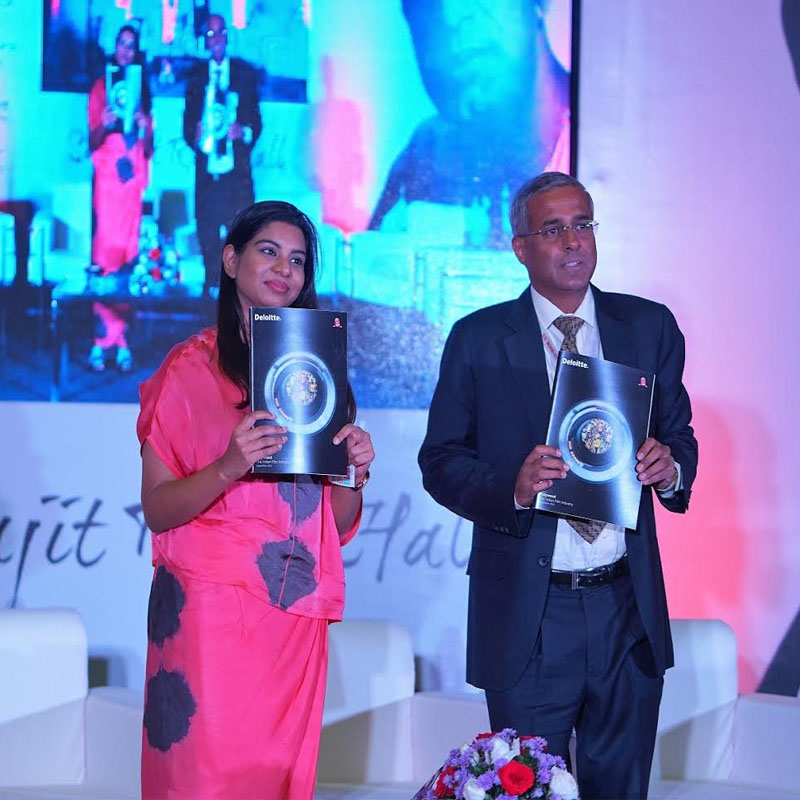
    MUMBAI: Can the Indian film industry come up to scale and rival the US and Canadian box offices? Yes, it can. The potential is huge, says a new report on the Indian cinema industry released by Deloitte Touche Tohmatsu India at the Indywood Film Carnival taking place during 24-27 September in Ramoji Film City, Hyderabad.

    Both, the US and Canada, have a box office of $11 billion annually though they produce less films (700). India, with 1,500 to 2,000 films in more than 20 languages, is the world’s largest film producer and it also has the second highest footfalls at 2.1 billion, just behind China (2.2 billion).

    It is growing at a rapid clip of 10 per cent and its gross realisations are at Rs 13,800 crore ($2.1 billion). “This is mainly due to low ticket realizations and occupancy levels, lack of quality content, and rampant piracy,” says the report titled “IndyWood: The Indian Film Industry.”

    This growth is set to accelerate further to 11.5 per cent CAGR and by 2020 the Indian film industry will gross revenues of Rs 23,800 crore ($3.7 billion). Yes, that’s still not measuring up to the US and Canadian revenues, but given time, the Indian film industry will grow even further.

    Says the Deloitte report: “The key growth drivers are rising income levels and a swelling middle class, expansion of multiplexes in smaller cities, investments by foreign studios in domestic and regional productions, growing popularity of niche movies, and the emergence of digital and ancillary revenue streams.”

    The report points out that “By 2020, the Indian average household income is expected to reach $18,500 from $8,000 currently with a corresponding middle class of over 90 million people. This level of median household income will drive discretionary spending on leisure and entertainment. The proliferation of internet and smart phone usage has opened up a new platform for film distribution and viewing.”

    In all, 43 per cent of revenues for Indian cinema are accounted for by the Hindi film industry with regional and international cinema contributing 50 and seven per cent respectively. Tamil and Telugu movies account for 36 per cent, with other regional languages contributing 14 per cent. The south Indian film industry accounts for Rs 4200 crore, and is growing at 12 per cent CAGR. The Marathi film industry has ballooned to gross revenues of Rs 150 crore and it grew at 40-45 per cent in 2015, even as the Gujarati film business expanded to Rs 55 crore in 2015.

    The report says that “cable and satellite rights and online/ digital aggregation revenues are the fastest growing segments, and are expected to grow at a CAGR of about 15 per cent over the period FY6-FY20, driven by rising demand for movies on TV and increasing smartphone penetration across the country respectively. On the other hand, home videos have been shrinking due to increasing piracy and growing popularity of digital platforms. Home video has lost share to video on demand (VOD) through direct-to-home (DTH) operators and over-the-top (OTT) platforms.”

    What’s helping contribute to the Indian film industry’s revenues is in-cinema advertising which stood at Rs 630 crore in 2015 and is expected to grow 18-20 per cent annually over the next four years. Demand is expected to rise from Tier 2 and Tier 3 cities where retail malls and multiplexes are slated to come up — which obviously will lead to more screens.

    Says the report: “Multiplexes have shown a growth rate of 15 per cent in Indian cities, increasing from 925 in 2009 to 2,100 in 2015. Over 2,000 single screen cinemas have been shut down or converted to multiplexes in the last year mainly due to greater cost of operations (higher entertainment taxes, increase in distributors’ share, and lower ticket prices), non-viability of running on a standalone basis and low occupancy rate. Multiplexes currently account for approximately 26 per cent market share of the screens; however, they contribute more than 40 per cent of box office collections. Wider content and programming flexibility result in higher occupancy and hence profitability of multiplexes. With comparison to growing economies, India has a low penetration of multiplexes with a potential to have almost 7,500-10,000 multiplex screens across the nation.”

    Also, film studios will have to start looking at international markets for revenues. Only 15 per cent of Indian cinema makers revenues comes from outside India, while Hollywood earns two-thirds of its revenues outside the US. The report also states that the producers and distributors should start looking at the potential of merchandising, licensing for mobile and games, delivering movies directly to the consumers via the internet or on their smart phones.

    Piracy if controlled could also help the Indian film industry which loses nearly Rs 19,000 crore annually to pirate sites. “Over 150 sites thrive on piracy where content is stolen from Indian movies, quick copies are made and distributed globally. Nearly half of the 150 are from the US, followed by 11 from Canada, nine from Panama and six from Pakistan. The top 100 sites make Rs 35 billion ($510 million) highlighting the extent of the issue,” the report highlights.

  • Deloitte: Indian film industry to touch Rs 23,800 crore by 2020

    Deloitte: Indian film industry to touch Rs 23,800 crore by 2020

    MUMBAI: Can the Indian film industry come up to scale and rival the US and Canadian box offices? Yes, it can. The potential is huge, says a new report on the Indian cinema industry released by Deloitte Touche Tohmatsu India at the Indywood Film Carnival taking place during 24-27 September in Ramoji Film City, Hyderabad.

    Both, the US and Canada, have a box office of $11 billion annually though they produce less films (700). India, with 1,500 to 2,000 films in more than 20 languages, is the world’s largest film producer and it also has the second highest footfalls at 2.1 billion, just behind China (2.2 billion).

    It is growing at a rapid clip of 10 per cent and its gross realisations are at Rs 13,800 crore ($2.1 billion). “This is mainly due to low ticket realizations and occupancy levels, lack of quality content, and rampant piracy,” says the report titled “IndyWood: The Indian Film Industry.”

    This growth is set to accelerate further to 11.5 per cent CAGR and by 2020 the Indian film industry will gross revenues of Rs 23,800 crore ($3.7 billion). Yes, that’s still not measuring up to the US and Canadian revenues, but given time, the Indian film industry will grow even further.

    Says the Deloitte report: “The key growth drivers are rising income levels and a swelling middle class, expansion of multiplexes in smaller cities, investments by foreign studios in domestic and regional productions, growing popularity of niche movies, and the emergence of digital and ancillary revenue streams.”

    The report points out that “By 2020, the Indian average household income is expected to reach $18,500 from $8,000 currently with a corresponding middle class of over 90 million people. This level of median household income will drive discretionary spending on leisure and entertainment. The proliferation of internet and smart phone usage has opened up a new platform for film distribution and viewing.”

    In all, 43 per cent of revenues for Indian cinema are accounted for by the Hindi film industry with regional and international cinema contributing 50 and seven per cent respectively. Tamil and Telugu movies account for 36 per cent, with other regional languages contributing 14 per cent. The south Indian film industry accounts for Rs 4200 crore, and is growing at 12 per cent CAGR. The Marathi film industry has ballooned to gross revenues of Rs 150 crore and it grew at 40-45 per cent in 2015, even as the Gujarati film business expanded to Rs 55 crore in 2015.

    The report says that “cable and satellite rights and online/ digital aggregation revenues are the fastest growing segments, and are expected to grow at a CAGR of about 15 per cent over the period FY6-FY20, driven by rising demand for movies on TV and increasing smartphone penetration across the country respectively. On the other hand, home videos have been shrinking due to increasing piracy and growing popularity of digital platforms. Home video has lost share to video on demand (VOD) through direct-to-home (DTH) operators and over-the-top (OTT) platforms.”

    What’s helping contribute to the Indian film industry’s revenues is in-cinema advertising which stood at Rs 630 crore in 2015 and is expected to grow 18-20 per cent annually over the next four years. Demand is expected to rise from Tier 2 and Tier 3 cities where retail malls and multiplexes are slated to come up — which obviously will lead to more screens.

    Says the report: “Multiplexes have shown a growth rate of 15 per cent in Indian cities, increasing from 925 in 2009 to 2,100 in 2015. Over 2,000 single screen cinemas have been shut down or converted to multiplexes in the last year mainly due to greater cost of operations (higher entertainment taxes, increase in distributors’ share, and lower ticket prices), non-viability of running on a standalone basis and low occupancy rate. Multiplexes currently account for approximately 26 per cent market share of the screens; however, they contribute more than 40 per cent of box office collections. Wider content and programming flexibility result in higher occupancy and hence profitability of multiplexes. With comparison to growing economies, India has a low penetration of multiplexes with a potential to have almost 7,500-10,000 multiplex screens across the nation.”

    Also, film studios will have to start looking at international markets for revenues. Only 15 per cent of Indian cinema makers revenues comes from outside India, while Hollywood earns two-thirds of its revenues outside the US. The report also states that the producers and distributors should start looking at the potential of merchandising, licensing for mobile and games, delivering movies directly to the consumers via the internet or on their smart phones.

    Piracy if controlled could also help the Indian film industry which loses nearly Rs 19,000 crore annually to pirate sites. “Over 150 sites thrive on piracy where content is stolen from Indian movies, quick copies are made and distributed globally. Nearly half of the 150 are from the US, followed by 11 from Canada, nine from Panama and six from Pakistan. The top 100 sites make Rs 35 billion ($510 million) highlighting the extent of the issue,” the report highlights.

  • New addl secy, advisor in IT Ministry

    New addl secy, advisor in IT Ministry

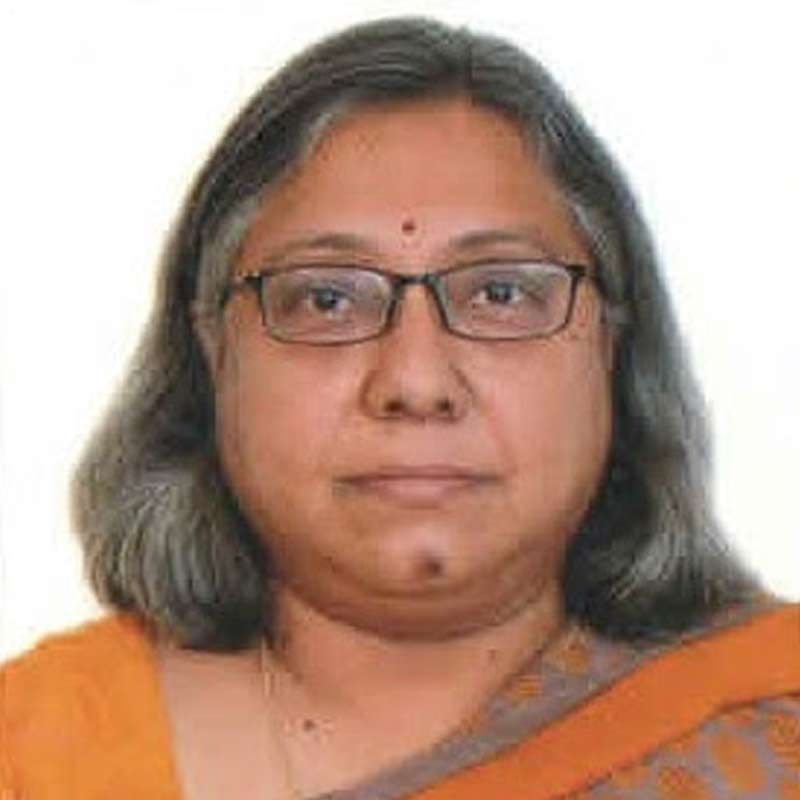
    NEW DELHI: Anuradha Mitra has been appointed as the additional secretary and financial advisor in the electronics & information technology ministry. Mitra is a 1984 batch officer of the Indian Defence Accounts Service.

    She was until now the joint secretary & financial advisor in the same ministry. She has been assigned the new role by upgrading her position for a period of two years or until further orders, whichever is earlier.

    The ministry is in charge of the development of set-top boxes for digital addressable system, and for implementing the Indian conditional access system (iCAS) which has been adopted by Doordarshan’s Freedish DTH platform.

  • New addl secy, advisor in IT Ministry

    New addl secy, advisor in IT Ministry

    NEW DELHI: Anuradha Mitra has been appointed as the additional secretary and financial advisor in the electronics & information technology ministry. Mitra is a 1984 batch officer of the Indian Defence Accounts Service.

    She was until now the joint secretary & financial advisor in the same ministry. She has been assigned the new role by upgrading her position for a period of two years or until further orders, whichever is earlier.

    The ministry is in charge of the development of set-top boxes for digital addressable system, and for implementing the Indian conditional access system (iCAS) which has been adopted by Doordarshan’s Freedish DTH platform.

  • TRAI expects stakeholders to work towards infrastructure sharing

    TRAI expects stakeholders to work towards infrastructure sharing

    NEW DELHI: India is witnessing a huge growth in the television sector and is on the threshold of complete digitization. The Telecom Regulatory Authority of India has asked stakeholders as to whether they feel the need for infrastructure sharing – irrespective of whether it is cable TV and HITS operators, DTH operators, or CAS and SMS. 

    Stakeholders have been asked to send in their comment by 21 October, 2016, with counter-comments on 4 November 2016. At the outset, TRAI says the country now has 864 private television channels apart from six private DTH players and two HITS players and a large number of MSOs and LCOs and infrastructure sharing may help the industry to grow. 

    “There appears to be a distinct possibility for sharing of distribution infrastructure among multiple DPOs for its optimal utilization. It may result in reduction in capital expenditure and operating expenditure for distributors,” says the regulator.

    Infrastructure includes satellite transponder, earth station, Head-end, Hybrid Fibre Coaxial (HFC) network, conditional access system (CAS) and subscriber management system (SMS) used for delivery of the TV broadcasting services to the subscribers.

    Each multi-channel distribution platform retransmits large number of satellite TV channels. Of these large number of satellite TV channels retransmitted by each operator, many are common across the distribution platforms in a relevant market. Therefore, retransmission of such common channels independently on each distribution platform ends up duplicating the infrastructure.

    In the light of this, TRAI has asked the stakeholders to consider certain points:

    Infrastructure sharing among Cable TV and HITS operators

    (1) Is there a need to enable infrastructure sharing among MSOs and HITS operators, or among MSOs? It is important to note that no mandate for such infrastructure sharing is being proposed.

    (2) Which model is preferred for sharing of infrastructure among MSOs and HITS operators, or among MSOs?

    Infrastructure sharing among DTH operators

    (3) Is there a need to enable infrastructure sharing among DTH operators?

    Relevant issues in sharing of infrastructure

    (4) What specific amendments are required in the cable TV Act and the Rules made there under to enable sharing of infrastructure among MSOs themselves?  

    (5) What specific amendments are required in the MSO registration conditions and HITS licensing guidelines in order to enable sharing of infrastructure among MSOs and HITS operators? 

    (6) What specific amendments are required in the guidelines for obtaining license for providing DTH broadcasting service to enable sharing of infrastructure among DTH operators? 

     (7) Do you envisage any requirement for amendment in the policy framework for satellite communication in India to enable sharing of infrastructure among MSOs and HITS operators, and among DTH operators? If yes, then what specific amendments would be required? 

    (8) Do you envisage any requirement for amendments in the NOCC guidelines and WPC license conditions relating to satellite communications to enable sharing of infrastructure among MSOs and HITS operators, and among DTH operators? If yes, then what specific amendments would be required?

    (9) Do you envisage any requirement for amendments in any other policy guidelines to enable sharing of infrastructure among MSOs and HITS operators, among MSOs, and among DTH operators?

     (10) What mechanisms could be put in place for disconnection of signals of TV channels of defaulting operator without affecting the operations of the other associated operators with that network after implementation of sharing of infrastructure among MSOs and HITS operators, among MSOs, and among DTH operators?

    (11) Is there any requirement for tripartite agreement to enable sharing of infrastructure among MSOs and HITS operators, among MSOs, and among DTH operators? Kindly elucidate with justification.

    (12) What techniques could be put in place for identification of pirates after implementation of sharing of infrastructure among MSOs and HITS operators, among MSOs, and among DTH operators?

    (13) Is there any need for further strengthening of anti-piracy measures already in place to enable sharing of infrastructure among MSOs and HITS operators, among MSOs, and among DTH operators?

    (14) Is there a requirement to ensure geographically targeted advertisements in the distribution networks? If yes, then what could be the possible methods for enabling geographically targeted advertisements in shared infrastructure set up?

    (15) Whether it is possible for the network operator to run the scrolls and logo on the specific STBs population on request of either the broadcaster or the service delivery operator after implementation of sharing of infrastructure among MSOs and HITS operators, among MSOs, and among DTH operators?

    (16) Whether implementation of infrastructure sharing affects the differentiation and personalization of the TV broadcasting services and EPG? If yes, then how those constraints can be addressed?

    (17) Whether, in your opinion, satellite capacity is a limiting factor for sharing of infrastructure? If yes, then what could be the solutions to address the issue?

    Sharing of CAS and SMS

    (18) Is there a need to permit sharing of SMS and CAS? 

     (19) If yes, then what additional measures need to taken to ensure that SMS data remain accessible to the tax assessment authorities and Authorized officers as defined in the Cable TV Act for the purpose of monitoring the compliance with relevant the Rules and the Regulations?

    (20) Whether sharing of CAS can in any way compromise the requirement of encryption as envisaged in the Cable TV Act and The rules and the regulations. 

  • TRAI expects stakeholders to work towards infrastructure sharing

    TRAI expects stakeholders to work towards infrastructure sharing

    NEW DELHI: India is witnessing a huge growth in the television sector and is on the threshold of complete digitization. The Telecom Regulatory Authority of India has asked stakeholders as to whether they feel the need for infrastructure sharing – irrespective of whether it is cable TV and HITS operators, DTH operators, or CAS and SMS. 

    Stakeholders have been asked to send in their comment by 21 October, 2016, with counter-comments on 4 November 2016. At the outset, TRAI says the country now has 864 private television channels apart from six private DTH players and two HITS players and a large number of MSOs and LCOs and infrastructure sharing may help the industry to grow. 

    “There appears to be a distinct possibility for sharing of distribution infrastructure among multiple DPOs for its optimal utilization. It may result in reduction in capital expenditure and operating expenditure for distributors,” says the regulator.

    Infrastructure includes satellite transponder, earth station, Head-end, Hybrid Fibre Coaxial (HFC) network, conditional access system (CAS) and subscriber management system (SMS) used for delivery of the TV broadcasting services to the subscribers.

    Each multi-channel distribution platform retransmits large number of satellite TV channels. Of these large number of satellite TV channels retransmitted by each operator, many are common across the distribution platforms in a relevant market. Therefore, retransmission of such common channels independently on each distribution platform ends up duplicating the infrastructure.

    In the light of this, TRAI has asked the stakeholders to consider certain points:

    Infrastructure sharing among Cable TV and HITS operators

    (1) Is there a need to enable infrastructure sharing among MSOs and HITS operators, or among MSOs? It is important to note that no mandate for such infrastructure sharing is being proposed.

    (2) Which model is preferred for sharing of infrastructure among MSOs and HITS operators, or among MSOs?

    Infrastructure sharing among DTH operators

    (3) Is there a need to enable infrastructure sharing among DTH operators?

    Relevant issues in sharing of infrastructure

    (4) What specific amendments are required in the cable TV Act and the Rules made there under to enable sharing of infrastructure among MSOs themselves?  

    (5) What specific amendments are required in the MSO registration conditions and HITS licensing guidelines in order to enable sharing of infrastructure among MSOs and HITS operators? 

    (6) What specific amendments are required in the guidelines for obtaining license for providing DTH broadcasting service to enable sharing of infrastructure among DTH operators? 

     (7) Do you envisage any requirement for amendment in the policy framework for satellite communication in India to enable sharing of infrastructure among MSOs and HITS operators, and among DTH operators? If yes, then what specific amendments would be required? 

    (8) Do you envisage any requirement for amendments in the NOCC guidelines and WPC license conditions relating to satellite communications to enable sharing of infrastructure among MSOs and HITS operators, and among DTH operators? If yes, then what specific amendments would be required?

    (9) Do you envisage any requirement for amendments in any other policy guidelines to enable sharing of infrastructure among MSOs and HITS operators, among MSOs, and among DTH operators?

     (10) What mechanisms could be put in place for disconnection of signals of TV channels of defaulting operator without affecting the operations of the other associated operators with that network after implementation of sharing of infrastructure among MSOs and HITS operators, among MSOs, and among DTH operators?

    (11) Is there any requirement for tripartite agreement to enable sharing of infrastructure among MSOs and HITS operators, among MSOs, and among DTH operators? Kindly elucidate with justification.

    (12) What techniques could be put in place for identification of pirates after implementation of sharing of infrastructure among MSOs and HITS operators, among MSOs, and among DTH operators?

    (13) Is there any need for further strengthening of anti-piracy measures already in place to enable sharing of infrastructure among MSOs and HITS operators, among MSOs, and among DTH operators?

    (14) Is there a requirement to ensure geographically targeted advertisements in the distribution networks? If yes, then what could be the possible methods for enabling geographically targeted advertisements in shared infrastructure set up?

    (15) Whether it is possible for the network operator to run the scrolls and logo on the specific STBs population on request of either the broadcaster or the service delivery operator after implementation of sharing of infrastructure among MSOs and HITS operators, among MSOs, and among DTH operators?

    (16) Whether implementation of infrastructure sharing affects the differentiation and personalization of the TV broadcasting services and EPG? If yes, then how those constraints can be addressed?

    (17) Whether, in your opinion, satellite capacity is a limiting factor for sharing of infrastructure? If yes, then what could be the solutions to address the issue?

    Sharing of CAS and SMS

    (18) Is there a need to permit sharing of SMS and CAS? 

     (19) If yes, then what additional measures need to taken to ensure that SMS data remain accessible to the tax assessment authorities and Authorized officers as defined in the Cable TV Act for the purpose of monitoring the compliance with relevant the Rules and the Regulations?

    (20) Whether sharing of CAS can in any way compromise the requirement of encryption as envisaged in the Cable TV Act and The rules and the regulations. 

  • ZEEL Cignals deal for Filipino channel Zee Sine

    ZEEL Cignals deal for Filipino channel Zee Sine

    MUMBAI: Zee Entertainment Enterprises Limited has signalled a deal with Cignal TV for Filipino channel Zee Sine.

    Earlier this year, ZEEL had announced its foray into the Philippines with its Tagalog and Taglish language Bollywood movie channel Zee Sine in partnership with the local cable TV distributor Cable Boss. Since then, it has been expanding its reach. An agreement with the cable TV MSO Cable Link followed which gave it access to subscribers in parts of Manila.

    Then, last week, it announced a carriage deal with local satellite platform and DTH operator Cignal TV.

    Cignal, launched in 2009, transmits 102 channels including free-to-air, SD and HD channels to household and commercial venues nationwide. It also offers a mix of 12 audio channels and on-demand service through pay-per-view channels. It is owned by MediaQuest Holdings, the media partner of PLDT Group.

    The entertainment major launched the Zee Sine on pay TV and DTH operator Cignal TV which boasts a subscriber base in excess of 1 million. After launching channels in Latin America, Germany, Indonesia, the US, Malaysia, Thailand (not necessarily in that order), it was now the turn of the south-east Asian nation to see another offering from the Punit Goenka-led company.

    Available on Channel 19 with Cignal Postpaid plan 290 and up and Cignal Prepaid Premium 300 and up, Zee Sine is backed by ZEEL’s Bollywood movie library, the world’s largest with over 3500 titles.

    The tag line of the channel is Bollywood Na Tayo! (Let’s Go Bollywood) and viewers have three Bollywood movies on offer daily with the 8pm movie band being themed as unli tawa Mondays (comedy), lab na lab on Tuesdays (romance), Bollywood divas on Wednesdays, Hari ng Aksyon Huwebes (action), star of the month on Fridays, blockbuster movies on Saturday and special monthly thematic films on Sundays.

    Cignal VP/Head of Channels Management, Sienna Olaso, said that the partnership with ZEEL was a strong affirmation of Cignal’s commitment to provide the best Pay TV service to their loyal subscribers by providing them with world class shows and channels that catered to their diverse tastes in TV viewing.

    Zee Entertainment CEO, Middle East and Asia Pacific, Mukund Cairae, said that Fillipinos had love in abundance for music and dance that Bollywood represents. Cairae added that he anticipated Fillipnos to connect with the Bollywood masala as the core values across Asia were similar. The strategy was to put Zee TV’s movies and shows on free to air channels while also running the 24×7 pay TV channel Zee Sine.

    Cairae said the company was seeking to to do Filipino productions in phase II of the launch.