Tag: DTH

  • FM wants DTH to help Swayam, industry skeptical

    FM wants DTH to help Swayam, industry skeptical

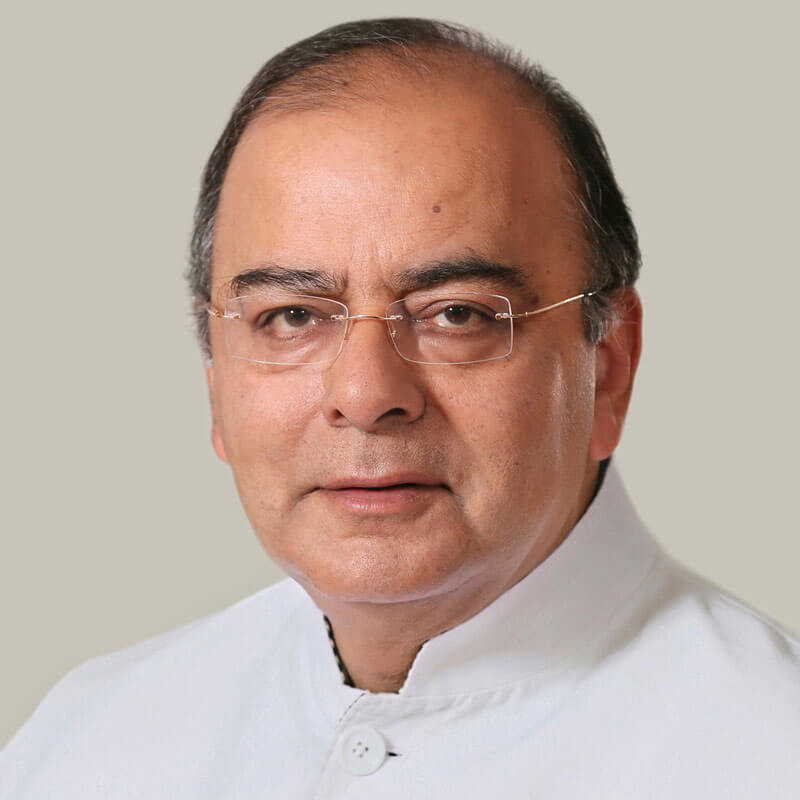
    NEW DELHI: The Government today said linkage to direct to home platforms would help widen the Swayam platform to be launched with at least 350 online courses. 

    Finance Minister Arun Jaitley in his budget for 2017-18 said this would enable students to virtually attend the courses taught by the best faculty; access high quality reading resources; participate in discussion forums; take tests and earn academic grades.

    He noted that access to Swayam would be widened by linkage with DTH channels, dedicated to education.

    However, sources in the DTH industry told indiantelevision.com that the implications of this would have to be seen as it was not clear whether the linkage had any monetary aspect to it.

    Also Read:

    DTH channels being launched by September to impart education: Javadekar

    Only Dish TV carrying HRD ministry’s educational TV channels

    PSLV-C34 successfully launches 20 satellites in a single flight

  • Boeing delivers ABS-2A to optimise video services, DTH

    Boeing delivers ABS-2A to optimise video services, DTH

    MUMBAI: Boeing has delivered ABS-2A, an all-electric propulsion 702 satellite, to ABS which entered into commercial service on 21 January. This is the second of the pair of all-electric satellite Boeing has delivered to ABS.

    ABS, one of the globe’s fastest growing global satellite operators, offers a complete range of tailored solutions including broadcasting, data and telecommunication services to broadcasters, service providers, enterprises and government organisations.

    It operates a fleet of satellites; ABS-2, ABS-2A, ABS-3A, ABS-4/Mobisat-1, ABS-6 and ABS-7. The satellite fleet covers 93 per cent of the population across the Americas, Africa, Asia-Pacific, Europe, the Middle East, CIS and Russia.

    ABS-2A was launched in June 2016 aboard SpaceX Falcon 9 and will provide enhanced satellite communications services, including direct-to-home television services.

    Equipped with 48 Ku-band transponders, the satellite will serve ABS’ customers in Africa, the Middle East and North Africa (MENA), Russia, South Asia and South East Asia regions at 74.725 degrees east.

    “We have completed our three satellite build investment in launching as many satellites in as many consecutive years (ABS-2 in 2014, ABS-3A in 2015 and ABS-2A in 2016). ABS-2A is the latest high-capacity satellite providing expansion capacity and continuity of satellite services at our prime gateway over the Indian Ocean region. It is located with ABS-2 at our premium neighborhood at 75°E, optimized for video services for growing CATV and DTH businesses,” said ABS CEO Tom Choi.

    “Boeing is the first satellite manufacturer to build and deliver all-electric propulsion satellites, and this latest delivery reaffirms our leadership with all-electric propulsion,” said Boeing Satellite Systems International president Mark Spiwak. “The scalable 702 satellite, coupled with the efficiency of all-electric propulsion, allows two satellites to launch inside one rocket. This ability to stack and join the satellites using our patented design enables our customers to minimize the costs associated with launching a single satellite.”

    Headquartered in Bermuda, ABS, with offices in the U.S, the UAE, South Africa and Asia, is majority-owned by funds managed by PE Permira.

    Also Read:

    ABS partners PT Sarana Media to launch Indonesian DTH FreeViews platform

  • Boeing delivers ABS-2A to optimise video services, DTH

    Boeing delivers ABS-2A to optimise video services, DTH

    MUMBAI: Boeing has delivered ABS-2A, an all-electric propulsion 702 satellite, to ABS which entered into commercial service on 21 January. This is the second of the pair of all-electric satellite Boeing has delivered to ABS.

    ABS, one of the globe’s fastest growing global satellite operators, offers a complete range of tailored solutions including broadcasting, data and telecommunication services to broadcasters, service providers, enterprises and government organisations.

    It operates a fleet of satellites; ABS-2, ABS-2A, ABS-3A, ABS-4/Mobisat-1, ABS-6 and ABS-7. The satellite fleet covers 93 per cent of the population across the Americas, Africa, Asia-Pacific, Europe, the Middle East, CIS and Russia.

    ABS-2A was launched in June 2016 aboard SpaceX Falcon 9 and will provide enhanced satellite communications services, including direct-to-home television services.

    Equipped with 48 Ku-band transponders, the satellite will serve ABS’ customers in Africa, the Middle East and North Africa (MENA), Russia, South Asia and South East Asia regions at 74.725 degrees east.

    “We have completed our three satellite build investment in launching as many satellites in as many consecutive years (ABS-2 in 2014, ABS-3A in 2015 and ABS-2A in 2016). ABS-2A is the latest high-capacity satellite providing expansion capacity and continuity of satellite services at our prime gateway over the Indian Ocean region. It is located with ABS-2 at our premium neighborhood at 75°E, optimized for video services for growing CATV and DTH businesses,” said ABS CEO Tom Choi.

    “Boeing is the first satellite manufacturer to build and deliver all-electric propulsion satellites, and this latest delivery reaffirms our leadership with all-electric propulsion,” said Boeing Satellite Systems International president Mark Spiwak. “The scalable 702 satellite, coupled with the efficiency of all-electric propulsion, allows two satellites to launch inside one rocket. This ability to stack and join the satellites using our patented design enables our customers to minimize the costs associated with launching a single satellite.”

    Headquartered in Bermuda, ABS, with offices in the U.S, the UAE, South Africa and Asia, is majority-owned by funds managed by PE Permira.

    Also Read:

    ABS partners PT Sarana Media to launch Indonesian DTH FreeViews platform

  • Hathway’s Panesar succeeds Wadhwa as AIDCF head

    Hathway’s Panesar succeeds Wadhwa as AIDCF head

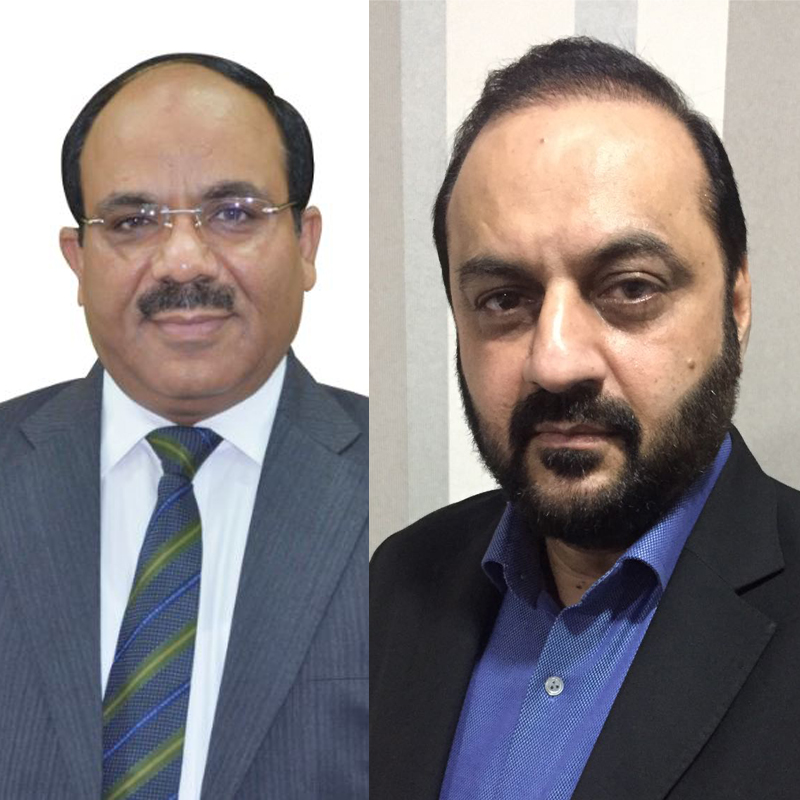
    MUMBAI/NEW DELHI: Hathway Cable & Datacom’s Video Business CEO T S Panesar has taken over as the new president of the All-India Digital Cable Federation (AIDCF), the apex body of digital cable television players.

    Panesar was unanimously elected at AIDCF’s 11th governing council meeting held in New Delhi. He succeeds SITI Networks ED and CEO V D Wadhwa who completed his two-year term as the founder-president of the Federation.

    Panesar has over 20 years of experience in media and entertainment industry, both on the broadcasting and distribution side.
    The governing council also appointed SITI Networks COO Anil Malhotra as he vice-president and Fastway Transmissions Private Ltd CEO Peeush Mahajan as the treasurer of the Federation.

    AIDCF placed on record its appreciation for the immense contribution made by Wadhwa as the founder and first president of the Federation over two years ago. Under his aegis, the federation earned its stripes with MIB, TRAI, DoT, Ministry of Finance and all the other industry bodies i.e. IBF, DTH Federation, CII, FICCI, ASSOCHAM etc in the media & entertainment Sector.

    The Federation has played key role in bringing all the major players of the industry controlling over 70 per cent of the business under one umbrella and have taken up the issues concerning the cable industry by liaising with the concerned government department/ministry as well as with the other industry bodies of the broadcasters and DTH operators besides playing key role in resolving the deadlock in implementation of phase III of digitization.

    On giving over the baton to Panesar, Wadhwa said, “A solid foundation has been laid for addressing all the concerns of the industry and I am confident that under the leadership of Panesar and active participation by all the members, the federation would further gain strength and shall be able to create an environment for the profitable growth of the cable industry.”

    Commenting on his appointment as the AIDCF president, Panesar said, “I am deeply honored and privileged to be appointed to lead the federation. It’s a big challenge and responsibility entrusted upon me and I look forward to working closely with all members to bring further changes in the environment. Having seen the evolution of the cable & broadcasting industry from the analogue to the digital regime, we are now at the cusp of a another major shift in light of the new regulation which is aimed at improving transparency, empowering customers to exercise choice and ensuring orderly growth of all stakeholders in the eco-system. We strongly believe that technology should be leveraged to address the changing needs of the industry. Together, we will strive towards strengthening our bond with all stakeholders to deliver a world class service to the consumers and improve customer satisfaction levels.”

    AIDCF secretary -general Saharsh Damani said, “With digitisation entering into last phase and focus on wired broadband gaining traction for all the members, I am sure that, under Panesar’s leadership, the digital cable industry will enter into the next orbit of momentum and growth.”

  • Hathway’s Panesar succeeds Wadhwa as AIDCF head

    Hathway’s Panesar succeeds Wadhwa as AIDCF head

    MUMBAI/NEW DELHI: Hathway Cable & Datacom’s Video Business CEO T S Panesar has taken over as the new president of the All-India Digital Cable Federation (AIDCF), the apex body of digital cable television players.

    Panesar was unanimously elected at AIDCF’s 11th governing council meeting held in New Delhi. He succeeds SITI Networks ED and CEO V D Wadhwa who completed his two-year term as the founder-president of the Federation.

    Panesar has over 20 years of experience in media and entertainment industry, both on the broadcasting and distribution side.
    The governing council also appointed SITI Networks COO Anil Malhotra as he vice-president and Fastway Transmissions Private Ltd CEO Peeush Mahajan as the treasurer of the Federation.

    AIDCF placed on record its appreciation for the immense contribution made by Wadhwa as the founder and first president of the Federation over two years ago. Under his aegis, the federation earned its stripes with MIB, TRAI, DoT, Ministry of Finance and all the other industry bodies i.e. IBF, DTH Federation, CII, FICCI, ASSOCHAM etc in the media & entertainment Sector.

    The Federation has played key role in bringing all the major players of the industry controlling over 70 per cent of the business under one umbrella and have taken up the issues concerning the cable industry by liaising with the concerned government department/ministry as well as with the other industry bodies of the broadcasters and DTH operators besides playing key role in resolving the deadlock in implementation of phase III of digitization.

    On giving over the baton to Panesar, Wadhwa said, “A solid foundation has been laid for addressing all the concerns of the industry and I am confident that under the leadership of Panesar and active participation by all the members, the federation would further gain strength and shall be able to create an environment for the profitable growth of the cable industry.”

    Commenting on his appointment as the AIDCF president, Panesar said, “I am deeply honored and privileged to be appointed to lead the federation. It’s a big challenge and responsibility entrusted upon me and I look forward to working closely with all members to bring further changes in the environment. Having seen the evolution of the cable & broadcasting industry from the analogue to the digital regime, we are now at the cusp of a another major shift in light of the new regulation which is aimed at improving transparency, empowering customers to exercise choice and ensuring orderly growth of all stakeholders in the eco-system. We strongly believe that technology should be leveraged to address the changing needs of the industry. Together, we will strive towards strengthening our bond with all stakeholders to deliver a world class service to the consumers and improve customer satisfaction levels.”

    AIDCF secretary -general Saharsh Damani said, “With digitisation entering into last phase and focus on wired broadband gaining traction for all the members, I am sure that, under Panesar’s leadership, the digital cable industry will enter into the next orbit of momentum and growth.”

  • Sony targets 9m HD subs & diaspora with youth-focused Rox in Dolby quality

    Sony targets 9m HD subs & diaspora with youth-focused Rox in Dolby quality

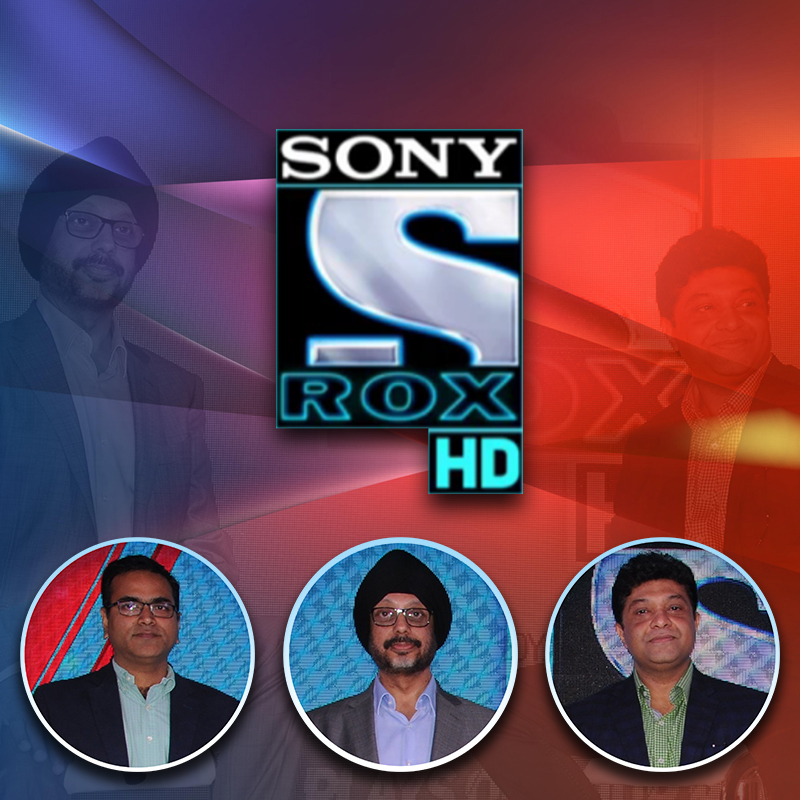
    MUMBAI: Sony Pictures Network India (SPN) has launched its second channel in music genre. The group has strengthened its position in the Hindi music space bringing in Sony Rox HD, a youth-focused contemporary Hindi music high-definition channel.

    Sony Rox HD launched across key direct-to-home (DTH) and digital cable platforms such as Tata Sky, Fastway, In Cable and UCN, among other. It will showcase latest Hindi film music in high-definition visual format of 1080i resolution that is enhanced by Dolby Audio.

    True to its positioning of being a youth-focused music channel, Sony ROX HD revealed the channel look and offerings at a music-styled event that included a special performance by the first two ROX original artistes in Mumbai. The event was witnessed by select media as well as the millions of followers of the SPN network channels simulcast on Facebook Live.

    Served through a day-parted playout with unique programming initiatives, the latest channel on the block promises to be the most exciting. Its tagline: ‘Music Melody Madhoshi’ captures the approach of taking the core ingredient of the genre i.e. ‘Music’, curating and treating it through the perspective of beautiful music i.e.‘Melody’ to transcend the music experience on Sony Rox HD to a high of ‘Madhoshi’.

    Speaking at the launch, SPN CEO NP Singh said, “In the last few years, as a network, we have been growing aggressively. We have been launching more channels and expanding our portfolio in all the genres. When we launched Sony Mix, that was the first time we were getting into Bolllywood music. Six months post the launch, Mix has become the number one channel in the Hindi music space. Building on this gratifying experience, we decided to launch Hindi music super premium channel which is youth focused and which will offer you good quality video i.e 1080i with Dolby Audio. I am confident that Sony Rox HD too will be the leader in the Hindi music space.”

    SPN Hindi movies and music sluster senior EVP and business head Neeraj Vyas said, “A youth-focused contemporary Hindi music channel Sony Rox HD’s music content and programming initiatives will make it the leading hangout destination on television for 15-21-year olds. We are a ‘True-Blue HD Hindi Music Channel’ ensuring our viewers enjoy music that looks good, sounds great and feels awesome.” Speaking to indiantelevision.com, Vyas said that Sony Rox would be primarily targeting the nine million HD homes in India and the sub-continental diaspora across the globe. With Dolby collaboration, he said, Sony Rox aimed at enhancing the sound quality for the music aficianados.

    To a question on the DTH traffic moving on to OTT/VOD platforms, Vyas quipped: “It’s going to take time (in India),” adding that, in the west, in spite of good penetration of Internet and that too at a high speed, television still was a growing phenomenon.

    One of the channel specials: ‘Rox Original artiste of the Month’ sets Rox HD as the first ongoing platform for upcoming Indie artistes on the national television. At the center of it all is a comprehensive music content acquisition strategy ensuring tie-ups with all the leading labels in contemporary music such as T-series, Zee Music, Sony Music, YRF, Eros Music, UTV-Disney and Tips, etc.

    Dolby Laboratories emerging markets senior director Pankaj Kedia said, “Great sound is essential for a complete cinematic entertainment experience and Dolby is excited to work with Sony Rox HD to unveil a dynamic audio experience for consumers. Together with Sony Rox HD, we aim to transform the way music is consumed in the country.”

    The channel will be promoted extensively across all Sony Pictures Networks’ HD channels, carrier platforms, coupled with print, a robust digital and social media presence to engage with audiences at different touch points.

  • Sony targets 9m HD subs & diaspora with youth-focused Rox in Dolby quality

    Sony targets 9m HD subs & diaspora with youth-focused Rox in Dolby quality

    MUMBAI: Sony Pictures Network India (SPN) has launched its second channel in music genre. The group has strengthened its position in the Hindi music space bringing in Sony Rox HD, a youth-focused contemporary Hindi music high-definition channel.

    Sony Rox HD launched across key direct-to-home (DTH) and digital cable platforms such as Tata Sky, Fastway, In Cable and UCN, among other. It will showcase latest Hindi film music in high-definition visual format of 1080i resolution that is enhanced by Dolby Audio.

    True to its positioning of being a youth-focused music channel, Sony ROX HD revealed the channel look and offerings at a music-styled event that included a special performance by the first two ROX original artistes in Mumbai. The event was witnessed by select media as well as the millions of followers of the SPN network channels simulcast on Facebook Live.

    Served through a day-parted playout with unique programming initiatives, the latest channel on the block promises to be the most exciting. Its tagline: ‘Music Melody Madhoshi’ captures the approach of taking the core ingredient of the genre i.e. ‘Music’, curating and treating it through the perspective of beautiful music i.e.‘Melody’ to transcend the music experience on Sony Rox HD to a high of ‘Madhoshi’.

    Speaking at the launch, SPN CEO NP Singh said, “In the last few years, as a network, we have been growing aggressively. We have been launching more channels and expanding our portfolio in all the genres. When we launched Sony Mix, that was the first time we were getting into Bolllywood music. Six months post the launch, Mix has become the number one channel in the Hindi music space. Building on this gratifying experience, we decided to launch Hindi music super premium channel which is youth focused and which will offer you good quality video i.e 1080i with Dolby Audio. I am confident that Sony Rox HD too will be the leader in the Hindi music space.”

    SPN Hindi movies and music sluster senior EVP and business head Neeraj Vyas said, “A youth-focused contemporary Hindi music channel Sony Rox HD’s music content and programming initiatives will make it the leading hangout destination on television for 15-21-year olds. We are a ‘True-Blue HD Hindi Music Channel’ ensuring our viewers enjoy music that looks good, sounds great and feels awesome.” Speaking to indiantelevision.com, Vyas said that Sony Rox would be primarily targeting the nine million HD homes in India and the sub-continental diaspora across the globe. With Dolby collaboration, he said, Sony Rox aimed at enhancing the sound quality for the music aficianados.

    To a question on the DTH traffic moving on to OTT/VOD platforms, Vyas quipped: “It’s going to take time (in India),” adding that, in the west, in spite of good penetration of Internet and that too at a high speed, television still was a growing phenomenon.

    One of the channel specials: ‘Rox Original artiste of the Month’ sets Rox HD as the first ongoing platform for upcoming Indie artistes on the national television. At the center of it all is a comprehensive music content acquisition strategy ensuring tie-ups with all the leading labels in contemporary music such as T-series, Zee Music, Sony Music, YRF, Eros Music, UTV-Disney and Tips, etc.

    Dolby Laboratories emerging markets senior director Pankaj Kedia said, “Great sound is essential for a complete cinematic entertainment experience and Dolby is excited to work with Sony Rox HD to unveil a dynamic audio experience for consumers. Together with Sony Rox HD, we aim to transform the way music is consumed in the country.”

    The channel will be promoted extensively across all Sony Pictures Networks’ HD channels, carrier platforms, coupled with print, a robust digital and social media presence to engage with audiences at different touch points.

  • TRAI regulations threaten investment, warns CASBAA

    TRAI regulations threaten investment, warns CASBAA

    MUMBAI: CASBAA, the Association of Asia’s pay-TV Industry, today warmly applauded the judicial review now under way in India of proposed extension and tightening of India’s pay-TV rate regulations.

    The Madras High Court is currently reviewing the clash between the rights of copyright owners around the world and new tariff regulations proposed by the Telecom Regulatory Authority of India (TRAI). The court has ordered the TRAI not to give effect to the rules until the underlying issues are considered, with a hearing now set for January 19th.

    CASBAA CEO Christopher Slaughter observed that the new rules would be a major negative factor for the business environment in the $17 billion Indian media industry. “India’s pay-TV regulations have long been among the strictest in the world”, he said. “The proposed new rules are highly intrusive and would make the environment much worse. Such a heavy-handed regulatory regime will inevitably hit foreign companies’ interest in investing in India.”

    Indian law gives copyright owners the ability to price and sell their creative works. In filing the Madras suit, the petitioner broadcasting organizations denounced the TRAI regulation as contrary to these principles as enshrined in the law, and in international treaties to which India is a signatory. (The TRAI rules would establish a controlled price regime by mandating a la carte channel supply, setting the ceiling, by specific genres, that broadcasting organizations can charge to multichannel program distributors, limiting discounts, prescribing carriage fees, and stipulating a compulsory distribution fee to be paid by Broadcasting Organizations to multichannel program distributors.

    CASBAA has long expressed concern about India’s previous rate regulations, which included a cable retail price freeze imposed in 2004 “until the market became more competitive” and never revoked.

    “Today, India’s television content market is among the most competitive in the world,” said Slaughter. “Modern cable MSOs, six different DTH platforms and now online OTT television are all giving Indian consumers a wide range of viewing options.”

    CASBAA’s Chief Policy Officer John Medeiros observed that “As convergence and greater competition sweep the TV economy, other governments around the world are eliminating rate controls, to give more scope to competition among traditional and new online providers. In the last few years, Korea and Taiwan have both undertaken to liberalize their pay-TV price controls, leaving India as the last market economy in Asia with a hyper-regulatory regime. The proposed new rules would take India in the opposite direction from the rest of the world.

  • TRAI regulations threaten investment, warns CASBAA

    TRAI regulations threaten investment, warns CASBAA

    MUMBAI: CASBAA, the Association of Asia’s pay-TV Industry, today warmly applauded the judicial review now under way in India of proposed extension and tightening of India’s pay-TV rate regulations.

    The Madras High Court is currently reviewing the clash between the rights of copyright owners around the world and new tariff regulations proposed by the Telecom Regulatory Authority of India (TRAI). The court has ordered the TRAI not to give effect to the rules until the underlying issues are considered, with a hearing now set for January 19th.

    CASBAA CEO Christopher Slaughter observed that the new rules would be a major negative factor for the business environment in the $17 billion Indian media industry. “India’s pay-TV regulations have long been among the strictest in the world”, he said. “The proposed new rules are highly intrusive and would make the environment much worse. Such a heavy-handed regulatory regime will inevitably hit foreign companies’ interest in investing in India.”

    Indian law gives copyright owners the ability to price and sell their creative works. In filing the Madras suit, the petitioner broadcasting organizations denounced the TRAI regulation as contrary to these principles as enshrined in the law, and in international treaties to which India is a signatory. (The TRAI rules would establish a controlled price regime by mandating a la carte channel supply, setting the ceiling, by specific genres, that broadcasting organizations can charge to multichannel program distributors, limiting discounts, prescribing carriage fees, and stipulating a compulsory distribution fee to be paid by Broadcasting Organizations to multichannel program distributors.

    CASBAA has long expressed concern about India’s previous rate regulations, which included a cable retail price freeze imposed in 2004 “until the market became more competitive” and never revoked.

    “Today, India’s television content market is among the most competitive in the world,” said Slaughter. “Modern cable MSOs, six different DTH platforms and now online OTT television are all giving Indian consumers a wide range of viewing options.”

    CASBAA’s Chief Policy Officer John Medeiros observed that “As convergence and greater competition sweep the TV economy, other governments around the world are eliminating rate controls, to give more scope to competition among traditional and new online providers. In the last few years, Korea and Taiwan have both undertaken to liberalize their pay-TV price controls, leaving India as the last market economy in Asia with a hyper-regulatory regime. The proposed new rules would take India in the opposite direction from the rest of the world.

  • The growth of DTH in India

    The growth of DTH in India

    MUMBAI: Dish TV, Videocon d2h and FreeDish. These were the three names that dominated India’s DTH sector headlines in 2016. The Essel Group’s Dish TV India is likely to forge the mother of a merger, (if permitted by shareholders and government departments) with another fast-growing rival — the Dhoot family led Videocon d2h even after denying it throughout the year.

    Further Vidoecon d2h was the second player in the Indian television carriage ecosystem that reported a net profit after tax or PAT– this was for the quarter ended 30 September 2016 or Q2-17.  The other player that had started reporting PAT much earlier was Dish TV.

    And, the public broadcaster Prasar Bharti-owned FreeDish increased its capacity allowing the number of channels to grow from 80 to 120 to reach India’s hinterlands and hence generate larger subscription numbers.

    As per the last available exact data from a government website, the total number of active DTH subscribers in India was 55,981,376 as on 31 December 2015. The number of active DTH subscribers of Airtel was 11,343,424 with a market share of 20.26 per cent of the total number of active DTH subscribers in the entire country;  the number of active DTH subscribers of Dish TV was 13,952,866 with a market share of 24.92 per cent of the total number of active DTH subscribers in the entire country. Among all the pay DTH Operators in India, Dish TV had the largest number of DTH subscribers as on 31 December 2015 and was the market leader.

    The number of active DTH subscribers of Reliance was 1,786,705 as on 31 December 2015 and its market share was 3.19 per cent of the total number of active DTH subscribers in the country. Among all the DTH Operators in India, Reliance had the smallest number of DTH subscribers.

    The number of active DTH subscribers of Sun Direct was 5,698,544 as on 31 December 2015 and Sun direct had a market share of 10.18 per cent; the number of active DTH subscribers of Tata Sky was 12,045,410 which had a market share of Tat Sky was 21.52 per cent; the number of active DTH subscribers of Videocon D2H was 11,154,427 and its market share was 19.93 per cent of the total number of active DTH subscribers in India

    With rise in disposable income and increasing number of digital pay-TV households, India is the most compelling market for DTH services. With around 28 lakh or 2.8 million subscribers added in the first quarter of fiscal 2017 (Q1-17), DTH households at a gross level crossed over 9 crore or 90 million by 30 June 2016 as per TRAI data.

    The DTH industry in India has added about 14 lakh (1.4 million) active subscribers in the quarter ended 30 September 2016 (Q2-17, current quarter) as compared to the immediate trailing quarter (Q1-17). The number of active DTH subscribers in the country increased to 6.19 crore (61.9 million) as compared to 6.05 crore (60.5 million) in Q1-7. TRAI had reported 4.05 crore (40.5 million) active subscribers for the corresponding year ago quarter Q2-16.

    The highly fragmented Indian television carriage industry witnessed a consolidation of sorts. The proposed Dish TV and Videocon d2h merger seems to indicate the way ahead in the DTH space. The merged entity would have some 2.64 crore or 26.4 million subscribers, which is approximately 45 per cent of active Indian DTH subscribers. Long-term benefits of the merger synergies could negate potential short-term apprehensions, analysts felt.

    The growth of OTT and VOD services on the other hand has been modifying the dynamics at the higher end of the home entertainment segment. Of the 16.8 crore or 168 million TV households, only around 9 lakh or nine million Indians are HD subscribers. Services such as Amazon Prime, Netflix, Hotstar, Voot and Eros Now, etc may attract DTH subscribers owing to competitive prices for wider and better content including international dramas and shows.

    On the whole, however, the DTH sector slackened in subscriber numbers with the government’s mandate to push ahead with digitisation of television not being adhered to by cable TV operators who stalled its progress with legal challenges.  Looking at the status quo, the powers that be were left with no option but to push back the sunset for the final phase of digitisation (DAS IV) by three months from 31 December 2016 to 31 March 2017. A few industry experts feel that this could be pushed back further to 30 June 2017 and maybe even to the end of calendar year 2017. Delays will only result in retardation of growth of the carriage industry and hence affect the rate of implementation of improved services for the viewers.

    The I&B ministry had broadly accepted TRAI recommendations to increase DTH licence duration to 20 years and for paring the annual fee to eight per cent of adjusted gross revenue (AGR). Some of the regulator’s ideas however lead to consternation. DTH and Cable TV operators had opposed a very appropriate TRAI move to introduce interoperable set-top boxes allowing users to change their service providers without having to change their dishes or STBs. Despite the expected churn that such recommendations are sure to usher in, over the long run, customer satisfaction is likely to be the only yardstick that will determine growth or fall of a service provider.

    But is inter-operability possible? Here is the DTH players take on this: DTH players, six of whom pay government Rs 800 crore as licence fee per year in addition to non-refundable entry fee of Rs.10 crore, said that it was not feasible DTH players have invested around Rs 20,000 crore in STBs. Asia’s industry body CASBAA said that even full STB interoperability cannot ensure technical interoperability of services. It also believes that regulator-imposed technical interoperability requirements will impose large burden on Indian consumers and industry players and risk stifling innovation in development of new features.

    Let us see how these players are placed in the ecosystem, how they have performed, while bearing in mind that TRAI has released numbers only up to 30 June 2016. Publically available information is limited to three entities that have reported their numbers until 30 September 2016 at the time of filing this report. In alphabetical order, they are: Airtel Digital TV services or Airtel DTH, a segment of the Indian Telecom major Bharti Airtel Limited, Dish TV India Limited (Dish TV) and Videocon d2h Limited or Videocon d2h.

    As mentioned above, the market share in terms of subscribers of the DTH leader Dish TV as 2016 dawned was 24.92 per cent, whereas that of Airtel was 20.26 per cent of the total active DTH subscribers in India, followed by Videocon d2h’s 19.93 per cent.  The three operators’ combined subscriber additions for the annual period ended 31 March 2016 as compared to the previous year increased by 12.3 per cent. Though Videocon d2h and Airtel Digital TV had both shown a little spike in subscriber addition between Q2-2016 and Q3-2016, the combined addition by the three showed a change of just 3.59 per cent.

    In the first half year period of the current fiscal (H1-17) all the three players showed about 17 per cent increase in subscriber numbers. Airtel DTH, Dish TV and Videocon d2h added 6.8 lakh, 6 lakh and 6.6 lakh subscribers respectively, or total of 19,2 lakh, a shade lower than the 19.63 subscribers added in the first half year of the previous year (H1-16).

    As per the latest TRAI data publically available, the country’s total DTH homes are around 9.15 crore or 91.5 million.  However, the growth in active as well as inactive subscribers remained similar over the past three quarter-year periods in 2016.  TRAI data shows that over a third of these subscribers were inactive. However, the regulator observed that active subscribers grew 3.36 per cent in the quarter-year to 31 March (to a total of 6.05 crore or 60.5 million). But at the same time inactive subscribers also increased at 3.05 per cent to 3.01 crore or 30.1 million, the conclusion being tardy growth.

    Of late, TRAI has modified its calculation method for inactive subscribers. It now considers even subscribers that have been disconnected for less than 120 days as ‘active’.

    Regulatory processes in the broadcast and distribution business saw acceleration around mid-year. The draft Interconnection Regulations, 2016 and the draft Quality of Service and Consumer Protection Regulations, 2016, were released by TRAI seeking comments from stakeholders.

    DTH operators however felt there were some omissions, optimistic presumptions as well as unanswered questions in the drafts, but they largely appreciated TRAI’s spirit of transparency and non-discrimination leading to DTH getting the level playing field it sought. Restrictions on the carriage fee could correct the industry’s macro environment, they felt.

    DTH companies brought in various schemes to prod up their sagging fortunes. Dish TV unveiled an all new High Definition (HD) campaign. It also aligned its efforts to train an efficient workforce of DTH technicians with the PM scheme. Dish TV also added 32 new educational channels launched by the HRD Ministry on its platform.

    During this time Prasar Bharti was actively moving towards business. As pay channels Aajtak and Big Magic came on DD FreeDish, possibilities opened up for more as DD prepared migration to MPEG-4, taking its capacity to 112. Now, as mentioned above, FreeDish capacity has reached 120 channels. As BARC indicated the importance of FreeDish in reaching out to rural India, channels started making a beeline to be on DD’s FTA platform. Further, 100 per cent FDI has been allowed for broadcast carriage services like cable services, teleport, and head-end-in-the-sky (HITS).

    Airtel DTH revenues have been on the rise and despite its lower subscriber base. It has now overtaken Dish TV in terms of revenue. In H1-17, Airtel DTH reported revenue of Rs 1,691.40 crore, 21.5 per cent higher than the Rs 1,391.6 crore in H1-16. Operating profit (EBIDTA) in H-17 was 27.2 per cent higher at Rs 626.1 crore as compared to Rs 514 crore in H1-16. Airtel DTH’s capex in H1-17 was almost flat (0.9 per cent lower) at Rs 457.1 crore as compared to Rs 461.40 crore in H1-16.

    Dish TV, as Asia Pacific’s largest DTH company in terms of subscriber numbers, has on its platform more than 545 channels and services including 22 audio channels and over 50 HD channels. It has a vast distribution network of over 2,297 distributors in 9,350 towns.

    Dish TV managing director Jawahar Goel said, “Buoyed by digitisation, notwithstanding the relative seasonal weakness in 1Q, the industry collectively added around 15 per cent higher subscribers compared to the same quarter last fiscal. Dish TV maintained its lead in incremental subscriber additions during the quarter.  About the regulatory overhangs, Goel said that the resolution of the DTH license fee matter should go a long way in ensuring non-discrimination amongst various distribution platforms.  Goel is hoping for a logical outcome of the TRAI paper on Interconnection Framework for Broadcasting TV Services Distributed through Addressable Systems.

    Videocon d2h subscribers have access to over 550 national and international channels and services, including approximately 45 high definition (HD) channels and services, and over 42 audio and video services through its Music Channel Services through several subscription packages, as well as the option of choosing add-ons and a la carte channels.

    In H1-17, Videocon d2h revenue increased 13.8 per cent to Rs 1,539.4 crore from Rs 1,352.9 crore in H1-16. Adjusted EBIDTA in H1-17 increased 34.8 per cent to Rs 510.2 crore from Rs 378.6 crore in H1-16. Capex in H1-17 was 16 per cent lower at Rs 335 crore as compared to Rs 399 crore in H1-16.

    ARPU’s have been increasing over time, slowly but steadily. Airtel DTH has the highest reported ARPU among the three. Its ARPU in Q2-17 was Rs 232, Rs 8 higher than the Rs 224 in Q2-16, and Re 1 lower than the Rs 233 in the immediate trailing quarter. Dish TV APRU (net of taxes) was Rs 162 in Q2-17 as compared to Rs 161 in Q2-16. Videocon d2h ARPU in Q2-17 was Rs 219 as compared to Rs 205 in Q2-16 and Rs 214 in Q1-17. It may be noted that Dish TV ARPU numbers according to IND AS don’t include service tax hence comparing the ARPU between players will not be an apples to apples comparison.

    End points

    The merger between Dish TV and Videocon d2h will turn the game into a three corner fight from four corner one – the other major protagonist in the game being TataSky. Reliance DTH and Sun Direct are marginal players and DTH seems for now a small forgotten part of the overall business of their leaders. It is quite likely that they may be sold off or merged with bigger players in the carriage eco-system.

    The Dish TV-Videocon d2h merger will make the Essel group that controls Dish TV, as the largest player in the world in terms of subscriber numbers once its cable TV company Siti Networks Limited are reckoned.

    The carriage industry in India is evolving. It has travelled some distance, but has a long way ahead. The players are more focused towards investors and not consumer oriented. Some players such as Dish TV have realised the importance of consumers and have started offering packages across price ranges. This can happen only at the cost of ARPUs’, that fact is amply demonstrated by the fact that despite a lower consumer base, Airtel DTH (and probably Tata Sky) has higher revenues than Dish TV. By the time the Dish TV – Videocon d2h merger is complete, it is quite likely that the latter’s revenues will exceed the formers. But over a long period of time, once subscriber bases are stable to an extent, it is also quite likely that Dish TV will be numero uno on that count too.