Tag: DTH guidelines

  • Dish TV granted in-principle approval for 20-year DTH licence

    Dish TV granted in-principle approval for 20-year DTH licence

    KOLKATA: Popular direct-to-home (DTH) operator Dish TV has renewed its DTH license for 20 years, subject to completion of necessary formalities.

    Dish TV informed the stock exchange in a regulatory filing that it has received in-principle approval from the ministry of information and broadcasting (MIB) for grant of provisional licence to provide DTH broadcasting service in India with effect from 1 April 2021.

    The DTH operator has to enter into an agreement with MIB, containing terms and conditions of the amended DTH guidelines, obtain and provide to the ministry other necessary clearances as envisaged under the guidelines, and provide the bank guarantee.

    Dish TV had first received DTH licence in October 2003.

    After resolving the long standing impasse on the DTH license policy, the government announced in December 2020 that DTH licences will now be issued for a period of 20 years. Under the new rules, licence fee will be collected quarterly instead of annually.

    Changes had been approved for 100 per cent foreign direct investment (FDI) in the DTH sector which was limited to 49 per cent.

    According to the new guidelines, the licensee will need to pay an annual fee equivalent to eight per cent of its adjusted gross revenue, calculated by excluding GST from gross revenue (GR) as reflected in the audited accounts of the company for that particular financial. 

  • New DTH guidelines will make the sector competitive: Javadekar

    New DTH guidelines will make the sector competitive: Javadekar

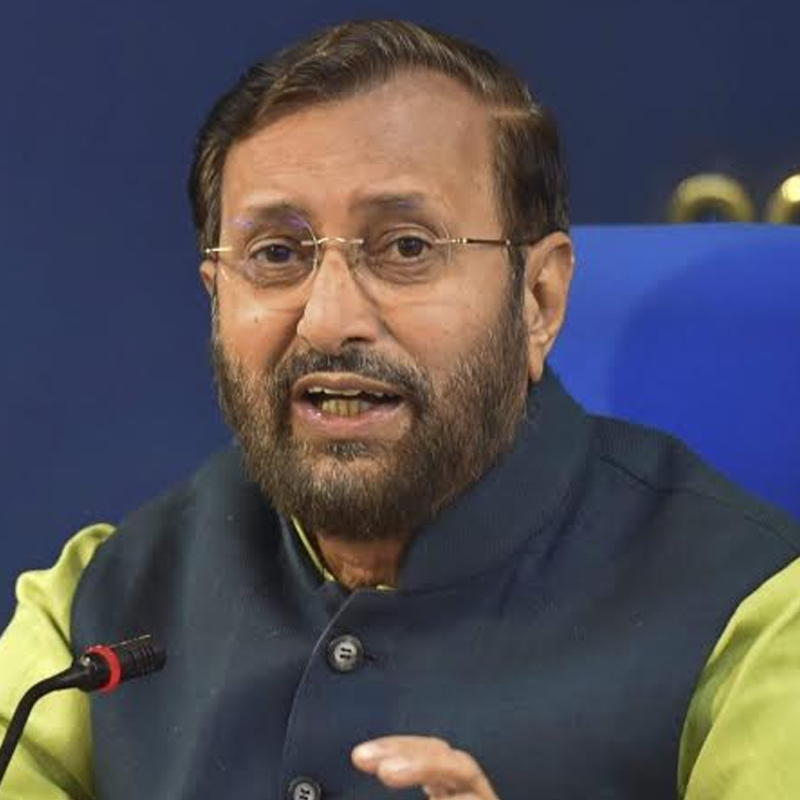
    KOLKATA: At the end of last year, the ministry of information and broadcasting (MIB) announced revised guidelines for direct-to-home (DTH) operators in India. The new DTH policy will make the sector competitive and will have a positive impact on consumers, I&B minister Prakash Javadekar informed the Rajya Sabha on Monday.

    The minister mentioned that the guidelines with enhanced period of license with provisions of renewal beyond the initial licence period will ensure continuity and a rationalised licence fee regime. Moreover, the rules will have a positive impact on qualitative and competitive services being extended to the consumers in the long term.

    “The changes will facilitate ease of doing business, offer employment opportunities, make the sector competitive with likelihood of new players coming forward to provide DTH services and also provide a rationalised licensing fee regime and enhanced period of licence,” he detailed.

    After resolving the long standing impasse on the DTH licence policy, the government announced DTH licences will now be issued for a period of 20 years. Under the new rules, licence fee will be collected quarterly instead of annually.

    Changes had been approved for 100 per cent foreign direct investment (FDI) in the DTH sector which was earlier limited to 49 per cent. The decision had already been taken by the ministry of commerce and industry but the sector could not avail the benefits due to past MIB guidelines.

    The cabinet also approved the sharing of infrastructure between DTH operators. Distributors of TV channels will be permitted to share common hardware for their subscriber management system (SMS) and conditional access system (CAS) applications. Javadekar said at the time of announcement that the decision had been taken to create a level playing field.

  • MIB’s new secy Amit Khare joins office

    MIB’s new secy Amit Khare joins office

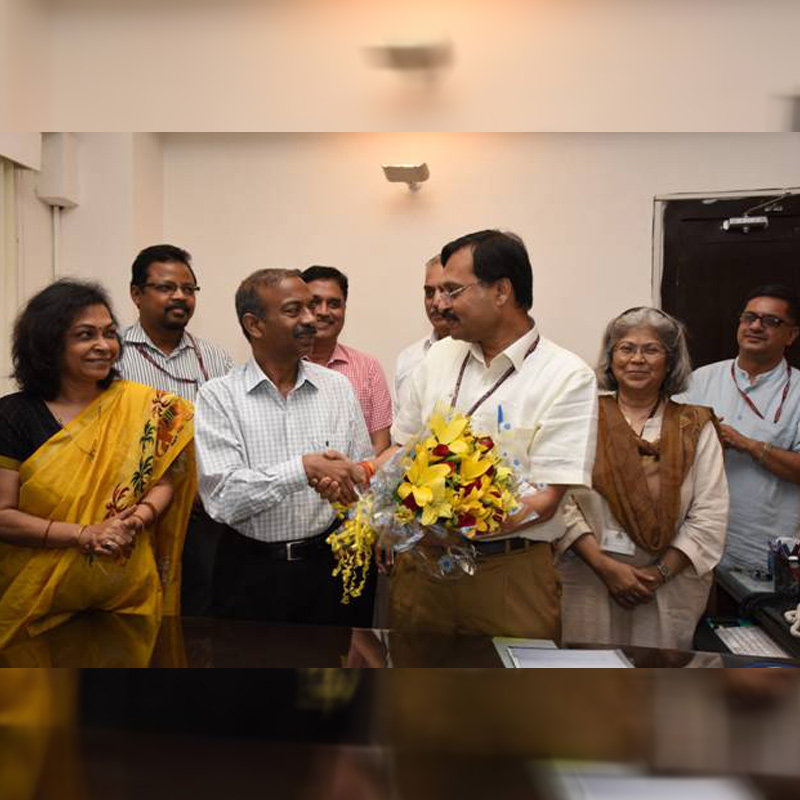
    NEW DELHI: In what could be termed as challenging times, Amit Khare (third from left in the pix) yesterday assumed charge as secretary in the Ministry of Information & Broadcasting on superannuation of Narendra Kumar Sinha.

    Khare is a 1985 batch Indian Administrative Service officer and was posted at a senior level in the state of Jharkhand before he was nominated to take over from Sinha at MIB. Considered an upright civil servant, he is credited for unearthing the multi-million-dollar fodder scam two decades ago in Bihar for which some powerful politicians, including former Bihar chief minister Lallu Yadav, and senior officials have been handed jail sentences of varied time period.

    Some of the issues that would need Khare’s immediate attention, as also his boss MIB minister Rajyavardhan Rathore, include putting in motion the process of quick decision-making at this important ministry, which is responsible for policy-making and their implementation for multi-billion dollar sectors of television, radio, films and advertising.

    With the media and entertainment industry undergoing changes with the arrival of newer technologies, like online distribution of content of all types, MIB needs to keep pace without upsetting the ecosystem that has been reeling under the impact of a sluggish economy and after effects of several other financial policies taken over the last 24 months by the government.

    To give some momentum, Khare would need to hit the road running working along with sector regulator TRAI that has made several recommendations relating to policies, which are yet to be acted upon by MIB, apart from working with the regulator on guidelines that could be in the offing, including uplink and downlink guidelines, DTH licencing norms, online content regulation, removal of bottlenecks in the film sector on opening up more screens and cajoling sister government organisations like Department of Space to have a more liberal approach. Not to mention soothe ruffled feathers at pubcaster Prasar Bharati.

    Media reports have indicated that in the last nine months, inaction had come to such a head at MIB that inter-departmental power games stalled a decision on over 100 applications for new TV channels. It was only about 10 days back that some channel permissions were processed and conveyed to stakeholders.

    During a career span of more than 33 years, Khare has held various field postings and worked at both the state and federal levels.