Tag: Dream11

  • Game over? Gaming giants roll the dice on life after India’s RMG ban

    Game over? Gaming giants roll the dice on life after India’s RMG ban

    MUMBAI: When the house always wins, sometimes the only move left is to change the game. That’s exactly what India’s biggest online gaming giants are scrambling to do after the Promotion and Regulation of Online Gaming Bill, 2025 pulled the plug on all real-money contests skill or chance alike.

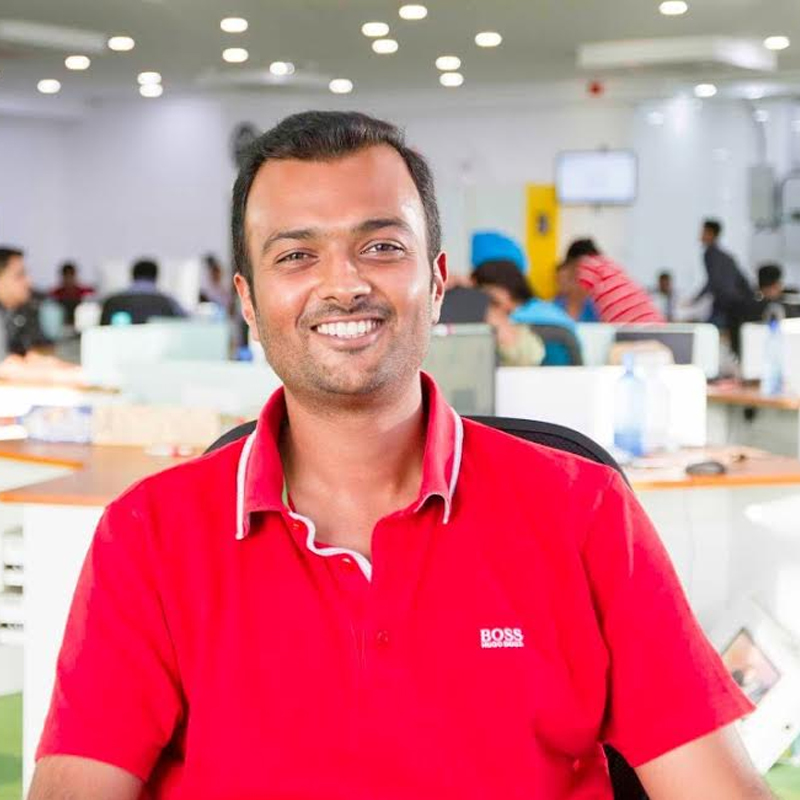
    Fantasy sports kingpin Dream11, India’s largest operator, is preparing to close its real-money business. CEO Harsh Jain told employees there was “no legal pathway to continue operations once the law takes effect.” In public remarks, Jain added, “We have always been a law-abiding company and have always conducted our business in compliance with the law. While we believe that progressive law would have been the way forward, we will respect the law and fully comply with the Promotion and Regulation of Online Gaming Bill 2025.”

    Winzo has officially launched in the United States, following its Brazil entry in 2023. With this, the company now straddles three of the world’s top four mobile gaming markets India, Brazil, and the US together worth 65–70 billion dollars. Positioned as a Tech Exports 2.0 story, Winzo aims to take Indian gaming IP, talent, and culturally relevant content global through its plug-and-launch distribution model. Backed by 250 million users, 100 plus games, 15 languages, 100 plus patents, and its 50 million dollars Zo Fund, Winzo is scaling innovation beyond India while responsibly exiting real-money formats at home.

    “The launch of Winzo in the United States is a proud milestone for us and for India’s digital entertainment ecosystem. Our vision has always been to empower Indian game developers to reach global audiences. Entering the U.S., the world’s largest and most influential gaming market, is a decisive step towards that mission. We are equally excited to introduce ZO TV, our new short video format, which further diversifies our content offerings and strengthens Winzo’s position as a global hub and one stop destination for interactive entertainment,” said Winzo co-founders Saumya Singh Rathore and Paavan Nanda.

    The financial impact was immediate. Jain revealed that after the bill’s enactment, “95 per cent of revenues disappeared,” describing the legislation as a “knockout blow.” Still, he struck a note of resilience, insisting Dream Sports has “sufficient reserves to sustain its business during this transition” and can adapt by leaning on other ventures like Fancode, Dreametgo and Dream Game Studios.

    The pivot is not just about apps. Dream Sports is now pushing an AI-first strategy, with Jain saying the technology could disrupt “every part of sports: content, commerce, performance, and coaching.” Beyond tech, it is doubling down on grassroots development. At the first Telangana Sports Conclave, COO Sumit Pandey highlighted how the Dream Sports Foundation is backing long-term athlete journeys. “By investing in inclusivity and accessibility,” he noted, the company hopes to carve a sustainable role in India’s sporting ecosystem beyond gaming.

    Meanwhile, Zupee has pulled the plug on its cash contests, but insists the fun isn’t over. Announcing the withdrawal of its RMG offerings, the Gurugram-based company reassured its 150 million-strong user base that its platform will continue to host fan favourites like Ludo Supreme, Ludo Turbo, Snakes & Ladders and Trump Card Mania.

    “Our foremost priority has always been our users, and we remain committed to offering them innovative, responsible, and joyful gaming experiences,” the company said in a statement. “We will continue to focus on engaging, and culturally rooted free-to-play gaming formats…” It added that the aim now is to serve players with entertainment that is “fun, engaging and responsible.”

    MPL (Mobile Premier League), backed by Sequoia and Pegasus, has also hit pause on money-based offerings in India. The platform is funnelling resources into free-to-play titles at home, while going aggressively global with eyes on Europe, the US, and Latin America.

    Games24x7, operator of Rummycircle and My11circle, has stopped accepting deposits and shut its real-money engine. While tight-lipped publicly, industry watchers note the company’s focus may shift towards broader tech plays such as Techxpedite, its accelerator for AI, gaming and tech startups.

    For some, the ban was simply the end of the road. Flutter Entertainment, the global gambling powerhouse behind Junglee Rummy, announced a full India exit, cutting off over 1,100 employees and chalking up a 200 million dollars revenue loss for 2025. CEO Peter Jackson voiced frustration: “We were disappointed… this regulation might push users toward unregulated markets lacking consumer protection and economic contributions.”

    Gameskraft, one of India’s biggest rummy operators, also chose compliance over confrontation. “As a responsible and law-abiding corporate entity, Gameskraft has no intention of pursuing any legal challenge to the legislation. We fully respect the legislative process and remain committed to operating within the framework of the law…” a spokesperson said. They stressed the company’s ongoing commitment to “constructive dialogue with policymakers and stakeholders, responsible innovation, player protection, and regulatory alignment.” Gameskraft noted it had stopped all ‘Gameplay’ and ‘Add Cash’ services as of August 21.

    Not every player was equally exposed. Nazara Technologies, whose stock briefly dipped seven per cent on the news, clarified that it has no direct involvement in real-money gaming and therefore faces little business impact. “The bill is unlikely to significantly affect our financial performance,” the company said.

    Industry associations, however, remain combative. AIGF, EGF and FIFS warned in a letter to home minister Amit Shah that a blanket ban could wipe out Rs 20,000 crore in annual tax revenue and drive players to offshore platforms raising risks of fraud, money laundering and data breaches.

    Delta Corp’s Adda52, India’s top poker platform, is also feeling the squeeze. Its stock has plunged nearly 34 per cent in a year, with an additional nine per cent shaved off after the Bill passed. But unlike pure-play fantasy or rummy firms, Delta still has chips left on the table, its casinos in Goa, Sikkim and Daman remain unaffected. Even before the ban, Delta had lined up a demerger of its hospitality and real estate arms, ring-fencing casino operations for the long haul.

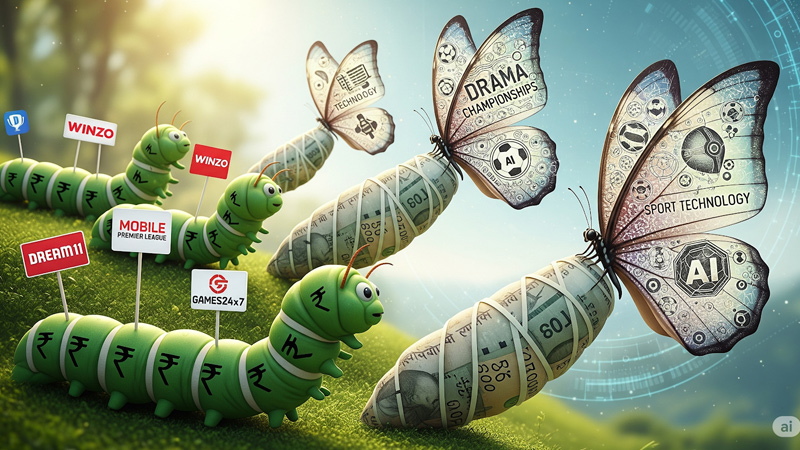
    Between AI-powered sports labs, grassroots investments, free-to-play contests and casino strongholds, the industry is scattering in every possible direction. The only certainty? Real money has left the building but the game is far from over.

  • India’s gaming giants face extinction as government prepares blanket ban

    India’s gaming giants face extinction as government prepares blanket ban

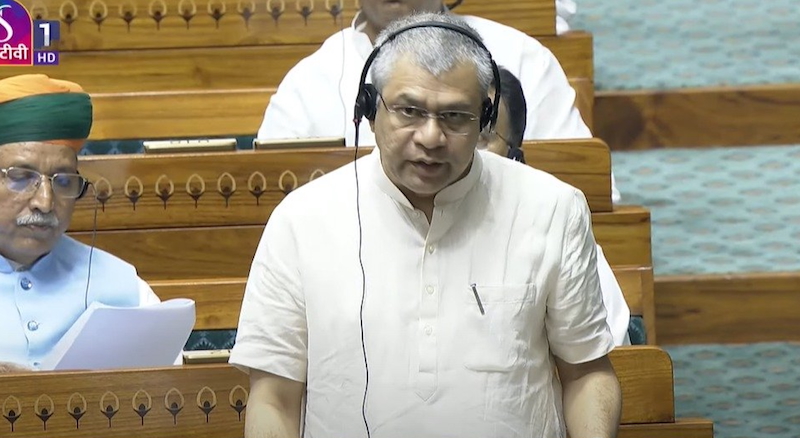
    MUMBAI: India’s booming online gaming sector is bracing for devastation after electronics and information technology minister Ashwini Vaishnaw introduced the Promotion and Regulation of Online Gaming Bill, 2025, in the Lok Sabha on Wednesday. The proposed legislation threatens to outlaw all real-money gaming platforms, regardless of whether they involve skill or chance—a move that could obliterate 86 per cent of the industry’s current revenue streams.

    The bill proposes harsh penalties for violators: up to three years imprisonment and fines of Rs 1 crore for operators, and two years jail plus Rs 50 lakh fines for advertisers. Banks and financial institutions facilitating transactions for money games face similar punishment. Repeat offenders could face between three and five years behind bars with higher fines.

    Market leaders including Dream11, Games24x7, Winzo, GamesKraft and My11Circle now face an existential crisis. India’s online gaming market, currently valued at $3.7 billion and projected to reach $9.1 billion by 2029, could see its financial lifeline severed overnight.

    The All India Gaming Federation, E-Gaming Federation and Federation of India Fantasy Sports have written jointly to home minister Amit Shah, warning that the legislation would “destroy over 200,000 jobs, result in over 400 companies shutting down, and weaken India’s position as a digital innovator.”

    The industry argues that legitimate platforms will be forced to close, pushing crores of users towards illegal matka networks, offshore gambling sites and unregulated operators. The sector has grown into a Rs 2 trillion industry, generating Rs 31,000 crore in annual revenue and over Rs 20,000 crore in taxes whilst expanding at 20 per cent compound annual growth rate.

    The bill defines an online money game as one where users pay fees or deposit money “in expectation of winning in return of money or other stake.” It explicitly excludes esports and online social games such as casual entertainment formats without monetary stakes. A proposed Online Gaming Authority would determine whether games qualify as money games and oversee the sector.

    MeitY secretary S Krishnan said the legislation aims to recognise the industry’s creative intent whilst restricting undesirable segments. The government cited instances of severe financial distress and suicides linked to online money gaming during cabinet deliberations, noting particular concerns about addiction among children and youth.

    The move represents a decisive shift from tax-and-regulate to prohibit-and-enforce. Authorities have already imposed a 28 per cent goods and services tax on gaming revenues since October 2023, followed by a 30 per cent tax on net winnings from FY 2024-25. Over 1,400 illegal betting and gambling sites have been blocked since 2022.

    Players themselves will not face criminalisation under the proposed law, being treated as victims rather than offenders. Free-to-play and subscription-based games where users pay fixed fees without wagering during gameplay will remain permissible.

    Industry insiders warn the legislation could violate constitutional principles whilst strengthening illegal offshore operators—described as “one of the biggest national security threats to the country today.” India’s gamer base has grown from 360 million in 2020 to over 500 million in 2024, with foreign direct investment in the sector crossing Rs 25,000 crore by June 2022.

    The Lok Sabha session was adjourned until 2pm shortly after the bill’s introduction amid opposition protests, leaving the industry’s fate hanging in the balance.

  • Rugby gets a ruck-solid start with GMR RPL’s star-studded sponsor pack

    Rugby gets a ruck-solid start with GMR RPL’s star-studded sponsor pack

    MUMBAI: Move over cricket, there’s a new league in town and it’s tackling eyeballs and brands with equal force. The inaugural season of the GMR Rugby Premier League (GMR RPL) kicked off in Mumbai at the Shahaji Raje Bhosale Sports Complex, with six franchise teams colliding in high-octane matches. But the real scrum might just be off the field, where a ruck of top-tier sponsors have piled in to back the tournament.

    With GMR leading from the front as title sponsor and HSBC powering the league as a principal partner, the GMR RPL has already racked up a formidable roster of 17 sponsors and partners. Big names like Capgemini, Bisleri, Hero Fincorp, JSW Cement, Amul, Dream11, and Nanavati Max are among the brands jumping into the fray.

    In fact, Capgemini is suiting up as the Transformation Partner, Bisleri is keeping the players hydrated, and Dream11 is fuelling fantasy picks as the Fantasy Sports Partner. Other players in the pack include Encalm, Megawide, Waisl, Pushpak, Wintex, and The Capital Group, not to mention Radio Mirchi bringing the buzz as the Radio Partner.

    Broadcast muscle is also strong, Star Sports Select 1 is the Official Broadcaster, Jiocinema (under JioHotstar) is streaming it live, and Rugby Pass TV is beaming the action to global fans.

    “This isn’t just a game-changer, it’s a groundbreaker,” said GMR Sports CEO Satyam Trivedi. “To onboard over 17 big-ticket brands for a brand-new sport in India is a strong signal that the market is ready to embrace new sporting formats.”

    Rugby India president Rahul Bose and longtime champion of the sport, was equally moved. “The GMR RPL is our dream come alive. To witness such overwhelming support from grassroots to boardrooms is exhilarating. We truly believe this is the beginning of a bold new chapter for Indian rugby.”

    With big tackles on the pitch and even bigger backing off it, the GMR Rugby Premier League looks all set to convert casual onlookers into die-hard fans one try at a time.

  • TAM Sports: IPL 18 ad frenzy – brands swing for the fences as ad volumes hit record highs

    TAM Sports: IPL 18 ad frenzy – brands swing for the fences as ad volumes hit record highs

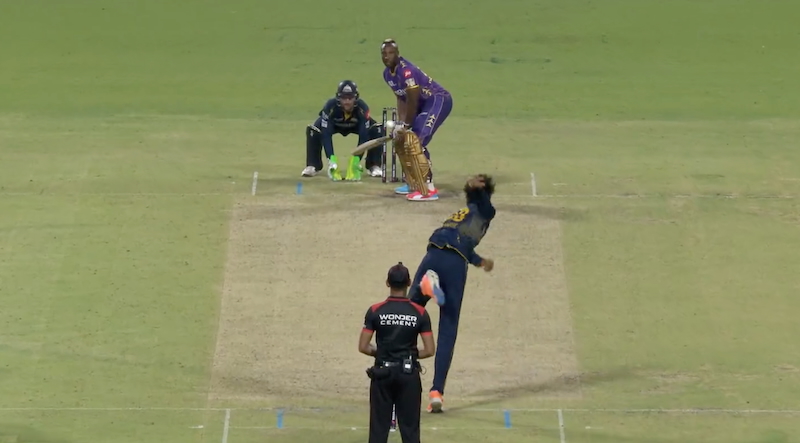
    MUMBAI; The wickets may be tumbling on the pitch, but in the advertising arena, it’s pure carnage — with brands smashing sixes every over. Fresh data from TAM Sports shows that ad volumes for IPL 18 (first 40 matches) have surged past last year’s figures, underlining one unchanging truth: nothing unites — or excites — Indian marketers like cricket.

    The numbers tell a story of big bets and even bigger ambitions.

    The top five categories — e-commerce gaming, pan masala, aerated soft drinks, digital wallets, and biscuits — have steamrolled the competition, grabbing nearly 60 per cent of the ad pie. In a cricket-mad nation, snack cravings and fantasy sports dreams are, clearly, recession-proof.

    Leading the advertising scoreboard are heavy-hitters like Dream11, Parle Products, Sporta Technologies, KP Pan Foods, and PepsiCo India. Dream11, in particular, seems to be playing Test cricket while others are stuck in a T20 mindset — blanketing screens with a relentless media barrage.

    But it’s not just the usual suspects jostling for screen time.

    IPL 18 has welcomed a new squad of ambitious rookies: online payment apps, solar energy brands, smartwatches, and a fresh wave of wearable tech firms, all eager to cash in on the cricketing carnival. The brand line-up today mirrors a new India — digital-first, experimental, and willing to go big.

    The scale-up is staggering:
    * TV ad volumes during IPL 18 are over three times higher than in the pre-IPL season.
    * New categories have grown by over 25 per cent year-on-year.
    * Connected TV advertising has spiked, with brands now chasing the living room, the bedroom, and even the metro ride home.

    Sports channels are having a summer of dreams, while GECs and movie channels quietly sulk. Every IPL season rewrites the broadcast pecking order — and 2025 is no exception.

    Beyond TV, the smart money is on a multi-screen blitzkrieg. Brands are synchronising 10-second TV spots with mid-match mobile banners, OTT pre-rolls, and influencer-led meme storms. If you’re breathing and own a device, chances are someone is trying to sell you a soft drink, an SUV, or a fantasy cricket app right now.

    Bottom line: IPL is no longer just a sports tournament; it’s India’s biggest marketing Super Bowl — stretched over two luxurious months.

    The brands that win this season won’t just outspend rivals; they’ll outthink, out-hustle, and out-wow them.
    Because in IPL 18, as in cricket, it’s not the cautious that survive. It’s the ones who know when to send it sailing into the stands.

  • Startup Mahakumbh panel unravels  growth of Indian gaming

    Startup Mahakumbh panel unravels growth of Indian gaming

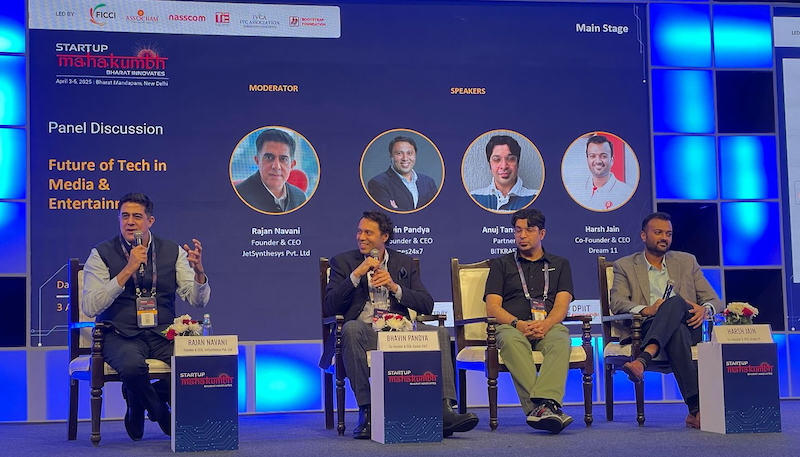
    New Delhi: India’s gaming industry has hit the jackpot while the rest of the world seems to be playing on easy mode. At this week’s Startup Mahakumbh, the crème de la crème of India’s digital entertainment world gathered to spill the beans on what’s turning the country into a gaming colossus.

    The star-studded panel—featuring Bookmyshow fonder & CEO Ashish Hemrajani,  Games24/7,  founder & CEO Bhavin Pandya, Dream11 cofounder & CEO Harsh Jain and Bitkraft partner Anuj Tandon—didn’t mince words about the sector’s explosive trajectory. The discussion, masterfully refereed by JetSynthesys founder & CEO  Rajan Navani, revealed that while global gaming revenues have hit pause, India’s gaming scene is charging ahead at a blistering 20 per cent annual clip.

    “The gaming and digital entertainment industry in India is at an inflection point,” declared Navani. “With the right mix of innovation, investment, and responsible regulation, India can become a global powerhouse.” No small talk there.

    The once-questioned spending power of Indian gamers has been dramatically upended by UPI and one-click payment solutions. In-app purchases alone are projected to rake in a whopping $4.3 billion within four years—enough to make even the most hardened venture capitalist’s mouth water.

    The gold rush hasn’t gone unnoticed across borders. Executives from gaming giants Sega and Tencent were spotted prowling the event, eyeing up the burgeoning market with barely disguised avarice.

    A separate session on investment strategies laid bare the brutal realities facing founders. Investors confessed to maintaining watchlists of 200-300 promising entrepreneurs, tracking them well before products even see the light of day. Common pitfalls for startups include the seductive but dangerous trap of over-raising at sky-high valuations and the cardinal sin of delaying monetisation.

    “Early revenue generation isn’t just nice to have—it’s essential,” one panelist quipped, cutting through the typical startup waffle like a hot knife through butter.

    Government initiatives like Startup India are  hailed as crucial catalysts, while investors stressed that the days of chasing unicorn status at all costs are well and truly over. The new mantra? Sustainable business models that actually turn a profit—revolutionary concept, that.

    The second edition of Startup Mahakumbh follows last year’s blinding success, which saw over 48,581 visitors and 1,306 exhibitors descend upon the event like bees to honey.

    As India’s gaming ecosystem continues its meteoric rise, one thing is crystal clear: in the digital playground of entertainment, India is no longer merely a player—it’s becoming the house. And as any gambler worth their salt knows, the house always wins.

  • Cricket and cinema: the strategic brand accelerator in India’s cultural economy

    Cricket and cinema: the strategic brand accelerator in India’s cultural economy

    MUMBAI: With IPL 2025 underway, it’s worth examining why the combination of cricket and Indian cinema remains the most potent market entry and brand acceleration strategy in India’s dynamic consumer economy. Brands like Dream11 and EMotorad continue to demonstrate how effectively leveraging the insight ‘cricket and cinema unite India as a country’ can drive exceptional marketing results. 

    What makes cricket and cinema uniquely powerful is their unparalleled ability to transcend India’s extraordinary diversity. In a nation with 22 official languages and countless regional subcultures, these two cultural forces create a shared national experience that cuts across all demographic divides. The data supports this observation: when mapped against consumer engagement metrics, no other cultural touchpoints come close to matching their penetration across income brackets, age groups, and geographic regions. This isn’t merely entertainment – it’s the social fabric that connects 1.4 billion people. 

    For brands like Dream11 and EMotorad that recognise this cultural alignment, the benefits extend far beyond conventional marketing metrics: 

    The 2024 IPL season shattered all previous viewership records, reaching an astonishing 572 million viewers across platforms, with average engagement time increasing to 47 minutes per match. This represents nearly 40 per cent of India’s population actively engaged with a single longish running event.

    When these viewership patterns are overlaid with the social media footprint of leading Indian cinema personalities – many commanding follower-ships larger than the population of European countries – the potential reach becomes unparalleled in global marketing. The cross-platform amplification effect creates a visibility multiplier that traditional media planning simply cannot replicate. 

    EMotorad Dhoni Sandeep Vanga Raddy

    Analysis of over 200 Indian brand campaigns shows that those leveraging both cricket and Indian cinema consistently generate emotional engagement scores 3.7x higher than those using either element alone. This emotional resonance translates directly to brand affinity metrics that persist long after campaign completion. 

    The strategic advantage of this dual approach lies in its demographic universality. Consumer panel research across 18 Indian states reveals that cricket-cinema integrations uniquely solve the urban rural divide that plagues most marketing strategies. 

    In a market where consumer trust metrics show declining confidence in traditional advertising, the implicit endorsement effect of cricket-Indian cinema integrations provides a critical credibility accelerator. Recent research indicates brands with authentic cricket and cinema  associations report up to 41 per cent higher trust ratings than category competitors. This trust premium directly influences the consumer decision journey, with 68 per cent of consumers demonstrating increased purchase intent for products within this ecosystem. 

    Forward-thinking brands are now moving beyond simple endorsements to create sophisticated ecosystem strategies that maximize the cricket-cinema connection. Through narrative integration, these brands develop authentic storylines that merge cricket themes with Indian cinema storytelling conventions, creating content that resonates at a deeper cultural level with Indian audiences. 

    Their platform architecture constructs comprehensive touchpoint ecosystems that begin during IPL broadcasts, extend through celebrity social channels, and culminate in immersive digital experiences, creating seamless consumer journeys across multiple media. Additionally, strategic brands position themselves to capitalise on specific cricket-cinema convergence points—such as celebrity reactions to dramatic match moments—enabling real-time engagement that feels organic rather than manufactured. This integrated approach allows brands to participate in cultural conversations in ways that traditional advertising simply cannot achieve. 

    As more brands recognize this strategy, the key differentiator has become execution sophistication. Brands achieving breakthrough results are those implementing “cultural intelligence” – the ability to authentically participate in the cricket-cinema conversation rather than simply appropriate its imagery. 

    The most successful campaigns demonstrate deep understanding of the subtle cultural codes embedded within both cricket and cinema, allowing them to engage at a level that feels native rather than commercial. 


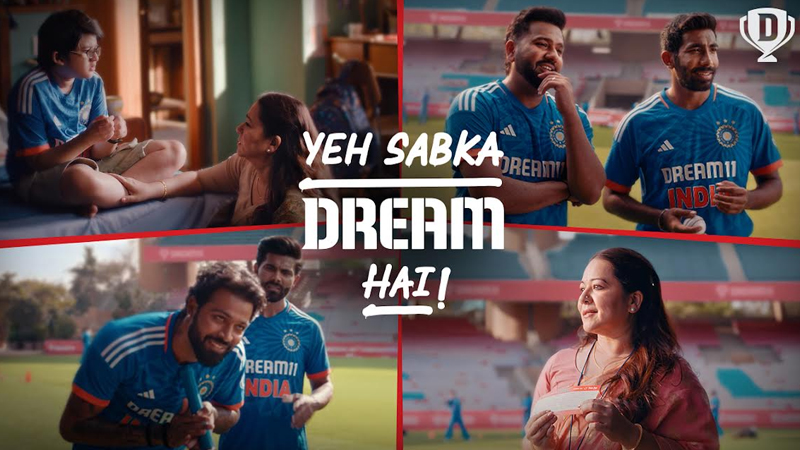
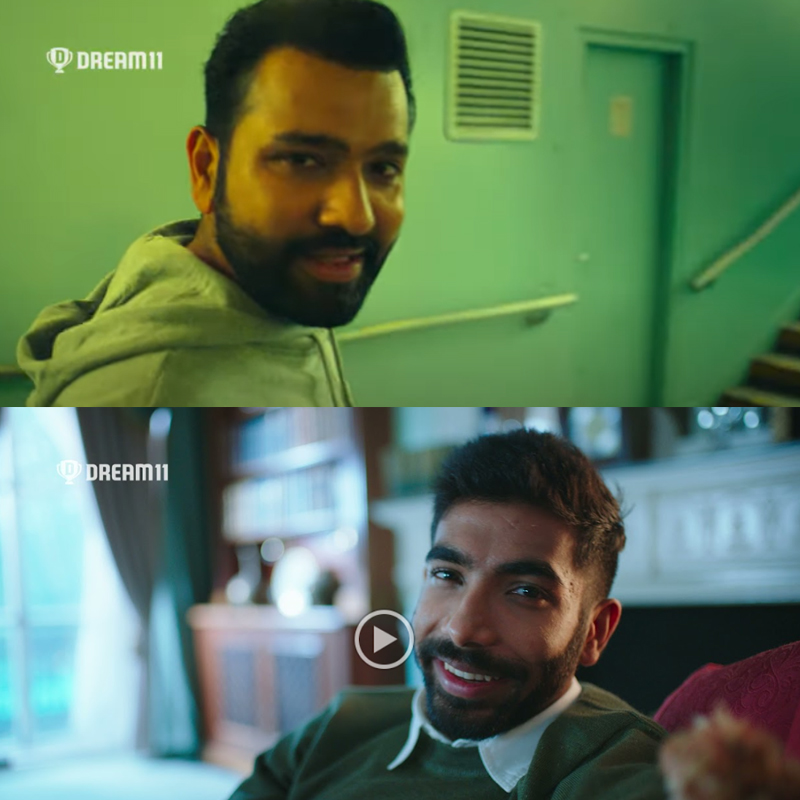
    Jaspreet Bumrah Haridik Pandya Dream11

    Perhaps most importantly, leading brands have developed specialized metrics to quantify the impact of cricket-cinema integrations beyond traditional marketing KPIs. These include cultural relevance scores, conversation share analysis, and cross-platform engagement attribution that capture the true business impact of these strategies. 

    In India’s intensely competitive brand landscape, the cinema-cinema  convergence represents not just a marketing tactic but a strategic imperative. Brands like Dream11 and EMotorad haven’t merely adopted this approach – they’ve embedded it within their core business strategy. 

    With another IPL season, the brands that will emerge victorious are those that recognize a fundamental truth: in India, cricket and cinema aren’t just marketing channels – they are the cultural operating system through which consumers experience and interpret brand meaning. 

    The question for strategic leaders isn’t whether to engage with this cultural ecosystem, but how to do so with the sophistication and authenticity that today’s discerning Indian consumer demands. 

  • Dream11 hits It out of the park with star-studded IPL 2025 face-off

    Dream11 hits It out of the park with star-studded IPL 2025 face-off

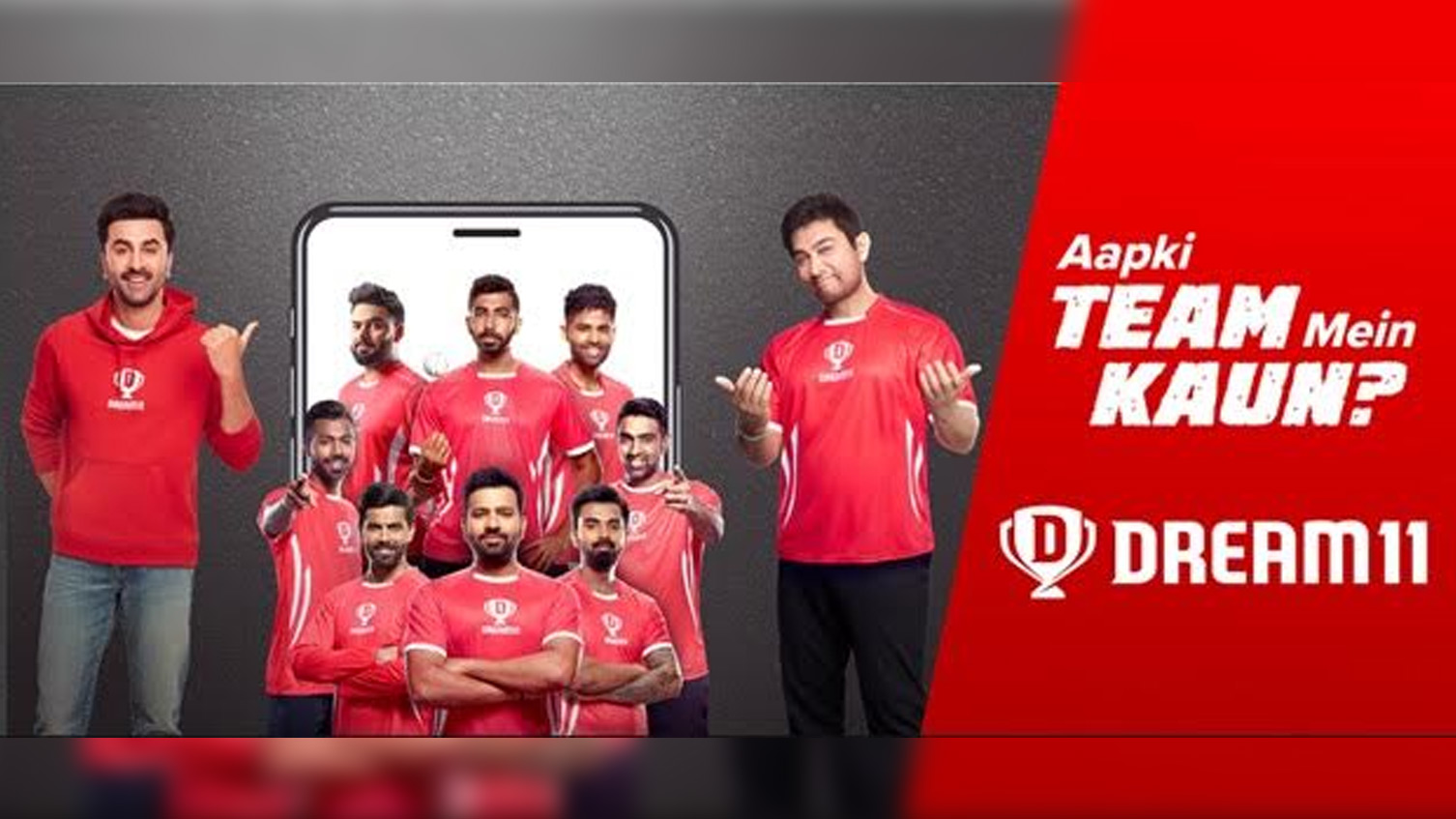
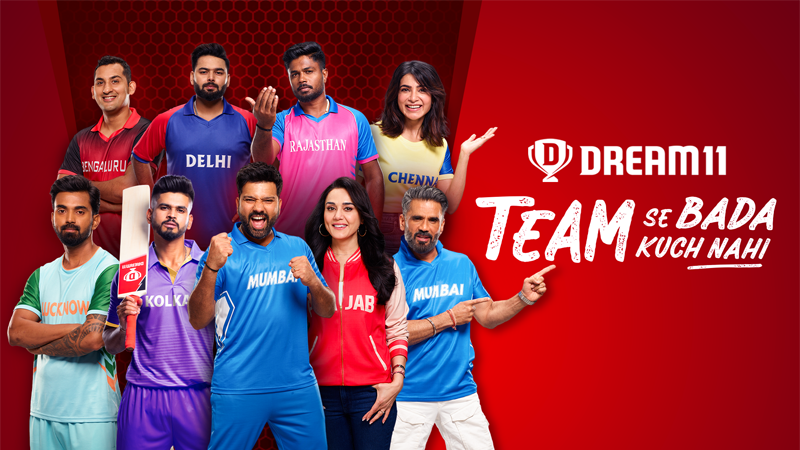
    MUMBAI: Get ready for a blockbuster cricket battle as Dream11, the world’s largest fantasy sports platform unveils its electrifying Indian Premier League (IPL) 2025 campaign, ‘Aapki Team Mein Kaun?’. This high-energy campaign sees movie superstars Aamir Khan and Ranbir Kapoor go head-to-head, picking their dream teams of India’s biggest cricketers for an unforgettable face-off.

    Aamir11 and Ranbir11 aren’t just fantasy teams—they’re a clash of legends. The campaign ropes in cricketing stalwarts like Rohit Sharma, Hardik Pandya, KL Rahul, Jasprit Bumrah, Suryakumar Yadav, and R. Ashwin, turning up the heat with a mix of banter, rivalry, and sporting brilliance. And just when you think it’s all about cricket, Arbaaz Khan and Jackie Shroff make surprise appearances, adding their signature charm and humour to the mix.

    “At Dream11, we’re turning fans from mere spectators into active participants,” said Dream Sports chief marketing officer Vikrant Mudaliar. “This campaign taps into the passion of cricket while bridging the worlds of sports and entertainment. ‘Aapki Team Mein Kaun?’ challenges fans to pick their own winning fantasy teams, making every IPL moment more thrilling.”

    The campaign kicks off with an action-packed film, directed by the acclaimed Nitesh Tiwari and produced by EarthSky Pictures, with creative backing from Tilt Brand Solutions and ZeroFifty. The excitement continues with eight ad films airing throughout the IPL season across Star Sports, JioHotstar, and digital platforms.

    Since 2019, Dream11 has been a key player in the IPL ecosystem and is now the Principal Sponsor for five IPL teams Kolkata Knight Riders, Punjab Kings, Gujarat Titans, Sunrisers Hyderabad, and the latest addition, Lucknow Super Giants. The platform is also an Official Partner for four more IPL teams, further solidifying its dominance in fantasy sports. As cricket’s biggest festival kicks off, Dream11 is ensuring the game isn’t just watched, it’s played, debated, and lived. So, the only question that remains is: Aapki Team Mein Kaun? 

  • JioStar lines up impressive 20-brand sponsor squad for Tata IPL 2025

    JioStar lines up impressive 20-brand sponsor squad for Tata IPL 2025

    MUMBAI: JioStar has bowled over advertisers ahead of this year’s Tata IPL, announcing a robust sponsorship lineup of 20 brands ready to bat for consumer attention during cricket’s most-watched tournament.

    The impressive roster includes heavyweight brands spanning diverse categories—from food and beverages (Campa Energy, Campa, Thums Up, Amul) and fantasy sports platforms (Dream11, My11Circle, PokerBaazi, ) to financial services (SBI, PhonePe, Mutual Funds Sahi Hai, Zupee, Gpay,) and consumer goods (Joy Cosmetics, Asian Paints, Birla Opus, Jaquar Bath + Light, Allen Solly) to  digital  (Google search)  and bikes (TVS), 

    “IPL is more than just a sporting event—it’s a cultural juggernaut,” said at JioStar chief business officer for sports revenue Ishan Chatterjee. “We’re delivering scale, impact, and deep consumer engagement through cutting-edge ad innovations and seamless synergy between TV and digital platforms.”

    The broadcasting giant is pulling out all technological stops to help sponsors hit advertising sixes, offering AI-powered audience segmentation, interactive ad formats, and multilingual broadcasts. Television advertisers can capitalise on unique solutions including ‘Brand Spotlight’ exclusive placements during the crucial first five overs and CGI-led live interventions that promise to catch viewers’ eyes between boundaries.

    Running from 22 March to 25 May, the tournament will be broadcast exclusively across JioStar’s sports network and streamed on JioHotstar, giving brands unprecedented access to cricket-mad audiences across both traditional and digital viewing platforms.

    Industry analysts note this year’s sponsorship line-up reflects advertiser confidence in cricket’s premier tournament, with one marketing expert remarking: “Despite economic headwinds, brands know IPL delivers an unbeatable googly of engagement that sends ROI metrics cartwheeling.”

    As the cricketing extravaganza approaches, both fans and advertisers are padding up for what promises to be another season of spectacular sporting drama and equally impressive brand visibility plays on the commercial front.

  • India’s Competition Commission Investigates Google’s Real-Money Gaming Policies

    India’s Competition Commission Investigates Google’s Real-Money Gaming Policies

    With the Competition Commission of India (CCI) launching an investigation into Google’s restrictive policies on real-money gaming (RMG) applications, India’s digital gaming industry is witnessing a regulatory showdown. The incident came to light when a leading Indian gaming platform, WinZO, accused Google of discriminatory policies favoring a few gaming apps while excluding others.

    These developments have added to the regulatory challenges Google has faced in India. Earlier, the company was penalized for abusing its dominance in the Android ecosystem by enforcing restrictive policies that favored its own services over competitors.

    . In 2022, the European Commission fined Google €4.34 billion ($5 billion) for favoring its search engine and Play Store ecosystem.

    . In 2021, South Korea’s Fair Trade Commission fined Google $177 million for anti-competitive Play Store policies.

    All About Google’s Gaming App Policy and WinZO’s Complaint

    The controversy traces its roots to 2022 when Google revised its gaming app policy and permitted a few RMG apps, mainly fantasy sports and rummy, on its Play Store. However, WinZO’s app, which offers a wide range of games like carrom, puzzles, and racing, was excluded. As a result, the company argued how Google’s selective acceptance has generated a two-tier system that favors some developers while disapproving others.

    As per the CCI order, “By granting preferential treatment to select app categories, Google effectively creates a two-tier market where some developers are accorded superior access and visibility while others are discriminated against and thus, left with a competitive disadvantage.” The regulator also stated that Google may have violated Sections 4(2)(a)(i), 4(2)(b), and 4(2)(c) of India’s Competition Act and a detailed investigation was required to look through the issue.

    Moreover, WinZO went on to criticize Google for what it calls an “unreasonable and restrictive” approach due to which developers are forced to distribute their apps outside the Play Store through direct downloads via the sideloading method. The company further alleged that when users attempt to make payments, Google begins flagging the platform as risky, thereby warding off potential players. 

    Regulatory and Market Implications

    India’s online gaming industry is at a critical juncture as regulatory uncertainty has clouded its rapid expansion. Despite the Indian government actively working on new regulations introduced in 2023 and 2024, challenges remain.

    . India’s gaming market is projected to grow from $3.7 billion in FY24 to $9.8 billion by FY29, reflecting a 20% CAGR, according to a 1Lattice report.

    The introduction of 28% GST on gaming transactions in 2023 has added further strain to the industry, significantly impacting revenue streams for major gaming firms.

    . Reports indicate that leading gaming companies like Dream11 and MPL have experienced revenue declines of 20-30% in FY24-25, driven by the increased tax burden

    With both taxation and Google’s restrictions in play, many RMG platforms now struggle to scale their operations in India, leading to slower innovation, investor uncertainty, and a shift toward offshore markets. 

    Case Study of Alternative Strategies

    As regulatory and platform restrictions tighten, many emerging gaming platforms are adopting alternative distribution strategies to circumvent Google Play’s limitations. Brands like Parimatch and other web-based new casinos bypass these restrictions by offering direct APK downloads while leveraging influencer marketing on platforms like Telegram and YouTube to engage Indian players effectively.

    Following this approach helps gaming companies to maintain user engagement without relying on Google’s ecosystem. These methods involve distributing APK files directly through their websites, which allows them to avoid Play Store commissions and restrictions on payment processing. Additionally, they can also seek influencer-driven marketing that helps build trust and visibility in a market where digital word-of-mouth plays a crucial role.  
    Another emerging trend is the development of web-based gaming platforms. Here, games run directly in browsers without requiring a Play Store listing, providing a seamless user experience while bypassing App Store policies altogether.

    Next Steps to Watch for in the Investigation

    If the CCI enforces regulatory action against Google, it could reshape India’s digital gaming landscape with fair competition and greater accessibility for gaming platforms. Meanwhile, the industry’s swift adaptation to alternative distribution strategies signals that Indian gaming firms are ready to challenge the status quo-whether through legal battles or innovative market approaches.

    Simultaneously, we see several gaming platforms already adapting to the situation by utilizing alternative distribution models, exploiting influencer networks, and investing in direct user acquisition strategies.

    Disclaimer: This article does not have journalistic/ editorial involvement of indiantelevision.comindiantelevision.com group or its websites does not endorse/ subscribe to the contents of the article/advertisement and/or views expressed herein.

    The reader is further advised that Online Casino, Betting, Online Gaming , Crypto products, Financial Investments/Engagement , NFTs, Products associated with health, wellness, and food are unregulated and can be highly risky. There may be no regulatory recourse for any loss from such transactions or risk associated with health conditions.

    Indiantelevision.com group shall not in any manner, be responsible and/or liable in any manner whatsoever for all that is stated in the article and/or also with regard to the views, opinions, announcements, declarations, affirmations etc., stated/featured in the same. The decision to read hereinafter is purely a matter of choice and shall be construed as an express undertaking/guarantee in favour of indiantelevision.com (indiantelevision.com group) of being absolved from any/ all potential legal action, or enforceable claims. The content may be for information and awareness purposes and does not constitute financial advice.

  • Dream11 unveils ‘Guru Home’ to support 50,000 creators by 2028

    Dream11 unveils ‘Guru Home’ to support 50,000 creators by 2028

    Mumbai: Dream11, the fantasy sports platform with over 220 million users, launched ‘Guru Home’, a pioneering feature that connects users with experienced “Gurus” for team formulation insights across various sports. This initiative aims to empower India’s creator economy, especially in Tier III and IV cities, by onboarding over 50,000 creators by 2028. The goal is to build vibrant sports communities and enhance fan interaction.

    ‘Guru Home’ offers authentic content and expert insights that improve users’ team-building strategies while providing Gurus with a platform to share their knowledge and generate sustainable income. This feature also ensures users access verified expertise, reinforcing trust and transparency in the platform.

    Dream Sports chief product officer, Rahul Mirchandani shared, “At Dream11, our user-first approach drives innovation and we’re excited to launch Guru Home in response to the growing demand for formalising the creator economy in sports to enhance fan engagement. With India rapidly emerging as a global leader in the creator economy, this initiative not only enriches the fantasy sports experience but also empowers creators, providing them with economic opportunities. Guided by our vision to Make Sports Better, we’re committed to fostering a culture of passion and learning in sports.”

    Designed using best-in-class technology, ‘Guru Home’ is a seamless, personalised hub where sports experts can share their strategies and engage with fans. The feature is now live and accessible to all users through the Dream11 app.