Tag: Dr Reddy’s Laboratories

  • Swapnil Mishra takes charge of corporate communications at Adani group’s Jaipur airport

    Swapnil Mishra takes charge of corporate communications at Adani group’s Jaipur airport

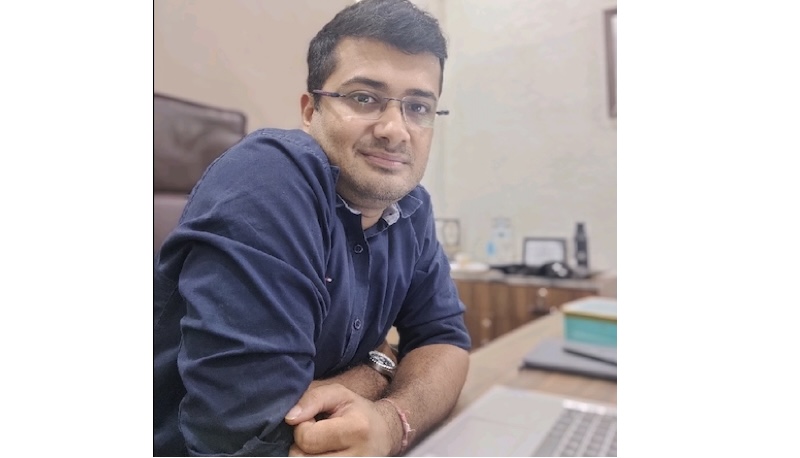
    JAIPUR:  Swapnil Mishra has joined Adani Group as lead, corporate communications, after a career spanning pharmaceuticals, airports, and heavy industry. He leads  communications for Jaipur International Airport under Adani Airport Holdings Ltd.

    A Bits  Pilani alumnus and trained journalist from the Indian Institute of Mass Communication, Mishra has built his career across marquee firms. He held senior communications roles at Glenmark Pharmaceuticals, Dr Reddy’s Laboratories, Zydus Group, TDK and JSW Steel, besides a stint in journalism with Hindustan Times.
    “I believe the dynamics of media may have changed, but content remains king,” Mishra said. “My aim is to craft communication that is succinct, sharp and trusted.”

    With over a decade in corporate communications, Mishra now takes on the task of shaping brand trust and strategy for one of India’s most visible conglomerates.

  • Swiss army knife brand lands Unilever pro as marketing chief

    Swiss army knife brand lands Unilever pro as marketing chief

    MUMBAI: Victorinox India has recruited Avirup Mukhopadhyay as its head of marketing, hiring  the seasoned marketer from wellness brand True Elements where he spent over three years. The appointment signals the Swiss army knife maker’s intent to sharpen its marketing edge in the competitive Indian consumer market.

    Mukhopadhyay joins Victorinox this month after a stellar run at True Elements, where he rose from category lead to assistant vice-president of marketing. During his tenure at the Mumbai-based health food company, he orchestrated brand strategy across multiple geographies, managed profit-and-loss responsibilities, and crafted go-to-market strategies for both traditional and alternative channels.

    His most visible achievement at True Elements was the Black Pack Anthem campaign featuring cricket star Rohit Sharma, which positioned the brand around its “100 per cent real, nothing artificial” promise. The campaign exemplified his knack for marrying celebrity endorsements with authentic brand messaging.

    The 15-year marketing veteran brings impressive credentials from blue-chip companies. He spent nearly three years at Unilever, where he cut his teeth on the iconic Kissan brand, developing everything from penetration packs priced at Rs 15 to comprehensive brand-building strategies. His Unilever stint included roles spanning brand management, trade marketing for modern retail, and territory sales across Kolkata.

    Between his Unilever chapters, Mukhopadhyay had a brief but notable six-month tenure at Dr Reddy’s Laboratories, where he was tasked with building the Rebalanz energy drink brand across key Indian markets. The “27 per cent less sugar” positioning he developed demonstrated his ability to navigate the increasingly health-conscious consumer landscape.

    His career began in financial services at Bajaj Allianz before pivoting to FMCG, with early roles at HCL Infosystems. A summer internship at Unilever during his MBA studies proved fortuitous, eventually opening doors to his full-time role at the Anglo-Dutch giant.

    For Victorinox, known globally for its multi-tool expertise but still building brand awareness in India’s crowded lifestyle market, Mukhopadhyay’s track record of scaling brands across price points and channels could prove invaluable. His experience spans everything from mass-market detergents to premium wellness products—precisely the range needed to navigate India’s bifurcated consumer market.

    The appointment reflects a broader trend of heritage European brands investing heavily in Indian marketing talent as they seek to crack the subcontinent’s complex consumer preferences.

  • MIS 2024: The power of personalisation: Strategies for creating a seamless customer experience

    MIS 2024: The power of personalisation: Strategies for creating a seamless customer experience

    Mumbai: The Media Investment Summit 2024 which is being held on 4 April at Novotel, Mumbai is a dynamic platform that aims to bring together minds from the brand, media, advertising, digital & TV fraternity to explore the ever-evolving landscape of content, Adtech, Martech, metaverse and Web 3.0, the evolution of traditional media planning and buying, data and privacy infringement and ROI on advertising.

    The day-long affair is to make sure to tantalise the thoughts of those looking for answers to myriad topics under the branding, advertising, TV, digital media planning, and buying roof.

    The session can provide valuable insights into the strategies, challenges, and future trends associated with creating a seamless customer experience through personalized marketing.

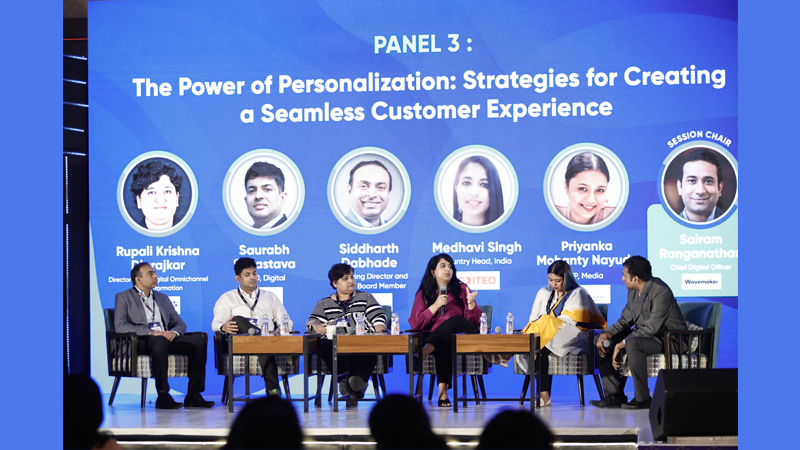
    The session of the event was chaired by Wavemaker India chief digital officer Sairam Ranganathan and consists of panellists including – Dr Reddy’s Laboratories India director head digital omnichannel & transformation Rupali Krishna Digrajkar, Shemaroo Entertainment COO, digital Saurabh Srivastava, MiQ MD and global board member Siddharth Dabhade, Criteo country head, India Medhavi Singh, Interactive Avenues VP, media, Priyanka Mohanty Nayudu.

    Here are the quotes from various industry experts on the power of personalisation: Strategies for creating a seamless customer experience:

    MiQ MD and global board member Siddharth Dabhade

    I think the evolution we’re witnessing involves a convergence of media and data, with companies worldwide, including those in India, consolidating functions like data science, marketing, and business priorities. Those who’ve successfully integrated these elements have outperformed because marketing can’t solely focus on one aspect; it must combine media and data. Many companies possess vast data, but it often remains fragmented. Thus, the challenge lies in consolidating this data to establish a unified consumer view. Additionally, families are accumulating more first-party data, which is crucial. Moreover, macro trends significantly influence consumer behaviour and brand perceptions. The ongoing challenge is integrating all these elements effectively. For instance, in a recent case study, we targeted consumers interested in inverter solutions while considering the macro trend of power outages driving inverter sales. It’s about merging data from various sources, deriving actionable insights, and ensuring data privacy. Another case study involves an auto player, where we analyzed dealership sales and inventory levels in real time to optimize marketing campaigns accordingly. personalisation should benefit both consumers and advertisers, enhancing relevance and efficiency.

    Shemaroo Entertainment COO, digital Saurabh Srivastava,

    One business I represent that’s highly relevant to this topic is Shemaroo, which operates a direct-to-consumer OTT business. Effective personalisation is crucial for us as it enhances consumer engagement and drives loyalty, ultimately impacting our business model, especially considering the high cost of acquiring consumers. When content is personalized based on data analysis, it sharpens our proposition and improves user engagement. For instance, our collaboration with Amazon Personalize has led to a significant shift in how users consume short-form video content, demonstrating the power of data-driven recommendations. This collaboration has become a noteworthy case study, indicating potential for further expansion beyond short-form content. Loyalty is paramount for every brand, as retaining consumers is key to maximizing lifetime value. Additionally, the OTT market in India is poised to double, creating opportunities for both global and local players. However, achieving this growth requires significant efforts in storytelling, data utilization, technology, and personalisation to meet the diverse needs of consumers. Ultimately, the collective integration of these elements will contribute to the expansion of the market, albeit with considerable effort.

    Dr Reddy’s Laboratories India director head of digital omnichannel & transformation Rupali Krishna Digrajkar

    We’re currently in the data-driven era where across various industries like pharma, media, entertainment, and telecom, customers demand both convenience and quality interactions with brands. This emphasis on convenience and expectation highlights the importance of personalisation. At Dr. Reddy’s, we engage with two main segments: B2B/B2B2C customers, such as doctors who then convey information to patients, and the over-the-counter (OTC) segment for direct consumer products. personalisation relies heavily on understanding data and deriving insights from it. Defining customer personas and understanding their needs, triggers, and barriers are essential for delivering targeted experiences to micro-segments. In our case, since we interact with diverse sets of doctors within specialities, influencing their perceptions about our products is key to driving prescriptions. This requires continuous relationship-building and content-based marketing to engage doctors effectively. While the theory is clear, executing personalisation at scale is complex and requires expertise in various elements such as data analytics and customer data management. Dr. Reddy’s is actively involved in orchestrating numerous initiatives due to the breadth of our business, which includes 74 brands. Personalisation efforts extend to content production, which must be customized and distributed modularly across different formats and geographies. Visualization plays a critical role in data-driven decision-making, and defining use cases and selecting the right toolbox are crucial aspects of implementing personalisation effectively.

    Criteo country head, India Medhavi Singh

    In today’s landscape, personalisation isn’t just about attracting more customers and boosting conversion rates. It’s also about fostering long-term customer relationships and maximizing lifetime value. Some may think personalisation is about individualising every interaction, but it’s crucial to understand that true personalisation occurs at scale. This necessitates investing in the right technologies to enable widespread personalisation efforts across various verticals. For instance, consider streaming platforms that recommend content based on users’ viewing history; this is made possible by their vast user bases. Similarly, at our company, leveraging our extensive data—over 720 million videos and 5 billion products—enables us to achieve personalisation at scale. Across the user journey, from acquisition to engagement, personalisation plays a pivotal role. For example, in collaboration with Clinique, we targeted audiences with high purchasing power, tailoring our approach to appeal to premium and luxury segments. Likewise, in the gaming vertical, we personalize ads to encourage user conversion. Personalisation extends to minute details, such as tailoring ad formats based on user preferences—be it single-window or scroll-based views. Moreover, real-time adaptation is crucial; algorithms must dynamically adjust based on user behaviour shifts, ensuring a personalized experience at every touchpoint. Therefore, creating personalised experiences at scale is paramount in today’s context.

    Interactive Avenues VP, media, Priyanka Mohanty Nayudu

    From initially attracting consumers to actively engaging with them and ultimately retaining their loyalty, personalisation plays a pivotal role throughout the entire journey. Take Spotify, for example, one of our brands during its launch in India. Globally recognised for its personalized approach, Spotify’s DNA is infused with personalisation. Therefore, our launch strategy had to emphasize personalisation from the outset, incorporating the “person, place, moment” framework along with extensive data analysis to understand our target audience’s preferences. This journey encompasses capturing audiences through media campaigns, acquiring them, engaging them with content recommendations tailored to their tastes, and retaining them by continually adapting to their usage patterns. Remarkably, leveraging personalisation has led to a significant increase in streams—up to 30 to 40 per cent more compared to regular usage. This underscores the critical role personalisation plays throughout the consumer journey.

  • MIS 2024: Tackling the acquisition – retention juggernaut

    MIS 2024: Tackling the acquisition – retention juggernaut

    Mumbai: The Media Investment Summit 2024 which is being held on 4 April at Novotel, Mumbai is a dynamic platform that aims to bring together minds from the brand, media, advertising, digital & TV fraternity to explore the ever-evolving landscape of content, Adtech, Martech, metaverse and Web 3.0, the evolution of traditional media planning and buying, data and privacy infringement and ROI on advertising.

    The day-long affair is to make sure to tantalise the thoughts of those looking for answers to myriad topics under the branding, advertising, TV, digital media planning, and buying roof.

    The key highlights of this session encompass defining customer acquisition and retention within the framework of business strategy. This includes mapping the customer journey from awareness to conversion and retention, identifying touchpoints for continuous engagement throughout the lifecycle. The pivotal role of personalization in both acquisition and retention strategies will also be discussed. Additionally, the session will cover the utilization of various channels, encompassing digital and traditional methods, for effective customer acquisition. Lastly, the imperative for businesses to adapt acquisition and retention strategies in response to evolving market dynamics will be addressed.

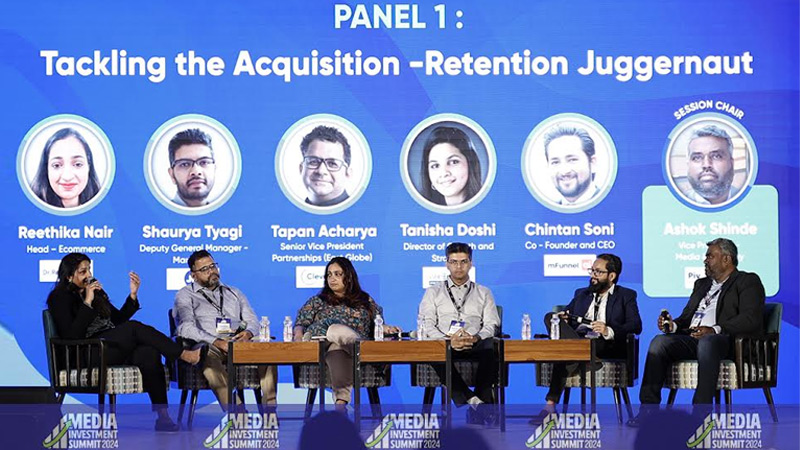
    The very first-panel discussion of the event is chaired by PivotRoots – A Havas company VP – media & strategy Ashok Shinde, consisting of panelists including – mFunnel.ai co-founder and CEO Chintan Soni, Dr Reddy’s Laboratories India head – e-commerce Reethika Nair, Jio deputy general manager – marketing Shaurya Tyagi, CleverTap Sr VP partnerships (East Globe) Tapan Acharya and WebEngage director of growth and strategy Tanisha Doshi.

    Sharing the context of the session, Shinde began talking about customer acquisition, retention marketing and perhaps why do brands and marketers of businesses really need to invest and pay attention to it.

    Shinde asked his first question to Tyagi, “What are some of the key elements that are important for making a successful customer acquisition and retention marketing strategy?”

    Tyagi answered, “Whenever we look at customer acquisition, more than looking it as a funnel, I look it as a loop. Everytime we acquire a new customer, if that customer makes a transaction or makes an action on the app or website, that customer will talk about their experience or whatever action they’ve taken on the web or the app, to other people also which will further get other people also into that.

    Secondly, there would be channels that can be grouped into two buckets. One is always on channel, which will give sustained growth as you continuously optimise them over a period of time. The other one would be, the one giving you the spike when a particular offer or promotion is running for a product. If you think of Instagram as an example, the growth will come from specific events when they’re happening. That’s where you’ll get a lot of growth from existing customers.”

    Talking about retention, he added, “Retention can be actually broken down into three parts. First one is activation. For example a customer signs up on the app, that’s where the customer has actually taken an action on the app. Second is the engagement. When you think of any social media pp or any ecommerce app, you’ll have to see what core action you want the user to do and that defines the engagement. The last bit is resurrection which is actually linked to the first two. The customer downloads the app but doesn’t sign up, that means he/she is not activated and resurrecting a customer is not possible in that case. But if you see that the customer is talking daily, weekly or monthly action on your app only then you can call them as an engaged user and if that is not happening then you have to resurrect them and bring them back into the loop.”

    Moving on, Shinde asked Soni, “What has been you approach to some of the common challenges that you’ve faced and how did you overcome those?”

    Soni answered, “When you talk about acquisition, one of the biggest challenge atleast in the digital media is that there’s a reverse economy. Probably if you go from zero to ten, the acquisition cost will be stagnant but if you go from 10-100, that is where you start seeing the cost of acquisition going up. The reason that happens is that 70-80 per cent of the digital media works on the auction based economy, where you have to actually outgrade another advertiser in the poll, to win that impression.”

    He then goes on to talk about analysing the whole funnel and lead indicators in each stage of the funnel. He also spoke a bit about click through rate. Talking about customer retention he said, “Customer retention is almost like employee retention in a company. You’ve to understand why they’re not coming back to you again.”

    Moving on to his next question, Shinde asked Nair, “What would be your recommendation on how we should go about prioritizing between the two (customer acquisition & retention)?”

    Nair answered, “Firstly, a big question is ‘should you have a retention strategy?’. I think one should know what stage their brand is in. If it’s in the starting stage then forget about retention strategy and focus on whether you’ve built the right product or service to get the acquisition done in a very organic or natural fashion. People say that acquisition is five to 25 times more expensive than retention. But the fact is that acquisition becomes expensive when you want scale in very small period of time. You have to figure out ways of getting acquisition done in a cost efficient manner. The second scenario is, retention becomes critical but retention’s first big soul is your product experience. Today it’s a very difficult problem to solve because of the fragmentation that we live in.”

    She then talked about the various types of retention that a brand can have including emotional aspect or the price reason.

    Shinde then asked his next question to Acharya and Doshi, “How do you see brands leveraging to try customer acquisition or retention strategies?”

    Doshi answered, “Every customer does require personalisation to a really large extent. Being an enabler in this space, there are top three strategies that every brand can inculcate in their retention strategy. One is data is king. When we talk about data,not only online but even offline, data becomes important to merge the data between your online and offline customers so that a seamless customer journey can be created for your end customer, i.e, consolidation of data.”

    She then went on to talk about the real power of omnichannel marketing, and personalisation.

    Acharya then went on to answer the question saying, “The acquisition and retention juggernaut is actually two sides of the same coin. If you have a leaky boat where you’re acquiring and just draining then it makes no sense. Secondly, we pretty much know th CMP or the LTV formula, i.e., ‘what is one transaction making for you, what is the frequency of the transaction, what are the number of years the customer stays with you, that’s your lifetime value for the customer. Keeping these two thing in mind, if you think about acquisition an retention, the whole communication is about the maturity framework. If your integrated opinion is to have customers for life, then acquisition and retention has to be spoken in the same breath. Once that happens, then ofcourse the whole media has evolved to be bidirectional.”

    He then went on to talk about the five parts in which money can be made on the internet, that is, through technology, banking services, advertising, subscription models, and gaming platforms.

  • Dr. Reddy’s Laboratories appoints Reethika Nair as head of digital marketing and e-commerce

    Dr. Reddy’s Laboratories appoints Reethika Nair as head of digital marketing and e-commerce

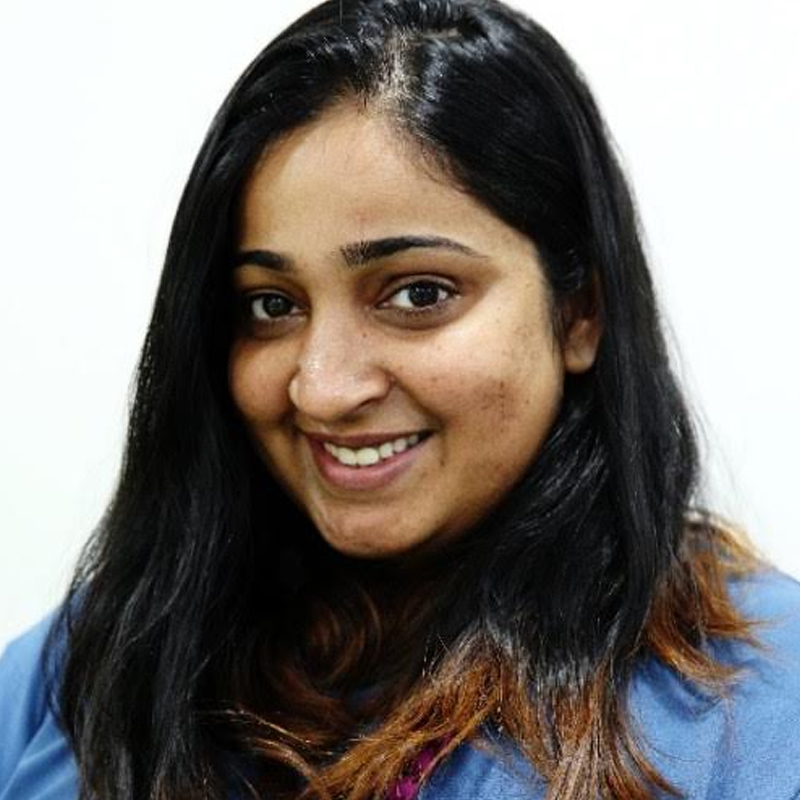
    NEW DELHI- Pharma major Dr. Reddy’s Laboratories Ltd has appointed Reethika Nair as head of digital marketing and e-commerce. She updated her new role on LinkedIn.

    Prior to this, Nair was associated with Lodestar as general manager, handling the integrated marketing strategies of the agency.

    She had a three-year stint with Kimbery Clark in India, formulated the digital growth plan for Huggies, Kotex and also led the digital transformation at the World Gold Council.

    Nair carries over 16 years of experience in marketing and agency where she has worked with some of the biggest digital media agencies like GroupM, Starcom & Interactive Avenues, and was responsible for the content, performance-driven campaigns, media buying & deploying search marketing strategies.