Tag: DOT

  • Rs 30k cr to enhance Jio coverage; A-G clears DoT’s power to penalise telcos

    Rs 30k cr to enhance Jio coverage; A-G clears DoT’s power to penalise telcos

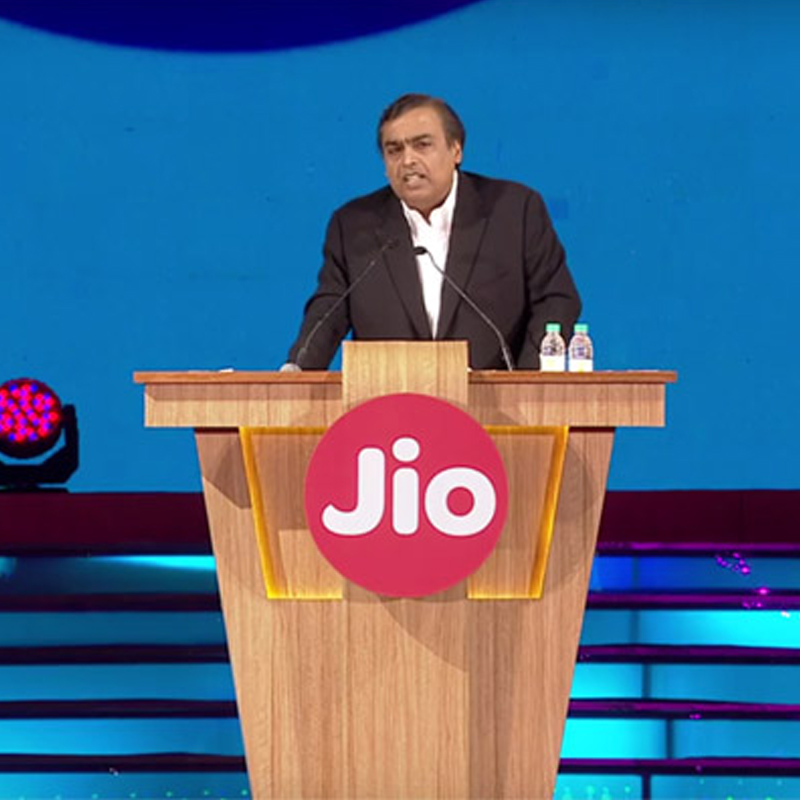
    MUMBAI: Even as India’s attorney-general cleared a Rs 3,050 crore penal action against the leading telcos, Reliance CMD Mukesh Ambani is planning to infuse Rs 30,000 crore in Reliance Jio telecom venture which has caused a major disruption in India’s fiercely-competitive mobile market.

    The attorney-general is understood to have opined that the Department of Telecom (DoT) has the power to impose penalty on grounds of poor quality of service of telecom operators Vodafone, Bharti Airtel and Idea Cellular, sources told PTI.

    Reliance Jio, which reportedly had a subscriber base of 72.4 million at 2016-end, plans to collect funds via a rights issue that was approved at a recent board meeting, the Times of India reported.

    In view of the unprecedented customer response and to address the anticipated growth in demand for digital services, Jio stated, additional investments were proposed to be made into the network to enhance its capacity and coverage. The new funds will come on top of the Rs 1.7 lakh crore that Reliance Jio has already invested.

    The rights issue has been planned to be for six billion nine per cent non-cumulative optionally convertible preference shares (OCPS) of Rs 10 each for cash, at a premium of Rs 40 per OCPS. The amount subscribed/paid on each OCPS will be either redeemed at Rs 50 or converted into five equity shares of Rs 10 each at any time at the option of the company, but not later than 10 years from the date of allotment.

    The new entrant Jio caused a considerable disruption in the space. In broadband services, with 35.94 million (3.594 crore), Jio had, in October 2016, joined the top five subscribers list. No matter it is working out to the benefit of the consumer and helping the industry expand albeit at a much lower cost to the end-user, well-entrenched rivals now are on a slippery wicket. Meanwhile, other telecom operators in the country are scrambling to catch up.

    Telecom tribunal TDSAT has ordered the Telecom Regulatory Authority of India (TRAI) to take a stand on Reliance Jio’s free 4G offer in reasonable time. A tribunal bench heard arguments of both sides — TRAI and Airtel — and posted the matter for 1 February.

    Reliance Jio earlier chose not to respond to queries regarding its reply to TRAI in connection with questions raised against alleged violations in extending its free offer till 31 March 2017 much beyond its introductory offer. Airtel had filed a petition before TDSAT accusing TRAI of being ‘sleeping trustee’ and a ‘mute spectator’ to the violations carried out by Jio.

    Also Read:

    Darwin effect: 3-4 telcos may Jio after potential M&As

    Jio HNY: TDSAT raps TRAI as contest deepens

    Respond to Vodafone’s TRAI challenge in two weeks, govt directed
     

  • TRAI issues fresh paper seeking views on Net Neutrality definition

    TRAI issues fresh paper seeking views on Net Neutrality definition

    NEW DELHI: India’s telecoms regulator Telecom Regulatory Authority of India (TRAI) yesterday floated another consultation paper on Net Neutrality (NN) seeking to establish a framework that allows Internet users the `freedom of expression’ and non discriminatory access to the Net.

    In the discussion paper, TRAI stated having identified the India-specific context, the next challenge is to examine what should be the country’s policy response on issues relating to any form of discriminatory treatment in the provision of access to the Internet and seeks views on framing a regulatory framework that would ensure that access to content on the internet is neither ‘blocked’, ‘throttled’ nor ‘preferentially treated’ by ISPs and telecom service providers (TSPs).

    “The idea of equal or nondiscriminatory treatment of traffic that flows on the Internet resonates in the NN principles adopted by various jurisdictions, although the term itself does not necessary feature in their regulatory instruments. The EU regulations, for instance, create ‘common rules to safeguard equal and nondiscriminatory treatment of traffic’ without expressly using the term NN. Given that key terms such as `equal treatment’ are still contested, many have urged against a rigid definition of NN. This was also the view expressed by the DoT (Department of Telecoms) committee in its report where it stated that ‘the crux of the matter is that we need not hard code the definition of Net Neutrality but assimilate the core principles of Net Neutrality and shape the actions around them’,” TRAI said in the consultation paper.

    The issue of Net Neutrality has been occupying Indian mind space for the last 13 months with pro and anti neutrality views floating around without actually addressing the issue that is also a topic of debate in developed markets like the US, Europe and in Asia. TRAI, which has dealt with the issue in a piecemeal fashion (zero rating plans), for example, earlier in 2016, refers to US regulator FCC stand on the issue in its present paper. However, with a new government led by President-elect Trump to take over later this month, even FCC stand may change on the issue of Net Neutrality.

    Some of the questions raised by TRAI in its present 60+ pages paper on Net Neutrality include the following:

    # How should “Internet traffic” and providers of “Internet services” be un-derstood in the NN context?

    # Should certain types of specialised services, enterprise solutions, Inter¬net of Things, etc be excluded from its scope?

    How should such terms be defined?

    # How should services provided by content delivery networks and direct interconnection arrangements be treated?

    # In the Indian context, which of the following regulatory approaches would
    be preferable?

    # Whether and how should different categories of traffic be objectively defined from a technical point of view for this purpose?

    # Should application-specific discrimination within a category of traffic be viewed more strictly than discrimination between categories?

    # How should preferential treatment of particular content, activated by a users choice and without any arrangement between a telecom service provider and content provider be treated?

    The paper, however, does seem to highlight that telecom service providers have to deploy certain traffic management practices to ensure that the wireless networks are able to maintain a certain quality of standards. Hence, it also attempts to establish the framework for what it calls “reasonable traffic management practices” to ensure the wireless networks do not get choked or congested, Economic Times reported yesterday evening on its website.

    All stakeholders will have to give in their responses by February 28, 2017after which the telecom regulator will deliberate upon the responses and make its final recommendations to the government.

    ALSO READ

    “There would be a lot on TRAI’s plate in 2017” – RS Sharma

    Free data, net neutrality: Discussion on TRAI paper to be held

    Net Neutrality: Reactions from the consumers provide deep insights

    Net Neutrality: TRAI receives a million mails, Indians awaits judgment day

  • TRAI issues fresh paper seeking views on Net Neutrality definition

    TRAI issues fresh paper seeking views on Net Neutrality definition

    NEW DELHI: India’s telecoms regulator Telecom Regulatory Authority of India (TRAI) yesterday floated another consultation paper on Net Neutrality (NN) seeking to establish a framework that allows Internet users the `freedom of expression’ and non discriminatory access to the Net.

    In the discussion paper, TRAI stated having identified the India-specific context, the next challenge is to examine what should be the country’s policy response on issues relating to any form of discriminatory treatment in the provision of access to the Internet and seeks views on framing a regulatory framework that would ensure that access to content on the internet is neither ‘blocked’, ‘throttled’ nor ‘preferentially treated’ by ISPs and telecom service providers (TSPs).

    “The idea of equal or nondiscriminatory treatment of traffic that flows on the Internet resonates in the NN principles adopted by various jurisdictions, although the term itself does not necessary feature in their regulatory instruments. The EU regulations, for instance, create ‘common rules to safeguard equal and nondiscriminatory treatment of traffic’ without expressly using the term NN. Given that key terms such as `equal treatment’ are still contested, many have urged against a rigid definition of NN. This was also the view expressed by the DoT (Department of Telecoms) committee in its report where it stated that ‘the crux of the matter is that we need not hard code the definition of Net Neutrality but assimilate the core principles of Net Neutrality and shape the actions around them’,” TRAI said in the consultation paper.

    The issue of Net Neutrality has been occupying Indian mind space for the last 13 months with pro and anti neutrality views floating around without actually addressing the issue that is also a topic of debate in developed markets like the US, Europe and in Asia. TRAI, which has dealt with the issue in a piecemeal fashion (zero rating plans), for example, earlier in 2016, refers to US regulator FCC stand on the issue in its present paper. However, with a new government led by President-elect Trump to take over later this month, even FCC stand may change on the issue of Net Neutrality.

    Some of the questions raised by TRAI in its present 60+ pages paper on Net Neutrality include the following:

    # How should “Internet traffic” and providers of “Internet services” be un-derstood in the NN context?

    # Should certain types of specialised services, enterprise solutions, Inter¬net of Things, etc be excluded from its scope?

    How should such terms be defined?

    # How should services provided by content delivery networks and direct interconnection arrangements be treated?

    # In the Indian context, which of the following regulatory approaches would
    be preferable?

    # Whether and how should different categories of traffic be objectively defined from a technical point of view for this purpose?

    # Should application-specific discrimination within a category of traffic be viewed more strictly than discrimination between categories?

    # How should preferential treatment of particular content, activated by a users choice and without any arrangement between a telecom service provider and content provider be treated?

    The paper, however, does seem to highlight that telecom service providers have to deploy certain traffic management practices to ensure that the wireless networks are able to maintain a certain quality of standards. Hence, it also attempts to establish the framework for what it calls “reasonable traffic management practices” to ensure the wireless networks do not get choked or congested, Economic Times reported yesterday evening on its website.

    All stakeholders will have to give in their responses by February 28, 2017after which the telecom regulator will deliberate upon the responses and make its final recommendations to the government.

    ALSO READ

    “There would be a lot on TRAI’s plate in 2017” – RS Sharma

    Free data, net neutrality: Discussion on TRAI paper to be held

    Net Neutrality: Reactions from the consumers provide deep insights

    Net Neutrality: TRAI receives a million mails, Indians awaits judgment day

  • Respond to Vodafone’s TRAI challenge in two weeks, govt directed

    Respond to Vodafone’s TRAI challenge in two weeks, govt directed
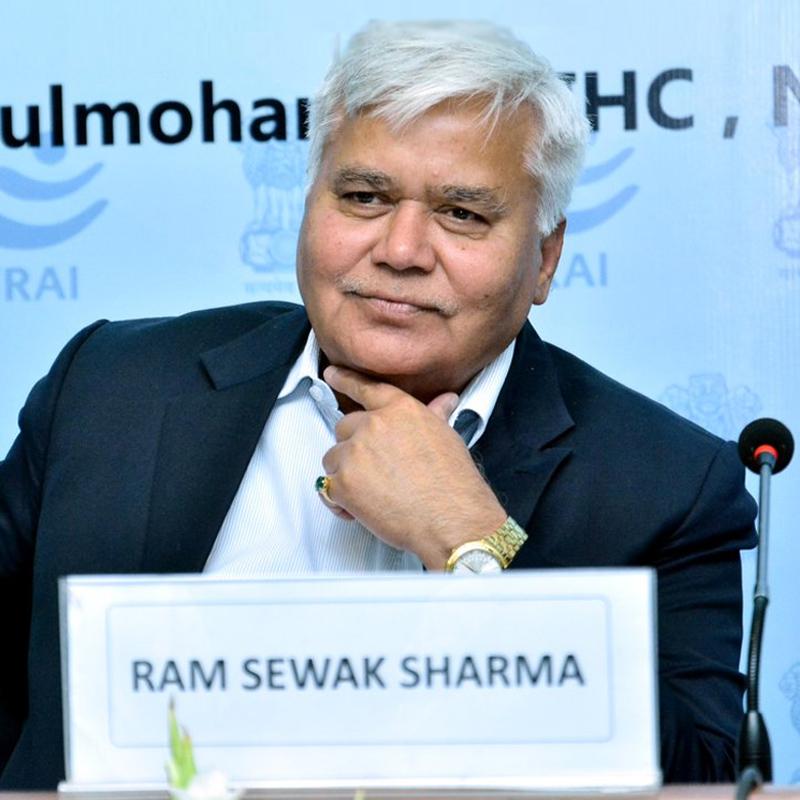
    MUMBAI: Terming it as “premature”, the central government has opposed a plea by the telecom major Vodafone Mobile Services challenging TRAI’s recommendation to impose Rs 1,050 crore penalty for not providing interconnectivity to Reliance Jio.

    The government rejected the plea by Vodafone, which operates in 21 circles, against a penalty of Rs 50 crore per telecom circle recommended by TRAI. The Telecom Regulatory Authority of India had suggested the penalty on grounds that Vodafone had violated terms and conditions relating to points of interconnection among service providers.

    Additional solicitor-general Sanjay Jain, appearing on behalf of the Centre, said that since the role of TRAI was advisory, what material did the telecom company had to show that the Centre’s decision would be clouded by the recommendation.

    Justice Sanjeev Sachdeva, who was hearing the matter, directed the Centre to file a short affidavit within two weeks and limit it to the question of maintainability of the suit.

    TRAI recommendation was made to DoT (department of telecommunications), and is based on a complaint by Reliance Jio Infocomm Ltd, which alleged that Vodafone had refused to comply with interconnection norms. TRAI had also recommended a similar penalty on Bharti Airtel and Idea Cellular Ltd.

    Senior advocate Rajiv Nayar, appearing for Vodafone, urged the court to decide whether TRAI exceeded its jurisdiction by giving the recommendation. The telecom argued that TRAI has the power to impose “financial disincentives” for breach of Quality of Service regulations and to ensure compliance of terms and conditions of licence.

    The ASG opposed the maintainability of the petition, saying once DoT took a decision, then it was an appealable order.

    The court gave the telecom ministry and TRAI two weeks to file their reply on the issue of maintainability and listed it for hearing on 6 February.

  • Respond to Vodafone’s TRAI challenge in two weeks, govt directed
    Respond to Vodafone’s TRAI challenge in two weeks, govt directed

    MUMBAI: Terming it as “premature”, the central government has opposed a plea by the telecom major Vodafone Mobile Services challenging TRAI’s recommendation to impose Rs 1,050 crore penalty for not providing interconnectivity to Reliance Jio.

    The government rejected the plea by Vodafone, which operates in 21 circles, against a penalty of Rs 50 crore per telecom circle recommended by TRAI. The Telecom Regulatory Authority of India had suggested the penalty on grounds that Vodafone had violated terms and conditions relating to points of interconnection among service providers.

    Additional solicitor-general Sanjay Jain, appearing on behalf of the Centre, said that since the role of TRAI was advisory, what material did the telecom company had to show that the Centre’s decision would be clouded by the recommendation.

    Justice Sanjeev Sachdeva, who was hearing the matter, directed the Centre to file a short affidavit within two weeks and limit it to the question of maintainability of the suit.

    TRAI recommendation was made to DoT (department of telecommunications), and is based on a complaint by Reliance Jio Infocomm Ltd, which alleged that Vodafone had refused to comply with interconnection norms. TRAI had also recommended a similar penalty on Bharti Airtel and Idea Cellular Ltd.

    Senior advocate Rajiv Nayar, appearing for Vodafone, urged the court to decide whether TRAI exceeded its jurisdiction by giving the recommendation. The telecom argued that TRAI has the power to impose “financial disincentives” for breach of Quality of Service regulations and to ensure compliance of terms and conditions of licence.

    The ASG opposed the maintainability of the petition, saying once DoT took a decision, then it was an appealable order.

    The court gave the telecom ministry and TRAI two weeks to file their reply on the issue of maintainability and listed it for hearing on 6 February.

  • Telcos’ carbon footprint: TRAI may seek reduction, green tech soon

    Telcos’ carbon footprint: TRAI may seek reduction, green tech soon

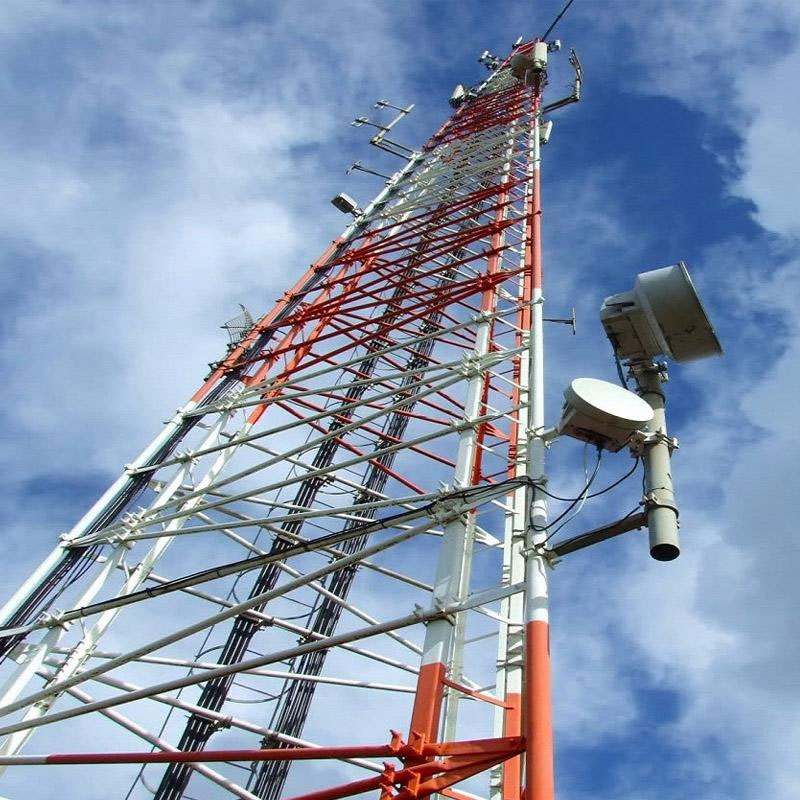
    MUMBAI: Telecom regulator TRAI is seeking to come out with a consultation paper that would review issues related to reduction in carbon footprint for the telecom infrastructure that includes mobile towers. A TRAI source said the green telecommunication discussion topics are expected to be finalised over next few weeks after a reference from the DoT (Department of Telecom.)

    (Owing mainly to several policy reforms, telecom sector investments in India meanwhile are expected to reach Rs 68,000 crore (approx US$ 10 billion) this fiscal year, according to telecom secretary J S Deepak, which is approx a 670 per cent increase since FY16.)

    DoT had asked TRAI to review the targets that had been stated earlier with regard to percentage of towers to be powered by hybrid energy in a time-bound manner, and the methodology of calculation of carbon footprint from the telecom networks, including base transceiver station (BTS), the TRAI source said, PTI reported.

    It said that the consultation paper would be the next step in the regulator’s previous recommendations of 2011 on the subject. TRAI had recommended to the government to reduce carbon footprint by mobile operators, which was accepted by the government, and the latter had issued directions with regard to targets through use of green technologies.

    However, the telecom operators had concerns about the capex related to conversion of BTS into green towers through the use of hybrid energy and other means, the source pointed out. The new consultation paper would review methodology of calculation and the milestone (of carbon footprint).

    TRAI had, in 2011, sought industry views on issues such as — how should the carbon footprint of the telecom industry be judged; how should carbon credit policy be evolved, and the time-frame for implementing.

    It had sought views on issues such as what proportion of non-grid power supply to towers in rural areas could be anticipated to be through renewable sources of energy, and a relevant metric for certifying a product as green. It had also sought from the industry an estimate of the carbon footprint of the mobile, fixed and broadband networks.

    TRAI had, in the paper, noted that the growing infrastructure required more electricity. Part of the power came from the grid and remainder through burning of fossil. Both sources contributed to negative eco effects.

  • Telcos’ carbon footprint: TRAI may seek reduction, green tech soon

    Telcos’ carbon footprint: TRAI may seek reduction, green tech soon

    MUMBAI: Telecom regulator TRAI is seeking to come out with a consultation paper that would review issues related to reduction in carbon footprint for the telecom infrastructure that includes mobile towers. A TRAI source said the green telecommunication discussion topics are expected to be finalised over next few weeks after a reference from the DoT (Department of Telecom.)

    (Owing mainly to several policy reforms, telecom sector investments in India meanwhile are expected to reach Rs 68,000 crore (approx US$ 10 billion) this fiscal year, according to telecom secretary J S Deepak, which is approx a 670 per cent increase since FY16.)

    DoT had asked TRAI to review the targets that had been stated earlier with regard to percentage of towers to be powered by hybrid energy in a time-bound manner, and the methodology of calculation of carbon footprint from the telecom networks, including base transceiver station (BTS), the TRAI source said, PTI reported.

    It said that the consultation paper would be the next step in the regulator’s previous recommendations of 2011 on the subject. TRAI had recommended to the government to reduce carbon footprint by mobile operators, which was accepted by the government, and the latter had issued directions with regard to targets through use of green technologies.

    However, the telecom operators had concerns about the capex related to conversion of BTS into green towers through the use of hybrid energy and other means, the source pointed out. The new consultation paper would review methodology of calculation and the milestone (of carbon footprint).

    TRAI had, in 2011, sought industry views on issues such as — how should the carbon footprint of the telecom industry be judged; how should carbon credit policy be evolved, and the time-frame for implementing.

    It had sought views on issues such as what proportion of non-grid power supply to towers in rural areas could be anticipated to be through renewable sources of energy, and a relevant metric for certifying a product as green. It had also sought from the industry an estimate of the carbon footprint of the mobile, fixed and broadband networks.

    TRAI had, in the paper, noted that the growing infrastructure required more electricity. Part of the power came from the grid and remainder through burning of fossil. Both sources contributed to negative eco effects.

  • Govt made Rs 2152 cr less than expected from spectrum sale

    Govt made Rs 2152 cr less than expected from spectrum sale

    MUMBAI: The government raised Rs 32434.10 crore upfront from the spectrum auction this year, against the Rs 43586 cr that the Telecom Department had projected. That is a difference of Rs 2152 cr.

    Telecom minister Manoj Sinha stated in the Rajya Sabha that, for 2016-17, DoT estimated Rs 34,586 crore from spectrum auction which was raised by the finance ministry to Rs 63,580.92 crore. Against DoT’s projection of Rs 34,586 crore, Rs 32,434.10 crore had been collected as upfront payment from 2016 auction.

    The final revenue expected from airwaves auction was based on the base price of each band of spectrum in each licenced service area put to auction, fixed by the government on the recommendation of TRAI, the minister explained.

    However, budgetary target projection by DoT can be considered as the revenue target from spectrum auction. Total revenue government raised from the sale of airwaves in 2016 was Rs 65,789.12 crore, the minister added.

  • Govt made Rs 2152 cr less than expected from spectrum sale

    Govt made Rs 2152 cr less than expected from spectrum sale

    MUMBAI: The government raised Rs 32434.10 crore upfront from the spectrum auction this year, against the Rs 43586 cr that the Telecom Department had projected. That is a difference of Rs 2152 cr.

    Telecom minister Manoj Sinha stated in the Rajya Sabha that, for 2016-17, DoT estimated Rs 34,586 crore from spectrum auction which was raised by the finance ministry to Rs 63,580.92 crore. Against DoT’s projection of Rs 34,586 crore, Rs 32,434.10 crore had been collected as upfront payment from 2016 auction.

    The final revenue expected from airwaves auction was based on the base price of each band of spectrum in each licenced service area put to auction, fixed by the government on the recommendation of TRAI, the minister explained.

    However, budgetary target projection by DoT can be considered as the revenue target from spectrum auction. Total revenue government raised from the sale of airwaves in 2016 was Rs 65,789.12 crore, the minister added.

  • TRAI norms violated in VoIP minutes sale

    TRAI norms violated in VoIP minutes sale

    MUMBAI: Norms set by the Telecom Regulatory Authority of India norms were flouted in the sale of voice-over-internet-protocol (VoIP) minutes to illegal call centres in Ahmedabad. An official said that TRAI offered VoIP bandwidth for a certain fee to licence-holders.

    A four-member panel of IPS officers led by Ahmedabad police chief A K Singh, formed to investigate the bogus ‘call centre’ racket, is probing how the TRAI norms were violated in the sale of VoIP minutes to illegal call centres. Illicit call centres utilised VoIP minutes to defraud US citizens worth lakhs a few days ago.

    TRAI had earlier this year planned to set inter-connection charges for Voice over Internet Protocol (VoIP) calls once the Department of Telecom (DoT) amended the relevant clause. The regulator suggested amending the licence provision for inter-connection at the IP level, which would ease Internet-based calls, alternatively known as VoIP calls.

    Officials in Ahmedabad (Gujarat) were studying how other regulatory norms were violated by the alleged racketeers. Other agencies such as the department of industries and department of science and technology could keep a watch on such centres. A police officer said the alleged nexus between the accused and the police was also being probed.

    The crime branch last week arrested Hardik Patel (a namesake of the controversial Patel leader), who had allegedly sold the minutes to a call centre in the Chandkheda area of Ahmedabad. Officials are investigating if Patel had a licence to sell VoIP minutes or if he purchased them from another licence-holder and then sold them to one Pritesh Joshi who managed call centre.

    A telecom company is required to pay inter-connection charges when its subscriber makes a call to one on another network. The charge gets added up in the final price, which the subscriber has to pay. At present, there are no inter-connection charges for VoIP calls as the licence did not have a clause for inter-connection at IP level.

    There was no means of determining the charges till the time licence is amended. Recommending to amend the licence, TRAI said there was no explicit clause relating to inter-connection at the IP level. Since IP-based networks, the regulator said, are continuing to grow, and traditional circuit switch networks are being slowly phased out, there is a requirement to facilitate inter-connection.