Tag: DNA

  • ZMCL to demerge print biz into DMCL, list; approves new home shopping channel

    ZMCL to demerge print biz into DMCL, list; approves new home shopping channel

    MUMBAI: The board of directors of ZMCL has inter alia approved a draft of Scheme of Arrangement and Amalgamation for demerger of print media undertaking of the company into Diligent Media Corporation Limited (DMCL), merger of Mediavest India Private Limited and Pri Media Services Private Limited into DMCL and merger of Maurya TV Private Limited with the Company. As a part of the Scheme, the equity shares of DMCL shall be listed on stock exchanges.

    Newspaper Launch: The Network launched the Delhi edition of DNA on 11 October 2016.

    DNA launched with a promise. “We won’t compromise on the quality and integrity of journalism. You won’t find a story where we have sold our soul to make money and sold it to you as news,” wrote the editor-in-chief of the newspaper on the front page of the first issue of the 32-page paper priced at Rs 10. He further promised that the spanking new newspaper will change the rules of the game. DNA’s Delhi debut has, interestingly, took the media fraternity, including top media buyers at advertising agencies, by surprise.

    Delhi is a bigger print media market than Mumbai. Of Rs 5,100 crore invested into advertising in newspapers in Delhi and Mumbai, 60% goes into print brands in the capital. The English print market in Delhi is estimated to be at Rs 1,700 crore.

    Acquisition: Subsequent to September 30, 2016, the company has acquired 49 per cent stake in Today Merchandise Private Limited and Today Retail Network Private Limited and the Board of Directors today approved in-principle launch of a Home Shopping channel by the company.

  • Q2-17: Zee Media operating profit up

    Q2-17: Zee Media operating profit up

    BENGALURU: The Essel Group’s news network Zee Media Corporation Limited (ZMCL) reported more than double (2.47 times) year-over-year (y-o-y) operating profit (Simple EBIDTA) for the quarter ended 30 September 2016 (Q2-17, current quarter) . The company reported EBIDTA of Rs 18 crore (14.3 per cent of Total Income from Operations or TIO) in Q2-17 as compared to Rs 7.28 crore (5.7 per cent of TIO) in the corresponding year ago quarter. The company’s EBIDTA grew 1.6 per cent quarter-over-quarter (q-o-q) from Rs 17.71 crore (13.8 per cent of TIO) in the immediate trailing quarter.

    Revenue breakup

    ZMCL’s TIO in the current quarter was almost flat y-o-y as well as q-o-q. The company reported 0.7 per cent y-o-y decline in Q2-17 at Rs 126.15 crore as compared to Rs 127.05 crore and a 1.6 per cent q-o-q decline from Rs 128.24 crore.

    ZMCL reported an 8.3 per cent y-o-y growth in advertising revenue in Q2-17 at Rs 98.24 crore (77.9 per cent of TIO) as compared to Rs 90.69 crore, but a 4 per cent q-o-q decline from Rs 102.35 crore. Advertising revenue from ZMCL’s existing channels increased 17.7 per cent y-o-y in Q2-17 to Rs 77.63 crore from Rs 65.93 crore but declined 3 per cent q-o-q from Rs 80.01 crore. Advertising revenue from new channels increased 6.3 per cent y-o-y in Q2-17 to Rs 7.08 crore from Rs 6.66 crore, but declined 2.9 per cent q-o-q from Rs 7.29 crore

    Since 1 June, 2016, the company’s flagship channel Zee News became free-to-air (FTA). Subscription revenue in the current quarter declined 39.9 per cent y-o-y to Rs 16.37 crore (13 per cent of TIO) from Rs 27.24 crore (21.4 per cent of TIO) and declined 8.4 per cent q-o-q from Rs 17.89 crore (14 per cent of TIO).

    Subscription revenues from Existing channels declined 42.3 per cent y-o-y to Rs 14.09 crore from Rs 24.44 crore and declined 9 per cent q-o-q from Rs 15.48 crore.

    Other sales and services revenue increased 26.8 per cent q-o-q to Rs 11.55 crore (9.2 per cent of TIO) from Rs 9.11 crore (7.2 per cent of TIO) and increased 44.4 per cent from Rs 8 crore in the immediate trailing quarter. Other revenues for existing channels declined 45.9 per cent y-o-y to Rs 1.77 crore from Rs 3.27 crore, but increased 14.2 per cent from Rs 1.55 crore.

    Business Revenue breakup

    Revenue from ZMCL’s Television Broadcasting Busin ess (TV Business) was flat y-o-y (increased by 0.3 per cent) at Rs 100.57 crore as compared to Rs 100.30 crore, but declined 3.6 per cent q-o-q from Rs 104.34 crore. The TV Business reported more than sevenfold (7.41 times) y-o-y increase in operating profit at Rs 13.89 crore as compared to Rs1.88 crore, but a 6.1 per cent q-o-q decline from Rs 104.34 crore.

    Revenue from ZMCL’s print business was almost flat (increased 0.7 per cent) y-o-y at Rs 30.26 crore vis-à-vis Rs 30.03 crore and increased 4.3 per cent q-o-q from Rs 29 crore. The business reported lower y-o-y operating loss of Rs 5.88 crore as compared to Rs 6.86 crore. ZMCL’s print business had reported a lower operating loss of Rs 3.79 crore in Q1-17.

    A look at the other numbers reported by ZMCL

    ZMCL reported a lower y-o-y loss of Rs 18.04 crore in the current quarter as compared to a loss of Rs 19.86 crore in the corresponding year ago quarter. The company had reported a profit after tax of Rs 0.09 crore for the immediate trailing quarter. In may be noted that ZMCL has incurred an exceptional loss of Rs 18.88 crore due to sale of land and buildings of a subsidiary in the current quarter.

    The company has controlled its total expenditure in Q2-17, which declined 11 per cent y-o-y to Rs 118.22 crore (93.7 per cent of TIO) as compared to Rs 132.79 crore (104.5 per cent of TIO) and was 2.2 per cent lower q-o-q as compared to Rs 120.83 crore.

    Cost of Raw materials consumed in the current quarter declined 18 per cent y-o-y to Rs 10.32 crore (8.2 per cent of TIO) as compared to Rs 12.59 crore (9.9 per cent of TIO) but was 2.1 per cent more q-o-q than Rs 10.11 crore (7.9 per cent of TIO).

    Employee Benefits Expenses in the current quarter declined 19.8 per cent y-o-y to Rs 30.45 crore (24.1 per cent ofTIO) from Rs 31.92 crore (29.9 per cent of TIO) and was 4.6 per cent lower q-o-q than the Rs 38.60 crore (24.9 per cent of TIO) in the immediate trailing quarter.

    ZMCL’s Marketing, Distribution and Business Promotion Expenses (Marketing expenses) in the current quarter declined 45.9 per cent y-o-y to Rs 13.52 crore (10.7 per cent of TIO) from Rs 24.97 crore (19.6 per cent of TIO) and declined 15.8 per cent q-o-q from Rs 16.05 crore (12.5 per cent of TIO).

    Operational costs in Q2-17 increased 11.4 per cent y-o-y to Rs 23.55 crore (18.7 per cent of TIO) from Rs 21.14 crore (16.6 per cent of TIO) and increased 26.1 per cent q-o-q from Rs 18.67 crore (14.6 per cent of TIO).

    Other expense in Q2-17 increased 31.3 per cent y-o-y to Rs 30.31 crore (24 per cent of TIO) from Rs 23.08 crore (18.2 per cent of TIO) but declined 21.3 per cent q-o-q from Rs 38.51 crore (30 per cent of TIO).


  • Q2-17: Zee Media operating profit up

    Q2-17: Zee Media operating profit up

    BENGALURU: The Essel Group’s news network Zee Media Corporation Limited (ZMCL) reported more than double (2.47 times) year-over-year (y-o-y) operating profit (Simple EBIDTA) for the quarter ended 30 September 2016 (Q2-17, current quarter) . The company reported EBIDTA of Rs 18 crore (14.3 per cent of Total Income from Operations or TIO) in Q2-17 as compared to Rs 7.28 crore (5.7 per cent of TIO) in the corresponding year ago quarter. The company’s EBIDTA grew 1.6 per cent quarter-over-quarter (q-o-q) from Rs 17.71 crore (13.8 per cent of TIO) in the immediate trailing quarter.

    Revenue breakup

    ZMCL’s TIO in the current quarter was almost flat y-o-y as well as q-o-q. The company reported 0.7 per cent y-o-y decline in Q2-17 at Rs 126.15 crore as compared to Rs 127.05 crore and a 1.6 per cent q-o-q decline from Rs 128.24 crore.

    ZMCL reported an 8.3 per cent y-o-y growth in advertising revenue in Q2-17 at Rs 98.24 crore (77.9 per cent of TIO) as compared to Rs 90.69 crore, but a 4 per cent q-o-q decline from Rs 102.35 crore. Advertising revenue from ZMCL’s existing channels increased 17.7 per cent y-o-y in Q2-17 to Rs 77.63 crore from Rs 65.93 crore but declined 3 per cent q-o-q from Rs 80.01 crore. Advertising revenue from new channels increased 6.3 per cent y-o-y in Q2-17 to Rs 7.08 crore from Rs 6.66 crore, but declined 2.9 per cent q-o-q from Rs 7.29 crore

    Since 1 June, 2016, the company’s flagship channel Zee News became free-to-air (FTA). Subscription revenue in the current quarter declined 39.9 per cent y-o-y to Rs 16.37 crore (13 per cent of TIO) from Rs 27.24 crore (21.4 per cent of TIO) and declined 8.4 per cent q-o-q from Rs 17.89 crore (14 per cent of TIO).

    Subscription revenues from Existing channels declined 42.3 per cent y-o-y to Rs 14.09 crore from Rs 24.44 crore and declined 9 per cent q-o-q from Rs 15.48 crore.

    Other sales and services revenue increased 26.8 per cent q-o-q to Rs 11.55 crore (9.2 per cent of TIO) from Rs 9.11 crore (7.2 per cent of TIO) and increased 44.4 per cent from Rs 8 crore in the immediate trailing quarter. Other revenues for existing channels declined 45.9 per cent y-o-y to Rs 1.77 crore from Rs 3.27 crore, but increased 14.2 per cent from Rs 1.55 crore.

    Business Revenue breakup

    Revenue from ZMCL’s Television Broadcasting Busin ess (TV Business) was flat y-o-y (increased by 0.3 per cent) at Rs 100.57 crore as compared to Rs 100.30 crore, but declined 3.6 per cent q-o-q from Rs 104.34 crore. The TV Business reported more than sevenfold (7.41 times) y-o-y increase in operating profit at Rs 13.89 crore as compared to Rs1.88 crore, but a 6.1 per cent q-o-q decline from Rs 104.34 crore.

    Revenue from ZMCL’s print business was almost flat (increased 0.7 per cent) y-o-y at Rs 30.26 crore vis-à-vis Rs 30.03 crore and increased 4.3 per cent q-o-q from Rs 29 crore. The business reported lower y-o-y operating loss of Rs 5.88 crore as compared to Rs 6.86 crore. ZMCL’s print business had reported a lower operating loss of Rs 3.79 crore in Q1-17.

    A look at the other numbers reported by ZMCL

    ZMCL reported a lower y-o-y loss of Rs 18.04 crore in the current quarter as compared to a loss of Rs 19.86 crore in the corresponding year ago quarter. The company had reported a profit after tax of Rs 0.09 crore for the immediate trailing quarter. In may be noted that ZMCL has incurred an exceptional loss of Rs 18.88 crore due to sale of land and buildings of a subsidiary in the current quarter.

    The company has controlled its total expenditure in Q2-17, which declined 11 per cent y-o-y to Rs 118.22 crore (93.7 per cent of TIO) as compared to Rs 132.79 crore (104.5 per cent of TIO) and was 2.2 per cent lower q-o-q as compared to Rs 120.83 crore.

    Cost of Raw materials consumed in the current quarter declined 18 per cent y-o-y to Rs 10.32 crore (8.2 per cent of TIO) as compared to Rs 12.59 crore (9.9 per cent of TIO) but was 2.1 per cent more q-o-q than Rs 10.11 crore (7.9 per cent of TIO).

    Employee Benefits Expenses in the current quarter declined 19.8 per cent y-o-y to Rs 30.45 crore (24.1 per cent ofTIO) from Rs 31.92 crore (29.9 per cent of TIO) and was 4.6 per cent lower q-o-q than the Rs 38.60 crore (24.9 per cent of TIO) in the immediate trailing quarter.

    ZMCL’s Marketing, Distribution and Business Promotion Expenses (Marketing expenses) in the current quarter declined 45.9 per cent y-o-y to Rs 13.52 crore (10.7 per cent of TIO) from Rs 24.97 crore (19.6 per cent of TIO) and declined 15.8 per cent q-o-q from Rs 16.05 crore (12.5 per cent of TIO).

    Operational costs in Q2-17 increased 11.4 per cent y-o-y to Rs 23.55 crore (18.7 per cent of TIO) from Rs 21.14 crore (16.6 per cent of TIO) and increased 26.1 per cent q-o-q from Rs 18.67 crore (14.6 per cent of TIO).

    Other expense in Q2-17 increased 31.3 per cent y-o-y to Rs 30.31 crore (24 per cent of TIO) from Rs 23.08 crore (18.2 per cent of TIO) but declined 21.3 per cent q-o-q from Rs 38.51 crore (30 per cent of TIO).


  • IBC to Honour NASA at IBC2016 Awards

    IBC to Honour NASA at IBC2016 Awards

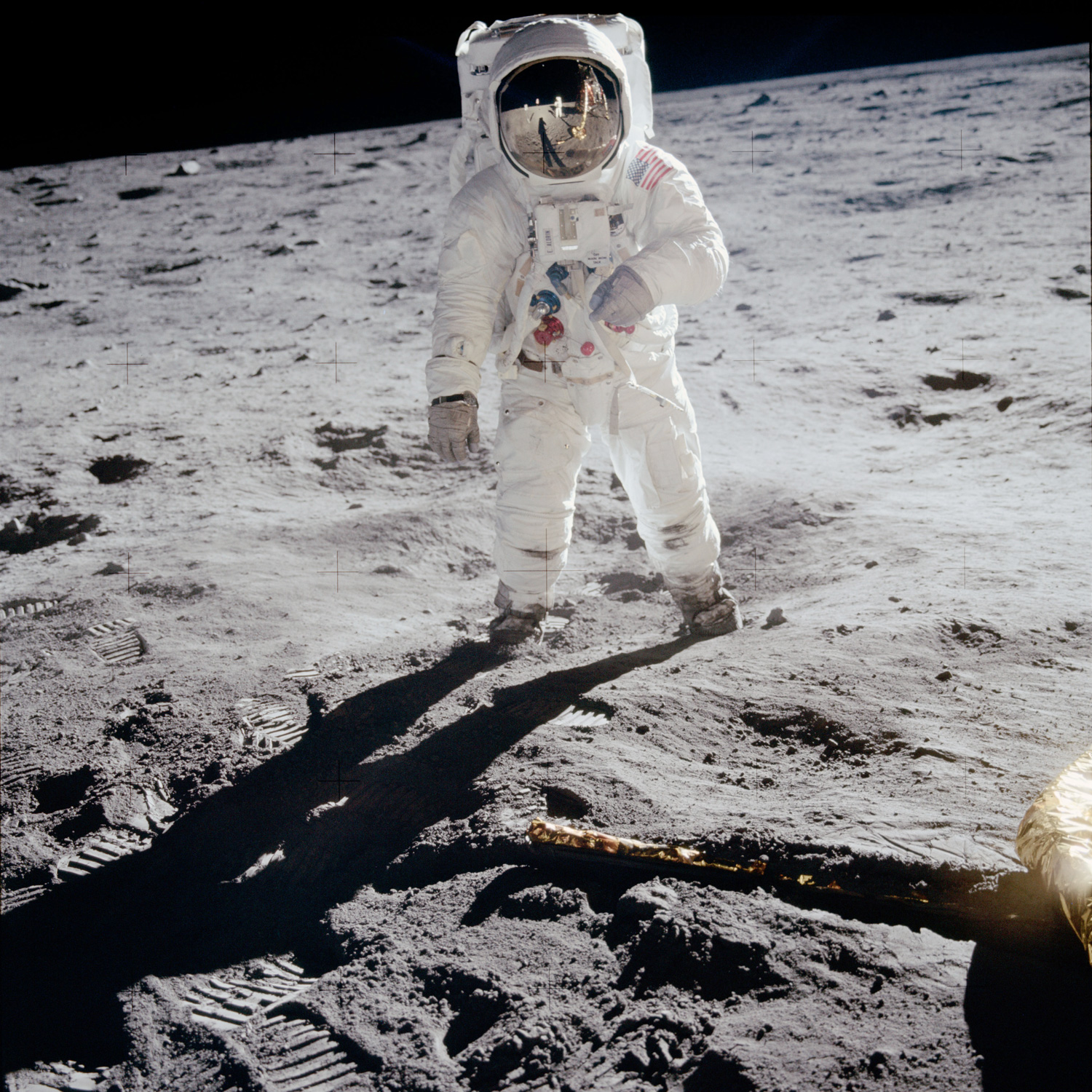
    MUMBAI: IBC announced that it is to give one of its highest awards, the Judges’ Prize, to NASA. Celebrating the achievements of one of the world’s most well known brands, the award will be presented at the ceremony held on Sunday 11 September at the RAI, Amsterdam. NASA’s contribution to the ceremony promises to be literally out of this world.

    From the very beginning, NASA has ensured that every moment of the space exploration programme has been captured, firstly with film cameras and then video, including the globally viewed footage of Neil Armstrong setting foot on the moon in 1969. Today NASA operates a 4K Ultra HD channel and allows viewers to watch footage on a wide range of televisions and internet connected devices.

    The Judges’ Prize is presented to a company or project displaying a unique creative, technical or commercial imagination and past winners include Stereoscopic 3D coverage of the 2010 FIFA World Cup and DNA’s single frequency networks for HD with DVB-T2, which was awarded in 2011. The award will be accepted by Carlos Fontanot, Imagery Manager for the International Space Station and Kelly O. Humphries, the voice of mission control for more than 50 shuttle missions and hundreds of space station activities.

    “It is impossible to understate the importance of NASA’s film and video efforts,” said Michael Crimp, CEO of IBC. “Their engineers and producers have had to overcome massive technical challenges, which has meant close co-operation with suppliers of equipment and systems. The result has been stunning imagery, which has literally changed our view of the world.”

    The IBC Awards Ceremony will take place on Sunday 11 September, and is free for all IBC attendees. Find out more about the awards at IBC.org/awards and register for your IBC2016 pass at IBC.org/register

  • IBC to Honour NASA at IBC2016 Awards

    IBC to Honour NASA at IBC2016 Awards

    MUMBAI: IBC announced that it is to give one of its highest awards, the Judges’ Prize, to NASA. Celebrating the achievements of one of the world’s most well known brands, the award will be presented at the ceremony held on Sunday 11 September at the RAI, Amsterdam. NASA’s contribution to the ceremony promises to be literally out of this world.

    From the very beginning, NASA has ensured that every moment of the space exploration programme has been captured, firstly with film cameras and then video, including the globally viewed footage of Neil Armstrong setting foot on the moon in 1969. Today NASA operates a 4K Ultra HD channel and allows viewers to watch footage on a wide range of televisions and internet connected devices.

    The Judges’ Prize is presented to a company or project displaying a unique creative, technical or commercial imagination and past winners include Stereoscopic 3D coverage of the 2010 FIFA World Cup and DNA’s single frequency networks for HD with DVB-T2, which was awarded in 2011. The award will be accepted by Carlos Fontanot, Imagery Manager for the International Space Station and Kelly O. Humphries, the voice of mission control for more than 50 shuttle missions and hundreds of space station activities.

    “It is impossible to understate the importance of NASA’s film and video efforts,” said Michael Crimp, CEO of IBC. “Their engineers and producers have had to overcome massive technical challenges, which has meant close co-operation with suppliers of equipment and systems. The result has been stunning imagery, which has literally changed our view of the world.”

    The IBC Awards Ceremony will take place on Sunday 11 September, and is free for all IBC attendees. Find out more about the awards at IBC.org/awards and register for your IBC2016 pass at IBC.org/register

  • Indian Screenwriters’ Conference: Star Plus to stop 7-days-a-week soaps, says Gaurav Banerjee

    Indian Screenwriters’ Conference: Star Plus to stop 7-days-a-week soaps, says Gaurav Banerjee

    MUMBAI: What kind of content works on Hindi general entertainment channels? Content that reflects our society or the content that is simply driven by the ratings? Are TV producers making content for dumb audiences or content is making audiences dumb? Why we don’t talk about the economy or politics on TV shows? Why are we so much focused on saas-bahu sagas? And most importantly in today’s TV who is telling the story, a producer, writer, broadcaster or a programming team or a research team?

    The Film Writers’ Association had a session entitled Serial Killer during the ongoing fourth edition of the Indian Screenwriters Conference 2016 in Mumbai in a bid to get some answers.

    And to answer all these questions, you could not have had a better set of panelists than Star India deputy chief creative officer Gaurav Banerjee, Epic TV head of content Ravina Kohli, Balika Vadhu writer Purnendu Shekhar, Sasural Simar Ka and Saathiya writer Ved Raj and Sasural Genda Phool’s writer Zama Habib to get some answers.

    The session was moderated by Saurabh Tewari who runs a production house named after himself, but in earlier avatars had donned the hat of a fiction programmer when he worked at Colors and the now defunct Imagine TV.

    The highlight of the session was the admission on a public forum by by Gaurav on a public forum that Star Plus may have erred by starting the mad race of pursuing seven days of soap and drama every week from the five day formula earlier.

    He admitted: “I confess that it was a mistake because we reduced the ideation time of writers and of actors as well. We thought that we could manage the workload and it won’t affect the product that we deliver but unfortunately we were thinking of the TV industry as a pizza delivery service which was a big mistake.”

    He also that announced that from next month Star Plus would stop airing seven days a week programming.

    Tewari set the ball rolling for the session by appreciating the kind of work and content that both Star Plus and Epic were churning out. He spoke especially in reference to Epic TV as it had carved out its own identity. “TV ratings should not always be the only way to measure the content and the feel of channel,” he opined.

    “Epic, since its beginning had a particular DNA which was supposed to be followed and we tried to stick to that goal and it’s been a struggle,” expressed a hapless Kohli. “We have received great feedback, people appreciated our work but what we don’t have, are ratings.”

    Often it so happens that the content is strong and good but it fails to garner the desired ratings, hence the broadcaster has to yank it off.

    “We have a very fragmented audience, may be the data that we are getting is not addressing to that group. In Epic TV, I have not made anything that has been driven by TRPs,” explained Kohli.

    There are some channels that have a very niche audience, and they end up doing very well in that specific demographic. We also have shows on Doordarshan, which are doing well as they have a different set of audience, expressed Tewari.

    Getting to the crux of the matter, was Purnendu whose show Balika Vadhu was not only critically-acclaimed but has also done fabulously well commercially for Colors. “When I wrote Balika Vadhu, many said that it’s D Dish content and, on a satellite channel, rural backdrops will not work. But thanks to Ashwini (Yardi, the Colors programming head then) who had the courage to select the show,” shared Shekhar.

    Purnendu thanked Tewari (Tewari was at Colors for a period when Balika Vadhu was on air) and the entire channel team for giving him the freedom to work on the story as in most of the cases, the conflict between the writer and the broadcaster arises because both have different visions.

    Shekhar also expressed his agony that there were only two broadcasters present on the panel. “Only Gaurav and Ravina are representing the broadcaster side and both of them are doing good things with a vision. And the channels on which we see dumb content have no representation today,” he cried out.

    It’s really important to remember that when we talk about the TV content we shouldn’t forget that saas bahu dramas are the most important part of TV today, opined Raj as they are consumed by the masses. There has been a never ending debate on these shows but the truth is because of this, these are in demand.

    Contradicting Purnendu, Raj said: “We have all reached a conclusion that everything that has been happening on primetime is wrong. There is something good in this dumb content. TV is a mass medium and my first responsibility will be for them. I am not a police, teacher or judge and I am not even at that level from where my audiences look dumb to me.”

    Tewari then raised the question that quantity has subsumed quality over the past 10 years. From once a week, the channels have taken soaps and dramas to seven days a week. While this has meant money for all concerned, it is a dangerous trend. Though business is important and producers and broadcasters are in the business of creating content and if the content is suffering due to business pressures then how long will the business itself last? asked Tewari.

    Talking about the TV ratings, Gaurav elaborated: “Our measurement system is not that sophisticated. We have seen major changes in the TV industry when BARC came in and now we have to wait for next level of innovation in TV ratings. If every story is unique then the tool to measure that story should be different. You can’t compare Star Plus with Epic as both the channels serve a different kind of audience.”

    A lot has been said about the low quality of TV content but who is responsible for that, broadcaster, writer, producer or the audience, expressed Gaurav.

    “Saathiya is a very well-written show. There are two types of writing scientific and artificial. But I am totally against what Ved said that you give what audience demands. The producer and writer should create the market why do we follow the market. If you will give something new and different to them that has always worked and will work. Most producers don’t care about the story, all they want channel to approve to the show,” he added.

    Several varying perspectives ruled the well-moderated session. TV is essentially a two-way communication medium. However, innovation in TV content is essential was the conclusion as one needs to inject some amount of reality in the content that is churned out for the masses.
  • Indian Screenwriters’ Conference: Star Plus to stop 7-days-a-week soaps, says Gaurav Banerjee

    Indian Screenwriters’ Conference: Star Plus to stop 7-days-a-week soaps, says Gaurav Banerjee

    MUMBAI: What kind of content works on Hindi general entertainment channels? Content that reflects our society or the content that is simply driven by the ratings? Are TV producers making content for dumb audiences or content is making audiences dumb? Why we don’t talk about the economy or politics on TV shows? Why are we so much focused on saas-bahu sagas? And most importantly in today’s TV who is telling the story, a producer, writer, broadcaster or a programming team or a research team?

    The Film Writers’ Association had a session entitled Serial Killer during the ongoing fourth edition of the Indian Screenwriters Conference 2016 in Mumbai in a bid to get some answers.

    And to answer all these questions, you could not have had a better set of panelists than Star India deputy chief creative officer Gaurav Banerjee, Epic TV head of content Ravina Kohli, Balika Vadhu writer Purnendu Shekhar, Sasural Simar Ka and Saathiya writer Ved Raj and Sasural Genda Phool’s writer Zama Habib to get some answers.

    The session was moderated by Saurabh Tewari who runs a production house named after himself, but in earlier avatars had donned the hat of a fiction programmer when he worked at Colors and the now defunct Imagine TV.

    The highlight of the session was the admission on a public forum by by Gaurav on a public forum that Star Plus may have erred by starting the mad race of pursuing seven days of soap and drama every week from the five day formula earlier.

    He admitted: “I confess that it was a mistake because we reduced the ideation time of writers and of actors as well. We thought that we could manage the workload and it won’t affect the product that we deliver but unfortunately we were thinking of the TV industry as a pizza delivery service which was a big mistake.”

    He also that announced that from next month Star Plus would stop airing seven days a week programming.

    Tewari set the ball rolling for the session by appreciating the kind of work and content that both Star Plus and Epic were churning out. He spoke especially in reference to Epic TV as it had carved out its own identity. “TV ratings should not always be the only way to measure the content and the feel of channel,” he opined.

    “Epic, since its beginning had a particular DNA which was supposed to be followed and we tried to stick to that goal and it’s been a struggle,” expressed a hapless Kohli. “We have received great feedback, people appreciated our work but what we don’t have, are ratings.”

    Often it so happens that the content is strong and good but it fails to garner the desired ratings, hence the broadcaster has to yank it off.

    “We have a very fragmented audience, may be the data that we are getting is not addressing to that group. In Epic TV, I have not made anything that has been driven by TRPs,” explained Kohli.

    There are some channels that have a very niche audience, and they end up doing very well in that specific demographic. We also have shows on Doordarshan, which are doing well as they have a different set of audience, expressed Tewari.

    Getting to the crux of the matter, was Purnendu whose show Balika Vadhu was not only critically-acclaimed but has also done fabulously well commercially for Colors. “When I wrote Balika Vadhu, many said that it’s D Dish content and, on a satellite channel, rural backdrops will not work. But thanks to Ashwini (Yardi, the Colors programming head then) who had the courage to select the show,” shared Shekhar.

    Purnendu thanked Tewari (Tewari was at Colors for a period when Balika Vadhu was on air) and the entire channel team for giving him the freedom to work on the story as in most of the cases, the conflict between the writer and the broadcaster arises because both have different visions.

    Shekhar also expressed his agony that there were only two broadcasters present on the panel. “Only Gaurav and Ravina are representing the broadcaster side and both of them are doing good things with a vision. And the channels on which we see dumb content have no representation today,” he cried out.

    It’s really important to remember that when we talk about the TV content we shouldn’t forget that saas bahu dramas are the most important part of TV today, opined Raj as they are consumed by the masses. There has been a never ending debate on these shows but the truth is because of this, these are in demand.

    Contradicting Purnendu, Raj said: “We have all reached a conclusion that everything that has been happening on primetime is wrong. There is something good in this dumb content. TV is a mass medium and my first responsibility will be for them. I am not a police, teacher or judge and I am not even at that level from where my audiences look dumb to me.”

    Tewari then raised the question that quantity has subsumed quality over the past 10 years. From once a week, the channels have taken soaps and dramas to seven days a week. While this has meant money for all concerned, it is a dangerous trend. Though business is important and producers and broadcasters are in the business of creating content and if the content is suffering due to business pressures then how long will the business itself last? asked Tewari.

    Talking about the TV ratings, Gaurav elaborated: “Our measurement system is not that sophisticated. We have seen major changes in the TV industry when BARC came in and now we have to wait for next level of innovation in TV ratings. If every story is unique then the tool to measure that story should be different. You can’t compare Star Plus with Epic as both the channels serve a different kind of audience.”

    A lot has been said about the low quality of TV content but who is responsible for that, broadcaster, writer, producer or the audience, expressed Gaurav.

    “Saathiya is a very well-written show. There are two types of writing scientific and artificial. But I am totally against what Ved said that you give what audience demands. The producer and writer should create the market why do we follow the market. If you will give something new and different to them that has always worked and will work. Most producers don’t care about the story, all they want channel to approve to the show,” he added.

    Several varying perspectives ruled the well-moderated session. TV is essentially a two-way communication medium. However, innovation in TV content is essential was the conclusion as one needs to inject some amount of reality in the content that is churned out for the masses.
  • Harini Calamur, intellect behind LeEco’s content strategy in India

    Harini Calamur, intellect behind LeEco’s content strategy in India

    MUMBAI: After a successful run with Zee Media Corporation Limited as the head digital content for news, Harini Calamur is enthralled on joining LeEco as the head for original content.

    LeEco has shown signs of aggression and has announced a slew of content initiatives and acquisitions in Asia over the past few months. 

    “It’s a fun place to be in. Content consumption patterns are moving to mobile phones now. It’s exciting to see the increasing demand for intriguing content from Indian viewers. Delivering gripping content to the viewers is pleasing”, says Calamur.

    She is responsible for developing original content for LeEco’s OTT platforms in India across languages and genres. During her tenure with Zee, Calamur conceptualized, designed, and implement a digital news content strategy for all the news brands of the group –dna and Zee News and regional variants. She moved the entities from companion websites to digital products, with loyal audiences and advertisers and also launched the hyperlocal platform for the group, iamin.in, present in 36 locations across India.

    The global internet and technology conglomerate LeEco is also called the Netflix of China for its content eco-system. The soon to launch platform plans to produce as well as commission content for its viewers in India. It has Atul Jain as the COO Smart Electronics Business in conjunction with Debashish Ghosh COO looking after the entire Indian content business and Divya Dixit as director of content marketing for India.

    The company recently launched its flagship superphones, Le Max and Le1s, in the Indian market. As a partner, ErosNow will be integrated within the Le ecosystem of internet enabled smartphones and smart televisions, showcasing ErosNow’s Bollywood films, music and originals. Devices will include a one-year premium subscription to ErosNow service pre-bundled with the purchase of the phones. The launch of Le 2 Superphone by LeEco has stirred the pricing landscape in India and has given a new lease of vibrancy to the smartphone market in India.

    LeEco has once again renewed its exclusive partnership with Flipkart. An agreement cementing this alliance was signed off between Atul Jain and Flipkart chief marketing officer Samardeep Subandh.

  • Harini Calamur, intellect behind LeEco’s content strategy in India

    Harini Calamur, intellect behind LeEco’s content strategy in India

    MUMBAI: After a successful run with Zee Media Corporation Limited as the head digital content for news, Harini Calamur is enthralled on joining LeEco as the head for original content.

    LeEco has shown signs of aggression and has announced a slew of content initiatives and acquisitions in Asia over the past few months. 

    “It’s a fun place to be in. Content consumption patterns are moving to mobile phones now. It’s exciting to see the increasing demand for intriguing content from Indian viewers. Delivering gripping content to the viewers is pleasing”, says Calamur.

    She is responsible for developing original content for LeEco’s OTT platforms in India across languages and genres. During her tenure with Zee, Calamur conceptualized, designed, and implement a digital news content strategy for all the news brands of the group –dna and Zee News and regional variants. She moved the entities from companion websites to digital products, with loyal audiences and advertisers and also launched the hyperlocal platform for the group, iamin.in, present in 36 locations across India.

    The global internet and technology conglomerate LeEco is also called the Netflix of China for its content eco-system. The soon to launch platform plans to produce as well as commission content for its viewers in India. It has Atul Jain as the COO Smart Electronics Business in conjunction with Debashish Ghosh COO looking after the entire Indian content business and Divya Dixit as director of content marketing for India.

    The company recently launched its flagship superphones, Le Max and Le1s, in the Indian market. As a partner, ErosNow will be integrated within the Le ecosystem of internet enabled smartphones and smart televisions, showcasing ErosNow’s Bollywood films, music and originals. Devices will include a one-year premium subscription to ErosNow service pre-bundled with the purchase of the phones. The launch of Le 2 Superphone by LeEco has stirred the pricing landscape in India and has given a new lease of vibrancy to the smartphone market in India.

    LeEco has once again renewed its exclusive partnership with Flipkart. An agreement cementing this alliance was signed off between Atul Jain and Flipkart chief marketing officer Samardeep Subandh.

  • ZEEL’s legal head Anil Lale quits

    ZEEL’s legal head Anil Lale quits

    MUMBAI: Zee Entertainment Enterprises Ltd (ZEEL)’s Anil Lale has put in his papers and is stepping down from his position as head of legal and group general counsel.

    A source close to the broadcaster informed, “ Anil Lale has officially put down his papers and is currently serving his notice period. He will stay in office till mid July.”

    Lale joined ZEEL on 26 August 2014, where he lead a growing legal team that enabled Zee’s media businesses across the world and managed all related litigation. This included the broadcast business of entertainment and news with a portfolio of 36 channels, international distribution and carriage of television channels across platforms throughout the world and content licensing of television programs, movies and formats across the world.

    Lale’s duties also included legal matters related to content production of television programs and Bollywood films, music label under the brand Zee Music Company where music is produced, acquired and licensed across platforms. Apart from this he was looking after the digital businesses including one of the largest OTT platforms (Ditto TV), commercial web portals and upcoming ventures in the digital space and news print business under the brand DNA.

    Prior joining ZEEL, Lale worked with Viacom 18 as a legal associate vice president.