Tag: Disney

  • Disney advances live streaming ad technology in the US

    Disney advances live streaming ad technology in the US

    MUMBAI: The Walt Disney Co has launched new advertising technology integrations to enhance live streaming monetisation on its platforms earlier this week. Advertisers can now programmatically bid on live inventory across Hulu and Disney+, including ESPN and ABC News content, through Disney’s proprietary ad server and Google’s Display & Video 360.

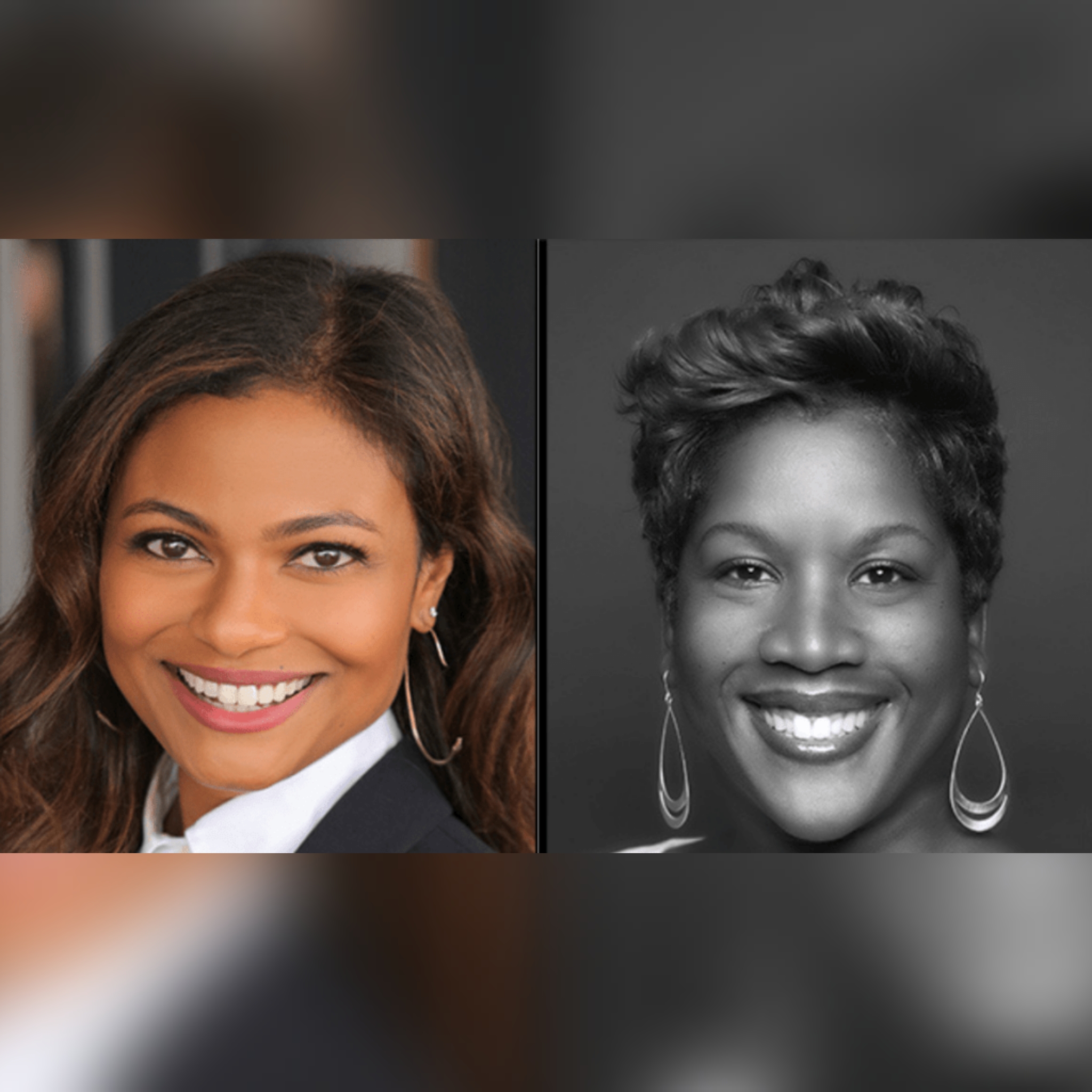
    Senior vice president of ad platforms Amy Lehman highlighted the advancement in ad technology, enabling automated workflows for live ad inventory. Senior vice president of addressable sales Jamie Power confirmed that platforms like Google’s DV360, The Trade Desk, Yahoo DSP, and Magnite are now certified to leverage viewership spikes during live events.

    The integration of Google’s Display & Video 360 instant deals via Disney’s real-time ad exchange (Drax) allows for rapid deal creation, streamlining the buying process. This builds on the existing Drax direct integration.

    Disney is also deploying dynamic ad insertion (DAI) for live events on Disney+, extending the technology already available on Hulu, to enable personalised ad experiences. Lehman emphasised Disney’s leadership in live streaming, combining technological expertise with ad technology to meet market demand.

    This move allows advertisers to target audiences during live events with increased efficiency and precision

  • Mumbai Comic Con 2025 becomes hotspot for next-gen brand engagement

    Mumbai Comic Con 2025 becomes hotspot for next-gen brand engagement

    MUMBAI: The Maruti Suzuki Arena Mumbai Comic Con powered by Crunchyroll is all set to wrap up Comic Con India’s 2025 calendar with a spectacular finale doubling down as not just a fan haven, but a magnet for brand activations aimed at India’s fast-evolving youth economy.

    Far beyond cosplay and comic book revelry, Mumbai Comic Con has become a high-energy arena where brands meet fans through immersive experiences, tech-forward showcases, and culturally-tuned content drops. From global entertainment giants like Warner Bros., Disney, Crunchyroll, and Bandai Namco, to tech brands like Lenovo and Logitech, the event is brimming with innovation.

    Automotive brands like Maruti Suzuki Arena and Yamaha Racing have built interactive, speed-inspired installations, while publishers like Penguin Random House India and Disney Licensing are leveraging the space to showcase collectables and fandom favourites.

    A standout activation this year is by Royal Challenge Packaged Drinking Water, the official hydration partner. Their Cricket Gaming Zone at the Nodwin Gaming Arena offers fans a hybrid experience of mobile, console, and VR cricket perfectly aligned with India’s cricket fever.

    Comic Con Mumbai 2025 also premieres the Indie Game Utsav, spotlighting India’s homegrown game development talent, alongside It’s A Girl Thing a zone dedicated to diversity, self-expression, and community empowerment.

    As the final chapter of this year’s Comic Con India journey, Mumbai is proving to be more than a fan event it’s where pop culture meets purpose, and brands truly plug in to the pulse of young India.

  • Sony Pictures snags Levine, Hartbeat’s Ex-CEO, for strategic push

    Sony Pictures snags Levine, Hartbeat’s Ex-CEO, for strategic push

    MUMBAI:  Sony Pictures Entertainment (SPE) has recruited  Jay Levine, former CEO of Kevin Hart’s Hartbeat media company, to serve as executive vice president, chief strategy officer and business operations. Levine will report directly to SPE president and CEO, Ravi Ahuja, and will spearhead the company’s strategic growth initiatives, including mergers and acquisitions.

    Levine, who joined Hartbeat in early 2024, made a splash by producing the Emmy-nominated Greatest Roast of All Time: Tom Brady for Netflix and “Fight Night: The Million Dollar Heist” for Peacock. He also renegotiated key partnerships with industry giants like Netflix, NBCUniversal, and Sirius XM.

    Prior to Hartbeat, Levine spent over a decade at Warner Bros. and WarnerMedia, where he held various senior leadership roles, including leading business operations and strategy for the WarnerMedia Studios and Networks group. His extensive background also includes stints at Disney and ESPN.

    Ahuja lauded Levine’s “deep expertise and great reputation,” adding that his “collaborative spirit” would be invaluable for Sony’s growth. Levine, in response, expressed his eagerness to “advance the company’s opportunities for expansion and growth given the evolving media landscape.”

    This move signals Sony Pictures’ aggressive pursuit of growth and innovation in the increasingly competitive entertainment industry.

  • Film marketer sets up own production house

    Film marketer sets up own production house

    MUMBAI: Khyati Madaan, a  film marketing professional with over a decade of experience at some of India’s most prestigious entertainment companies, has announced the official launch of  her own production house, Not Out Entertainment on Linkedin.

    The IIM and NIFT alumna brings  industry pedigree to her new venture, having previously served as head of marketing at Maddock Films and held marketing positions at Red Chillies Entertainment, Kolkata Knight Riders and Disney.

    At Red Chillies, Ms Madaan was part of the team behind innovative digital campaigns for Zero, starring Shah Rukh Khan. The film became the first Bollywood production to utilise Amazon’s Alexa, develop a Snapchat filter and create a WhatsApp sticker pack as part of its promotional strategy.

    Before her tenure at major film houses, Madaan worked at Everymedia Technologies, where she rose to become vice president of marketing and director of analytics. During her time there, the company won awards for digital marketing campaigns, including recognition for the blockbuster Heropanti.

    Madaan’s career path has been diverse, including earlier roles at Trent Ltd, JJ Valaya, and Landmark group in Dubai, where she worked as head of retail and as an assistant buyer respectively.

    With Not Out Entertainment, Madaan aims to transition from marketing films to producing them. Her cricket-inspired company name suggests she believes there are many more innings to come in her professional journey—or as the famous Bollywood tagline goes, picture abhi baaki hai.

  • “The future depends on how we will balance AI and ML with ethical considerations:” Emmy sound design winner Cory Choy

    “The future depends on how we will balance AI and ML with ethical considerations:” Emmy sound design winner Cory Choy

    He is an award-winning sound guy. Sound as in reliable; sound as in to do with audio. Cory Choy and his boutique sound studio Silver Sound Studio, located in the heart of New York City, have made a name for themselves, which is the envy of many others.

    Silver Sound boasts an Emmy award-winning team of on-location sound recordists in New York and Los Angeles. Choy himself picked up the lovely golden lady for his work mixing the sound for a show “Born To Explore.”

    His studio provides recording, design, edit, restoration and mix services and has worked with all sorts of people all over the globe including, but not limited to: ABC, NBC, Vice, Comedy Central, ESPN, Disney, Google, Microsoft, CNN, MTV, FOX, Netflix, Apple, Shudder and Spotify.

    In a wide-ranging interview, the Emmy Award-winning sound artist, engineer and studio owner discusses the evolution of audio technology, creative freedom, and the intersection of art and social responsibility. Here are the key insights from his conversation with Indiantelevision.com group CEO and publisher Mishaal Wanvari.

    On what sparked his interest in sound design.

    It was an inevitability rather than a decision. Both my parents were musicians – my mother wrote plays and operas, while my father combined music with computer programming. One of my earliest memories is watching my mother’s opera being performed at the Kennedy Center. But it was my father who showed me how technology could amplify creativity. He connected a Midi output from the game Monkey Island through a Casio keyboard, making it sound like a full orchestra. He connected a midi through a keyboard with a massive and professional instrument sound bank– which was far superior to the stock soundcard midi instruments. That early demonstration showed me how technology could be used to bring people together… the midi experience taught me that looking for a unique solution and setups can bring great power and creates experiences far beyond what people expect.

    On the evolution of sound editing tech during his career.

    I started at the very end of physical tape editing, where you had to physically cut and splice tape together. There was no undo button – once you made a cut, you had to live with it. The transition to digital audio workstations was revolutionary. Suddenly, all your tape was right in front of you, you could cut anywhere, and if you made a mistake, you could simply undo it.

    The economics were equally transformative. In 2006, a professional Pro Tools system cost around $10,000 – might as well have been a million to me at the time. But then Dell provided affordable, powerful hardware, and I discovered Reaper, which cost just $60. With a $2,500 Dell computer and Reaper, we were competing with studios using much more expensive equipment. Reaper vs. Avid – every single line of code in reaper is very well thought through with a small team, it is very efficient, and the entire program is designed to empower the user not restrict it. There is more freedom and there are more possibilities in Reaper than any other program I have ever used.

    On his Emmy Award win and on his experience thereafter.

    We won it in 2016 for the programme Born to Explore. One of our most impressive achievements was capturing crystal-clear dialogue from a host 200 feet away on a lake, using a highly directional Sanken CS-3E microphone. The water’s surface actually helped carry the sound. What made it special for us was that we won it in a category that is extremely competitive.

    On his Aisha win at the Tribeca film festival.

    It’s a fascinating story that began with an intern application. Fayshyo Aluko, a Nigerian poet with no sound experience, applied for an internship. When I asked why she wanted to work in sound, she simply said she wanted to explore sound design. I gave her a poem I’d written about a Palestinian girl, inspired by my own daughter’s questions about human rights.

    What Fayshyo brought to it was extraordinary – she incorporated traditional Nigerian storytelling techniques, using an oil drum beat as a metaphor for both footsteps and heartbeats. Her first-ever sound design piece won at the Tribeca Festival. It went on to win a Signal Award and an Anthem Award for human rights work.

    On the industry’s relationship with technology.

    The accessibility of technology has been revolutionary. When I started, a gigabyte of storage was massive – Pro Tools required one gigabyte just to install. Compare that to Reaper, which was just two megabytes. The difference? Avid spent their programming efficiency on creating paywalls – $50 here, $100 there, some plugins over $5,000.

    But now, with affordable computers and software, small studios can compete with anyone. Though the challenge isn’t doing the work – it’s finding it. If you’re not in the elite class, convincing someone from that class to work with you is the real challenge.

    On what’s next for sound design and sound mixing.

    We’re at an interesting inflection point with AI and machine learning. The technology is incredibly powerful, but we need to consider the ethical implications. For instance, voice cloning technology could be used for scams or misinformation. The wealth gap in computing power also means some will have access to these tools while others won’t.

    The future of our industry will depend on how we balance these technological capabilities with ethical considerations. It’s not just about what we can do, but what we should do.

    AI is both enabling and potentially corrupting. It’s incredible for tasks like analysing a voice and removing unwanted noise, but it also raises ethical concerns. We can now make someone sound like they’re saying something they never said, with their exact voice. While that’s exciting from a creative standpoint, it’s concerning from an ethical one.

    I have mixed feelings about the cloud-based AI tools emerging in our industry. Tools like Eleven Labs are incredibly powerful, but they raise important questions about access and control. What happens if these services suddenly become restricted based on geography or politics? It’s similar to the wealth gap we’re seeing in computing power – those with access to unlimited energy and graphics cards will have more capabilities than others.

    What’s fascinating is watching how different regions approach these challenges. Chinese engineers, for instance, are often outwitting their American counterparts with fewer resources. It’s not just about having the most powerful tools – it’s about how creatively you use what you have.

    On the way forward for small studios in a competitive market.

    The tools have never been more accessible, but the challenge is standing out in an increasingly crowded space. There are billions of talented people in the world, everyone has something unique to bring to the table, and the competition is fierce while resources are limited.

    However, I believe independent studios have an advantage in being more nimble and able to take creative risks. The key is finding your unique voice and the audience that resonates with it. It won’t be the easiest path, but if you really want to be in this space, you absolutely can make it work.

    And yes, the model has changed completely. At Silver Sound, we’ve evolved from a partnership to a more focused operation. The pandemic really took a chainsaw to the industry in 2020 – many partners and staff left, and we weren’t sure we’d survive. But then I met our current studio manager and latest engineer, both in their 20s, and it gave us new direction.

    Now our mission is to help develop new talent while remaining economically sustainable. We want to create things that make both us and the world better, but in a way that supports everyone financially. It’s about finding that balance between artistic integrity and commercial viability.

    The hardest part isn’t doing the work – it’s finding it. If someone gives me a project and appropriate funding, we can create something extraordinary. The challenge is breaking through that class ceiling where elite-level clients don’t trust smaller studios with significant projects.

    That said, I believe boutique studios have advantages in today’s market. We can be more responsive, take creative risks, and maintain closer relationships with clients. The key is finding clients who value that personal touch and creative freedom over the prestige of a large studio name.

    On his feature film.

    Sound and music are integral to my film Esme, My Love – you really won’t understand the movie without them. We made it for $135,000 total, yet people think we spent £3 million. That was only possible because we had Silver Sound as a home base. It’s now being dubbed into Spanish and Portuguese, with Korean potentially next.

    It’s still an independent gem – not widely known in the United States or globally – but I’m proud that it got distribution. You can find it on Amazon and Tubi. We spent six years working on it, ensuring it didn’t feel like something just slapped together.”

    On his approach keeping in mind the technical versus creative aspects of sound design.

    Technical precision is only a means to an end – creative decision-making is everything. If you don’t have the technical ability to execute your creative vision, then you need to improve technically. The more technical ability you have, the better you understand what’s creatively possible. They feed off each other.

    We offer two modes at Silver Sound: we can either help someone achieve their vision to its highest level possible, or we can work with them to create a vision from scratch. People come to us because they know our technical work is solid, but we provide a creative aspect that many other companies can’t match.

    On how technology vendors have evolved in service.

    I’m particularly grateful to Dell, and this isn’t just corporate speak. In New York City, their ProSupport service has been invaluable. When a computer breaks down in a professional studio, having a skilled repair technician on-site within 24 hours is extraordinary. Finding a reliable repair person independently could take a month.

    However, I’m watching carefully how technology companies position themselves during these challenging times. We need companies that empower creators rather than restrict them. The best technology partners understand they’re enabling creativity, not just selling hardware.

    On what excites him most about the industry’s future.

    The democratisation of technology has opened up incredible possibilities. When I started, the barrier to entry was hundreds of thousands of dollars. Now, with a decent computer and some affordable software, talented creators can produce professional-quality work.

    But what really excites me is seeing how younger generations approach these tools. They’re not bound by traditional workflows or assumptions. They’re combining technologies in ways we never imagined, creating new forms of storytelling. The challenge will be maintaining high creative standards while embracing these new possibilities.

    On advice for aspiring sound designers.

    Do what you love, but understand the economic realities. Unless you join a large company, it’s not an easy path financially. You can live a good life as a sound mixer and designer, but if you’re independent, you need to be a business person as well. If that’s not your strength, find a business partner who can handle that aspect while you focus on the creative work. The competition is fierce and resources are limited, but if you truly want to be in this space, you absolutely can make it work.

    On his belief that media has social responsibility and his willingness to remind it of it.

    Many companies are afraid to take moral stances for fear of alienating potential clients. This year, I’ve made a conscious business decision to openly oppose fascist movements in America. Yes, we might lose some potential clients, but I believe we’ll attract more of the kind of clients we want to work with. You can be moral and ethical, but if you can’t feed your family, it’s no good. However, I don’t want to survive in a way where my soul isn’t surviving.

  • JioHotstar subscriptions to be available at three price points

    JioHotstar subscriptions to be available at three price points

    MUMBAI:  There is nothing such as a freebie; everything has a price. A lot of misinformation has been put out about the charges that JioHotstar is going to be levying on customers for the new streamer. Here are the details: All of our plans give you access to all content on our platform:

    . Unlimited live sports (Cricket, Tennis grand slams, Premier League and more)

    . Latest Indian movie digital premieres, Hotstar Specials, and Star serials before TV

    . Disney+ Originals, popular Disney movies & kid’s shows (in English & select Indian languages).

    Mobile (Ad-Supported plan) – Rs 149 / 3 months and Rs 499 / year

    . Access content on “1” mobile device at a time

    * Renewal will be priced at Rs 149 / 3 months even if a discounted price was availed for the first 3 months of the plan.

    Super (Ad-Supported plan)** – Rs 299 / 3 months and Rs 899 / year

    . Access content on any “2” devices at a time

    . All content can be enjoyed on any of our supported platforms (Mobile, Web, and supported Living Room devices).

    ** Also applies to Jio Broadband JioHotstar partner plan

    Premium (Ad-Free plan) – Rs 299 / month (Can only be purchased via web browser),

    Rs 499 / 3 months and Rs 1499 / year

    . Access content on any “4” devices at a time

    . All content can be enjoyed on any of our supported platforms (Mobile, Web, and supported Living Room devices)

    . Enjoy Ad-free Entertainment, except in LIVE content such as sports and other LIVE shows that continue to be ad-supported.

  • UK government weighs BBC licence fee reform for streaming users

    UK government weighs BBC licence fee reform for streaming users

    MUMBAI:  The British media is all agog about British prime minister Keir Starmer’s government’s plans to modernise the BBC licence fee, including extending it to those who only use streaming services such as Netflix and Disney+. The review is part of discussions between the prime minister’s office, the Treasury, and the department for culture, media, and sport on how to fund the public-service broadcaster beyond its current charter, which expires on 31 December 2027. 

    Other proposals being considered include allowing the BBC to run advertisements, imposing a special tax on streaming platforms, or introducing a fee for BBC radio listeners. 

    The potential reforms come amid changing viewing habits, with audiences increasingly shifting to on-demand services. The government is reviewing whether to retain the existing £169.50 annual licence fee, make adjustments with better enforcement and possible annual increases, or adopt new models like taxation or subscription-based funding.

    The BBC, a key element of the UK’s global influence, faces criticism from both the political left and right over perceived bias but remains a symbol of impartial public broadcasting. In 2023/24, the licence fee generated £3.66 billion in revenue, slightly up from £3.51 billion in 2010/11.

    Expanding the licence fee to include streaming service users aims to address the rise of on-demand viewing but may face resistance from consumers already paying subscription fees. Other considerations include making the licence fee more affordable for lower-income households or adopting a subscription model for BBC on-demand services similar to Netflix and Amazon Prime.

    Government insiders noted that without a clear alternative, the licence fee remains the most feasible option for BBC funding.

  • Fox, Disney & Warner Bros Discovery abort Venu Sports

    Fox, Disney & Warner Bros Discovery abort Venu Sports

    MUMBAI: The ambitious Venu Sports streaming service, a joint venture between Disney, Fox, and Warner Bros. Discovery, will not be launching after all.  The only launch  – if you can call it that –  it is having is – out of the window. The decision comes despite earlier indications that the project was moving forward, following the resolution of a lawsuit with Fubo.

    Venu had promised to shake up the sports streaming landscape by combining content from major networks like ESPN, ABC, TNT, and Fox into a single platform for $42.99 per month. However, persistent legal and market pressures ultimately derailed the effort.

    On Thursday, DirecTV and EchoStar signaled the possibility of their own lawsuits against Venu, citing unresolved antitrust concerns that were central to Fubo’s earlier legal challenge. By Friday, Disney, Fox, and Warner Bros. Discovery announced  that they were drawing the curtains on the project in a joint statement:

    “After careful consideration, we have collectively agreed to discontinue the Venu Sports joint venture and not launch the streaming service. In an ever-changing marketplace, we determined that it was best to meet the evolving demands of sports fans by focusing on existing products and distribution channels. We are proud of the work that has been done on Venu to date and grateful to the Venu staff, whom we will support through this transition period.”

    DirecTV, in its own statement, added: “We look forward to working with our programming partners — including Disney, Fox, and Warner Bros. Discovery — to compete on a level playing field to deliver sports fans more choice, control, and value all-in-one experience.”

    Venu was first announced nearly a year ago and was slated to launch last fall. However, a judge halted the rollout after Fubo filed an antitrust lawsuit, claiming the service would unfairly dominate the sports streaming market

    The service aimed to consolidate premium sports content from its parent companies’ linear TV networks, offering fans an all-in-one experience. It had even appointed former Apple executive Pete Distad as CEO to lead the charge. 

    While Venu has been shelved, Disney is still moving ahead with its plans to launch a standalone ESPN streaming service, currently referred to as “ESPN Flagship,” by the end of the summer. Analysts speculate that Fox may eventually license its sports content for inclusion on the new platform.

    This pivot underscores the complexities of navigating legal challenges and evolving consumer expectations in the highly competitive sports streaming market. For now, fans will have to rely on existing platforms to access their favorite sports content.

    (The visual for this story has been generated using Microsoft Designer. No copyright infringement is intended. It is just a depiction of the fate of Venu Sports with the three main partners aborting the venture. And there is no attempt to cause any injury or damage to the reputation of  either Fox, Disney or Warner Bros Discovery or to hurt anyone’s sentiments. In short, there is no malafide intent and no malice is intended either.)

  • Disney to take 70 per cent stake in Fubo via Hulu + Live TV merger

    Disney to take 70 per cent stake in Fubo via Hulu + Live TV merger

    MUMBAI: In the enchanted realm of acquisitions, The Walt Disney Company has long been the master storyteller, weaving tales of strategic mergers and blockbuster stakes. With 20 acquisitions averaging $8.71 billion each, Disney has shaped industries and redefined entertainment. Its canvas stretches across four countries, with key brushstrokes in India and the United States. But as the curtain rises on 2025, the entertainment giant pens its boldest chapter yet.

    Disney is acquiring a 70 per cent majority stake in Fubo, the sports-centric streaming platform, and merging it with Hulu + Live TV. This landmark merger will create a new public entity under the Fubo name, poised to challenge the virtual MVPD throne. The deal not only fortifies Disney’s streaming empire but also redraws the map for how audiences consume live sports and entertainment.

    Stay tuned—Disney’s magical kingdom of streaming just got a lot more competitive

    From L to R: Disney executive vice president and head of corporate development Justin Warbrooke; Fubo co-founder & CEO David Gandler

    The combined platform will bring together 6.2 million subscribers across North America, offering a robust catalogue of live sports, entertainment, and broadcast content. The current Fubo leadership team, led by co-founder and CEO David Gandler, will manage the merged operations.

    Speaking on the merger, Gandler said, “We are thrilled to collaborate with Disney to create a consumer-first streaming company that combines the strengths of the Fubo and Hulu + Live TV brands. This combination enables us to deliver on our promise to provide consumers with greater choice and flexibility. Additionally, this agreement allows us to scale effectively, strengthens Fubo’s balance sheet, and positions us for positive cash flow.”

    Disney executive vice president and head of corporate development Justin Warbrooke added, “This combination will allow both Hulu + Live TV and Fubo to enhance and expand their virtual MVPD offerings, providing consumers with even more choice and flexibility. We have confidence in the Fubo management team and their ability to grow the business, delivering high-quality offerings that serve subscribers with the content they want and offering great value.”

    The deal also resolves the litigation between Fubo and Disney, Fox, and Warner Bros Discovery (WBD). As part of the settlement, the three media firms will pay $220 million to Fubo. Disney will also extend a $145 million term loan to Fubo in 2026.

    The agreement includes a new carriage deal allowing Fubo to create a “sports and broadcast” service featuring Disney-owned properties such as ABC, ESPN, ESPN2, ESPNU, SECN, ACCN, and ESPN+.

    Upon regulatory and shareholder approvals, the merged entity will be governed by a board of directors, with Disney appointing the majority. Gandler will retain his role as CEO and serve on the board.

    The companies aim to leverage synergies through flexible programming, innovative offerings, and enhanced marketing strategies, setting a new benchmark in the streaming industry.

    With this merger, Disney and Fubo seek to deliver  value to subscribers by combining Hulu + Live TV’s expansive content portfolio with Fubo’s sports-centric programming. This merger also strengthens Fubo’s balance sheet and positions the platform for sustainable cash flow and operational growth.

    The first ball in this high-stakes streaming game is expected to roll once all approvals are finalised, opening a new chapter in virtual MVPD offerings.

  • Six US media firms account for 51 per cent of global content spends: Ampere Analysis

    Six US media firms account for 51 per cent of global content spends: Ampere Analysis

    MUMBAI: The big media and entertainment boys are at it, despite all round murmurings that the content production business is seeing a massive slowdown. At least, that’s what new intelligence from Ampere Analysis has revealed. 

    The research firm stated that while recent market challenges have impacted the TV and film production landscape, spending across the top six global content providers – Disney, Comcast, Google, Warner Bros. Discovery, Netflix, and Paramount Global – has grown since the pandemic. Combined spending across these groups will reach a new high of $126  billion in 2024 and account for 51 per cent of the total content spend landscape, up from 47 per cent in 2020. Original content spend remains the leading spend type across these providers, accounting for over $56 billion in investment and 45 per cent of their total spending since 2022.
    Despite announced cutbacks among its linear and theatrical brands, Disney remains the largest contributor to the media landscape at 14 per cent of global investment in TV and film content in 2024. This has been supported by the full acquisition of Hulu at the beginning of 2024, adding an additional $9 billion in to Disney’s spend total.

    Netflix is the top investor in global streaming content. It has averaged a total of $14.5 billion in annual investment in original and acquired programmes since the pandemic. Further growth is expected in 2025 through the acquisition of sports tights for NFL matches and WWE entertainment.

    In total, $40 billion of the $126 billion is currently spent on these six operators’ subscription streaming services (including Disney+, Peacock, and Paramount+). This highlights the growing importance of these platforms as audiences move away from linear television in favour of the convenience and expansive catalogues available via streaming.

    Google’s contribution to the content market comes via YouTube, and investment in programming through its revenue-sharing arrangements with content creators. While a different entity to other TV and film groups, YouTube continues to build its global presence through partnership deals with major content owners, making it the third largest contributor to the content landscape.

    Despite production shutdowns caused by the US writers’ and actors’ strikes, streamers have continued to support the production landscape by pivoting towards more global strategies. International (non-US originating) programming accounts for 40 per cent of Paramount+’s and 52 per cent of Netflix’s spend in 2024. Such content is typically cheaper to produce, and effective in motivating new and niche audiences to subscribe to a platform, supporting revenues.

    “Ongoing investment by major studios and streaming platforms into new programming will be key to keeping audiences engaged and entertained. We can expect the content landscape to see low-level growth in 2024 as production schedules recover from disruptions caused by the pandemic and the writers’ and actors’ union strikes. Looking forward however, overall growth in spend is set to plateau as companies look to refocus their output. This will include limiting commissioning volumes and prioritising strategic investments and profitability to counter the current challenges of the media market,” said Ampere Analysis investment analyst Peter Ingram, in his recent analysis made public today. 

    Pix Courtesy: The Walt Disney Company