Tag: DIPP

  • Govt extends support to M&E sector in fighting digital piracy

    Govt extends support to M&E sector in fighting digital piracy

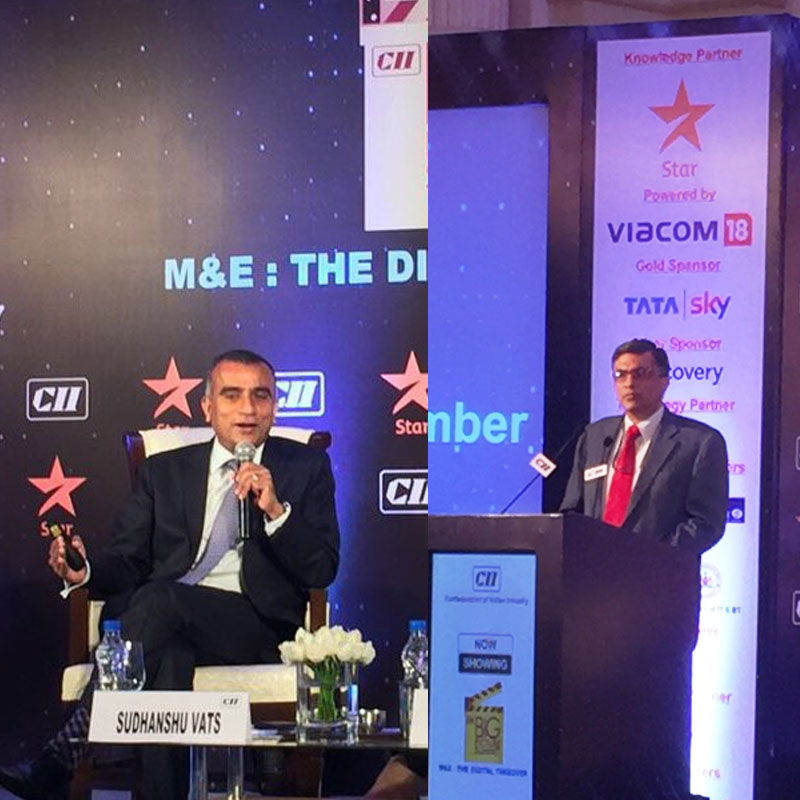
    NEW DELHI: The government of India yesterday stressed that it stood alongside the media and entertainment (M&E) industry in fighting digital piracy to safeguard loss of revenue and ease norms for doing business, while CII entertainment committee head and Viacom18 group CEO Sudhanshu Vats, on behalf of the industry, admitted that automation could result in loss of jobs leading to challenging times, but said the core of the industry will be ‘automation-proof’.

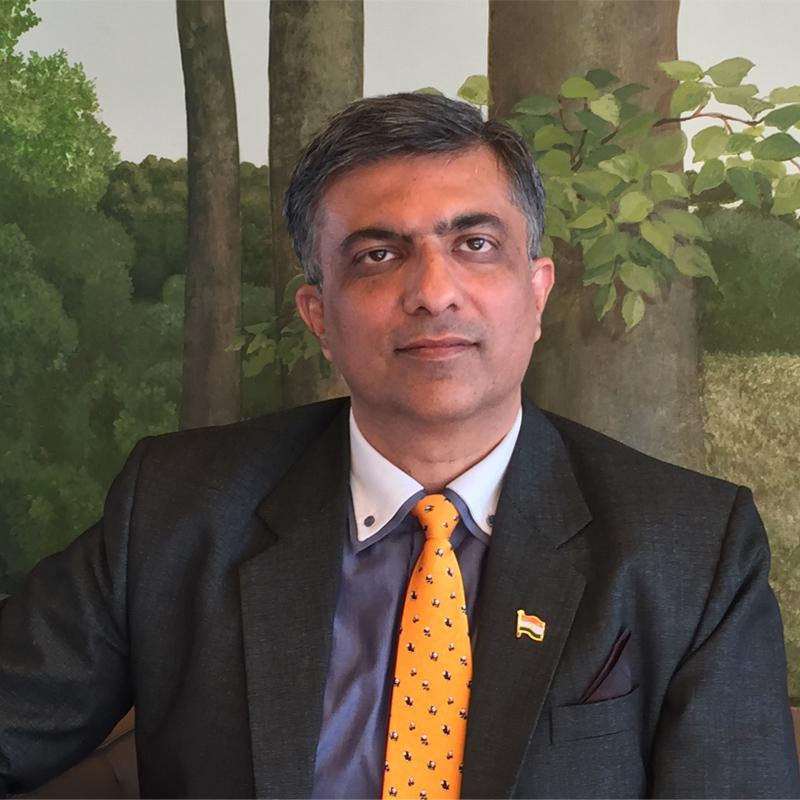
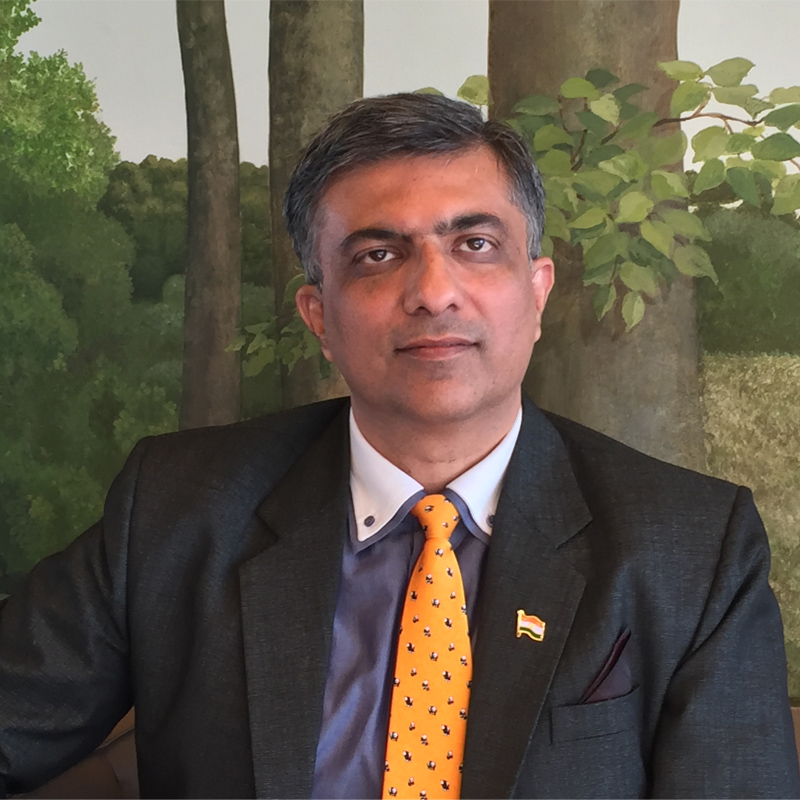
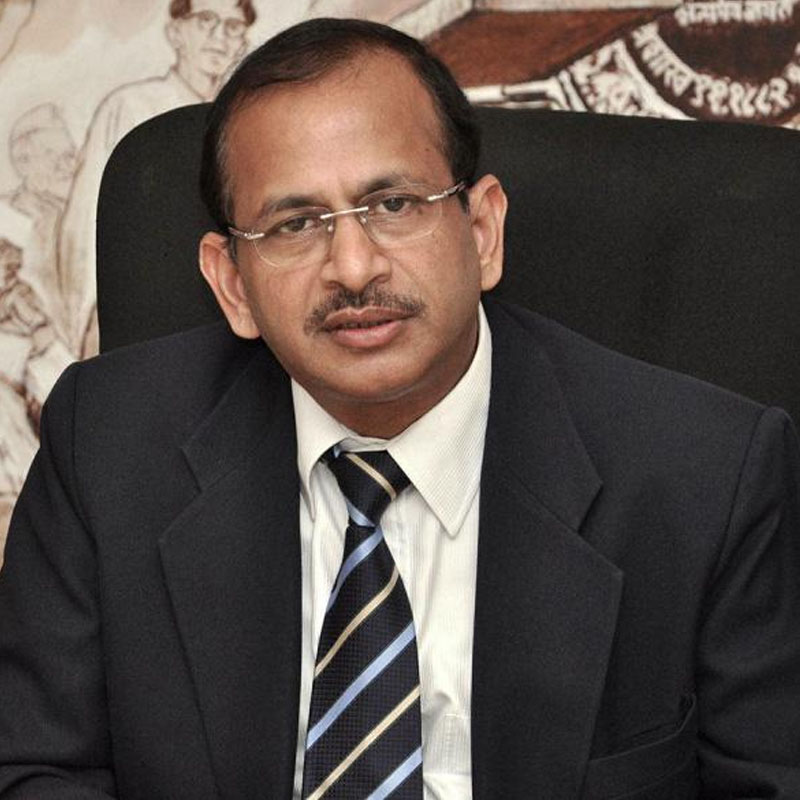
    “The government will stand with you on the issue of digital piracy,” department of industrial policy & promotion (DIPP) joint secretary Rajiv Aggarwal told the audience on Tuesday at the CII-organised Big Picture Summit here, adding that they were exploring a national anti-piracy regulation or regime and there was no need to get further into enacting complicated laws but finding solutions based on global experiences.

    Digital or online piracy is not only a big global challenge for the M&E industry, but has awakened stakeholders in India too who are feeling the heat of heavy loss of revenue due to rampant piracy of Indian content worldwide.

    Pointing out that the Indian government is alive to the issue of digital piracy and the potential of the M&E industry in being able to generate revenues and employment in the country, Aggarwal said that they were looking at how global and some local bodies (like PIPCU of the UK, TIPCU in Telangana and Maharashtra’s online anti-piracy unit) were addressing this challenge.

    Dwelling further on this issue, he exhorted the industry stakeholders to give feedback that will help India in forming a strong case and point of view for submission at WIPO where discussions are on to formulate standards for a global broadcast treaty.

    This year’s Big Picture Summit, an annual two-day conference on issues related to M&E industry, has been themed `The Digital Takeover’, which lays emphasis on the creeping digitisation in general and of delivery services like cable, HITS and OTT, and an impending automation (egged on by the likes of AI) of the various industry sectors.

    TRAI non-committal on exploring auctioning of TV licences

    SK Gupta, telecom regulatory authority of India (TRAI) secretary, which is the telecoms and broadcast regulator, while dwelling on various issues of the recently issued recommendations on net neutrality said the organisation’s efforts have always laid emphasis on consumer interest, while creating a level playing field for all players.

    Incidentally, at a time when the FCC has dismantled net neutrality norms in the US, put in place by the Obama regime earlier, favouring walled gardens of content and premium tiered pricing of various services, India’s TRAI has upheld net neutrality stating that all content should be made available to all distribution platforms on a non-discriminatory basis, apart from other level playing initiatives.

    Later, asked by journalists on the sidelines whether TRAI was exploring a consultation paper on auctioning of TV licences or permissions on the advice of the ministry of information and broadcasting (MIB), Gupta said he at least was not aware of any such move. He was non-committal when pressed on the issue.

    Asian Age newspaper a week back had reported that the government was exploring auctioning of television channel frequencies on the lines of telecoms spectrum, coal blocks and FM radio licences. Reason: bid to increase government revenues as presently permission to uplink and/or downlink TV channels cost a fixed amount with the applicant fulfilling certain set out financial norms, apart from getting clearances for satellite space and internal security. The newspaper report had added that MIB had sought advice from TRAI in this regard. What the report did not clarify was whether the auctioning was of TV licences pertained to DTT (digital terrestrial transmission) or satellite-delivered TV channels later distributed by cable and online.

    M&E industry holds key to creating future-proof, dynamic workforce: Vats

    Earlier in the morning, setting the agenda for the two-day conference, CII entertainment committee head and Viacom18 group CEO Sudhanshu Vats in his opening address said that the theme of ‘Digital Takeover’ was a topic that had “loads of nuances” that needed to be addressed in a proper perspective.

    “In my honest assessment, this is an extremely provocative theme – and one that can mean different things to different people. I can imagine some of my colleagues from the broadcast sector feeling upset. I can also imagine what some of my younger colleagues, who are already social media influencers thinking – this theme is passé, the takeover was complete a few years ago. I don’t want to pick a side at this stage and I’m certain that no definitive side can be picked,” Vats said, adding that he hoped the theme would help delegates form their own distinctive understanding of the future of the Indian industry in general.

    Pointing out that digital takeover could mean greater automation and fewer human jobs, a trend that could is likely to play out slowly in India because of availability of cheap labour, Vats said the Indian M&E sector directly employs between 1.1-1.2 million Indians and in the next five years one million more jobs would be added, thereby playing a role in “assuaging the challenge”. He added: “If we achieve breakout growth, that number can also touch five million. However, I would like to draw your attention not to the number of jobs but to their quality.”

    Explaining that skills, like creativity, story-telling, emotional intelligence and cognitive ability, in M&E sector were most ‘non-routine’ jobs, Vats said, “These are also the skills that can be transferred to other sectors, making us a part of the solution. Of course, we too will face our share of the burden. Some roles will be automated, and the media organisation might look very different in 2027, but our core will still be automation-proof.”

    Vats also pointed out that the private sector needed to be more ‘creator-friendly’ or ‘freelancer-friendly’, which also meant that the M&E sector could hold the key to “creating a future-proof, agile, dynamic workforce” that can take its skills and drive impact across industries even as the government continued to create a better business environment.

     ALSO READ:

    M&E industry to hit Rs8 trillion revenue by 2022: report


  • Govt launches interactive IPR website

    Govt launches interactive IPR website

    NEW DELHI: A website has been launched by the government to effectively implement the National Intellectual Property Rights (IPR) Policy.

    The official website for the Cell for IPR Promotion and Management (CIPAM) of the Department of Industrial Policy and Promotion (DIPP) was launched by Minister for Commerce and Industry Suresh Prabhu here today. Secretary DIPP Ramesh Abhishek was also present.

    The website is interactive providing regular updates on all upcoming events including awareness and sensitization programs being conducted, as also information on all Intellectual Property Rights. It would make available resource material on IPRs specially curated for various levels: schools, universities, industry and enforcement agencies.

    One can read the latest news and updates, specially curated feed on all latest happenings in the world of IP, insightful and educational blogs by CIPAM and IP experts.

    The website provides regular updates on the latest IP trends – statistics on applications filed, examined, grants and disposal for various IPRs. It would provide information on the various initiatives being taken by the Government to strengthen the IPR regime in the country.

    The website can be reached on www.cipam.gov.in or follow CIPAM on Twitter at @CIPAM_India for updates.

  • IPR awareness: Govt launches #LetsTalkIP SM campaign

    IPR awareness: Govt launches #LetsTalkIP SM campaign

    NEW DELHI: A social media campaign to promote Indian geographical indications (GIs) has been launched by the Cell for IPR Promotions & Management (CIPAM) with #LetsTalkIP hashtag, which is an ongoing movement initiated by the government to make more people aware about the importance of Intellectual Property Rights (IPRs).

    In recent times, the government has been pro-active on the IPR front. For the media and entertainment industry, online piracy is a big menace causing huge amount of revenue loss to the industry and tax revenues for the government.

    A geographical indication or a GI is a sign used on products that have a specific geographical origin and possess qualities or a reputation that are due to that origin. Such a name conveys an assurance of quality and distinctiveness which is essentially attributable to its origin in that defined geographical locality.

    Functioning under Department of Industrial Policy and Promotion (DIPP) in the Ministry of Commerce and Industry, CIPAM has launched interesting facts and stories related to GIs from across the country on its Twitter handle @CIPAM_India and Facebook Page @CIPAMIndia using #LetsTalkIP hashtag. The government will also be coming up with various other initiatives to promote registered GIs in the future.

    ALSO READ :

    Comment: War on online video piracy, which matters, is here for India to fight

    Animated videos developed to spread message of anti-piracy

    TRAI to discuss IPR of data generated on apps


  • FDI proposals in print, broadcasting to be cleared by MIB; satellites by DoS

    MUMBAI: 5 June, 2017. That’s the date the Indian government announced that all foreign  direct investment (FDI) proposals  relating to the print and broadcast sector will be approved by the ministry of information and broadcasting (MIB).

    Approvals for proposals relating to satellite and telecom FDI investment have been put under the ambit of the department of space and department of telecom, ministry of communications, respectively.

    This was announced by the government  through a circular issued on the foreign investment promotions board (FIPB) website by ministry of finance joint secretary Saurabh Garg. The circular has pointed out that the following ministries will provide approval for foreign capital inflow proposals:

    *Ministry of mines (mining), department of defence production,

    *ministry of defence (defence),

    *ministry of homes affairs (FDI in small arms manufacturing),

    * ministry of civil aviation (aviation),

    *ministry of home affairs (private security agencies),

    *department of industrial policy and promotion (DIPP), ministry of commerce & industry (trading – single and multi brand and food products retail trading),

    *department of financial services, ministry of finance (banking – both public and private);

    *department of economic affairs (DEA), ministry of finance (financial services in areas where there is no regulator or more than one or ambiguity about the regulator)

    * department of pharmaceuticals, ministry of chemicals & fertilizers (pharamceuticals)

    The circular has also stated that NRI FDI proposals or FDI proposals for  export oriented units will continue to come under the ambit of the DIPP and will be processed by it. The DIPP will also have the responsibility to identify the right ministry if there is a doubt about who should deal with an FDI application. Applications for FDI into core investment companies or into Indian investment companies which will solely invest in Indian companies will need the DEA approval no matter which sector the investment is being made, says the circular.

    Investors  will continue making their FDI applications through the FIPB portal, the oversight of which is being transferred to the DIPP from the DEA by next month.

    The government has stated that the DIPP will lay down a standard operating procedure (SOP)  in consultation with each department/ministry.  It has stated that the SOP could involve the inter-ministerial committee (IMC) where necessary and it has to have a consistency of treatment and uniformity of approach towards all sectors. It has also ordered that departments and administrative ministries will need to get the approval  of the minister in charge/cabinet committee on economic affairs on each FDI application as per the FDI policy.

    Also Read :

    Star Den, Flag Telecom, You & Idea FDI meet on 28 Dec

    Top M&E industry honchos see no major benefit from Budget ’17


  • IPR: DIPP allocation increased after copyright shift from HRD

    NEW DELHI: With the entire bogey relating to copyright having shifted to it, the budget for intellectual property in the allocation for the Department of Industrial Policy and Planning has jumped up to Rs 1,700 million from Rs 1,112 million in 2016-17.

    After the announcement made in early April last year that copyright issues would be dealt with by DIPP, revised estimates for 2016-17 had shown a jump to 1550 million, necessitating a higher budget for this sector.

    Consequently, the allocation for Human Resource Development which had until now been primarily responsible for this sector shows a blank and the budgetary document says this is because the sector has moved to DIPP.

    Of the total allocation, the highest share has been allocated for modernization and strengthening of Intellectual Property office – Rs 757.8 million, followed by Rs 520.1 million for the Controller General of Patent Designs and Trademarks.

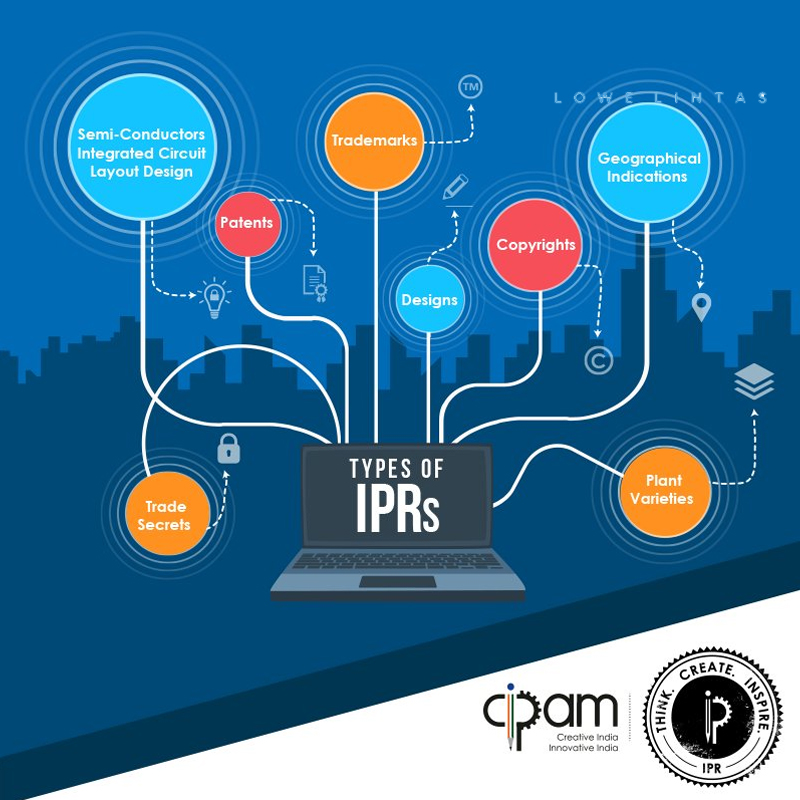
    Several offices have been allocated budgets for the first time: Semi-conductor Integrated Circuit Layout Design Registry (Rs 10 million), Semi-Conductor Integrated Circuit Layout Design Board (Rs One million), Cell for Promotion of Intellectual Property and Management (CIPAM) with Rs 109.9 million, Copyright Office (Rs 36.5 million), Copyright Board (Rs 33.5 million, and  Promotion of copyrights and IPR (Rs 60 million).

    Of these, the last three had been given some allocation in the revised budget. Interestingly, there is no explanatory for these six departments in the budget document.

    In addition to the IP budget, there is an allocation of Rs 6.5 million for the World Intellectual Property Organization (WIPO) as part of support to autonomous organizations.

    It had been announced early in the financial year 2016-17 that issues of copyright had been shifted to the DIPP of the Commerce and Industry Ministry, which became the nodal department to deal with all issues related to copyright in the country.

    (Copyright had until then been the preserve of the Human Resource Development Ministry and the film, music and television industries had always grudged this as they felt it should be with the Information and Broadcasting Ministry.)

    Also Read: 

    Tariff order: Don’t notify without SC nod, TRAI told; Madras HC case to continue

    Copyright Force finally here to fight online piracy

  • Copyright Force finally here to fight online piracy

    Copyright Force finally here to fight online piracy

    NEW DELHI: The Copyright Force is finally here to fight online content piracy, which has been bleeding the Indian content companies, from film, music and TV world, billions of rupees in revenues as pirates have been making hay.

    It seems in co-ordinated movements by the Indian government and the industry, plans have been initiated to seriously fight the online piracy menace. While the Department of Industrial Policy and Promotion (DIPP), under Commerce Ministry, earlier this week discussed the copyright and piracy issues with stakeholders, industry body FICCI sent out notes to stakeholders to be part of  Copyright Force, a unique cross-industry coalition.

    Globally online piracy of content costs trillions of dollars that have prompted several industry organisations to focus specifically on arresting online piracy. According to Dubai-based GO-Gulf, there are $12.5 billion in economic losses each year due to piracy in the music industry alone; 71,060 jobs are lost in the United States every year due to piracy and $2.7 billion in workers’ earnings are lost each year due to online piracy. Interestingly, according to the research, India is ranked 5th (60 per cent) in the Top 10 countries with online piracy, while China tops the list with 91 per cent piracy.

    The DIPP meeting of stakeholders, including producers from film and TV industry, was held to discuss issues related to copyright infringement and ways to tackle online piracy. The meeting, chaired DIPP joint secretary Rajiv Aggarwal, not only appreciated efforts being initiated by the Telangana Intellectual Property Crime Unit or TIPCU to curb piracy of copyright protected material, but expressed the need to adopt this model by other states also to check the menace within their respective jurisdiction.

    Incidentally, TIPCU is a motivated version of Police Intellectual Property Crime Unit (PIPCU), funded by the Intellectual Property Office of the UK and run by the City of London Police with a special focus on offences committed online.

    The industry initiative, helmed by FICCI, is on the lines of discussions at DIPP — to facilitate exchange of global best practices, support platforms that encourage B2G and G2B dialogue and encourage initiatives to promote and protect copyright and possibly take action against offenders, along with law enforcement agencies.
    While highlighting the need for a robust copyright eco-system and acknowledging the National IPR Policy was as a step in the right direction, FICCI outlined the objectives of the Copyright Force:

    # Highlight vital role that copyright plays in fostering creativity and culture, stimulating investmentsand economic growth, while serving to enhance the competitiveness of industry and business
    # Encourage innovation and improved consumer experience through legitimate content delivery platforms
    #Address the challenge of piracy that undermines the growth potential of this sector.

    The  Copyright Force, which  will bring together leaders in the fields of film, television, music, media, Internet, technology and OTT content delivery platforms, likely to have its first formal meeting sometime in January 2017. Some of the biggest broadcasting companies in India have been part of initial discussion on the formation of Copyright Force.

    ALSO READ:

    Online pirates beware, Copyright Force on way

    Internet included in broadcasting for purpose of Copyright

  • Copyright Force finally here to fight online piracy

    Copyright Force finally here to fight online piracy

    NEW DELHI: The Copyright Force is finally here to fight online content piracy, which has been bleeding the Indian content companies, from film, music and TV world, billions of rupees in revenues as pirates have been making hay.

    It seems in co-ordinated movements by the Indian government and the industry, plans have been initiated to seriously fight the online piracy menace. While the Department of Industrial Policy and Promotion (DIPP), under Commerce Ministry, earlier this week discussed the copyright and piracy issues with stakeholders, industry body FICCI sent out notes to stakeholders to be part of  Copyright Force, a unique cross-industry coalition.

    Globally online piracy of content costs trillions of dollars that have prompted several industry organisations to focus specifically on arresting online piracy. According to Dubai-based GO-Gulf, there are $12.5 billion in economic losses each year due to piracy in the music industry alone; 71,060 jobs are lost in the United States every year due to piracy and $2.7 billion in workers’ earnings are lost each year due to online piracy. Interestingly, according to the research, India is ranked 5th (60 per cent) in the Top 10 countries with online piracy, while China tops the list with 91 per cent piracy.

    The DIPP meeting of stakeholders, including producers from film and TV industry, was held to discuss issues related to copyright infringement and ways to tackle online piracy. The meeting, chaired DIPP joint secretary Rajiv Aggarwal, not only appreciated efforts being initiated by the Telangana Intellectual Property Crime Unit or TIPCU to curb piracy of copyright protected material, but expressed the need to adopt this model by other states also to check the menace within their respective jurisdiction.

    Incidentally, TIPCU is a motivated version of Police Intellectual Property Crime Unit (PIPCU), funded by the Intellectual Property Office of the UK and run by the City of London Police with a special focus on offences committed online.

    The industry initiative, helmed by FICCI, is on the lines of discussions at DIPP — to facilitate exchange of global best practices, support platforms that encourage B2G and G2B dialogue and encourage initiatives to promote and protect copyright and possibly take action against offenders, along with law enforcement agencies.
    While highlighting the need for a robust copyright eco-system and acknowledging the National IPR Policy was as a step in the right direction, FICCI outlined the objectives of the Copyright Force:

    # Highlight vital role that copyright plays in fostering creativity and culture, stimulating investmentsand economic growth, while serving to enhance the competitiveness of industry and business
    # Encourage innovation and improved consumer experience through legitimate content delivery platforms
    #Address the challenge of piracy that undermines the growth potential of this sector.

    The  Copyright Force, which  will bring together leaders in the fields of film, television, music, media, Internet, technology and OTT content delivery platforms, likely to have its first formal meeting sometime in January 2017. Some of the biggest broadcasting companies in India have been part of initial discussion on the formation of Copyright Force.

    ALSO READ:

    Online pirates beware, Copyright Force on way

    Internet included in broadcasting for purpose of Copyright

  • FICCI keen on IPR awareness & enforcement to encourage innovation

    FICCI keen on IPR awareness & enforcement to encourage innovation

    NEW DELHI: Department of Industrial Policy & Promotion joint secretary Rajiv Aggarwal has said India’s IP framework was in the midst of a paradigm shift following the announcement of the National IPR Policy.

    Chairing a session on India’s IPR Policy: A Roadmap to Robust IP Ecosystem in India in a meet organized by FICCI, he said while the Department was spearheading the overall policy, specific recommendations listed in the policy were being taken up for action by concerned ministries and departments.

    He elaborated on the initiatives undertaken by DIPP and the Cell for IPR Promotion and Commercialisation (CIPAM) set up by the Government to implement the seven objectives which formed the basis of the National IPR Policy, besides bringing forth the industry’s role in ensuring the effective roll-out of these initiatives.

    FICCI, in its drive to spur growth in the Indian industry, specially manufacturing, organised in association with the International Chamber of Commerce (ICC) India, the International Conference on ‘IP: Key Enabler to Growth & Innovation’ here.

    FICCI IPR Committee chairman Narendra Sabharwal who is the former convener of Think Tank on IPR Policy and former deputy director-gneral in World Intellectual Property Organisation (WIPO) said that FICCI had a particular interest in supporting and encouraging innovation for the benefit of industry and economic growth. Consequently, FICCI was working with all stakeholders towards creating awareness about IP, its adequate enforcement, besides ensuring the effective implementation of India’s National IPR Policy recommendations.

    He said India’s IP policy gives IP the prominence it deserves as it is for the first time that IP has been brought into the mainstream of the growth process. He underlined the need to raise awareness amongst businesses on how to use IP as a tool to raise competitiveness and foster growth. While the IP policy provides the overall direction, the rest of the economic and social policies need to be tweaked to bring them in sync with the IP policy.

    Sabharwal enumerated the objectives of the IP policy as promotion and awareness of IP issue, generation of IP, legal and legislative framework, administration and management, commercialisation of IP, enforcement and adjudication and creation of human capital.

    He recommended that all industries and businesses should undertake a baseline IP survey to assess where we are and how do we move forward. He also suggested that there was need for a study on the economic contribution of IP such as a copyright-related industries survey on contribution of GDP.

    ICC Commission on Intellectual Property chairman David J Koris underlined the need of creating an ecosystem that nurtured and promoted intellectual property to fulfill its potential as a tool to spur innovation and creativity, and economic growth.

    Through its awareness-raising and advocacy initiatives, the Commission on Intellectual Property promotes the positive role of the IP system, gives guidance on how the system can be made more efficient and cost effective, helps policy makers adapt the system to new challenges, and promotes the use of IP as a business tool. It also actively contributes on issues arising from the areas of interface between intellectual property and other areas, such as the digital environment and the Internet, the environment, health, development, and competition policy.

    Koris said that for meaningful support to countries in the markets where they operate, the key imperatives were: uniform belief in the rule of law, good regulations and laws and focus on infrastructure.

    He said IP is a key driving force for growth in many companies and economies today, as the different types of intangible assets of a business are becoming increasingly important and valuable in relation to its tangible assets. The IP Commission produces publications and organizes events to support the ICC network of business organizations and chambers of commerce in their efforts to help companies use the IP system to increase their competitiveness.

    ICC India president Prashant Modi highlighted the important role of intellectual property in promoting innovation and technology diffusion, and the way technologies were disseminated in different sectors and countries globally. He observed that IP was a dynamic and constantly evolving field, which was closely tied to technological, economic, political and social changes, and the vital role that intellectual property rights (IPRs) – copyrights, patents, trademarks and similar rights upon which the lion’s share of creative and innovative products and services relied – had in helping the economies of developed and developing countries all over the world grow.

    Dr. K. S. Kardam, senior joint controller of patents and designs at Indian Patent Office, observed that, in the recent years, India was paying increasing attention to facilitate the ease of doing business in the country. With the significance of IPR as a foremost enabler now being increasingly recognized, the government was making efforts to address the concerns that the industry had in conducting business in India, and to work with the industry and other stakeholders to identify solutions towards further enhancing India’s business landscape.

    ICC India vice president Subhrakant Panda said protection of IP rights had become more important than ever following the new economic reforms initiatives introduced by the government. Innovation, he said, was the cornerstone of economic development and emphasised that India had a robust IP regime and a strong judicial system for recourse for settlement of disputes.

    The delegates at the conference deliberated on important developments in intellectual property like India’s recently announced National IPR Policy and the subsequent initiatives undertaken by the government e.g. setting up the Cell for IPR Promotion and Commercialisation (CIPAM) to oversee the implement the policy recommendations, besides bringing froth Industry’s views and perspective on these initiatives.

    Discussions also focussed on other IP-specific issues including constraints that India was facing on account of Counterfeiting and Piracy and the sustained actions needed among the stakeholders to effectively combat this global threat; the concerns of industry in areas such as CRI Guidelines, TRAI Regulations for broadcasting sector, issues with regard to SEP & FRAND terms – among other.

    One of the conference sessions was dedicated to a comparative outlook of India’s IP ecosystem vis-a-vis other jurisdictions, where the panelists undertook an assessment of where India stood on IP matters in comparison to the global standards and practices, whether India could incorporate certain relevant international IP best practices and where the country should be positioning to figure in the emerging global IP framework.

    The Conference brought together a number of leading policy makers, professionals, government officials and IP expert from India and from across the globe. A number of members of the International Chamber of Commerce (ICC) attending the ICC IP Commission meeting in India also participated in the conference, both as speakers and delegates.

  • FICCI keen on IPR awareness & enforcement to encourage innovation

    FICCI keen on IPR awareness & enforcement to encourage innovation

    NEW DELHI: Department of Industrial Policy & Promotion joint secretary Rajiv Aggarwal has said India’s IP framework was in the midst of a paradigm shift following the announcement of the National IPR Policy.

    Chairing a session on India’s IPR Policy: A Roadmap to Robust IP Ecosystem in India in a meet organized by FICCI, he said while the Department was spearheading the overall policy, specific recommendations listed in the policy were being taken up for action by concerned ministries and departments.

    He elaborated on the initiatives undertaken by DIPP and the Cell for IPR Promotion and Commercialisation (CIPAM) set up by the Government to implement the seven objectives which formed the basis of the National IPR Policy, besides bringing forth the industry’s role in ensuring the effective roll-out of these initiatives.

    FICCI, in its drive to spur growth in the Indian industry, specially manufacturing, organised in association with the International Chamber of Commerce (ICC) India, the International Conference on ‘IP: Key Enabler to Growth & Innovation’ here.

    FICCI IPR Committee chairman Narendra Sabharwal who is the former convener of Think Tank on IPR Policy and former deputy director-gneral in World Intellectual Property Organisation (WIPO) said that FICCI had a particular interest in supporting and encouraging innovation for the benefit of industry and economic growth. Consequently, FICCI was working with all stakeholders towards creating awareness about IP, its adequate enforcement, besides ensuring the effective implementation of India’s National IPR Policy recommendations.

    He said India’s IP policy gives IP the prominence it deserves as it is for the first time that IP has been brought into the mainstream of the growth process. He underlined the need to raise awareness amongst businesses on how to use IP as a tool to raise competitiveness and foster growth. While the IP policy provides the overall direction, the rest of the economic and social policies need to be tweaked to bring them in sync with the IP policy.

    Sabharwal enumerated the objectives of the IP policy as promotion and awareness of IP issue, generation of IP, legal and legislative framework, administration and management, commercialisation of IP, enforcement and adjudication and creation of human capital.

    He recommended that all industries and businesses should undertake a baseline IP survey to assess where we are and how do we move forward. He also suggested that there was need for a study on the economic contribution of IP such as a copyright-related industries survey on contribution of GDP.

    ICC Commission on Intellectual Property chairman David J Koris underlined the need of creating an ecosystem that nurtured and promoted intellectual property to fulfill its potential as a tool to spur innovation and creativity, and economic growth.

    Through its awareness-raising and advocacy initiatives, the Commission on Intellectual Property promotes the positive role of the IP system, gives guidance on how the system can be made more efficient and cost effective, helps policy makers adapt the system to new challenges, and promotes the use of IP as a business tool. It also actively contributes on issues arising from the areas of interface between intellectual property and other areas, such as the digital environment and the Internet, the environment, health, development, and competition policy.

    Koris said that for meaningful support to countries in the markets where they operate, the key imperatives were: uniform belief in the rule of law, good regulations and laws and focus on infrastructure.

    He said IP is a key driving force for growth in many companies and economies today, as the different types of intangible assets of a business are becoming increasingly important and valuable in relation to its tangible assets. The IP Commission produces publications and organizes events to support the ICC network of business organizations and chambers of commerce in their efforts to help companies use the IP system to increase their competitiveness.

    ICC India president Prashant Modi highlighted the important role of intellectual property in promoting innovation and technology diffusion, and the way technologies were disseminated in different sectors and countries globally. He observed that IP was a dynamic and constantly evolving field, which was closely tied to technological, economic, political and social changes, and the vital role that intellectual property rights (IPRs) – copyrights, patents, trademarks and similar rights upon which the lion’s share of creative and innovative products and services relied – had in helping the economies of developed and developing countries all over the world grow.

    Dr. K. S. Kardam, senior joint controller of patents and designs at Indian Patent Office, observed that, in the recent years, India was paying increasing attention to facilitate the ease of doing business in the country. With the significance of IPR as a foremost enabler now being increasingly recognized, the government was making efforts to address the concerns that the industry had in conducting business in India, and to work with the industry and other stakeholders to identify solutions towards further enhancing India’s business landscape.

    ICC India vice president Subhrakant Panda said protection of IP rights had become more important than ever following the new economic reforms initiatives introduced by the government. Innovation, he said, was the cornerstone of economic development and emphasised that India had a robust IP regime and a strong judicial system for recourse for settlement of disputes.

    The delegates at the conference deliberated on important developments in intellectual property like India’s recently announced National IPR Policy and the subsequent initiatives undertaken by the government e.g. setting up the Cell for IPR Promotion and Commercialisation (CIPAM) to oversee the implement the policy recommendations, besides bringing froth Industry’s views and perspective on these initiatives.

    Discussions also focussed on other IP-specific issues including constraints that India was facing on account of Counterfeiting and Piracy and the sustained actions needed among the stakeholders to effectively combat this global threat; the concerns of industry in areas such as CRI Guidelines, TRAI Regulations for broadcasting sector, issues with regard to SEP & FRAND terms – among other.

    One of the conference sessions was dedicated to a comparative outlook of India’s IP ecosystem vis-a-vis other jurisdictions, where the panelists undertook an assessment of where India stood on IP matters in comparison to the global standards and practices, whether India could incorporate certain relevant international IP best practices and where the country should be positioning to figure in the emerging global IP framework.

    The Conference brought together a number of leading policy makers, professionals, government officials and IP expert from India and from across the globe. A number of members of the International Chamber of Commerce (ICC) attending the ICC IP Commission meeting in India also participated in the conference, both as speakers and delegates.

  • Fake copyright registration website to be blocked

    Fake copyright registration website to be blocked

    NEW DELHI: Denying that the website copyright.in was an official website, the Government today said action was being initiated to block the website and initiate legal proceedings against the owners.

    The Department of Industrial Policy & Promotion (DIPP) of the Commerce & Industry Ministry said that the authorised and authentic website is www.copyright.gov.in, and only this website should be used for any copyright registration and other related issues on copyright.

    The matter has already been referred to the concerned ministries to block the fake website and the false impression it is creating by claiming to be the official website of the copyright registration office in India. The website was inviting applications for protection of the various works – literary, artistic, dramatic, musical, sound recording and cinematographic films along with its evidence. This claim is totally fraudulent and creating confusion among public, DIPP said.

    The DIPP and Copyright Office have no relation with this website. Hence, all concerned are advised that they should not make any payment or submit application forms on-line or otherwise take any service relating to copyright registration or any other activity relating to copyright through this website. The DIPP or Copyright Office will not be responsible for any damages or loss in this regard.