Tag: Digital

  • The psychology behind the making of TV ads vs digital

    The psychology behind the making of TV ads vs digital

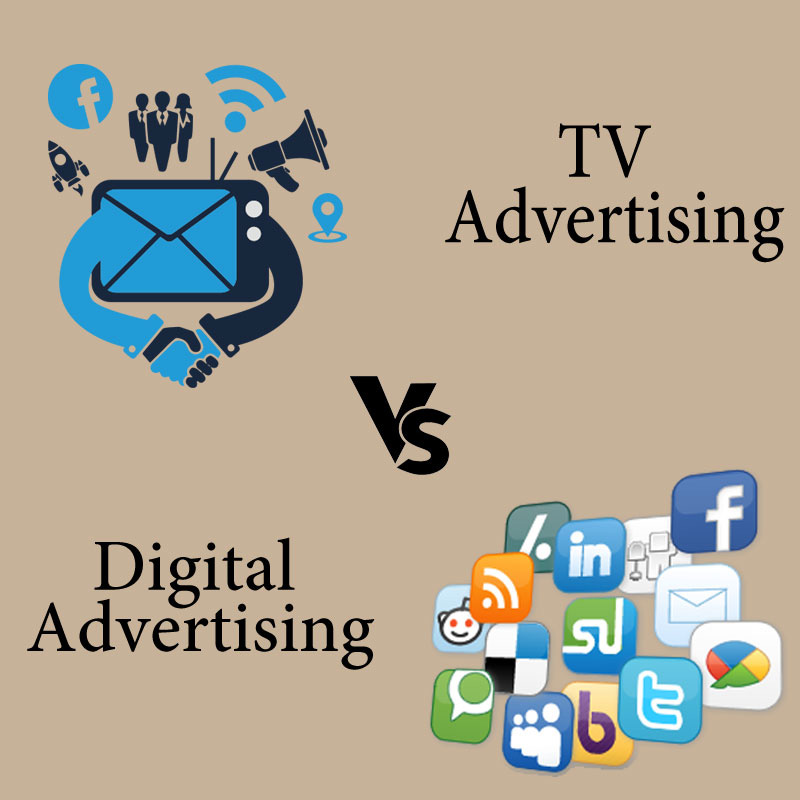
    MUMBAI: There was a time not so long ago when TV was the main medium to consume content. All that one had to do was create a TV commercial and voila! It was watched by millions. But recently, more and more youth and millenials are gravitating toward platforms like from Facebook to YouTube to Twitter to Whatsapp to Tiktok to Instagram to OTT, to consume video. How are brands engaging with them? What format of video ads are they creating to communicate their brand message?  And have TV commercials evolved in their journey from TV to OTT and digital?

    However, according to some industry experts, there is just a shift in the trend and format of advertising. In earlier days TVCs were the only content that was created but today it is much beyond that. Today it is more about creating ads for different platforms and of different durations rather than creating one single commercial.  Experts also believe that the slump in the economy has resulted in the decline of creating long format advertisements.

    Says Jigsaw Pictures founder and creative producer Rajnish Lall:  “I think there is a bit of similarity in creating both a TV and digital commercial. The difference is not about reach. Both are catering to a product or a brand and are done keeping in mind the brand proposition. People usually make a brand film which is 59 seconds so that it could also be put on Instagram. Content that we make is usually three and five minutes, depending upon client requirements.  Television costs a lot more. And to run on Facebook, WhatsApp or Instagram or any other digital platform it’s much more reasonable and people go for the longer version of it. Having said that, both the platforms are representing a brand and have more seriousness about it. When it comes to making a TVC the client is more precise about the output. The production quality cannot be down it has to be good, very good or great. However, in digital, people could make content in all sorts of budgets.”

    According to Havas Media Group CEO India and South East Asia Anita Nayyar, TVCs shot for television are normally for 30 seconds to 60 seconds and when they want to make an edit to run on television 60 sec is pretty long. Generally, ads are shot for 60 seconds so that it could run on cinema. When they run the campaign for other platforms they have the adaptation of 30 seconds to 20 seconds to 10 seconds depending upon the storyline.

    She adds: “There are two ways of putting a commercial on YouTube where you can do a long edit of a commercial that runs for one or half a minute but whereas when you look at advertising on digital media the ads are pretty short because according to reports the average attention span is three to five seconds. The creativity and the thinking in digital are done on that basis.”

    "Unlike a TVC which is based on a traditional story arc – beginning middle and end; the making of digital ads involves adapting to the media platform format and context,” points out Madison Media Sigma CEO Vanita Keswani. “The digital video creatives span from five to six seconds short format videos as well as long format 60-120 seconds storytelling ones. Tech innovative creatives on digital have a two-way communication with consumers" She adds.

    The advertising costs related to producing content for TV is expensive as compared to digital format. In fact, as per the reports of Magna, the research arm of  IPG Mediabrands, digital ad spending in 2017 reached $209 billion worldwide that is  41 per cent of the overall market. While television brought in $178 billion which tots up to 35 percent of the total market.

    If one were to estimate about 9 per cent of that going towards buying space and inventory on the different media platforms, that leaves us with digital ad production totting up to around $20 billion worldwide, whereas TV commercials production spend would be around $17 billion. The figures would be much lower for India, though as spends on creative and TV are much lower here compared to more developed markets in Europe, the US and Latin America.

    Says an ad industry veteran:  “A large part of the production budget is kept aside for paying celebrities as endorsers (even as high as 25 per cent sometimes) as lazy creative’s from advertising agencies and not savvy enough marketing executives look for short cuts to create their communication. My estimate is that almost 30 per cent of TVCs are relying on celebrity endorsements. What this means is that the quantum of TVCs being made by a brand is falling each year or if they want to produce the same number, they have to slash the production side of the budget,” says an industry expert. And this is being felt even more in these tough economic times where brands have slashed their spending. There is a huge squeeze on TV commercial makers.”

    Lall echoes this. “Before the digital era, they used to make two to three films in that budget. Now what is happening, the budget hasn’t gone up because economically we are a little down as a country so things are not taking off. The client has limited money, his expectation is not to make two or three films but to make eight films. So, the money you invested in making a television ad has gone low.”

    He also points out to another problem. According to him, advertisers are anyway even today more inclined towards putting aside higher budgets for making TV and cinema spots as compared to digital, though he would like this to change.“Normally you will not see a good quality digital film because of the lower budgets. Digital spots can be shot on any kind of camera, it could be on their phones as well. So basically it can be done at a very basic budget. So the output is not great. However, very established brands don’t mess around it because they are conscious and particular about every piece of communication they are providing to the brand. It should match the brand's personality, image and aura in the market and in the mind of the consumer also which the upcoming brands are not paying much attention to.”

    Says Nayyar:  “If you have a long format TVC they are normally done on a high budget which is done for Rs 1 crore to Rs 3 crore and Rs 5 crore. Whereas, in digital ad creation they usually don’t look for a long life piece of communication. While for television you produce one commercial for a longer period of time and for a digital you make multiple commercials. I don’t think so for digital money spend is as much as spent on creating TV or cinema commercials they are long format. TV spots also get adapted to suit digital. In digital you have to look at short duration, collaborations, what will grab the attention of audiences within the span three to five seconds as they have been provided with the option of skipping ads.”

    Keswani’s view is that brands and agency creatives should reduce their dependence on celebrities in TVCs. Says she: “Celebrity mass advertising is not as authentic, relevant and relatable today. The authenticity is being questioned. What works better is turning the spotlight on consumers in TVCs. Ad agency creative’s and brand managers could consider having real and relatable faces in TVCs, which will help the masses connect with the brand and its messaging.”

    “What it will also do is free up budgets towards creating a greater number of TVCs or putting in more VFX, animation, or a greater number of locations or better sets or bringing in better directors and videographers so that more impactful ads can be created for both digital and TV,” says the anonymous executive quoted earlier.

  • Shemaroo hopes to grow at 38% CAGR over the next few years

    Shemaroo hopes to grow at 38% CAGR over the next few years

    MUMBAI: For the last three-four quarters, Shemaroo Entertainment Ltd has been guiding for softer margins due to investments in multiple initiatives. Among other initiatives, the new streaming service ShemarooMe and device business have also left an overall impact due to the higher investment. However, the company hopes to reap benefit from the new initiatives both in terms of margin and top-line. Despite some cyclical issues, the company hopes to grow at 38 per cent CAGR or higher over the next few years.

    “If you see even for this quarter, the people expenses are up by about 40 per cent. Other expenses are up by 50 per cent. So, there is a certain investment that is being done. There are certain cyclical aspects, how long they will last? We do not know. So, it is very difficult for me to guide for the rest of the year because the economy is in a certain state,” Shemaroo Entertainment CEO Hiren Gada commented in an earnings call after Q1 FY 19 results.

    But he also noted that over the last several decades of being in business, they have seen many cycles which have been regarded as opportunities to actually build longer-lasting and better return businesses.

    While new media growth also slowed down to 25 per cent from 35 per cent, the telecom segment contributed 40 to 45 per cent to the overall revenue and the rest of the contribution was equally split between YouTube and syndication having 27 to 30 per cent. Though YouTube and syndication both continue to grow more or less equally fast, Gada hopes that over the next few quarters, ShemarooMe also will kick-in in terms of monetisation and revenue.

    “Telco piece is now in a phase where that business is transitioning from a feature phone product to the smartphone; the market itself is transitioning from feature phone to smartphone. So, that is the whole aspect of that business. So, that business in a way you can say will be shrinking over the next few quarters,” Gada added.

    Despite overall growth in the YouTube segment, the growth in revenue has been significantly lower compared to viewership growth as the realisations on a CPM basis, the ad rate basis continue to fall.

    “So, this quarter, definitely YouTube has at least grown or come back into the growth trajectory or rather, I would say remained in the growth trajectory which it was towards the end of last year that has continued. So, that is one thing, in terms of the overall growth of digital media, I think one is that the base is now significantly higher. So, definitely that base effect is bound to kick in. That is one reason for the slowdown,” Gada added.

    Shemaroo recently launched its over-the-top platform ShemarooMe in a market where more than 30 players are trying to win over consumers. Rather than creating web series or acquiring the latest and greatest movie blockbusters, Shemaroo has focused on segmenting the audience based on consumer needs.

  • Digital segment projected to reach Rs 386 billion by FY22: KPMG

    Digital segment projected to reach Rs 386 billion by FY22: KPMG

    MUMBAI: The digital segment of the India media and entertainment industry is projected to reach Rs 386 billion by FY22 from Rs 173 billion in FY19. The burgeoning sector is set to overtake print media and be behind TV within the same period, according to India’s Digital Future, a report by KPMG. By FY24, the digital market will be half that of TV in the Indian economy.

    Moreover, advertising growth will also be driven by the digital billion with close to 580 million OTT consumers by FY24. The report also added that with the proposed third party digital measurement systems coming into place in India over the next 12 months, the CPMs are also likely to see some growth from FY21 onwards, contributing to the overall growth of the segment. As per the report, video ads on OTT platforms are likely to constitute the bulk of the segment revenues.

    On the other hand, the revenue from OTT digital video is expected to reach 129 billion by FY22. While Indian OTT market’s revenue will continue to be dominated by advertising, the direct subscriber base in India will rise to as much as 55-65 million by FY24, driven by the availability of high quality content curated for different audiences.

    While the subscription revenues registered a nearly 3x increase in FY19, totalling Rs 12 billion, direct subscriptions contributed around 65-70 per cent and the rest were realisations from telco partnerships. Despite the growth of direct subscriptions, the revenue from telco partnerships is also expected to achieve robust growth, although slower as compared to direct subscriptions.

    The digital consumers have also been divided into four categories. The digital sophisticates who consume global content and tent-pole, original Indian programming tailored for the urban audience, typically behind a paywall in English and Hindi. The second is digital enthusiasts who will watch mainly Indian narratives in Hindi and regional languages and some pockets of English. The third is digital mainstream who are looking for free content available online or bundled plans through telcos and other distribution platforms and the last is fringe users who will have sporadic digital access on account of either poor connectivity or irregular income.

    On the course of digital segment evolution, technology and associated tools such as artificial intelligence will provide much needed direction around decisions relating to content creation, distribution and monetisation for digital businesses. It has also been pointed out that micro-segmentation of target markets in an increasingly upwardly mobile economy would be essential for effective monetisation.

  • Hotstar withdraws as an associate sponsor of IPL

    Hotstar withdraws as an associate sponsor of IPL

    MUMBAI: Hotstar, Star India's online streaming platform, has withdrawn as an associate sponsor of the Indian Premier League (IPL).

    A BCCI source told India Today that there was an exit clause in the deal and Hotstar chose to exercise it.  The deal was worth Rs 42 crores per year and IPL associate sponsorships are reported to be in the range of 40-80 crore rupees.

    The report further said that the move will however have no bearing on Hotstar's digital streaming rights. Although the media rights deal was seen as being an ambitious one, this year after the end of the IPL, Hotstar claimed to have crossed 300 million viewers and to have registered a 74 per cent increase in watch-time compared with last year's IPL.

    Star India had bagged a five year IPL media rights deal for television and digital in 2017 worth 16347.5 crores.

  • Network18 Digital’s Puneet Singhvi on customised mobile ads, growth drivers & leadership consolidation

    Network18 Digital’s Puneet Singhvi on customised mobile ads, growth drivers & leadership consolidation

    MUMBAI: The general elections is the best time for news channels and the past four-five months have been a big gain for news broadcasters. A few months ago, Network18 group elevated Puneet Singhvi as president- digital and corporate strategy. Network18 Digital also set an all-new benchmark in election results coverage with 56.2 million users on Network18 Digital’s websites on 23 May (the result day of general election 2019).

    In an interaction with Indiantelevision.com, Singhvi spoke on the strategies to drive growth across the digital platform of Network18. Apart from the regular display advertising on the sites, Singhvi also wants to focus on adding customised solutions for mobile advertising, driving audiences on digital platform and extend some of its brand beyond online. Seeing the growth on various digital vertical Singhvi also revealed that this year the focus would be more on consolidation and obtaining a stable leadership position on the digital front.

    How are you strategising the growth of Network18’s digital platform?

    Over the last couple of years, we had a fairly strong momentum growth or build – Money Control, News18- English and regional languages, CNBC and CricketNext. In the last three to five months, we have built a strong tech backbone and invested in building a fairly robust technology stack behind all of these sites. We also focused on doing editorial in an innovative way in terms of the way we do stories, analysis, infographics, data analytics and data presentation across the network and we get ourselves aggressively around some of the big event coverage and it makes a network-wide initiative rather than doing it in silo. All of these have contributed well. On the sales side, we have streamlined the verticals a little bit; we combined certain sales team to finally end up with 3G verticals of sales. That helped us to get a deeper reach in the market and now we can also deliver our audience on a much bigger scale. On the branded content side or IP side, we have seen a little bit of success with the kind of work the team has done in terms of revenue traction and also in terms of recognition for the quality of work and creativity that we have done. All these combined have given us that momentum and we are able to capitalise on a lot of opportunities that are there on the internet.

    Which digital vertical has been the growth driver for Network18?

    We see robust growth across the platform. Moneycontrol continues to be our flagship and our business vertical is very big. We are growing fairly aggressively on English news and News18 languages are the verticals where the growth is fastest and highest but that is because advertising on the regional language internet has been on the lower base compared to English internet and that is the factor to consider when we look at the overall growth. We are the largest multi-language news publisher in the country and that has helped us ride that wave more aggressively than people who are there in one or two languages. So that’s the kind of reach that we are able to drive through our language verticals and on-air coverage that is provided through our television network that we have across 20 states. That helps us with the overall growth there. English News and CricketNext combined continue to do well. So does the business news vertical which is showing a consistent year-on-year growth trend. In the business news vertical, we are already talking about the diversification of revenue, so we launched Moneycontrol Pro, which is a subscription-based version of Moneycontrol where we have exclusive insights, data analytics etc. That is something which has done very well; we are the largest financial news tool and market news subscription service in the country now.

    What are the challenges you come across on the digital platform?

    The core display business, which has been the bread and butter for digital, is starting to slow down. So it is very important for the publisher and players within the ecosystem to adapt to one – whole programmatic buying or advertising tact and second is we have to constantly think of branded content and creating IPs that can be recurring annual revenue. So those are the two or three risk mitigation areas. All of the publishers work in the 15 per cent market which is outside of Google and Facebook, so it’s really important to be creative. What helps the fact is we are the firmly-established number two engaging network in the country that gives us the scale and position on the table to have a chat with the advertisers.

    How do you see responses coming in from advertisers on the digital platform?

    Digital is now 17 per cent of the total advertising market and it’s just a matter of time that it comes in the top two or three medium of advertising. There have been advertisers who are pioneers in digital advertising and there have been a fair bit of new advertisers that are getting added. There are certain segments which can continue to be more traditional but that’s just a matter of time before they start testing out things on digital and then hopefully convert into more regular advertising over the period of time. It also depends on the kind of solutions that we give and the kind of reach metric we can provide and also the kind of target audience that we are able to deliver to these advertisers. But I think that evolution has happened fairly well on the English internet side of it and it will also happen to the rest of the brands.

    Who are the major advertisers on the platform?

    Traditionally BSFI and auto have been big advertisers but given the circumstances that the auto industry is going through, they have their own challenges. E-commerce is another big advertiser, FMCG is fairly large, tech and IT service is quite big and broking companies are also advertisers for us. These are the four-five sectors that are significant.

    Brief us on the monetisation methods that you look at for digital?

    Basically, all across the board are as simple as selling the banners, display advertising, sponsorship, selling space through programmatic, selling performance advertising, key event sponsorship and creating IPs for digital and getting sponsorship around that. Pretty much every revenue stream that is out there, we go across the board with them. Probably what we do least is performance-based advertising because we believe our audience here is premium and we want to be able to drive returns that one should be getting from those kinds of audiences.

    Brand collaborations are of two kinds- one is- creating customised content and running it across our network, which is the part of regular advertising portfolio that we have and another collaboration that we have is around the IPs that we create. For example, Vanity Dairies had got partners from the cosmetic side. There is a fairly vast opportunity of collaboration there if we are able to drive interesting ideas. Our success had been tough for what we did for Flipkart Fashion. We created the storyboard and a series of videos for them around what the fashion fundas are for various people. It did significantly well for them. That kind of collaboration is at a completely different level where we start utilising our studio capabilities too on conceptualising and creating an interesting reach for them. Obviously, this kind of project drives disproportionately higher revenue compared to the project of standard advertising but they require a significant amount of work as well.

    As you mentioned earlier about subscription-based version of Money Control i.e is called as Money Control Pro. Will you also switch to the subscription model for Network18’s other brands as well?

    We are constantly evaluating the opportunities for alternate revenue streams and one of the more established streams on digital is subscription. So for our brand also it is under the helm of possibility. But as I keep saying, the core is the kind of value proposition that we are able to drive which is interesting enough and has enough traction for the users to pay us month on month and keep paying us over the period of time to subscribe and renew those services. As and when we evolve and create those capabilities given our verticals and when we are able to create those USP we will continue evaluating values around subscription. We are very enthused by the kind of responses that we got for Money Control and that is the interesting space to explore within the larger network.

    News 18 is currently available in 12 languages; will you add any other languages this year as well?

    We might look at one or two additional languages but this year the focus is really on consolidating and establishing significant or a stable leadership position across the board because on the back of that one is able to drive revenue. For us, that would be the really big focus to grow. The kind of responses that we have seen in the last three to five months has been very good. We are the top three players, if not the number one player in almost all the languages that we are present in, which is the significant achievement because in those cases we are up against most of the traditional print brands and most of that we have done in the last two years. So we want to drive that momentum and consolidate it further. Obviously, we will look at adding more languages which are not in the portfolio but this year our focus would be more on consolidation.

    What will be your roadmap for driving growth and revenue on digital?

    Apart from doing display in a more interactive and interesting way, adding customised solutions for mobile advertising would be one focus area. Second focus would be more on driving audience on the digital platform. We are also looking at extending some of our brands beyond online either it could be a knowledge series or events or ground IPs, something like what we have done very successfully with Tech and Auto Awards. So all of these combined could be the growth drivers for the next couple of years.

  • Shemaroo’s Jai Maroo on bridging generation gap, transformation journey and growth plans

    Shemaroo’s Jai Maroo on bridging generation gap, transformation journey and growth plans

    MUMBAI: If reinvention is the key skill for surviving any business, 56-year-old company Shemaroo Entertainment Ltd (Shemaroo) has exemplified this art. The company, which embarked on a five-year transformation journey with an aim of 5x growth, reoriented existing talent and brought in people from diverse sectors to scale up the functioning.

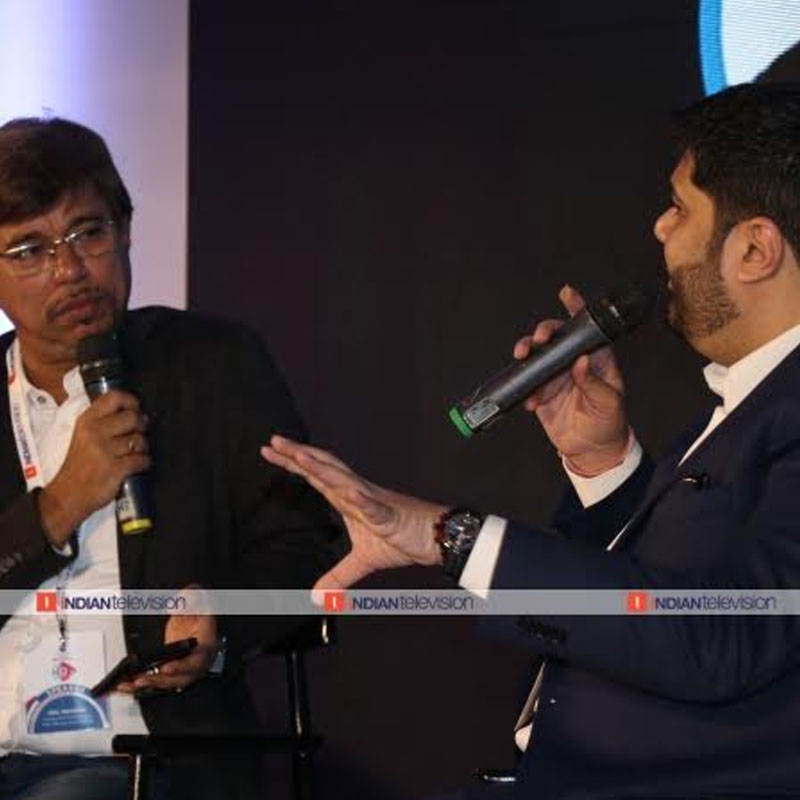
    At the recently concluded Indiantelevision.com’s first edition of Media HR Summit, Shemaroo  Entertainment Ltd (http://www.indiantelevision.com/iworld/over-the-top-services/shemaroo-entertainment-starts-ott-journey-banking-on-its-popular-titles-190214) director Jai Maroo spoke on the various aspects of the transformation journey in a freewheeling fireside chat with Indiantelevision.com founder, CEO and editor-in-chief Anil Wanvari.

    One of the biggest challenges the industry is facing today is accommodating five different generations in the same company but Maroo seems confident. While building the first transformation more than a decade ago, the company has bridged the gap of bringing in the talent that is needed without disrespecting the talent that is there. He also added that leadership and HR have to play a key role in bringing that balance.

    Maroo mentioned that the company has been reinventing itself to stay relevant in the changing times. That has been the biggest transformation. He pointed out that Shemaroo is media-agnostic serving just about every screen of consumption that exists.

    The company founders made transformation a priority in the early decades of the company. “The ability to not look at where you have been but where your consumption is going and follow that, that ability and humility is something our founders practised for the last three decades but for the last two decades the founders have given a lot of leeways to the team and make the entire organisation do it,” he commented.

    The second transformation of the company was scaling the business including getting listed, changing the nature of deals, own capital allocations. “The third transformation which is to say is that we saw an opportunity more than five years ago for this boom that was coming. Everyone saw the boom was about to come, the disruption that was happening. But it was impossible to time the market that’s why we chose to scale incrementally,” Maroo added.

    He contended that the transformation is not just about outlining strategy and getting content and customer right. It’s also about getting talent, marrying it with the talent the company has, in terms of changing the way business and processes. It is also important to spend enough time supporting all of the various entrepreneurs within the company. Maroo added that attrition has not risen substantially despite Shemaroo having undergone this huge transformation journey.

    From the key learning from two decades, he outlined some key winning traits. Maroo emphasised on putting the other person first and added that relationships with people including employees, customers and vendors hold an important place. Another important point he added was the ability to map and extract value from the ecosystem by seeing where someone is in the value chain. The focus should be on value that accrues in the future. He also pointed out the importance of unwillingness to compromise any commitment.

    “Our current growth is very healthy. We are doing slightly better than the industry. We are growing at 18-19 per cent CAGR while the industry is at 12-13 per cent CAGR. Digital is growing at a much better rate of 40-45 per cent CAGR. And if we continue to grow at that rate, in five years we will be double our size but we want to grow 5x in five years; that was the mission,” Maroo added.

    “We have set certain milestones for the journey; both in terms of business plans and building teams and developing their journeys as well. Like everything else in life, some of it is on the mark, some ahead of time and some behind. That last one is my focus at present,” he commented. Moreover, the company recently started piloting a very interesting product, a device which is a Bluetooth speaker with devotional content pre-loaded.

  • India’s first ever campaign to promote Banana | Keventer Banana

    India’s first ever campaign to promote Banana | Keventer Banana

    MUMBAI: Initiating a new beginning in the Indian marketing space, Keventer, the largest Banana brand in India, has launched the nation’s first ever marketing campaign to promote ethylene ripened Bananas.

    Banana being a low-value product and easily available throughout the year across India, not many organizations have actively promoted the consumption of the fruit. Keventer Agro, one of the fastest growing Food & Beverage companies in Eastern India, has taken a leadership stance in endorsing Banana with India’s first TVC promoting this delicious food.

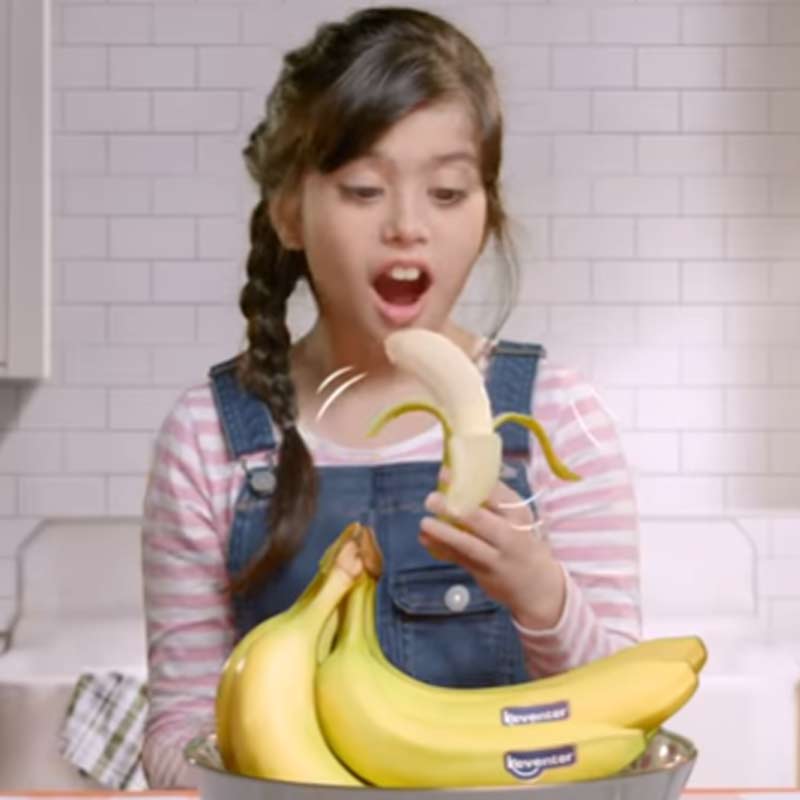
    While everyone’s aware of the health benefits of Banana, one of the key objectives of the campaign is to position it as a desirable diet for children of all ages. The TVC takes the protagonist (a kid) to a fantasy land where the nature celebrates the wholesome goodness of banana with Banana Dolphin, Banana Bird, Banana Butterfly, etc. The stop motion video aims at evoking fantasy in every kid’s mind, encouraging them to consume banana every day.  

    The TVC will be backed by a month-long high decibel campaign along with an engaging on ground activity to spread awareness about the various benefits of Keventer Banana.

    Commenting on India’s first campaign to promote Banana consumption, Mr. Mayank Jalan, CMD, Keventer Agro said “The launch of the first integrated campaign to market bananas in India is an important milestone for us. With an annual sales of 30,000 tonnes, we are the largest branded banana suppliers in the country but the opportunity in India is largely untapped. The launch of this campaign is another step towards achieving our objective of making banana a staple food in every kitchen across the country.”

    “Keventer Agro is the largest seller of branded bananas in India, and has been working extensively with farmers in West Bengal. We provide agronomic advice and assured buyback of produce, and this has led to a sustained improvement in the livelihoods of over 15,000 farmers in the state. Bananas are a great source of nutrition, and we are doing everything in our power to bring this “superfood” to consumers. We are confident that this campaign will leave an impression in people’s minds resulting in a deeper connect with brand Keventer.”- Informed Mr. Sunil Kajaria, CEO- Banana, Keventer Agro Ltd.

    Commenting on the creative aspects of the campaign, Ms. Suparna Mucadum, EVP -Genesis Advertising Pvt. Ltd. said “Bananas are perceived as a boring fruit. We wanted to make the product fun and enjoyable, especially for the kids ……Hence stop motion has been used as a device to capture and create a romance around the product. This has been beautifully presented with the 'Banana Wonder World' story."

  • Learning the importance of video marketing today

    Learning the importance of video marketing today

    MUMBAI: “Is it viral yet?” More often than not, this is what you will hear from marketers and agencies soon after they make a brand campaign or a video live on social media. The virality of a video is the new scale of measurement for most advertisers now, and rightly so! When a video goes viral, it can increase your search engine ranking, click-through rates, open rates and conversions.

    Brands have for the longest time needed a video marketing strategy but what has changed is how important video has become on every platform and channel. It is no longer restricted to doing television commercials or doing product placement on some television show or a movie. It has become the centre to their outreach and social strategy.

    While videos are great and should be every marketer’s best friend, there are several questions around it that need to be answered.

    How do you know if your videos are working? How can you measure the efficacy of your videos? How do you build brand confidence? What is the role of videos in overall brand strategy? What platforms should you choose to deliver the videos? How do you treat videos in regional languages? And most importantly, what are the top 5 things to keep in mind for branded videos and video marketing?

    To find out the answers to these compelling and perplexing industry questions, Indiantelevision.com will host a summit on branded videos and video marketing – BrandVid 2018( brandvid.in) on 30 October 2018 at Sahara Star, Mumbai. The summit will see industry stalwarts discuss these topics and map out a way for the industry where all major stakeholders can make the most of videos.

    Video has absolutely dominated social media and according to a recent HubSpot Research report, four of the top six channels on which global consumers watch video are social channels. And a common topic for every A&M conversation – video is the way forward – finally seems to look right.

    Video marketing isn’t just limited to slapping a video on television, YouTube and other social media platforms. Today, 70 per cent of millennials prefer watching a brand’s video when shopping online. According to Video Marketing Statistics 2018 report, 84 per cent of consumers are convinced to purchase a company’s product after they’ve watched their video. It is also interesting to note that 81 per cent of businesses with an explainer video on their homepage said that those videos have increased their sales.

    As per a report by Syndacast, click-through rates increase by between 200-300 per cent when a marketing email contained a video.

    Remember the Dancing Uncles video that went viral? No? Well, have a look at it here:

    []

    Bajaj Allianz signed Sanjeev Srivastava aka the internet’s dancing uncle to promote one of its offering. Lately, he was also seen promoting Amazon India’s Great Indian Festival Sale. The power of internet and video today!

    In a general media ecosystem, you would have a brand, an agency and a production house where a brand gives a brief to an agency about the kind of video they want and they in turn hire a production house to shoot the video and later get it edited from a third party. But that’s changing now. Brands are now becoming media companies and they have their own in-house content studio that creates content for them on-the-go. It’s challenging for a traditional agency to sustain and survive in a competing environment like this. But is there a way where brands, agencies and publishers can co-exist and collaborate? Maybe yes but how only time will tell.

    Most videos today seem to be mindless and done just because every other brand on the block is doing it. Marketers often forget that they don’t need to follow the herd mentality.

    It is incorrect to judge your video campaign solely on it becoming viral and famous. It may not always lead to your products being sold from the shelves. As simple as video marketing seems, it is actually more complex than that. While brands and agencies have exploited video marketing to the core, whether or not it works entirely depends on what do you want your audience to hear, see and feel. And most importantly, what message are you trying to convey and what is the call to action?

    All in all, video marketing is not only fun, it’s also one of the best ways to get up close to your audience and give them a real glimpse of what you and your business or your clients are doing The more they know about your positive practices, the more likely they are to stick around.

  • Concept BIU Acquires the Business of Bluebytes

    Concept BIU Acquires the Business of Bluebytes

    MUMBAI: Concept Business Intelligence Unit (Concept BIU), one of India’s leading media monitoring agencies, has acquired the business of Comniscient Group’s Bluebytes News. Concept BIU is part of Concept Group, which is India’s leading independent agency offering advertising, digital and PR services. With this acquisition, Concept BIU will be servicing around 550 clients.

    Bluebytes has had the PR fraternity for media monitoring and analysis for nearly thirteen years and this consolidation with Bluebytes will make Concept BIU the largest and most comprehensive Media Monitoring & Analytics service provider in India.

    Ankoor Choudharri, CEO, Concept BIU, said, “We are proud to acquire the business of Bluebytes and we are happy to welcome their 120 plus clients onboard. The new clients will have access to Concept BIU’s service experience which offers an array of analytic tools, consultative client relations; mobile application based services and more allied services offered by us.”

    Speaking on the aggressive growth, he further added “it’s been a terrific year for Concept BIU; this is the second business acquisition in this fiscal year. Along with a tremendous organic growth that Concept BIU is witnessing we remain eager to explore opportunities to acquire or partner with growing businesses that strengthens our market presence and also helps us in improving our range of services”.

    N. Chandramouli, CEO, Bluebytes News commenting on the acquisition, said, “It was a strategic initiative for our group, Bluebytes will be acquired by Concept BIU, a competition we came to admire over time for their large and satisfied clients. While the parting of Bluebytes from our group is an emotional one considering we birthed and raised it, we are happy that the clients are in safe hands with Concept BIU. That said, the next decade for the Comniscient Group looks exciting due to growth in public relations and in brand analytics through our companies, Blue Lotus Communications and TRA Research.”

    Chandramouli added, “We felt Concept BIU was the most aptly suited to continue the services to the Bluebytes clients in the same efficient manner as we have over the years. The two teams are working in unison to ensure the client transitions are seamless.”