Tag: Digital

  • Wakefit.co’s rewind song ‘Bhaad Mein Jaa 2020’ wins internet

    Wakefit.co’s rewind song ‘Bhaad Mein Jaa 2020’ wins internet

    Bengaluru: As a tumultuous year comes to a close, the trials and tribulations of 2020 was encapsulated in a funny, witty and topical video by sleep and home solutions company, Wakefit.co. The video, which has amassed more than 1.6 million views across the internet in three days, came at an opportune time to wrap up the highs, the lows, the untoward surprises and the eventful twists of 2020 and resonates with what people went through during the year. 

    The video was a raging success among netizens, as it struck an instant chord with people whose lives have been turned upside down due to the pandemic and being cooped up at home. Using the hashtag, #BhaadMeinJaa2020, some claimed that it captured the emotions of the year aptly while others declared it was the best video of 2020. The video reached more than 13 million people across social media within three days.


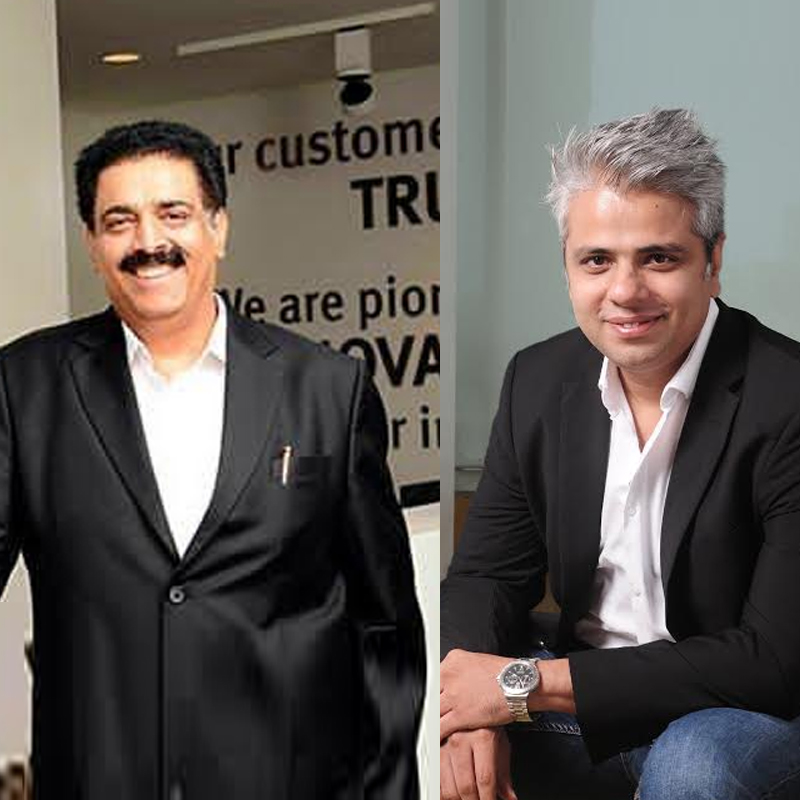
    Wakefit.co director and co-founder Chaitanya Ramalingegowda said, “We really wanted to sum up 2020 on a lighter note and give people something to chuckle about after a grueling few months this year. We created an independent YouTube channel called Home Time and released this video, which is our way of bidding 2020 goodbye once and for all. At Wakefit.co, we believe in creating content that makes people smile while also bringing to light the need for sleep and home wellness. We are thrilled to have received such an overwhelming response for our video from netizens.”

    The film has been designed and conceptualised by Spring Capital.

    Wakefit.co recently raised series B funding of Rs 185 crores from Verlinvest and Sequoia Capital India and plans to bolster its expansion plans in the year to come. The company will also double down on its marketing wherewithal and continue to create content that adds value to the lives of its consumers. 

  • Chivas urges people to stay safe at home & enjoy responsibly

    Chivas urges people to stay safe at home & enjoy responsibly

    NEW DELHI: Chivas India has launched its latest digital campaign ‘Celebrate Within’ to revive the true meaning of celebration. The campaign features five eminent personalities who through individual films express the joy of celebrating what is within.

    India’s reputed designer duo Shivan and Narresh; actor Kunal Kapoor; acclaimed Indian architect and designer Rooshad Shroff; renowned Indian stylist and fashion entrepreneur Pernia Qureshi; and prominent entrepreneur Kalyani Chawla came together in a series of immersive films that elucidate how moments of celebration are defined by lasting bonds and meaningful relationships that each one enjoys within: at home and with their loved ones. During these unprecedented times, the greatest celebration is one in which you express gratitude, embrace a healthy life, and rejoice the safety of loved ones. This is the lifeblood of celebration and responsible enjoyment.

    Pernod Ricard India CMO Kartik Mohindra said, “True festivities are about a generosity of heart. It is about a gracious giving and gratitude for all that we have: hope, health, happiness, love of family and friends. And wishes for universal wellbeing. Of sharing what we have by opening our hearts and lighting up lives. Expanding the circle of joy by including all in our extended family called humanity. Celebrate the spirit of giving. Enjoy responsibly.”

  • PubNation: How print players expanded digital operations amid Covid

    PubNation: How print players expanded digital operations amid Covid

    MUMBAI: The process of the digital transformation of the print industry has been ongoing for a while now, but the Covid2019 crisis accelerated the need for news publications to realign their objectives and operational model, and to look toward creating new avenues to diversify offerings. More than ever, media businesses will have to act now in order to capitalise on this current growth and ensure success in this new landscape and beyond. 

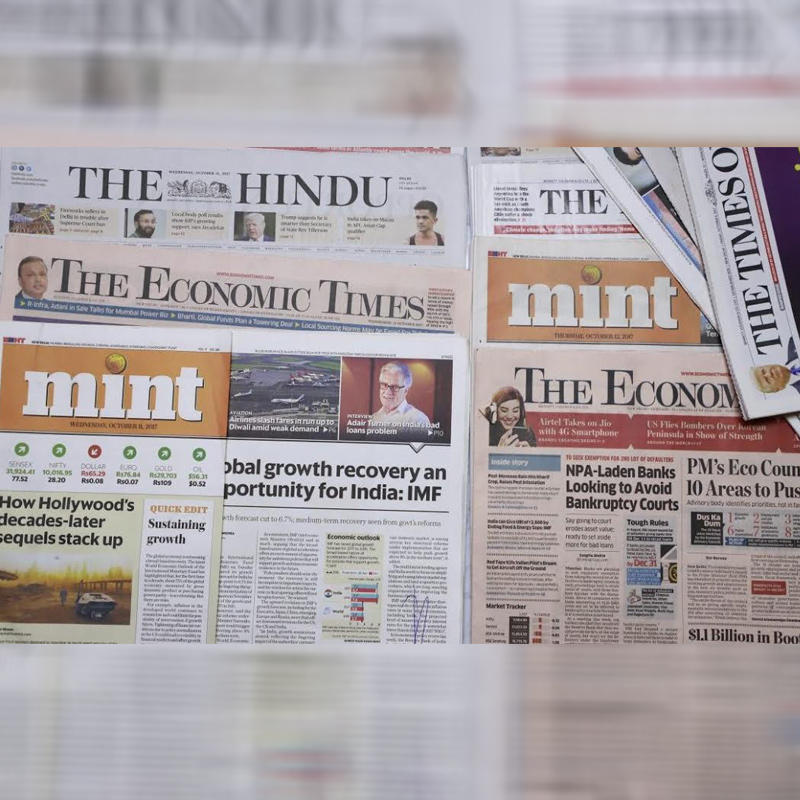
    Different news organisations came forward to discuss the effect of pandemic and how it accelerated their business at the two-day-long summit – PubNation (print and digital), organised by Indiantelevision.com in partnership with Quintyoe Technologies and Gamezop. The panel was moderated by Omdia content strategies senior principal Tim Westcott and included ET Online editor Deepak Ajwani, Moneycontrol editor Binoy Prabhakar, HT digital streams chief content officer Prasad Sanyal, Amar Ujala Ltd state editor Uttrakhand Sanjay Abhigyan, The Hindu strategy & digital editor Sriram Srinivasan and Mathrubhumi assistant editor-online K A Johny.

    During the pandemic a lot of publications were forced to take the digital route to stay in business. As the movement of people, transport and delivery came to a complete halt owing to lockdown, and readers unsubscribed due to economic constraints or risk of contracting the virus off of newspapers, the e-paper played an important role in these tough times.

    Starting off, Srinivasan revealed that The Hindu was among the first few publications to go digital and adopt a subscription-based model two years back. It is also among first few organisations to launch a paid version of the website. He added, “We have an e-paper, we provide dozens of newsletters. So, everything that is required for a digital publication is there. Then there are our sister publications also, including Business Line, political magazine Frontline and a sports magazine.”

    Amar Ujala, which has a very strong presence in Hindi heartland and is among the top five newspapers in the country, has shifted its focus towards creating digital content. The organisation is present in eight to nine states with more than 250 print editions. Amar Ujala has a very vibrant digital presence in the form of a website, YouTube and Facebook. 
     
    Echoing the sentiment, Sanyal mentioned that Covid20919 has accelerated the digital journey for Hindustan Times and the brand is looking forward to expanding its offering. “All the three outlets Hindustan Times, Hindustan and Live Mint are digitally present. During the pandemic, the company has launched three new segments HT automobile, HT tech and HT Bangla,” he added.

    A large number of media groups were already digital first and working towards ensuring that the customer experience is right and they were abreast with the content trends. Ajwani revealed that in March 2020, ET doubled its viewership. Said he: “We were effective, productive and were making a difference with whatever content we were producing from home. A lot of technology, collaboration with our print team has been around for the last three-four years. We have been connected with each other via multi-modes of technology. So, using our feet on the ground, and the skills of technology and the skills we have built online, we have had a very integrated approach from day one.”

    He further added, “Somewhere in the month of July, we saw that Covid2019 pandemic has accelerated our offerings. I believe there is no transition from print to digital. They both work in synergy. It is an omnipresent world, we are present wherever the reader wants us to be.”

    When the novel Coronavirus arrived in India, it came with more than its fair share of misinformation and fake news. People were in desperate need of verifiable, trustworthy news and they turned to print publications and their digital arms for it. In this regard, Prabhakar mentioned that Moneycontrol was focused on reaching out to its audiences and providing all the necessary information related to the pandemic. “Seeking viewer attention was never a problem for the organisation. Today, the lockdowns have been lifted and many of our readers have gone back to their daily routines, now the challenge once again is to how to seek the user’s attention,” he rued.

    The brand had diversified its offering to acquire and retain new users by expanding into the regional language space. It has three subscription-based products — Moneycontrol Pro, Moneycontrol Hindi and Moneycontrol Gujrati. 

    HT is also doing something similar, said Sanyal, and offers products for Gujarati and Hindi speaking audiences. The network closely works with all partners to deliver content.  

    K A Johny disclosed that it has a very powerful presence in both print and TV. He also shared that the driving force for Mathrubhumi is the trust of people. Covid2019 has only revived things for the organisation. Irrespective of the medium, he thinks that a platform of trust and credibility is the need of the hour.

  • ZEE5 decrypts future of digital entertainment with Contech.ED 2020

    ZEE5 decrypts future of digital entertainment with Contech.ED 2020

    Mumbai: ZEE5 will air the final episode of their Contech.ED 2020 series on December 12, 2020. #BingeNomics is an eight-partknowledge series to discuss the trends and triggers behind changing media and entertainment consumption patterns and how companies are responding to it. Bringing together renowned industry personalities like Ajay Kakkar from Aditya Birla Capital, Vikram Sakhuja from Madisson Media, Siddharth Banerjee from Games24x7, Pankaj Parihar from Godrej Consumer Products, the discussions aim to capture expert viewpoints to holistically address the challenges that befall the industry. 

    Entertainment consumption patterns have witnessed a dramatic shift in 2020 – from appointment viewing on TV to on-demand viewing on-the-go. Combined with several technology innovations propelling this growth, the steady penetration of connected devices, and smartphones giving rise to parallel second screen viewing, consumers are discovering newer ways to satiate their content needs. The #BingeNomics series brings to fore various questions with the aim to decode the preferences of the current end consumer, market growth drivers, the importance of storytelling and need for superior consumer experience to decipher what the future has in store for the media and entertainment industry. 

    Zee5 chief revenue officer Rajeev Dhal opined, “OTT saw a comeback in Q2 compared to Q1 post the lockdown. ZEE5 has grown more than 2X in terms of numbers, in Q2:Q1 our user base has grown 50 per cent and engagement rates have grown 4X – basically, everything consumed at-home has only been growing, and OTT is here to stay. There is no debate that digital ad expenses are only growing, and by 2026, 50 per cent of the AdEx will be digital oriented and bigger than TV or print. While consumption rates grow exponentially, users are going to choose to be discreet by limiting ad tracking, removing cookies which will inevitably disrupt the system. BingeNomics is ZEE5’s way of having such thought-provoking, engaging and inspiring conversations on the fast-paced, always evolving media and entertainment industry.” 

    ZEE5 India business head expansion projects and head of products Rajneel Kumar added, “Technology plays a very important role across all material changes we’re witnessing in the media and entertainment space. Consumers are now multi-device, multi-platform users and in order to know where their right audience is, brands must track them closely and accurately in order to understand where they spend their time and why. The more attuned we are to understanding these technological shifts, the better prepared we will be to entertain our consumers and make their content viewing experience superlative.” 

    Moderated by SheThePeople founder Shaili Chopra, ZEE5’s Contech.ED 2020 #BingeNomics kicked off in October 2020 and airs a new episode every Saturday. The first three episodes delved into the disruptors that are currently shaping the digital entertainment landscape, storytelling in digital content, and how innovations are changing the way we look at the rise of digital. The next four talk about the future of advertising in the digital age, who the new digital video consumer is, regional markets driving digital growth, and if and how digital media is poised to overtake traditional media.In the final episode,experts will discuss the nuances of ensuring a brand safe environment on digital media. 

  • Bosch Home Appliances assigns media mandate to Isobar

    Bosch Home Appliances assigns media mandate to Isobar

    NEW DELHI: Bosch Home Appliances (BSH) has brought on board Isobar India, the digital agency from the house of dentsu international, as its strategy and creative agency partner.

    Headquartered in Munich, Germany, BSH is poised to enhance its marketing strategy in India with this announcement. The agency won the account following a multi-agency pitch and will service the brand from its Mumbai office.

    As per the mandate, Isobar India will handle the entire gamut of strategic planning, digital strategy and creative duties for the brand.

    BSH Household Appliances MD Neeraj Bahl said, “We are delighted to have Isobar on board to drive the digital communications for Bosch and Siemens. Keeping in mind our core proposition of empowering the Indian audiences and enabling them with peaceful and hassle-free life at home, Isobar was an appropriate fitment for us as their solution-oriented approach combined with creative renditions aligns with our core requirements. We are confident that together, we will be able to creatively connect with audiences to make Bosch a relatable household name.”

    Isobar South Asia group MD Shamsuddin Jasani added, “I am thrilled to witness the faith that BSH has put in us. Our digital-first, innovation-led approach truly hit home and now, together with the BSH team, we look forward to creating long-term relationship to help drive value for all stakeholders.”

    It is pertinent to note here that BSH Hausgeräte GmbH (BSH Home Appliances) is the largest manufacturer of home appliances in Europe. It is also one of the leading companies in the sector worldwide. 

  • PubNation: Agencies should look beyond just numbers for clients

    PubNation: Agencies should look beyond just numbers for clients

    NEW DELHI: While the local language market has always been a force to contend with in the Indian publishing industry – be it radio, print, TV, or digital – agency partners are not being active enough in providing the deserved monetisation support to them, said a panel discussing the state of local language market on day one of PubNation (print & digital), organised by Indiantelevision.com in partnership with Quintype and Gamezop, opined. 

    Moderated by Wavemaker India chief growth officer & south head Kishankumar Shyamalan, the session was attended by Punjab Kesari Group of Newspapers director Abhijay Chopra, Vikatan group MD B Srinivasan (Srini), Lokmat Media Ltd editorial director Rishi Darda, Mathrubhumi director – digital business Mayura Shreyams Kumar, and Eenadu general manager – marketing Sushil Kumar Tyagi. 

    The panel unanimously agreed that local content and publications have always been strong players in India, and this conversation about their relevance and sudden emergence comes up every time a new medium comes into the spotlight. 

    Chopra, who is a fourth-generation leader from Punjab Kesari Group, highlighted that they have existed in the market since 1948 and the audience was always there for the papers. 

    He said, “This point of local languages emerging comes from an advertising standpoint. What happened in the initial days was that we mostly had foreign advertisers and they advertised what they understood. So, English became their preferred language.”

    Srini, in the same vein, noted that India has always been a land of multitude of diversity and it is reflected in the comparative ad spends on television channels – but the same cannot be said for print. “Regional channels are far more successful than the English ones on TV. Sadly, that never reflected on to print publications,” he said. 

    Kumar stated, “We have been active in the regional market since forever. And there is a sense of trust within the readers as well as the advertisers when it comes to our content. So, I won’t say we are an emerging force. Yes, for digital, I can say that our presence is now being amplified but it is certainly not ‘emerging’, so to say.” 

    However, they are still not getting the commercial traction they deserve because the agency and client partners are not making enough efforts to reach out or discover their content capabilities. 

    To drive this point home, Chopra shared a personal experience: “I started this digital property called Yum; it’s all about food, recipes and other related stuff. So when it started gaining good traction, with the intent of monetising it, I mailed a presentation to an agency representative, who never got back to me. In fact, a few weeks down the line, the same advertiser that I was trying to get onboard got in touch with me via our Facebook channel.”

    He added that the clients (advertisers) do not have enough teams. And for most agency managers, the sole focus remains on completing the work and not actually doing research for good content. 

    Srini, supporting this thought, added, “I often wonder if there is any other metric beyond the numbers or ComScore that makes any impact on the planners. The discussion always starts with CTRs, CPLs, CPMs etc. Is there any willingness to look at our storytelling capabilities and the ability to provide the brands with a platform to engage better with their consumers?”

    However, he also agreed that the publishers themselves will have to take the responsibility to promote their content and increase visibility. 

    Tyagi highlighted that consumers are going to get back to credible sources to get their news and advertisers are also willing to associate themselves with credible publications. “The agencies should be coming to us asking what are your editorial policies, how are you dealing with the news, what are the cultural aspects, etc.” 

    Darda and Kumar also noted that advertisers and agencies should look beyond just numbers and take into consideration the impact and the trust metrics for any digital channel.  

  • PubNation: Are paywalls the future of digital news?

    PubNation: Are paywalls the future of digital news?

    MUMBAI: Covid2019 has impacted industries across the board but it also gave a massive fillip to digital adoption. People are using digital more than ever for most of their requirements – from buying groceries, to reading news, and seeking entertainment.

    The massive change in consumption habits has not gone unnoticed by media organisations and while some may think that the print industry is on the cusp of a digital revolution, the truth is that they have been preparing for this for a while now; upgrading their capabilities by investing in technology, video, content formats, creating properties and, most of all, training editorial teams. 

    In order to understand the new form of print media, its relevance as an advertising medium, the content that will define print publications in future, and technology that will shape the copies of tomorrow, Indiantelevision.com is hosting a two-day-long summit – PubNation (print and digital) in partnership with Quintyoe Technologies and Gamezop.

    One of the virtual panels focused on the convergence of print and digital, and how news will evolve and be consumed in the next three years. The panel was moderated by Omdia content strategies senior principal analyst Tim Westcott and included ET Online editor Deepak Ajwani, Moneycontrol editor Binoy Prabhakar, HT digital streams chief content officer Prasad Sanyal, Amar Ujala Ltd state editor Uttrakhand Sanjay Abhigyan, and Mathrubhumi assistant editor-online K A Johny.

    Abhigyan opened the session by sharing that till recently, Amar Ujala was known as a print maven, but the organisation has adopted digital at a rapid speed. It has a vibrant online presence in the form of a website, YouTube and Facebook pages. In current times, content diversification is of utmost importance, he stated. 

    But going digital also raises the question of modes of monetisation. Will the future of the digital news content be obscured behind paywalls?  

    The Hindu strategy & digital editor Sriram Srinivasan shared that the group was one of the first ones in the country to figure out that getting into a subscription model was inevitable. “We identified it a few years ago, before we even did it. We all saw where the online advertising was going and a lot of publishers were struggling to make it as a main source of revenue and it is still a problem. There is a limit to which the online advertising can support a publication,” he said.

    Prabhakar mentioned that Moneycontrol has a subscription product – Moneycontrol Pro, which has been around for the last two years and has managed over three lakh subscribers in the last 18 months. “We have been doing this because our business ambitions and editorial objectives were clearly aligned.” 

    Ajwani, who was representing one of the biggest publishers of the country, mentioned that for the last two years, ET Prime was running without any ads. However, they were the first website in the realm of business mulling to go the subscription route. Initially, the print team was helping them with great paywall content. Then they started with video content, deep-dive stories and experimenting with formats and graphics. Covid2019 further hastened the process of segueing from partial to complete paywall.

     “Initially we put out three articles with in-depth analysis and graphics behind the paywall on ETPrime.com. This July we integrated it into the ET platform and it became the membership platform for us. We redesigned an integrated website, launched a paywall mechanism, and a lot of changes were made and all this was done from home,” he detailed. 

    During the conversation, K A Johny disclosed that Mathrubhumi is planning to go behind a paywall and the teams are working towards this end. 

    Westcott wondered how these industry giants were going to make readers pay for their digital platform, to which Prabhakar admitted that building a subscription-based model is not easy. There are also hefty production costs to contend with. To make the content look worthy enough so that the readers pay for it, the organisation uploads weekly stock results and in-depth investigative reports.

    Adding to this, Ajwani said that it is important to make the user-experience more hassle-free and enjoyable. "I think both science and content are the subscription mantra." Sanyal agreed, chiming in with the reveal that the organisation is aware of what audiences read, and discovery of the kind of content that will be run on the site is driven by algorithms and not individuals. 

    It will be interesting to see how the content strategies of these platforms unfold in the long run and how willing users will be to pay for the content.

  • HomeLane to invest Rs 100 crore in marketing over 12 months

    HomeLane to invest Rs 100 crore in marketing over 12 months

    BENGALURU: In India, getting home interiors done is generally regarded as a significant but chaotic exercise. As a result, the business segment remains highly unorganised and plagued with unpredictability in terms of time, quality, transparency and expertise. A chaotic experience brings down the joy of creating a new house and unpredictability becomes a serious nightmare. With this rationale, home interiors brand HomeLane is aiming to reduce the pain currently associated with this process through its 45-day delivery promise.

    The company has launched a new digital campaign ‘Switch to HomeLane’, across a wide spectrum of OTT/video streaming platforms to urge the Indian consumer to bank on the HomeLane guarantee and “switch” to enjoy its predictable experience. With the digital-first approach, HomeLane is kicking off the new campaign on OTT platforms, beginning with SonyLiv during the India vs Australia T20 series, and supported by YouTube and other social media platforms across key cities.

    HomeLane is planning to invest over Rs 100 crore during the next 12 months on various marketing initiatives. This campaign is part of this strategic direction and will run through the entire Q4 of FY 20-21.

    HomeLane VP marketing Rajeev GN said, “At HomeLane, we bring predictability into an unorganised and chaotic journey of getting home interiors done. Our 45-day delivery with a penalty backed promise of ‘we pay, you rent’ has been a huge differentiator. It has benefited our customers through price transparency combined with high quality delivery making the last mile of the experience easy for them. Through our new campaign we reiterate this promise as Indian consumers start adjusting to the new normal.”

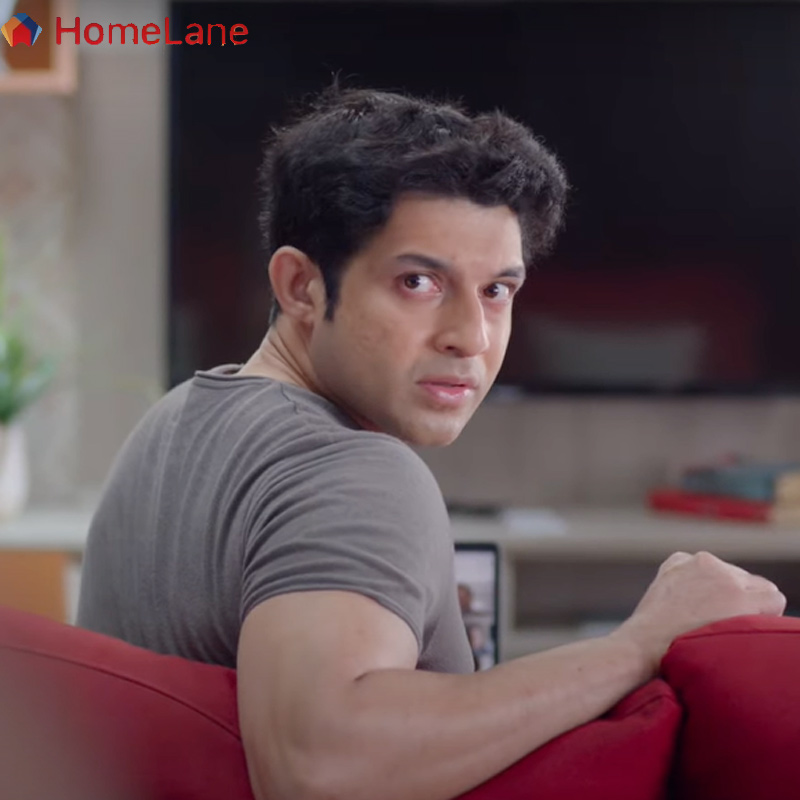
    The campaign involves a couple in the process of getting their new home’s interiors done. However, they are faced with multiple challenges such as delays, poor quality and hidden costs along the way when it comes to dealing with a carpenter. By highlighting these pain points, the campaign aims to appeal to the homeowners to switch to HomeLane in order to enjoy a hassle-free experience through the HomeLane guarantee of 45-day delivery, superior quality and complete price transparency.

    Established in 2014, HomeLane has grown into one of India’s leading tech-enabled home interiors brands, providing end-to-end interior services in a personalised, professional way. The company claims to have delivered over 15,000 homes across the country, over the last six years. HomeLane currently services 12+ cities across the country through 21 experience centres.

  • There will be a ‘Mahabharat’ between TV & OTT: BARC’s Sunil Lulla

    There will be a ‘Mahabharat’ between TV & OTT: BARC’s Sunil Lulla

    MUMBAI: BARC India CEO Sunil Lulla is in a unique position, being at the helm of a body which is the only industry currency for the 3.5-billion-dollar television advertising market. Needless to say, it comes with a lot of responsibility.

    Lulla brings over 35 years of significant leadership and domain proven knowledge, with ground-up experience in growing brands and building businesses. Having worked across media, brands and advertising, he has occupied leadership roles at MTV, Sony, Times Television Network, SaReGaMa, Diageo, Indya.com, GREY group, JWT and Balaji Telefilms. Sunil maintains active interests in serving industry interests to foster the spirit of self-regulation and collaboration. He is an active long-distance runner, enjoys sailing and evocative conversations.

    During an interaction with Governance Now’s Kailashnath Adhikari, Lulla talked at length about the impact of Covid2019 on the television and broadcast industry, key takeaways during the pandemic, television viewership, technology, advertising, and much more.

    Lulla shared that the peak in television viewership has gone down compared to the pre-Covid2019 level, but it is slowly picking up. Said he: “We are more than 902 million viewing minutes, it picked up to one billion viewing minutes. As people are confined into their homes the lines have blurred between primetime and non-prime time. The prime-time hours of 6 am to 6 pm witnessed a major shift in viewing.”

    With filming being halted during the lockdown, no production of televised content was happening, so the only option left with audiences was to watch news, movies and kids’ content. Hence, the news genre picked up pretty well – it went from seven per cent of viewing to 21 per cent, then back down to 14 per cent. Now it’s holding steady at seven per cent share of the category. Similarly, kids watched a lot of content before schools went online. Movies became big and once original programming started general entertainment channels (GECs) are back with higher viewership than the pre-Covid2019 period.

    TV will continue to remain as the screen of the household, claimed Lulla, but the initial few months into the lockdown were difficult for the industry as a whole. While there was a peak in viewership, advertising went down. The gap has never been as difficult to bridge before. “However, now advertising volumes are higher than what they were last year, so the shortfalls that are present will not be as bad as expected,” he said. A whole new set of advertisers and brands have come in, health and hygiene products, digital, gaming, e-commerce, ed-tech became huge during this time.

    In the middle of the crisis, digital has picked up fairly because of more mobile connections, higher data consumption, digital show launches. Also, despite being a difficult time period, the IPL has performed well both in terms of viewing and advertising.

    Another aspect that Lulla highlighted is the stiff competition between television and OTT. As audiences are now moving towards online content it is believed that digital advertising will outgrow television advertising in the coming years. Lulla quipped that there will be a Mahabharat between TV and OTT.

    “I think in 2020 in the US, digital advertising may overtake TV advertising but that’s unlikely  to be the case in India before 2030. It’s a question of quality service, quality of economy and what happens to the overall economy. It is not about OTT content or mobile screen. It is more about screen time. I think there will be growth in digital advertising. TV is not dropping, it is sustaining. Because if you want to reach the masses of India, TV is still the best medium.”

    In the last few months, the duration of a lot of niche channels like English GECs and infotainment has witnessed a lot of turbulence, courtesy the pandemic and NTO. But the question that begs to be asked is: weren’t they already seeing a slow death?

    Lulla explained that English is a sliver of the content pie, with less than one per cent of Indian audiences watching English programming. Later, the audiences started watching content on other mediums. So, in order to survive English GECs will have to rework their strategies.

    Another challenge before the television is that it is too advertising dependent, which is not the case in the west, where there is a balance between advertising and subscription. But since cable service in the country is cheap, compounded by a price tariff regime, very few channels are going to make profitable money on subscription alone, Lulla concluded.
  • Top south Indian news publishers join hands to form SPP

    Top south Indian news publishers join hands to form SPP

    BENGALURU: Dinamalar, Eenadu, ManoramaOnline and Prajavaninews media publishers have come together to form South Premium Publishers (SPP), India’s first and biggest ‘south languages’ digital advertising package. This brings the top four dailies, renowned in their regions, to serve their digital advertisers collectively. Advertisers can advertise on the digital assets of these publications and reach out to their target audience in one go. 

    The South Premium Publishers (SPP) digital advertising package offers a reach of 37 million unique visitors, with 715 million-page views and an attractive average time spent of 3.36 to 8.09 minutes. In addition, the SPP digital advertising package delivers 3 billion ad impressions per month. 

    “South Premium Publishers offers advertisers credibility, digital brand safety and increased awareness, with more control and ease of access to premium digital inventory from all major publishers of south India. This is the only premium digital publishers’ network that delivers. We, at Manorama Online are happy to be part of this pioneering platform in Indian digital publishing," said Manorama Online CEO Mariam Mammen Mathew.

    The key differentiator of SPP’s digital advertising package is that it offers a robust value proposition. Each digital advertiser will get a customised solution, derived from a deep understanding from the four media brands. The proposals will be competitive and compelling, and enable clients to target south India with a single RO. 

    Dinamalar director business & technical L Adimoolam stated, “We are the market leader in Tamil Digital market. In 2019-20, of the total Indian ad market of 70k+ crores, 21 per cent has been contributed by digital. Given the current digital growth prospects it’s important that we give the best and the most convenient platform to the advertisers & agencies to connect with south Indian digital audiences. We have launched our consortium website, www.southpremiumpublishers.comwhich has all essential information.”

    The SPP digital advertising package caters to the audience that every brand wants to focus upon. 73 per cent of the combined users are between 18-44 age group, from young purchasers to HNI’s, whose primary source is digital news.

    The alliance offers flexible advertising packages with sales support across India with best in class media mix with CPD/CPM options. The digital advertisers can choose from roadblock ads, display banner ads and native advertising to reach their target group.  

    Eenadu director I Venkat said, “We need to recognise that the market dynamics are evolving, which demands innovation in our existing business model and collaboration is one of the solutions. This combination will help advertisers to reach out to Southern Indian premium digital audiences in a very credible, secure, and highly engaged environment.”

    With SPP offering a south India reach with one single advertising package, marketers have the perfect way to work a digital plan, that talks to the entire region.