Tag: Digital

  • Rasna goes beyond drinks with #LoveURasnaRecipes

    Rasna goes beyond drinks with #LoveURasnaRecipes

    MUMBAI: Instant fruit-based concentrate maker Rasna has rolled out a digital forward strategy this summer season. Known for its I Love You Rasna tagline for years, the brans has chosen to expand its usage and involvement in the kitchen by expanding its campaign to #LoveURasnaRecipes.

    The brand has collaborated with a set of influencers to share and amplify the message to reach out to the target audience. To strengthen the its presence and increase market penetration, Rasna has associated with popular rapper Mellow D. The influencer created a music video to invoke nostalgia by re-creating childhood memories around I Love You Rasna.

    The brand has also joined forces with Bharatz Kitchen, Kanak Khathuria and MeghnasFoodMagic. Apart from this, the brand has gone one step ahead and has associated with famous regional influencers in the food category like Veg Village Food, Simply Swadisht and others like Tastee with Kiruthiga   and   Cooking with Benazir. The influencers and chefs explored unique recipes like Ice Lollies, Orange Sponge Cake and Rasna Mango Chocolate Balls, Rasna Flavored Jelly and Rasna Mango Shake in which Rasna was used as an ingredient other than just a fruit drink, to make this summer season more enjoyable.

    The videos were posted by the influencers on their social media platforms such as Facebook, Youtube and Instagram handle. The brand used the digital medium to create a personal connection and increase the brand value.

    Making things more interesting and engaging, influencers posed a challenge and invited the audience to participate by making their own unique recipes with Rasna. The brand will choose the top 10 winners and the best recipes will get mention in the recipe book.

    Grapes Digital founder & CEO Himanshu Arya said, “Rasna had to move beyond boundaries as “Recipes” has been the most searched category in 2020 during lockdown 1.0 and given the current scenario recipes is going to become huge in lockdown 2.0 too. Rasna also aspired to create something different this year, which involves them with consumers more than before. Also, Influencer marketing is one of the most effective ways to expand the brand’s reach and increase credibility in the market.”

    Rasna chairman Piruz Khambatta said, “Lockdown comes with a new normal and one new normal everybody is experiencing is the urge to become a cook. The urge to become a cook has opened doors for companies to innovate lots of products that can be used as cookery ingredients. How could Rasna be far behind?”.

  • Kareena Kapoor Khan advises working moms to try the Qubo Baby Cam

    Kareena Kapoor Khan advises working moms to try the Qubo Baby Cam

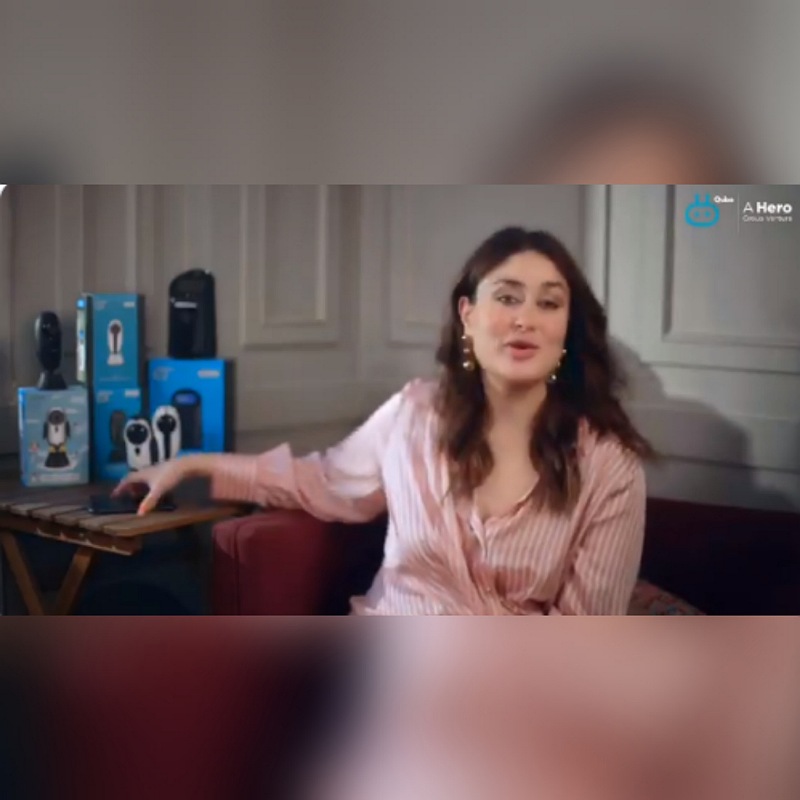
    MUMBAI: New mothers returning to work often find balancing career and primary caregiver responsibilities challenging. However, millennial moms are leaning upon technology to ease into the dual role of managing personal and professional responsibilities. Qubo – a Hero Group Venture’s collaboration with Kareena Kapoor Khan, showcases how she stays connected with her children through artificial intelligence bundled in Qubo Smart Baby Camera while she is away for work. The campaign highlights Qubo’s key features that help Kareena in managing work and motherhood seamlessly.

    Kareena Kapoor Khan exemplifies how motherhood and professional growth can go hand-in-hand. The actor, along with her partner Saif Ali Khan became second-time parents earlier this year.  A powerhouse of talent, the hands-on doting mother to two adorable boys has always challenged conventional norms to set examples for women to embrace motherhood without giving up their passion for work. She has worked on films, television shows and her radio show, all through her second pregnancy whilst also simultaneously looking after Taimur Ali Khan, her first-born. 

    The 60-second digital film is available on Instagram at:


    A post shared by Qubo (@myqubo)


    The ad features Kareena using Qubo’s Baby Cam to stay connected to her children, underscoring how technology can enable new moms to resume work without any worries. The film brings to life how she has been able to seamlessly get back to work, post the birth of her second child with the help of Qubo Baby Cam- India’s first truly Smart Baby Monitor.

    “New parents always face a tough time trying to balance their professional and personal lives, especially working mothers who want to kick-start work after their maternity break,” shared Kareena. “However, this shouldn’t hinder the way the kids are being taken care of. Qubo Smart Baby Camera is a product that falls in the right space. It is a must have for young and expectant mothers who are going back to work.”

    Qubo Baby Cam and App lets you remotely monitor your little one at any point in time with Full HD Image quality, be it day or night, and seamlessly talk back with crisp and clear two-way Audio. With Breakthrough AI, it instantly notifies you when your baby cries and automatically plays its favourite lullaby to soothe him/her. With the Virtual Crib, you can even mark a safe zone for your baby and get notified as soon as baby leaves the zone. It also allows you to see everything your baby has been doing through the day with a beautiful time lapse video, hence, making it a perfect video gallery of his/her precious childhood moments.

  • 9X Media elevates Kanan Dave to SpotlampE business head

    9X Media elevates Kanan Dave to SpotlampE business head

    New Delhi: Music network 9X Media, which also owns SpotlampE and other digital products, has elevated marketing lead Kanan Dave to a business head role.

    As business head for SpotlampE, Dave will drive the next phase of growth, strategy and the creative development for SpotlampE. 

    An experienced industry professional with a career spanning over 15 years in the media and entertainment sector, Dave has been heading marketing at 9X Media for the past two years. In her earlier roles at UTV and Disney, she managed the music and film marketing business and worked on more than 50 movies across languages.

    “I am extremely happy to be a part of the company’s vision. SpotlampE has been a disruptor in the Indian music industry, giving independent and original music a great platform,” said Dave. “The Independent music industry is at the beginning of a new era, driving deeper engagements in multiple genres and languages across the country and offering compelling content to artists, partners and fans. I look forward to working with the artists and creators alongside brands and media platforms to grow the music landscape further.”

  • MPL says ‘Hai Akal, Khelo MPL’ in IPL 2021 campaign

    MPL says ‘Hai Akal, Khelo MPL’ in IPL 2021 campaign

    MUMBAI: Cashing in on the IPL fever, skill-gaming platform, Mobile Premier League (MPL) has launched its latest campaign on TV and digital media platforms. Revolving around the theme ‘Hai Akal, Khelo MPL’, the adverts feature a humanoid brain as the protagonist, driving in the message that anyone with ‘akal’ (brains) can play the game.

    There are a total of seven films in the campaign, of which three are already live and the rest will be released as the IPL progresses. The three films released are a humorous play on the words of popular Hindi language idioms like ‘Akal badi ya bhains’, ‘Akal ke dushman’, and ‘Dimaag ghaas charne gaya hai’. The films push the central idea that one can create their fantasy team on the e-sports platform with basic know-how of cricket during the ongoing T20 tournament. MPL has roped in veteran actor Vijay Raaz for the films’ voice-overs.

    The campaign has been conceptualised by The Womb and brought to life by Early Man Films and was directed by Abhinav Pratiman. “This IPL, we decided to go back to the basics of fantasy cricket- which is to make the best possible team by using your knowledge of the game and your thinking skills. By giving the human brain its own manifestation as a protagonist and by using some very well-known Hindi sayings that we can all relate to,” MPL senior vice president – growth and marketing Abhishek Madhavan said.

    “Passion and love for the game of cricket can at best make someone a great fan of the game. But to play the game either in real life or in the form of fantasy one needs skill. Skill in the form of strong analytical skills and strategic abilities to create the best teams game after game. Our attempt was to bring this alive by creating the brain itself as a device. The campaign uses popular idioms associated with the brain to generate popular appeal,” The Womb founding partner Navin Talreja added.

  • Gangster Pankaj Tripathi shows his love for Nilon’s products

    Gangster Pankaj Tripathi shows his love for Nilon’s products

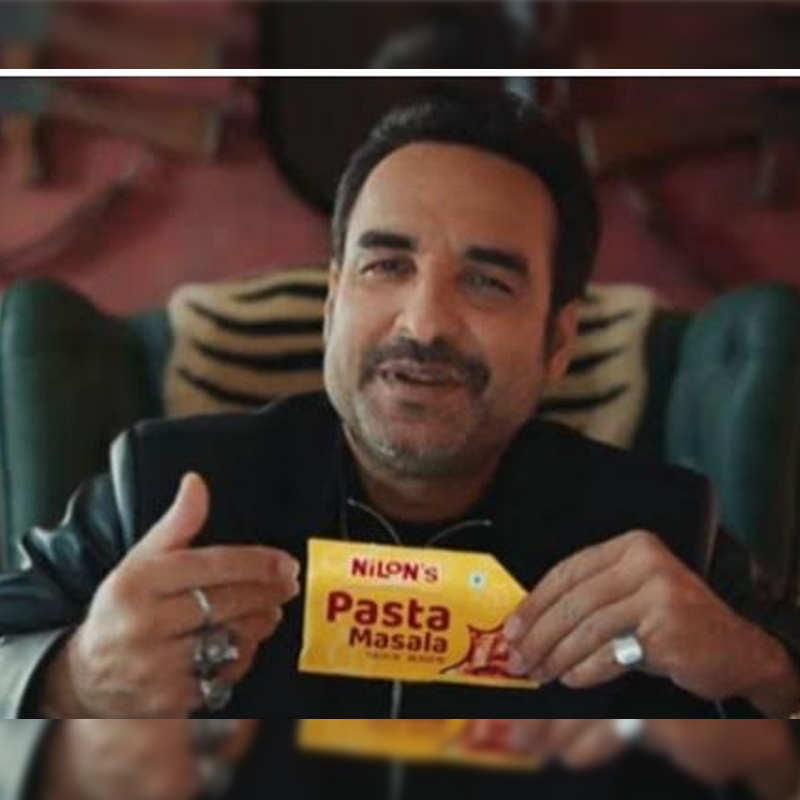
    MUMBAI: Condiments brand Nilon’s has rolled out a new campaign – Isme Pyaar Mila Hai, highlighting the brand products across television and digital platforms with Pankaj Tripathi as its face. The campaign consists a series of quirky and comical ad films that highlight the superior quality ingredients and attention to the smallest detail that the processed food company employs.

    In the films, conceptualised by Ogilvy, Tripathi plays the role of a foodie gangster, obsessed with cooking who uses his culinary skills and loving tactics in various outrageous situations, like giving the police a slip, getting hold of information from a captive rival or ensuring that a guest leaves only after eating a meal. Each film ends with the message ‘Isme Pyaar Mila hai.’ (This contains love).

    Nilon’s MD Dipak Sanghvi said, “Whenever you see Pankaj ji’s shows or movies, it never seems like he’s acting, since it comes so naturally to him. Similarly, at Nilon’s, making topmost quality products with passion comes naturally to us. What made us choose Pankaj Ji as our brand proponent was the shared passion for doing things well along with the secret ingredient called love. This also led us to choose our tagline, ‘Isme Pyaar Mila hai’.”

    Ogilvy India-West managing partner- creative Anurag Agnihotri said, “Nilon’s was going to create brand communication after a very long time hence what was required most was achieving high recall and memorability. For a category that mostly talks to homemakers, we introduced Pankaj Tripathi, a very unlikely candidate into the mix but as a food-loving gangster who spreads the message of love through his love for cooking. We hope these ads will be memorable.”

  • Viacom18 hires ex Vice Media India CEO Chanpreet Arora, Vineet Govil to strengthen digital arm

    Viacom18 hires ex Vice Media India CEO Chanpreet Arora, Vineet Govil to strengthen digital arm

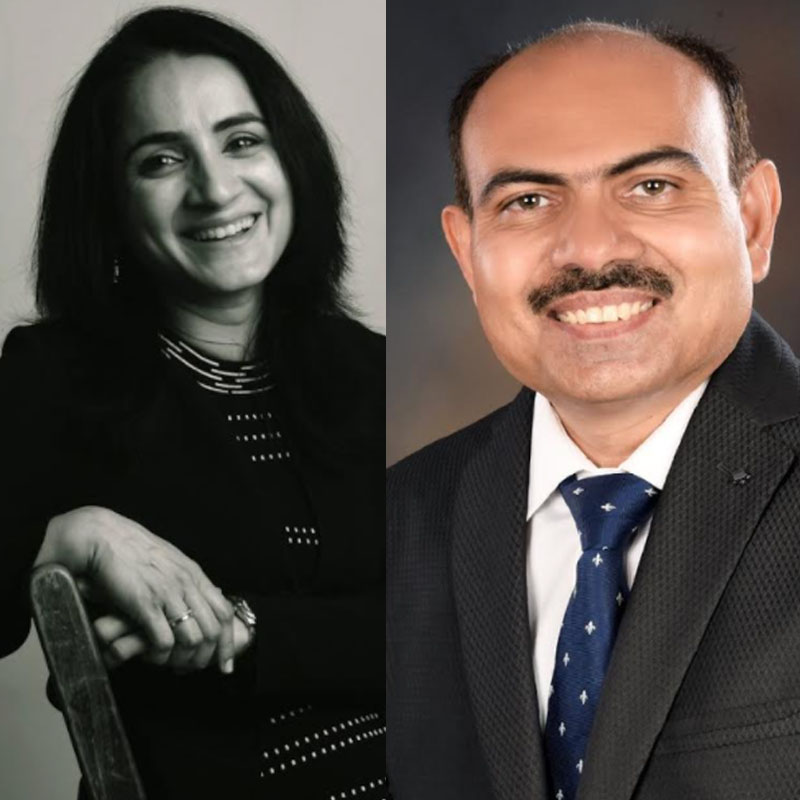
    KOLKATA: In key leadership appointments, Viacom18 has brought on Chanpreet Arora as AVoD (Voot) business head, and Vineet Govil as chief technology officer of its digital ventures vertical.

    In her new role, Arora will drive Viacom18’s streaming platform Voot and lead partnerships that are key to the OTT’s overall growth. Govil will be responsible for strengthening the product’s tech play by offering a more seamless and immersive experience for consumers.

    Arora has close to two decades of experience across strategy, revenue, partnerships and sales operations with media and digital brands. She was responsible for successfully launching Vice Media in India as its CEO. She was also associated with The New York Times, Times Internet, Buddh International Circuit – Formula One, India, and Ernst & Young in her previous roles.

    Prior to joining Viacom18 Digital Ventures, Govil was heading Sling Media’s (a subsidiary of Dish Network Inc, USA) India Development Centre as vice president. With over 26 years of experience in product and technology development across domains, his career spans across areas of embedded software, multimedia streaming (OTT), IoT and wireless telecom, cloud and more. He was also a part of Sasken Technologies and ISRO Ahmedabad.

    Viacom18 Digital Ventures COO Gourav Rakshit said, “We are delighted to welcome Chanpreet  and Vineet to our team as we accelerate our growth to transform the digital streaming space for our users. While Chanpreet is a recognised expert in the Indian media industry with an in-depth understanding and knowledge of the entire digital ecosystem, Vineet is a domain expert and is recognised for building world class products through continuous technological innovations. Together with their exemplary leadership and ability to innovate, we are certain of taking Viacom18 Digital Ventures to greater heights. We are confident that we will further consolidate our position through a more digital-first focused approach.”

    Viacom18 Digital Ventures AVoD (Voot) business head Chanpreet Arora said, “My journey in the digital ecosystem has been enriching so far. I look forward to working with the team at Viacom18 to grow the business further and deliver significant value to our partners.”

    Viacom18 Digital Ventures CTO Vineet Govil said, “I am excited to be a part of a business that is young and successful with three distinct offerings. I look forward to working with the digital team on enhancing the platforms and hope to bring in some excitement from a viewers’ perspective. Streaming is all about experience and this is something we will work closely on to accelerate growth.”

  • Priyanka Chopra stars in first TVC for Parle Agro’s Fizz portfolio

    Priyanka Chopra stars in first TVC for Parle Agro’s Fizz portfolio

    MUMBAI: Beverage company Parle Agro has strengthened its positioning in the sparkling fruit drink category by rolling out a multi-media campaign for its Fizz portfolio. The brand’s Appy Fizz and B-Fizz offerings are all set to go big with a first-ever television commercial.

    The film, featuring national brand ambassador Priyanka Chopra and leveraged in the south with superstar Jr NTR, is already on air and will be aired across national and regional channels.

    Parle Agro’s summer campaign for 2021 is set to build the Fizz portfolio further and position it as the next big super duo brand in the beverage industry. It plans on generating tremendous buzz with an aggressive multimedia campaign, including TV, OOH and digital.

    “Our brand ambassadors are not only the biggest and most celebrated icons in their fields, they also complement the leadership position of Parle Agro’s fizz brands as well. With the collective effort of this massive launch for our Fizz portfolio, we aim to double our market share in the sparkling fruit drink category in the coming year,” said Parle Agro joint managing director & CMO Nadia Chauhan.

    The TVC this year will also have a strong focus on digital strategy and engagement as Parle Agro invests in IPL to a large degree. With B-Fizz being a youth-centric brand, and IPL being a cricket format favoured by the youth, Parle Agro believes this digital partnership with IPL on Hotstar will generate the right reach.

    Plans are underway to expand B-Fizz’s SKU to reach new audiences and to expand the brand’s footprint. This will help Parle Agro build new opportunities that will further bolster the positioning of B-Fizz.

    &Walsh, the creative agency for Parle Agro, has led the campaign narrative for the television commercials, print and digital. The films have been produced by Superlounge, LLC, New York, USA along with Scissor Films and directed by John Poliquin.

  • M&E sector witnessed 24% degrowth in 2020: FICCI & EY report

    M&E sector witnessed 24% degrowth in 2020: FICCI & EY report

    KOLKATA: Following a pandemic hit year, the Indian media and entertainment (M&E) sector declined by 24 per cent to Rs 1.38 trillion in 2020, compared to Rs 1.82 trillion in 2019. However, the allied sector is already seeing recovery with improvement in revenues for most segments in the last quarter of 2020. It is expected to recover 25 per cent to reach Rs 1.73 trillion in 2021, touching almost pre-Covid level scale, according to a report by FICCI and E&Y.

    The report titled ‘Playing by New Rules: India’s M&E sector reboots in 2020’ states digital and online gaming were the only segments which grew in 2020, adding an aggregate of Rs 26 billion and consequently, their contribution to the M&E sector increased from 16 per cent in 2019 to 23 per cent in 2020.

    Other segments dropped by an aggregate of Rs 465 billion. Largest absolute contributors to the fall were the filmed entertainment segment (Rs 119 billion), print (Rs 106 billion) and television (Rs 102 billion). The share of traditional media (television, print, filmed entertainment, OOH, radio, music) stood at 72 per cent of M&E sector revenues in 2020.

    However, television stood as the largest sector despite a 22 per cent downturn in advertising revenues on account of highly discounted ad rates during the lockdown months. Moreover, the sector also witnessed a seven per cent fall in subscription income, led by the continued growth of free television, reverse migration and a reduction in ARPUs due to part implementation of NTO 2.0.

    On the other side, digital advertising did not see much impact, led by increased allocation from traditional advertisers who accelerated their investments in digital sales channels. SME advertisers continued to spend on the medium and experimented more with e-commerce platforms like Amazon and Flipkart.

    For the first time ever, OTT subscriptions surpassed the 50 million mark. From 28 million paid subscriptions, it went up to 53 million in 2020 leading to a 49 per cent growth in digital subscription revenues. Growth has been attributed largely to Disney+ Hotstar, which put the IPL behind a paywall during the year. Increased content investments by Netflix and Amazon Prime Video and launch of several regional language products also catalysed the growth, the report added.

    Online gaming crossed all the marks with 18 per cent growth helped by work from home, school from home and increased trial of online multi-player games during the lockdown. Online gamers grew 20 per cent to reach 360 million in 2020.

    Among the pandemic hit sectors, print’s revenue declines were led by a 41 per cent fall in advertising and a 24 per cent fall in circulation revenues. Theatrical revenues plummeted to less than a quarter of their 2019 levels, partly offset by direct-to-digital releases.

    “While the M&E sector usually grows faster than GDP, it also falls more than GDP degrowth, given the discretionary nature of advertising. In 2020, when the GDP fell by eight per cent advertising fell over 25 per cent while the sector overall fell by 24 per cent,” the report read.

    The M&E sector is expected to rebound in 2021 and double to around Rs 2.68 trillion by 2025, the recovery of various segments will vary albeit. TV, film, music will take one to two years, animation and VFX will take two to three years; print, radio, OOH will take the longest time, even more than three years.

  • How 2020 turned out for Zee English cluster

    How 2020 turned out for Zee English cluster

    MUMBAI: Despite the challenging business environment, 2020 was a year of adaptability, growth and innovation. During the lockdown, television came across as a trusted medium. There was significant growth in TV viewership, led by more walk-ins as well as more time spent on television. The Zee English cluster of channels grew by 93 per cent (BARC data week 12-week 22 vs week 1 to week 11).

    &flix, the Hollywood blockbuster movies channel had one of the most engaged audiences in megacities, with 56 minutes (BARC data week 12-week 22) average weekly time spent on the channel. This, given the context of the lockdown, tells us that viewers find content on television compelling and comforting, said ZeeL premium channels business head Kartik Mahadev.

    English entertainment (movies + GEC) on television caters to 216 million+ viewers (BARC data All India Period: week 01’20-week 49’20). The lockdown has shown broadcasters that people choose to watch television for the curated content experience it provides, not just to individuals but the entire family. Mahadev shared that the English entertainment viewership grew by 45 per cent as compared to last year (BARC data @ All India 2+ U+R data, week 12-week 22’20 vs week 12-week 22’19).

    This year, Zee English cluster introduced tactical changes in the programming with specially curated properties to suit the entertainment needs of a steady subscriber base. For instance, Zee Café added 300+ hours of new content, which includes the latest season of dramas such as Grey’s Anatomy, Nancy Drew and Evil along with iconic sitcoms such as Seinfeld and I Dream of Jeannie along with the original airings of the celebrity chat show Starry Nights GEN Y. Recently, the channel launched its first-ever original production Dance With Me with celebrity dance experts Shakti Mohan and Mukti Mohan. According to Mahadev, the show added to the merriment of the festive season coupled with a unique and interactive format via exciting weekly hook step challenges. The year 2020 also marked the milestone celebration of 20 years for Zee Café.


    Moreover, with the growing popularity of Hollywood movies across India, the network launched ‘Flix for All’ on &flix, which played blockbuster movies in English, Hindi, Tamil and Telugu. With this, the channel witnessed a 41 per cent jump in viewership. The ‘Pick your Flix’ initiative found consumer resonance with immense traction across &flix’s social handles, with 2X engagement and 3.5 million reach.

    While the supply was sporadic, the demand for movies in regional languages also grew. Thus, the network spearheaded the launch of ‘Ticket to Hollywood’, a pan network offering where it combined the might of Zee to broaden access to Hollywood movies across the width and breadth of the country through a multi-channel, multi-language offering.

    “In addition, our fastest to TV premieres with the First Day First Show at Home of blockbusters like Jumanji: The Next Level and Bad Boys For Life enthralled audiences through the year while delivering value to our brand partners. A true testimony to this is the premiere of Jumanji: The Next Level on &flix and a simulcast on Zee Cinema clocking a whopping 34 million impressions,” Mahadev said.

    *(BARC; TG : NCCS AB 15-40, Megacities, pre-Flix For All Period- week 45’19- week 14’20, during Flix For All Period- week 15’20 – WK 37’20).

    English GECs are facing tough times but at a macro level, interest in English content is growing. There is a whole set of audiences moving from regional to English content as they become more comfortable with English as a professional, conversational language. Mahadev has designed unique offerings such as world television premieres, multi-language block, Flix for All on &flix and locally nuanced content on Zee Café, that will stand out as enablers of bringing an aspirational, English-comfortable audience onboard.


    On television, he has witnessed a trend in audience preferences towards light-hearted content, superhero flicks and adventure as a genre. Moreover, ‘nostalgia’ clearly emerged as a big theme across shows, with several successful examples in Hindi GEC.

    There was a growth in non-prime time viewing as well, and hence to keep viewers entertained throughout the day, Zee Café introduced back-to-back episodes of MasterChef Australia S8, Nancy Drew and Evil, Everybody Hates Chris, and The Big Bang Theory S12. There is also an increasingly leaning towards genres like action, animation and horror. 

    As for the network’s distribution strategy, its strengths and weaknesses across time bands, Mahadev revealed that post lockdown, there has been a growth in English content viewership led by both reach and a more engaged audience across dayparts. Zee Café introduced 'Café Film Club' which features blockbusters from Hollywood in the afternoon time band, leading to cutting-edge English GEC content in the prime-time band.

    He highlighted that the youth-focused premium brands can choose from a repertoire of high-quality content to drive association with and reach a premium subscriber base, given a sharply segmented audience that English entertainment on television attracts while similar content on digital is behind a paywall. Said he: “Over the years, we have delivered value to some of the most reputed brands who have partnered with us in our endeavour to engage an evolved audience with the latest in international content. At present, some of the top categories active across Zee English cluster include FMCGs, auto, BFSI and insurance, OTT, smartphone brands, and e-commerce.”

    The rapid flux in the traditional media landscape and rising levels of digital sophistication in consumers has led to the emergence of multiple mediums to engage with the consumer. Context has also emerged as a key factor in any integrated marketing strategy. With the Covid2019 outbreak, there has been a surge in television viewership alongside brands engaging on digital through live video formats. In the English cluster, Mahadev has adopted digital engagement alongside television as part of the channel marketing strategy. He quipped, “For instance, our First Day First Show at Home campaign featuring comic José Covaco garnered an overwhelming response with nine million views on YouTube.


    For Zee English cluster, the primary target audience for &flix include Hollywood enthusiasts from metros. They are brand-conscious, tech-savvy, and in sync with the latest trends. When it comes to Zee Café, the viewers are evolved, motivated and have a global outlook. &PrivéHD, on the other hand, is for the non-conformists and cinephiles who appreciate nuanced content.

    During the pandemic, we saw a shift in consumer trends toward OTT platforms, and it has confirmed that the digital video platforms are here to stay. However, today we live in an ‘and’ world, not an ‘or’ world. Studies reveal that consumption of overlapped content between TV and OTT grew on television from 59 per cent pre-NTO to 82 per cent contribution post-NTO for sitcom, drama, reality genres. It naturally follows that navigation between screens is seamless and consumption on TV and digital is complementary in nature.

    “When it comes to OTT, content discovery is and will continue to pose a challenge to viewers looking to unwind with quality content. This is where television channels that understand their consumer and curate well, delight the viewer. With content availability growing across platforms leading to fragmented viewing, it has led to a greater and a more central role for television. Curation of content on television that lends to co-viewing, making TV for a great community experience for family and friends,” added Mahadev.

    All in all, he believes the network has certainly moved the needle to a noticeable degree this year and the future too looks promising.

  • 2020: The tipping point for the Indian OTT ecosystem

    2020: The tipping point for the Indian OTT ecosystem

    KOLKATA: The Covid2019 pandemic has walloped many industry verticals this year but digital-first categories including over-the-top (OTT) or streaming video services have actually been given a leg up. A host of new users, paid subscribers have tuned in to consume online platforms, due to stay-at-home directives, limited social activities, enforced theatre shutdowns, fewer entertainment options. With multifold growth across metrics, the sector has witnessed growth that would have normally taken four to five years.

    The Indian OTT industry has been steadily growing in the past couple of years, especially since Jio democratised internet for the country’s masses. As the country entered into lockdown, fresh content on TV dried up and OTT platforms emerged as the most sought after medium for entertainment. India’s data consumption went through the roof with demand on OTT and VoD platforms rising by a whopping 947 per cent within July compared to the pre-pandemic period, according to data from internet exchange DE-CIX.

    As the curtains to 2020 are being pulled down, we look at not only statistics but at the emerging trends as well.

    Indian consumers are willing to pay more than ever for OTTs:

    Along with the growth in consumption and users, the number of paid subscribers has also gone up during the year. Back in 2017-18, there was a myth in the market that Indian subscribers would not pay for premium content. While 2019 was already indicating otherwise, 2020 has strongly broken all notions. According to a Boston Consulting group report, pandemic has increased growth of over-the-top (OTT) subscriptions by 60 per cent. It is not only a fad but more than half of these new users are likely to continue using the service. A PwC report has also forecast that subscription based video-on-demand (SVoD) will be the prime driver of revenue, growing at a 30.7 per cent CAGR.

     Although global streaming giant Netflix has not released any country-focused data as yet, it is likely to end the year with 4.6 million paid subscribers in India, as per estimates from researcher Media Partners Asia (MPA). Previously held estimates for 2019 were two million subscribers. Media giant The Walt Disney Co. (Disney)’s digital arm Disney+ entered in India combined with the existing Hotstar service as Disney+Hotstar. Now, Indian streamer accounts for 30 per cent of Disney’s overall subscriber base that is 26 million subscribers. Among indigenous players, ZEE5 also contributed significantly to its parent company’s overall revenue, thanks to its subscription revenue growth. Other platforms like ALTBalaji saw daily additions of 17,000 subscribers at the beginning of lockdown. Newly launched subscription services like Voot Select, Discovery Plus also claimed that the platforms exceeded expectations around customer acquisition.

    Launches, relaunches, the rush continues, even as some exit

    India is seen as the new streaming Mecca and the OTTs are rushing in like lemmings.  Both international and local players launched their services this year. Apple+ which launched towards late 2019, pushed forward with its customer acquisition plans through the year. And one of the most awaited services, Disney+ entered the country through its Indian cousin Hotstar, part of the Star India network, which it acquired the previous year from Twenty First Century Fox. The service was branded Disney+Hotstar and it was introduced just as India was entering the Covid2019 lockdown. Discovery began its video streaming journey with the launch of Discovery+. Hollywood Studio Lionsgate strengthened its direct-to-consumer presence with Lionsgate Play, while it was playing earlier in a distribution partnership model. SonyLiv went in for a relaunch, serving out a very different looking new version Voot from Viacom18 introduced its Voot Select offering.  ErosNow – a part of Eros Media – went for a refresh announcing the launch of new extensions and services  after its merger with US entertainment mid-sized player STX Entertainment.  

     A host of new hyperlocal platforms have also been launched like Aha as they strive to capture a piece of the regional language preferring audiences. Telugu diaspora targeted YuppTV took another shot at domestic audiences by launching an educational service as well as launching new shows.

    Like in satellite television, pan Asian or global  streaming services backed with relatively less capital and by local entrepreneurs, went belly up or restricted their focus on specific countries. Five year old Hooq – a streaming service which promised a lot – shut shop by May 2020, including its Indian operations. The just as the year 2019 was ended, another streamer Viu promoted by HongKong based PCCW, wound up in India.  The biggest disaster was the downward spiral of the Jeffrey Katzenberg-Meg Ryan run short from professional produced video streamer Quibi after guzzling down nearly a billion dollars in investment worldwide. In the US, AVod service Tubi, which had its eye on India, was acquired the Murdoch-run Fox Corp for $440 million. Expect some India play from this player going forward.

    OTT platforms increases direct-to-digital releases:

    The streaming services started premiering movies directly on the platforms earlier but this year saw movies with big names also debuting on those platforms as theatres were closed for six months across the country. Deep-pocketed  players including Amazon Prime Video, Disney+Hotstar went aggressive to acquire big-budget movies. A PwC report has stated that global SVoD revenue will overtake box office spend in 2020.

    At the initial phase of the lockdown, Disney+Hotstar launched  its ‘Multiplex’ feature and went on an acquisition binge acquiring titles such as Laxmmi Bomb, Dil Bechara, Lootcase, Sadak 2. Amazon Prime Video, the Jeff Bezos owned platform, also released Gulabo Sitabo , Shakuntala Devi and several others. Netflix jumped on the bandwagon with the likes of Ludo, and  Gunjan Saxena. Platforms like SonyLIV, Zee5 also turned to old, unreleased films. This trend is not only limited to India but is reflected globally. For instance, WarnerMedia has announced to release its entire 2021 movie slate on HBO Max and simultaneously in theatres. At the same time, ShemarooMe also launched Box Office to release small budget Bollywood movies. 

    Higher investment in original content:

    As the user base, consumption rate grows; appetite for quality premium content amongst India’s massive populace has also ballooned. For consumer stickiness, broadcaster led OTT platforms are heavily investing in original content. One of the early movers in the OTT segment SonyLIV has reinvented itself this year with a higher focus on churning out original content like its runaway hit Scam 1992. The idea was to increase its subscriber base significantly. Viacom18’s Voot also launched a subscription service called Voot Select with a promise of releasing more than 30 originals. Other international OTT players like Amazon Prime Video, Netflix, Disney+Hotstar are also upping their content significantly. London-based technology research and consulting firm Omdia has projected that the three OTT players are expected to collectively spend approximately Rs 2824.9 crore ($383 million) on original content in India in 2021.The OTT players are collectively expected to spend Rs 4,905 crore ($665 million) in 2021. However, Covid2019 restrictions have postponed around 30 per cent of the projects programmed to start in 2020.

    Enriching content library with diverse content, new features:

    Many of the OTT players are aiming to build themselves as super apps. ZEE5 has forayed into short-video category HiPi, gaming. Times Internet’s MX Player has also built a short video platform Mx TakaTak which has been considered as one of the most successful user generated apps post the  TikTok ban. To provide more value to users, ZEE5 partnered with an edu-tech platform at the beginning of the year. During the lockdown, Disney+Hotstar, Voot expanded their health and wellness portfolio on the back of new partnerships. Another niche area,  the kids segment , has also emerged as a big area of attention. While Voot already launched Voot Kids in 2019, ZEE5 added a dedicated section for kids this year with content focused on a blend of fun and learning. Amazon Prime Video which has already established a stronghold with its rich original content, has forayed into live sports acquiring rights for broadcasting New Zealand cricket matches in India. 

    Rising regional market:

    A recent BCG-CII report has shown that 35-40 per cent of the consumption on OTT services happens in local languages. And the hours of original programming in local languages have tripled in the past two years standing at 1,400-1,800. Throughout the year, a number of hyperlocal platforms have sprung up. Many among them, like the Telugu language Aha have committed huge investments to release more than 50 originals in a year. Bengali OTT platform Hoichoi has also announced a huge line up of content on its third anniversary. SunNXT is also looking at investing Rs 200 core for original content in FY 22. National players like ZEE5, Voot, and MX Player have strengthened their local offerings producing many hits across languages. Even international players have also gone deeper into regional markets as digital infrastructure across tier-II and III cities and  rural areas has increased, gradually leading to more traffic.

    Business models expand

    The year 2020 also saw attempts being made at unearthing a new business model transactional video on demand, with ZEE5, Shemaroo and bookmyshow announcing initiatives in this direction. The latter two at least have been planning their services seriously in building such a model. They are taking heart from the tremendous success that Universal’s Trolls World Tour had from digital rentals logging in almost $100 million in collections.

    Of course, the most prevalent model in the OTT ecosystem is the AVoD one or one that depends on advertising and offers free content to subscribers. Amongst the biggest players in this space is MX Player which claims around 200 million subscribers. Of course all the Indian majors – Disney + Hotstar, ZEE5, SonyLiv, Voot – have skin in this game, but their premium shows, sports events, and films are behind pay walls. The free content is used to upsell subscribers to premium services. Advertising is expected to contribute 43 per cent of all OTT revenues.

    Almost every player experimented with pricing during the year. Netflix was the prime example with the introduction of the mobile only plan of Rs 199 per sub in 2019, followed by a mobile+ package of Rs 349 in 2020 which offered streaming to handsets, tablets or laptops. Others too launched varying pricing points to cater to different audiences.  

    Connected TV viewership growth:

    The lockdown has not only increased consumption but has brought significant change in how online content is consumed. While India has been always described as mobile centric market, the growth in high-speed broadband connectivity, and affordable smart TVs has brought more users to connected devices. Moreover, the spike in family viewing has boosted connected TV viewership. A few leading players like ZEE5, Amazon Prime Video, Disney+Hotstar has seen it as a potential trend which can emerge soon. In addition to that, the steady rise in home broadband and increasing OTT partnerships with internet service providers will boost the viewership.

    Challenges ahead:

    2020 has definitely been the tipping point for Indian OTT market, albeit few challenges. The regulatory intervention into online content has ignited the fear of censorship with a negative sentiment looming over the players, and the creative fraternity. A number of petitions are pending before several Indian courts challenging a number of shows. While users flock to OTT platforms for more progressive content, it would be a challenge for the latter to balance between creative freedom and the regulatory noose.