Tag: Digital

  • Appliance advertising to exceed pre-pandemic level by 24% in 2023: Zenith report

    Appliance advertising to exceed pre-pandemic level by 24% in 2023: Zenith report

    Mumbai: Forced to spend more time at home, consumers are investing in making their homes more pleasant to live in, fuelling rapid growth in demand for both large and small appliances, particularly cookers, washing machines, dishwashers, and air conditioning units, as per Zenith report. Zenith forecasts six per cent annual growth in home appliance ad spend in 2022 and 2023 in 12 key markets, including India, predicting that home-appliance advertising will grow ahead of advertising as a whole in 2021, expanding by 12.6 per cent while total advertising grows by 11.5 per cent.  

    According to the report, digital advertising accounted for 55 per cent of home-appliance ad spend in 2020, up from 51 per cent in 2019 with brand building and e-commerce expected to further drive 10 per cent annual growth in digital ad spend. According to Euromonitor International, e-commerce rose from 23 per cent of home-appliance retail sales in 2019 to 32 per cent in 2020, compared to 16 per cent of the market as a whole in 2019, and 21 per cent in 2020. 

    Zenith expects home-appliance brands to continue to invest in e-commerce over the next few years, driving 10 per cent annual average growth in their digital ad spend between 2020 and 2023. Digital advertising will rise from 55 per cent to 57 per cent of their ad budgets over this time.

    The strongest growth in home-appliance advertising was observed in India and Russia as consumers make more first-time purchases. Zenith forecasts it will grow at an average rate of 18 per cent a year between 2020 and 2023 in India. The rapid growth will be in part a reaction to its decline in 2020, which was much steeper than average, with spending down 15 per cent in India. But growth should remain strong after a swift recovery in 2021, as rising personal incomes allow households to buy new types of appliances for the first time.

    Over the past few years and especially during the pandemic, home appliances in India have witnessed substantial growth, said Zenith India CEO Jai Lala. “Consumer sentiments are changing towards the category – from being a luxury item to now as a need-based one. An increase in spends will be towards digital followed by TV and print amongst other mediums,” he added.

    Television is still a vital channel for home-appliance brand-building, supplemented by out-of-home, as per the report. Home-appliance brands spend substantially more on these media than the average brand: in 2020 they spent 29 per cent of their budgets on television advertising, compared to an average of 24 per cent, and 7 per cent on out-of-home, compared to four per cent. Zenith forecasts out-of-home expenditure by home-appliance brands to grow eight per cent a year between 2020 and 2023. Television, suffering from the continued migration of audiences to digital channels, will lag behind slightly, with growth averaging six per cent a year.

    Zenith predicts that advertising expenditure by home-appliance brands will rise from $4.4 billion in 2020 to $ five billion in 2021, well ahead of the $4.5 billion spent before the pandemic in 2019. By 2023, ad spend will reach US$5.6 billion. Despite the easing of coronavirus restrictions, Zenith expects consumers will continue to devote more of their time and budgets to the home than they did before the pandemic.

    “In most markets, the increased appetite for home improvement is incentivising home-appliance brands to step up their communications activities substantially,” said Zenith head of forecasting Jonathan Barnard. “Most of this growth is going to digital channels to support increased e-commerce activity, but traditional media like television and out-of-home will remain essential tools for maintaining mass brand awareness.”

    Digital advertising will become even more important to home-appliance brands over the next few years as they continue to embrace e-commerce, as per the study. Home-appliance brands were already well ahead of the market in adopting e-commerce before 2020, but the pandemic led to a step-change in home-appliance e-commerce. It is essential both for brand building – mainly using online video, native advertising, and social media – and performance, using paid search.

    “Faced with rising interest in the purchase, the increased role of digital in the mid-to-lower funnel, and a greater focus on delivering direct-to-consumer experiences, appliance brands have never operated in a more demanding and complex marketplace,” said Zenith global strategy lead Drew Erskine. “Successfully building brands for the long term will require agile strategies that find the balance between cultivating desire through broad communications and converting interest, often digitally, in more relevant ways.”

    The 12 markets included in the report are Australia, Canada, China, France, Germany, India, Italy, Russia, Spain, Switzerland, the UK, and the US, which between them account for 74 per cent of total global ad spend. The report covers large and small home appliances, including air conditioners, dishwashers, fridges and freezers, heaters, kitchen appliances, ovens, personal care appliances, vacuum cleaners, and washing machines.

  • Amish Sabharwal named senior ECD of Havas Creative Group India

    Amish Sabharwal named senior ECD of Havas Creative Group India

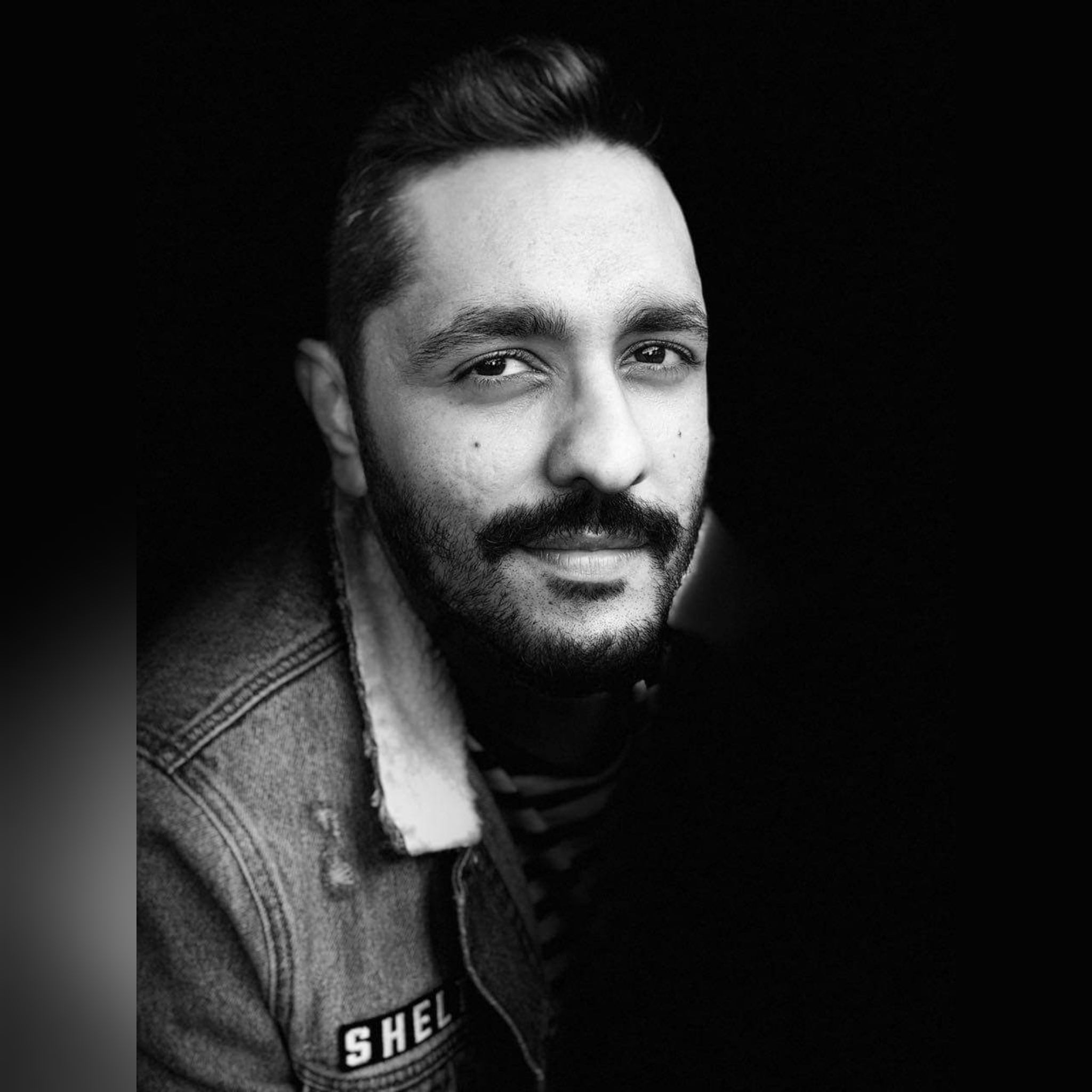
    Mumbai: Havas Creative Group India on Tuesday announced the appointment of Amish Sabharwal as senior executive creative director and creative head of digital experience, effective immediately. He will be based in Gurgaon and will report to Havas Creative Group India national creative director Ravinder Siwach.

    In his new role, Sabharwal will lead the Havas integrated creative digital team with a renewed focus on the digital-first agenda of Reckitt. In addition, he will manage the mandates of many other key brands and clients. He will work closely with the teams to further build integrated strategies and marketing campaigns, which reflects the global vision of creating Meaningful Brands, the agency said in a statement. 

    With over 13 years of work experience, Sabharwal has several national and international awards to his name. He has worked with some of the leading agencies such as JWT, McCann, Dentsu Impact and Grey, during his career. He brings a rare combination of traditional brand-building skills with native digital thinking as he has led both digital and traditional offerings in his previous stint at Grey Delhi.

    “Amish brings with him a vast experience of some of the most well-known brands and categories. I believe his unique approach will bring in a breath of fresh air to the creative landscape and fuel our promise of meaningful storytelling further,” said Havas Group India chairman & chief creative officer Bobby Pawar.

    Havas Creative Group India national creative director Ravinder Siwach added, “It’s been our constant endeavour to offer differentiated and engaging storytelling for our clients. Amish will add more muscle to this vision with his varied background.”

    “I am excited to start new innings with Havas Creative Group India. With Bobby Pawar and Rana Barua at the helm, hunger is evident in the agency’s culture,” said Sabharwal on his appointment. “My role is to build on the sterling legacy these guys have established and make brand Havas an even bigger name to reckon with.”

  • Dentsu India 2.0 bolsters its Digital, Experiential & PR offerings with Isobar India Group

    Dentsu India 2.0 bolsters its Digital, Experiential & PR offerings with Isobar India Group

    Mumbai: Dentsu India has bolstered its Digital, Experiential and PR capabilities under the Isobar India group, comprising the creative agencies Isobar India and WATConsult, and the PR agency, Perfect Relations. Heeru Dingra, previously chief executive officer (CEO), WATConsult, will lead the group as its CEO, reporting into dentsu Creative India CEO Amit Wadhwa.

    “The group structure will see the three agencies align with Isobar’s global proposition: crafting distinctive brands and innovative experiences for a connected future,” it announced on Tuesday.

    According to the agency, the decision is part of the network’s global plan to transform into the “world’s most integrated group by 2024”. it also accelerates the market’s growth journey into dentsu India 2.0. The group will further support the delivery of Isobar’s capabilities and services from India, and the structure will promote collaboration and knowledge-sharing across the India team, embodying the Isobar spirit of “Invent, Make, Change”, it added.

    dentsu Group Inc, global CEO, creative and executive officer, Jean Lin said, “Strategically, India is one of our largest and most important markets for Isobar. Heeru joined us through the acquisition of WATConsult and has gone from strength to strength, cultivating a culture of creativity and innovation. Heeru will strengthen Isobar’s growth story, bringing together the best specialists from different creative disciplines to create the next wave of transformative experiences for our clients and in turn, accelerate our brands into the dentsu India 2.0 vision. I am certain that with Heeru at its helm, the Isobar India group will continue to grow and deliver excellence for our clients.”

    Wadhwa said, the decision is also in alignment with our global ambition of transforming into the most integrated network by 2024. “We aim to deliver the best of our offerings to clients with pathbreaking ideas and solution-led strategies, making our headway into excellence,” he added.

    On her new role, Dingra said “The Isobar India group houses some of the best agency teams in the country and I feel humbled to lead this brilliant bunch. As I take this new leap, my aim is to offer world-class integrated services and top-notch expertise that bring value to our current and future clients. People and creativity are at the core of our business, and I assure our clients will only be served with the industry’s best.” 

  • GUEST COLUMN: Going beyond the short video format for digital media

    GUEST COLUMN: Going beyond the short video format for digital media

    Mumbai: Coconut Films has been in the business of TV commercial production for more than a decade and has recently delivered a digital film for the bullet brand, Royal Enfield. Breaking digital stereotypes, the film is a long-format one & profound. Much like the bike, the film – ’Home’ moves at a cruising pace, and leaves the audiences with a lingering feeling of connecting back with their roots. Coconut Films co-founder Tushar Raut shares his insights on creating the ad-film and how different it was to write for a digital audience.

    Digital has been on the rise for a while. More occasions and more stories have been the mantra for marketers trying to connect with a divided audience whose attention span floats from window to window and app to app. So, how are ad-makers navigating through in a cluttered market? These are some questions that the entire marketing community has been facing since the short format video and video consumption online became a way of life.

    The good news is that we are no longer being dictated by the inherent challenges of the medium and being dictated by the format. Digital gives you a lot of creative freedom on the upside. Brevity is no longer the order of the day. We are not writing for 30 seconds. Of course, the audience has the option of skipping but every second does not count so I believe there is a lot of wind beneath our wings by that count.

    Short format videos are moving fast and selling like hotcakes but the medium has space for longer format and a lot of other kinds of storytelling. The thumb rule here is that there are no thumb rules. It is as ‘lawless’ as it gets. So, you have to do a lot of self-censorships and not get overindulgent with your own ideas. The script is the hero and the story you want to convey guides you rather than the medium.

    For Royal Enfield, we picked a subject that most people would relate to, irrespective of the age group and the format of media they consume. The film for Royal Enfield speaks about going back to roots, going back home and that can’t differ in terms of emotions. Even when it comes to the tech-savvy audience, going back to roots (in most cases) is very soothing. Anybody who has been away from home while having a similar set of feelings. People may change with every passing day, their physical needs also change but emotional needs are less fastidious, it is far more basic and confined. That is what makes us so similar despite many differences. I believe that is what one should focus on while working on a film, be it for TV or theatre, or digital.

    As for us, ‘Home’- the ad film which is roughly over seven minutes long, was not even conceived with the digital platform on our mind. We wanted to tell a story and tell it in the most authentic way. It was conceived with a feeling of wanting to give things back to where we all came from! Roots! We just wanted to make a film with a pure passion for storytelling without limiting ourselves to any parameters. We strongly believe that good content will be seen be it on TV or digital.

    ALSO READ | https://www.indiantelevision.com/mam/marketing/mam/royal-enfields-new-ad-film-kindles-the-joy-of-returning-home-210804

    The market dynamics these days are such that brand managers are often pushed by visibility, recall factors and maintain a continuous presence. While the line between content and advertising is blurring, on one hand, there is a constant need for being present and being connected with the audience. I don’t know whether to call it a downside but that tends to dictate a lot of other factors in terms of making the films, production values, etc. Initially, when the medium started putting out films, the brands would have smaller budgets, more films that were restricted to the short format. But over the years, marketers are coming to terms with the fact that a film is a film irrespective of the medium. It has to have a story, good production values, and weave well, overall. It really doesn’t matter if the film is for digital or any other medium because everything remains the same while producing one. One big takeaway for me has been that this is a very dynamic medium and still at nascent stages so it is evolving at a paid pace every day.

    It is important for the client, agency, and the production house to be on the same page and understand the objective of the film both in terms of the creative and budgetary aspects. If the brief is clear and everyone is aligned, then you can do a phenomenal job on a tight budget also. Budget is not the prerequisite of success; it gives you more freedom to do a lot of things. But I think it is a sort of a litmus test for professionals.

    All marketers will want the best bang for the buck and hence the entire value chain, therefore, aligns to this direction. ‘Home’ luckily was our pet project and the objective was to make an authentic, true-to-life film, which we managed to achieve. By the way, it looks opulent too and that is where our years of hard work has come into play, to achieve what we have achieved within the price points we had earmarked.

    (Tushar Raut is co-founder of Coconut Films. The views expressed in the column are personal and Indiantelevision.com may not subscribe to them.)

  • L’oréal India appoints Gaurav Anand as chief digital & marketing officer

    L’oréal India appoints Gaurav Anand as chief digital & marketing officer

    Mumbai: L’Oréal India announced the appointment of Gaurav Anand as its chief digital & marketing officer (CDMO) on Monday.  This newly created role brings together the digital and marketing efforts of the company to focus on the consumer journey.  

    Anand will be a part of the India management committee and will lead and integrate the consumer insights, data, strategy, media and consumer advisory functions to enable L’Oréal’s digital-first brands to deliver accelerated growth on online platforms.

    Commenting on the appointment, L’Oréal India, managing director, Amit Jain said, “The Indian consumer is making a rapid shift towards omnichannel. As a beauty tech company, L’Oréal India is addressing this evolving landscape by deploying new technologies to enhance our products and customer experience for a new O+O world. This new role is our commitment to strengthen the role of digital at the core of our business strategy. With his proven track record of accelerating disruptive business growth, Gaurav is best placed to scale our digital marketing efforts to harnesses new capabilities for the company.”

    Anand joins L’Oréal from PepsiCo Europe where he led the snacks business for central Europe and digitisation of sales strategy for Europe. With his experience across multiple geographies and diverse categories, Anand has built core expertise in business strategy & development, customer acquisition, motivating millennials, growing brands with digital & data

    On his new role, Anand said, “As a marketer, it’s been interesting to watch what L’Oréal has done for the Indian beauty market in the last 27 years, bringing many first-to-market innovations and products. Future possibilities lie in collaboration and I am looking forward to working with our industry partners to chalk out a strong consumer and data-focused growth story for L’Oréal.”

  • Brands eye stronger recovery in ad spends this festive season

    Brands eye stronger recovery in ad spends this festive season

    MUMBAI:  The year 2020 was a game-changer on many counts for the world in general. Many brands that relied heavily on offline marketing and in-store shopping had no other option but to join the digital marketing bandwagon to engage with their consumers. Now with the festive season almost upon us, how are brands looking to attract eyeballs and consumer footfalls with persisting outdoor restrictions in many parts of the country?

    According to the latest survey – ‘The Festive Season Pulse 2021’ conducted by global technology company, The Trade Desk, nearly 82 per cent of respondents said they shop online at least once a month with nearly one in four making online purchases several times a week.

    “Digital consumption is at an all-time high,” highlights TVS Srichakra head, brand marketing Kavitha Ganesan citing the success of their recent integrated marketing campaign ‘Tyres for a Country full of Turns’. “However, for mass reach, the brand still relies on TV as the main medium. For a category like ours, it is critical to activate marketing campaigns with an integrated 360-degree approach. Hence BTL consumer and trade activations become important. We expect the category to place more and more impetus on the digital front and possibly lower the spends on print.”

    Post-pandemic, the total time spent by Indians on media channels has gone up significantly. According to Havas Media India, managing partner- South, Saurabh Jain, Digital is now mainstream in level with Print, given its multifarious applications and measurable ROI.

    “The growth in advertising would be led by Digital followed by TV, Print, OOH & Radio, yet TV will remain the biggest & most preferred medium for mass & incremental reach,” says Jain, highlighting how Big-ticket properties, especially cricket, have demonstrated the effectiveness of TV in brand building and scaling up reach in a cricket-frenzy nation.

    According to industry estimates, advertisers are expected to invest Rs 4000-5000 crore on sporting properties on TV and Digital in the current scenario where the ad demand is higher than supply. “Print also seems to be much stronger in Unlock 2.0 as compared to the previous unlock,” adds Jain.

    However, brand concur that there is a need to target the customer across multiple touchpoints to ensure they remain ‘top of the mind’ for consumers.

    Fashion and lifestyle e-tailer Myntra expects a similar play between digital and mainline, and is implementing a 360-degree campaign approach, leveraging TV, Digital and social media platforms to cut across diverse markets and build a deeper brand salience with its customers across the country.

    No doubt, industry experts expect high clutter across mediums, mainly TV and digital, this season. The emergent challenge for brands will be to drive more visibility amid this clutter, by looking for opportunities in print, OOH, and cinema.

    “Brands will invest in high-impact properties to break the clutter and achieve high reach during campaigns. The Star group has managed to retain their sponsors for IPL and also roped in many more for the T20 world cup. Other key properties like KBC have already attracted multiple new sponsors,” says Madison Media Ultra COO Jolene Fernandes Solanki.

    Apart from FMCG which leads the ad spends, advertising growth will also be seen across other categories like automobile, consumer durables, e-commerce, OTT, Ed-tech, mobile gaming, retail, tourism, and digital wallet payments. “We are observing a huge rise in new categories and advertisers through a whole bunch of start-ups emerging. They are likely to get active during this festive,” adds Solanki.

    The rise of regional media is another trend that is set to capture the brands’ interest this season, according to agencies. The popularity of regional content and increasing internet penetration in Tier 2 and Tier 3 markets will lead to content-driven marketing solutions at a regional level.

    “Print could also see some recovery during this festive season,” opines iProspect’s Kaushik Chakraborty. “The second half of 2021 is witnessing a resurgence in print advertising with brands returning to the medium in a big way. Large-format ads/Jackets have witnessed an increase in recent weeks.”

    However, OOH still has a tough road ahead, with most brands still cautious about investing in outdoor advertising amid apprehension of a third wave coming. However, both OOH and radio are likely to do better than 2020, say experts.

    TV and Digital have witnessed a steady increase. In terms of ad spends, Television will continue to have the highest share – over 40 per cent – of overall ad spends at the back of IPL and T20 WC, followed closely by Digital with 34 per cent share.  The overall ad market is forecast to grow by a further 12.4 per cent in 2022, recovering to pre-pandemic levels suggest reports.

    Furthermore, brands are expected to invest in impact shows such as Amitabh Bachchan hosted KBC, Salman Khan hosted Big Boss and the soon-to-be-launched Big Picture hosted by Ranveer Singh.

    “Brands have understood the importance of a split spending budget in order to obtain better results,” says Admitad Affiliate India, head – ecommerce vertical, Abhijit Banerjee. “To reconfigure their marketing strategy they are investing in partnerships and collaborations with an array of channels to keep the festive spirit intact. Not only that, with each year brands allocate a lot of budgets for inventories like cashback and coupons for lucrative deals and offers.”

    The three festive months of October, November, and December constitute an important decisive phase for brands and affiliate channels as they expect to reap the benefits of these increased ad spends. With regards to expenditures, high-impact properties, integrations, and video platforms are the focus areas for brands apart from their usual channels which are scaling up.

    “Everyone wants to tell a brand story that brings festive cheer and brands are trying to do this with the help of such platforms. The entire ecosystem is now very enthusiastic about this new growth and is passionately driving the adoption of various new products and service offerings which is clearly visible to us,” says Logicserve Digital founder and CEO Prasad Shejale.

    According to Grapes Digital founder and CEO Himanshu Arya, brands like Automobile, FMCG, and E-commerce players could spend around 25 to 30 per cent on digital, which can increase further during the festive period from Dussehra to Diwali. For specific categories like electronics, consumer durables, and jewellery, the festive period is the most crucial time as the maximum sale is derived during this season.

    There is also a lot of advancement in the Connected TV ecosystem and this space is expected to grow multifold, believe industry executives. The media options are limited at the moment and thus there is definitely a lot of din and chaos in the available media mix and brands would need to put extra effort to stand out from the crowd this season.

    “There is no surprise that the media planning is lopsided towards digital. Having said that, Activation is back in the game and we have delivered fantastic results to brands from activations conducted in a safe environment. So, apart from digital, anything that breaks clutter and delivers ROI for brands will definitely find a place in the media mix,” says CupShup co-founder Sidharth Singh.

    Marketing strategies are now pandemic-ready. Earlier marketing calendars would be lopsided towards offline and ATL with less than 10 per cent of budgets assigned to digital marketing and most companies didn’t have basics in place on digital distribution, logistics, and spending metric on digital.

    “Today marketers have evolved and have digitised their businesses. They are present where their consumer is. There is a healthy ratio of spends across platforms. Marketers are more agile and flexible. Communication calendars are being prepared with Plan A’s and Plan B’s. The mood out there is to win over with all the possible preparations and see an upside,” says Tonic Worldwide chief strategy officer and director, India and MENA Region, Unmisha Bhatt.

    Wunderman Thompson, South Asia chairman and Group CEO, Tarun Rai sums up, “India is not one India but ‘many Indias’ with different media consumption habits. As a result, there is a role for both traditional and non-traditional media in the country. We have seen how newspaper advertising has bounced back in the last few months. In fact, many digital-only brands are now using newspapers as a medium and spending huge sums on wrap-around front-page ads.” So, while digital will continue to grow at a fast clip and may even overtake TV in a couple of years, he believes both traditional and digital media are here to stay for, at least, the next decade.

  • Prasar Bharati gains over 15 Mn digital subs since 2017

    Prasar Bharati gains over 15 Mn digital subs since 2017

    New Delhi: Public broadcaster Prasar Bharati has added more than 15 million digital subscribers on YouTube between 2017 and 2021. The total digital subs for both its services – Doordarshan and All India Radio (AIR) across News and general infotainment has now reached a current digital subscriber base of 17.3 million (1.73 cr), according to the latest data.

    In keeping with the changing broadcasting landscape, technology and viewers’ demand, Prasar Bharati’s digital platforms across Doordarshan and AIR have evolved over the past few years. DD News too, has crossed four million subscribers on its YouTube channel, a month after DD National achieved the same feat.

    EMBED : Prasar Bharti subs

    While the YouTube channels of DD News and DD National are leading the pack with multi-million subscribers, Prasar Bharati Sports, and DD Kisan YouTube channels will soon join the million+ Subscribers league, said the public broadcaster in a media statement.

    All India Radio’s National News YouTube channel, News On Air Official, is at the top among the YouTube channels of the AIR Network.

    Among the regional channels, DD Chandana (Kannada), DD Sahyadri (Marathi), DD Saptagiri (Telugu), DD Bangla, DD Girnar (Gujarati), AIR Imphal and North East service of All India Radio has registered a significant presence on YouTube with subscribers in lakhs.   

  • Tele-Wise Marathi: Why TV still remains the best medium for advertising

    Tele-Wise Marathi: Why TV still remains the best medium for advertising

    Mumbai: The Marathi TV language landscape presents a stark contrast to the regional TV landscape in the southern states where the regional language is almost a necessity to communicate and connect with the viewers. Over 70 per cent of Maharashtra’s TV viewership overlaps with Hindi TV channels, while only 30 per cent of viewers opt for purely Marathi entertainment and news.

    Amid all this, is the vernacular language still the most important medium to communicate with the Marathi speaking, urban populace of television viewers in Maharashtra? This was one of the key questions debated at the recently concluded Tele-Wise Marathi, a virtual summit organised by Indiantelevision.com and presented by COLORS Marathi.

    “Most people in Maharashtra, not just Mumbai are multi-linguistic and comfortable watching Hindi entertainment also,” said Godrej Tyson Food Ltd CEO Prashant Vatkar. “So, there is not so much of a need to create Marathi-exclusive advertising content, as long as the consumer is comfortable.”

    Edelweiss Asset Management Ltd head -product, marketing & digital business- Edelweiss AMC, Niranjan Avasthi concurred. However, he added that one can definitely have a higher impact and reach if one customises the content in the local language. “The authenticity of the message being conveyed will also increase. So while it is not a necessity as far as Maharashtra is concerned, it definitely is an add-on, which can be an advantage for the marketers,” he added.

    Over 45 per cent of the Maharashtra population lives in urban areas, as against the national average of 31 per cent, observed Maruti Suzuki India Ltd, executive director – marketing & sales Shashank Srivastava, adding that the state also has several independent urban centres apart from Mumbai, such as Pune, Nashik, Kolhapur, Nagpur, Solapur.


    Recent data from Broadcast Audience Research Council (Barc) however, suggests that the ‘spillover’ viewership in Maharashtra has really reduced with regional channels seeing an uptick in numbers, especially in the last few months, as was pointed out by Madison Media Sigma- Madison World CEO Vanita Keswani, who was moderating the panel.

    “Even in the urban centers, the viewers’ market share for Marathi content is actually higher than the non-urban areas of Maharashtra. So, there is no way a marketer can afford to ignore it, especially when it comes to the auto sector TG, the affinity for local content is pretty high,” said Srivastava indicating the continued need for specific investments in regional content.

    Maruti continues to invest in regional markets along with Hindi and English content. The auto-maker uses digital for the lower end of the funnel, but television reigns supreme when it comes to brand building, reach and awareness and in TV it is the GEC and news genres, even in the vernacular belt, shared Srivastava.

    According to RamBandhu (ESFL) director, Anand Rathi, when it comes to genres within the Marathi content, more regional news was consumed, especially during the pandemic when people were more curious and anxious to know local news. “The pickle and papad brand has targeted audiences across all classes. Pre-Covid there was a leaning towards GEC content, but all that changed with the onset of the pandemic and regional news channels took precedence over regional GECs for hyper-local reach,” he added.

    Being more of an urban-centric brand selling to higher socio-economic class consumers, Godrej’s Vatkar shared that the brand uses more of digital and OTT to reach out to their specific and well-defined target audience. For this, they used experiential content by roping in celebrity chefs along with micro-influencers. The flexibility offered by digital platforms worked well for the brand, while regional language content did not play a big role since food is not so much language-oriented as much as it is an experiential concept, he pointed out.

    While agreeing to food being more experiential in nature, Rambandhu’s Rathi had a different point of view when it came to the importance of regional language in Maharashtra’s food segment. “Language plays a crucial role in Maharashtra, for me to have a strong connect with my consumer. If I’m able to talk in the language that my consumer wants to hear, he would probably give preference to my product,” Rathi said.

    The brand has recently launched a TVC campaign with celebrity brand ambassador Madhuri Dixit-Nene for its papad and pickle category, who’s the new face for the brand.

    Rathi said that the actor, for the first time, has done a commercial in the Marathi language, while stressing on the importance of the local language’s connect with the consumers.

    Srivastava agreed that if the integration with the local content is strong, the brand connect can be good. “Our internal research has found that consumers actually look at brands differently if they find that connect- and the connect need not be based on just the product characteristics or the message- it is also the language in which it is being conveyed,” he said.

    Marathi language channels have the highest viewership share in the HSM (Hindi Speaking Market) after Hindi language channels. Talking about the KPIs (Key Performance Indicators) when it comes to television as a brand vehicle, Srivastava shared that the reason the brand continues to spend heavily on the medium is that TV has performed convincingly on all its KPIs – both on the brand salience as well as the consumer conversion parts.

    Keswani noted that, interestingly, the bulk of Marathi TV advertising is occupied by national advertisers, and not regional players, as would be expected. One of the reasons for this, RamBandhu’s Rathi shared, could be the high costs of regional GECs today from an advertiser’s point of view. Talking about the brand’s advertising journey from scratch, he said that since their product targets households across categories, they felt TV was the way to go, right from the starting point. So, while other mediums like hoardings and OOH helped, the kind of reach that TV gives would be difficult to emulate on any other medium, said Rathi.

    With 115 million TV viewers, the Marathi TV language landscape is certainly not losing ground to newer kids on the advertising block, like digital. As per a Nielson study, television gives a whopping 83 per cent reach in Maharashtra, as against 51 per cent with digital. Television as a medium cannot be ignored when it comes to mass reach to a wider audience, regardless of the product category, it was roundly agreed by the panelists.

  • Gulf Oil lauds truck drivers in new Raksha Bandhan ad film

    Gulf Oil lauds truck drivers in new Raksha Bandhan ad film

    Mumbai: Gulf Oil India has launched a digital film as a part of its on-going Gulf  ‘Superfleet Suraksha Bandhan’ campaign to appreciate the truck drivers who have been behind the wheels to ensure an uninterrupted supply of essentials and medical supplies.

    This digital film themed around the festival of Raksha Bandhan, depicts how sometimes even loved ones need to change their outlook. The film shows how the emotional bond shared by a trucker brother and his sister comes alive when she realises the hard work he has been putting in all through the pandemic.

    Truck drivers have been engaged in delivering medical supplies including oxygen tanks, cylinders, and medical aid even during the most challenging times of this pandemic, sometimes compromising their own health. When this realisation dawns on her, the truck driver’s sister ensures his safety and well-being by getting him inoculated against Covid-19 at a vaccination camp organised by Gulf Oil.

    Gulf Oil India, under the SurakshaBandhan campaign, has successfully vaccinated more than 10,000 truck drivers across the country, said the brand in a media statement.

    “Throughout the pandemic, our trucking community has been on the roads, risking their lives, to address the demand, supply, facilitating the efficient movement of goods, essentials and medicines,” said Gulf Oil Lubricants India, MD and CEO, Ravi Chawla. “Gulf Oil recognises the challenging job undertaken by the community, involving long hours of functioning and limited family time, to support the economy and country. With this vaccination drive, we were able to educate, inoculate a part of the trucking community and ensure safeguarding them against the novel coronavirus. We would like to thank our trucker brothers for coming out in numbers and using this opportunity to get vaccinated.”

  • OneFitPlus signs Kiara Advani & Sidharth Malhotra as brand ambassadors

    OneFitPlus signs Kiara Advani & Sidharth Malhotra as brand ambassadors

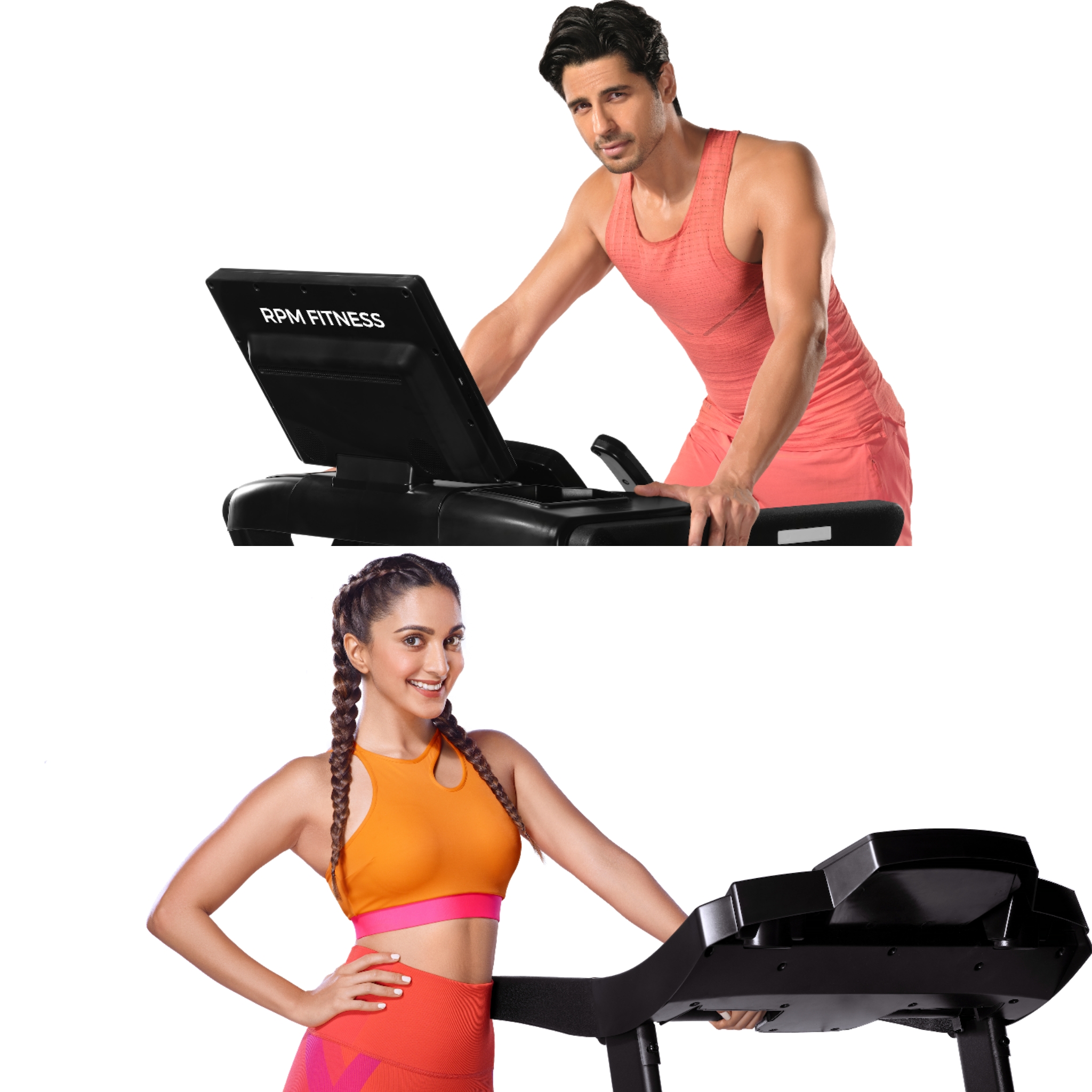
    Mumbai: Homegrown fit-tech company OneFitPlus, which deals in connected fitness equipment like treadmills, indoor bikes and bicycles, has signed actors Kiara Advani and Sidharth Malhotra as brand ambassadors in its first celebrity engagement.

    The Bollywood actor duo will be seen promoting OneFitPlus personal fitness programs and the entire lineup of exercise machines across digital platforms. 

    The new partnership adds to the brand’s vision of removing the effort from exercise and helping people in achieving their fitness goals in a fun, easy and accessible manner, said the company in a statement.

    OneFitPlus founder & CEO Mohit Mathur shared, “At OneFitPlus, we’re committed to our message of ‘Make Fitness Fun’. Exercise should be enjoyed so it becomes sustainable. Sidharth and Kiara have displayed remarkable persistence, discipline, and grit in their fitness journeys much like their professional trajectories. They put in the time that is needed to be at their peak, physically and mentally. We share the same values and see a long and fulfilling partnership taking shape with both Kiara and Sid – helping and training India to get fit.”

    Kiara Advani said, “For me, Fitness is not just about looking good on the outside, it’s about how I feel from within. The pandemic has kept us all at home for over a year and to have a fitness friend at home in OneFitPlus had me excited. Given our hectic schedules, to have the choice of working out whenever you want and convert it into a game to make it more engaging was all it took for me to associate with One Fit Plus.”

    Sidharth Malhotra said, “It’s very exciting to be associated with a fit-tech pioneer such as OneFitPlus. Fitness for me is imperative and I religiously follow a routine. Sweating out for me is a must every day and I think OneFitPlus has found a great way to make fitness fun for everyone.”

    In a sector where technology and services have been low, OneFitPlus has recently provisioned pan India active post-sales service, with connected gaming and connected personal trainers and over 1.5 lakh customers, where users across the country can compete with each other in real-time using their RPM fitness or fitkit treadmill or spin bikes, the company stated.