Tag: Digital transformation

  • Adapt My Web: making the web accessible to all

    Adapt My Web: making the web accessible to all

    MUMBAI: There are currently more than 600 million active websites in France.

    Digital transformation has become an integral part of our daily lives and will become more important in the years to come.

    However, in this digital age, more than 2.5 million people with visual or reading disabilities are excluded and therefore don’t have access to information. According to the European Parliament, in 2020, 120 million people in the European Union and more than 20% of the US population (115 million people) will suffer from a disability and will have difficulty accessing the internet.

    In  a  world  where  the  smallest administrative procedure,  source  of  information or  a  simple communication takes place on the Internet, these millions of people suffer and they’re disadvantaged when using digital tools.

    An immediate and instant solution exists. This resource can reduce the inequalities and promote inclusion during the digital evolution : Adapt My Web : The Accessibility Solution.

  • Jio & Sodexo to accelerate digital transformation

    Jio & Sodexo to accelerate digital transformation

    MUMBAI: Reliance Jio and Sodexo, the leader in Employee Benefits today announced the partnership to accelerate India’s digital transformation. Jio and Sodexo will leverage complementary strengths and offerings to create an enriched digital life ecosystem for Indians.

    JioMoney, the PPI wallet offered by Jio Payments Bank Ltd., has enabled integration of Sodexo Meal Cards with a user’s JioMoney account to allow mobile-based payments via Sodexo Meal Card. The partnership will enable thousands of Sodexo Merchants like grocery shops, kiranas, restaurants and cafes across the country, to accept digital payments via Sodexo.

    Sodexo’s proprietary meal benefit solution, Sodexo Meal Pass can be linked to the JioMoney App for making quick payments on-the-go. It will also be an added digital transaction option for JioMoney’s rapidly growing user-base across India. Consumers no longer have to carry the Sodexo’s physical card for the purchase of food and non-alcoholic beverages. They can simply add the Sodexo Meal Card balance to the JioMoney app and start transacting on-the-go. Jio and Sodexo will continue to work together to accelerate adoption of services offered by both the brands.

    Speaking on the association, JioMoney, Business Head,  Anirban S Mukherjee said, “Jio’s partnership with Sodexo will further Jio’s endeavour to deliver the benefits of evolving digital technologies to every Indian and allow them to live Digital Life to the fullest. The integration will bring convenience and new digital transaction options for both JioMoney and Sodexo users in India. Going forward both brands will leverage core strengths, develop synergies and expand their reach and presence in India’s growing digital ecosystem.”

    Rewards Services India, CEO Sodexo Benefits, Stephane Michelin said, “At Sodexo, we constantly strive to enhance the consumer experience by expanding the ways to use the Sodexo Meal card within our proprietary network. Our endeavour has been to improve the retail experience for our 3 million daily users. With this partnership, JioMoney’s MPOS system will help segregate the food & non – food items among standalone, smaller merchants, which will further strengthen Sodexo’s position as a compliant meal benefit solution in the country.”

    The solution has already been launched in Mumbai and the consumer response has been excellent. The JioMoney solution will be enabled at all Sodexo accepting merchants nationally over a period of time. This partnership between JioMoney and Sodexo, both being leaders in their respective spaces brings high levels of domain expertise will bring about a radical change in the payments landscape across the country.

  • BBC admits struggling to compete with Netflix, Amazon

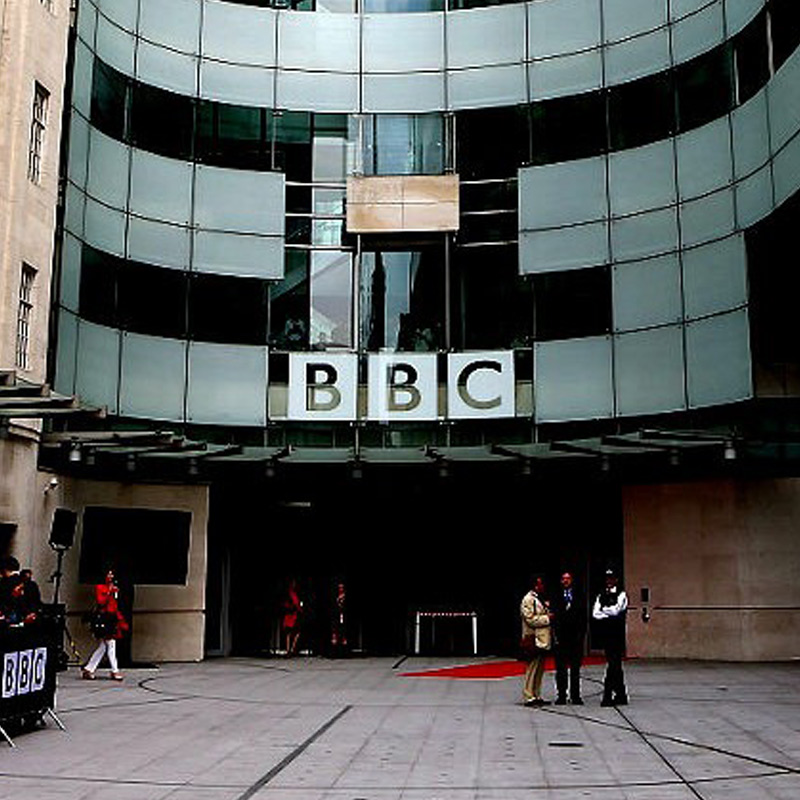
    BBC admits struggling to compete with Netflix, Amazon

    MUMBAI: Even a broadcaster and ancient brand like the BCC cannot escape the threat of the new digital transformation and change in audience habit. In its second annual report, the British broadcaster admitted that it is facing a crisis as the viewing habits of younger audiences change.

    The kids of today find on-demand content more appealing. 82 per cent of children in the UK prefer YouTube for on-demand content, 50 per cent log into Netflix and only 29 per cent use BBC iPlayer. The report says children spend more time each week online than watching TV.

    “At the same time, maintaining the reach and time that audiences spend with our output is equally difficult, when they have so many other choices at their disposal,” BBC said in the report.

    The report estimates 16 to 24 year-olds spend more time with Netflix in a week than with all of BBC TV including the BBC iPlayer.

    Against this context, BBC wants to keep its commitment to the highest production and editorial standards. It will sustain investment in new and original British output, made all over the UK. “We will take creative risks and keep the right balance between new series and returning favourites,” BBC said.

    “Major new entrants such as Amazon and Netflix have meant that the global media market is increasingly dominated by a small number of US-based media giants with extraordinary creative and financial firepower,” BBC fears.

    BBC’s urgent challenge is to develop new ways to grow its income to keep pace with rich competitors like Amazon, Netflix whose money supply seems to have no end.

    Also Read:

    Netflix announces new Indian original film ‘Lust Stories’

    BBC launches news in Indian languages, ties up with Eenadu and India News

  • Video will take 76% of Net in ’21, Indian users will double & devices grow by 2bn

    NEW DELHI: Digital transformation will continue to drive IP traffic in India with the projected increase in Internet users from 373 million in 2016 to 829 million or 59% of the Indian population in 2021, which is among the highest in the world.

    In addition, there will be two billion networked devices in 2021, up from 1.4 billion in 2016 and the overall IP traffic is expected to grow fourfold from 2016 to 2021, a compound annual growth rate of 30% – thus reaching 6.5 Exabytes of data per month in 2021, up from 1.7 Exabytes per month in 2016.

    M2M connections will represent 22% of the total two billion devices and connections and will account for 5% of IP traffic by 2021. Advancements in IoT applications such as smart meters, package tracking, digital health monitors and a host of other next-generation M2M services is driving this incremental growth—nearly 21% increase in the next five years, according to Cisco Visual Networking Index (VNI) Complete Forecast..

    Video will continue to dominate IP traffic and overall Internet traffic growth – taking 76% of all Internet traffic in 2021, up from 57% in 2016. India will reach 84 billion Internet video minutes per month by 2021, which is 1,60,000 years of video per month, or about thirty two thousand video minutes every second.

    “Mobile networks, devices and connections in India are not only getting smarter in their computing capabilities but are also evolving from lower-generation network connectivity (2G) to higher-generation network connectivity (3G, 3.5G, and 4G or LTE). Combining device capabilities with faster, higher bandwidth and more intelligent networks is leading to wide adoption of high bandwidth data, video and advanced multimedia applications that contribute to increased mobile and Wi-Fi traffic” said Cisco India & SAARC Managing Director, Service Provider Business, Sanjay Kaul.

    He added: “We are witnessing a burgeoning rise in usage of mobile applications and connectivity by end users. The need for optimized bandwidth management, network automation, e2e security and ultimately network monetization through cost efficient data production is fuelling the growth of network automation, mass market 4G deployments and adoption, soon to be followed with 4.5G and 5G. Service providers around the world are busy architecting their networks to be more autonomous and capable of handling high bandwidth to help them meet the growing end-users demand for more bandwidth, higher security, and faster connectivity on the move. Many providers have also started field trials for 5G and are gearing towards rolling out 5G deployments towards the end of the VNI forecast period.”

    India Internet Growth and Trends:

    1. Increase in Internet Users, devices & connection
    · In India, there will be 829 million total Internet users (59% of population) in 2021, up from 373 million (28% of population) in 2016
    · In India, there will be 2.0 billion networked devices in 2021, up from 1.4 billion in 2016

    2. Increase in IP Traffic & Internet Traffic
    · In India, Consumer Internet video traffic will reach 3.0 Exabytes per month in 2021, the equivalent of 756 million DVDs per month, or 1 million DVDs per hour
    · In India, Consumer Internet video traffic was 535 Petabytes per month in 2016, the equivalent of 134 million DVDs per month, or 183,261 DVDs per hour
    · In India, Internet video traffic will be 77% of all consumer Internet traffic in 2021, up from 58% in 2016
    · In India, Internet traffic will grow 4.0-fold from 2016 to 2021, a compound annual growth rate of 32%
    · In 2021, the gigabyte equivalent of all movies ever made will cross the Internet every 54 minutes
    · Indian Internet traffic in 2021 will be equivalent to 291x the volume of the entire Indian Internet in 2005

    3. Increase in Per capita Usage
    · In India, IP traffic will reach 5 Gigabytes per capita in 2021, up from 1 Gigabytes in 2016

    4. Internet users & Faster Broadband Speed
    · In India, there will be 829 million total Internet users (59% of population) in 2021, up from 373 million (28% of population) in 2016
    · In India, the average fixed broadband speed will grow 2.8-fold from 2016 to 2021, from 6.6 Mbps to 18.2 Mbps

    5. Increase in Mobile, Internet Video
    · In India, mobile data traffic will grow seven-fold from 2016 to 2021, a compound annual growth rate of 49%
    · In India, mobile data traffic in 2021 will be equivalent to 88x the volume of the entire Indian Internet in 2005
    · In India, IP video will be 83% of all IP traffic in 2021, up from 69% in 2016
    · In India, Internet video traffic will grow 5-fold from 2016 to 2021, a compound annual growth rate of 40%
    · In India, total Internet video traffic (business and consumer, combined) will be 76% of all Internet traffic in 2021, up from 57% in 2016
    · In India, HD will be 51.4% of Internet video traffic in 2021, up from 12.0% in 2016 (87.9% CAGR)
    · In India, 84 billion minutes (159,201 years) of video content will cross the Internet each month in 2021. That’s 31,840 minutes of video streamed or downloaded every second
    ·In India, Internet video traffic will grow 5-fold from 2016 to 2021, a compound annual growth rate of 40%

    6. Increase in Networked Devices
    · In India, there will be 2.0 billion networked devices in 2021, from 1.4 billion networked devices in 2016, and 1.3 billion in 2015
    · In India, 67% of all networked devices will be mobile-connected in 2021

    7. Growth in Internet video & gaming traffic
    · In India, Internet video traffic will be 77% of all consumer Internet traffic in 2021, up from 58% in 2016
    · In India, gaming traffic will grow 7-fold from 2016 to 2021, a compound annual growth rate of 49%

    Key Findings & Milestones from Global Traffic Projections and Service Adoption Trends

    1. Strong Growth in IP & Internet Traffic
    · Global IP traffic is expected to reach 278 exabytes per month by 2021, up from 96 exabytes per month in 2016. Global IP traffic is expected to reach an annual run rate of 3.3 zettabytes by 2021.
    · Busy hour Internet traffic is increasing faster than average Internet traffic. Busy hour Internet traffic will grow 4.6-fold (35% CAGR) from 2016 to 2021, reaching 4.3 Pbps by 2021, compared to average Internet traffic that will grow 3.2-fold (26% CAGR) over the same period reaching 717 Tbps by 2021.
    · Content delivery networks (CDNs), will carry 71% of all Internet video traffic by 2021 (up from 52 percent in 2016).

    1. Average DDoS (Distributed Denial of Service) attacks size increasing steadily and approaching 1.2 Gpbs— enough to take most organizations completely offline
    · DDoS incidents can paralyze networks by flooding servers and network devices with traffic from multiple IP sources.
    · The peak attack size increased 60% Y/Y and represents up to 18% of a country’s total Internet traffic while they are occurring.
    · Average DDoS attack size increased to 22% which is relatively the same rate as Internet traffic at 29 percent Y/Y.
    · The DDoS attacks grew 172% in 2016 and will increase 2.5-fold to 3.1 million by 2021 globally.

    2. Globally, total public W-Fi hotspots (including homespots) will grow 6-fold from 2016 to 2021 from 94 million in 2016 to 541.6 million by 2021.
    · Globally, total Wi-Fi homespots will grow from 85 million in 2016 to 526.2 million by 2021.
    · Globally there were 91 percent of public Wi-Fi hotspots in 2016 and by 2021 it is projected to reach 97 percent.
    · Leading hotspot countries: China (170M by 2021), US (86M by 2021), Japan (33M by 2021), and France (30M by 2021).

    3. By 2021, more than half (56 percent) of connected flat panel TV sets will be 4K up from 15% in 2016
    · Installed/In-service 4K TV sets will increase from 85M in 2016 to 663M by 2021.

    4. Cord-Cutting household traffic is 86 percent higher
    · A global cord-cutting household generates 117 GB per month in 2017, compared to 63 GB per month for an average household.

    5. Global Enterprise SD-WAN Traffic
    · SD-WAN traffic will grow at a CAGR of 44% compared to 5% for traditional WAN SD-WAN will increase 6x and will be 25% of WAN traffic by 2021
    · End-User Internet traffic is moving closer to the Edge. Nearly half of traffic will bypass core completely by 2021.

    Regional IP Traffic Growth Details
    · APAC: 107.7 exabytes/month by 2021, 26% CAGR, 3.2-fold growth
    · North America: 85 exabytes/month by 2021, 20% CAGR, 2.5-fold growth
    · Western Europe: 37.4 exabytes/month 2021, 22% CAGR, 2.7-fold growth
    · Central Europe: 17.1 exabytes/month by 2021, 22% CAGR, 2.75-fold growth
    · Latin America: 12.9 exabytes/month by 2021, 21% CAGR, 2.6-fold growth
    · West Asia and Africa: 15.5 exabytes/month by 2021, 42% CAGR, 5.8-fold growth
  • Frost and Sullivan to host “Digital Enterprise Transformation Summit 2015” in June

    Frost and Sullivan to host “Digital Enterprise Transformation Summit 2015” in June

    Mumbai:  Increasing high speed broadband penetration and social media along with digitization is driving many growth opportunities in the Indian market. An empowered and connected environment can increase efficiency and boost business profitability for enterprises. With the promise of such benefits, digital transformation is slowly becoming the top agenda for most organizations. However, as technologies are rapidly changing, the challenge faced by organizations is aligning their internal and external business needs to the next generation IT transformation.

    Frost & Sullivan will host its inaugural edition of the “Digital Enterprise Transformation Summit 2015” on June 18th at Hotel Le Meridien, New Delhi. The summit will allow business leaders, analysts, and experts to explore the possible opportunities in digital transformation and means to address the challenges. Frost & Sullivan’s analyst team will evaluate elements such as cloud, social, analytics, marketing automation, mobility, and collaboration.

    On the occasion, Frost & Sullivan, Global Innovation Center , Digital Media, Director, Vidya S. Nath said, “Digital transformation has evolved into a must-have strategy for enterprises across verticals in India. While digital platforms are a priority for consumer-facing sectors such as e-commerce, banking and financial services, medium and large enterprises in ICT, healthcare, etc., the manufacturing sector is also making fast strides to transform itself to embrace social, mobile, analytics and cloud (SMAC). Such transformation can help businesses gain significant efficiencies while boosting their revenue. However, such initiatives can fail without informed decisions aligning operational goals with business implications.”

    At the summit, Frost & Sullivan will release a whitepaper on Digital Enterprise Transformation and share key findings in terms of growth areas, leading market participants, and successful case studies from banking, healthcare, and IT. The summit will also have insightful keynote presentations on the roadmap for next generation IT automation in enterprises, and include collaborative panel discussions on the significance of cloud computing and leveraging advanced analytics to derive insights on customer engagement.

    In addition, the summit will include strategy workshops for CXOs to empower them in critical decision-making tools, methodologies, and best practices to accomplish growth in today’s highly competitive market. It will also present an opportunity for the participants to interact with Frost & Sullivan’s industry experts such as Mukul Krishna, Senior Director, Digital Media;  ICT Practice, Industry Manager,  Thejaswi Parameshwaran;  Vidya S. Nath, along with others, to examine a 360-degree perspective on their digital strategy in enterprises, as well as global and regional Mega Trends that will govern the market growth in the near future.